Cycle ride in the Toul region along the Moselle (France)
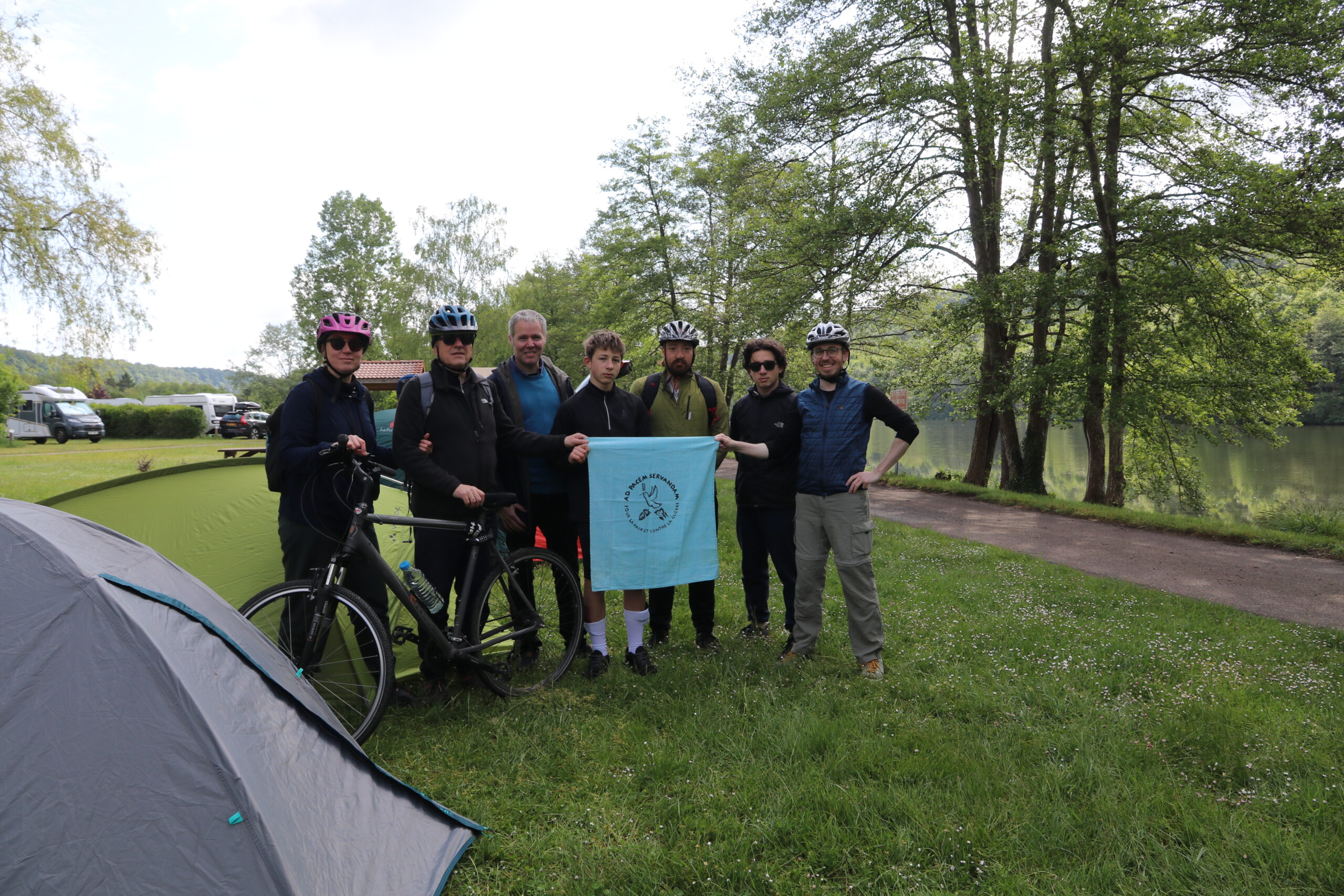
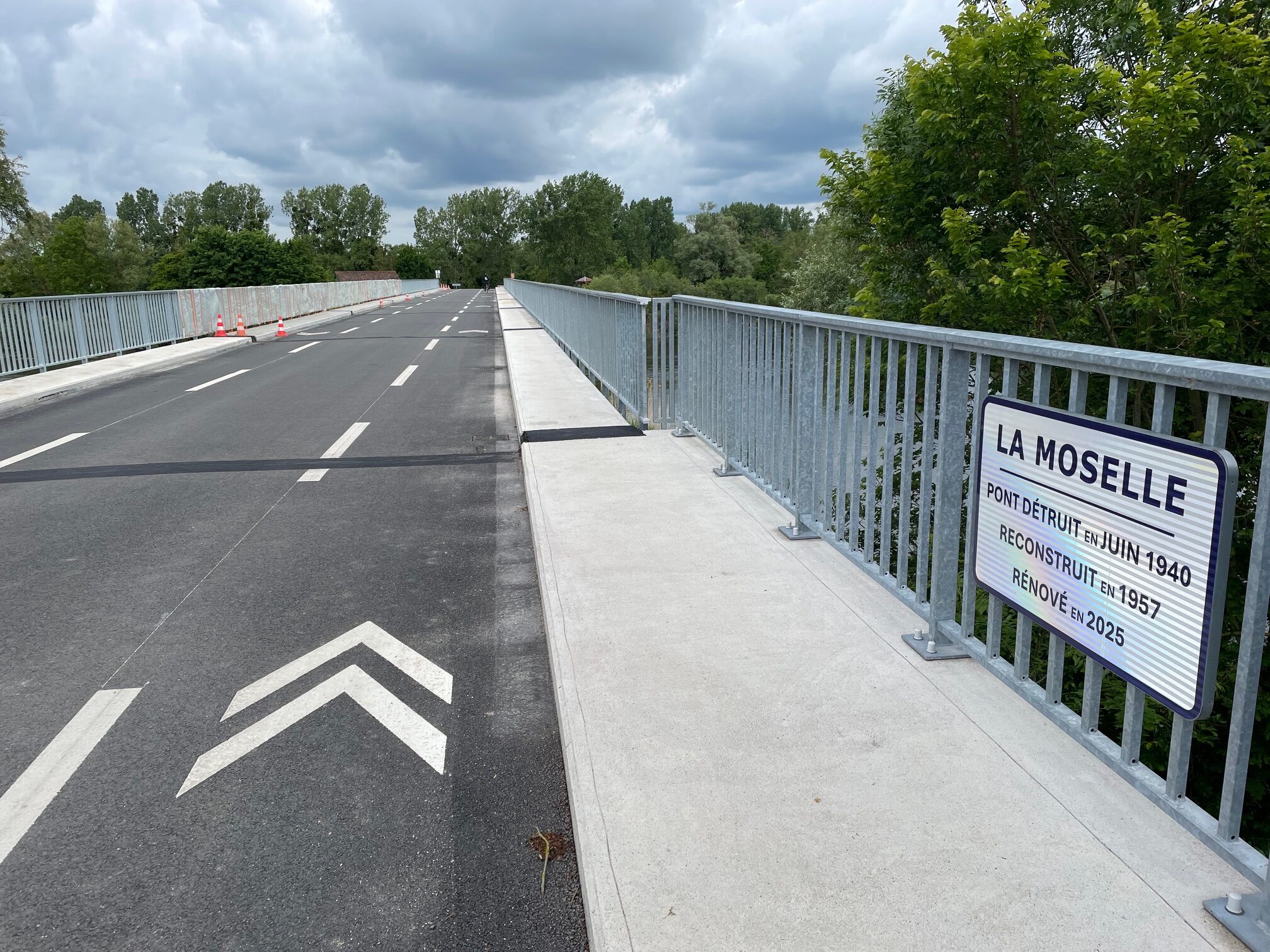
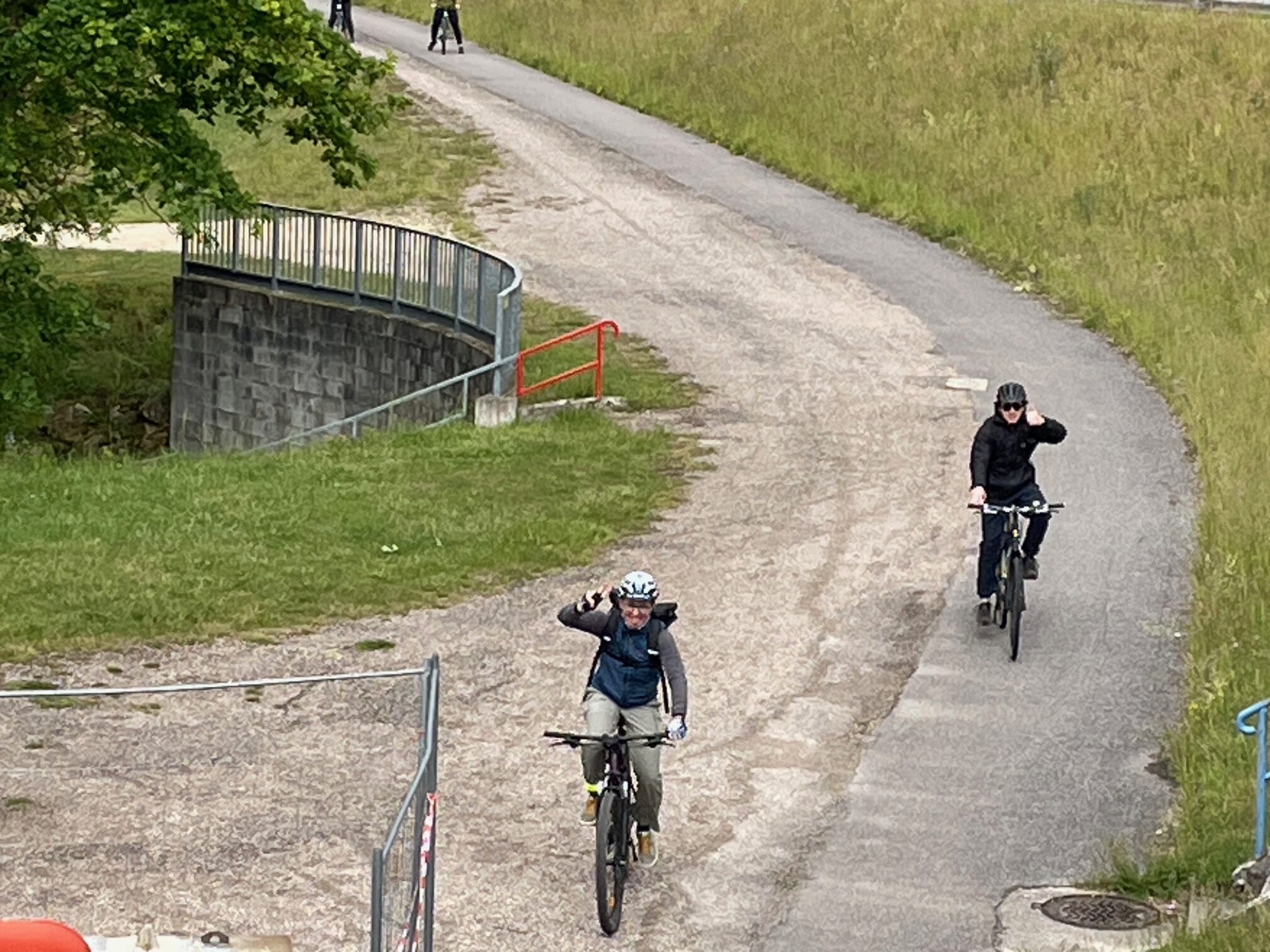
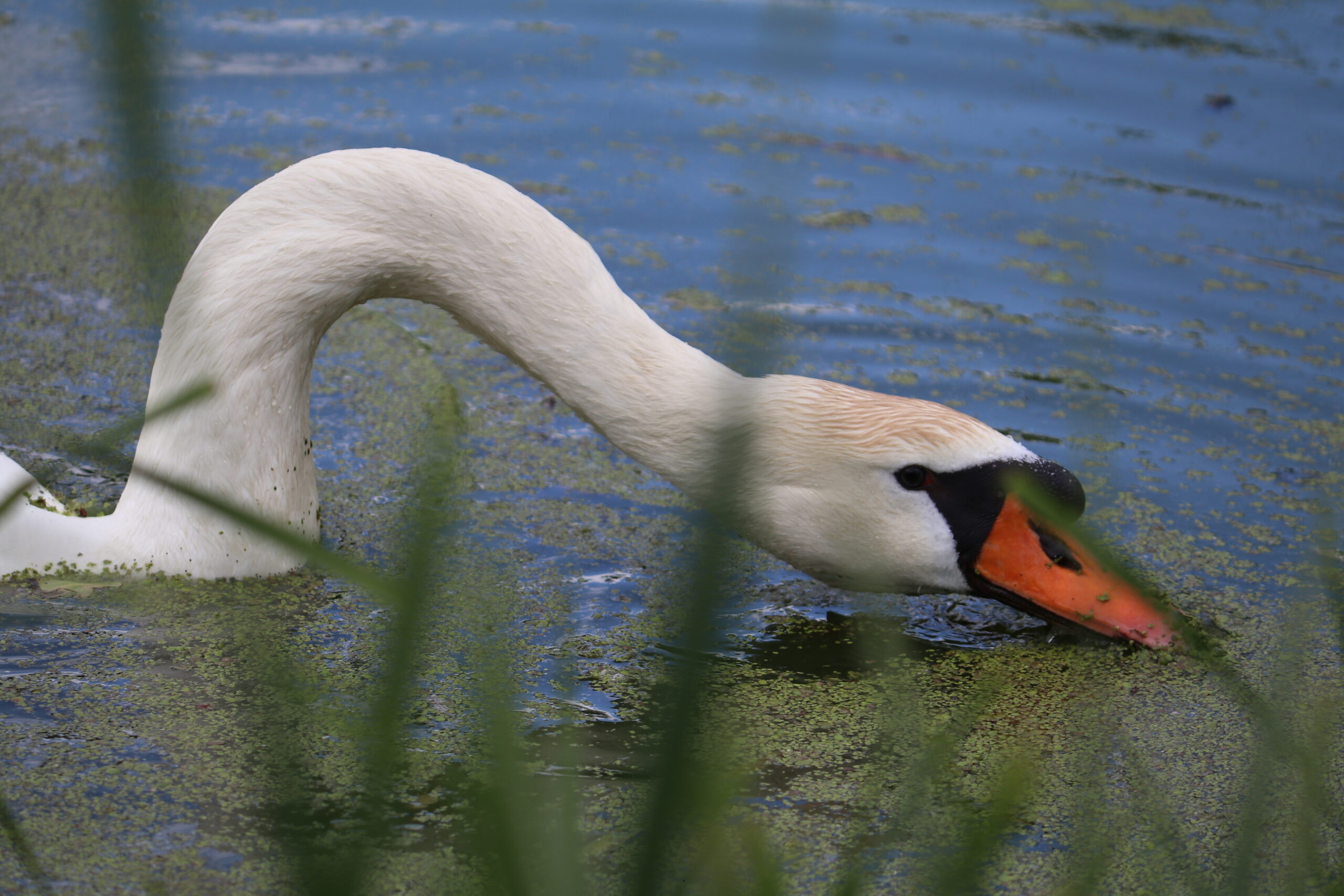
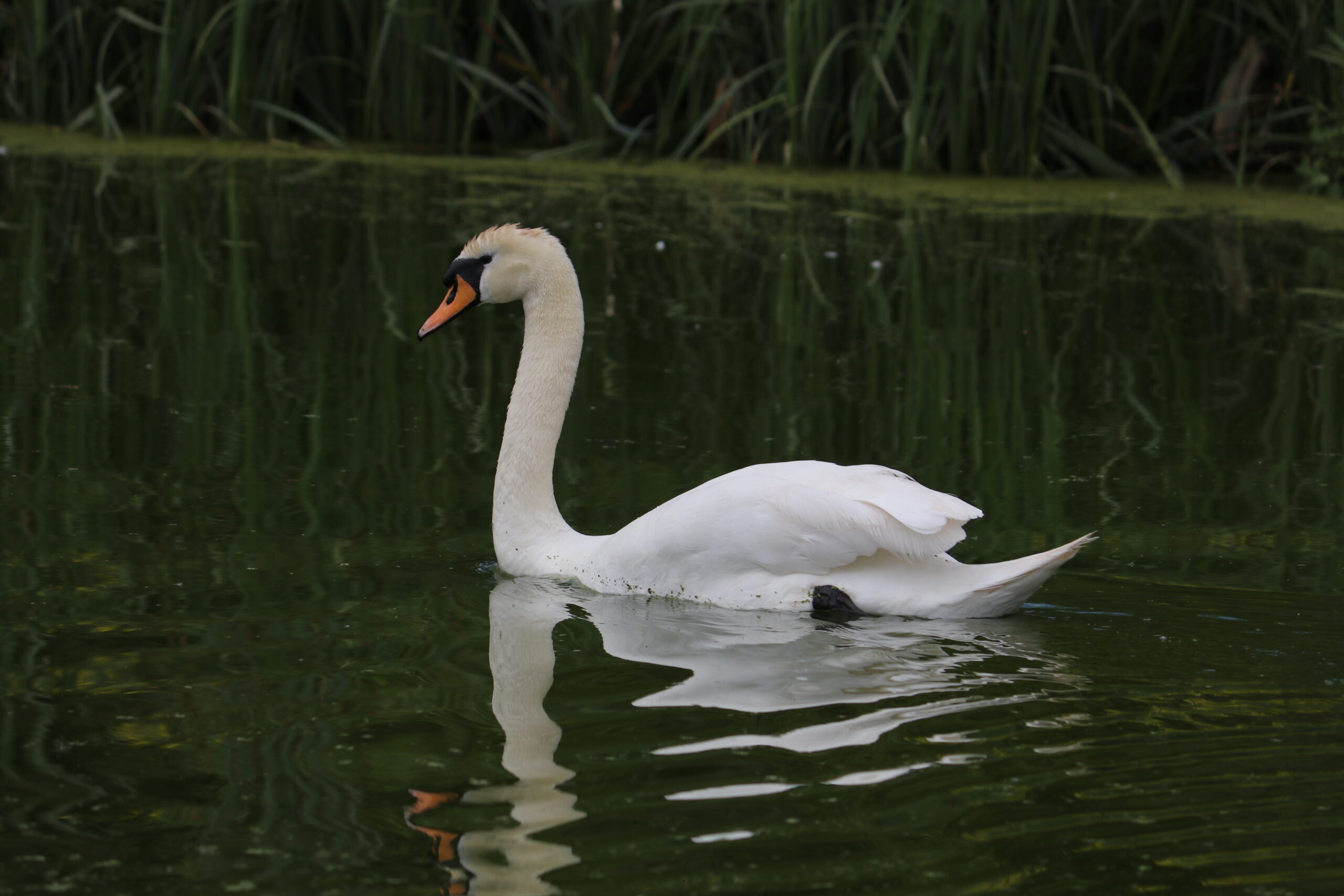
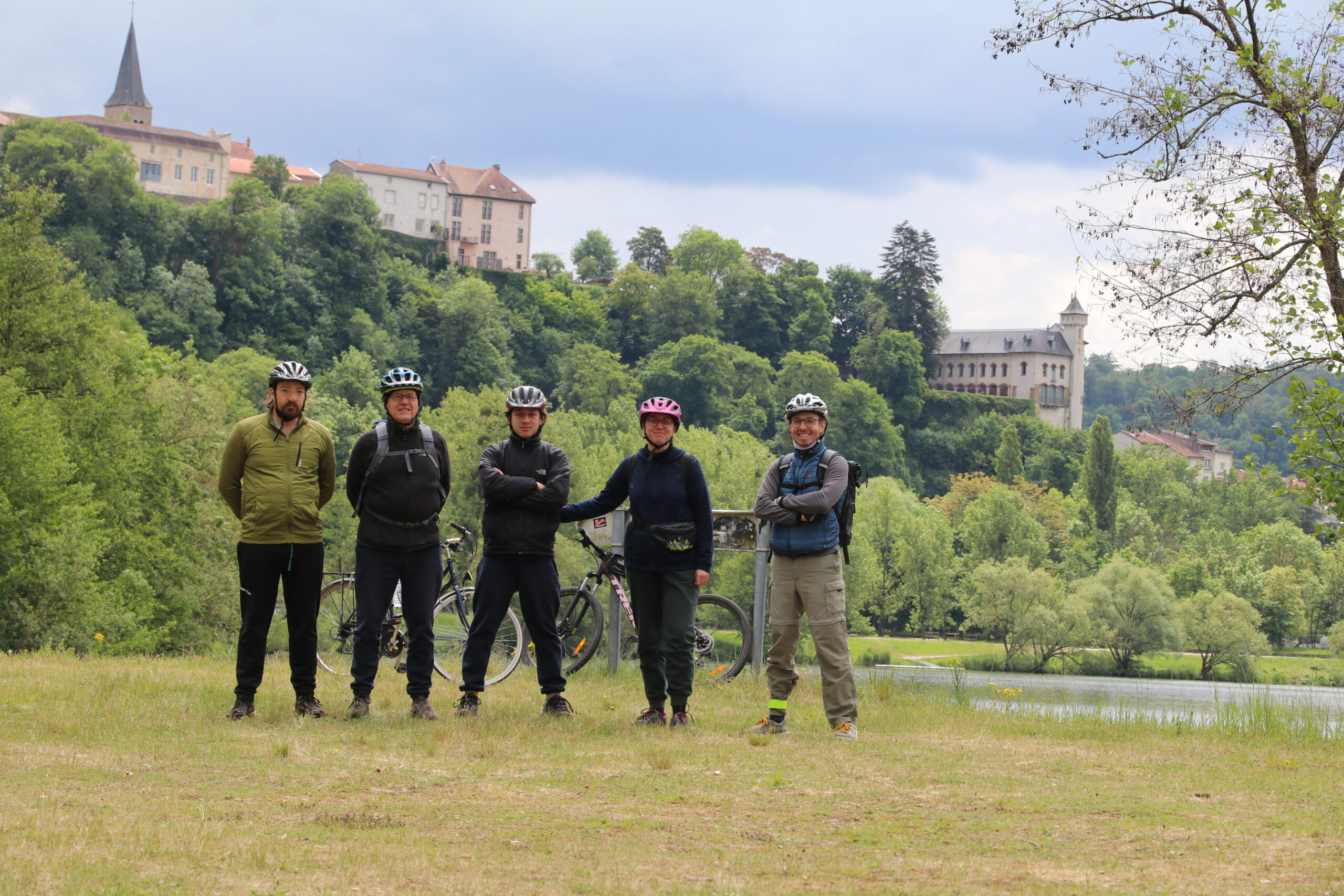
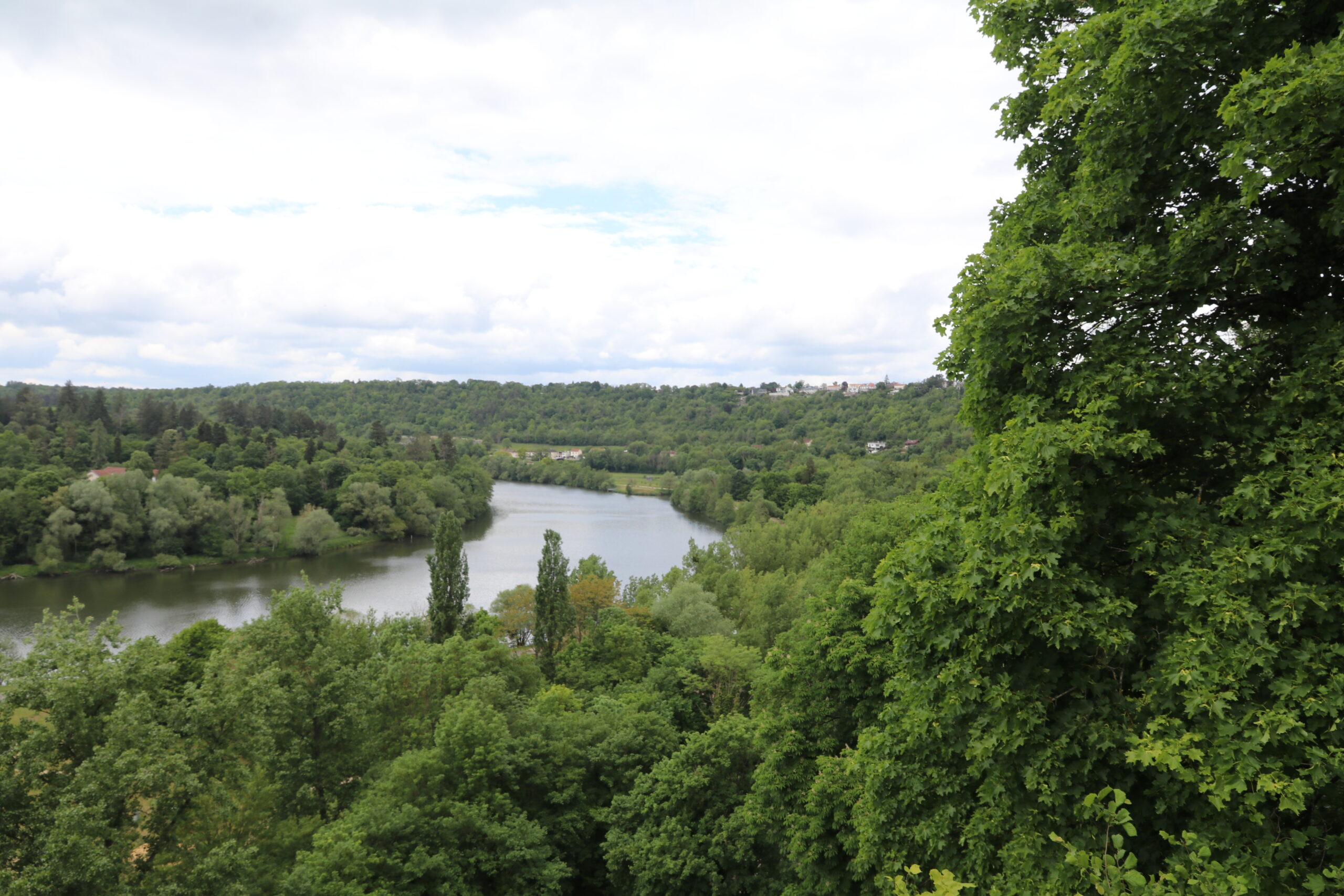
On 16 and 17 May 2026, the Ad Pacem committee organised a cycle ride in the Toul region, along the River Moselle. The small group met up on Saturday 16 May at 10am at the Villey-le-Sec campsite, situated between Nancy and Toul, on the banks of the Moselle. Almost the entire route followed the river through a green, rolling landscape. The cycle paths are well maintained and offer spots for a packed lunch or a break.
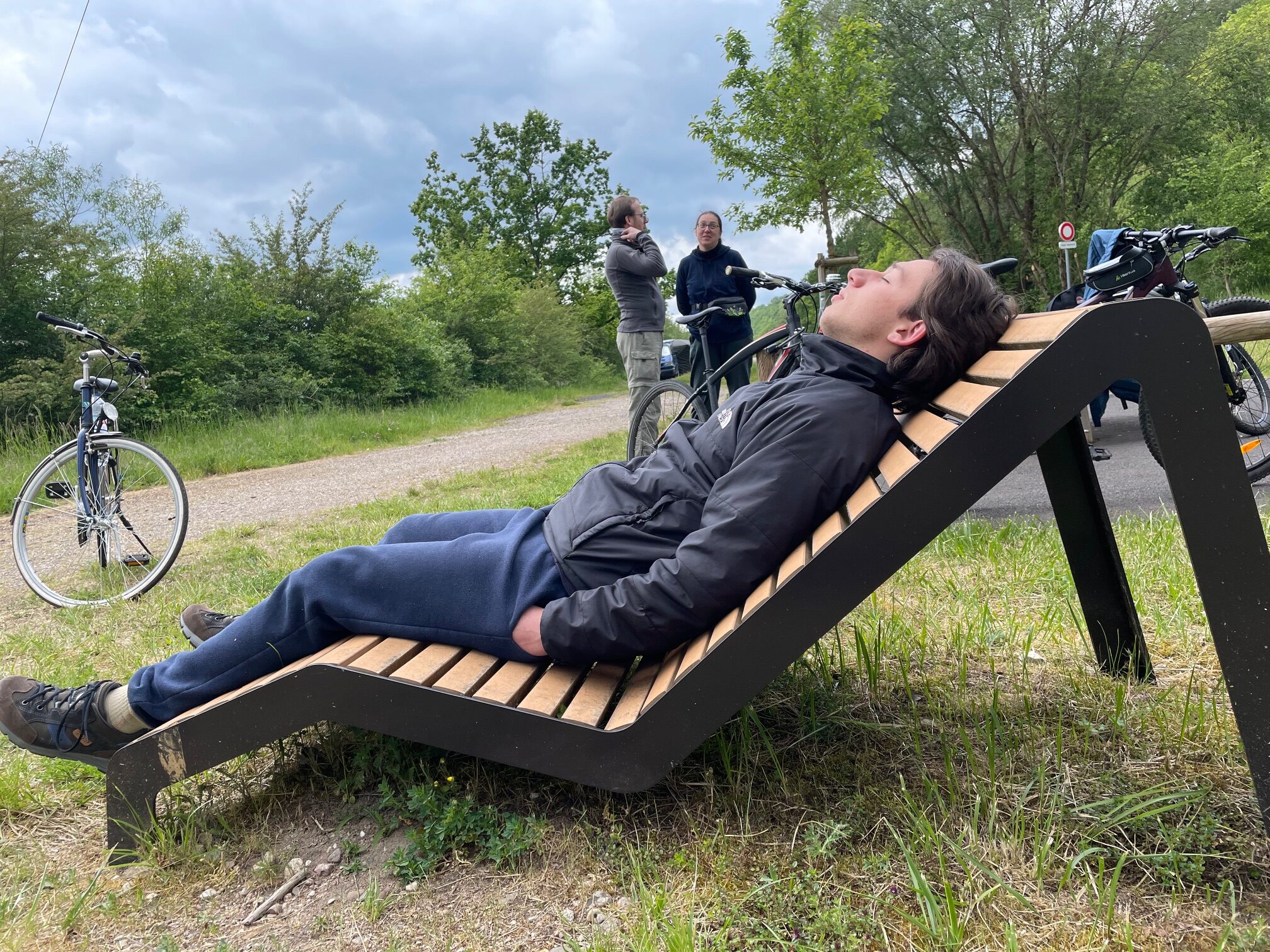
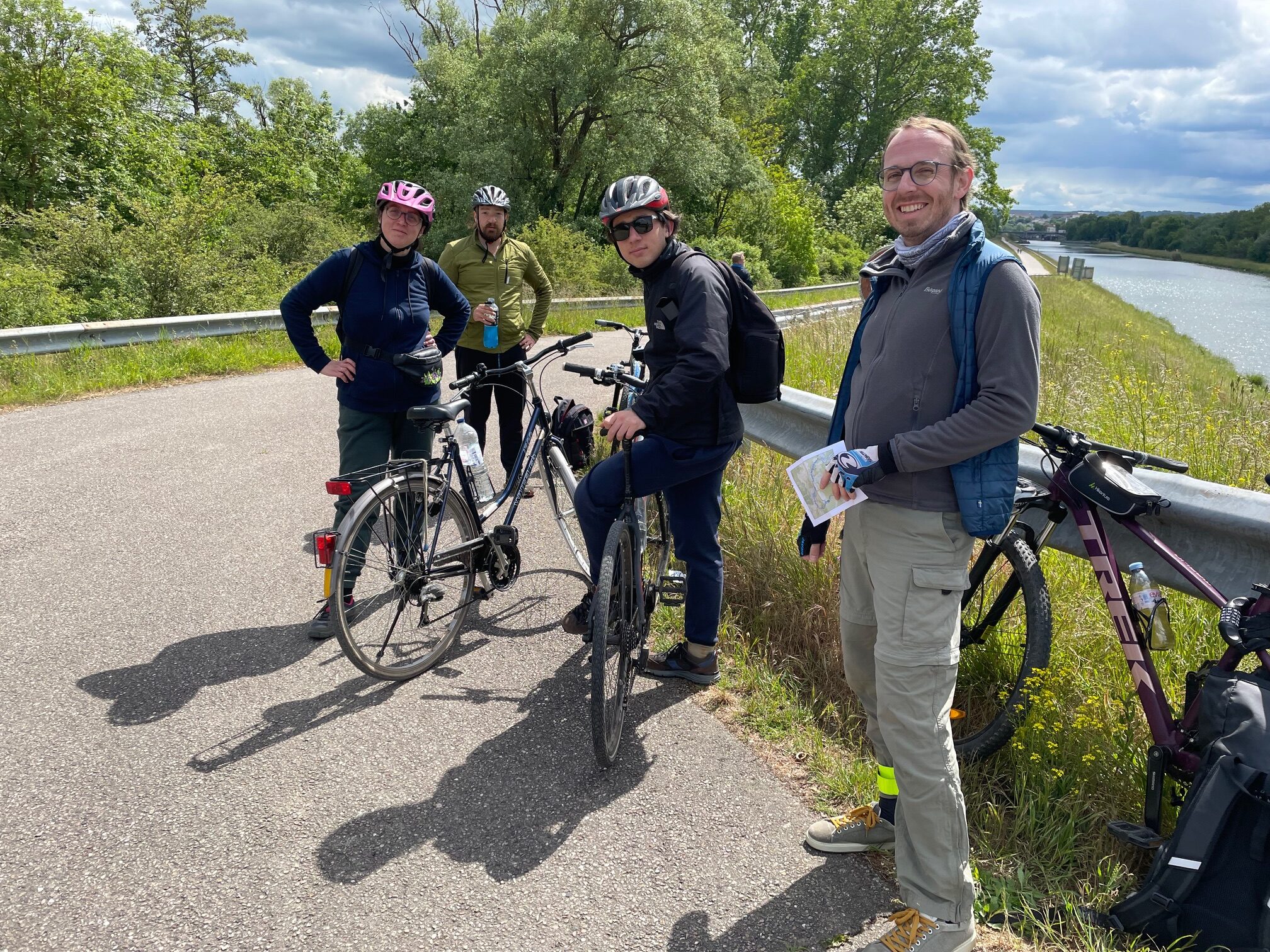
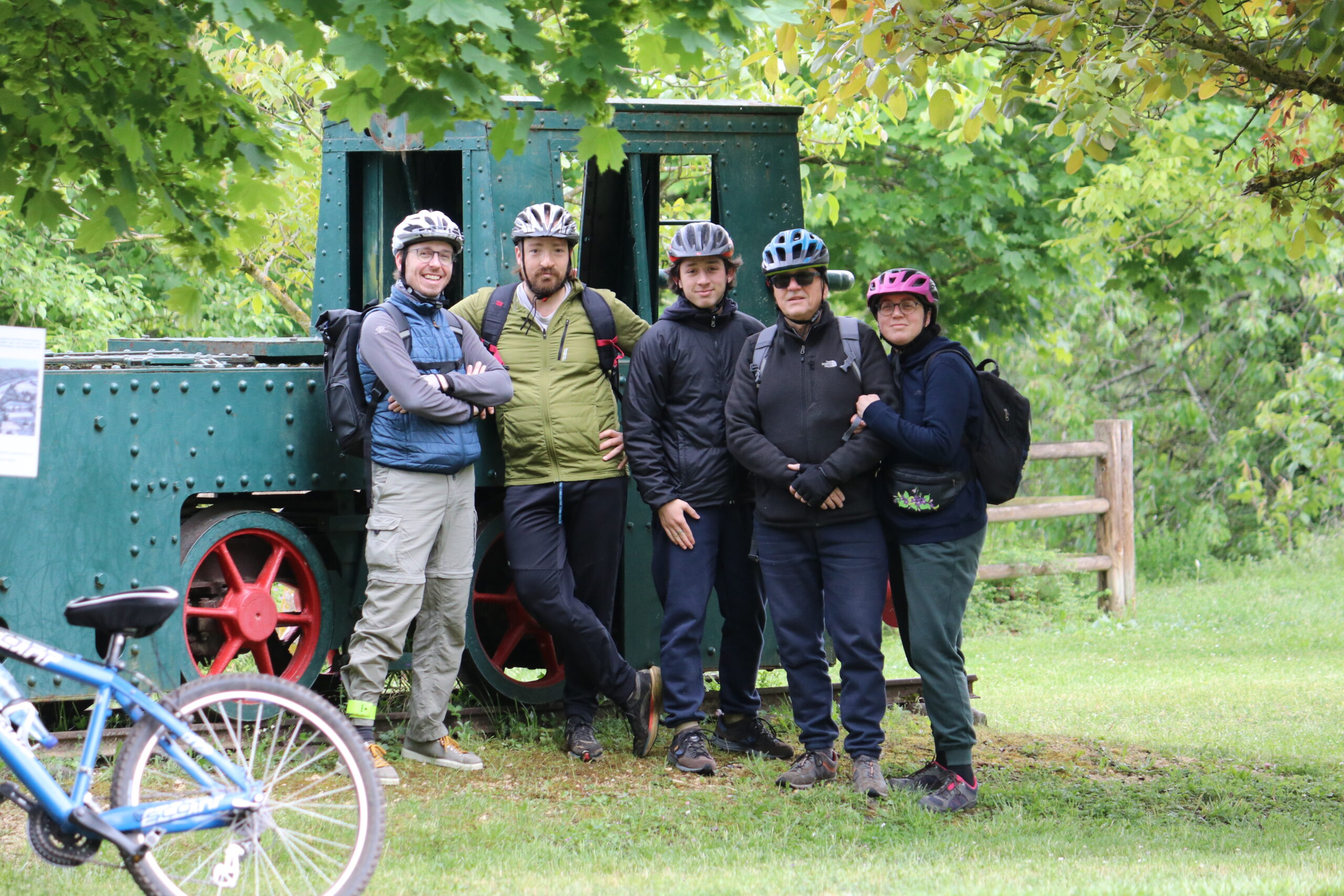
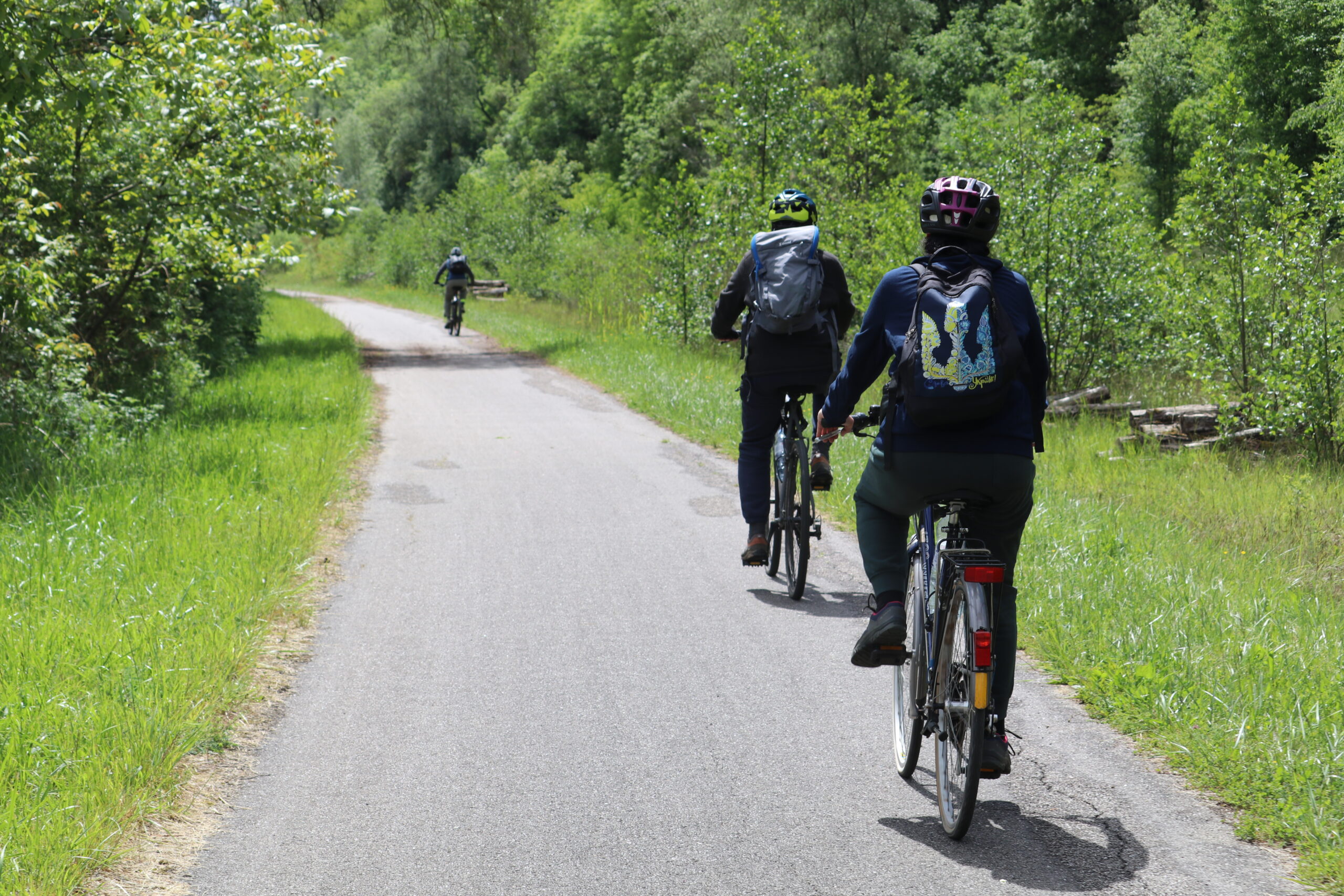
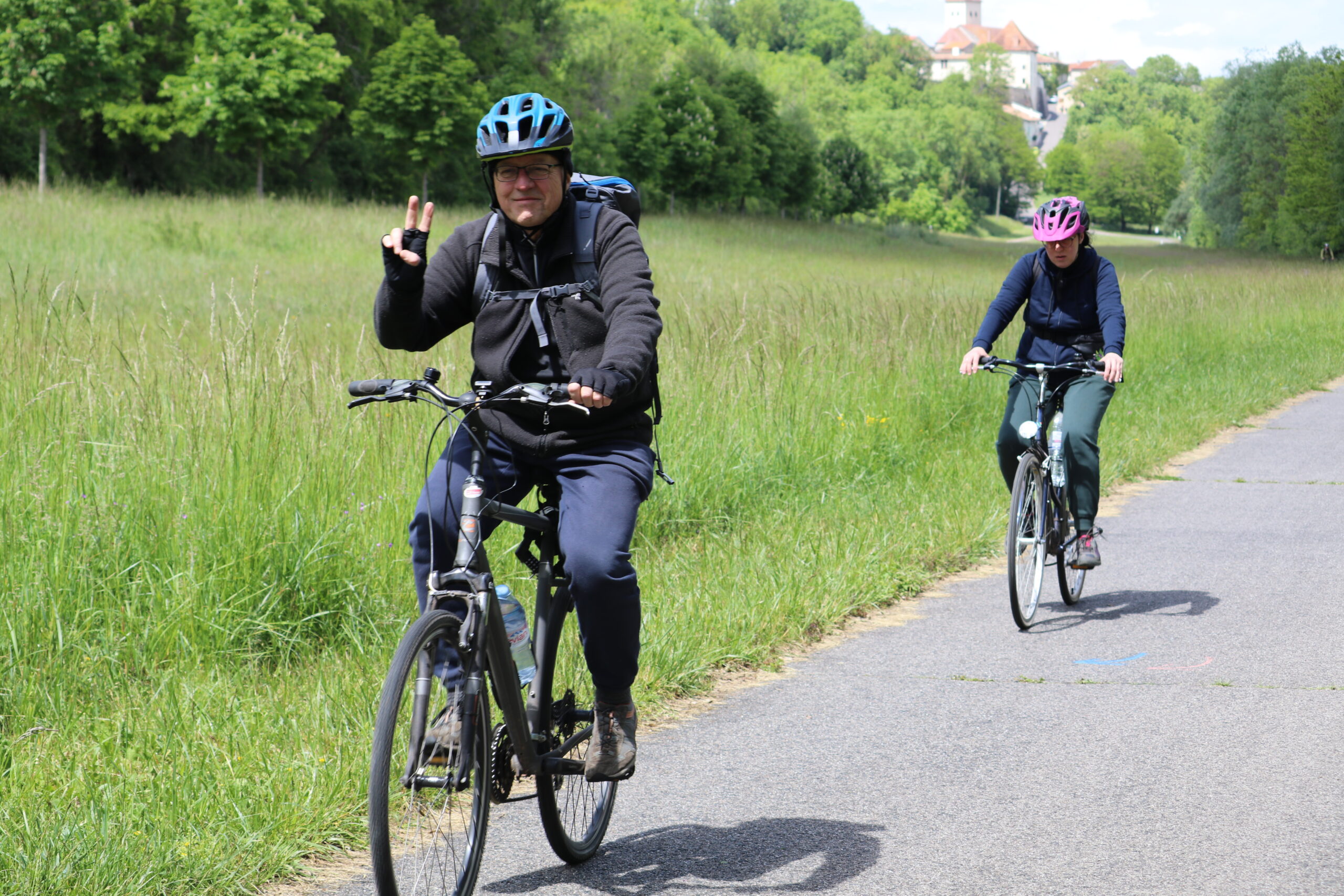
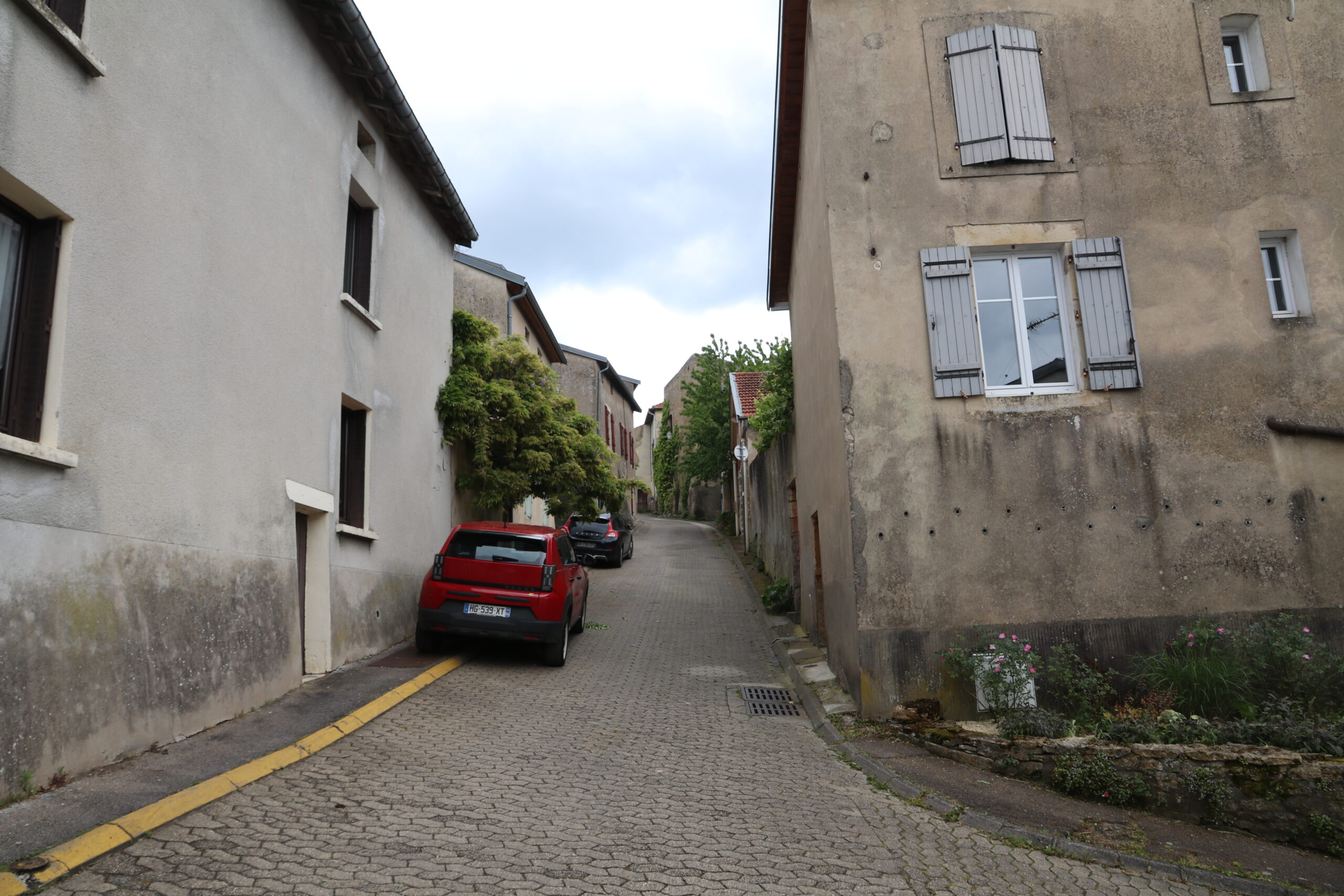
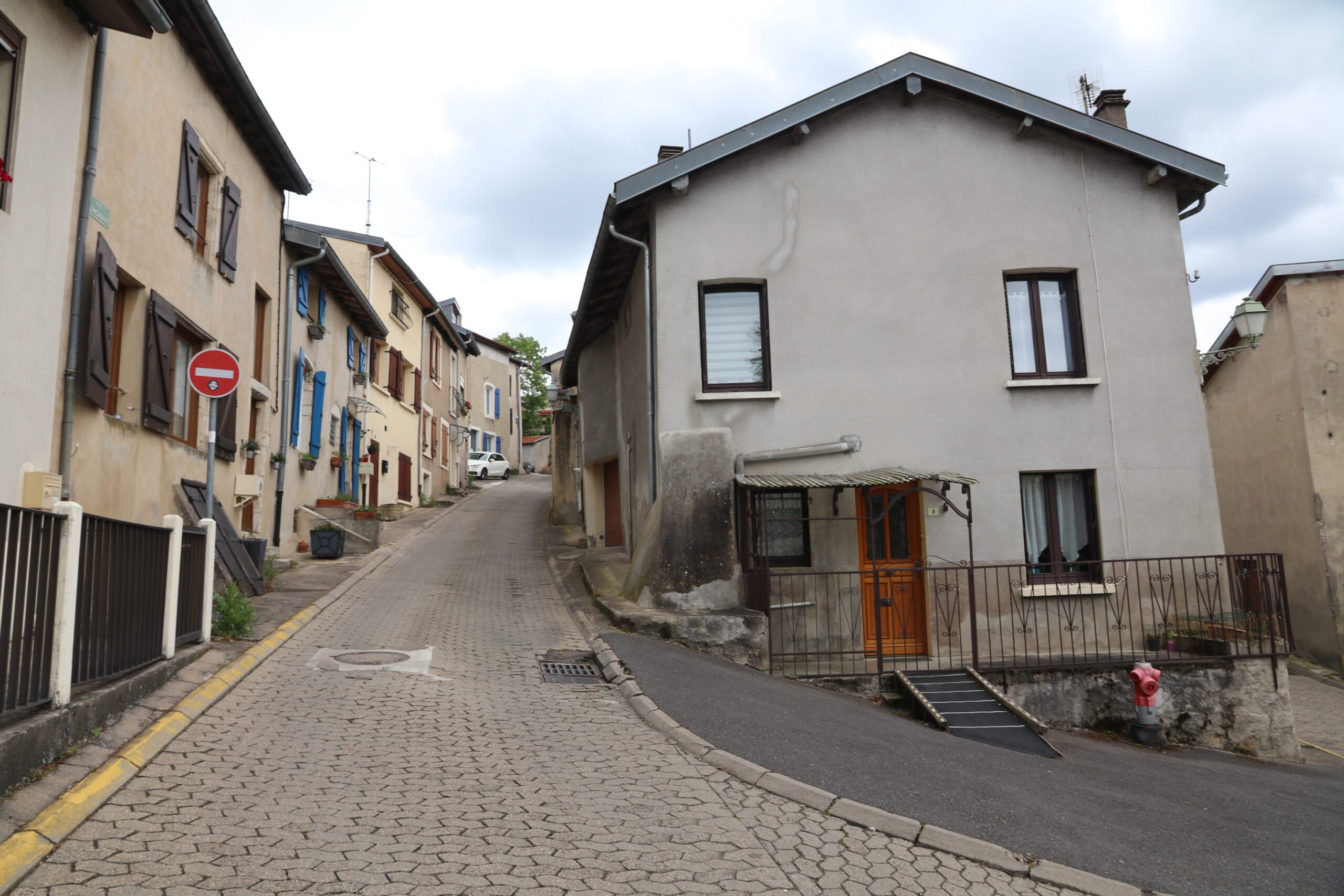
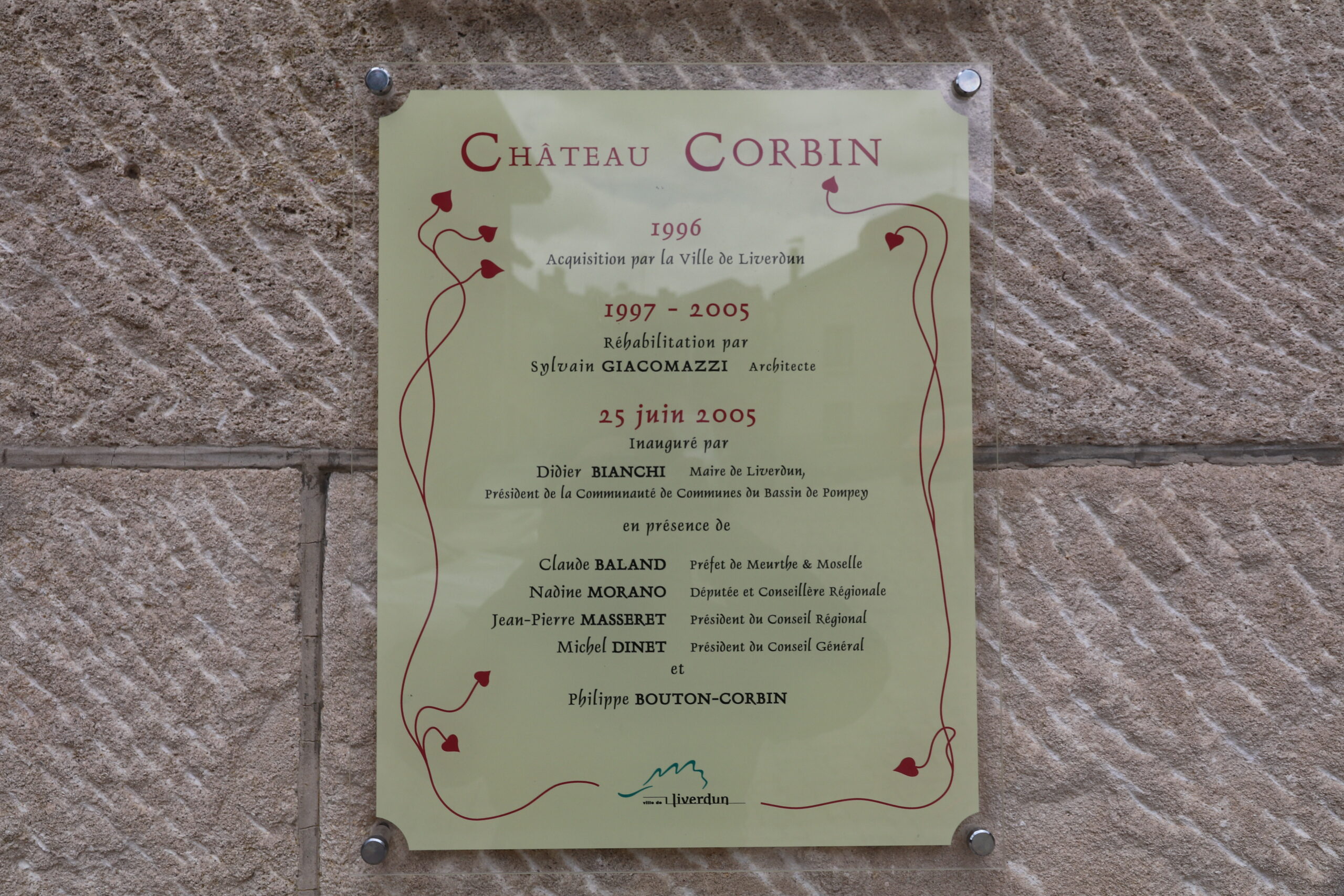
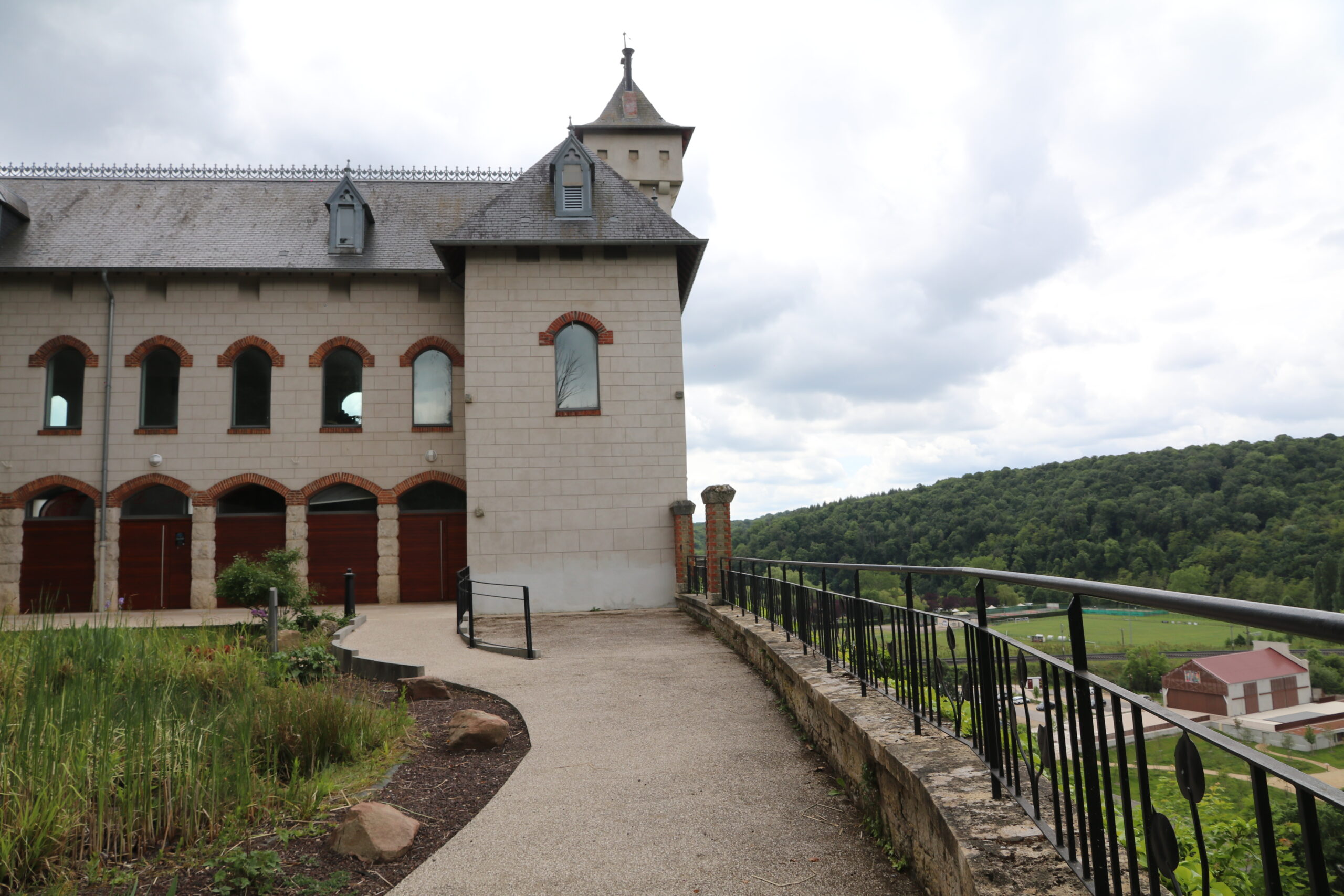
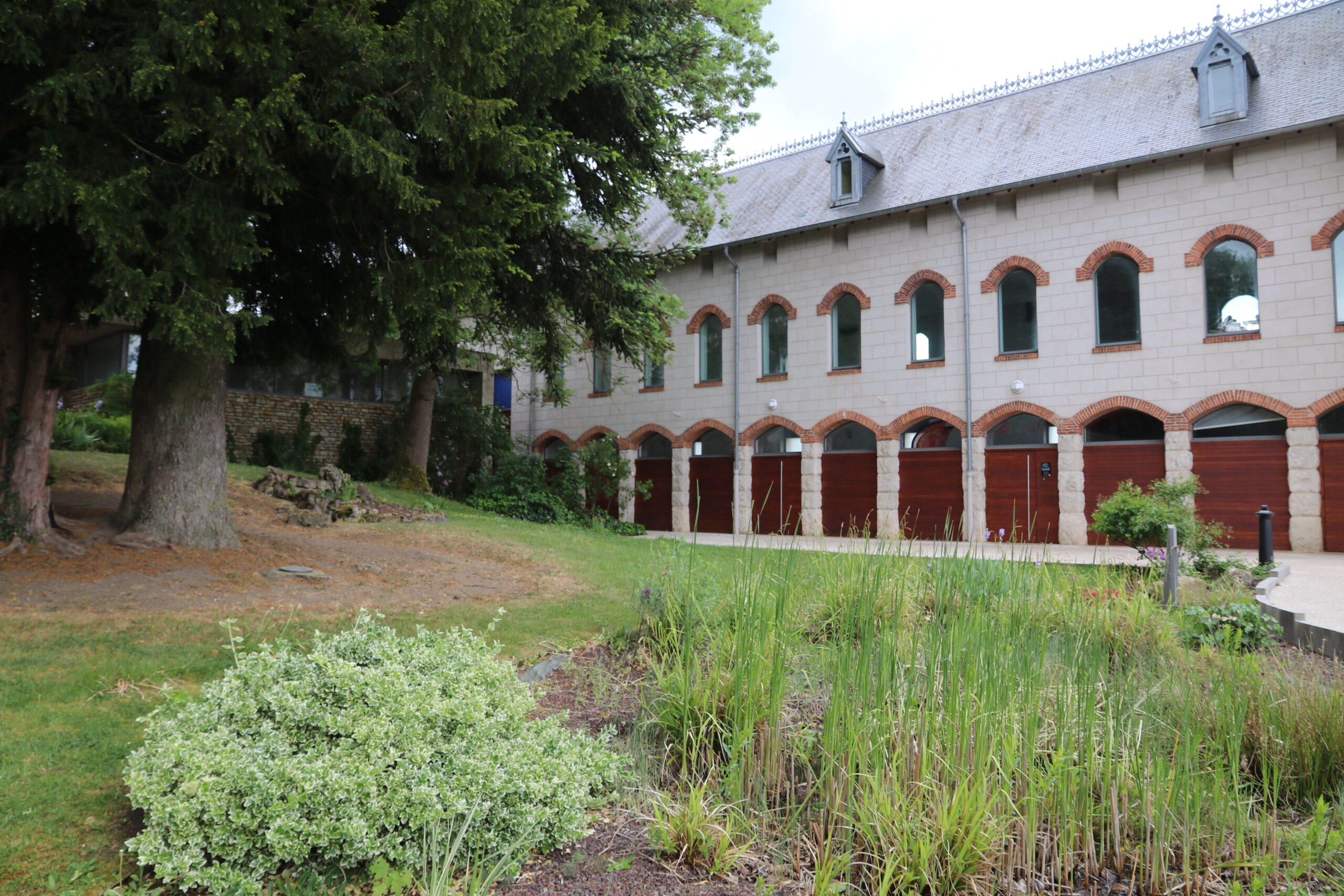
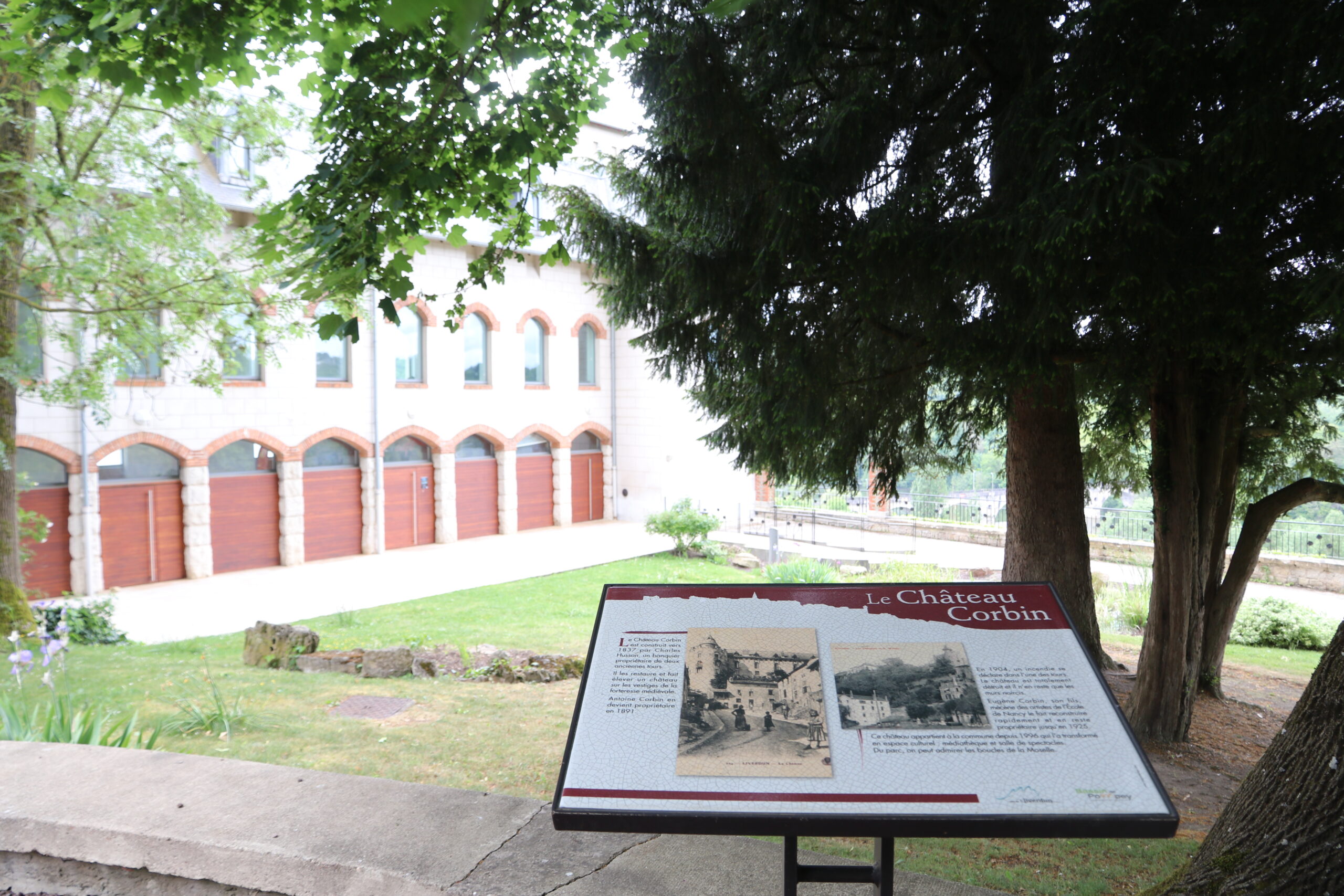
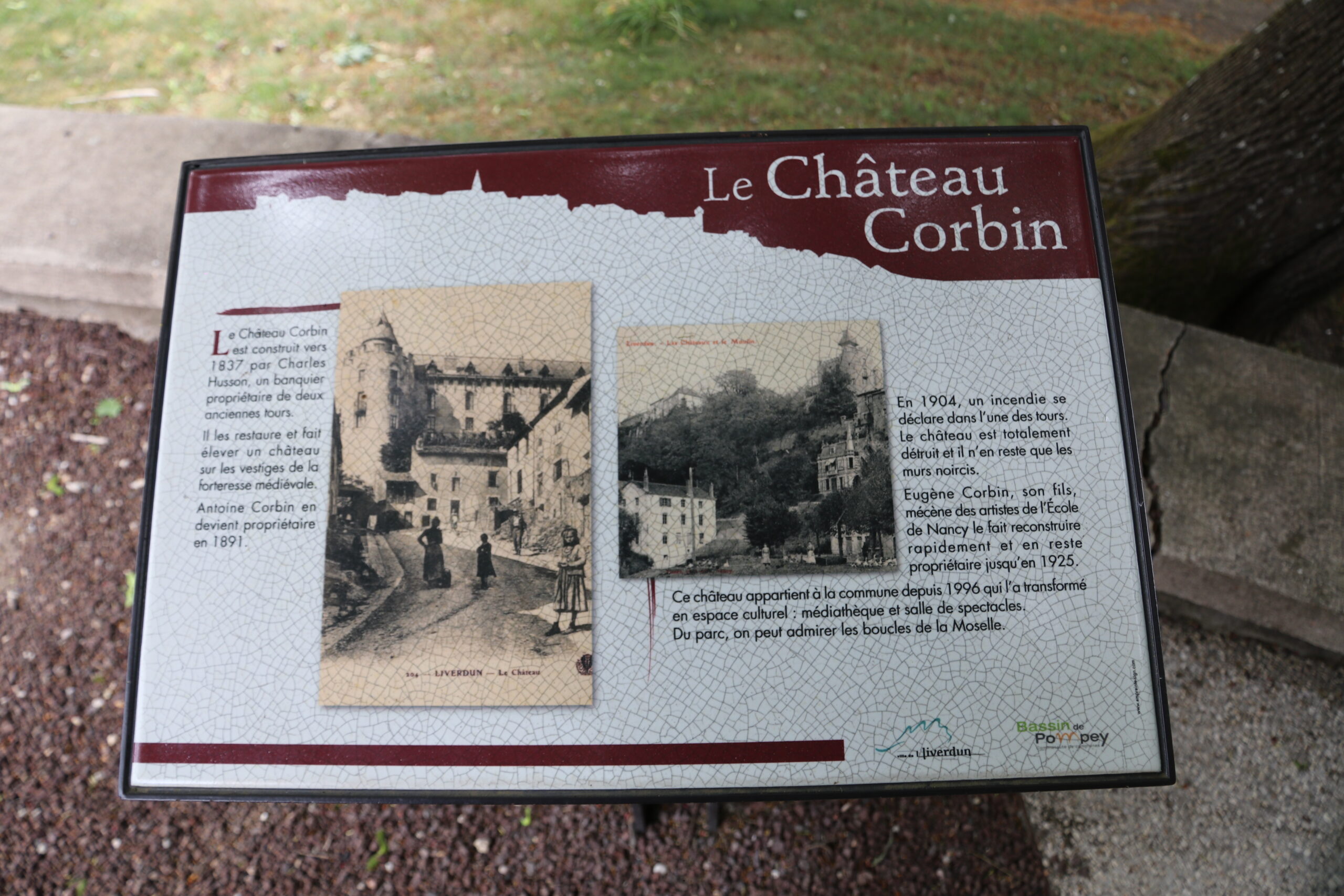
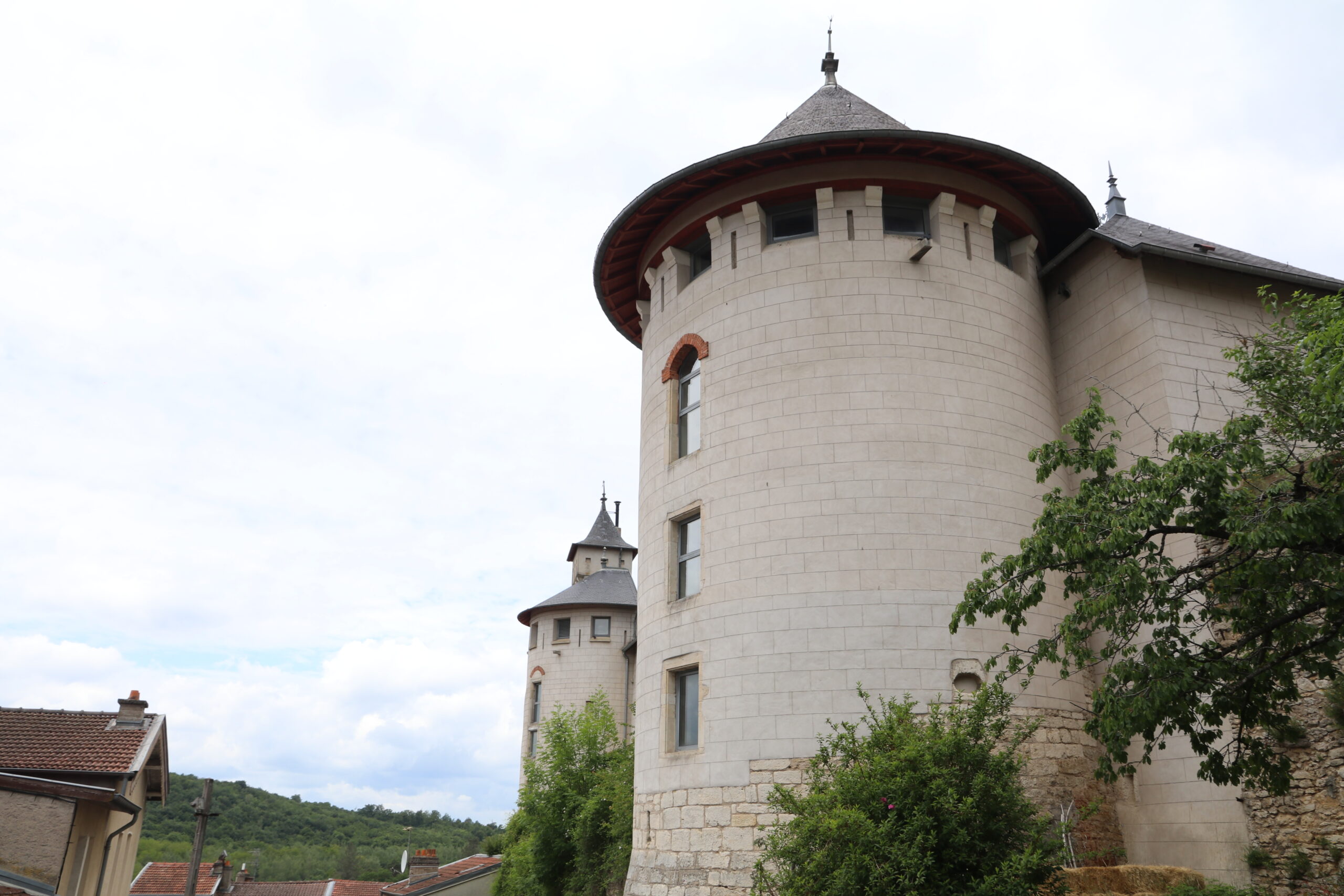
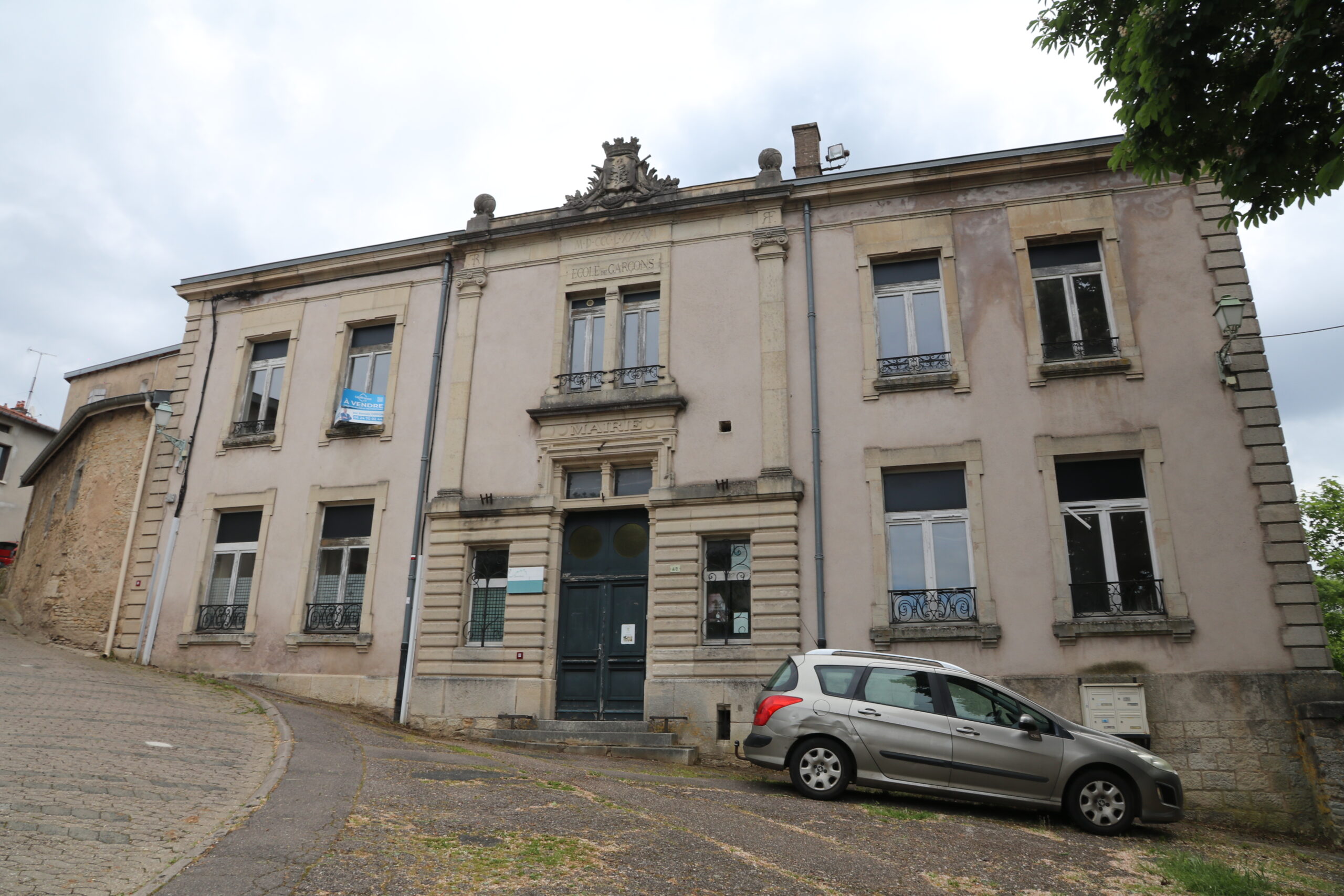
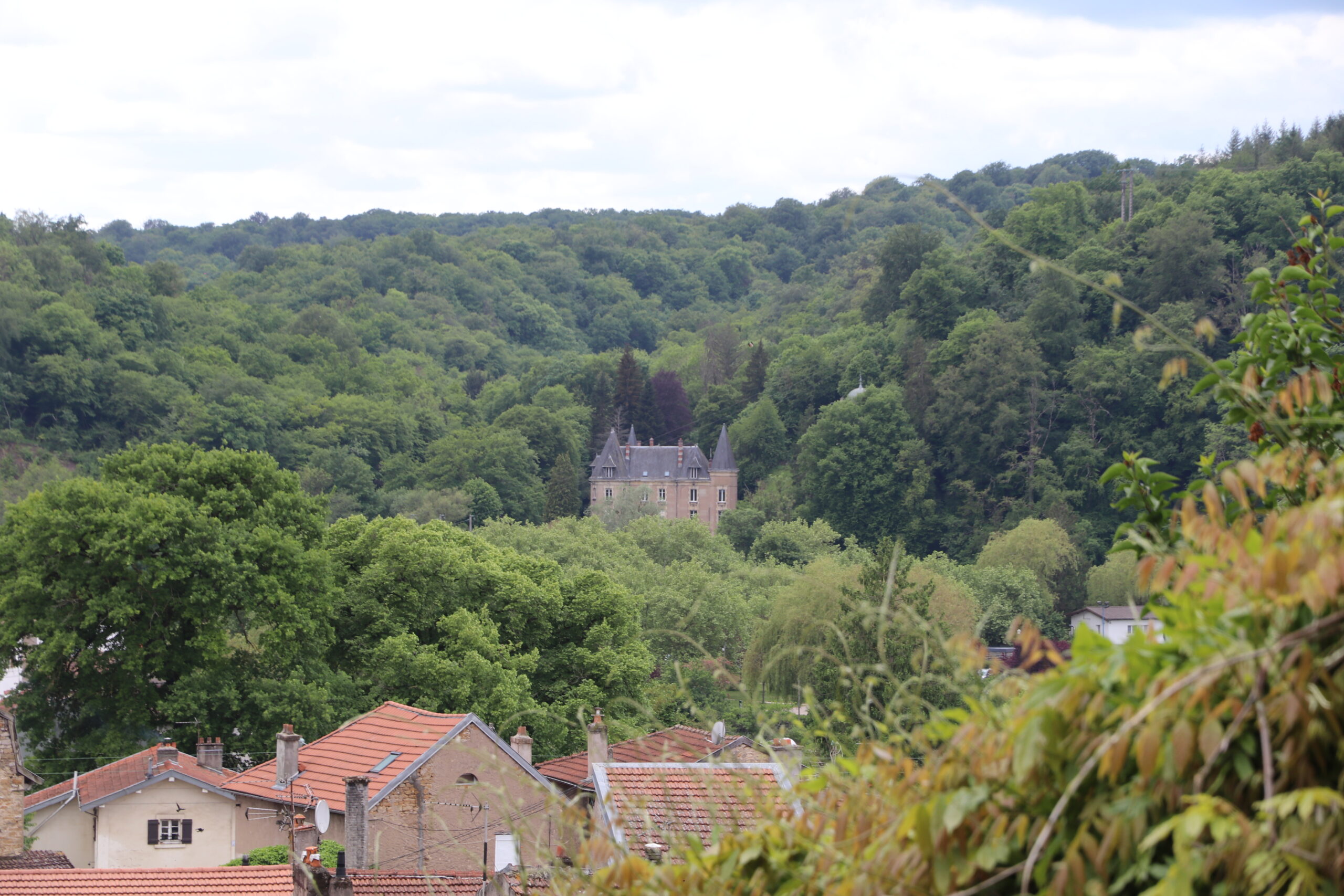
In Liverdun, situated near the Moselle between Nancy and Toul, the group stopped to visit the upper town centre with its restored castle.
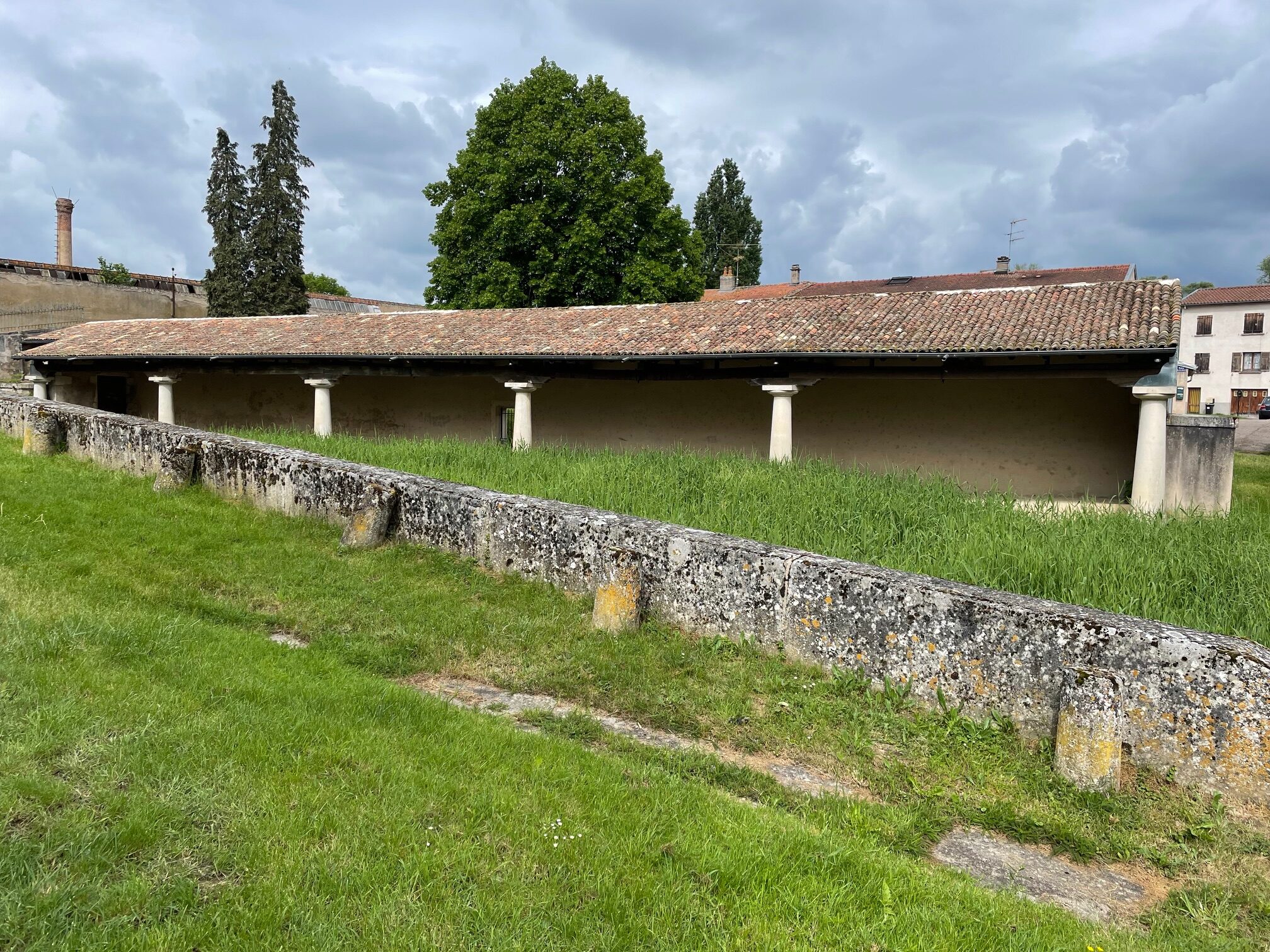
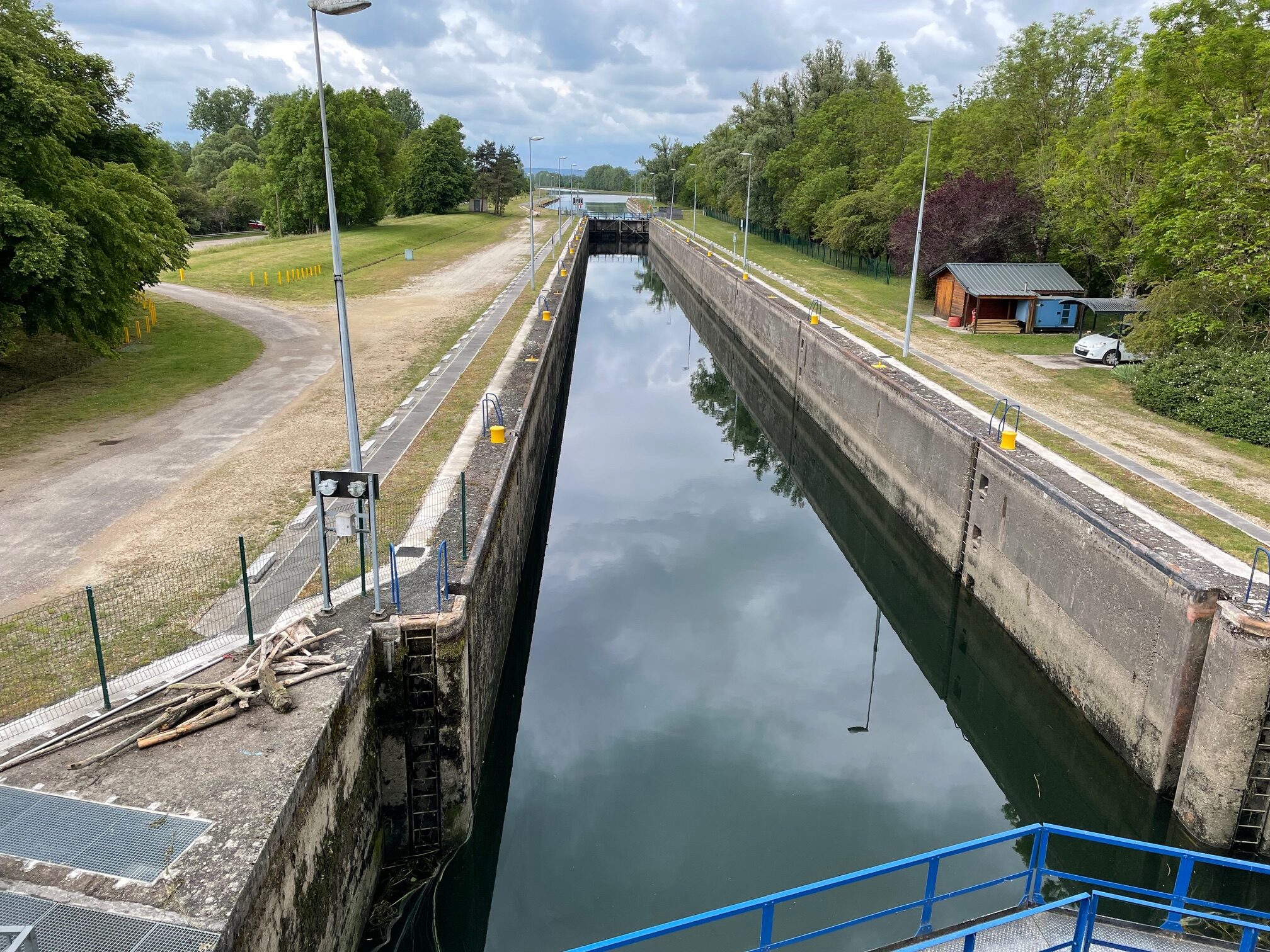
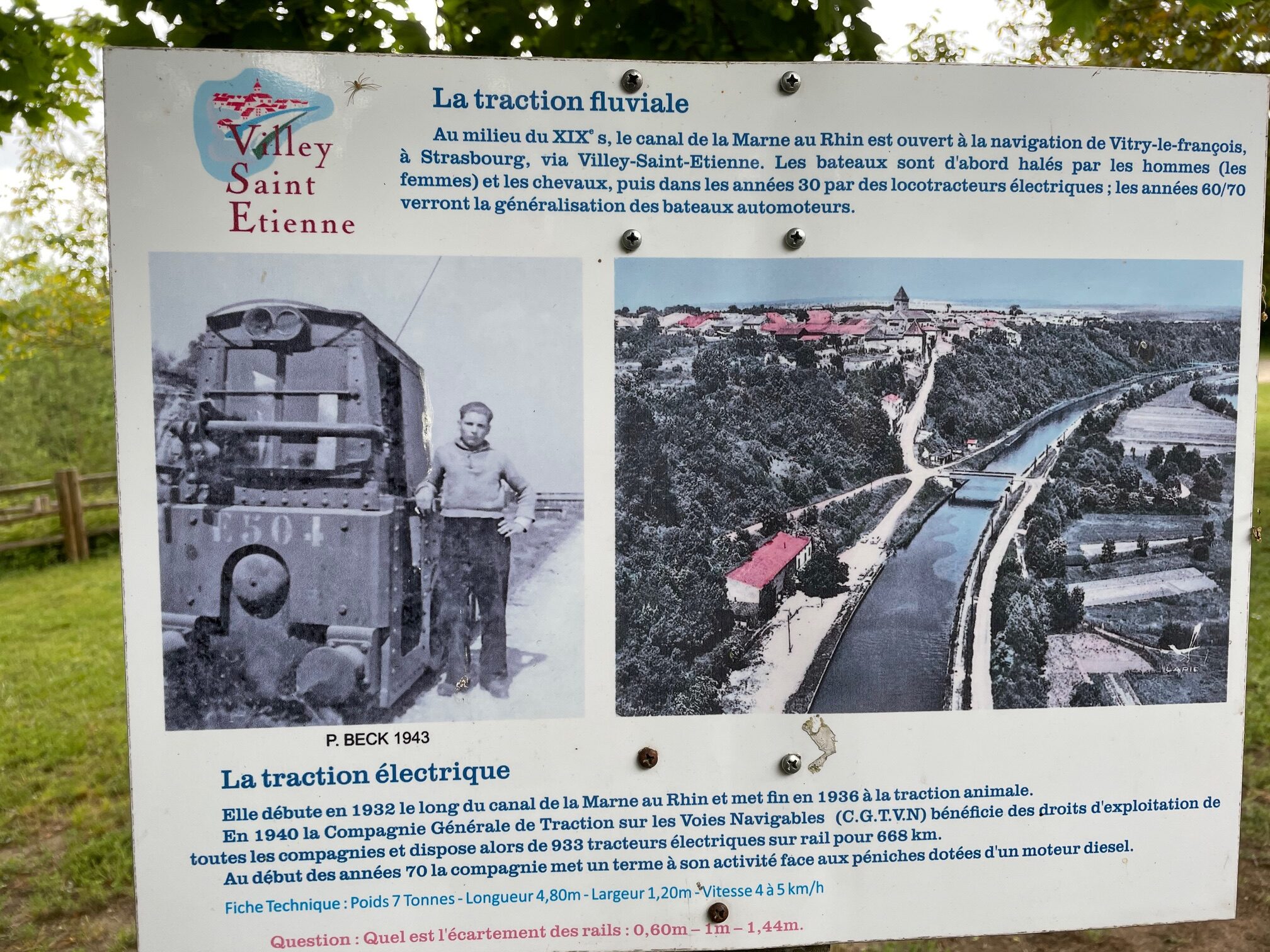
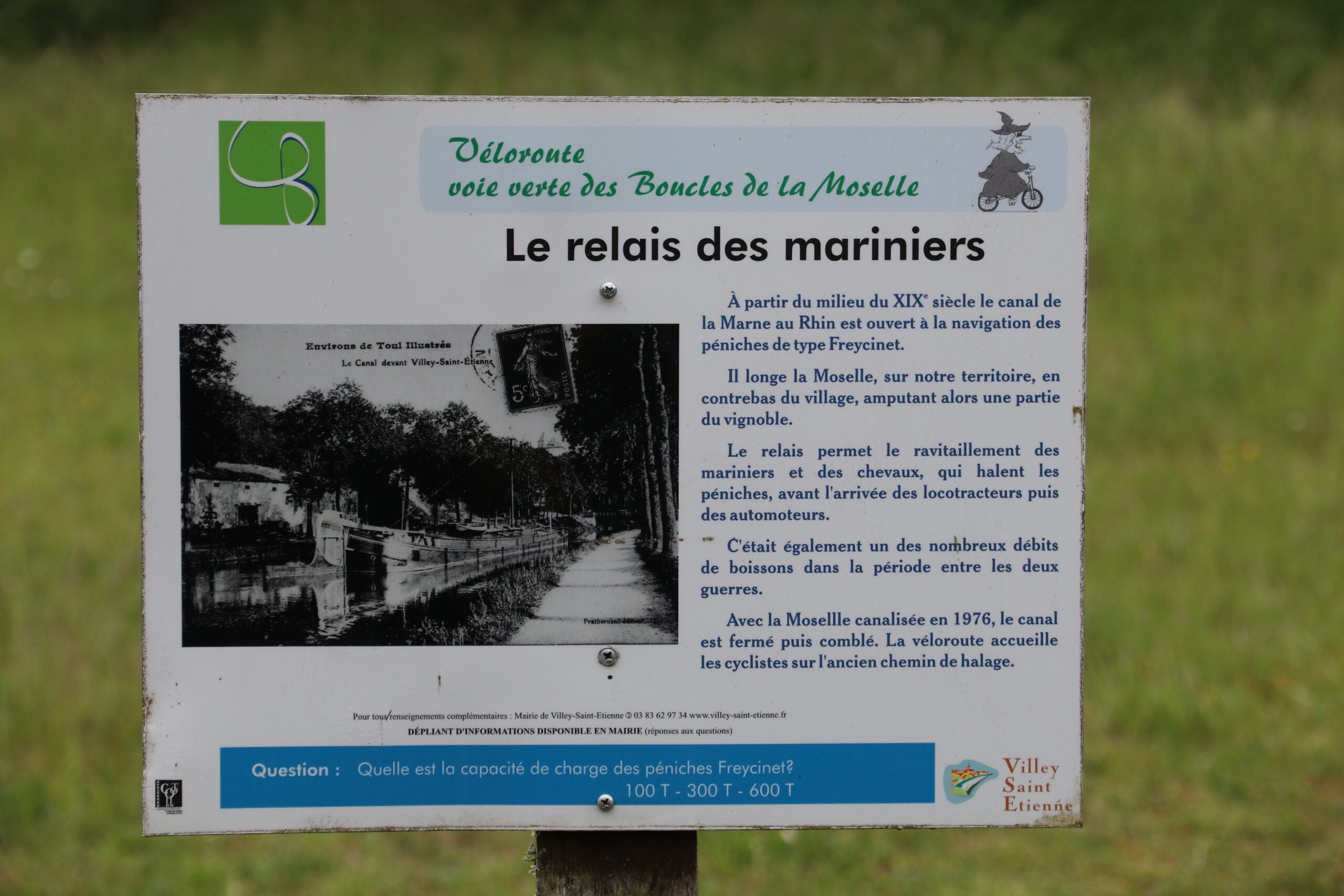
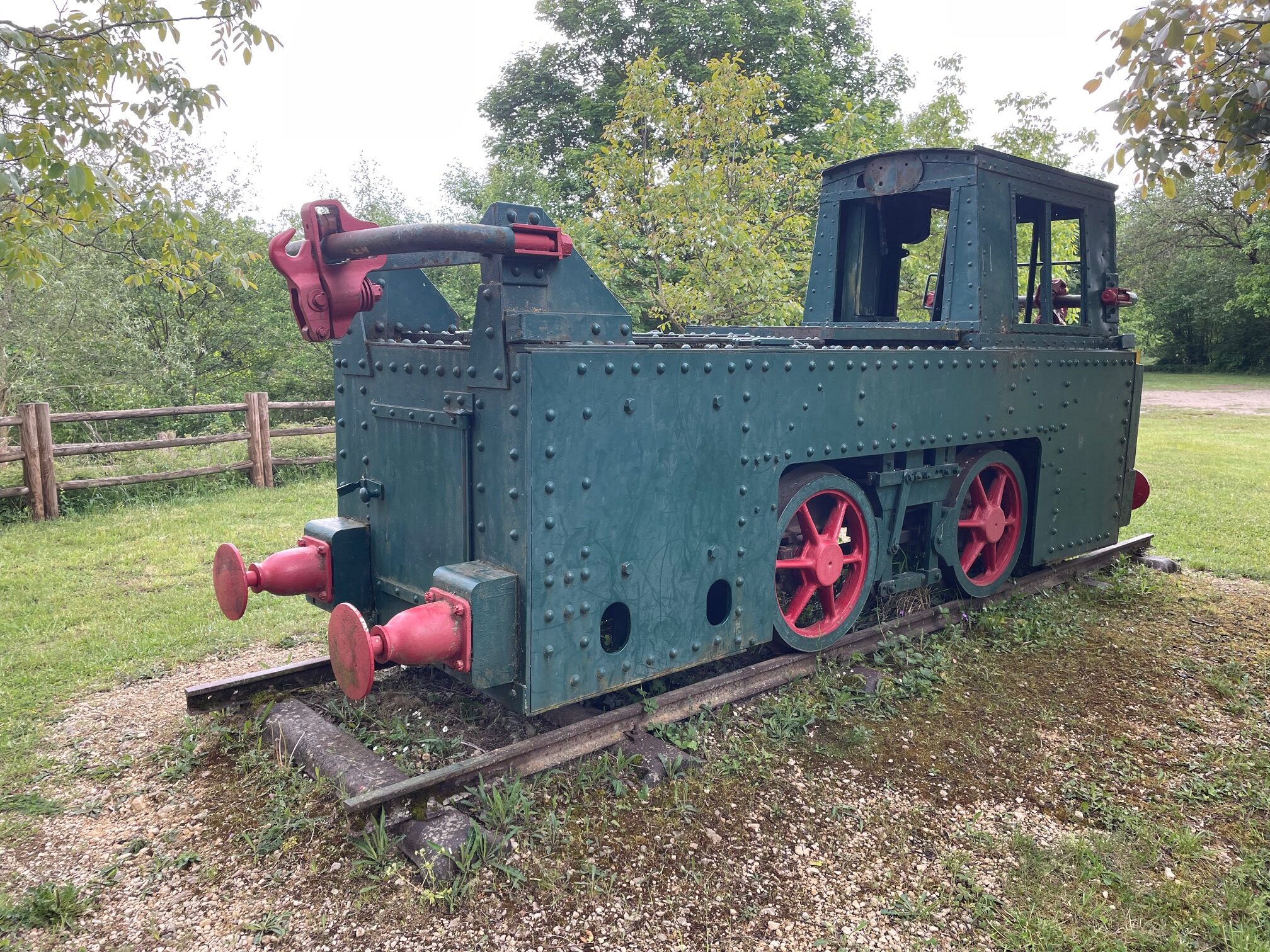
River-based barge haulage was an activity practised along the Moselle until the 1970s. It ceased when barges could be propelled by diesel engines.
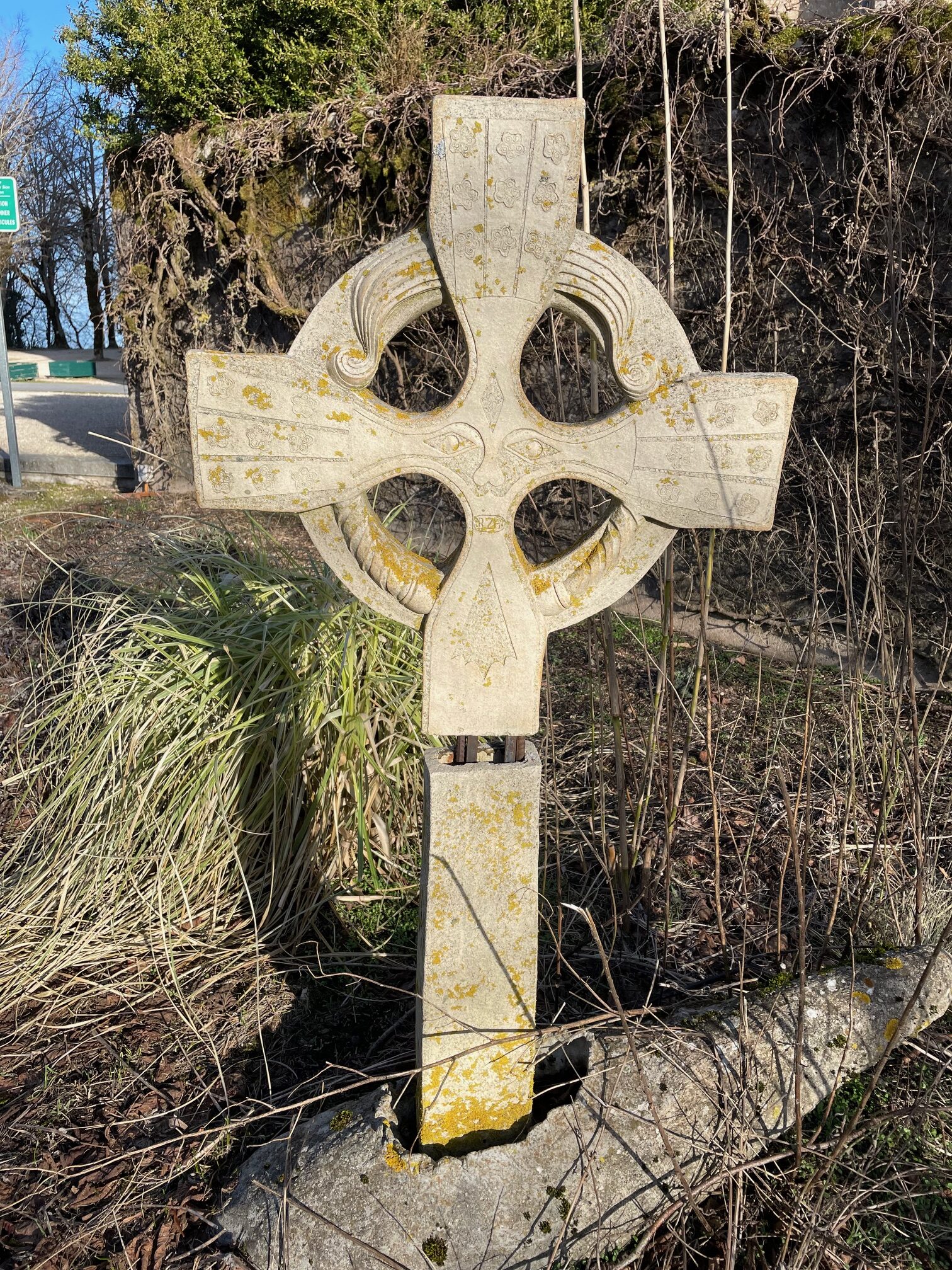
On Sunday, 17 May, the group visited a place of pilgrimage in Saxon-Sion dating back to the time when Celtic priests worshipped their gods there. Since the Middle Ages, it has been a place of pilgrimage for Christians. Today the basilica is dedicated to Our Lady of Peace.
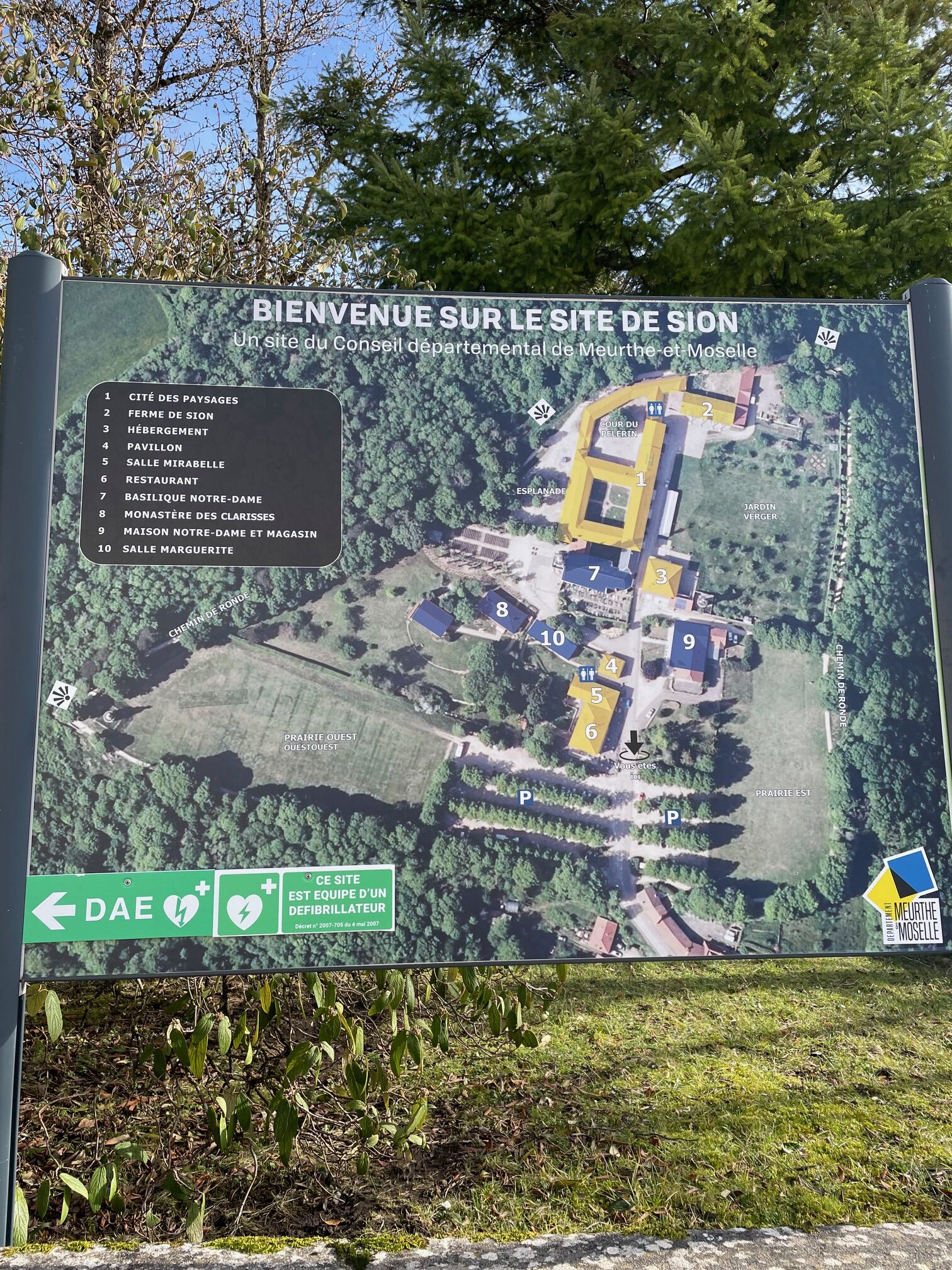
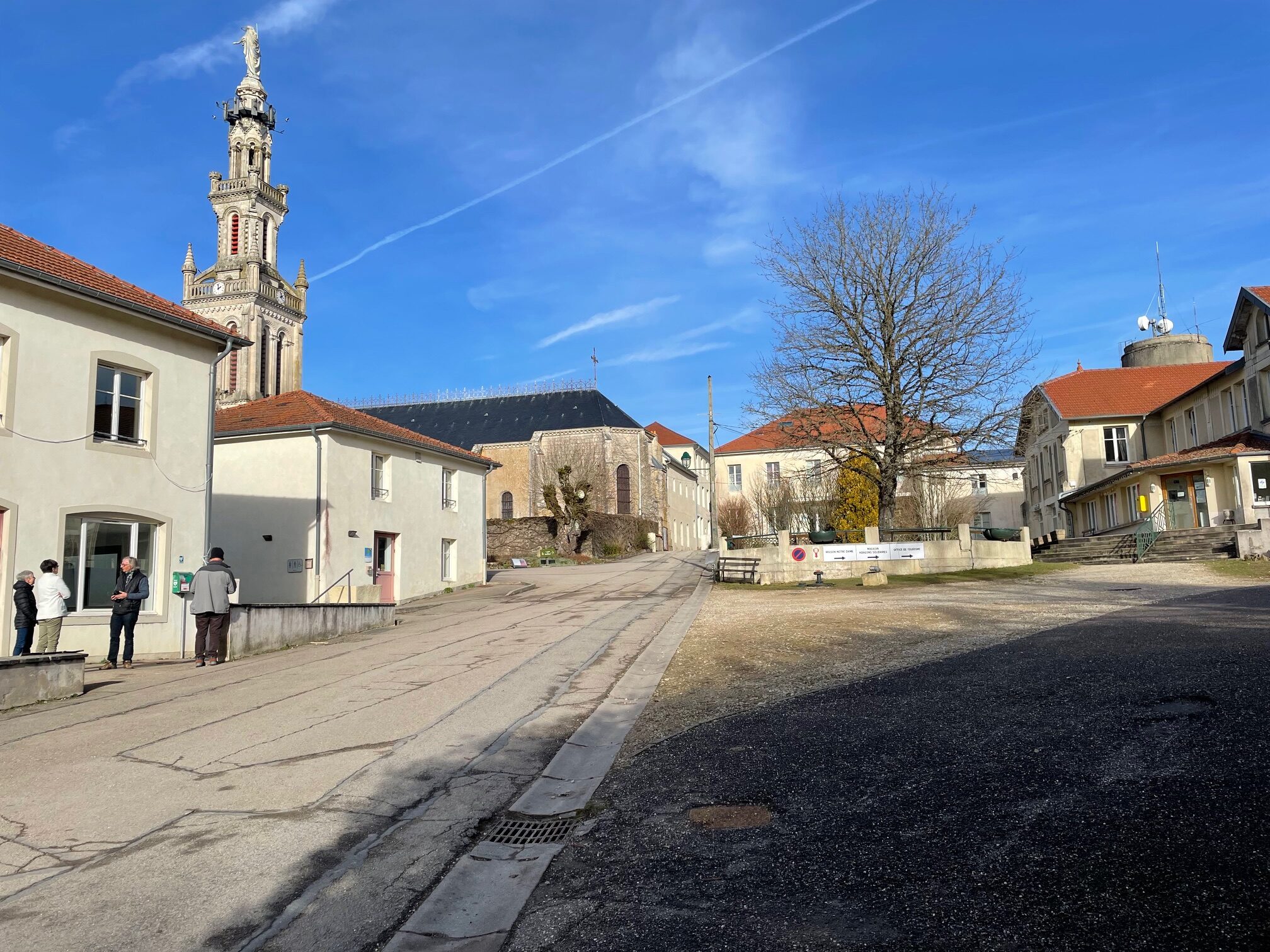
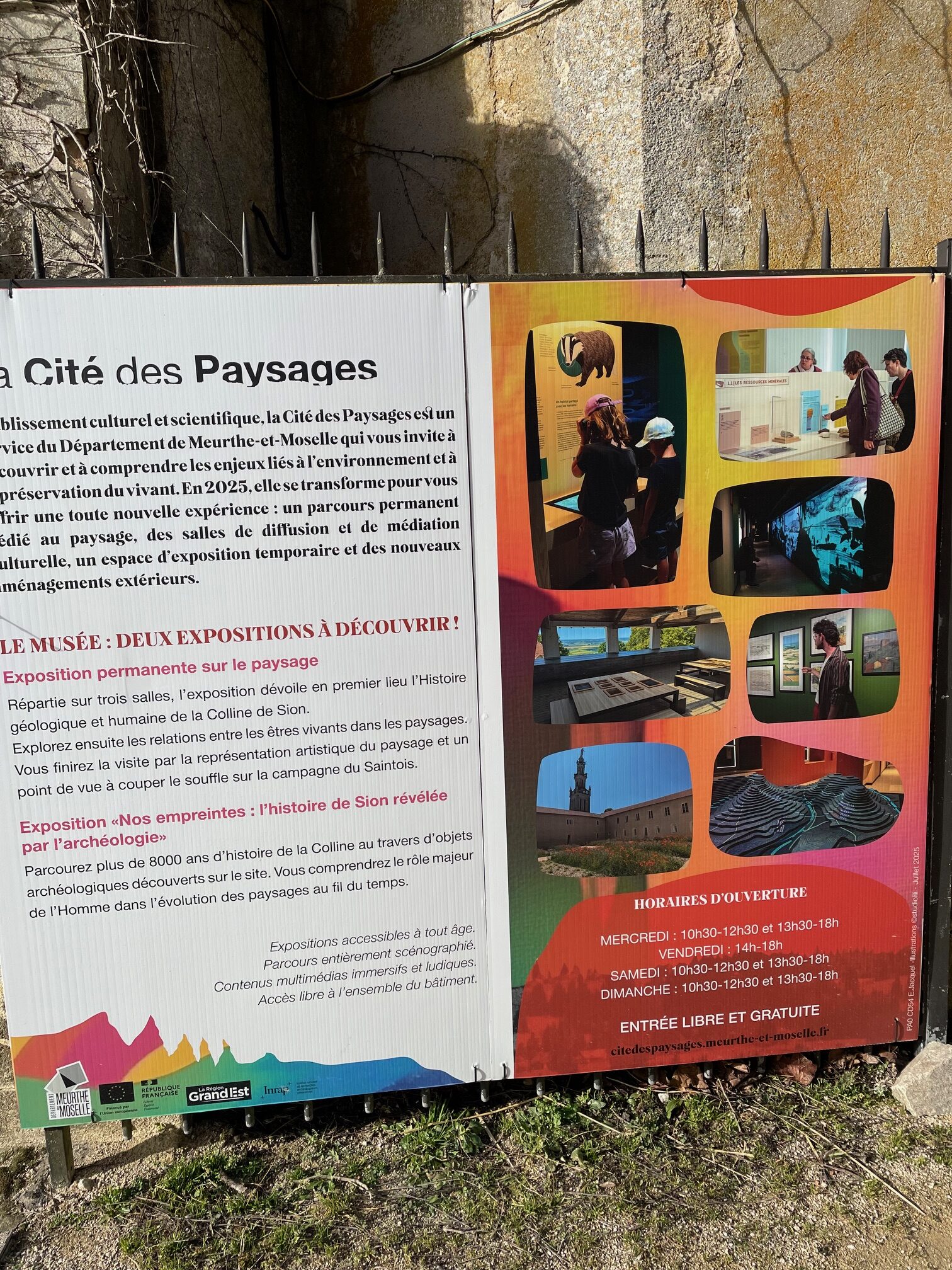
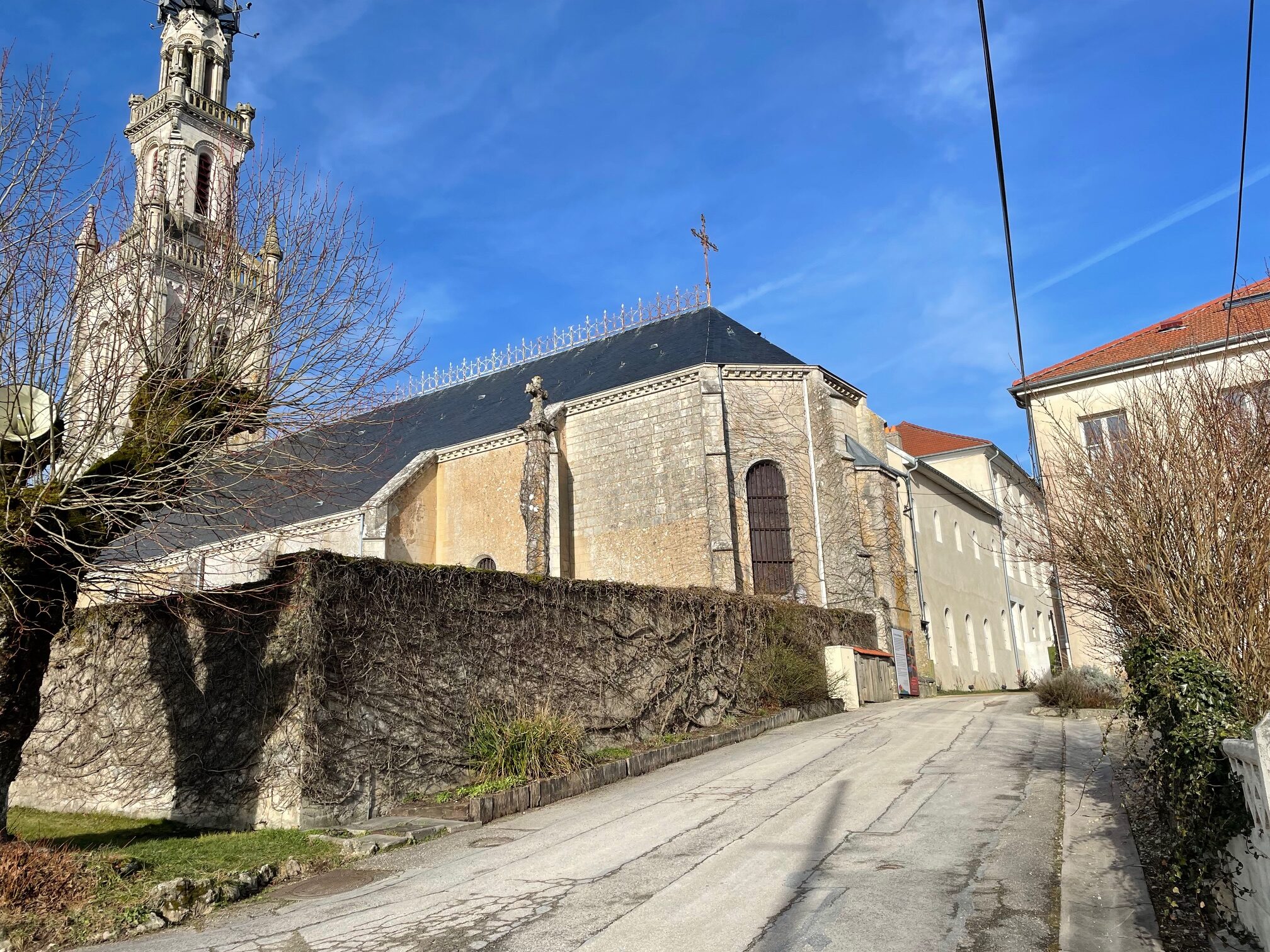
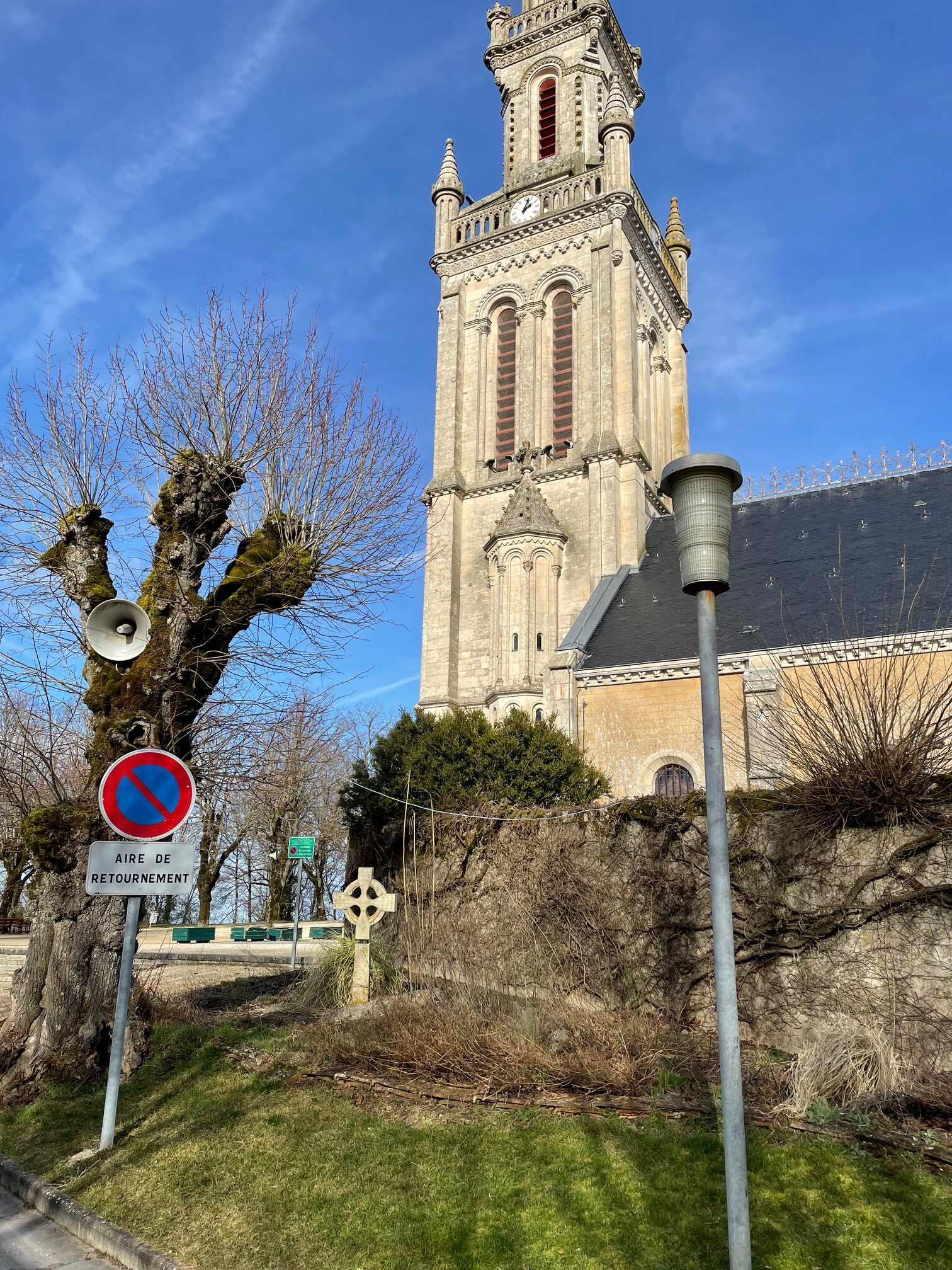
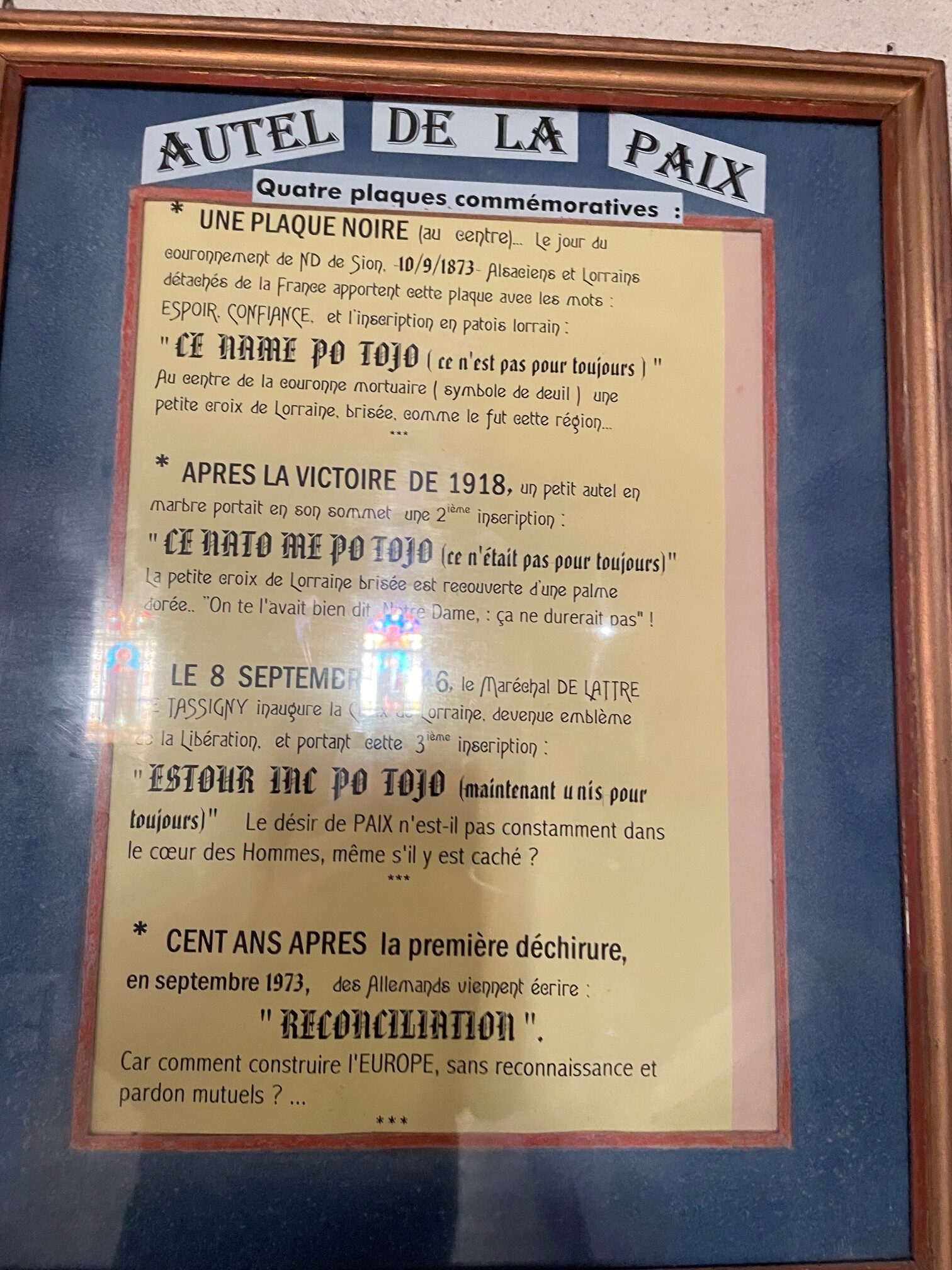
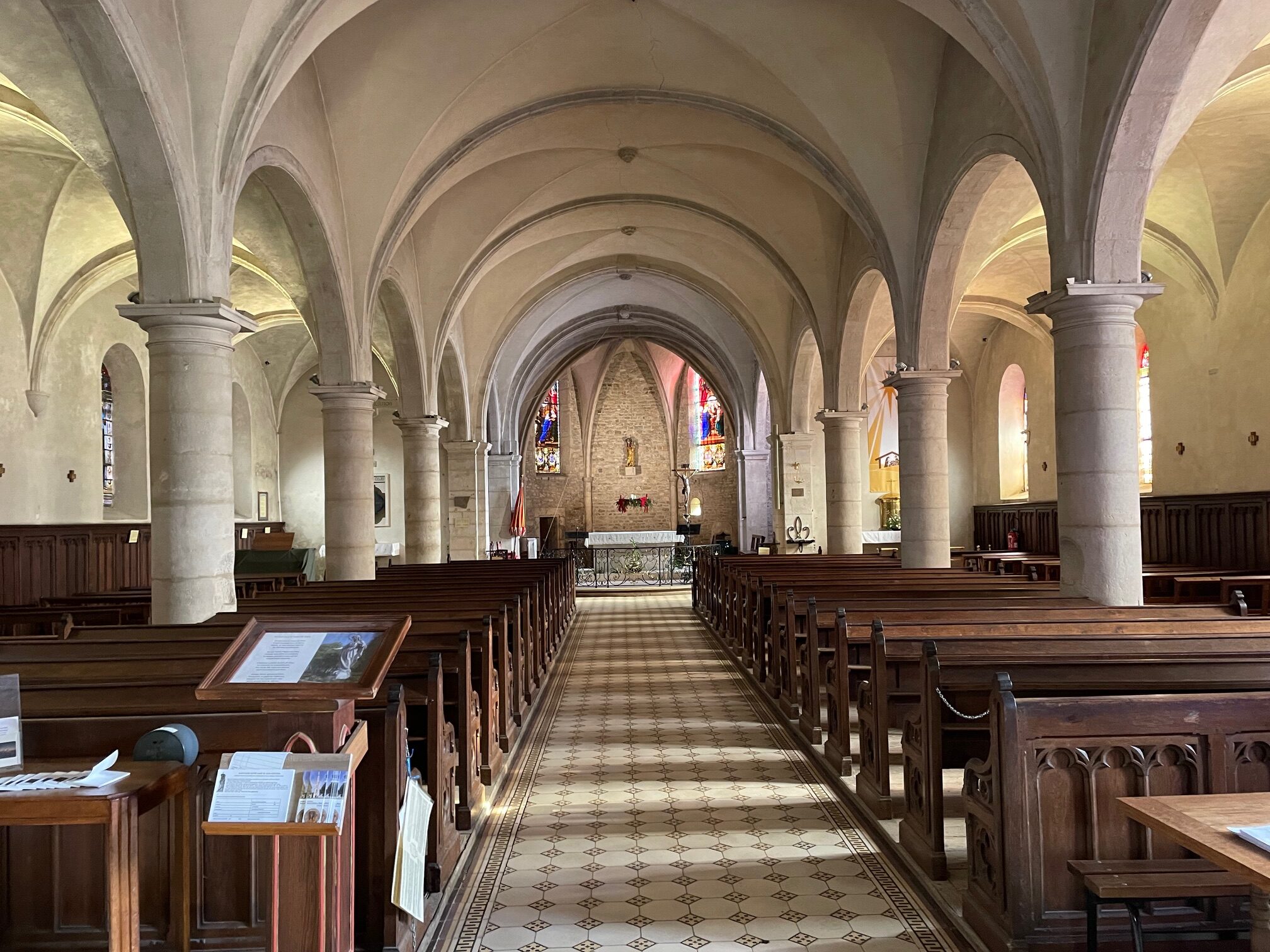
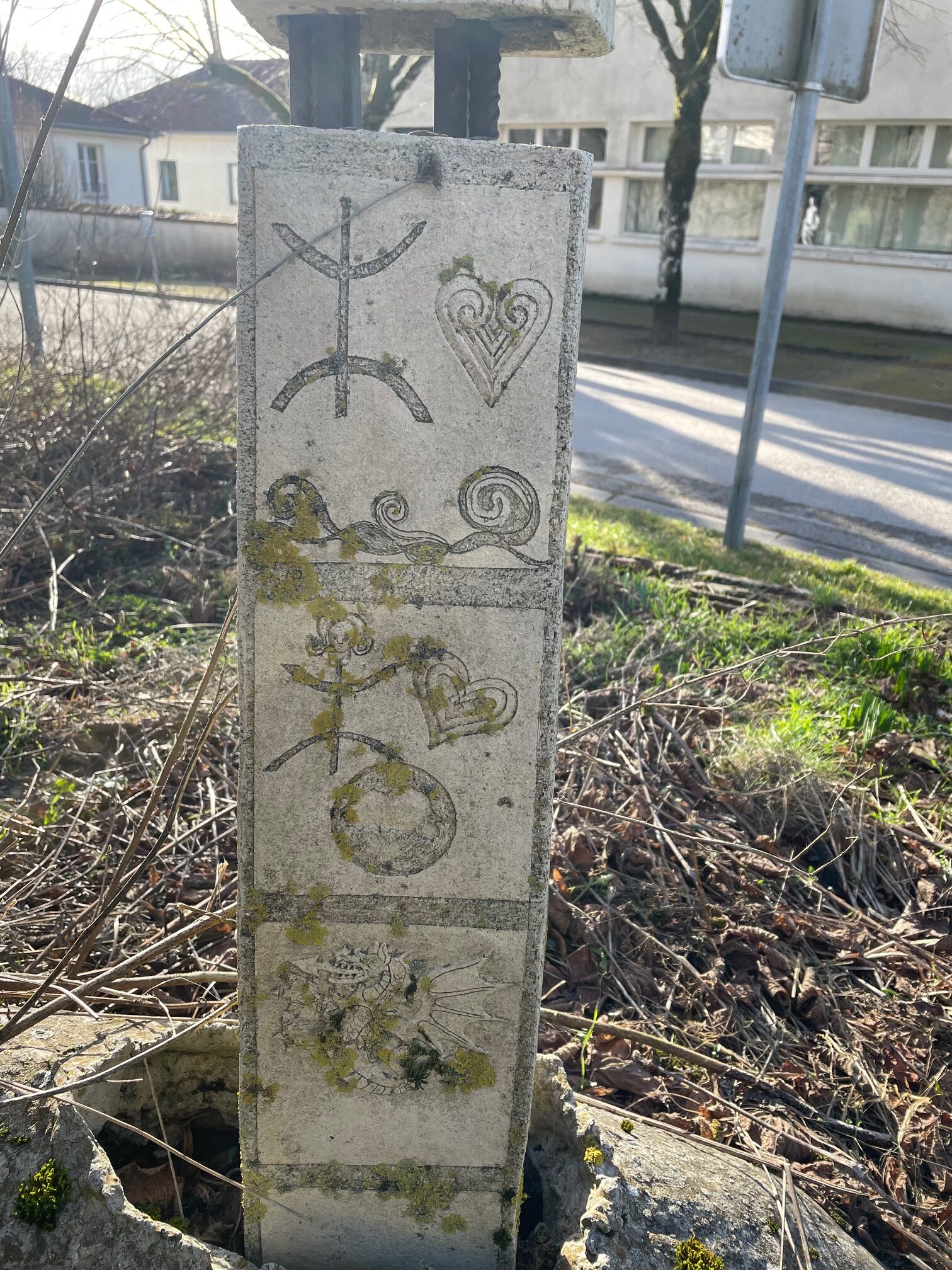
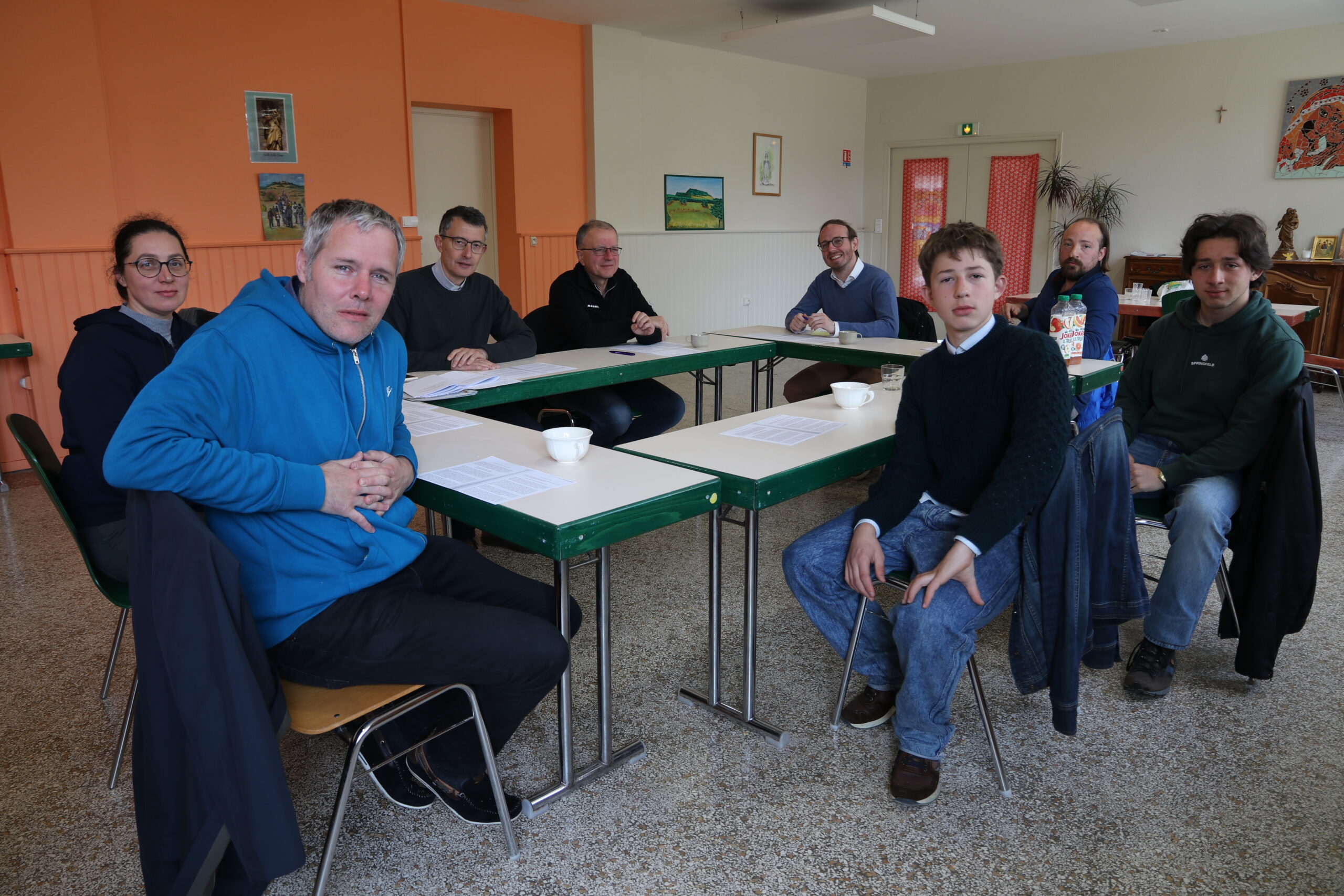
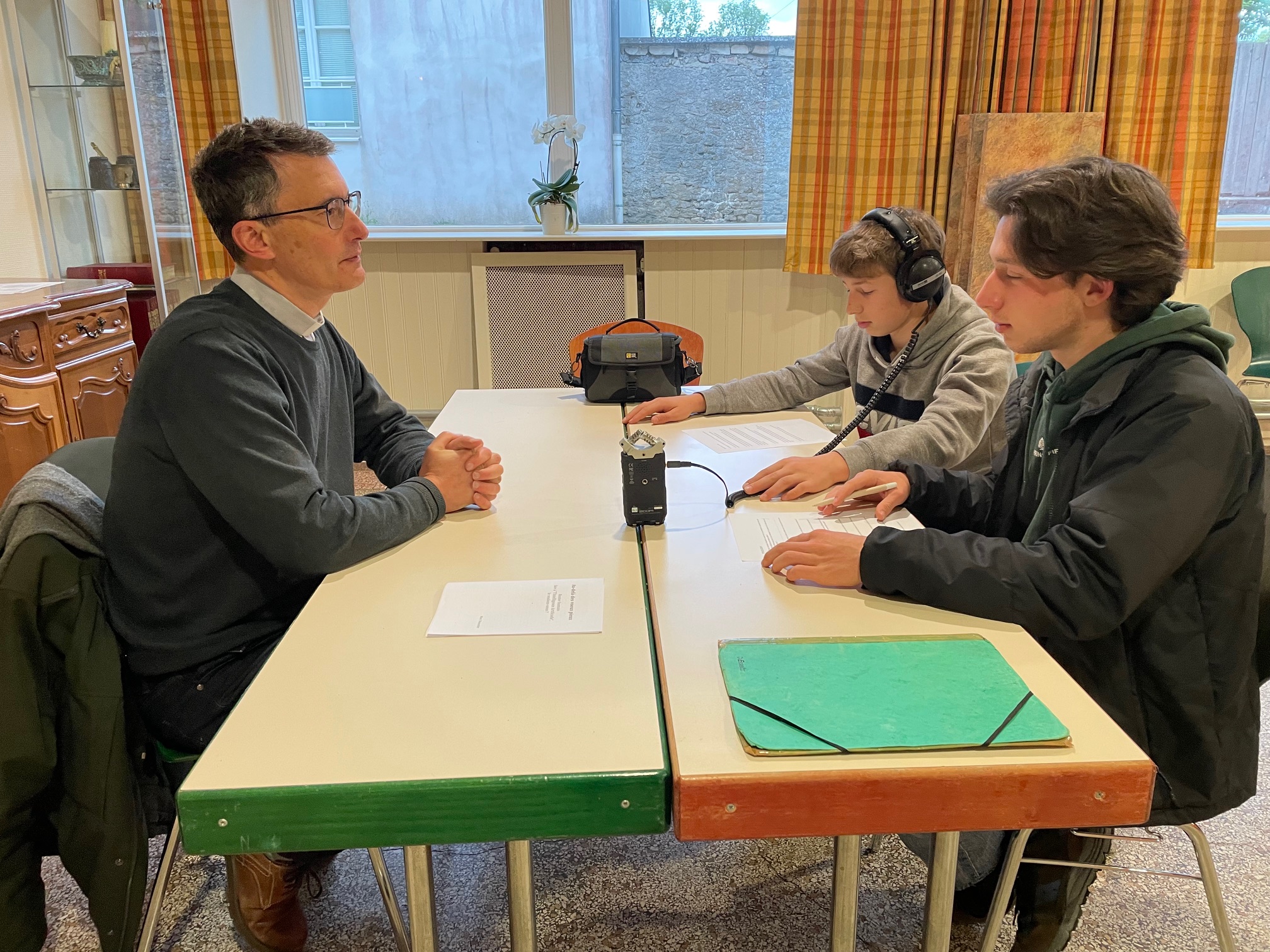
A meeting had been arranged in advance with the rector of the site, Father Marc Haeussler, to discuss the theme of peace, which is important to the Christian faith. This meeting was appreciated by all, as Father Haeussler had prepared it well. The whole group was able to explore the theme of peace in greater depth, given the increasing prevalence of wars in the news.
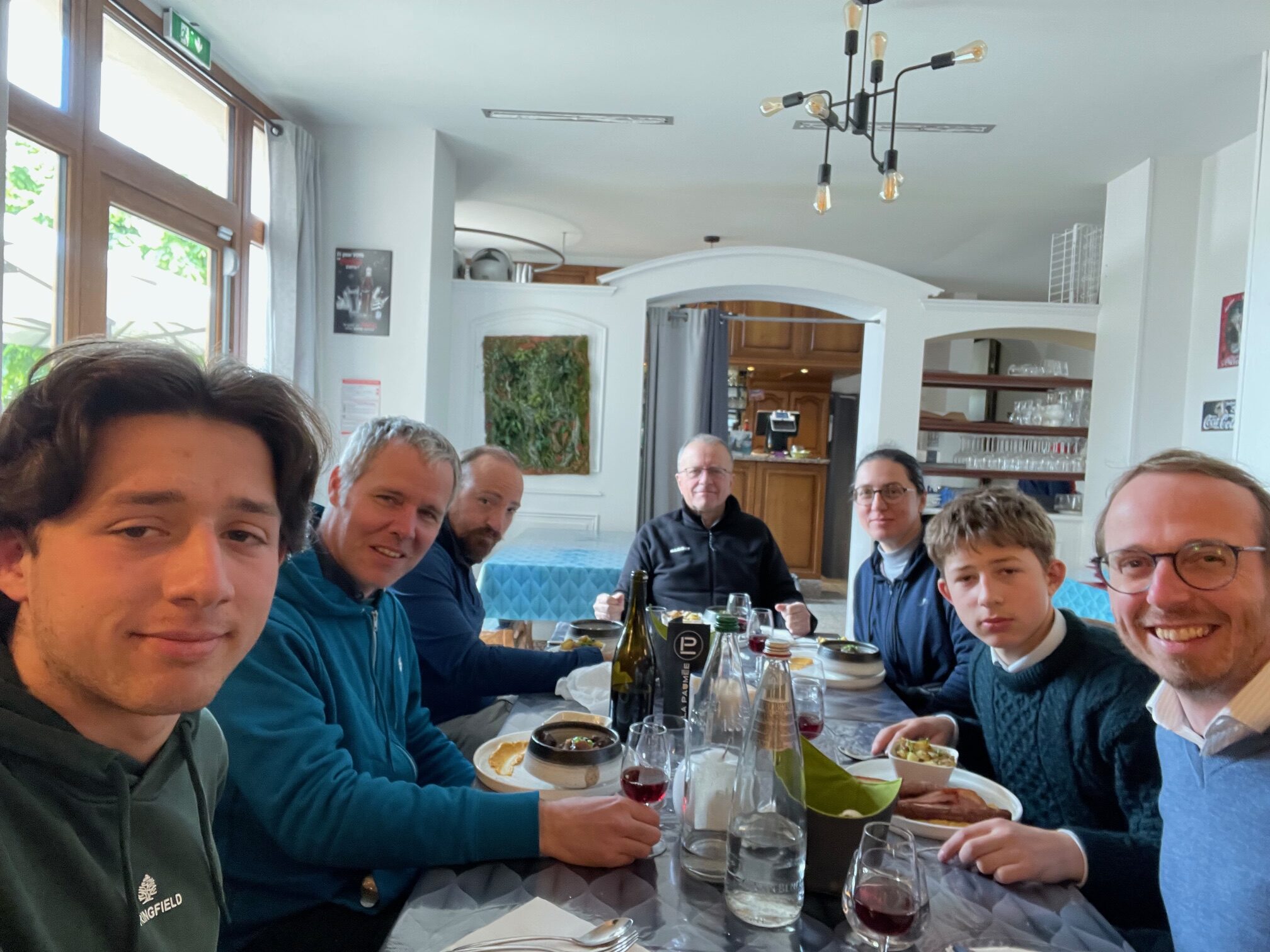
After the service at the basilica, the group had lunch at the Auberge d’Haroué near the castle of the same name, sampling the local cuisine.
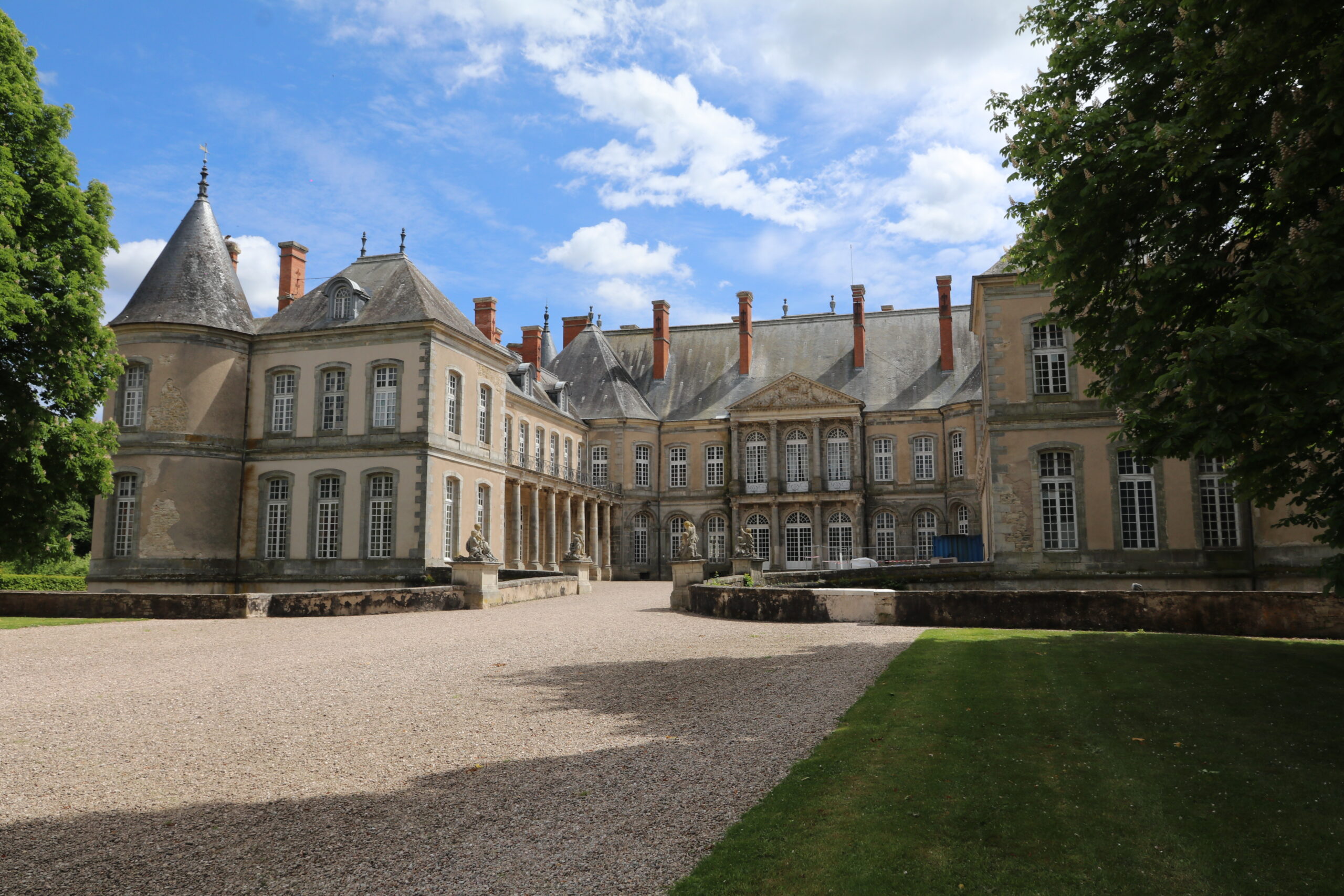
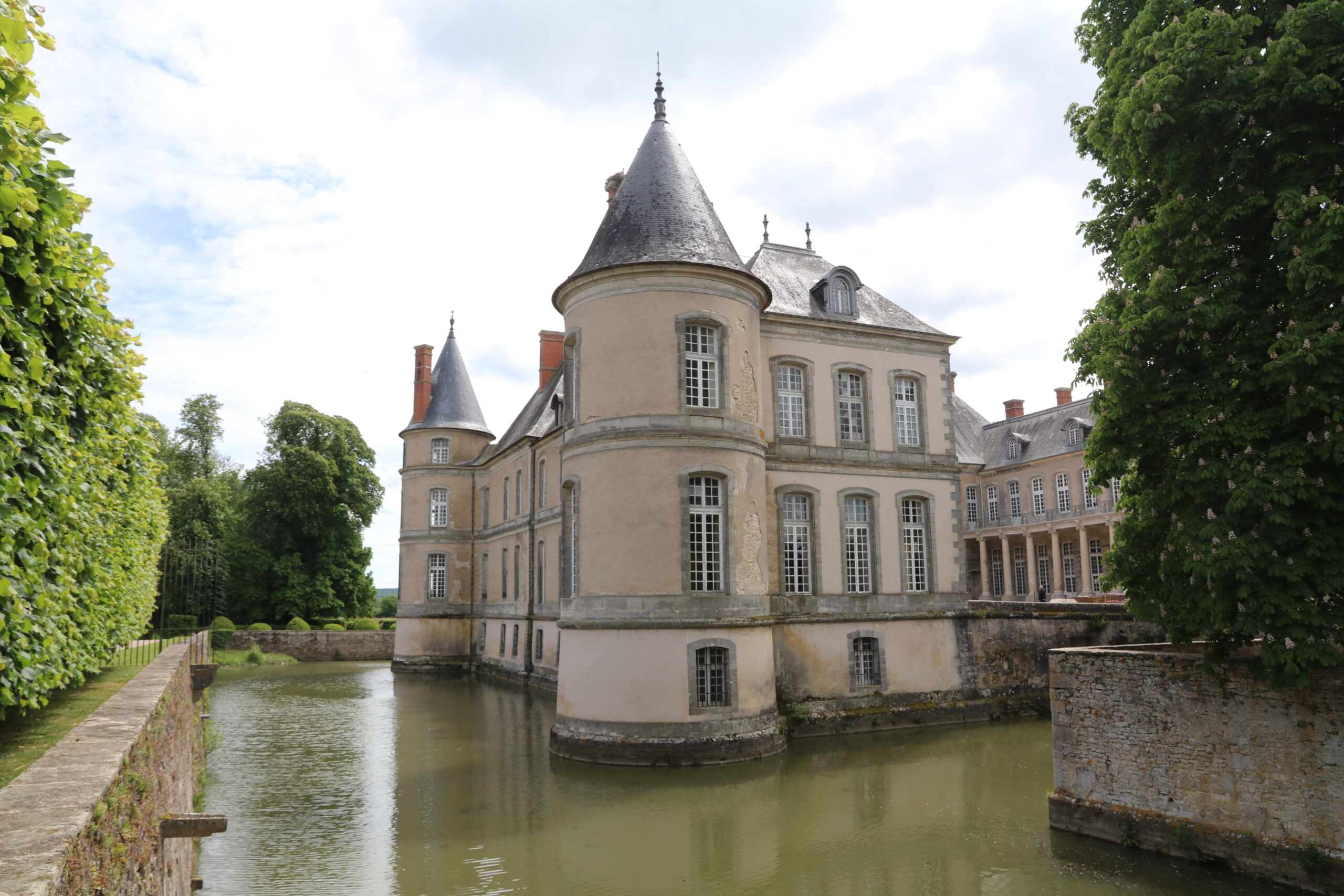
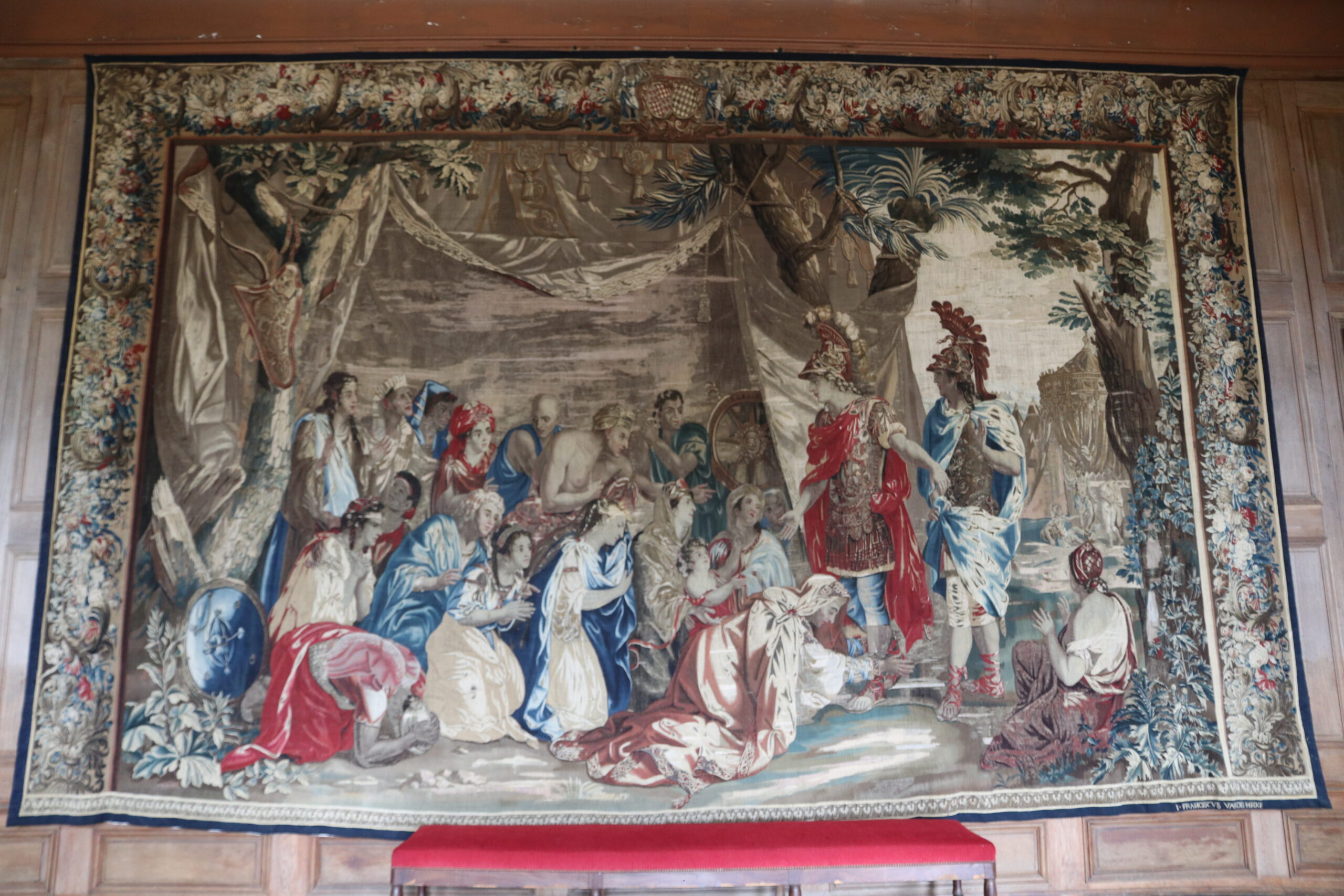
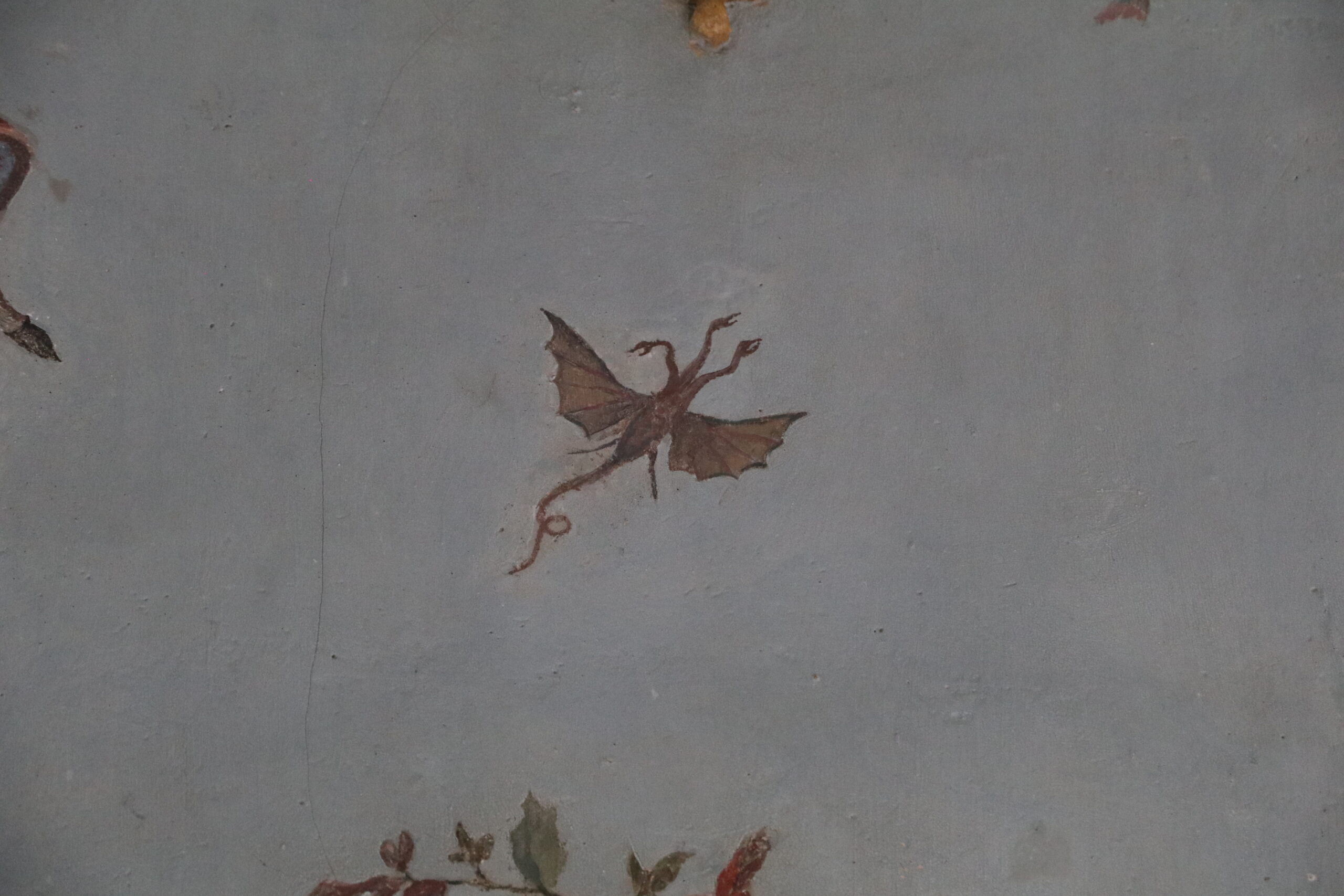
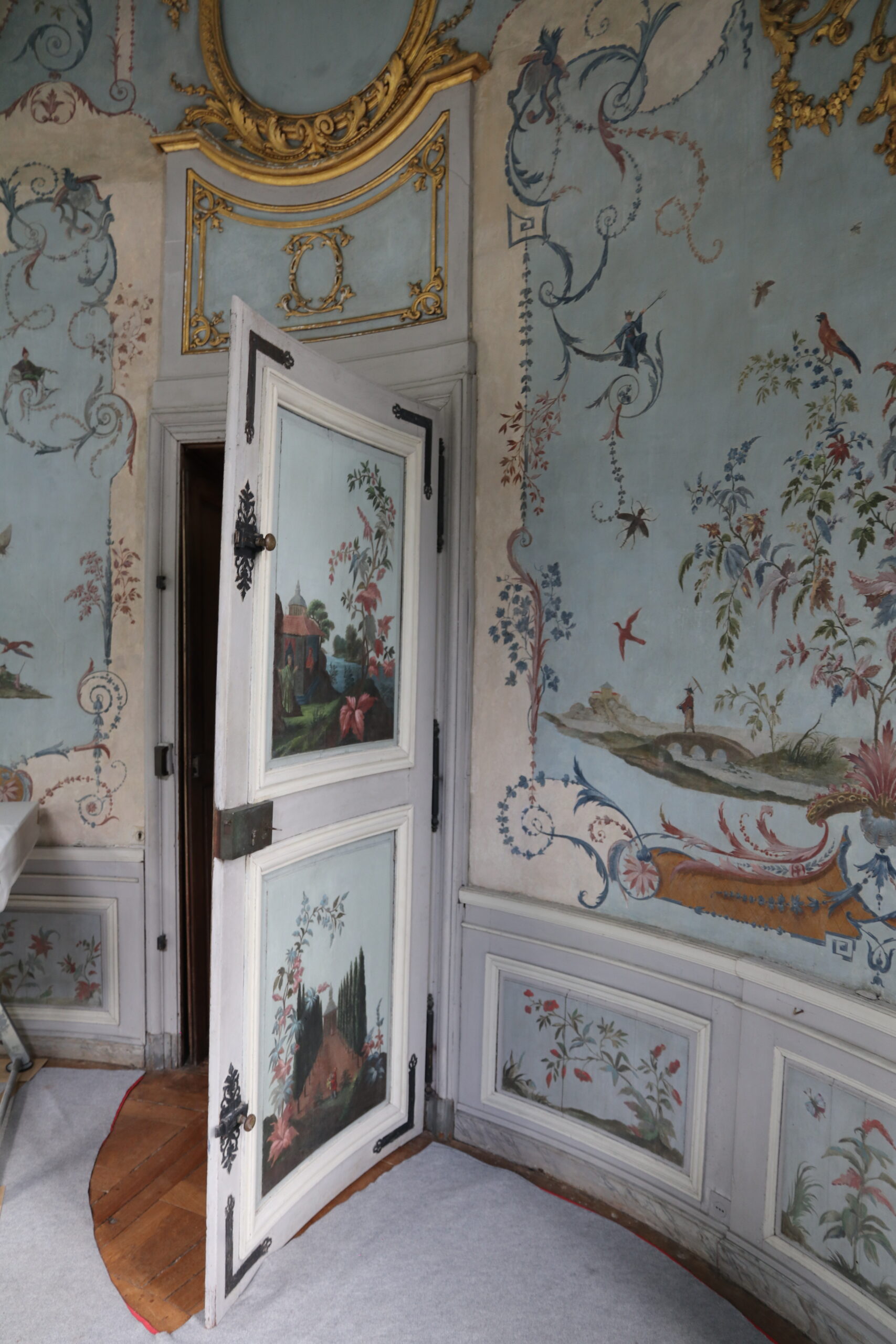
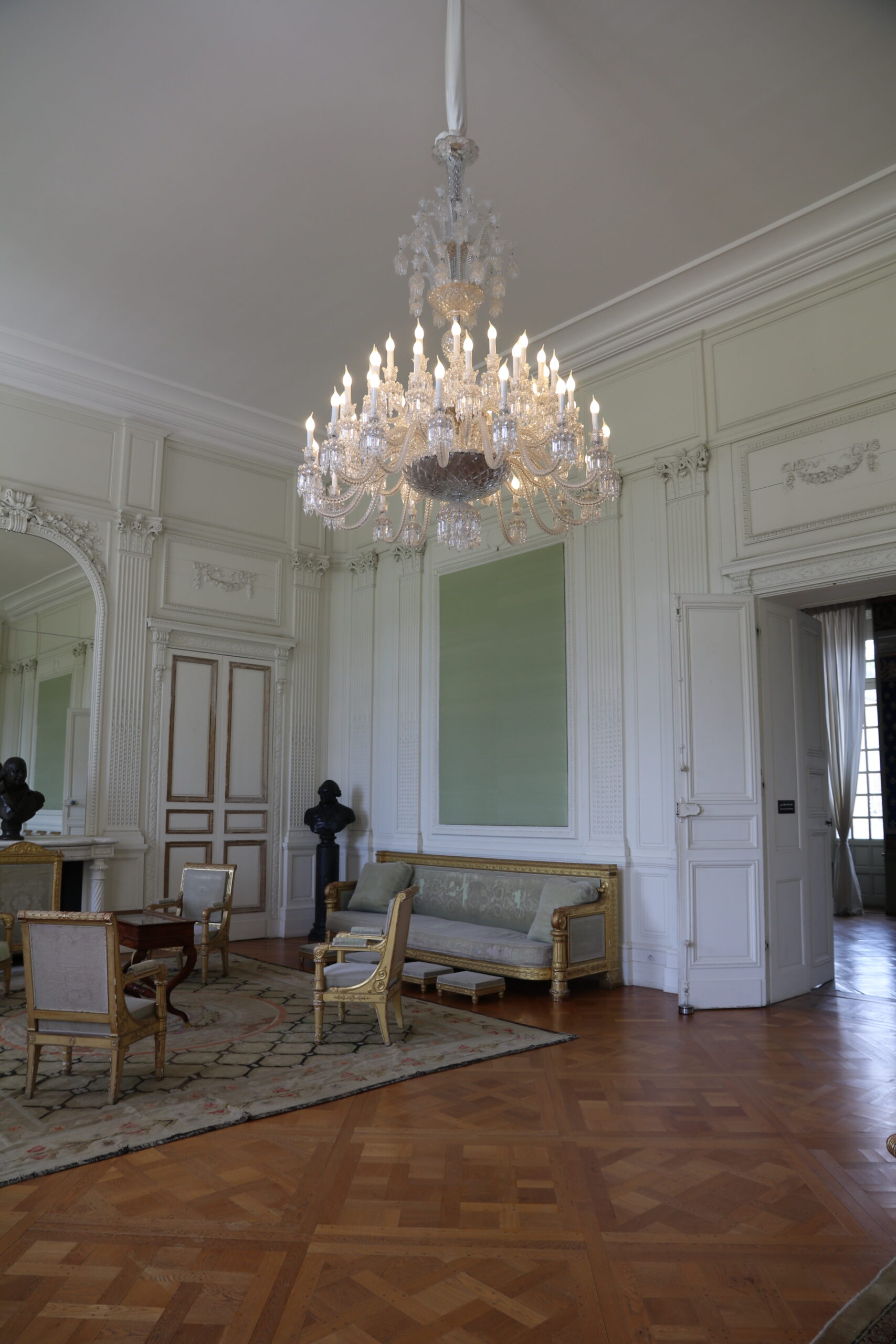
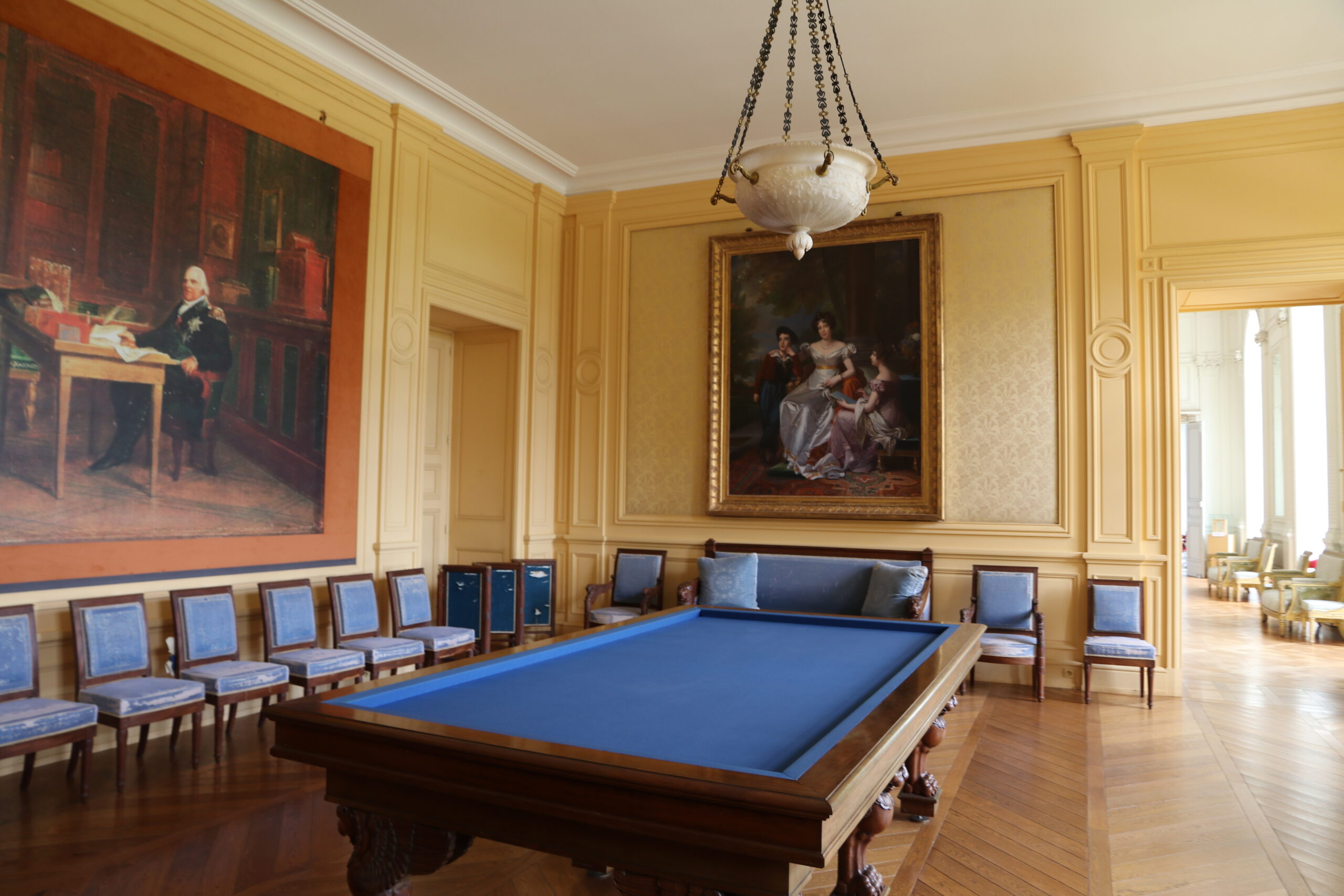
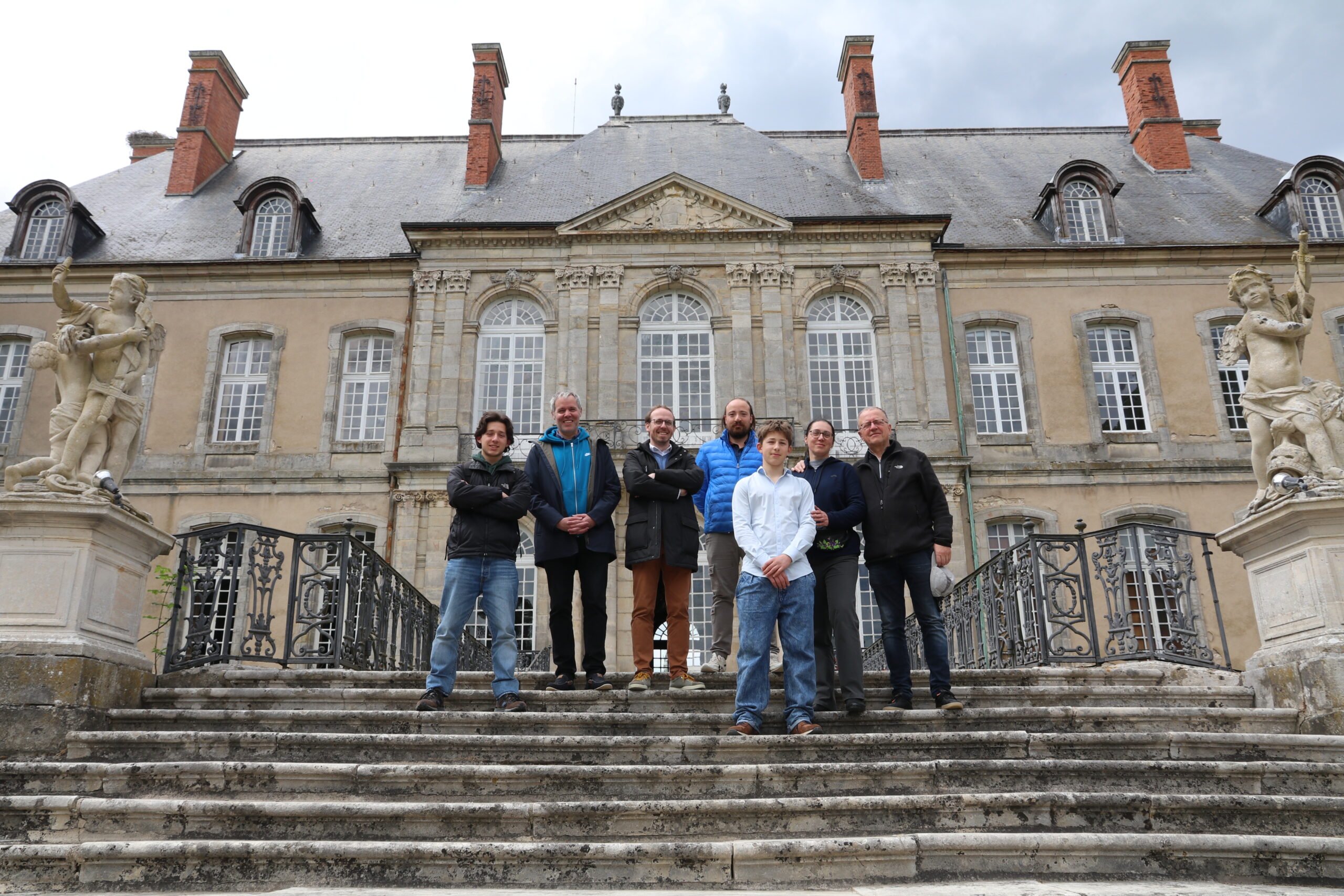
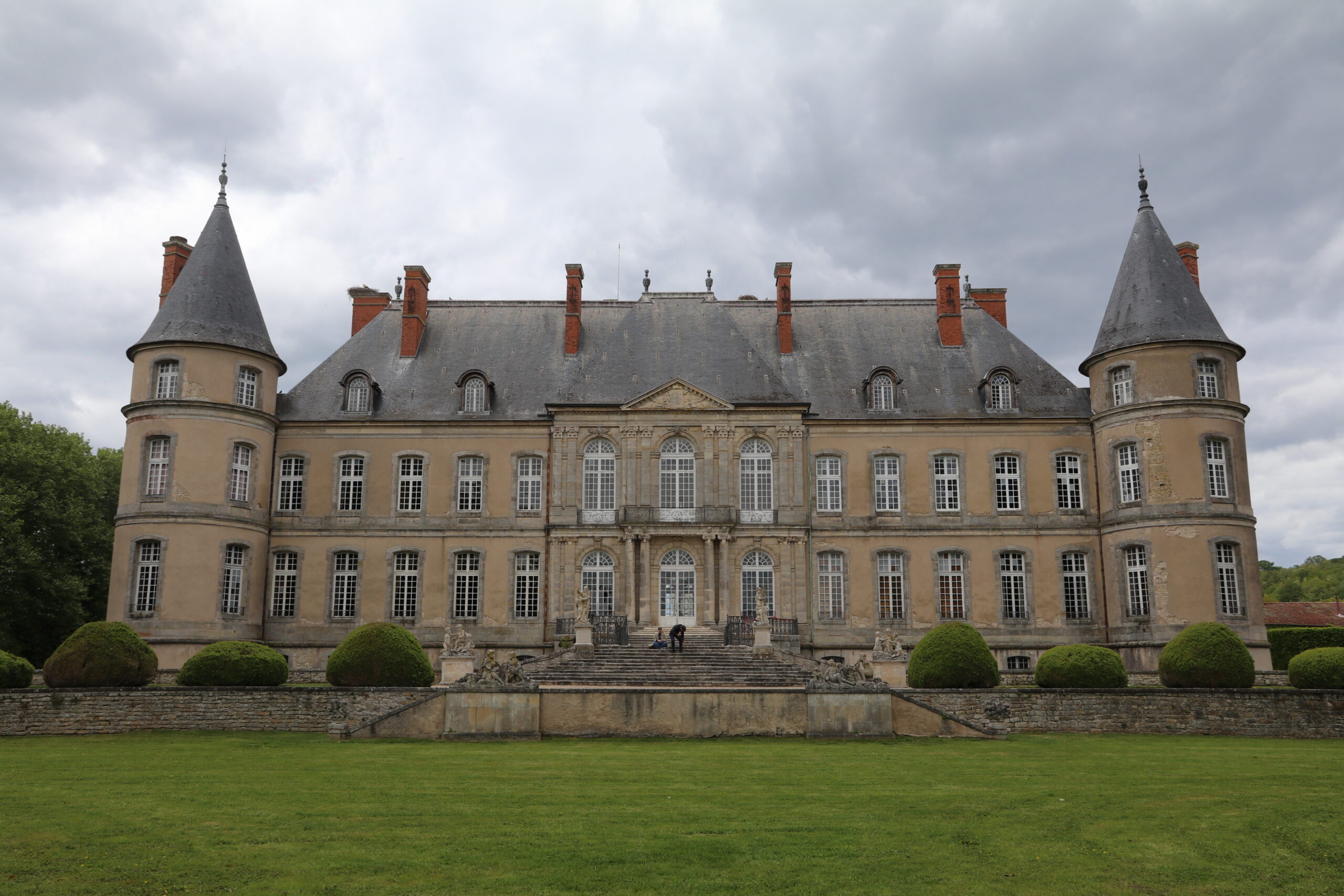
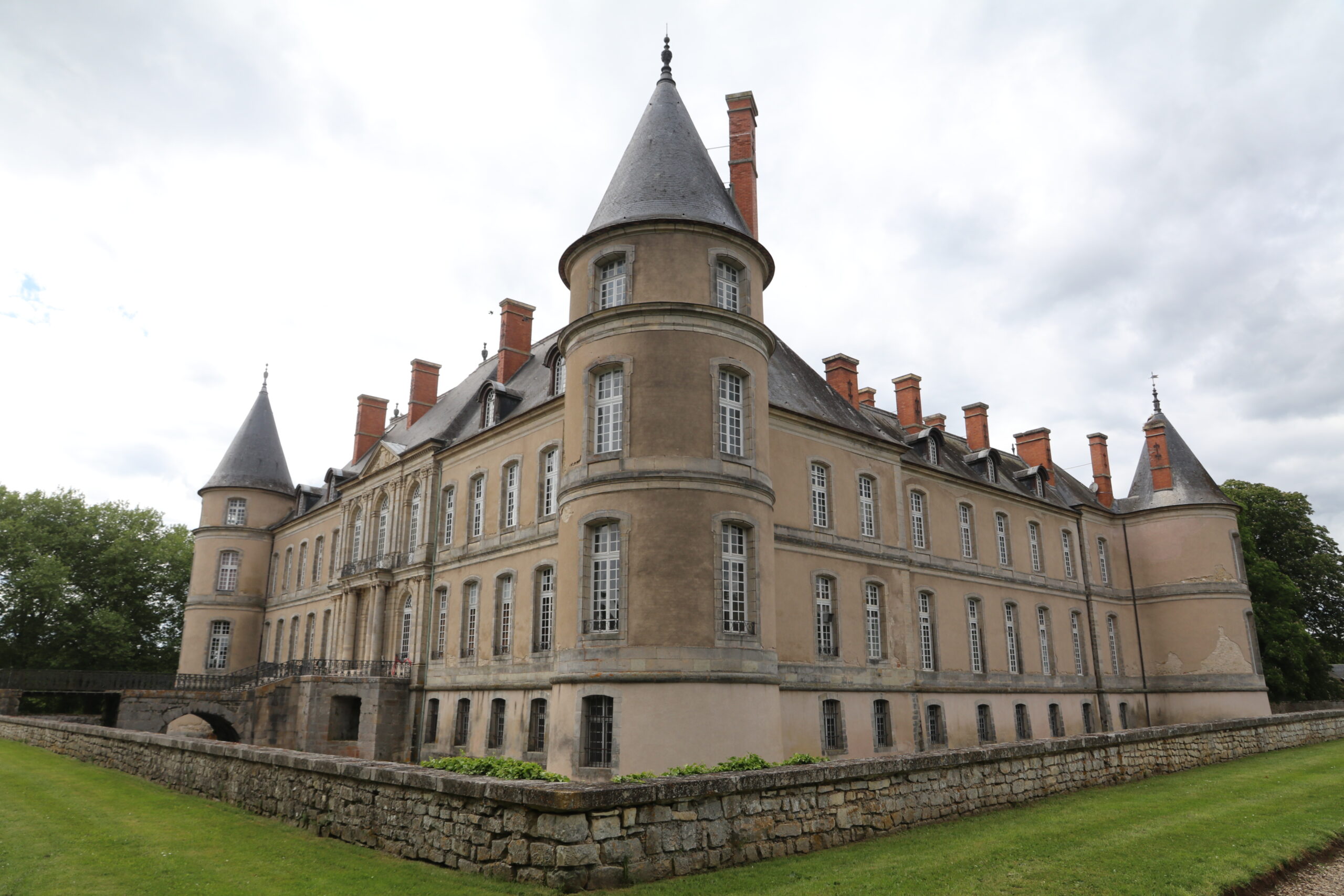
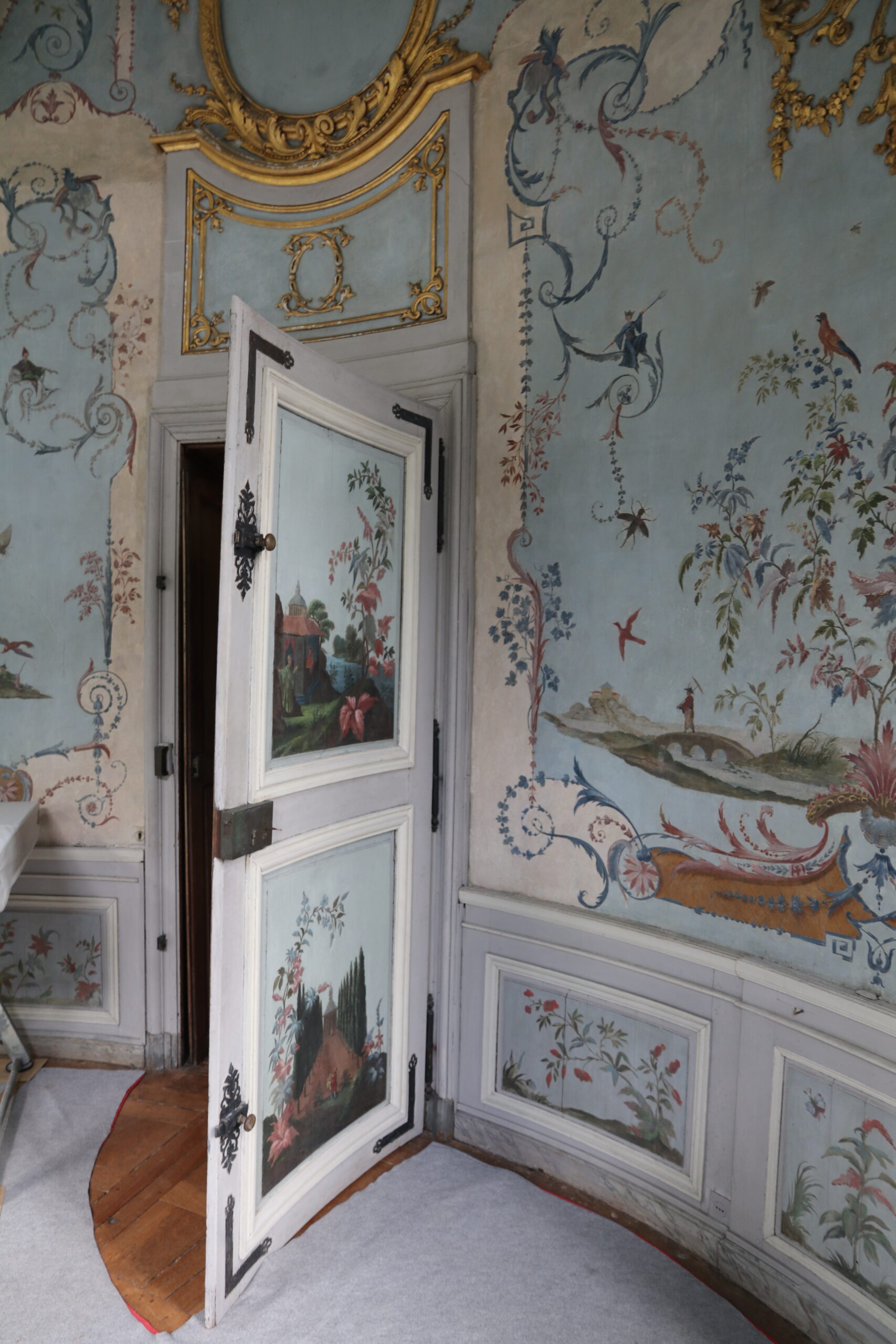
In the afternoon, a guided tour inside Haroué Castle gave to the group a sense of the grandeur and beauty of this castle, which has been in private hands for three hundred years. Prince Marc de Beauvau-Craon (1679–1754), a leading figure in Lorraine, a Grandee of Spain, Viceroy of Tuscany, and Grand Master of the Wardrobe to the Duke of Lorraine (1679–1729), undertook the construction with the architect Germain Boffrand (1667–1754). He called upon the finest artists of his time: the sculptor Barthélémy Guibal and the metalwork artist Jean Lamour, known for their contribution to Place Stanislas in Nancy, and the painter Pillement. The château, which houses beautiful and large tapestries, still belongs to the family of the Princes of Beauvau-Craon, who have chosen to entrust its opening to the public to the Centre des monuments nationaux since 2021. The château has some distinctive features: 365 windows, 52 fireplaces, 12 towers and 4 bridges.
This cycling trip allowed everyone to recharge their batteries, both physically and spiritually, whilst enjoying nature and well-preserved historic sites.