Bike tour along the Saar (Germany)
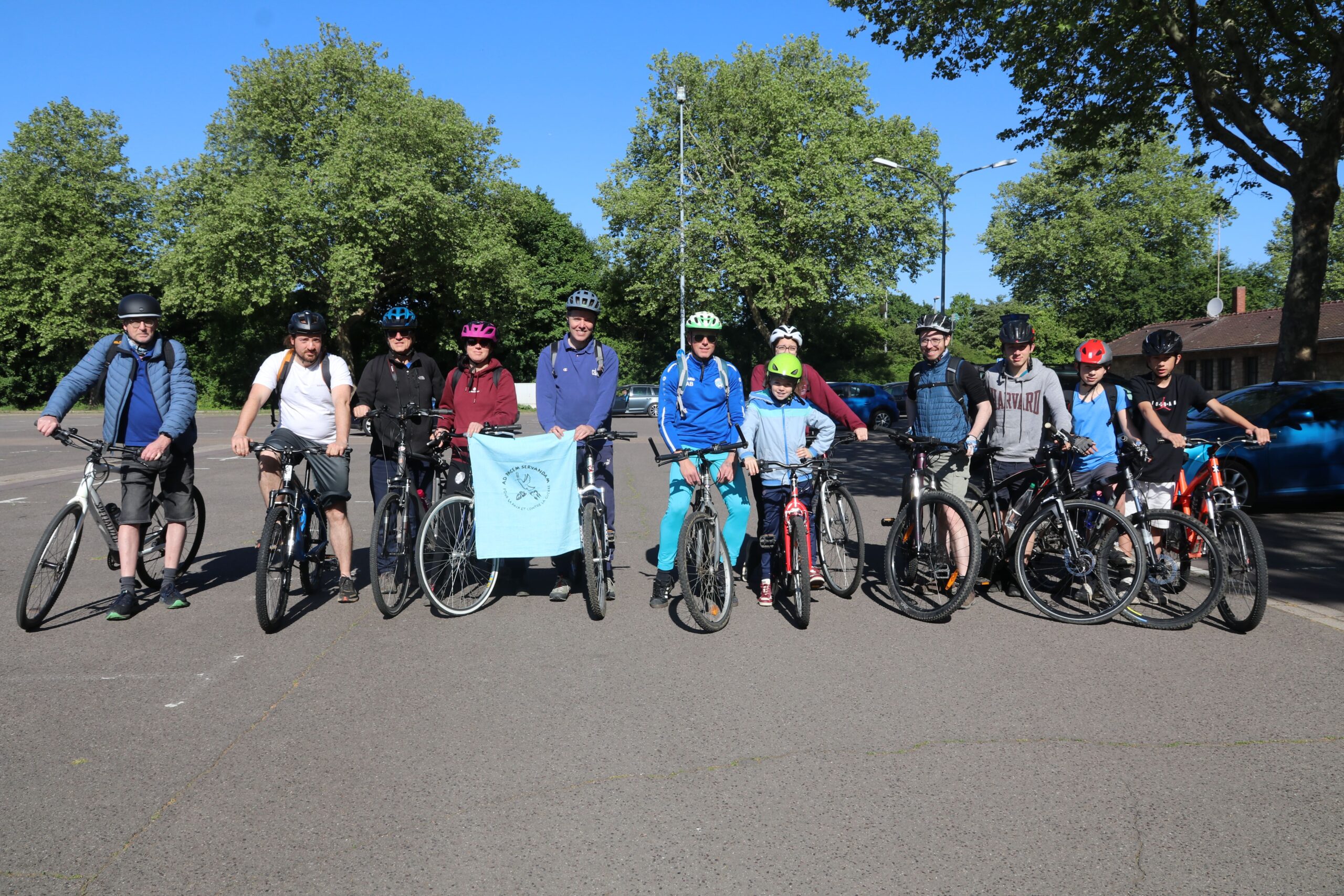
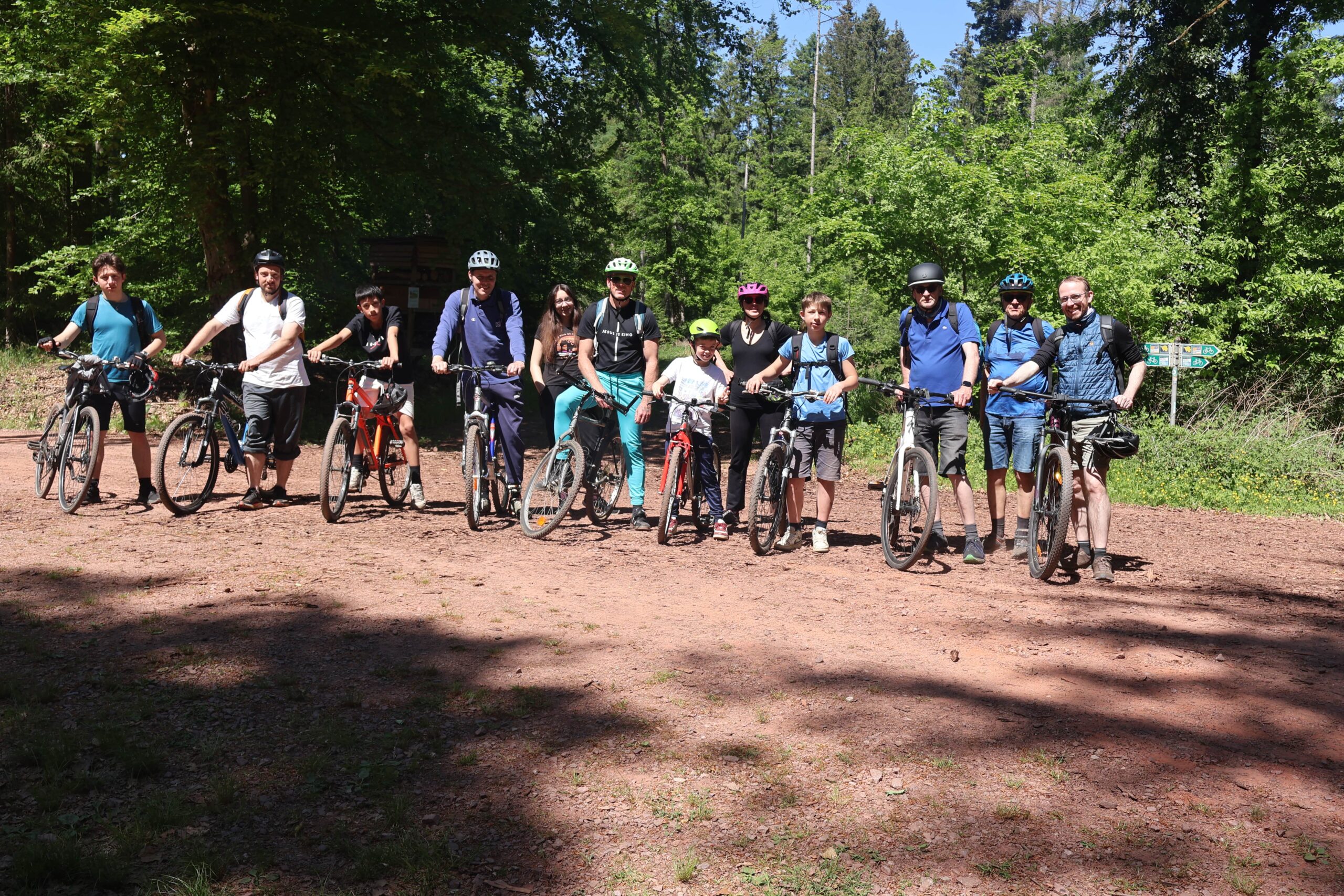
On 11 May 2025, the Ad Pacem Committee invited participants to a bike tour in the border region of Saarland. The tour started at around 9:30 a.m. in a car park on the outskirts of Merzig.
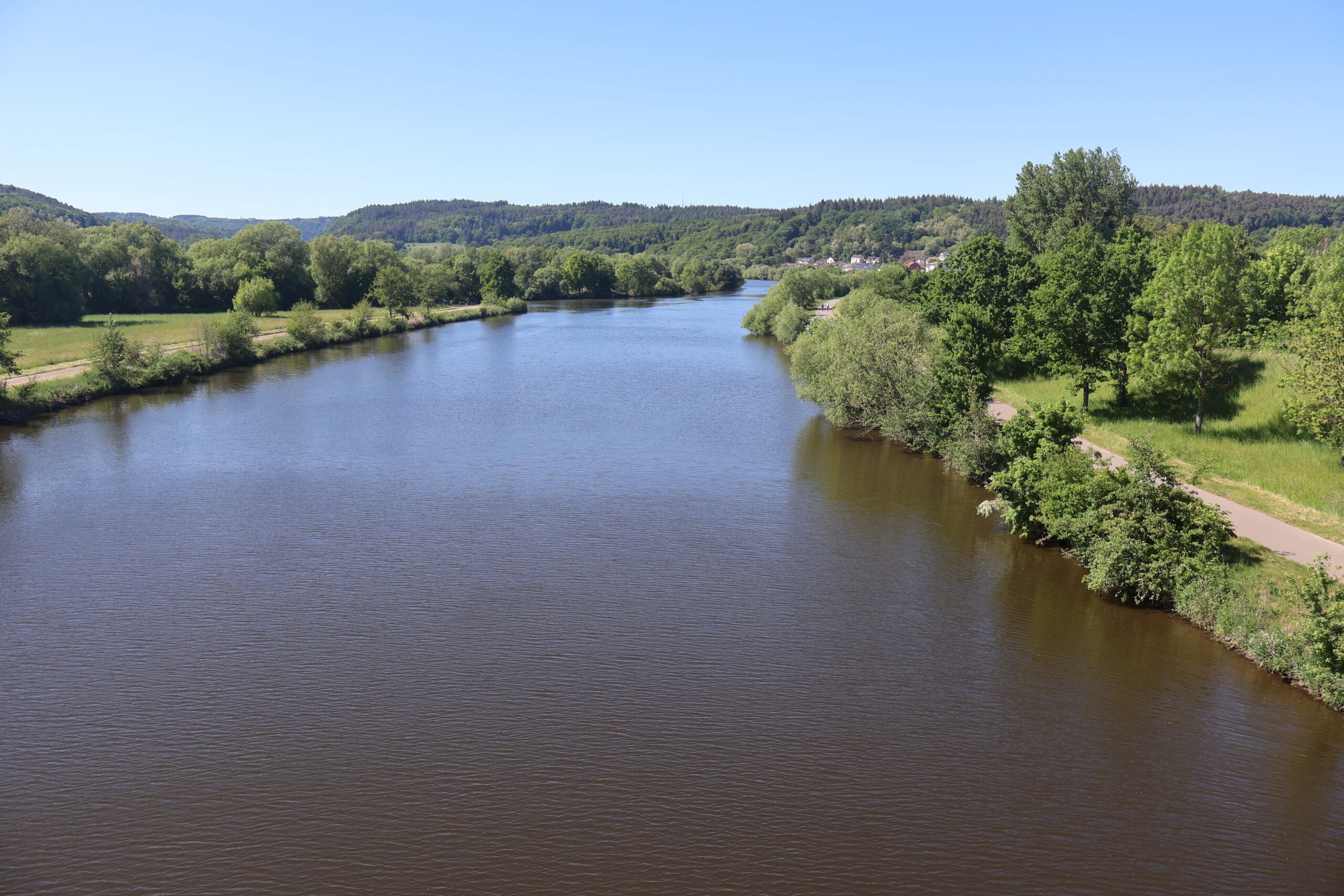
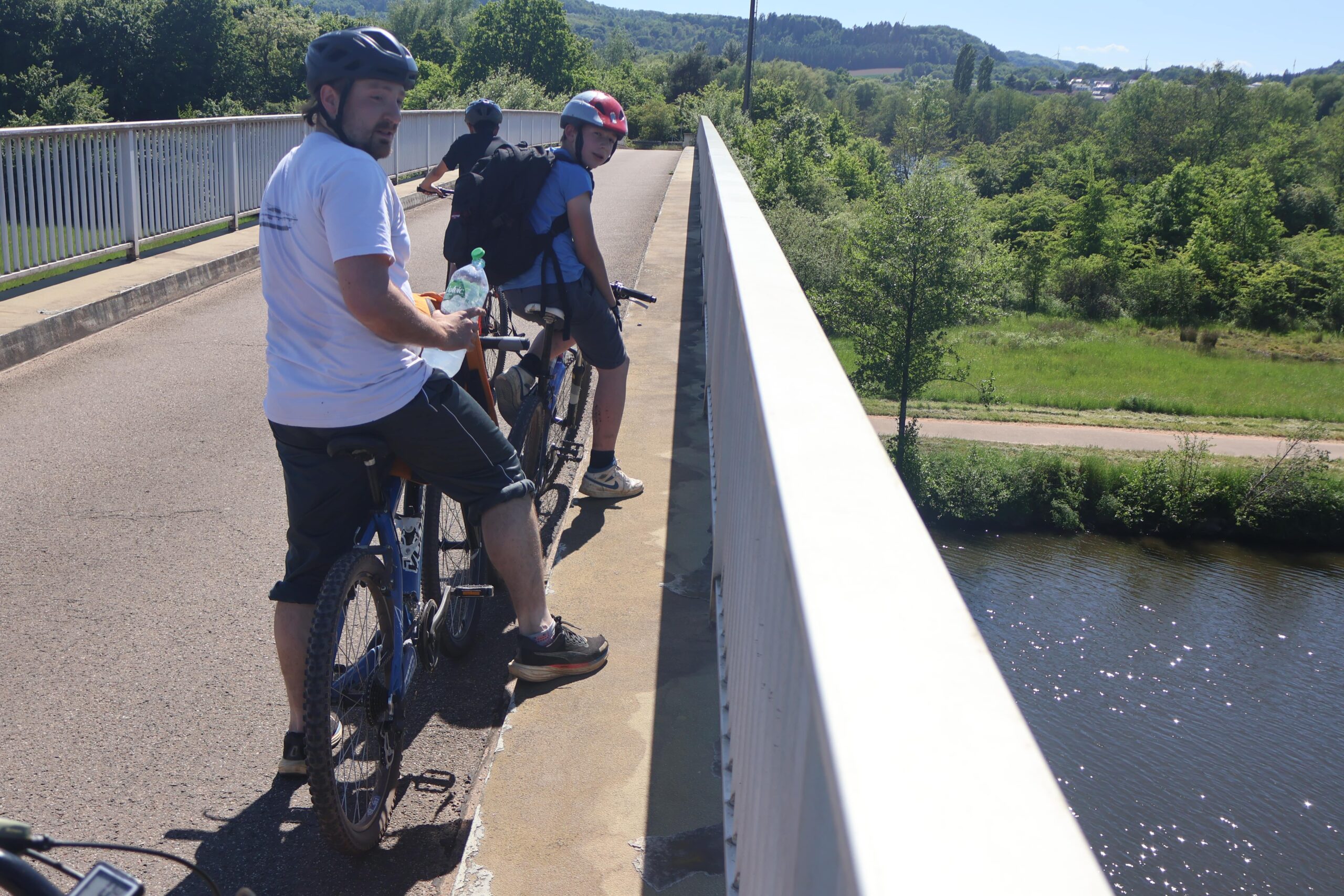
The tour then continued mainly through nearby forests and, in the afternoon, along the large Saar loop.
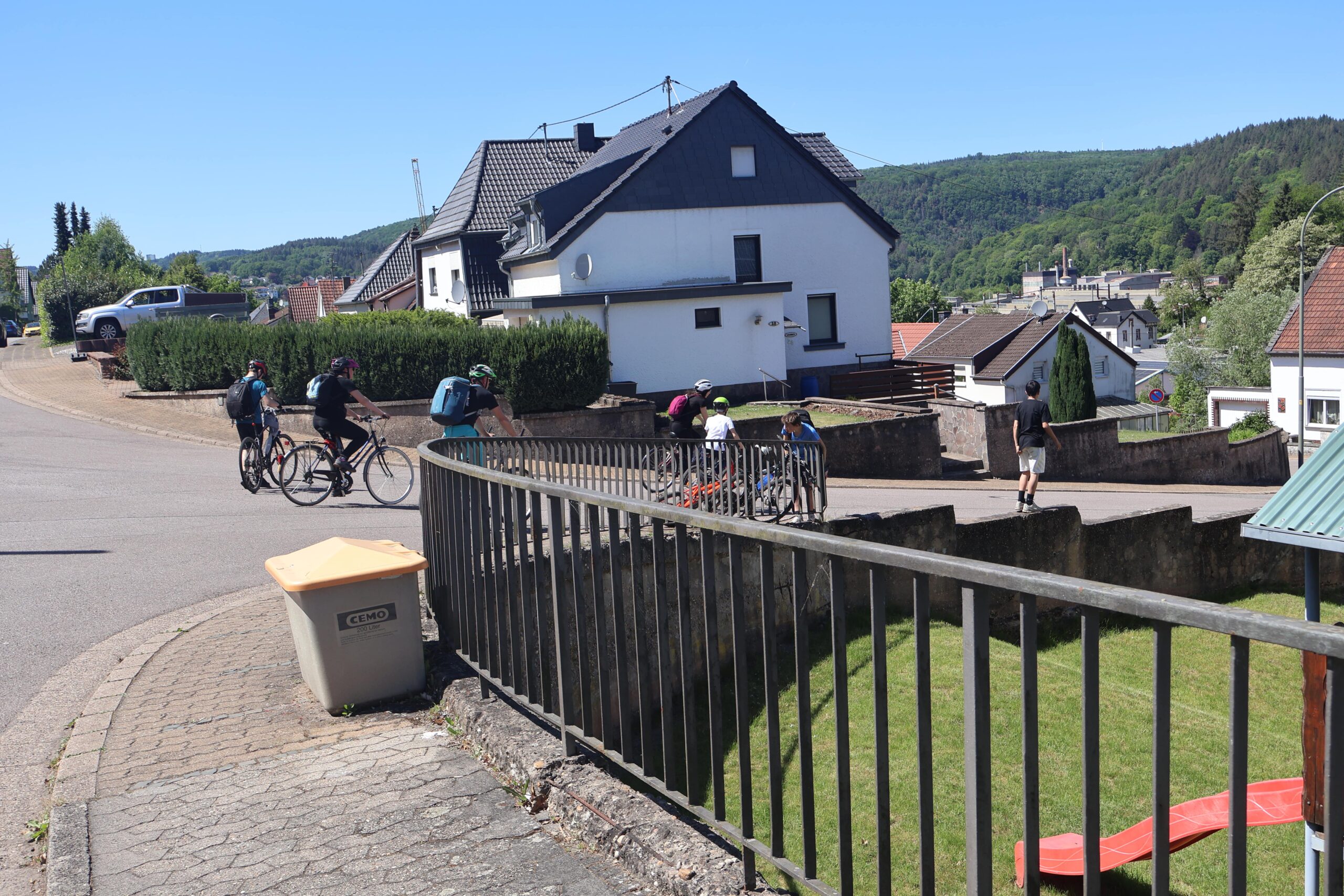
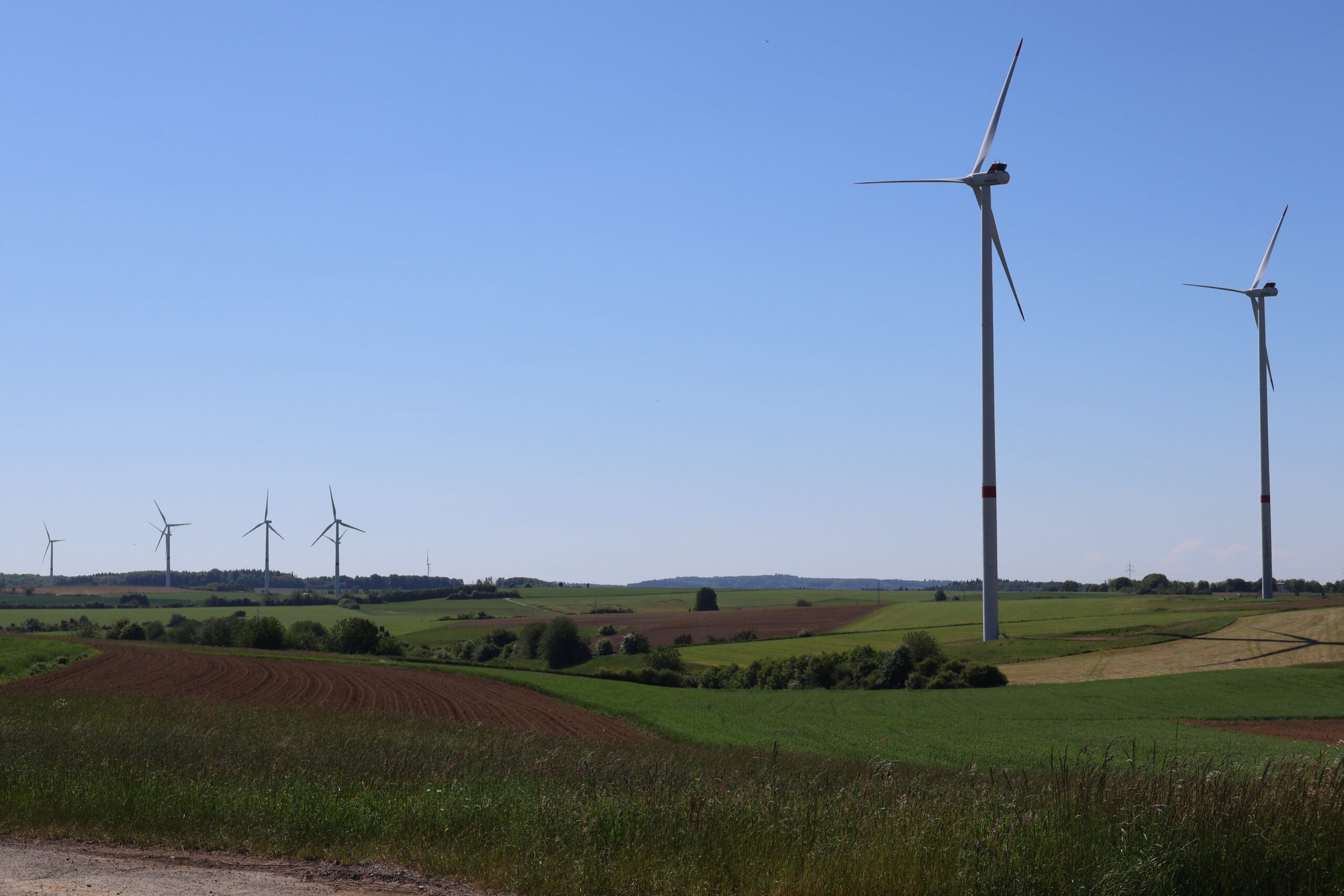
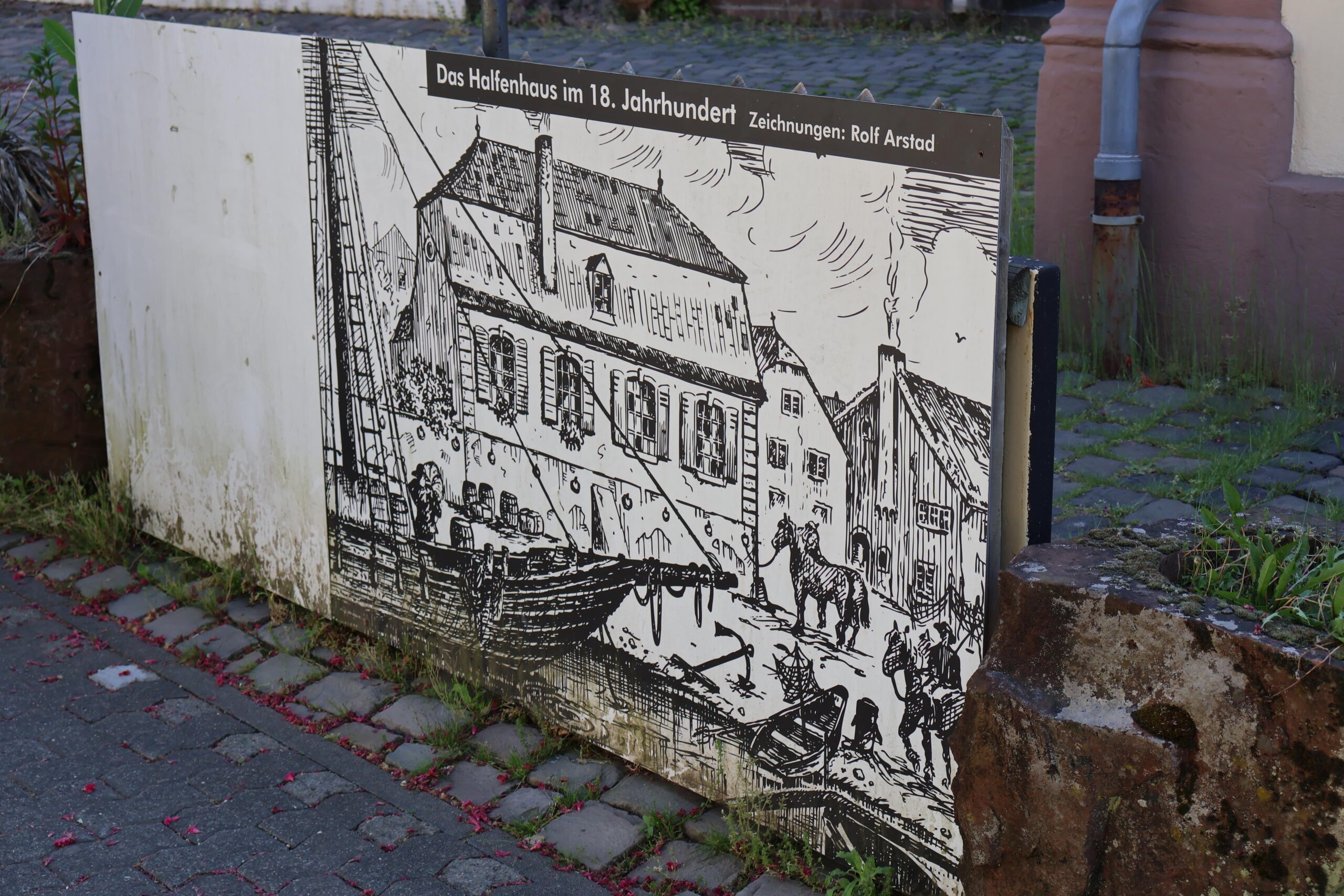
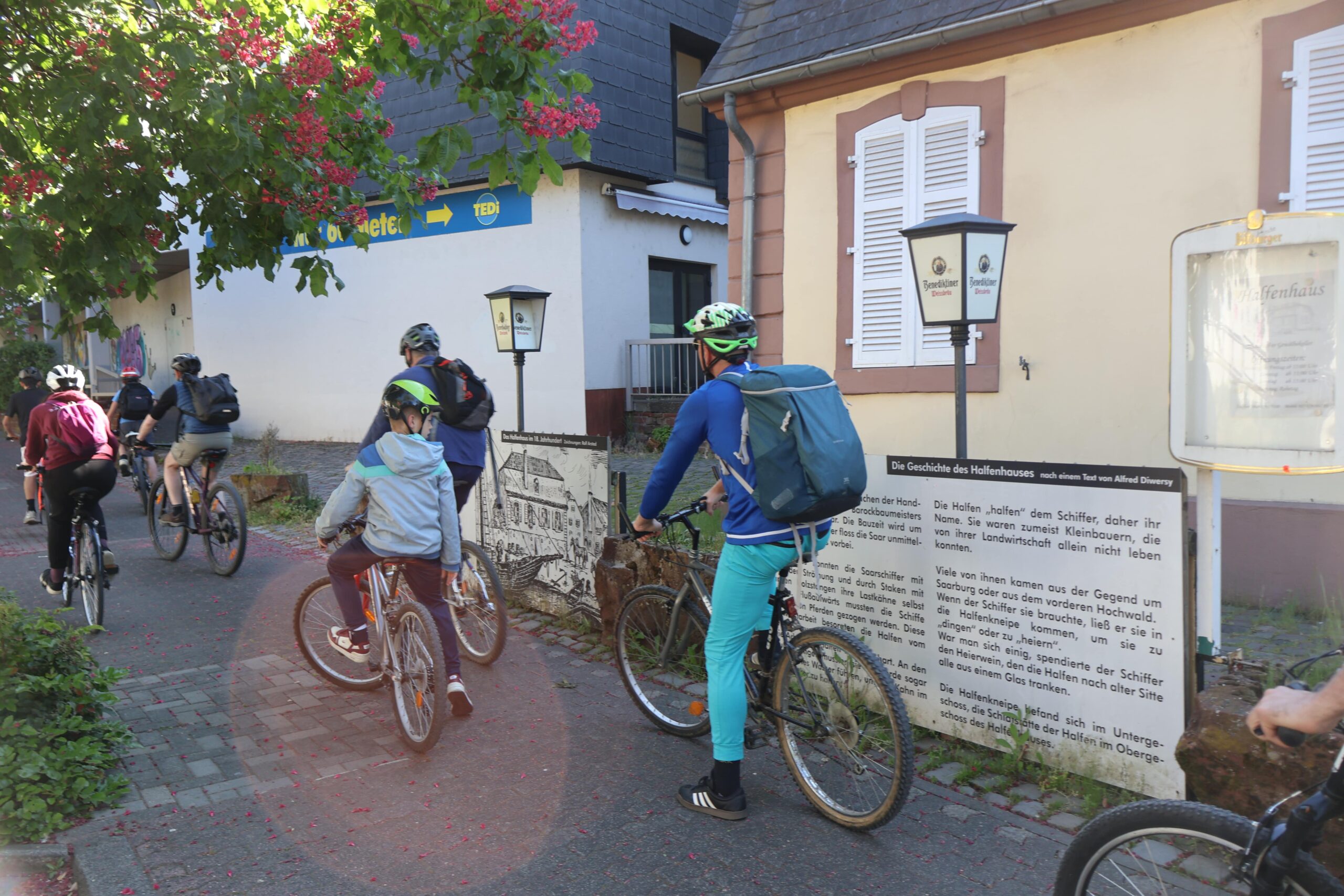
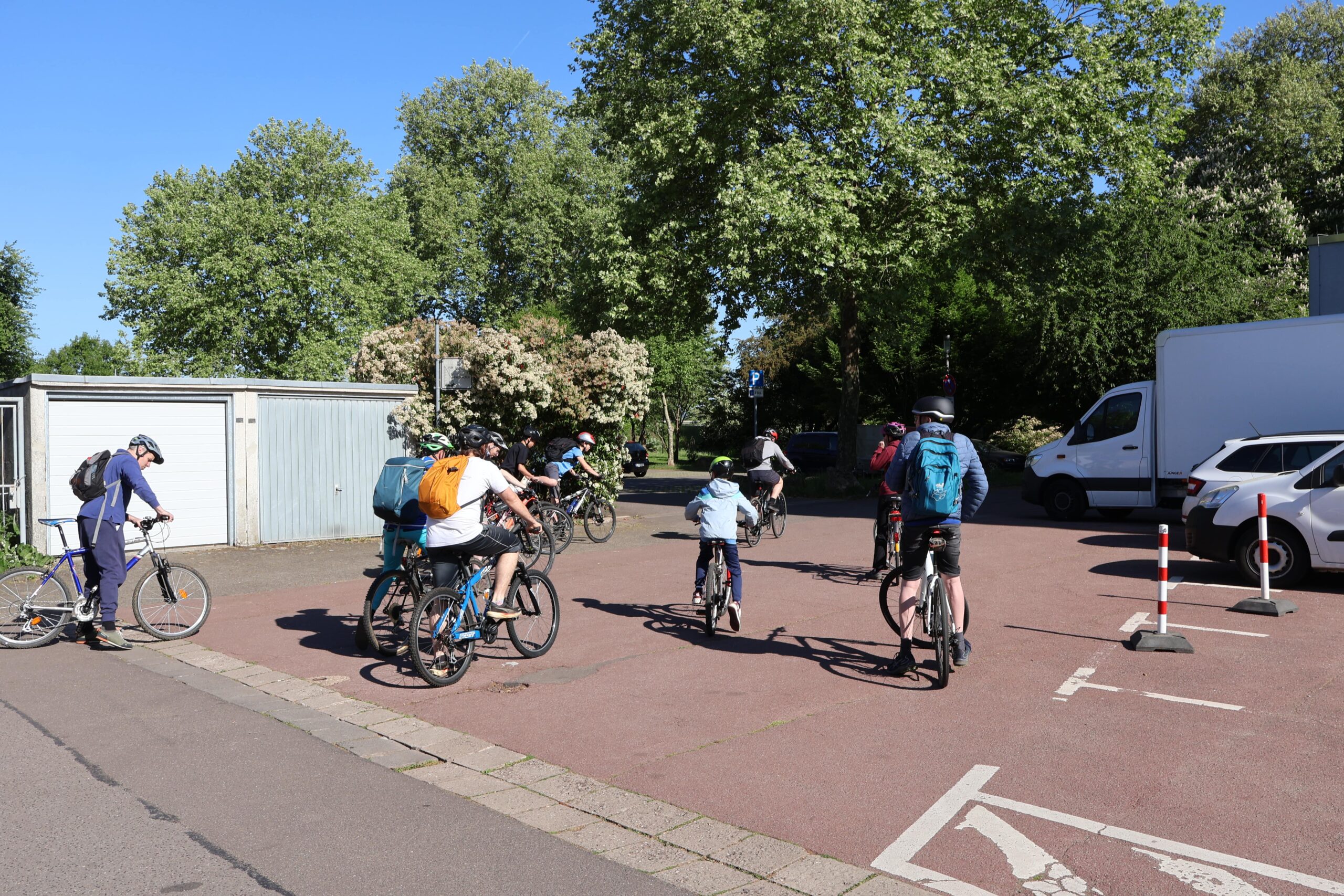
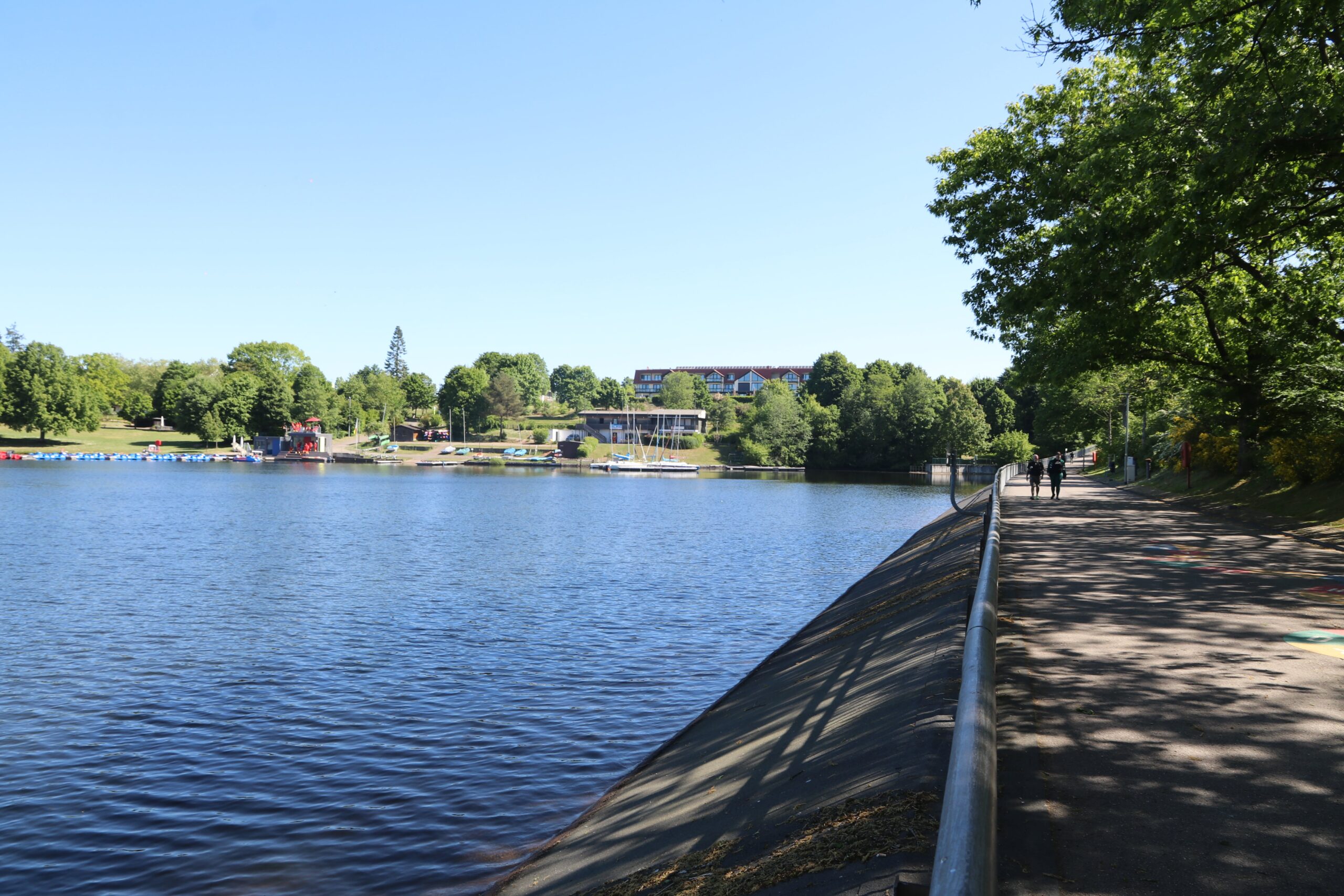
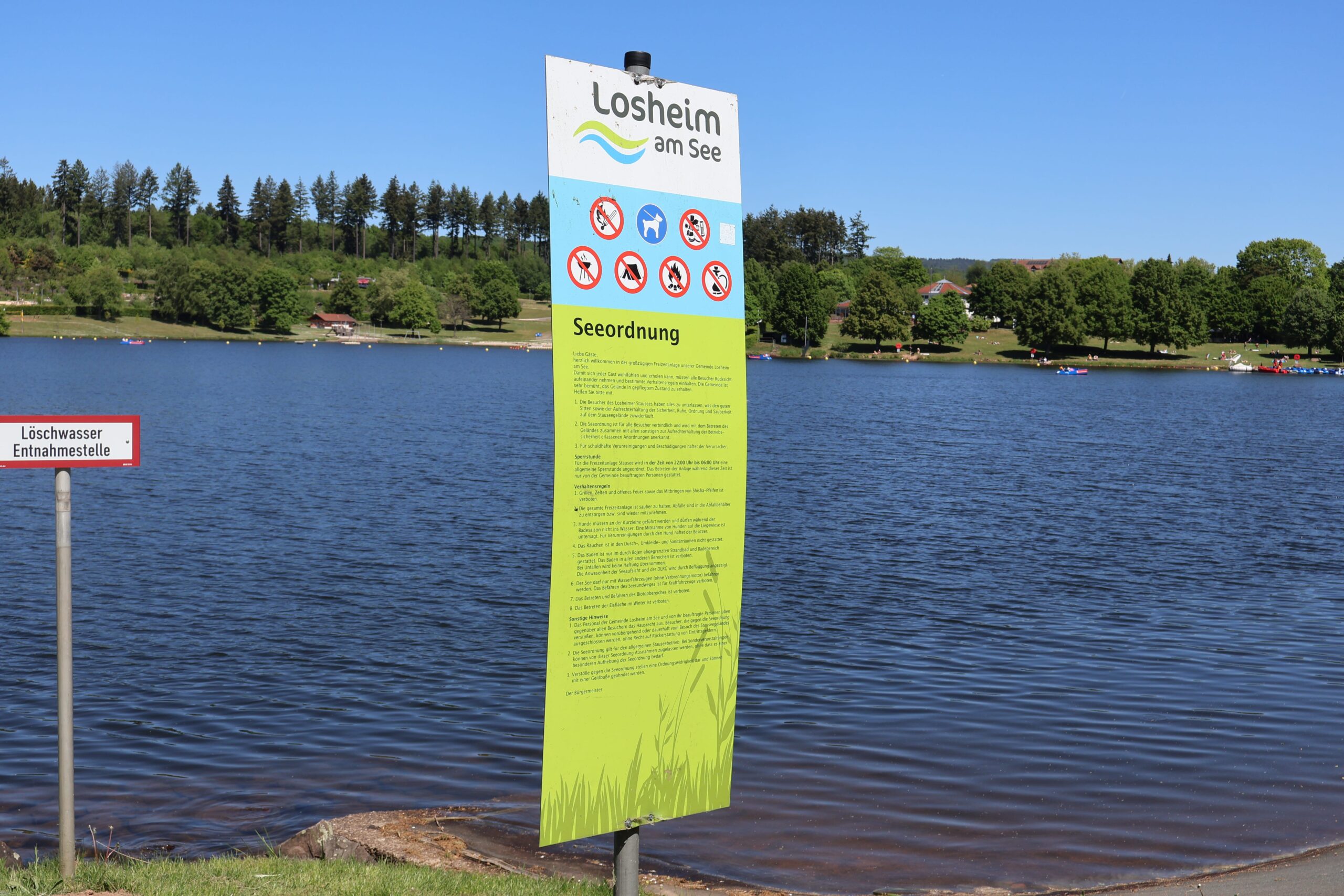
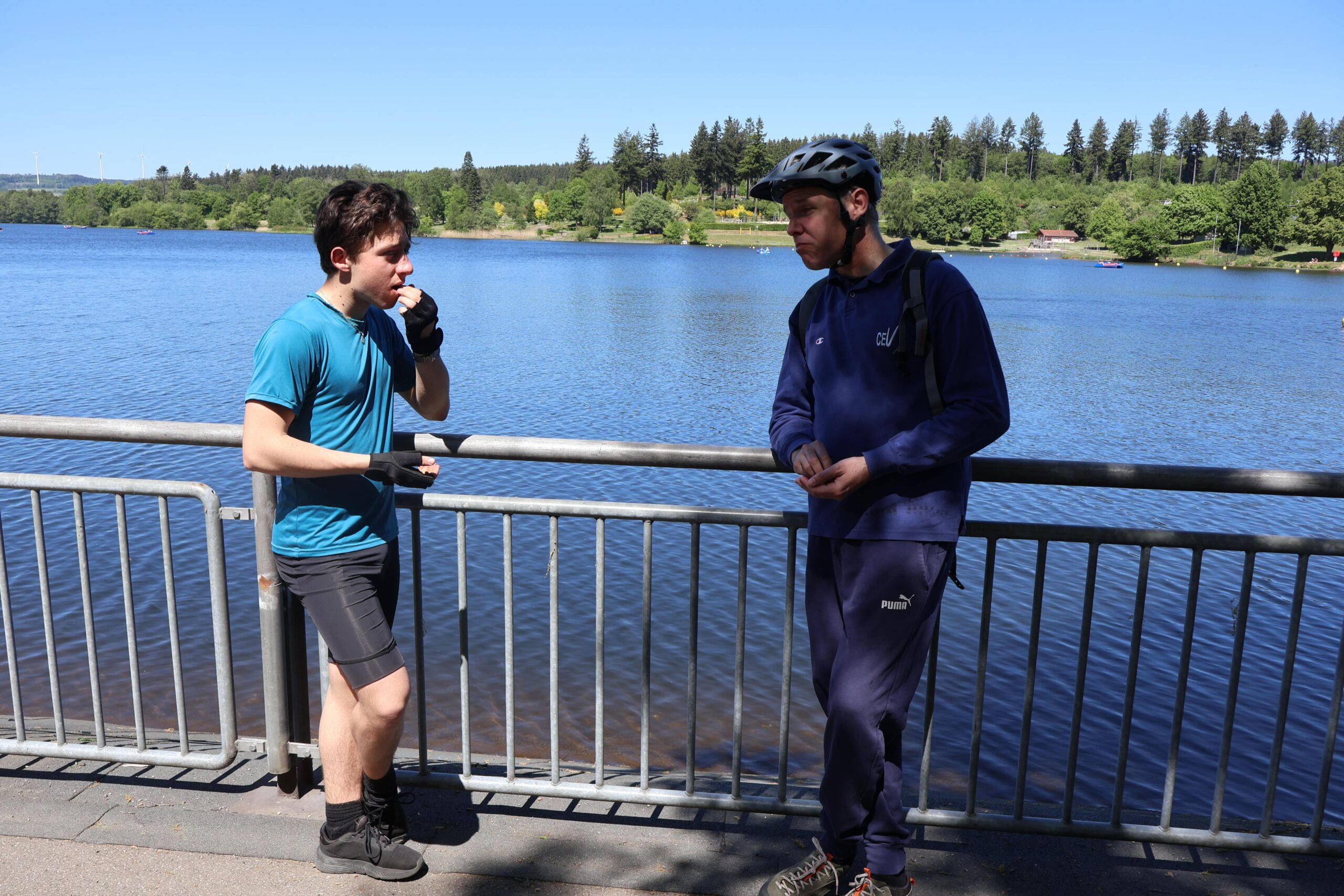
Break in Losheim am See
The group took a longer break in Losheim am See in the morning before continuing through the woods outside the seaside resort.
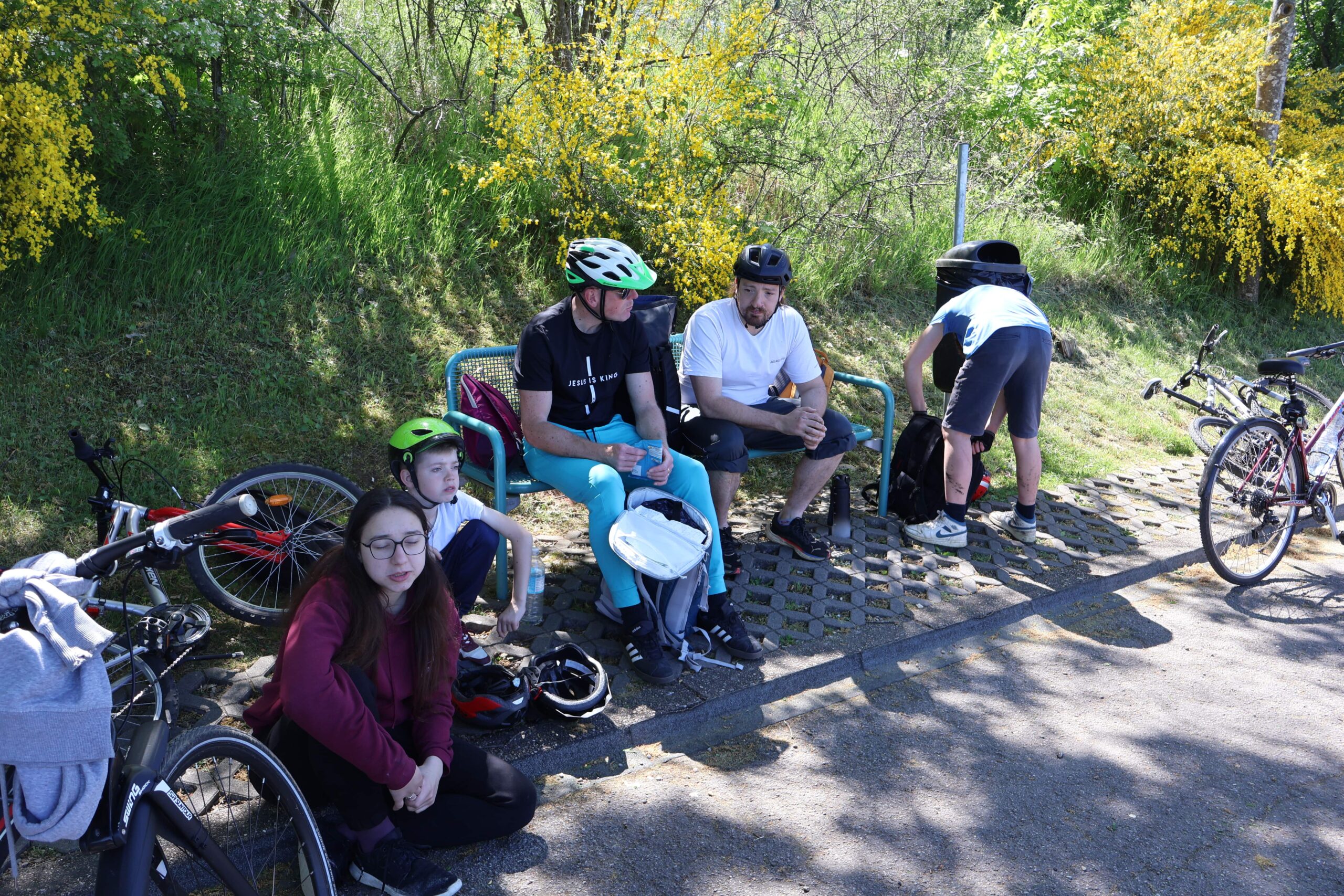
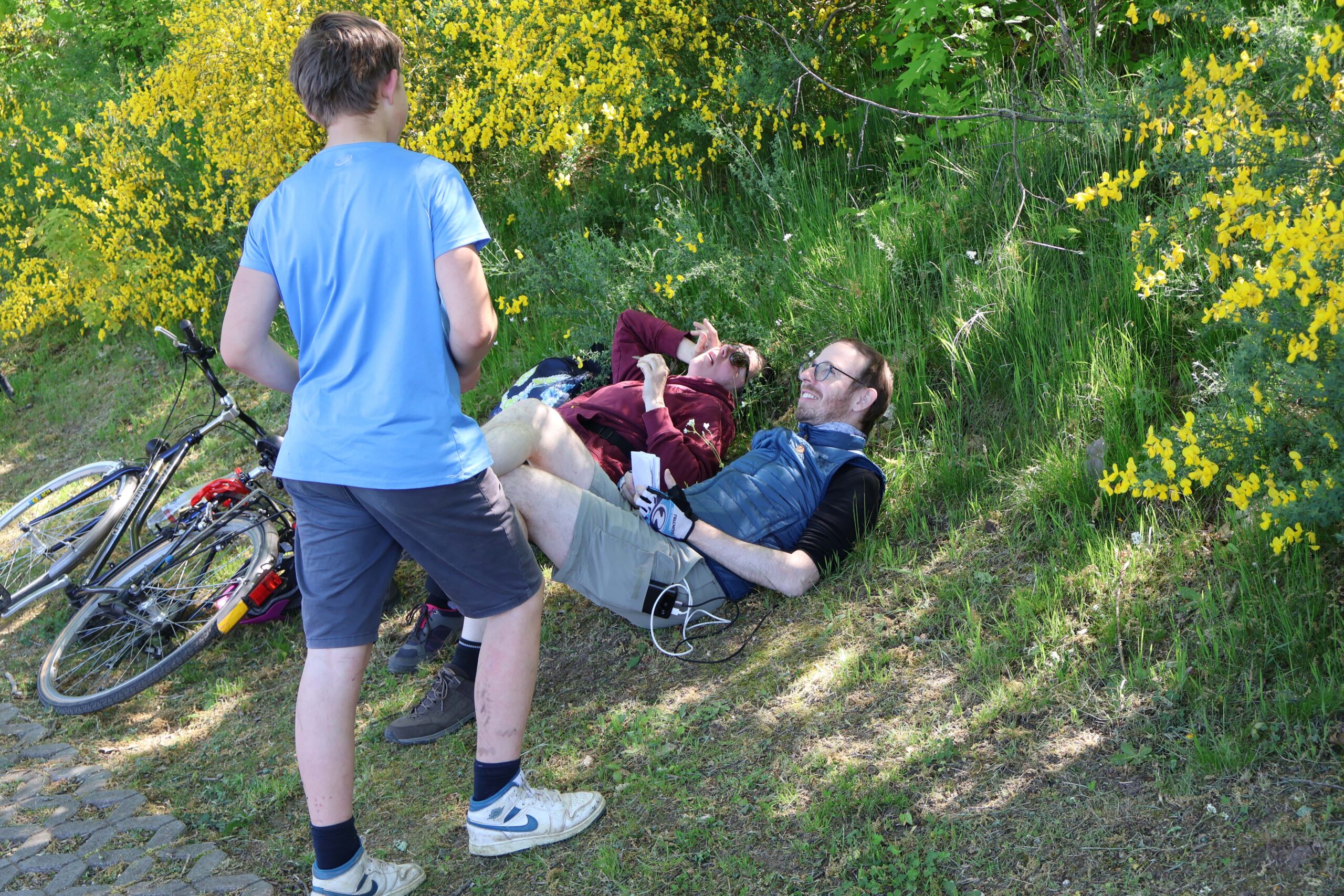

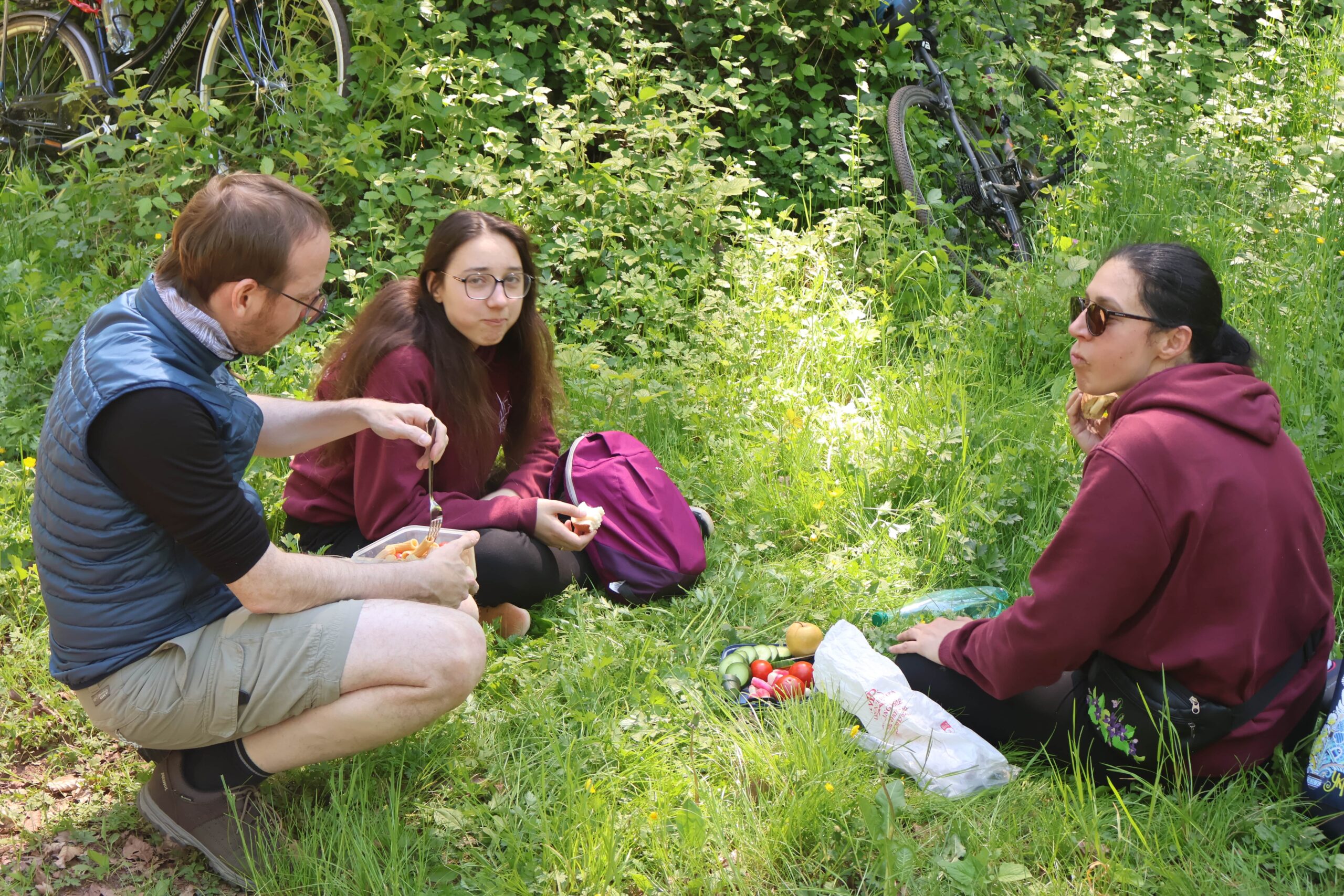
Lunch break in the countryside
The tour continued on cycle paths and country roads until lunchtime.
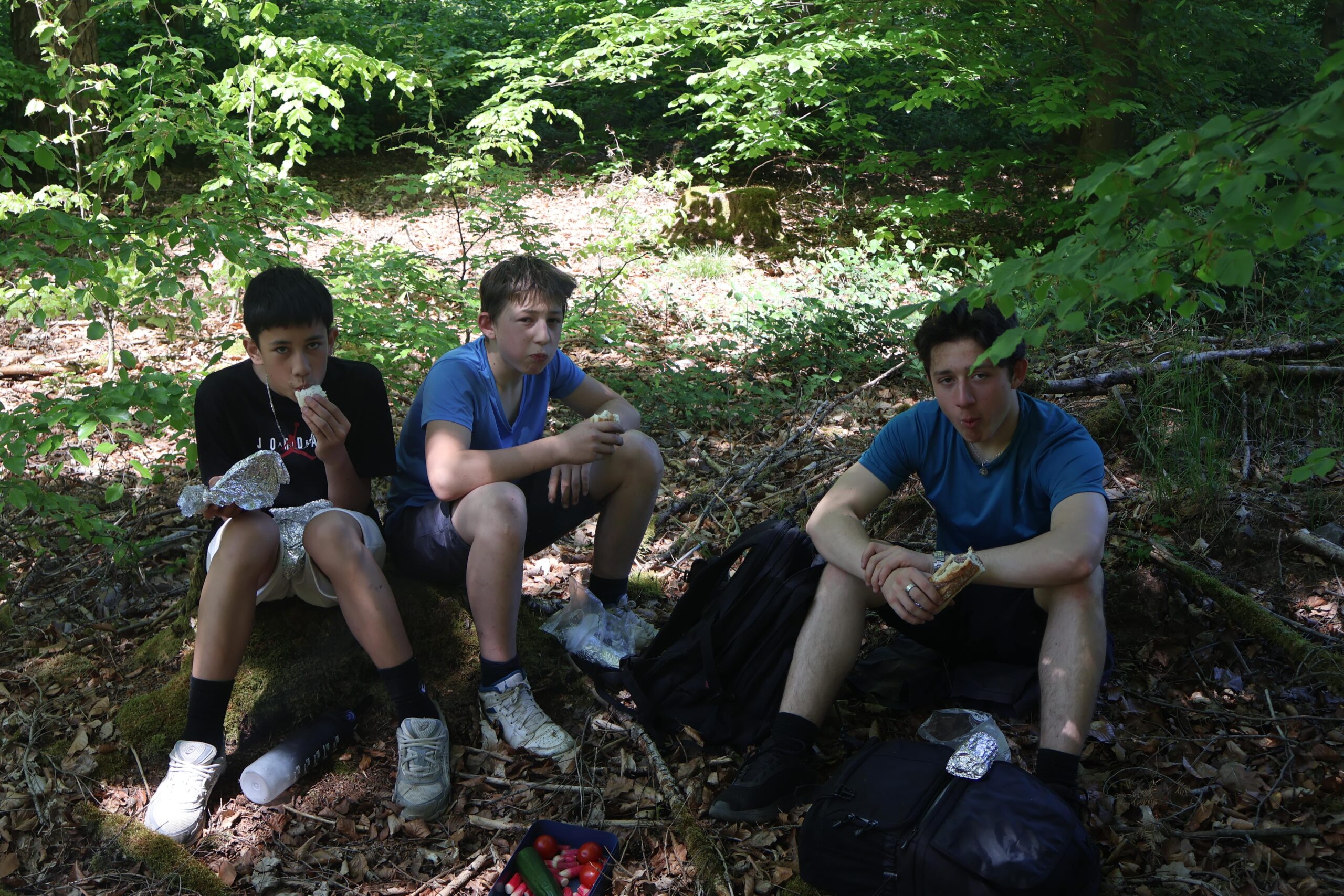
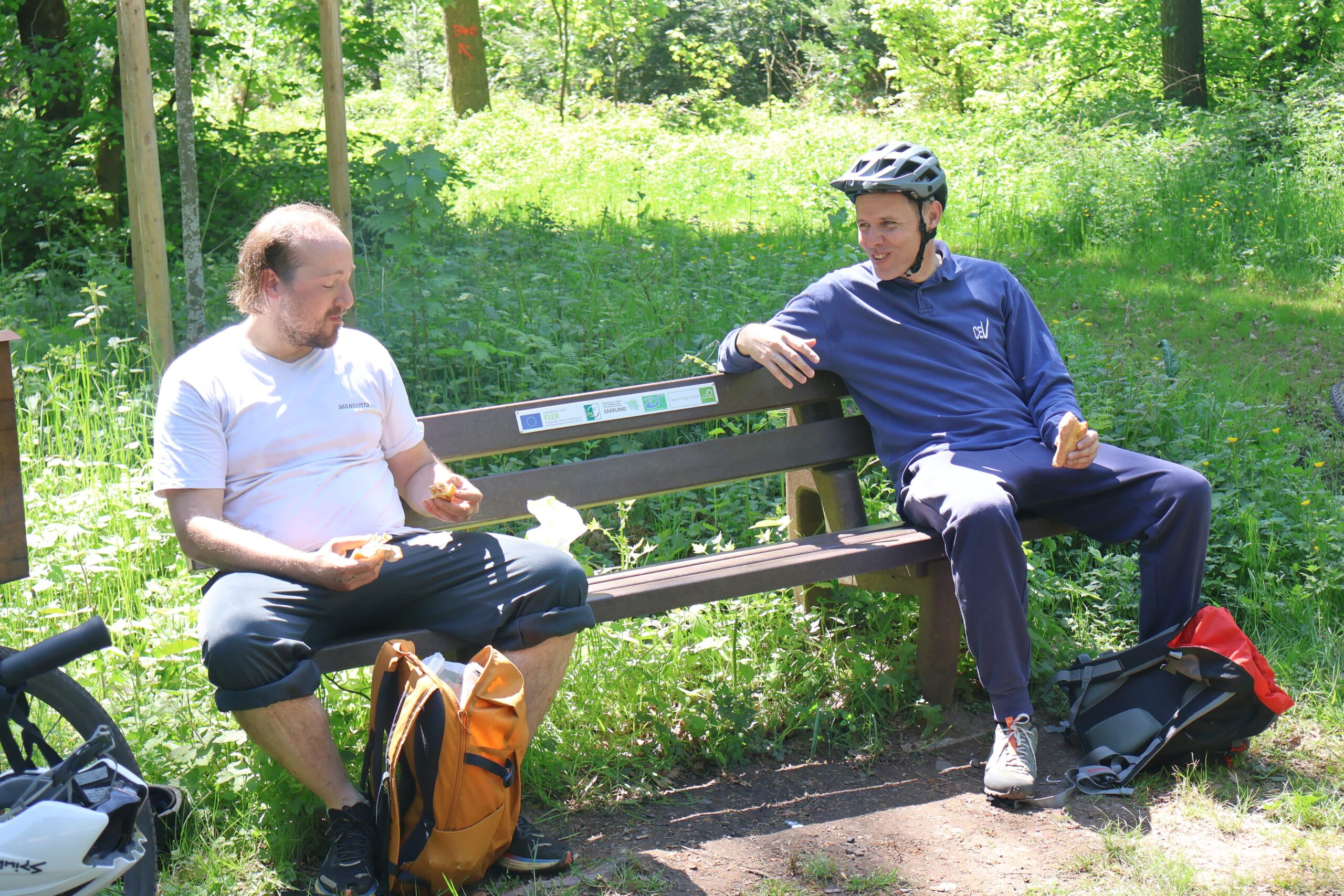
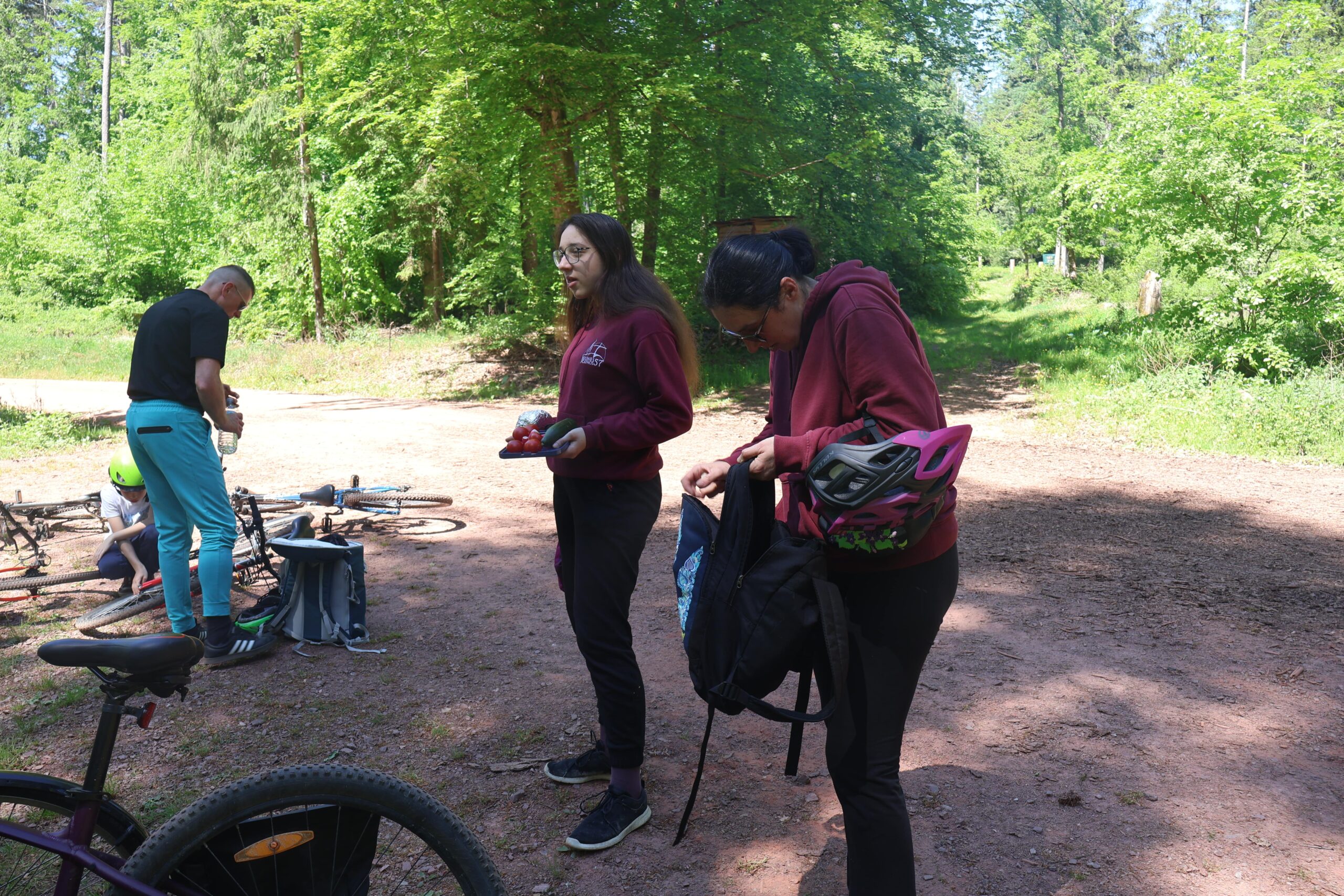
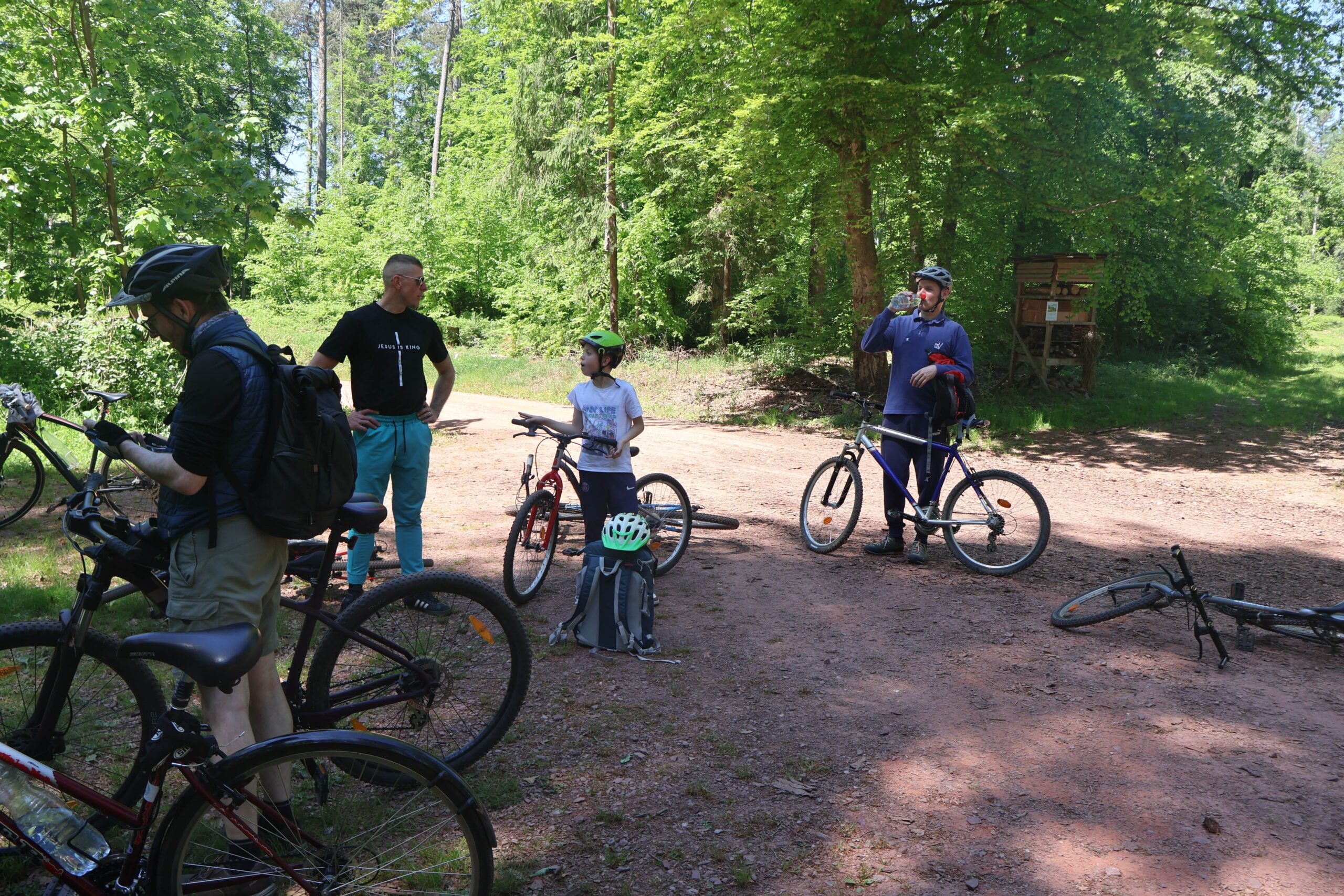
Short stop in the courtyard of the former Benedictine abbey in Mettlach
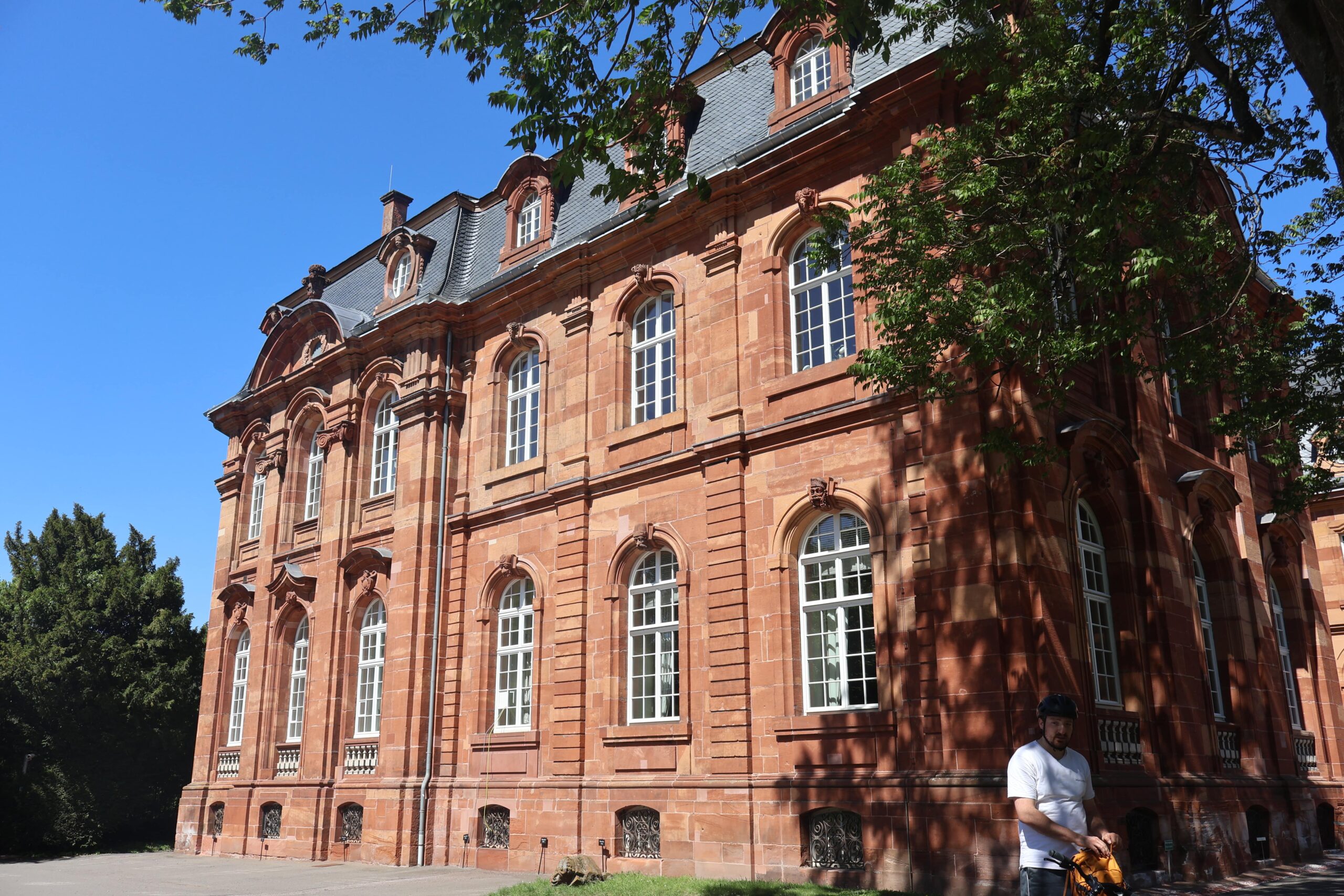
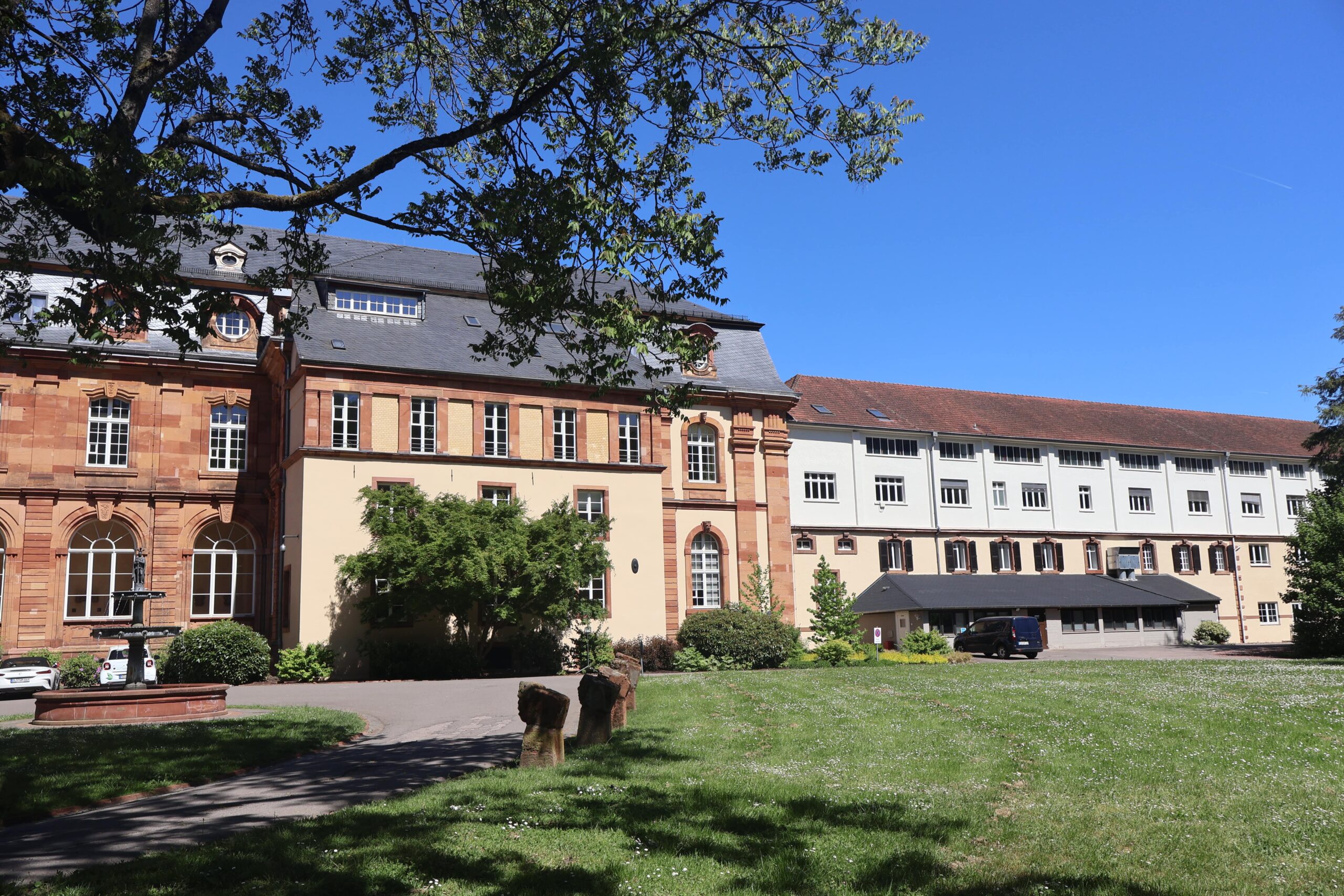
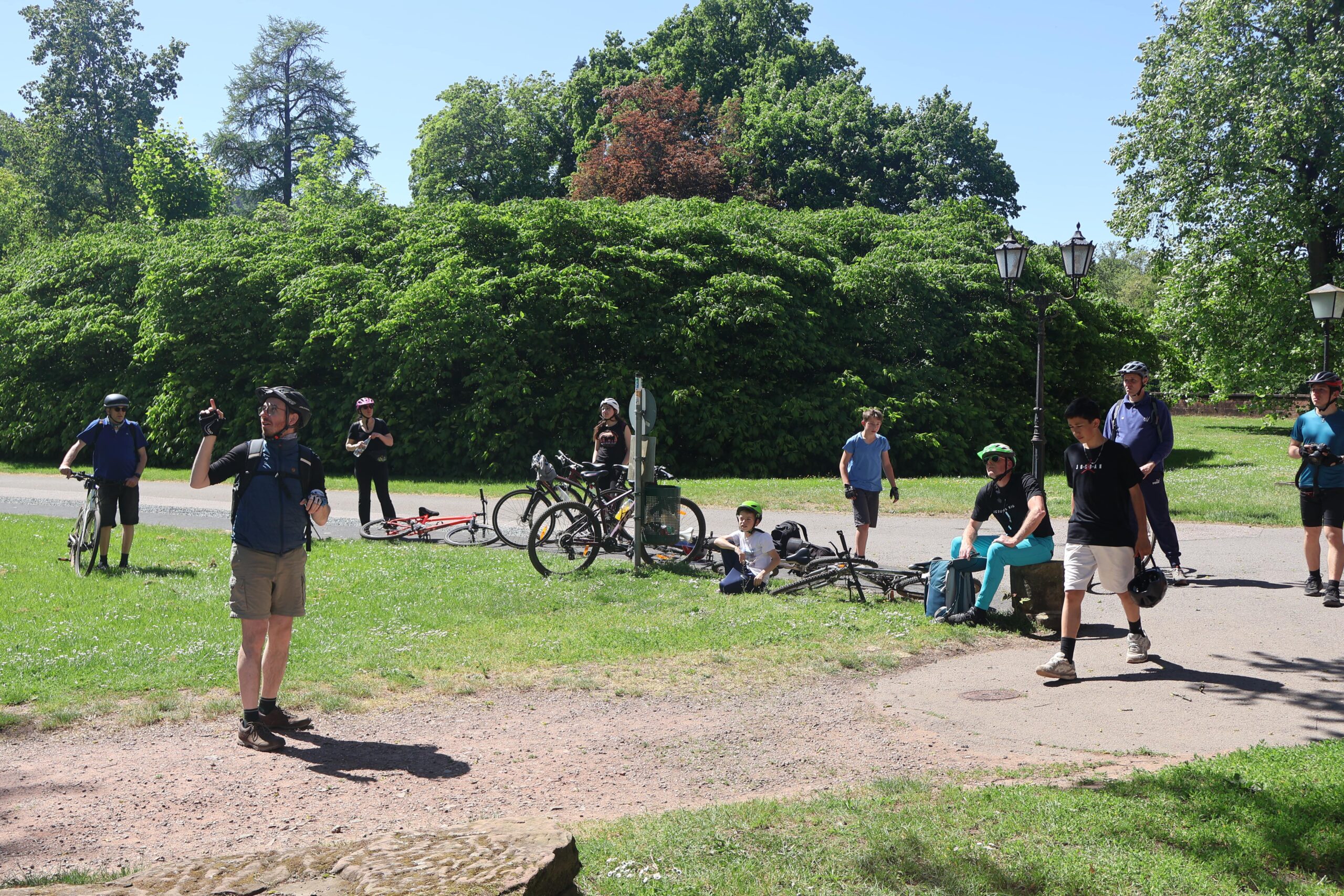
In the afternoon, the cycling group reached Mettlach on the Saar. Inside the outer walls of the former Abbey of St. Peter and Mary, there was a break with a short tour and explanations of the Benedictine abbey, which was important and significant from the 7th to the 11th century.
Around 676, the Frankish nobleman Lutwinus founded the Abbey of St. Peter and Mary on a flood-free low-lying stretch of the Saar River at the present site of Mettlach and entered the monastery himself, which was subject to the Benedictine rule.
The Old Tower
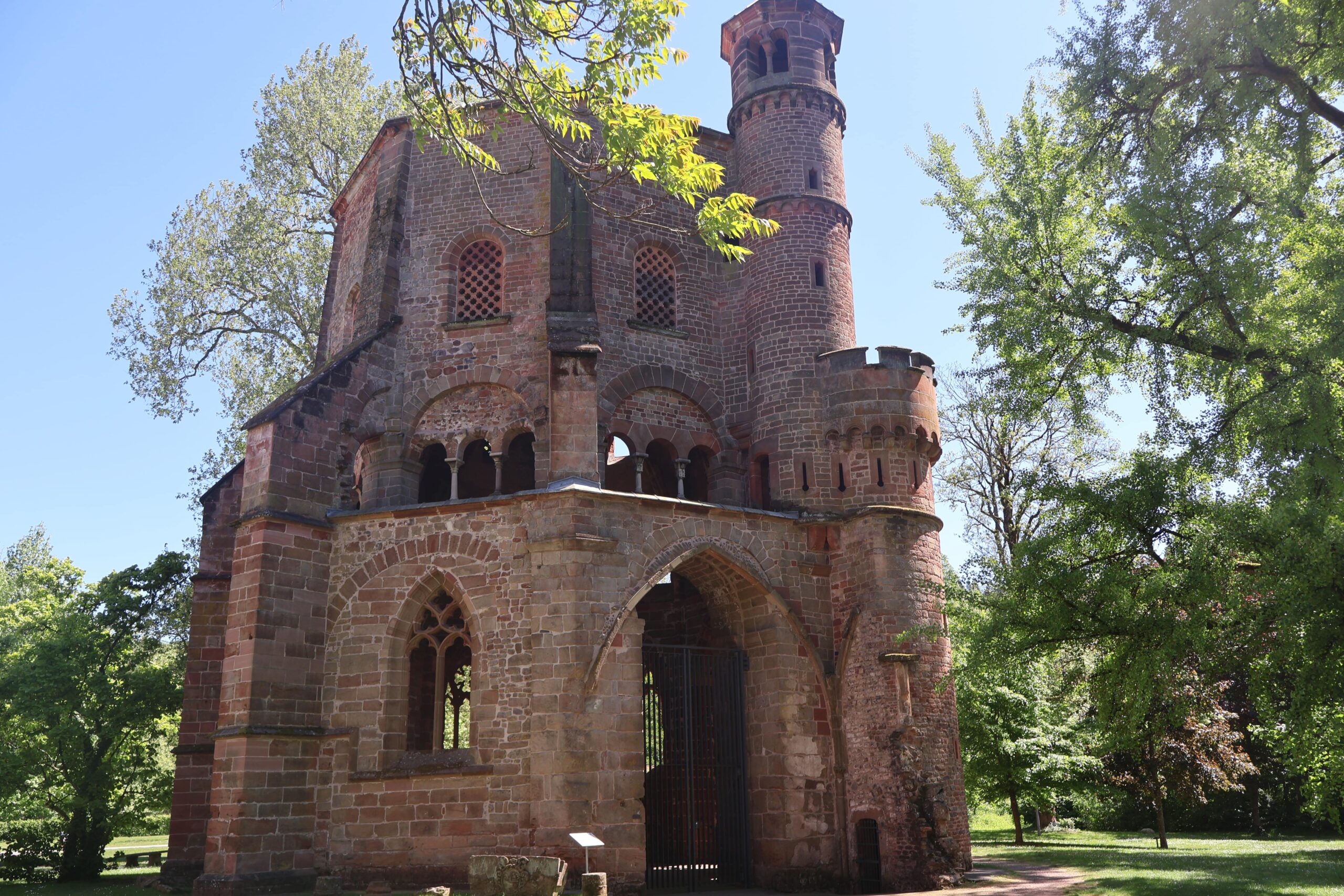
Nothing remains of the monastery building, and only the Old Tower remains of the various churches.
Around 990, Abbot Lioffin (987-993) built a church dedicated to St Mary as a burial place for the founder. This octagonal church, modelled on Aachen Cathedral, is now known as the Old Tower and is the oldest surviving sacred building in the Saarland. The Romanesque building and a relic of the cross acquired in 1220 are evidence of the abbey’s importance in the Middle Ages.
In the 18th century, the late Baroque abbey buildings were erected by the master builder of Wadgassen Abbey, Johann Bernhard Trabucco (1685–1768), who was born in Ebenburg, and the Saxon master builder Christian Kretzschmar (c. 1700–1768).
The French Revolution, but above all the First Coalition War from 1792 onwards, meant the end for Mettlach Abbey. The monks fled in 1793/1794. In 1802, the traditional abbey was finally abandoned. The current abbey buildings, which date back to the 18th century, were declared French national property in 1802 during secularisation. The entire estate was then sold to the paper manufacturer Leistenschneider from Trier.
Owned by Villeroy & Boch since 1809
In 1809, Jean-François Boch, a member of the third generation of the Boch family, acquired the badly damaged building and had it restored. He also had it partially converted into a factory. The building still houses the headquarters of Villeroy & Boch today.