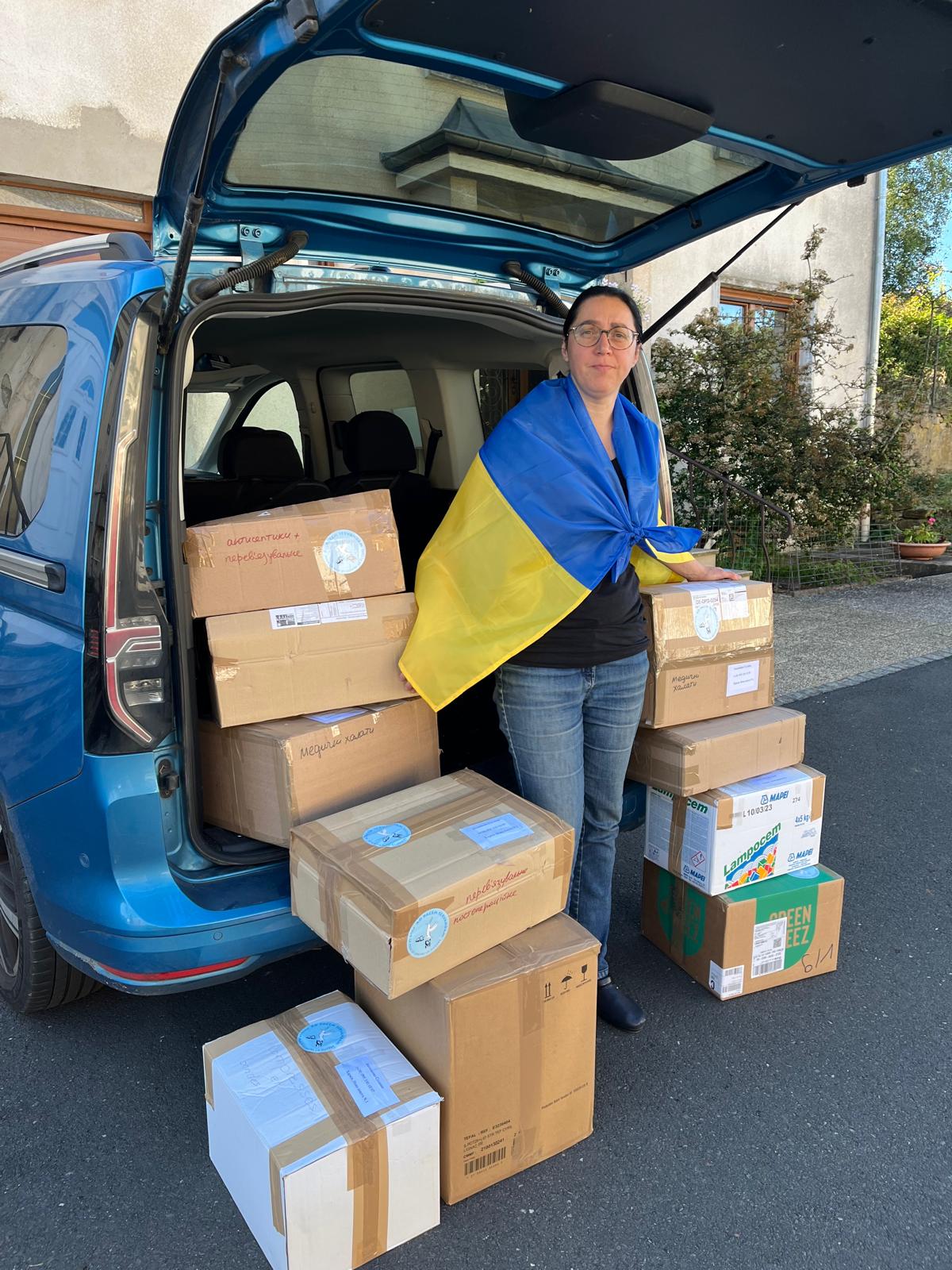
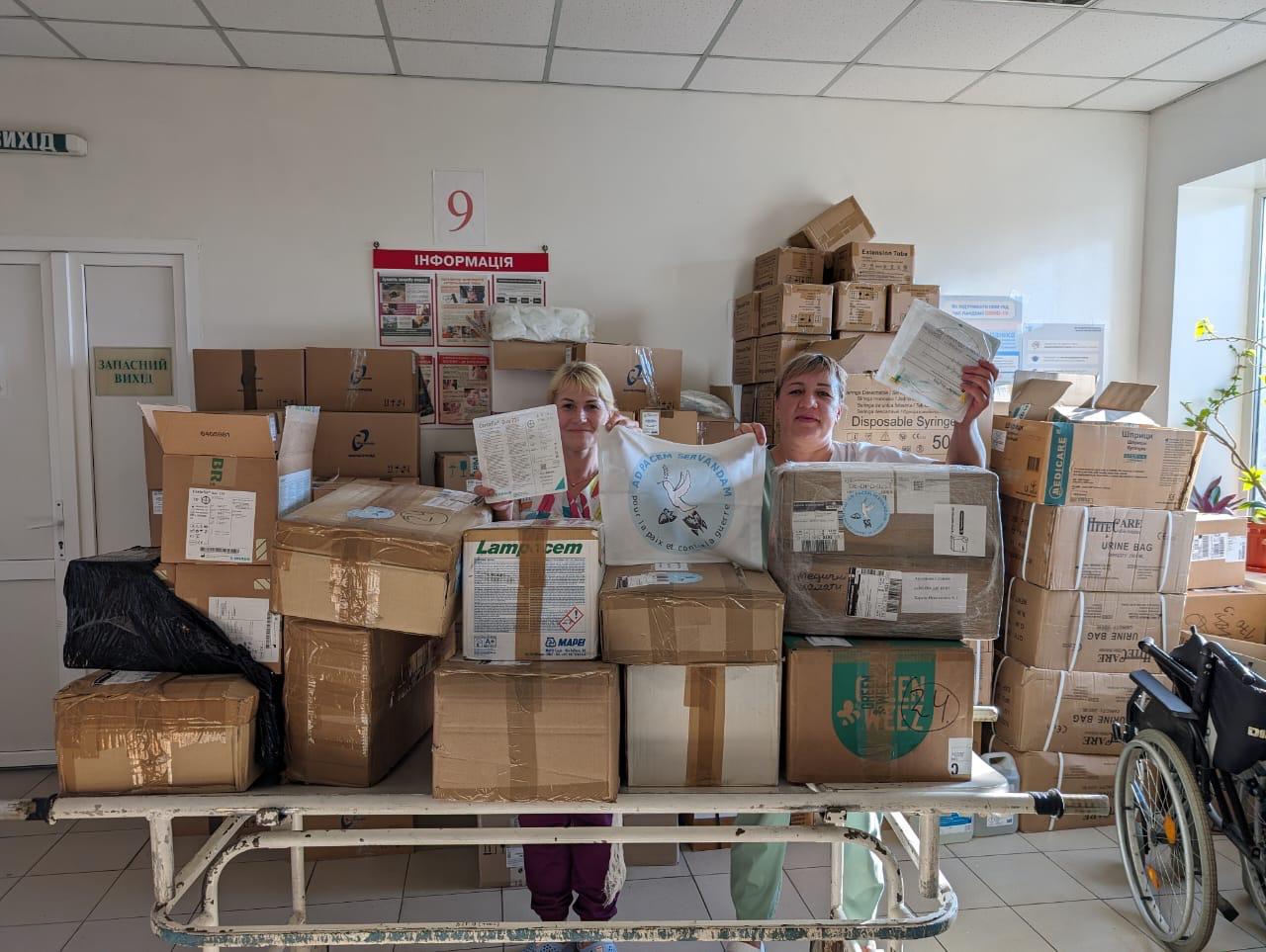
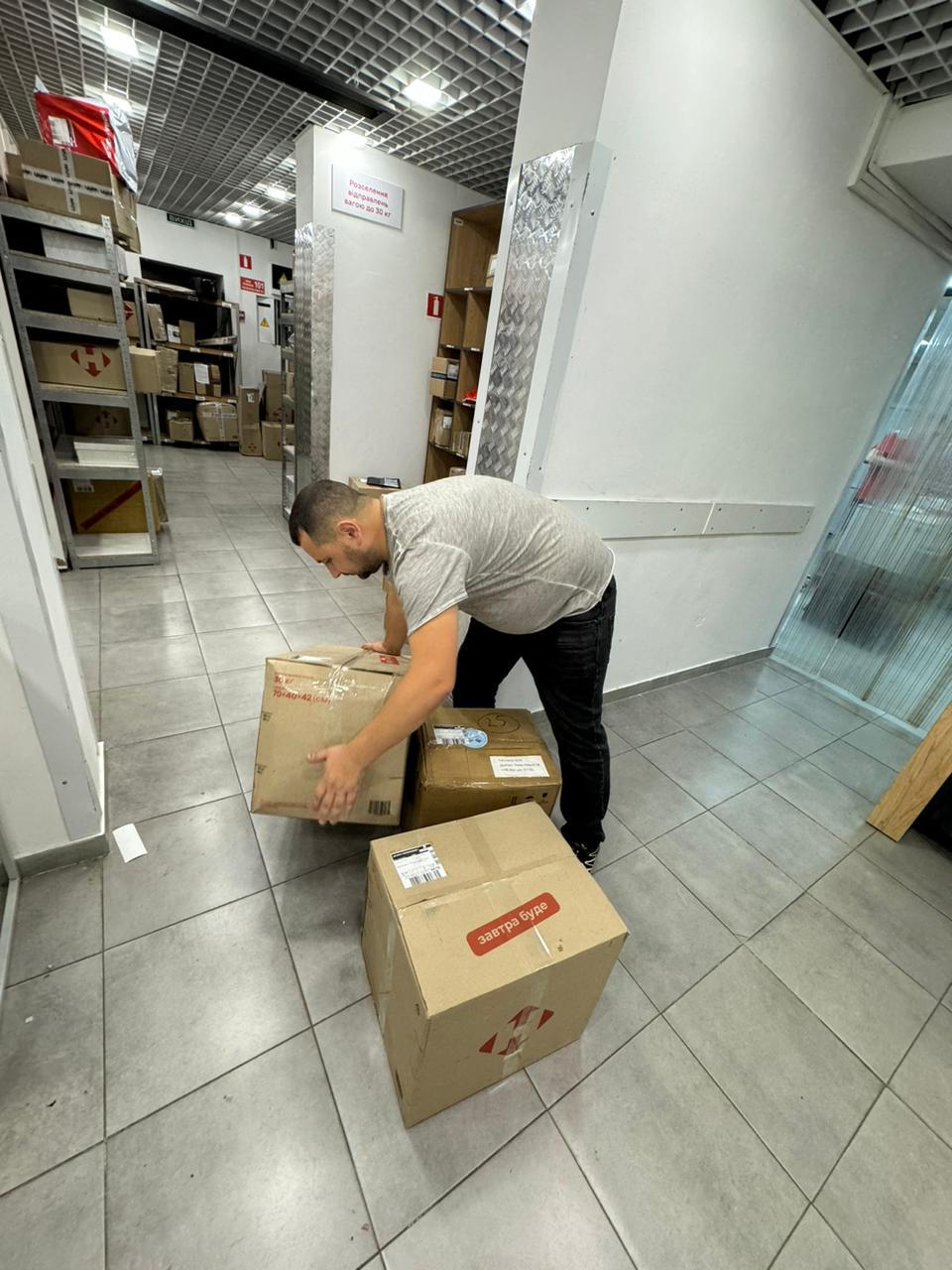
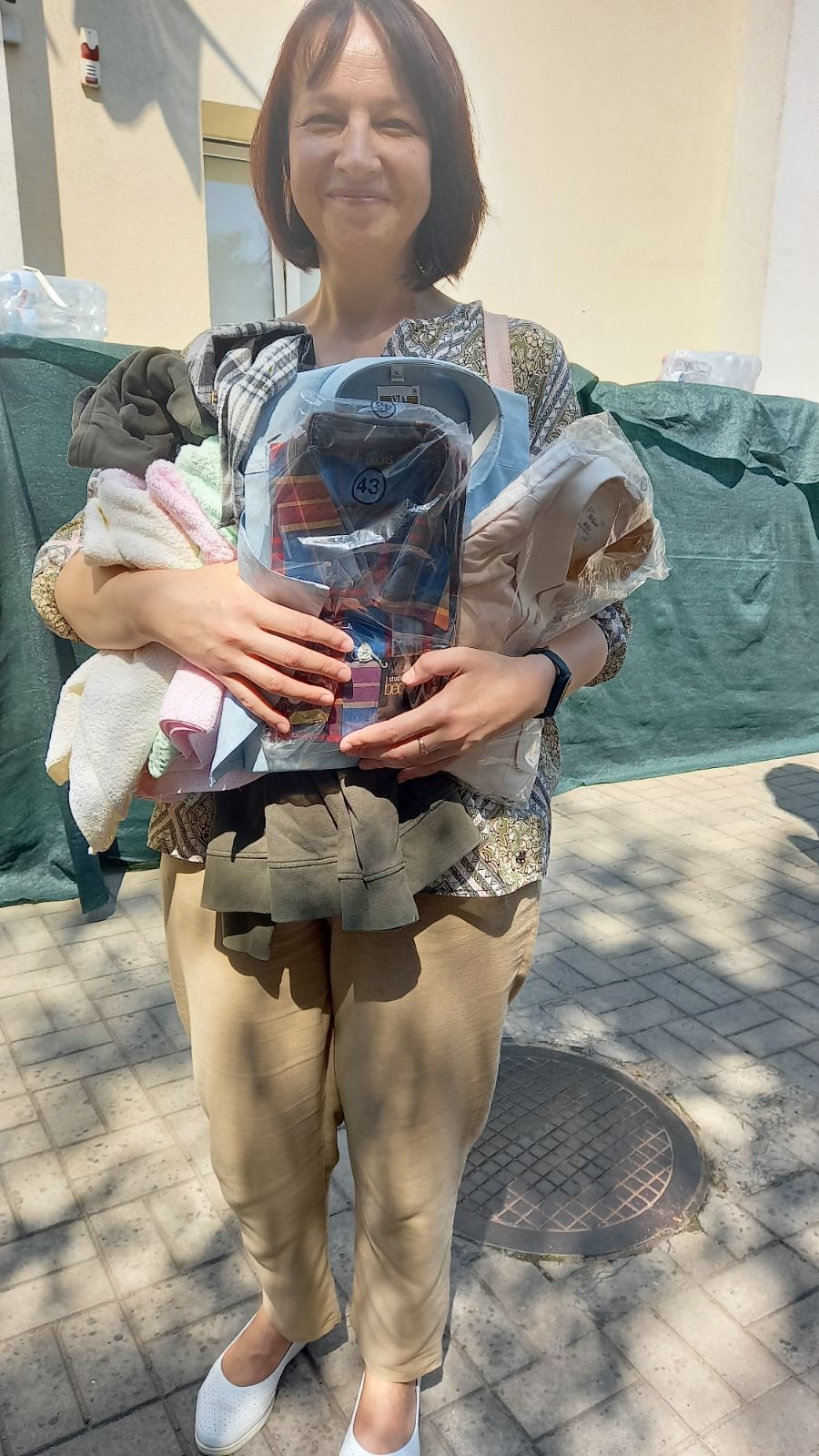
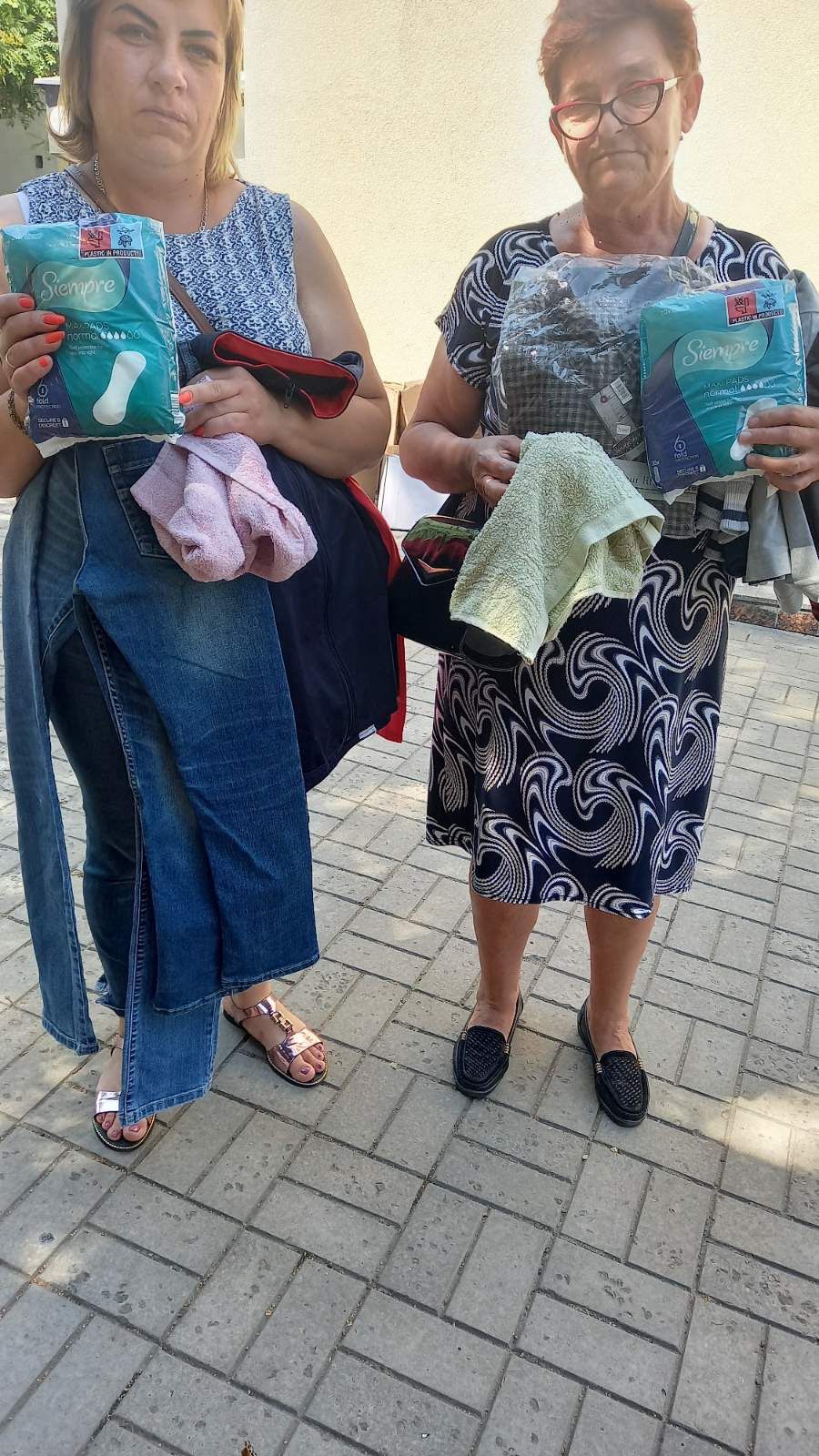
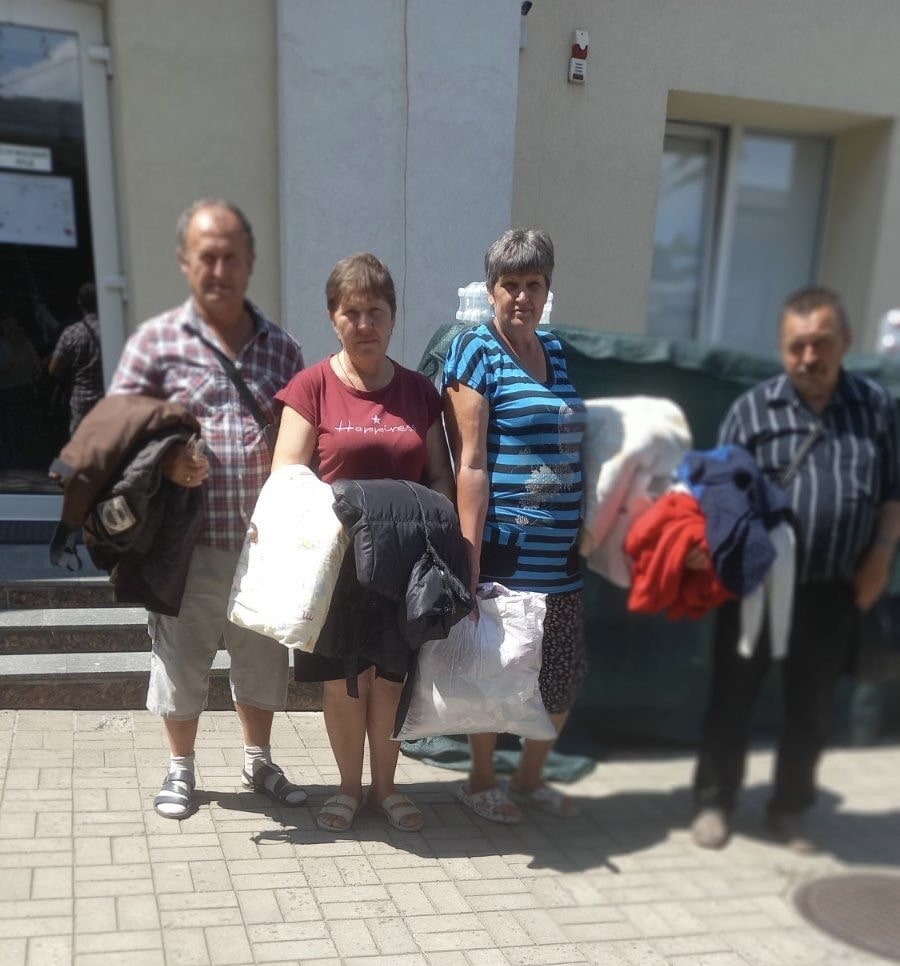
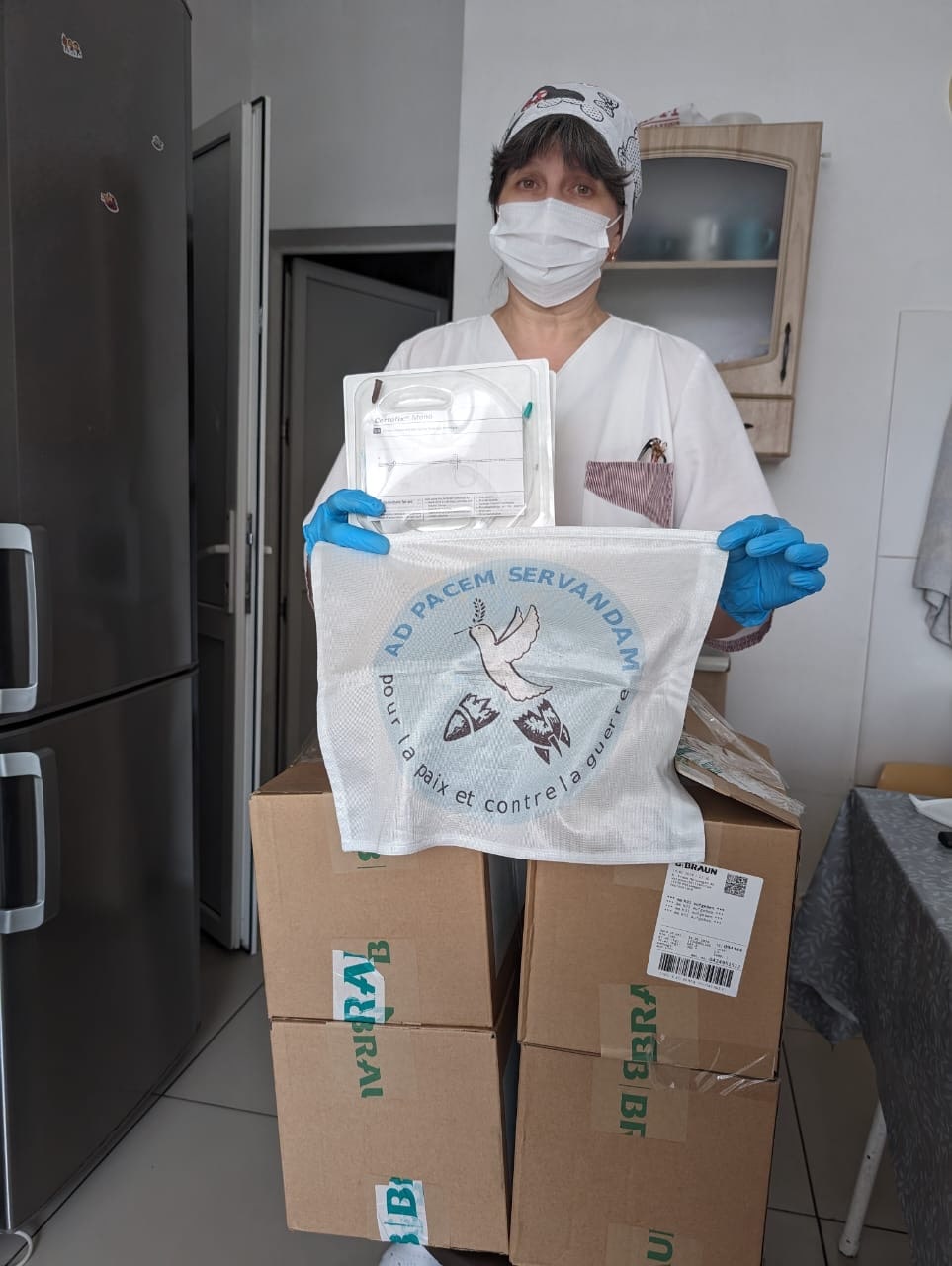
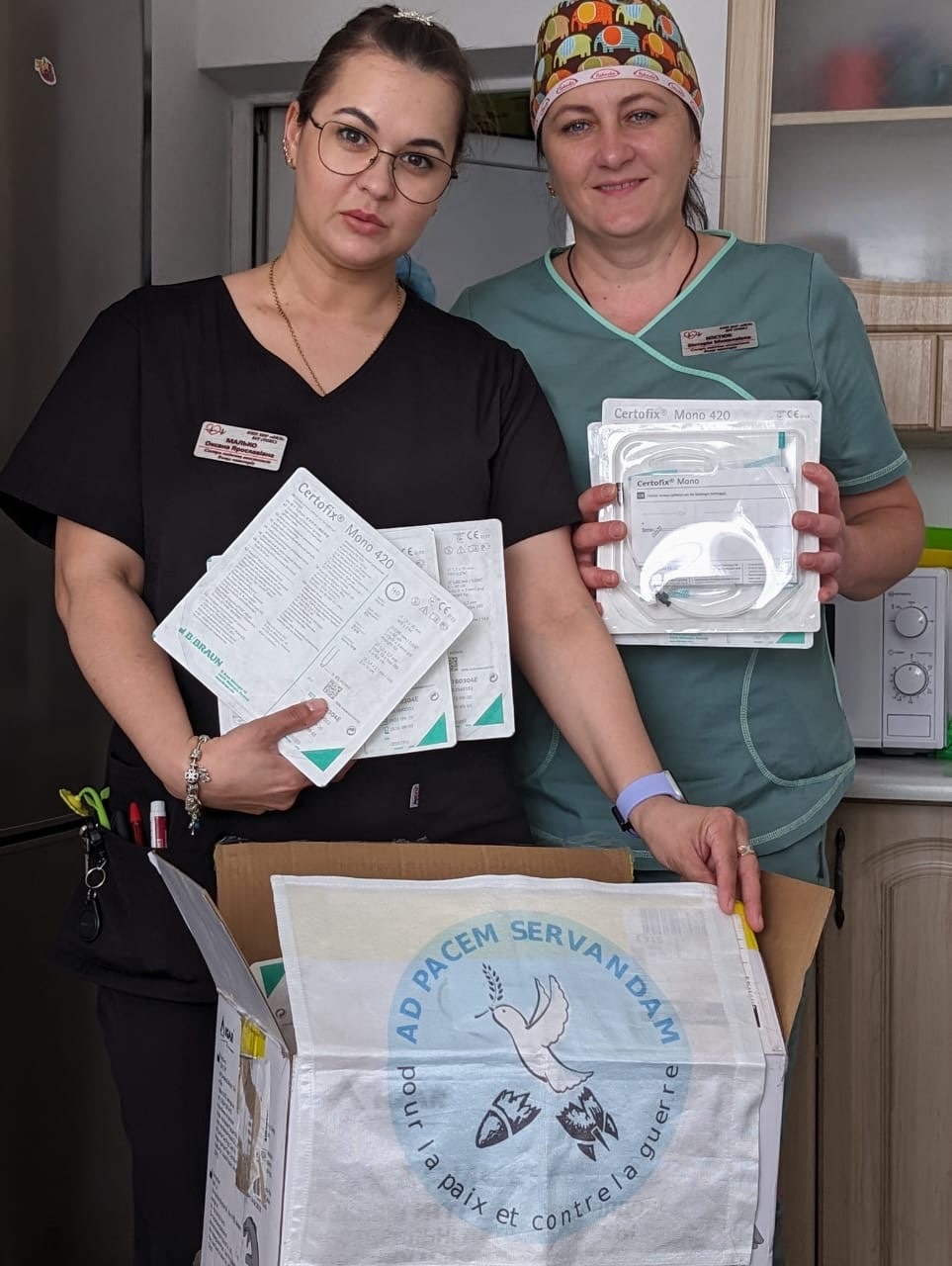
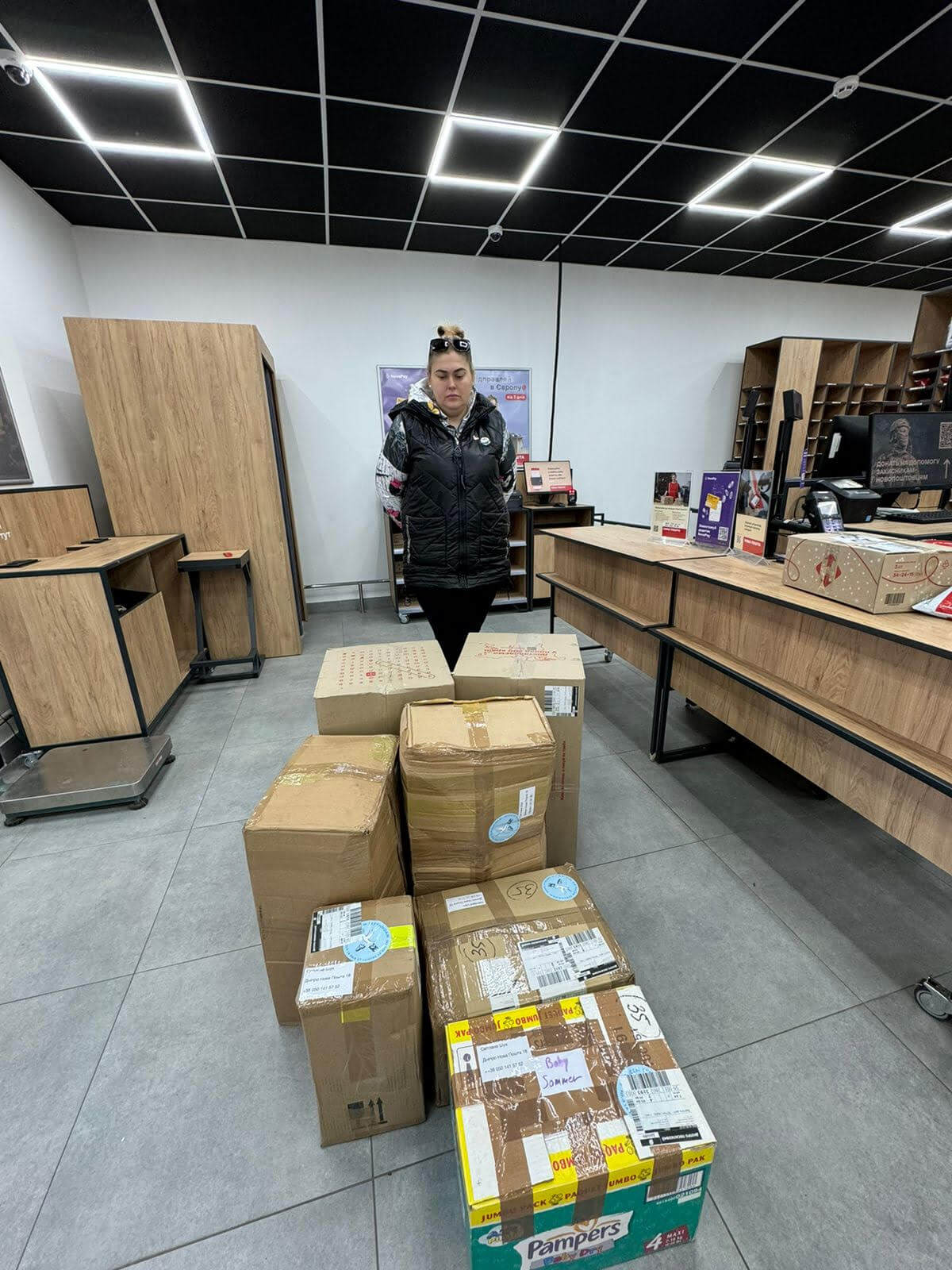
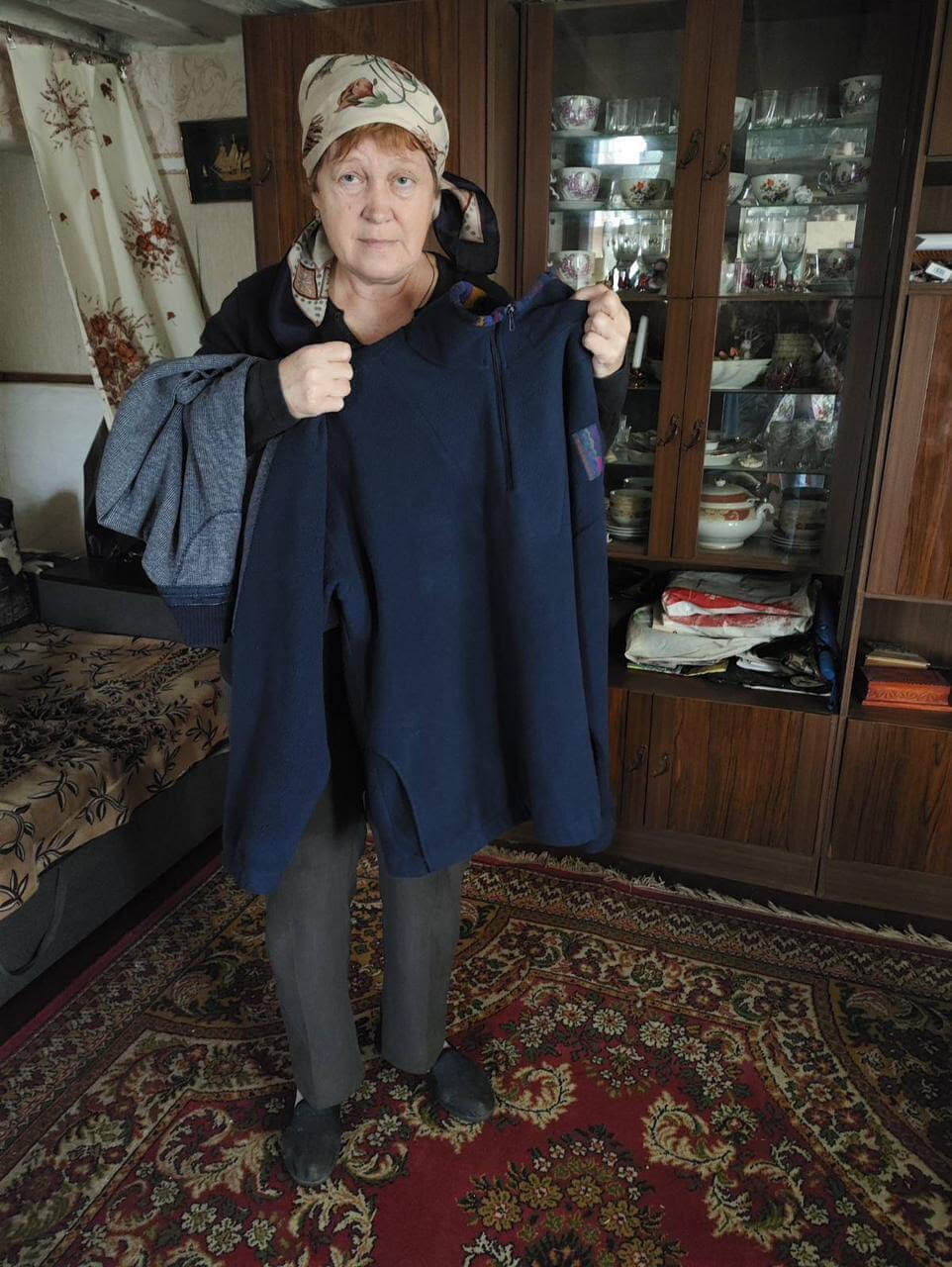
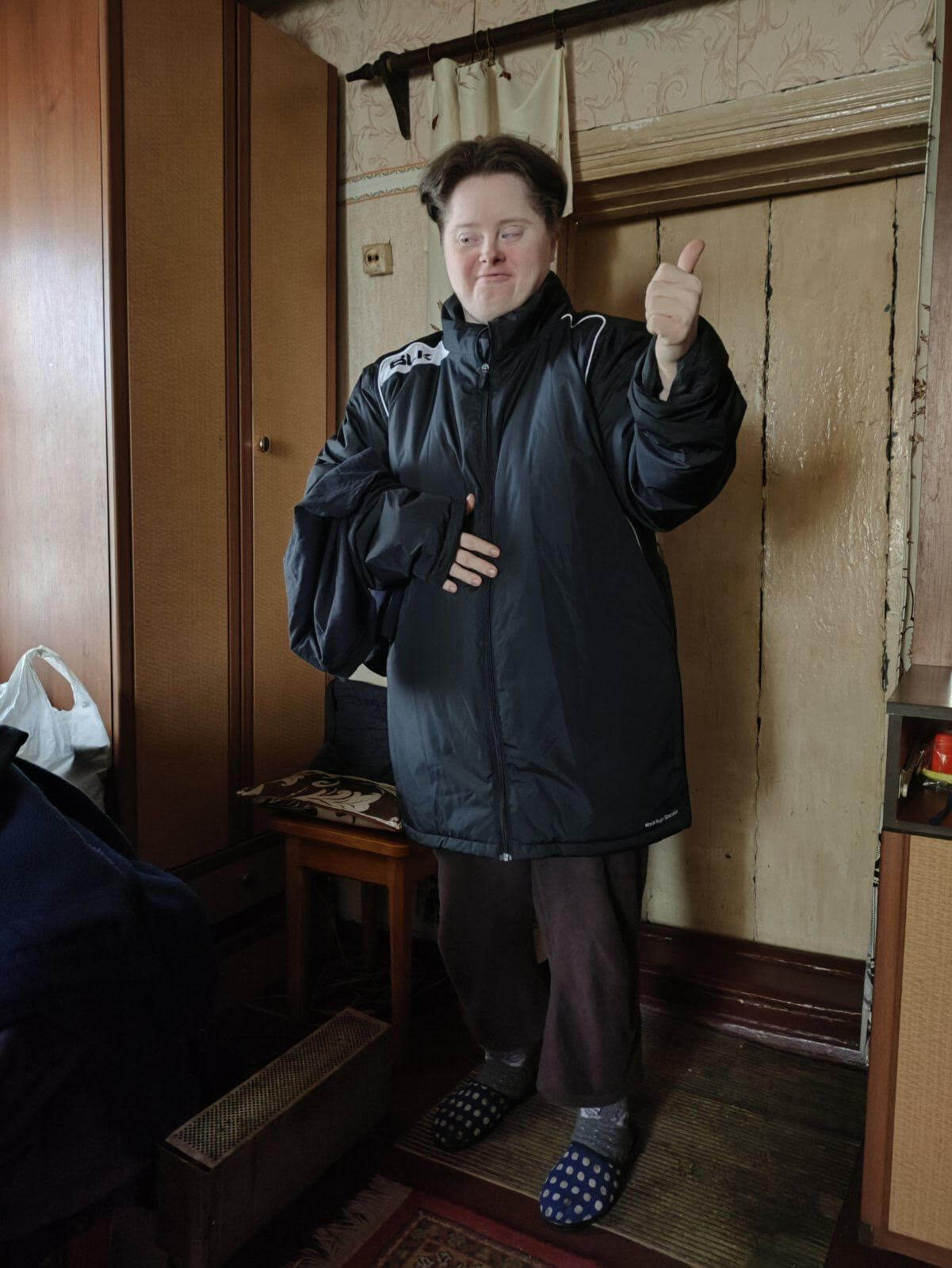
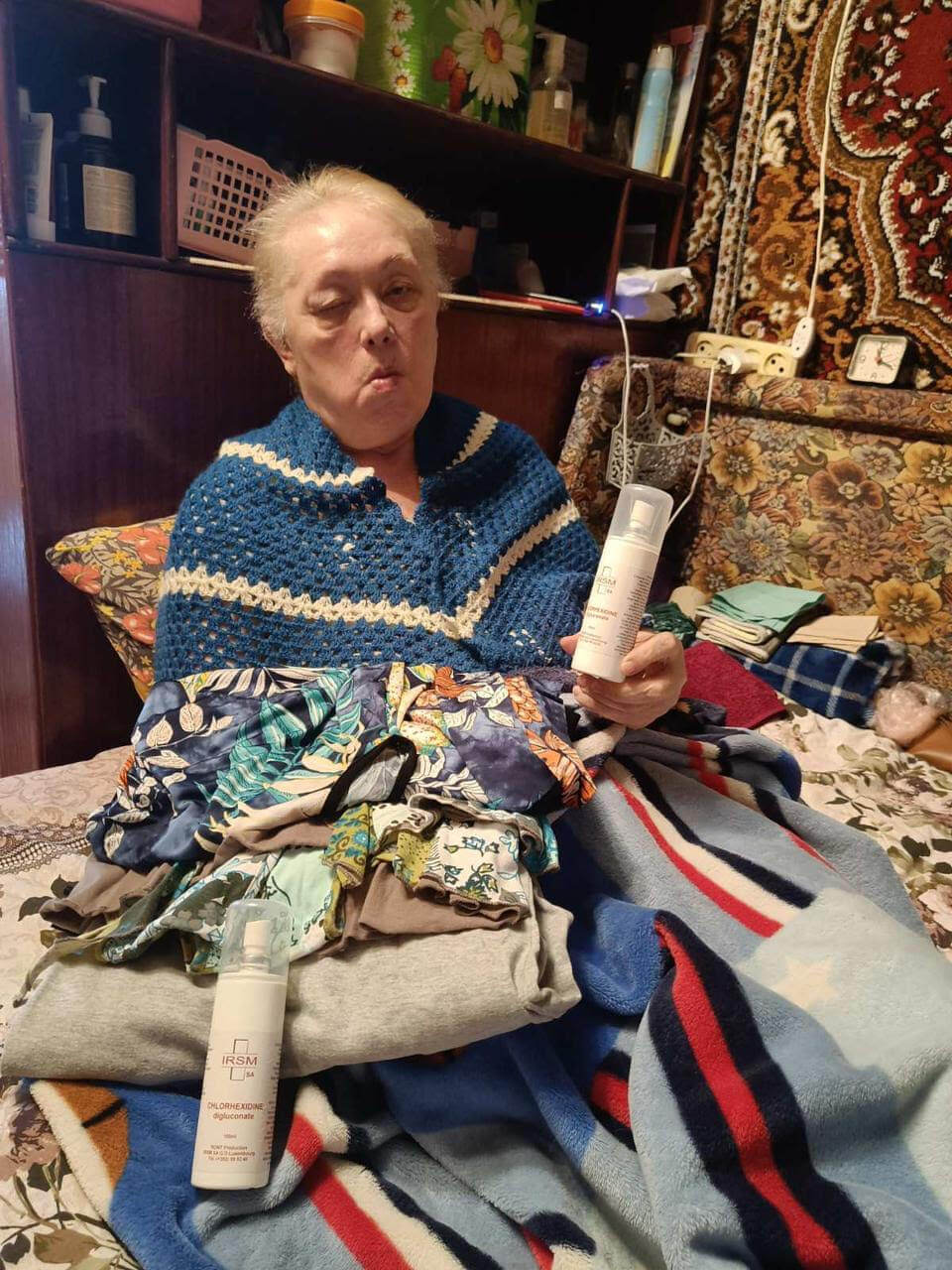
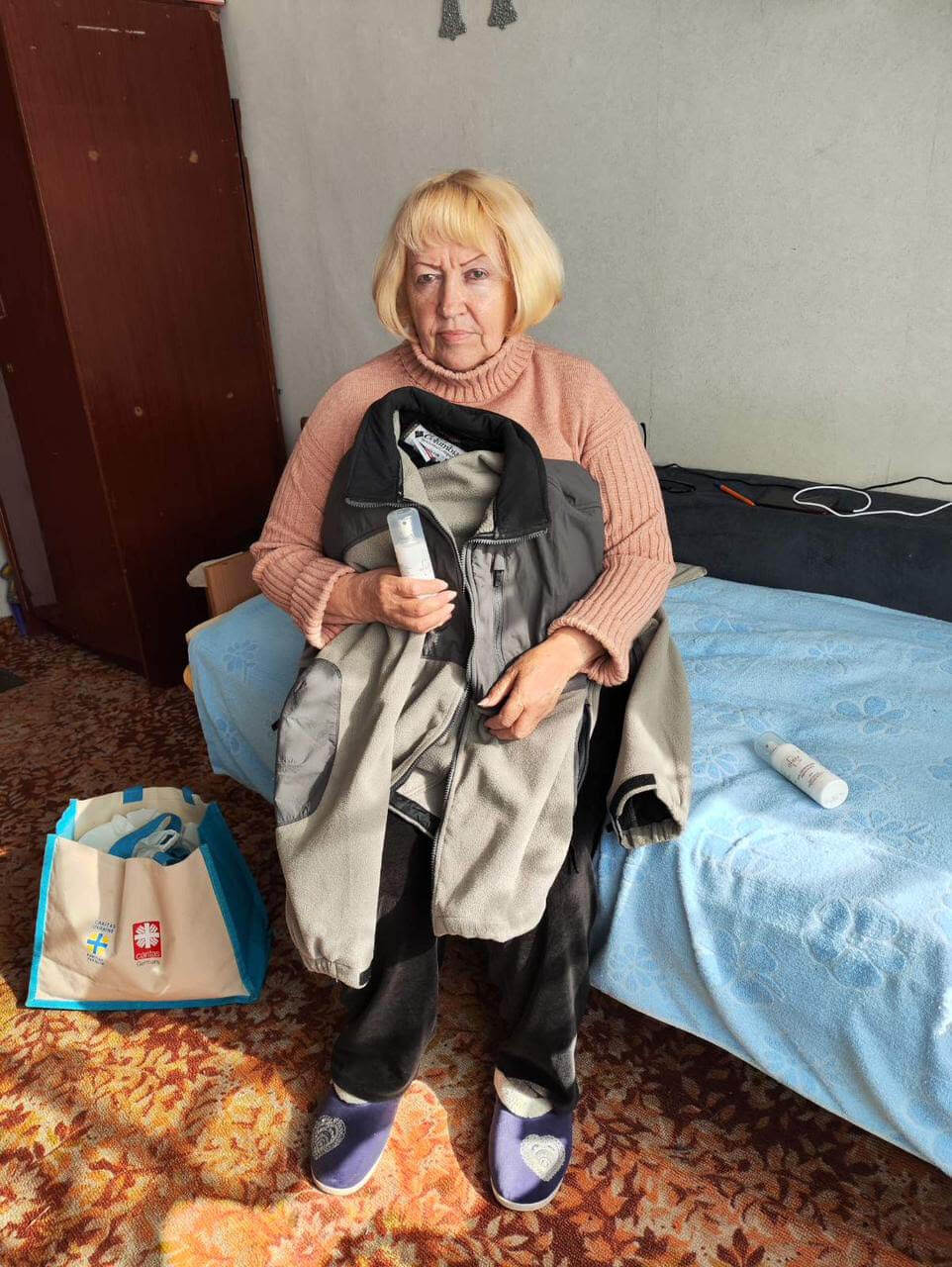
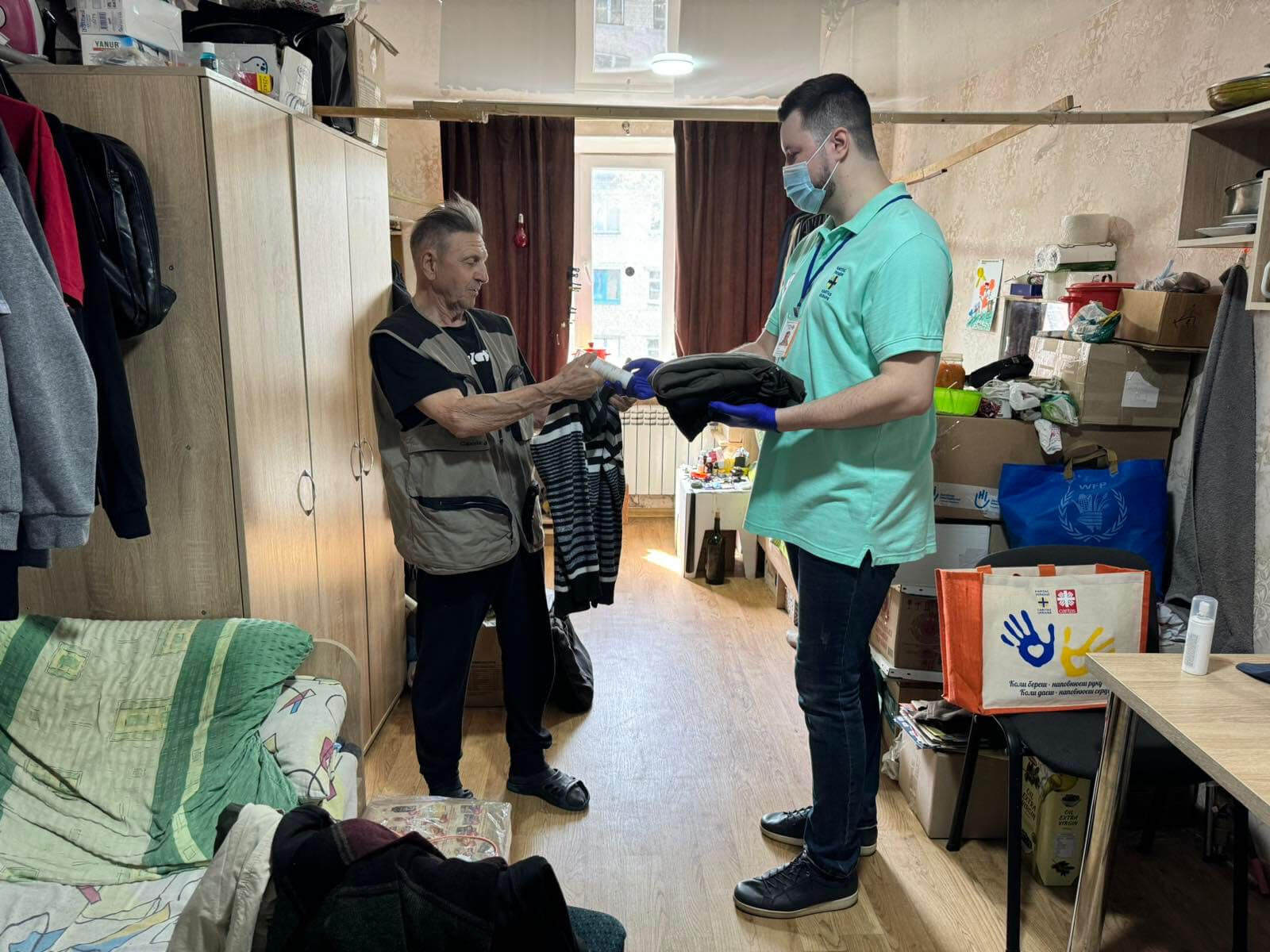
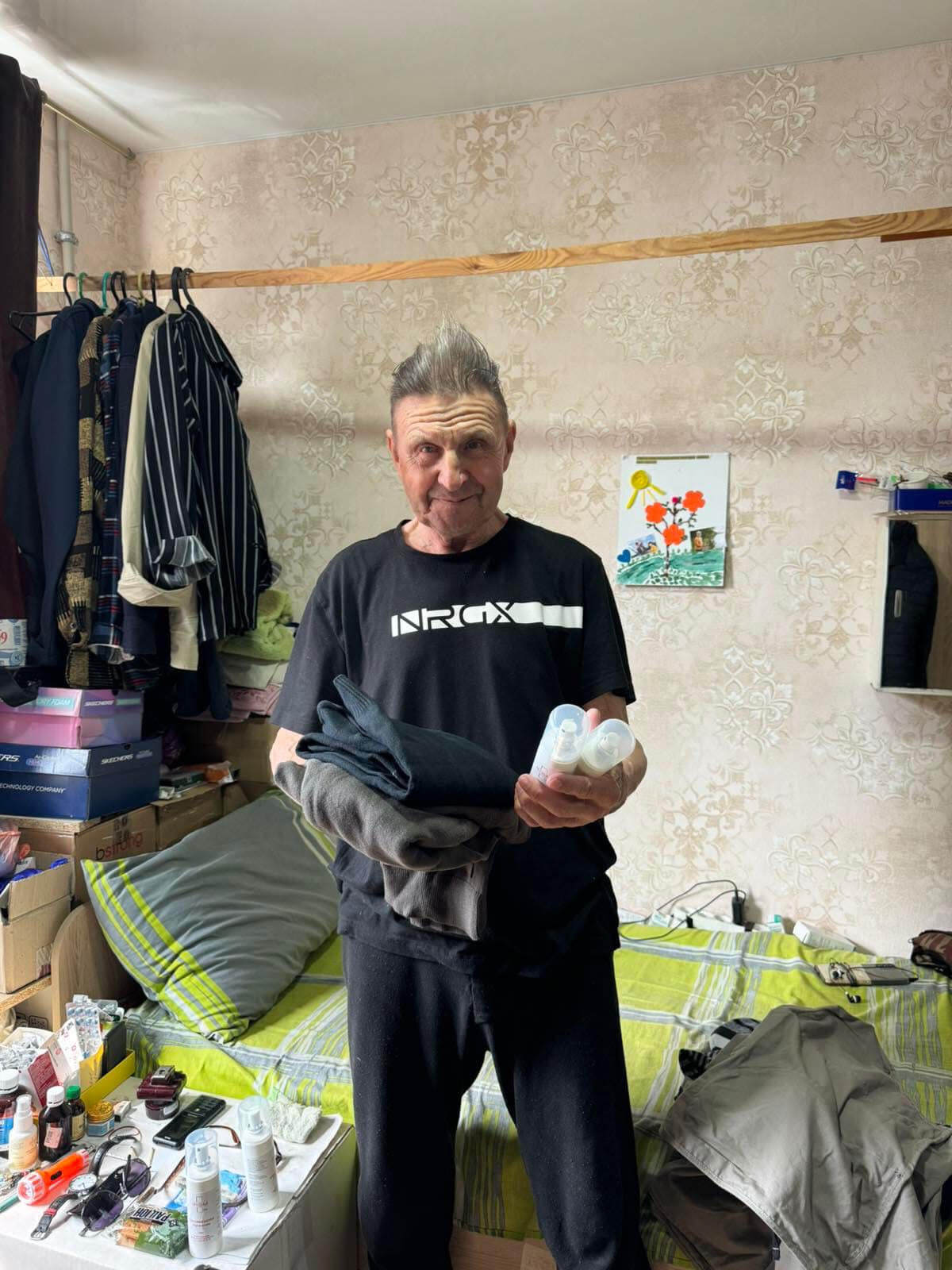
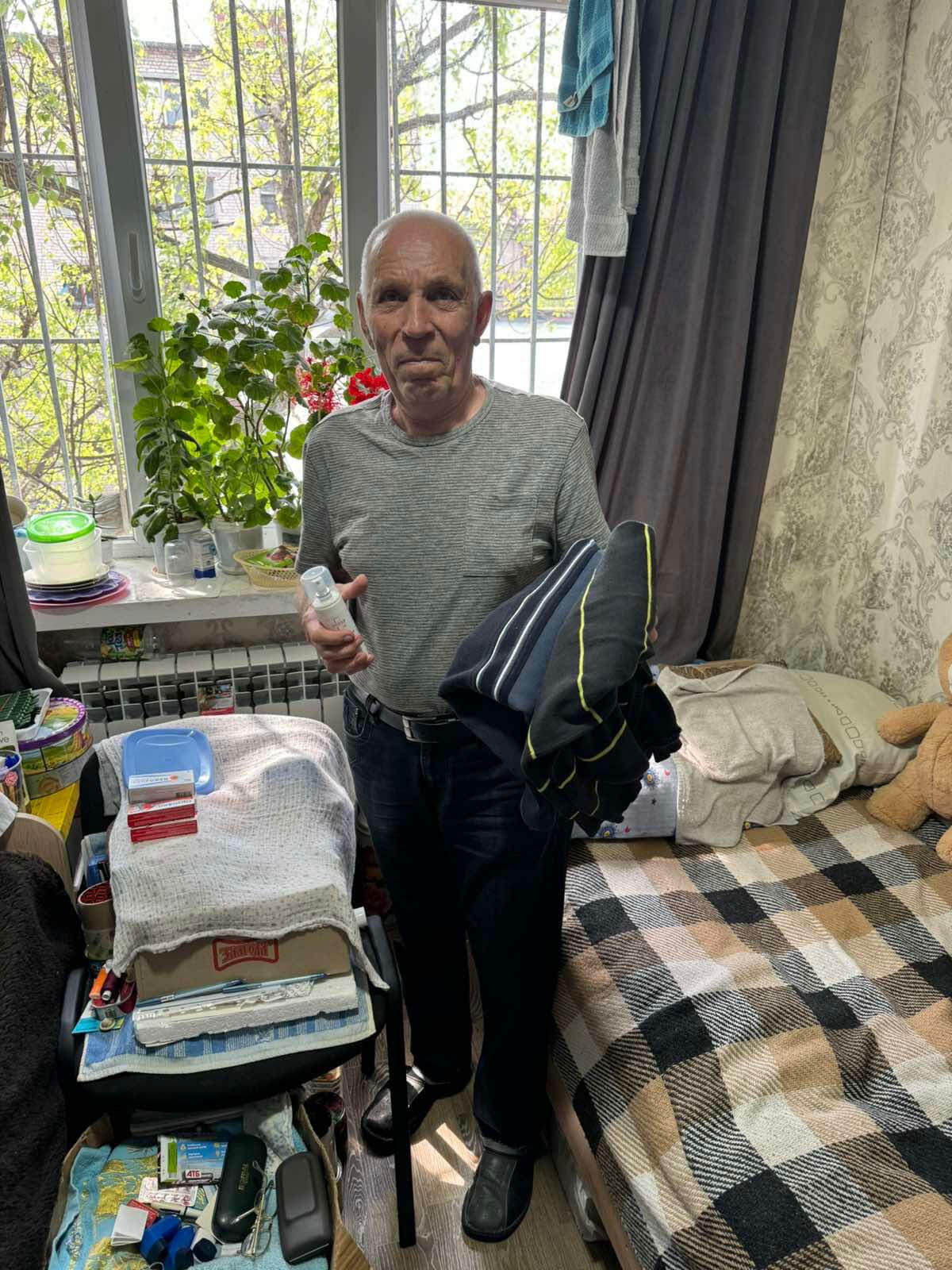
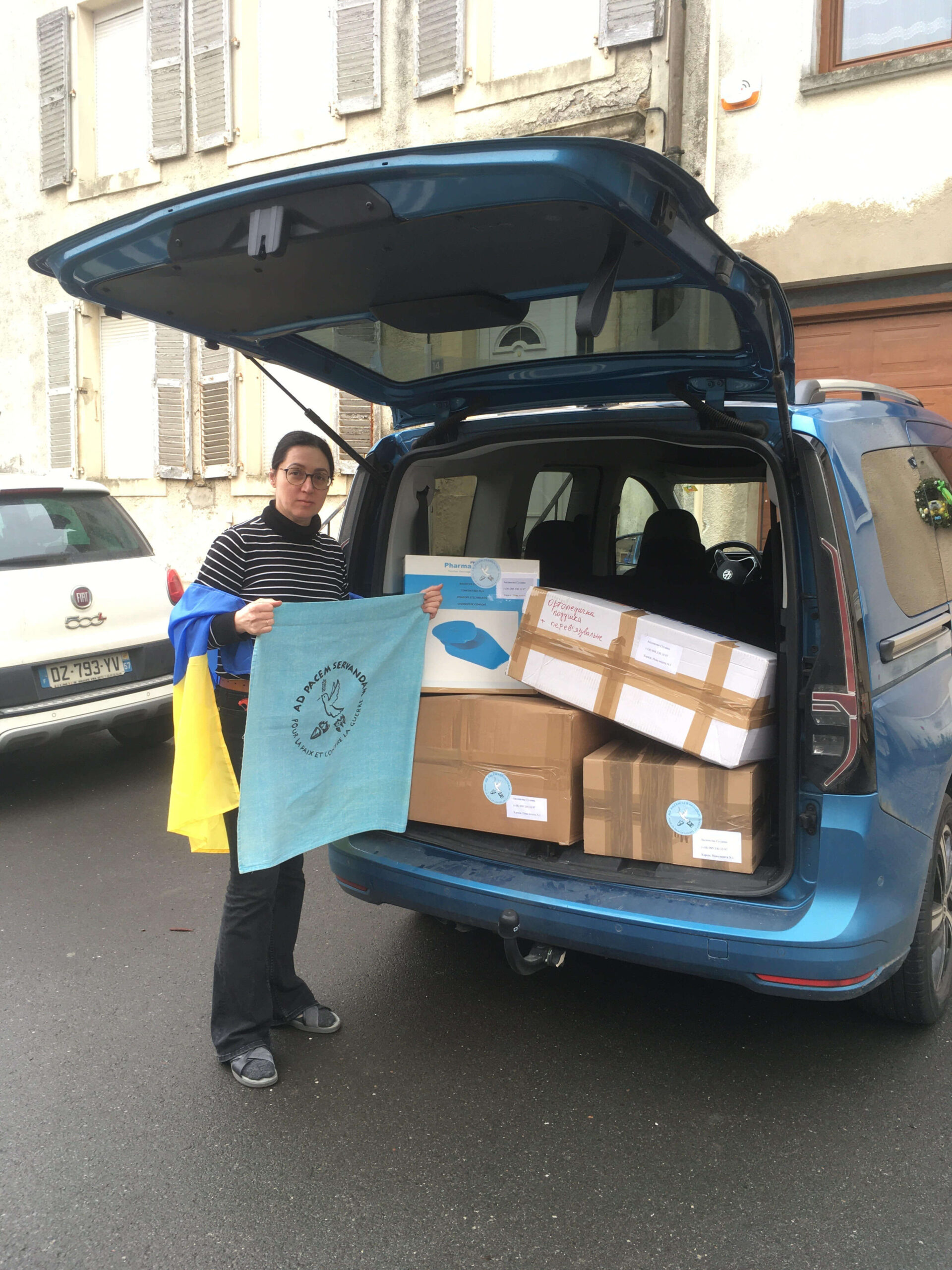
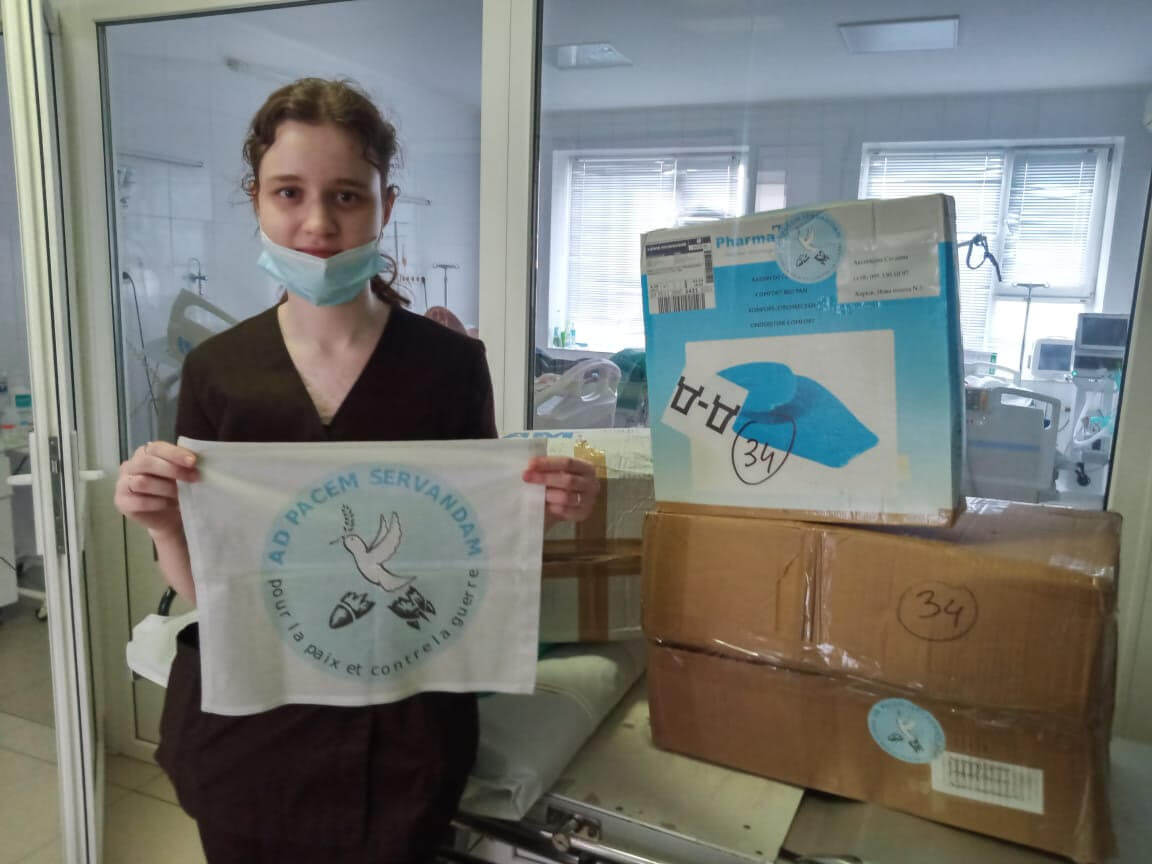
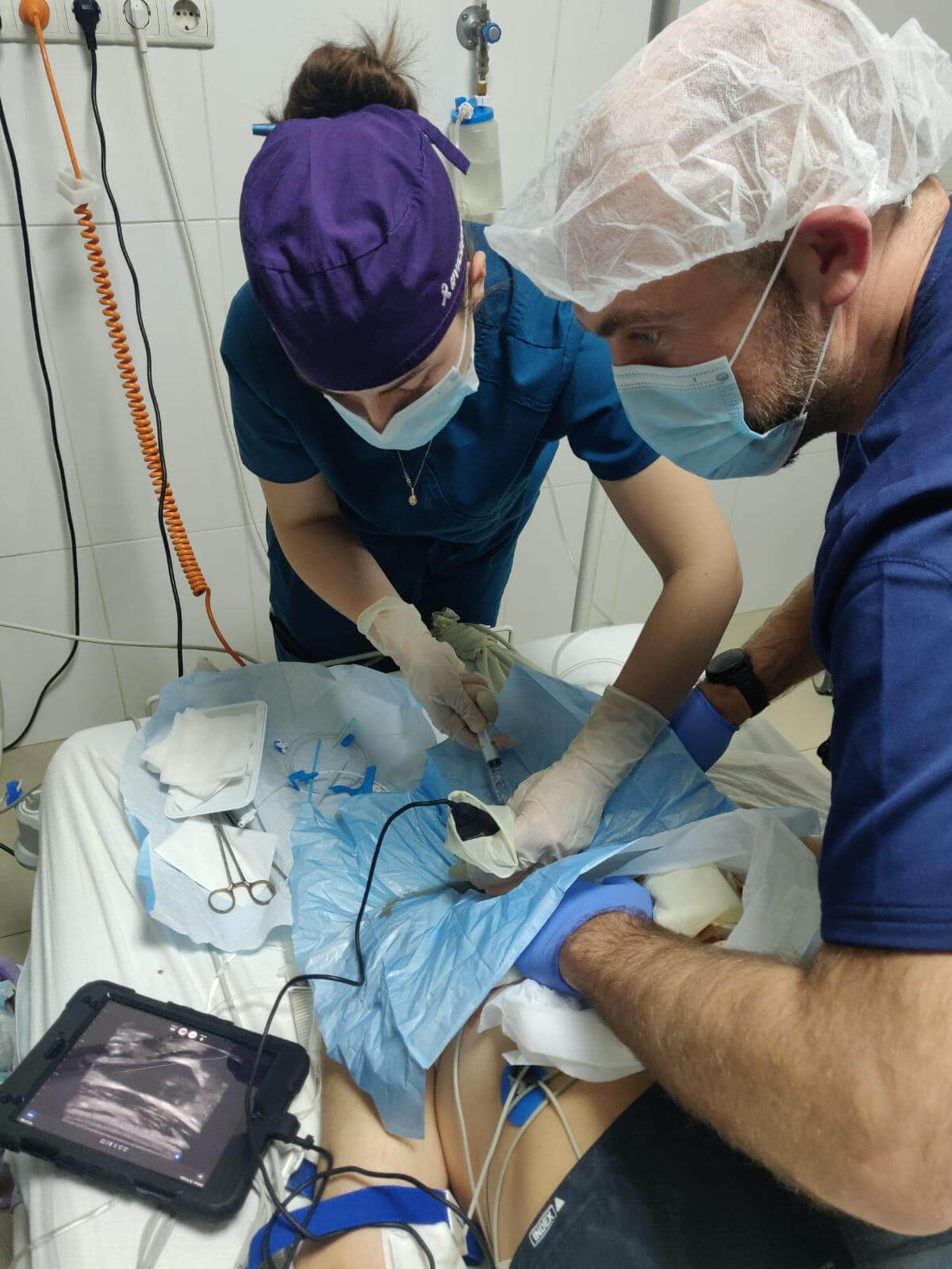
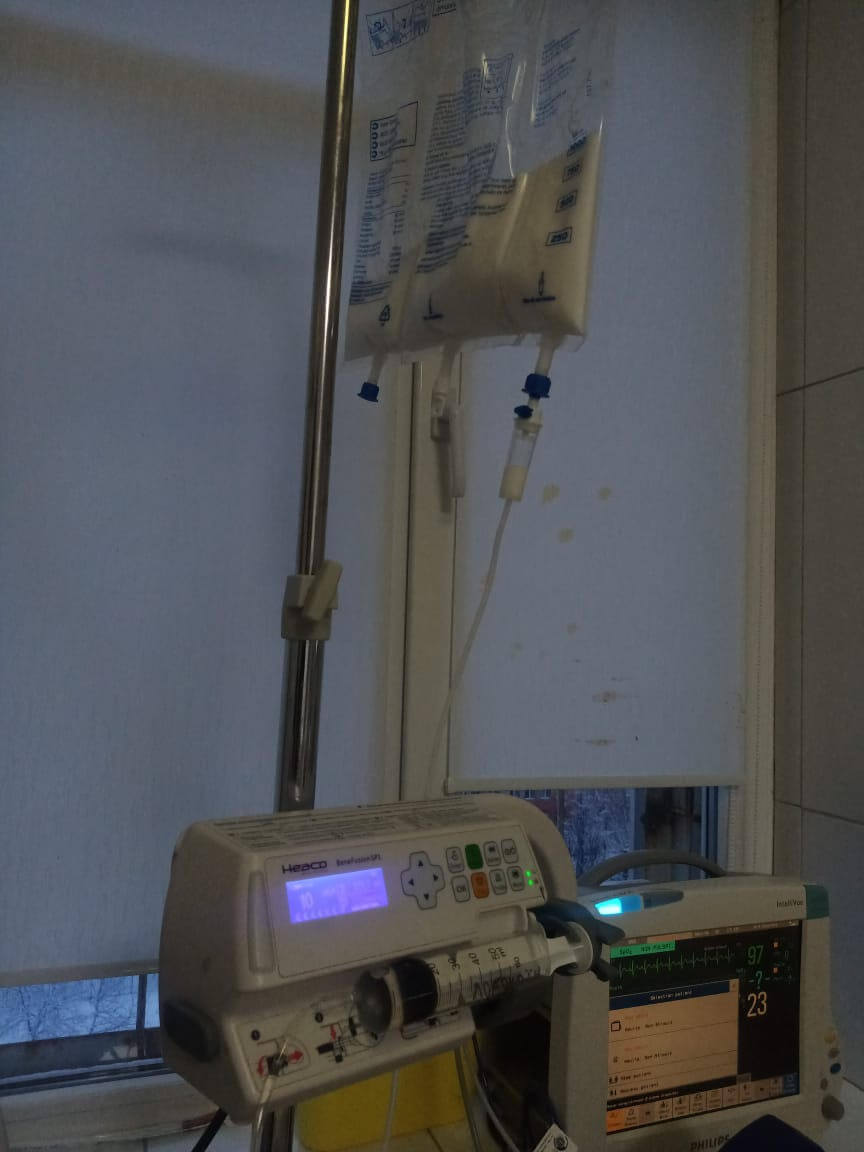
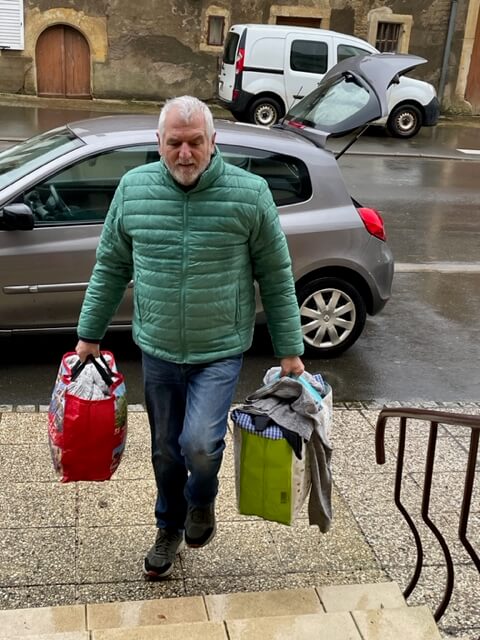
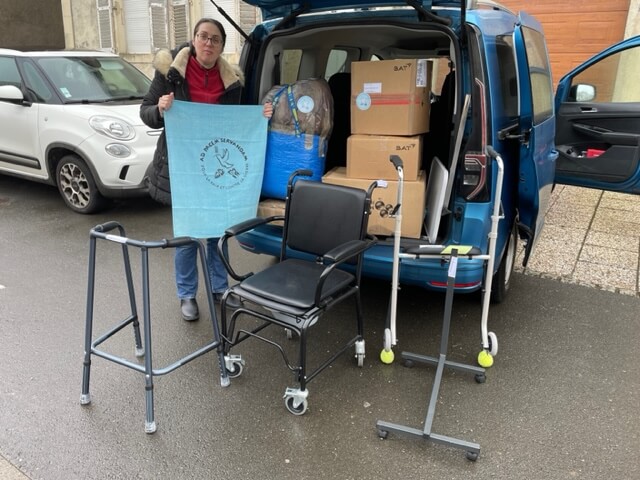
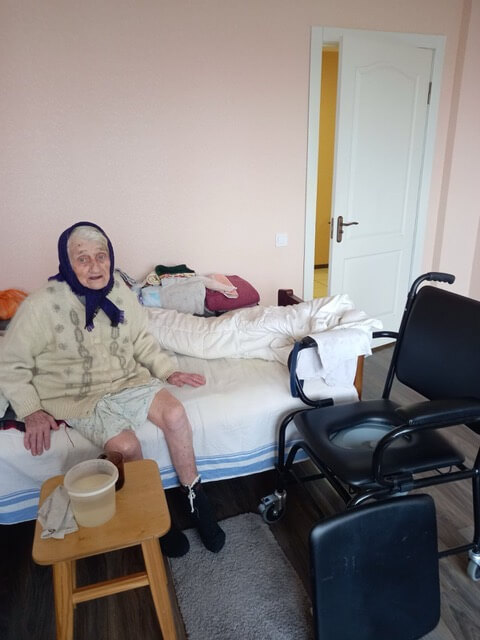
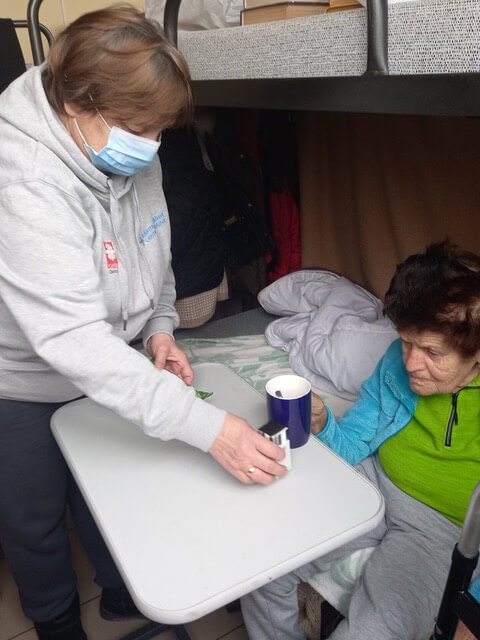
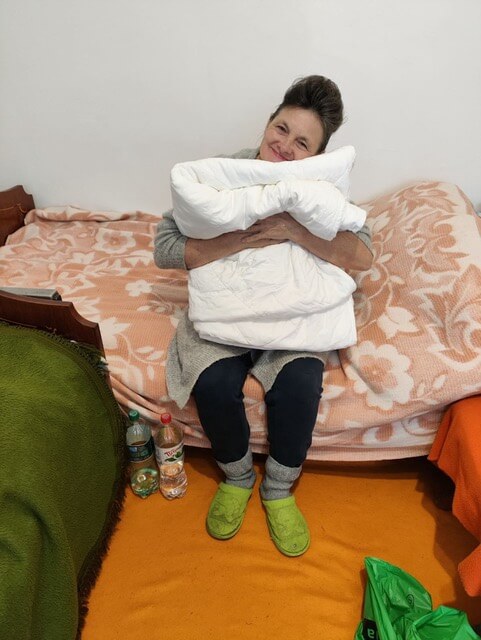
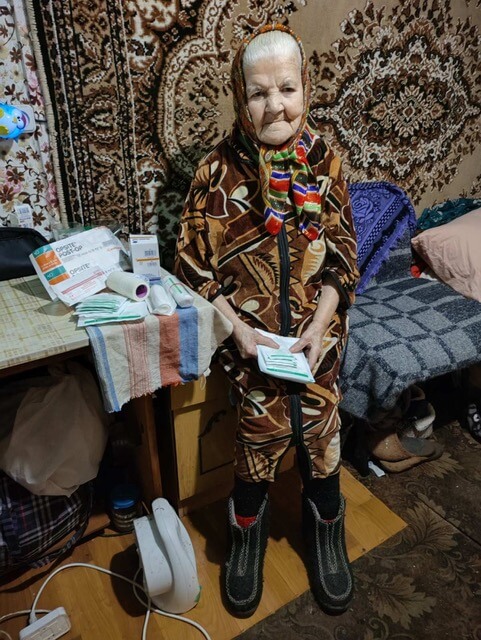
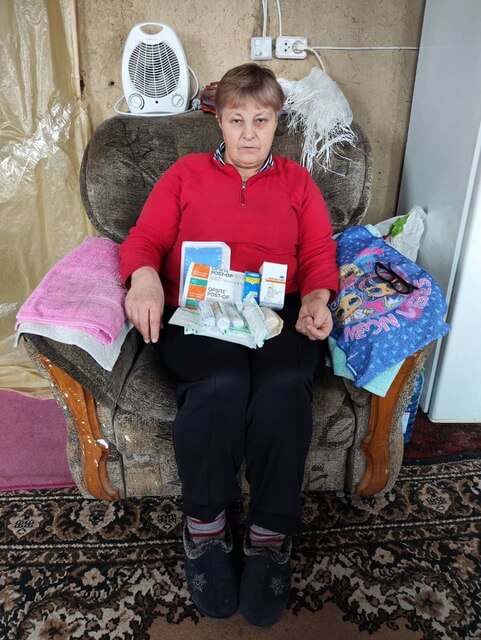
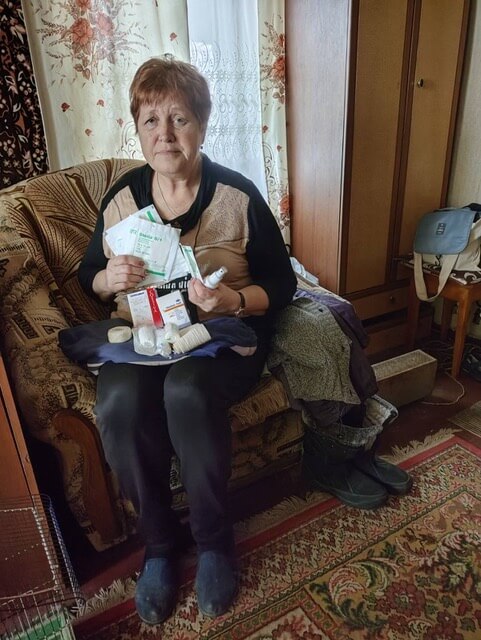
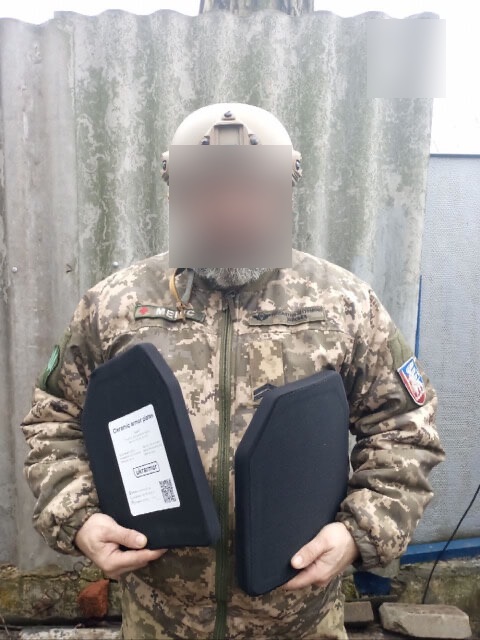
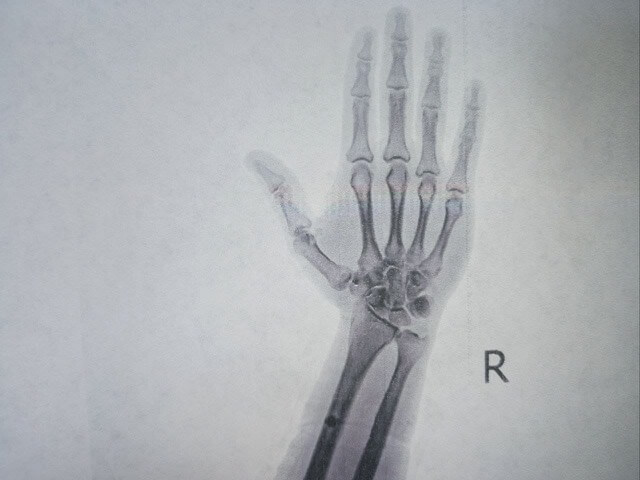
Shipment from Luxembourg of medicines and equipment (enteral food for the war-wounded, catheters, antiseptic dressings, post-operative kits, masks and jackets for surgeons) for the Kharkiv hospital.Our shipment was received by the hospital on 18 June.
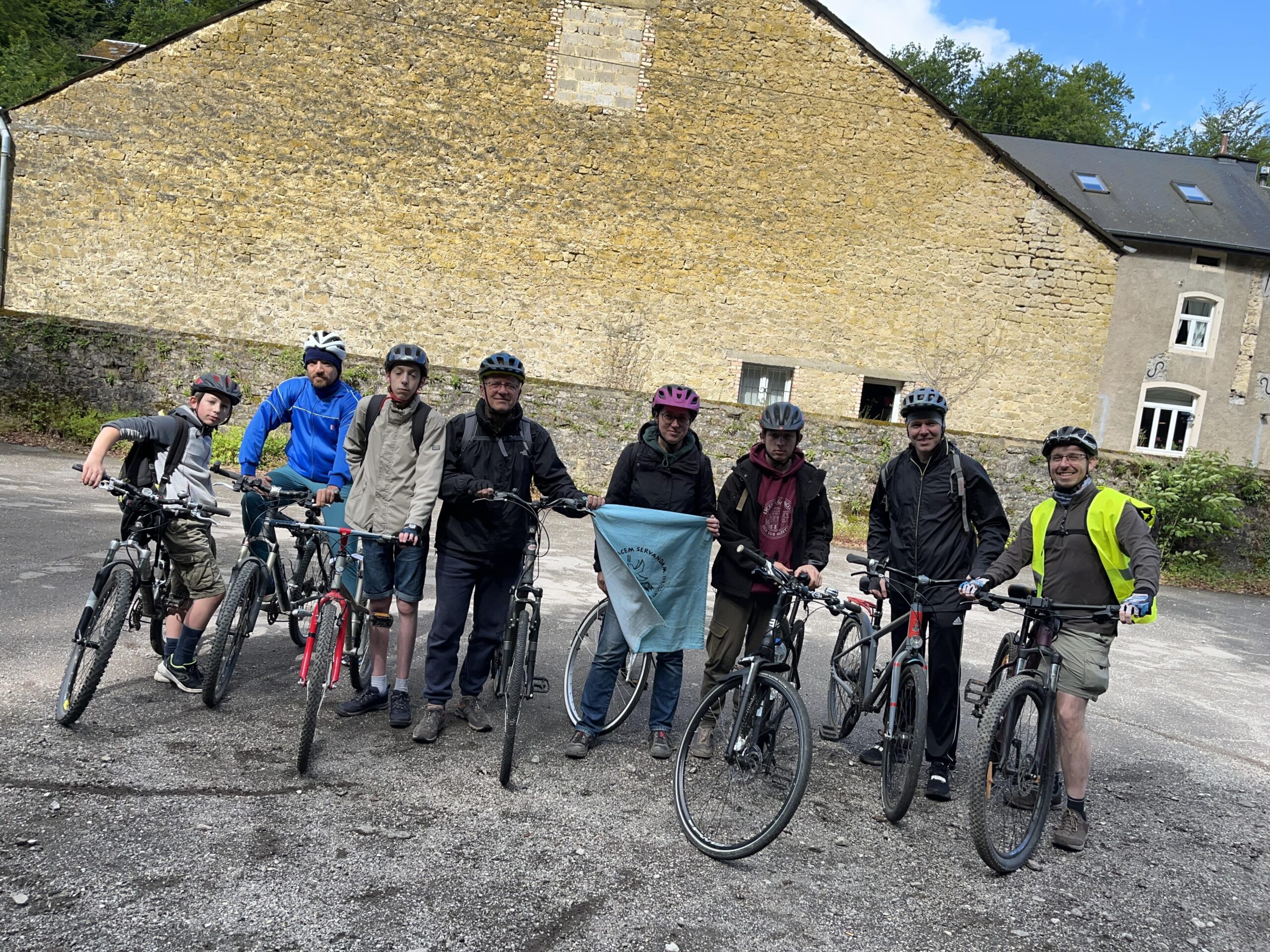
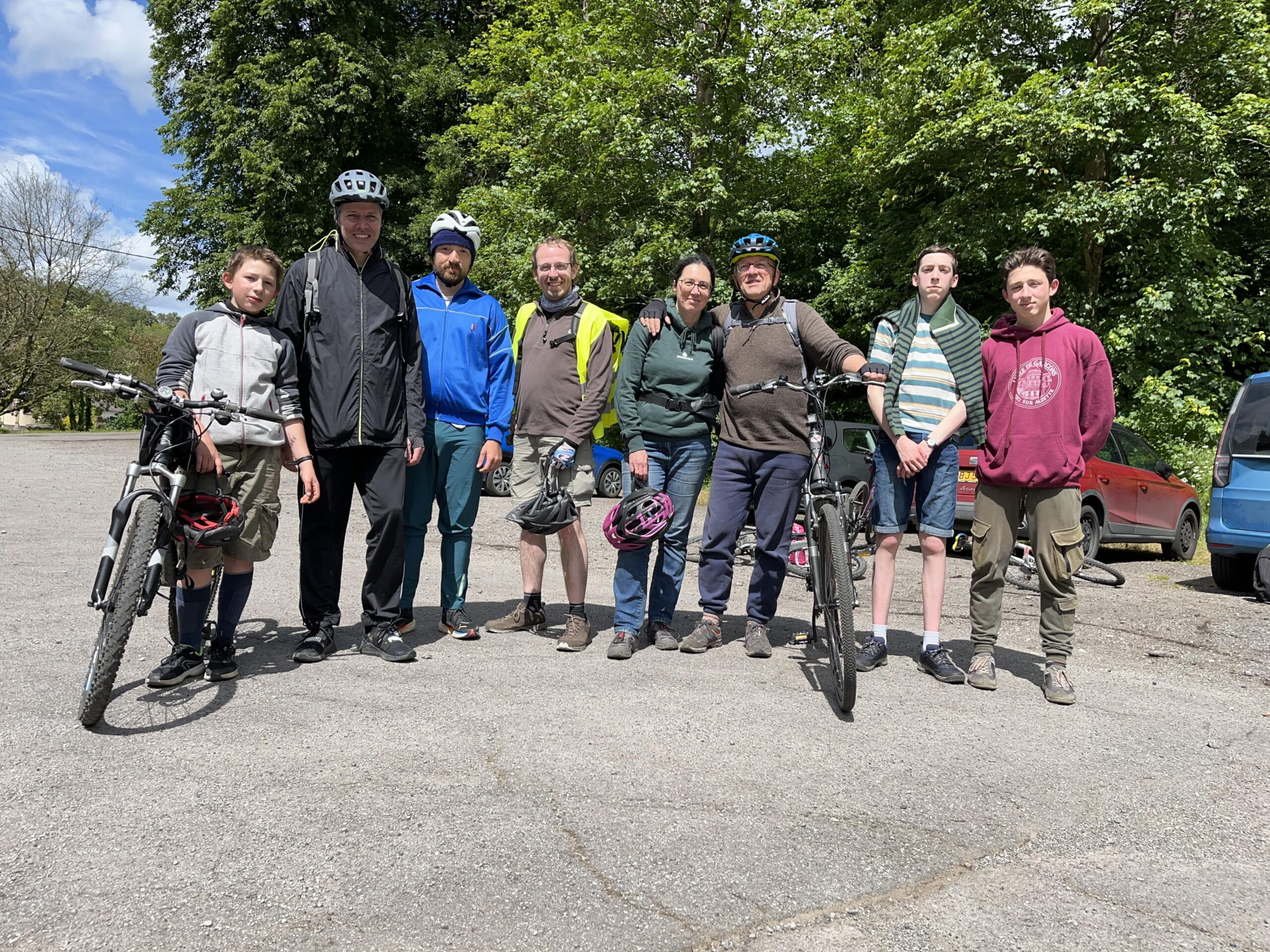
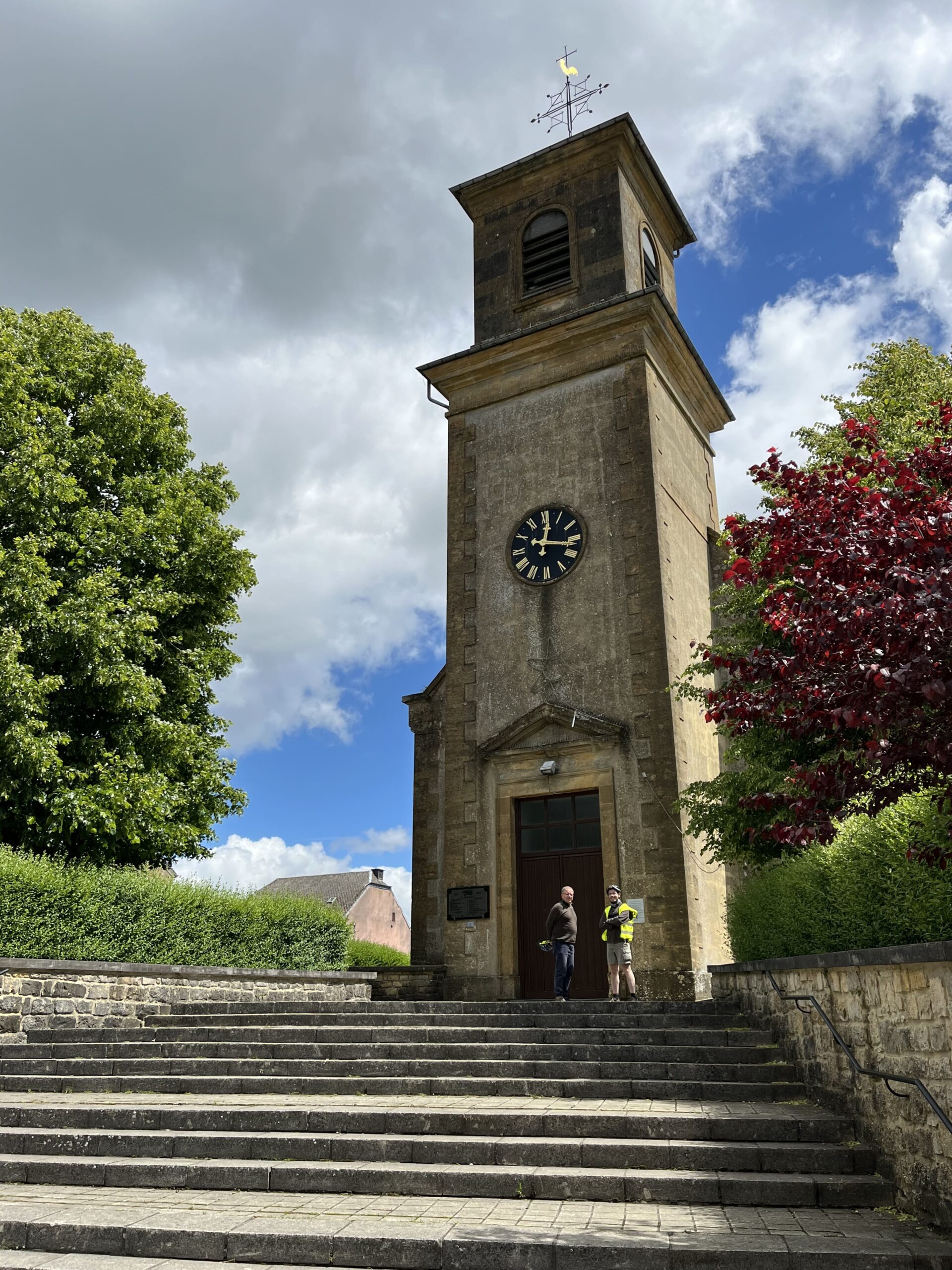
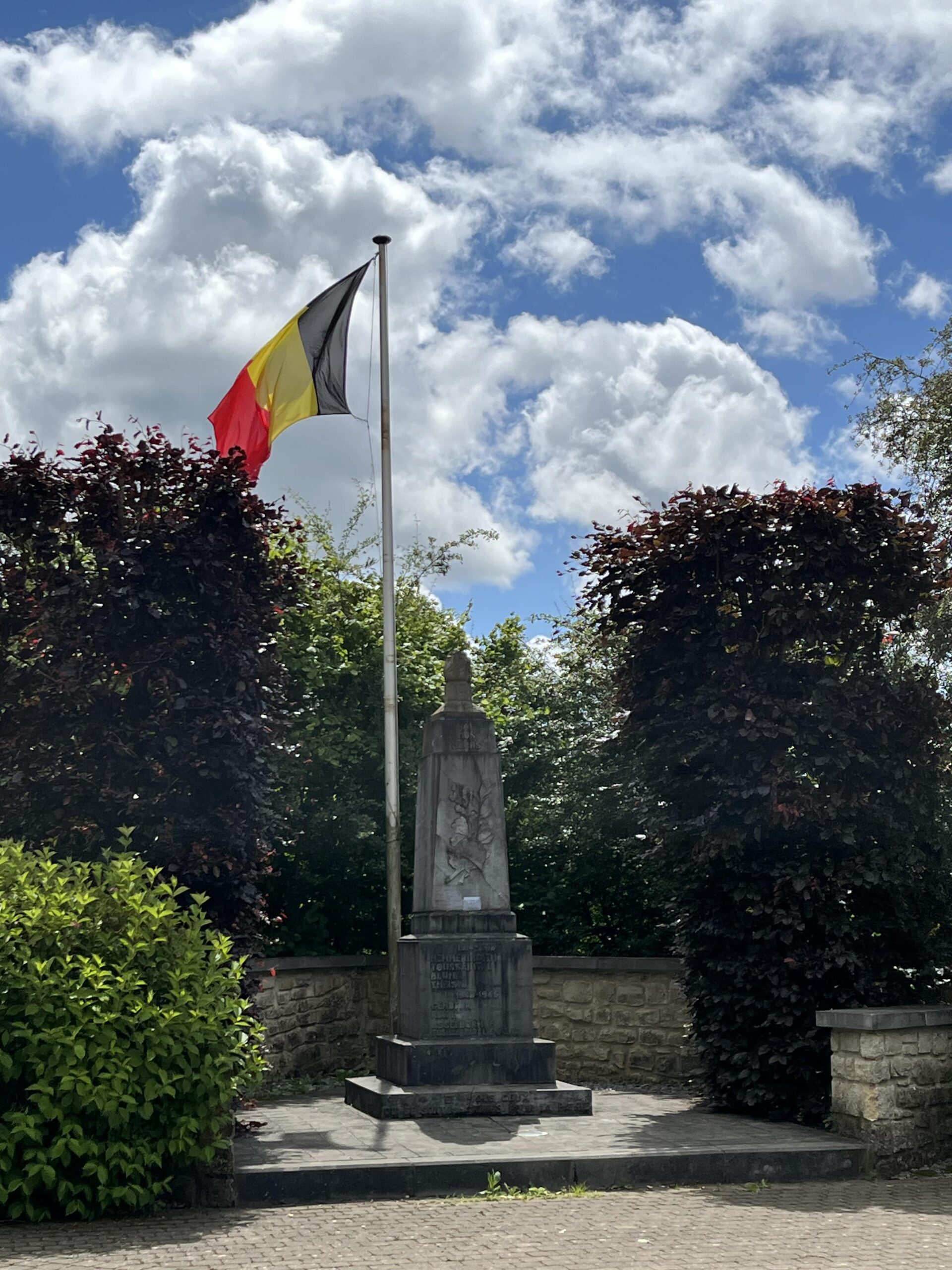
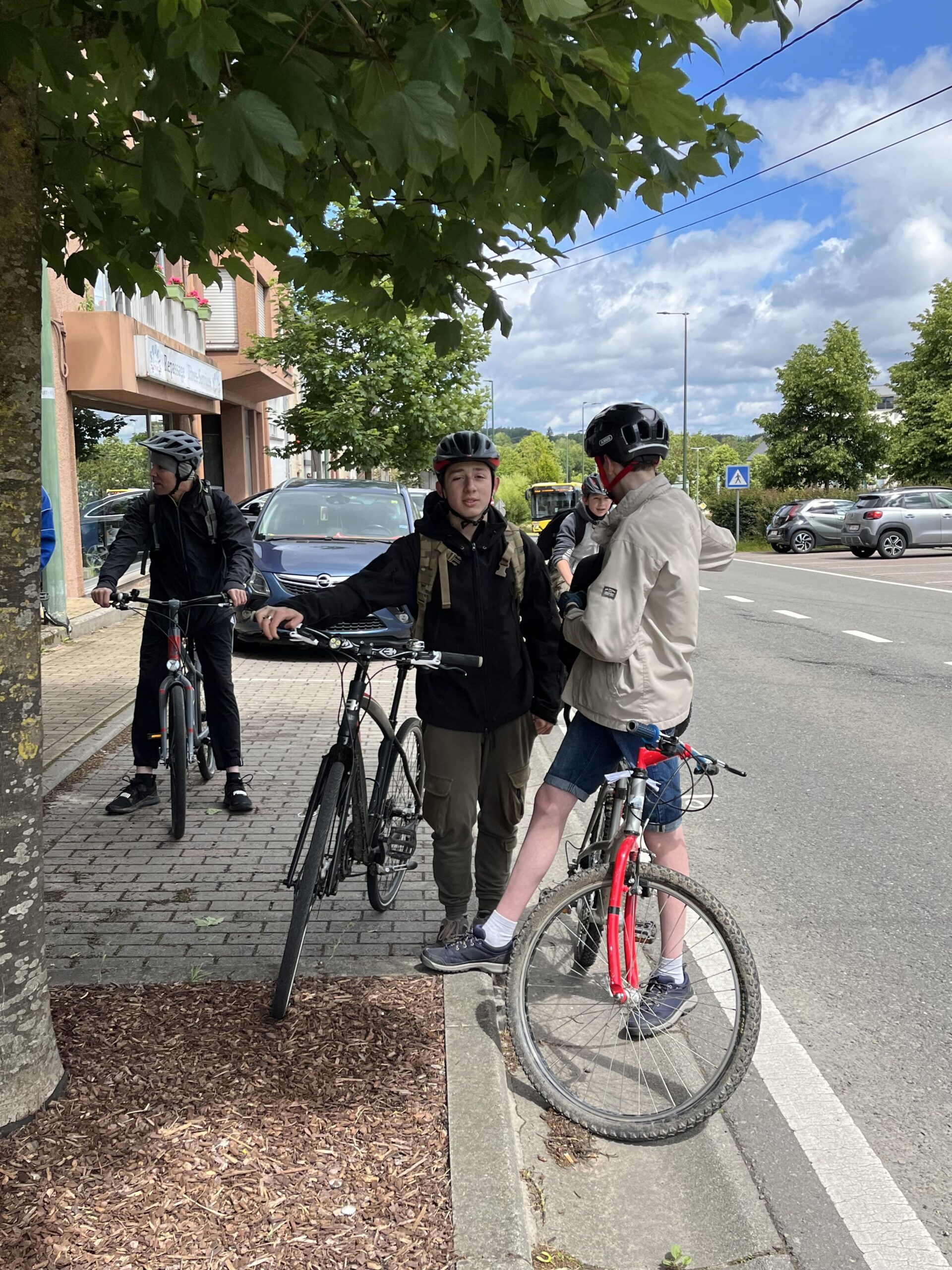
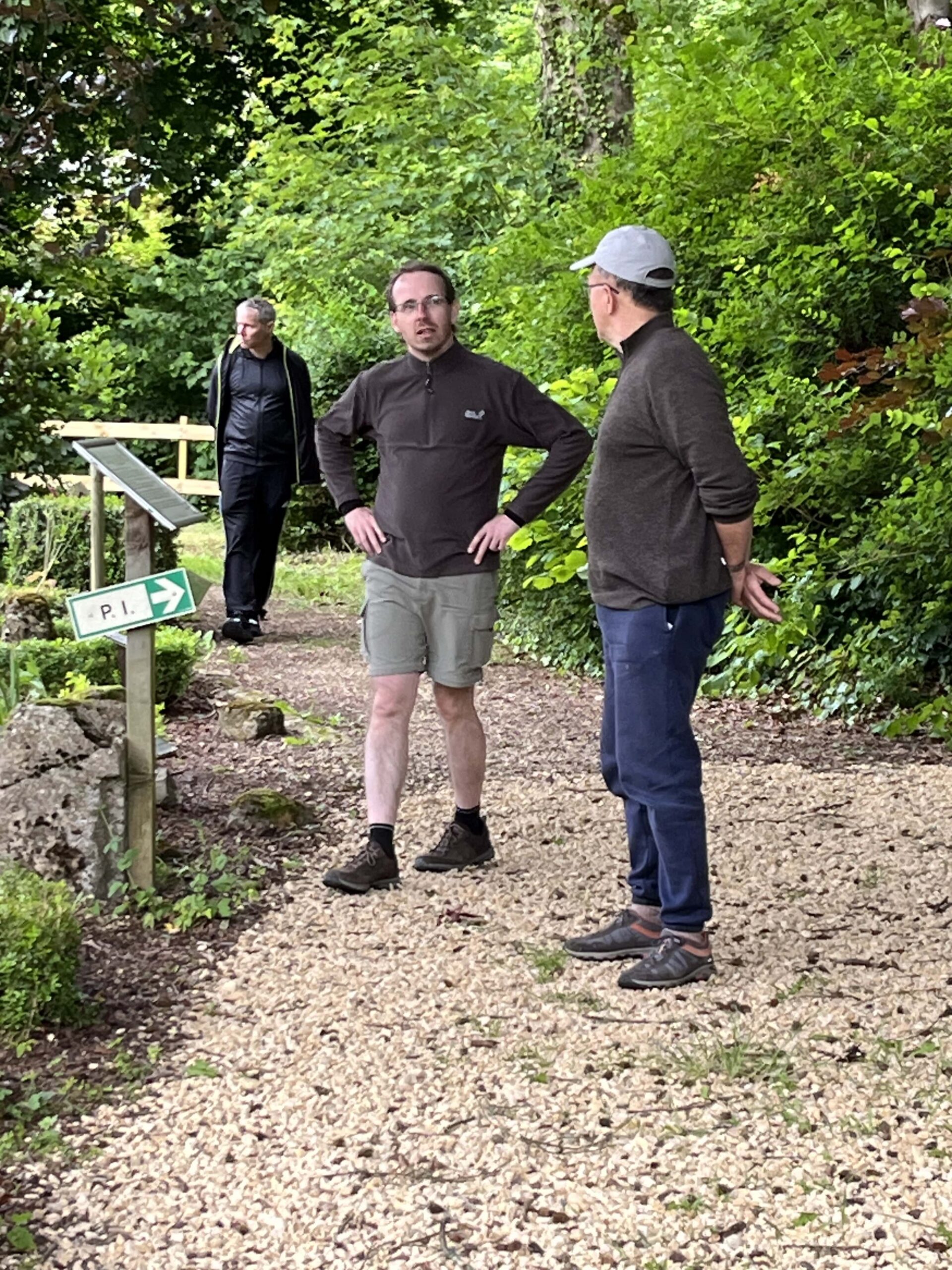
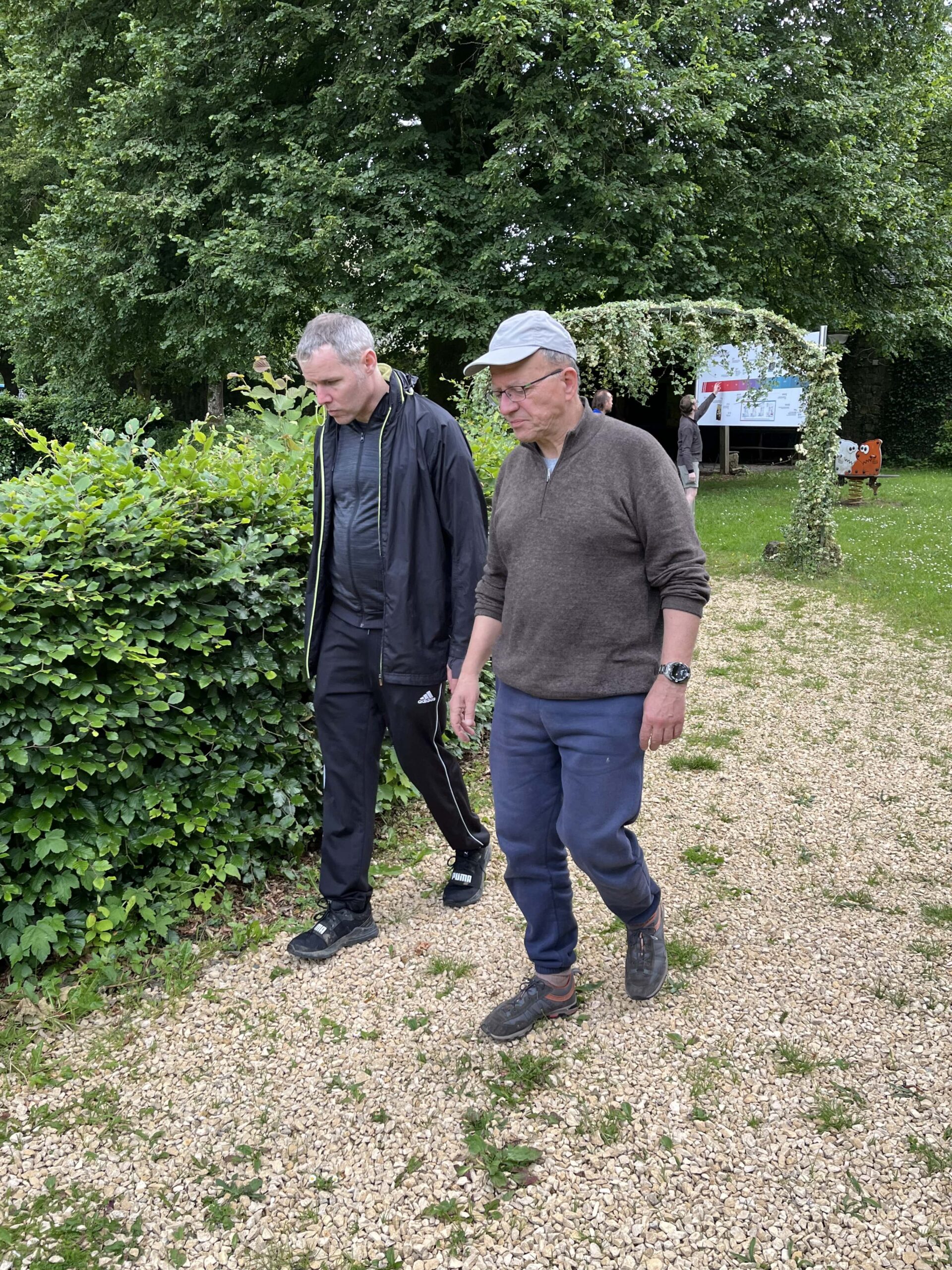
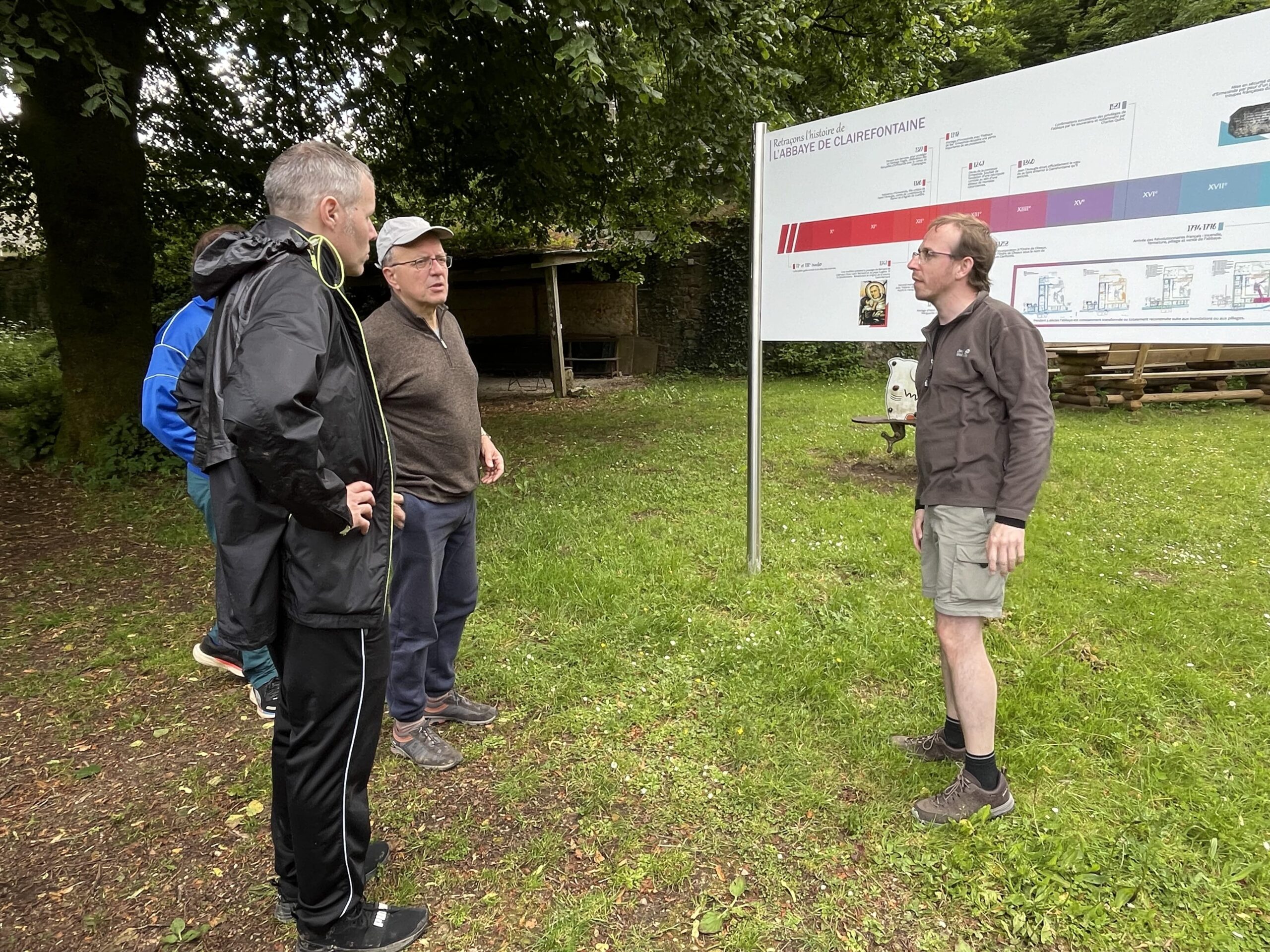
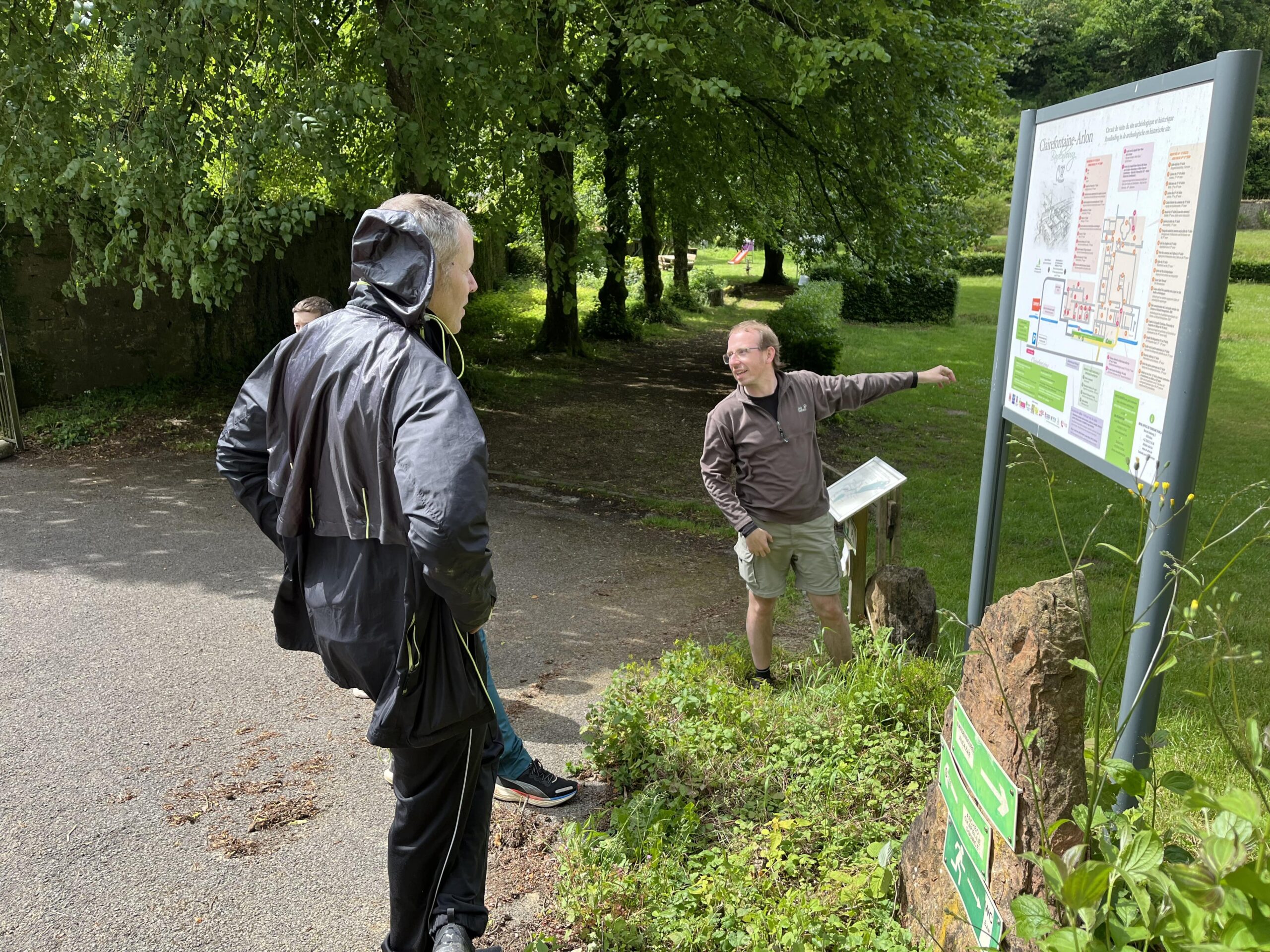
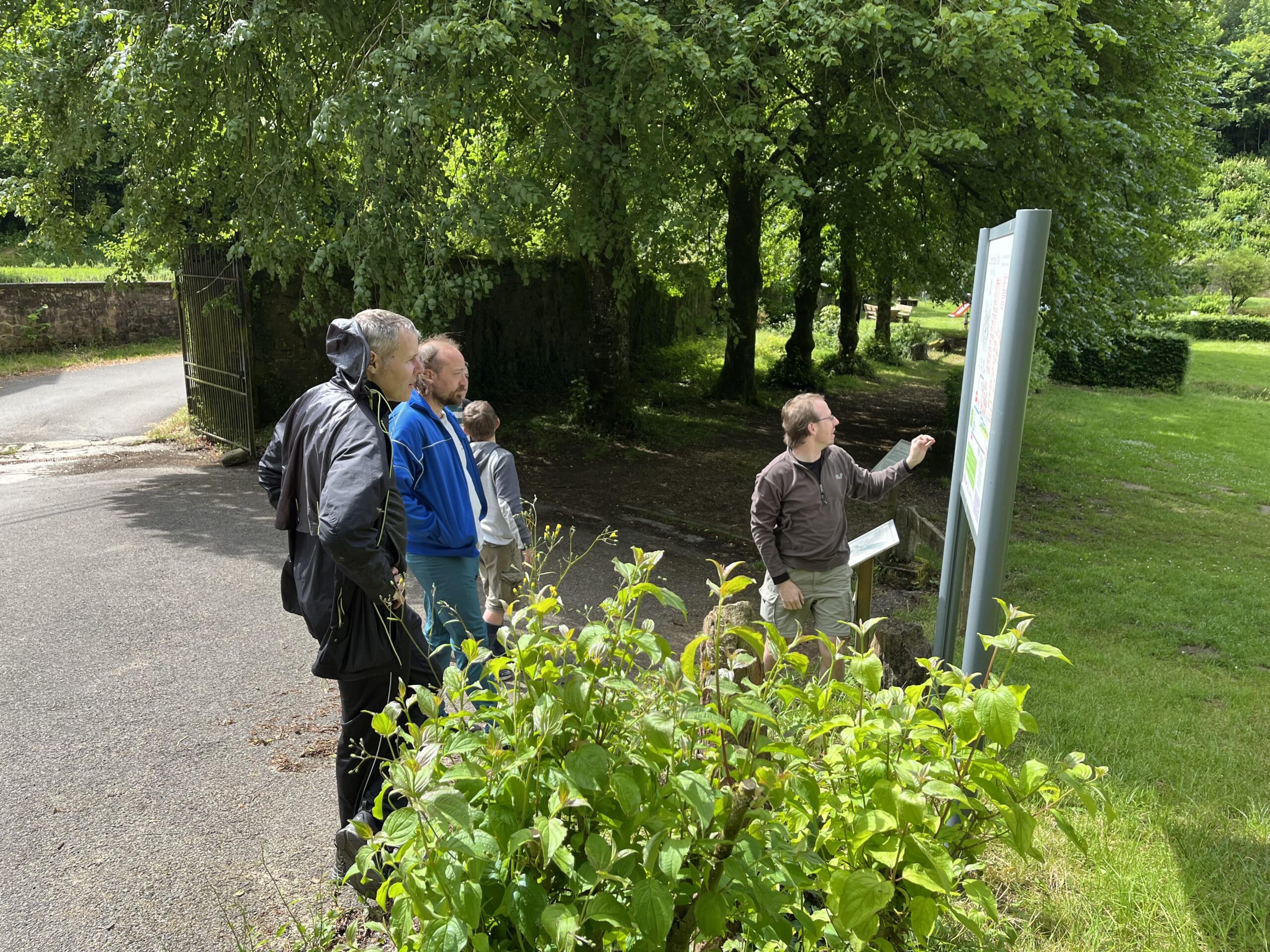
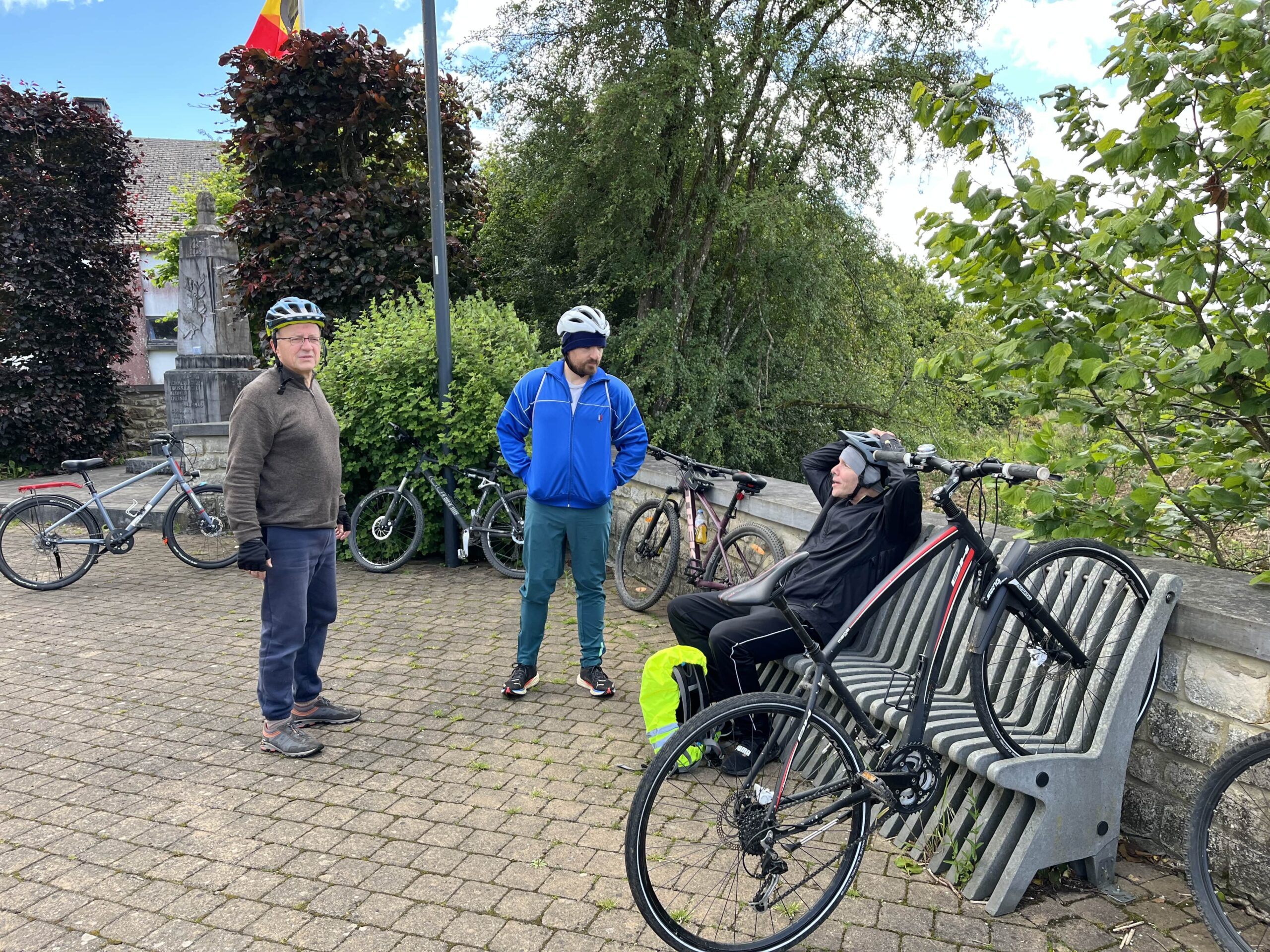
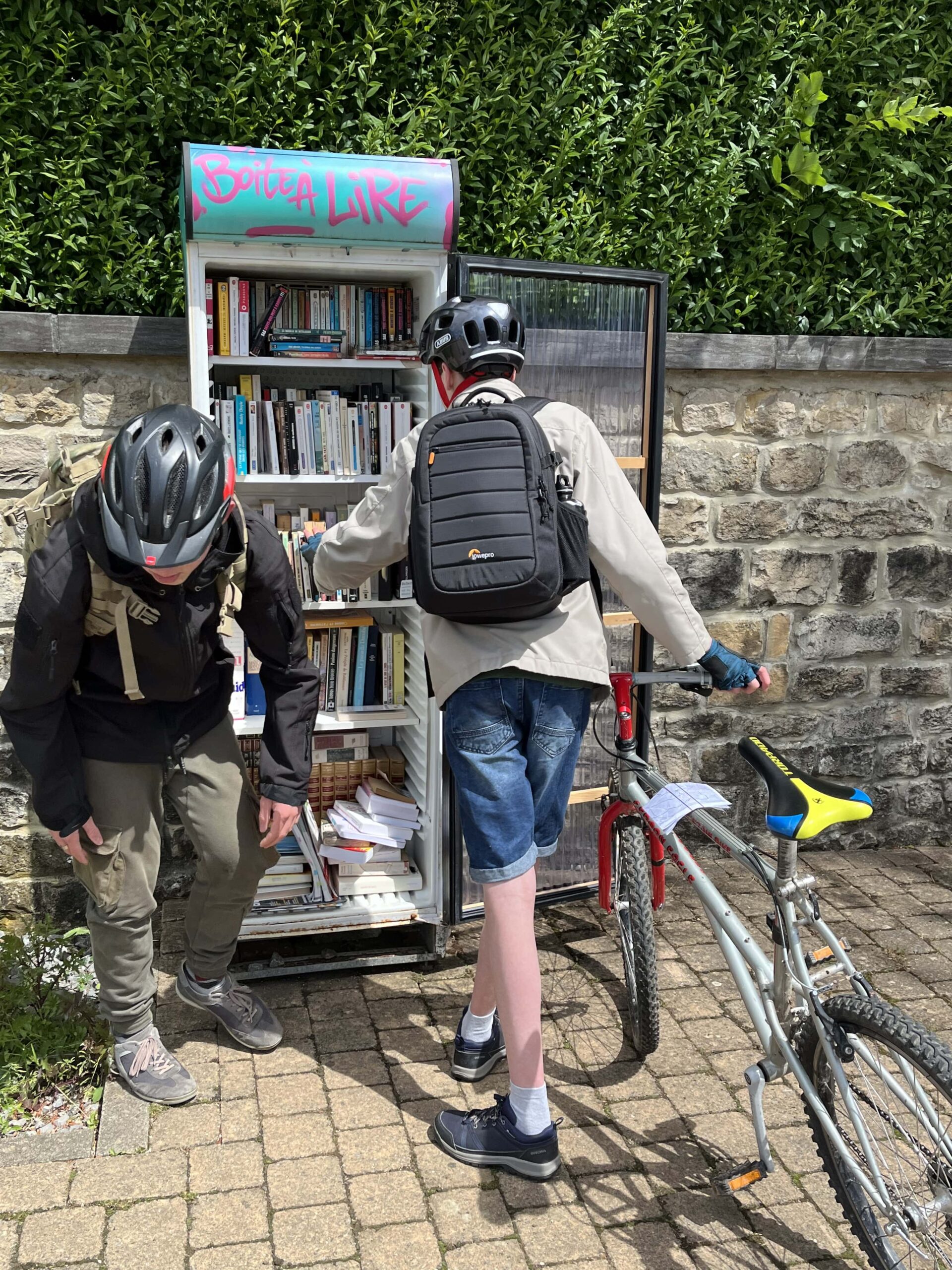
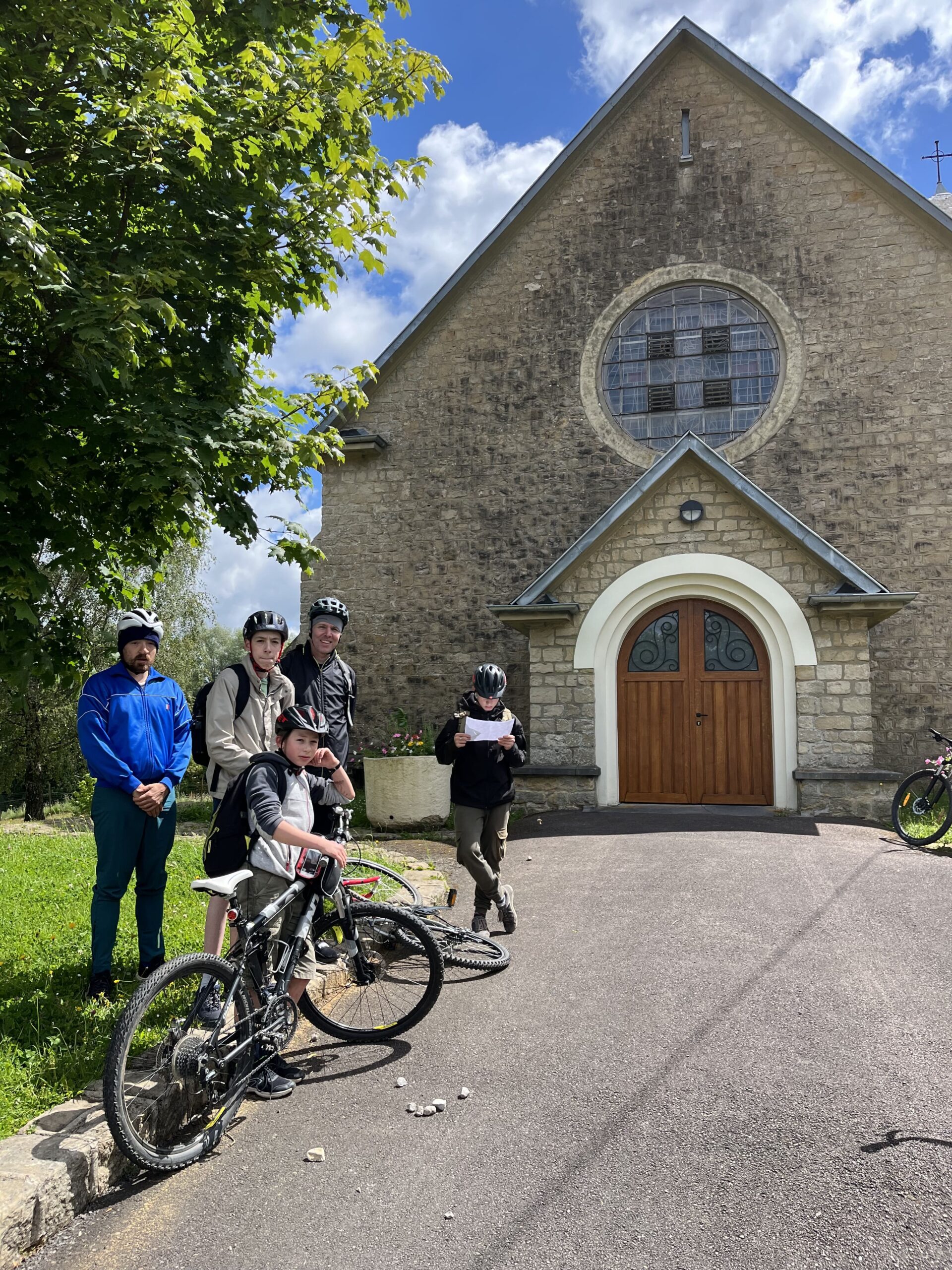
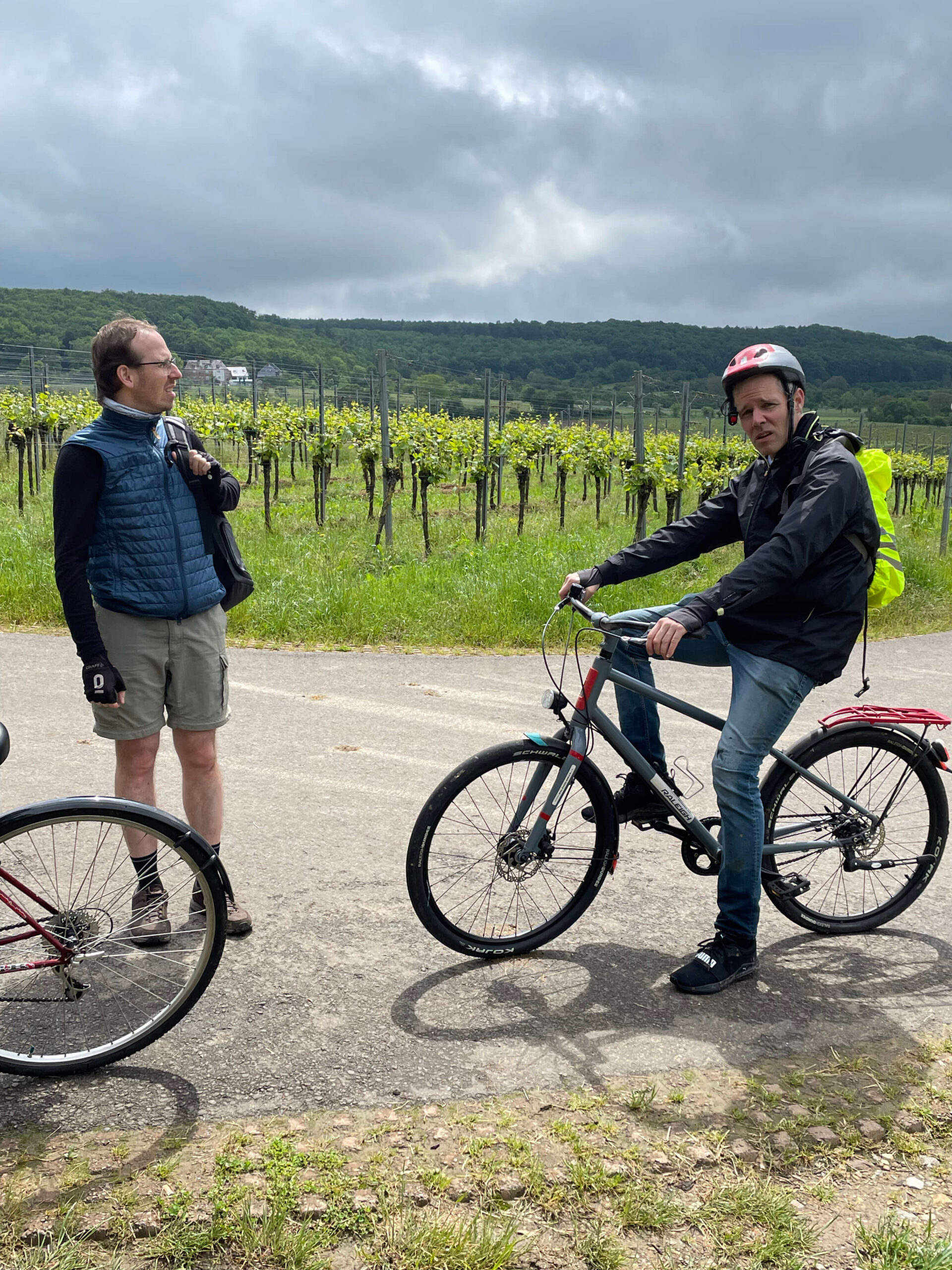
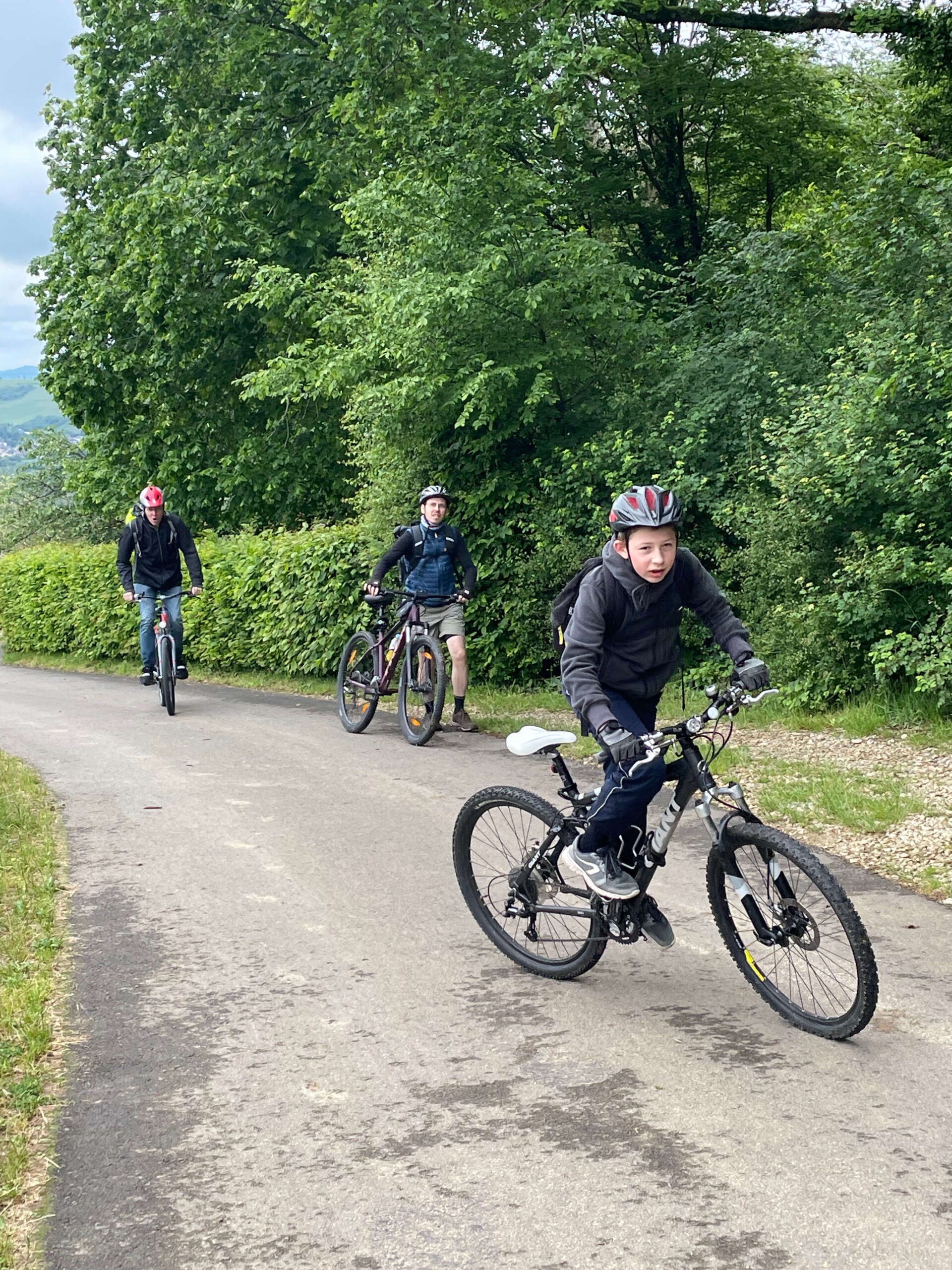
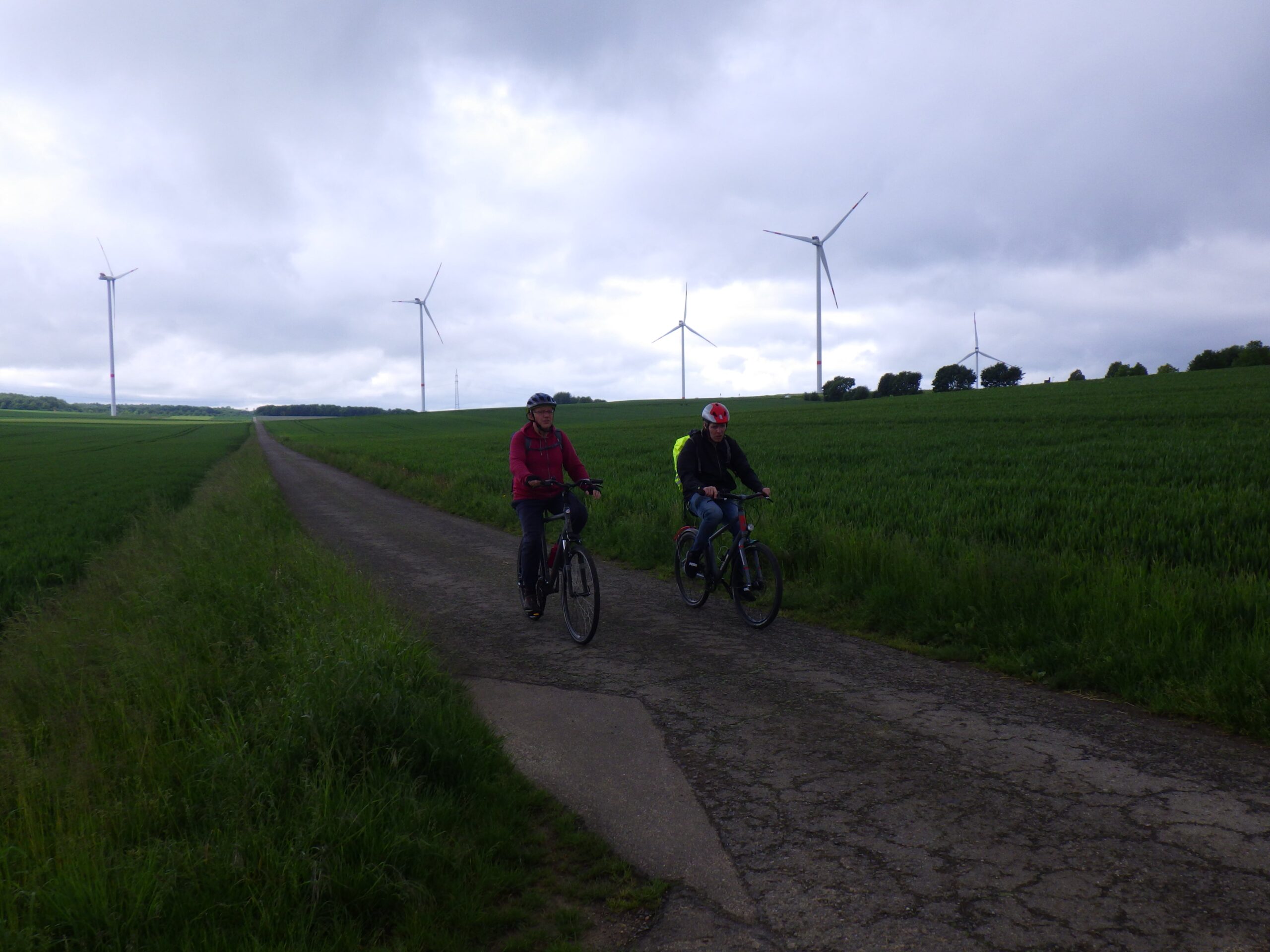
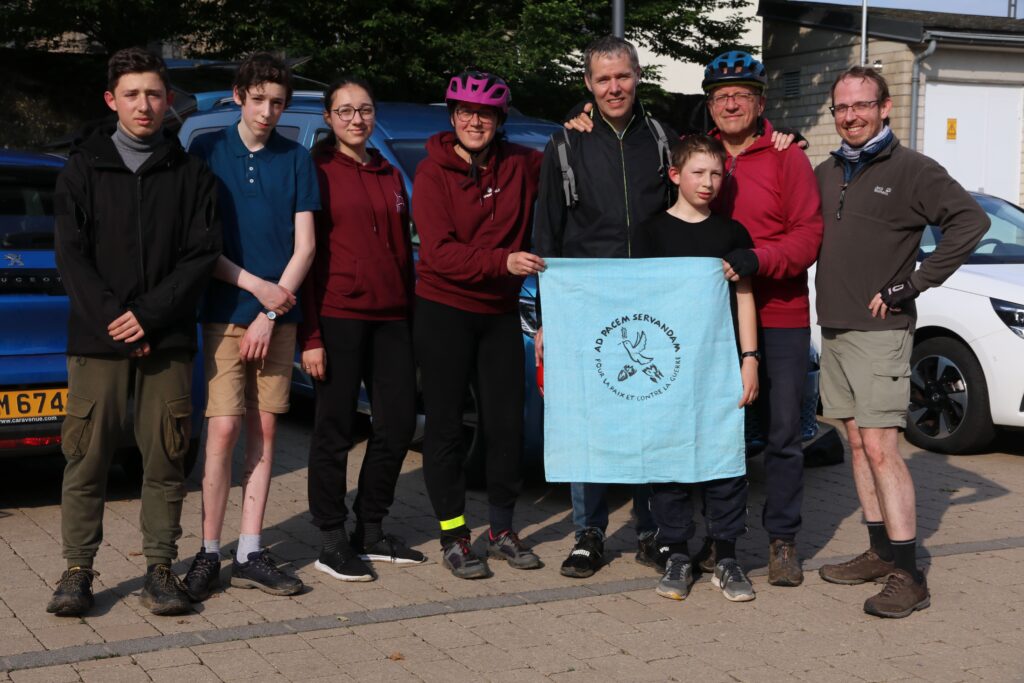
On Saturday morning, 15 June 2024, a small group of eight Ad Pacem members met in the car park of Clairefontaine Abbey on the Belgian-Luxembourg border. This was the start of the second Bike for Future of the season, during which the team explored the cycle paths and stretches of national road around Arlon. It was a closed course (signposted loop) of 40 km, with the finish, at around 5 p.m., at the start car park.
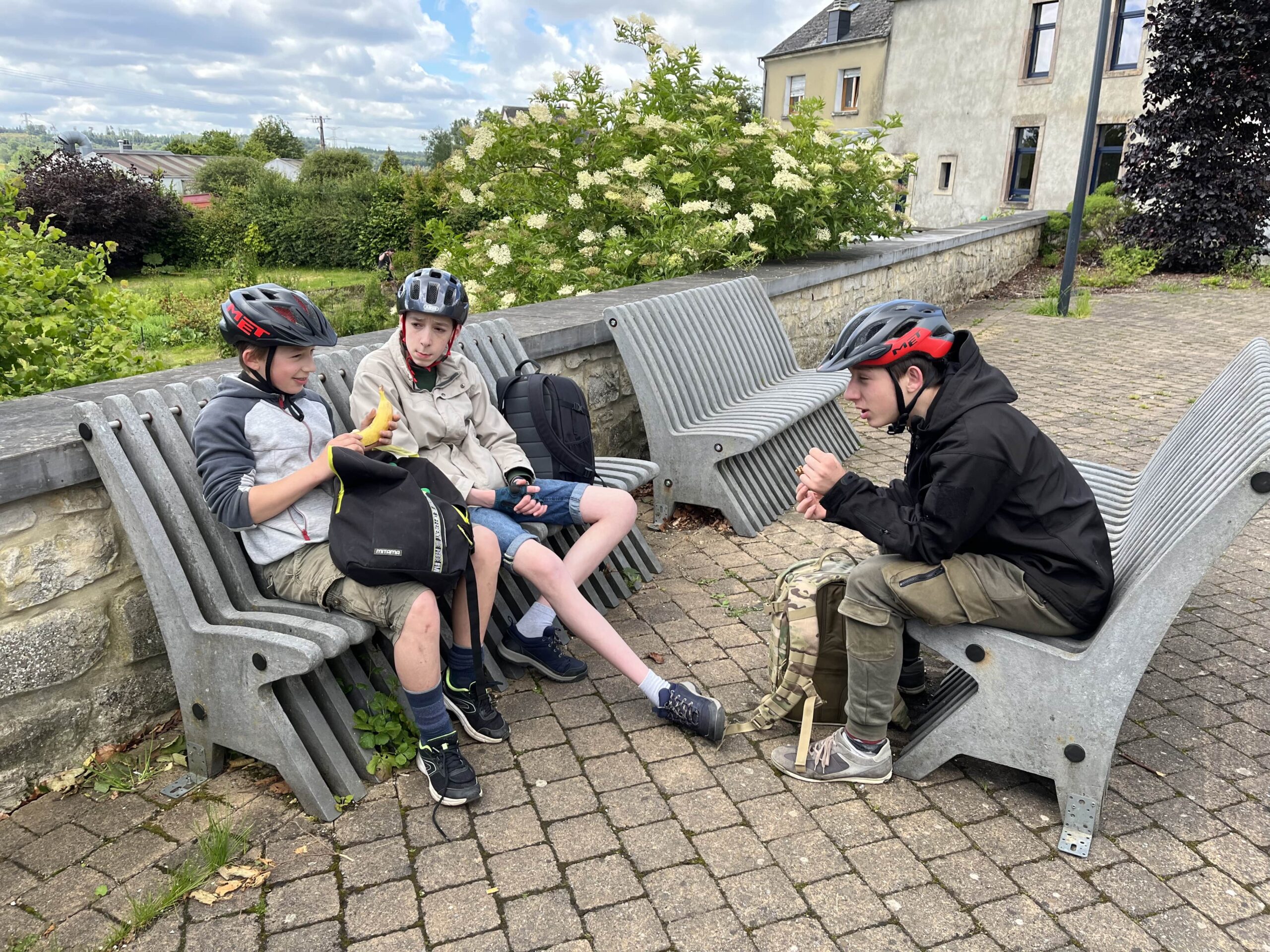
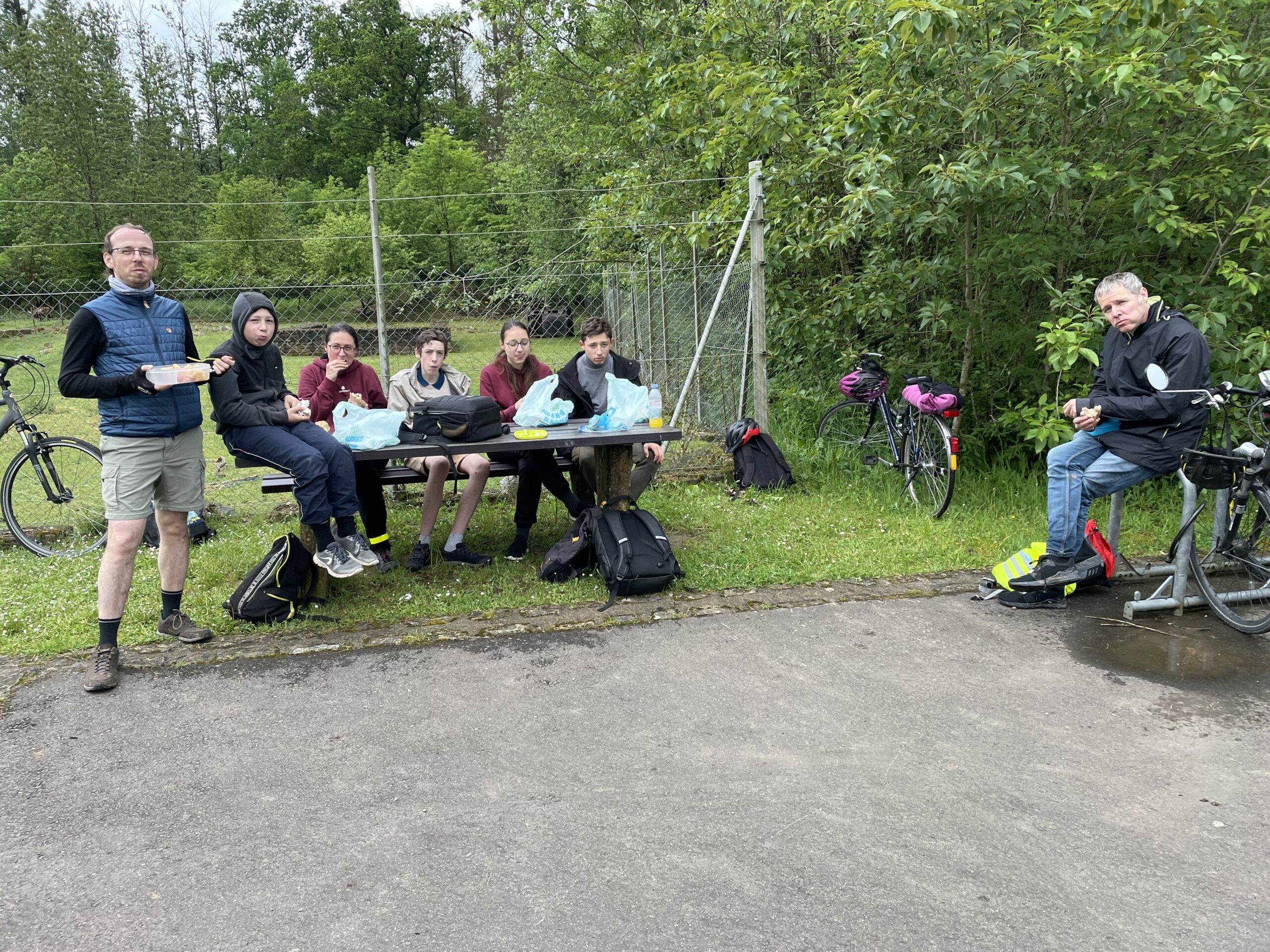
After cycling through a number of villages and along country roads and tracks, taking in some lovely views, the group had their lunch break in a meadow with a packed lunch.
On the final stage, the group passed through Toenig and Sterpenich before a long descent, giving the legs a chance to relax, to the finish.
The sun, clouds and wind made for a pleasant cycling outing.
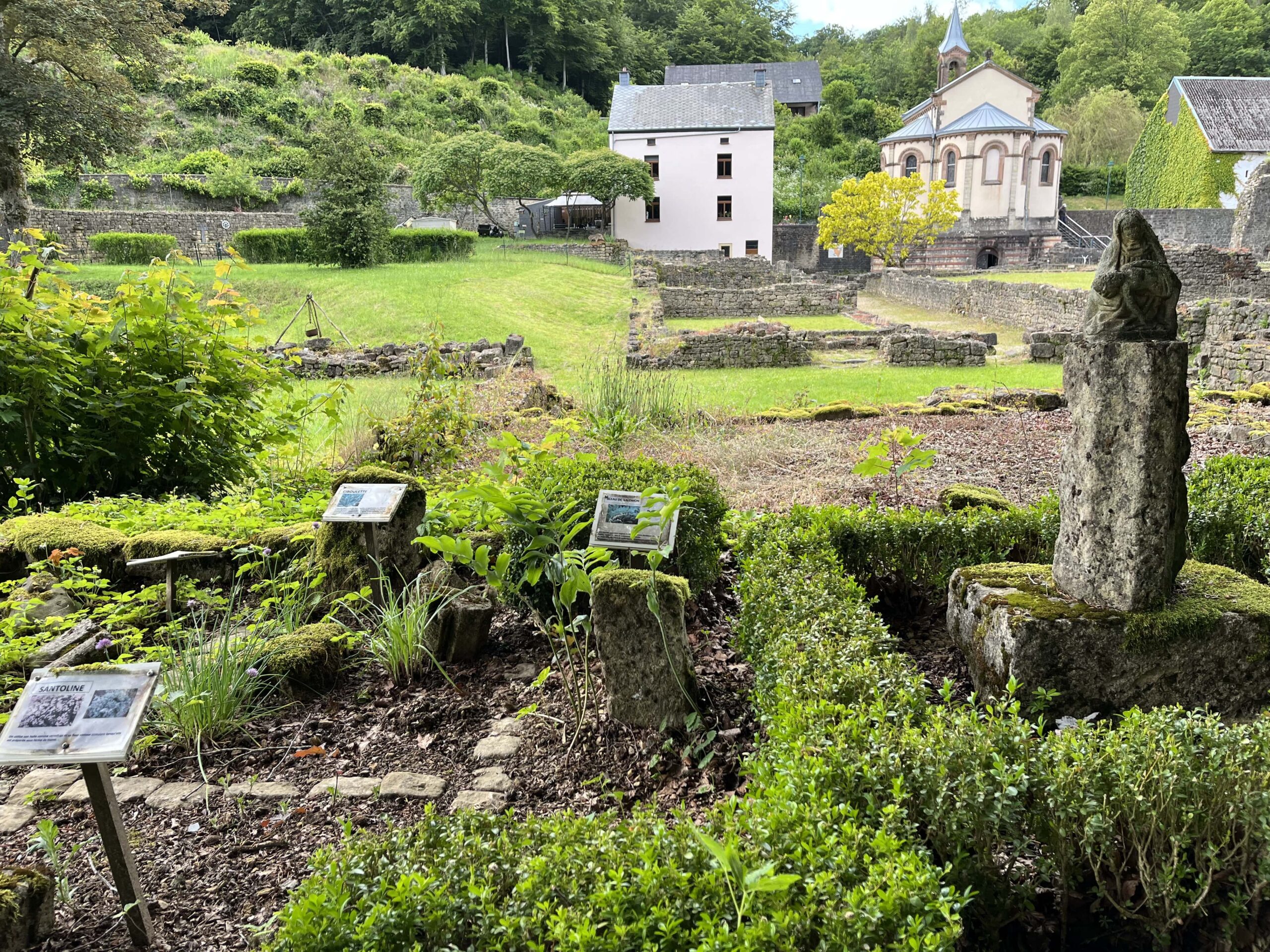
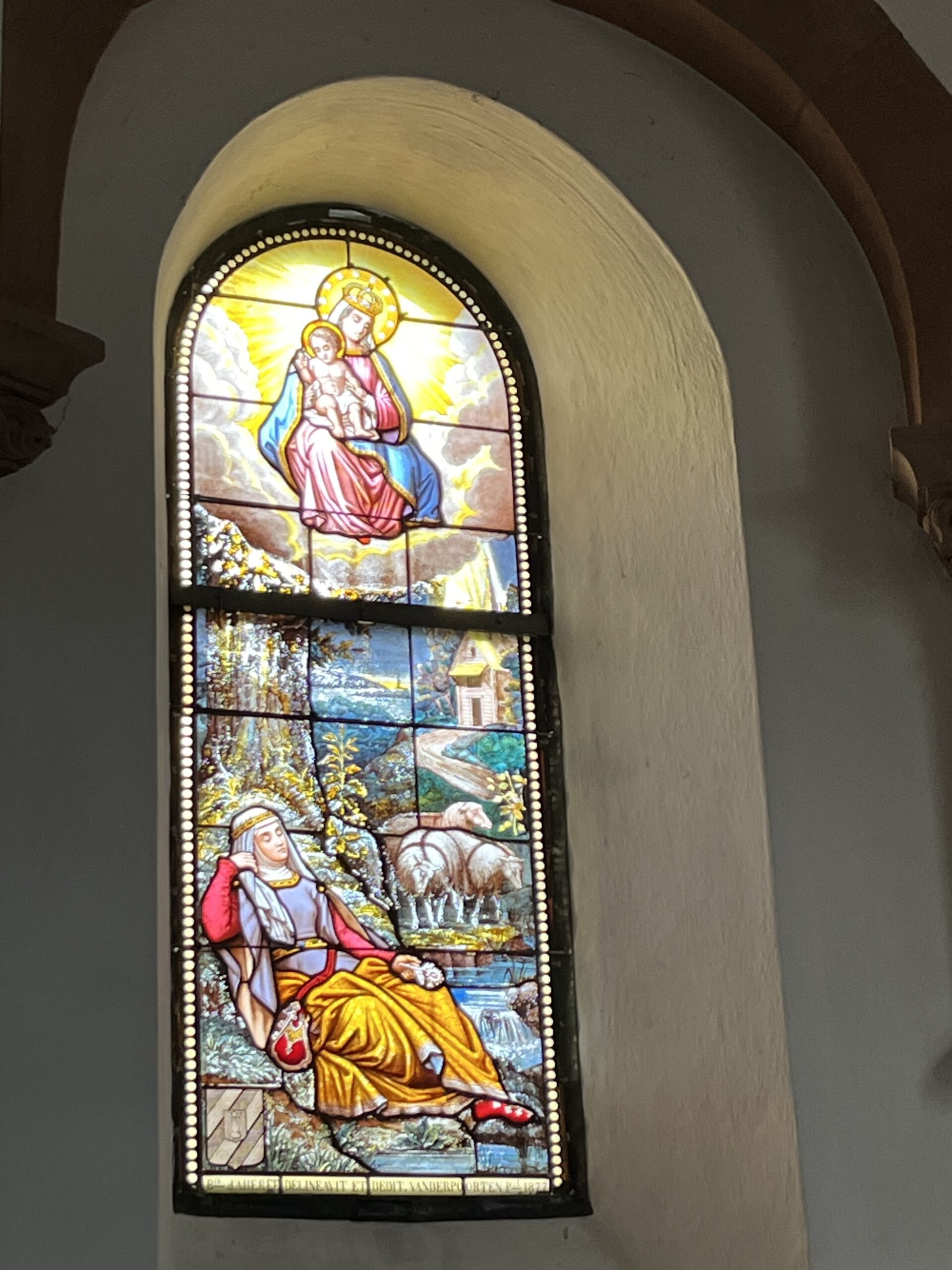
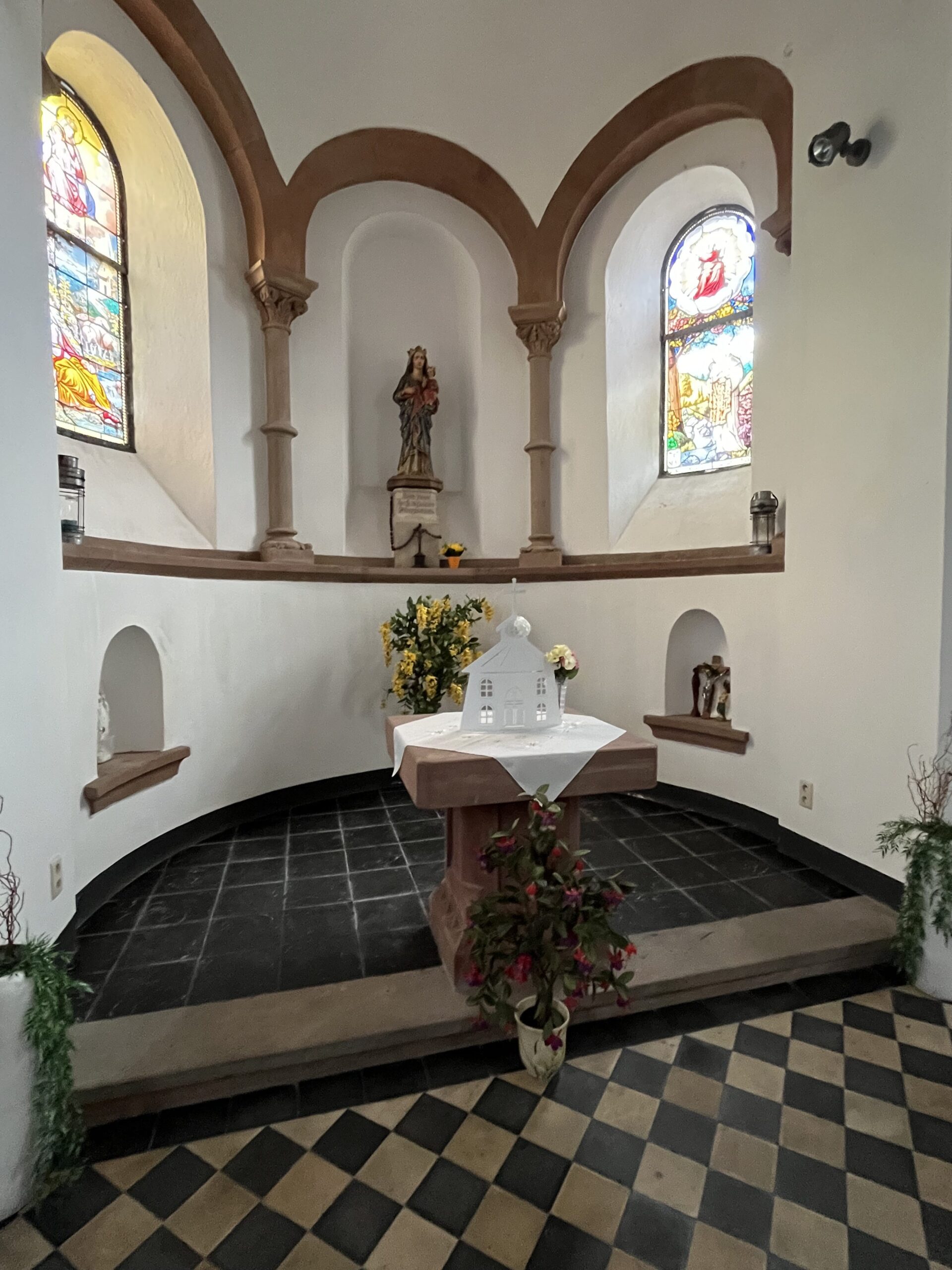
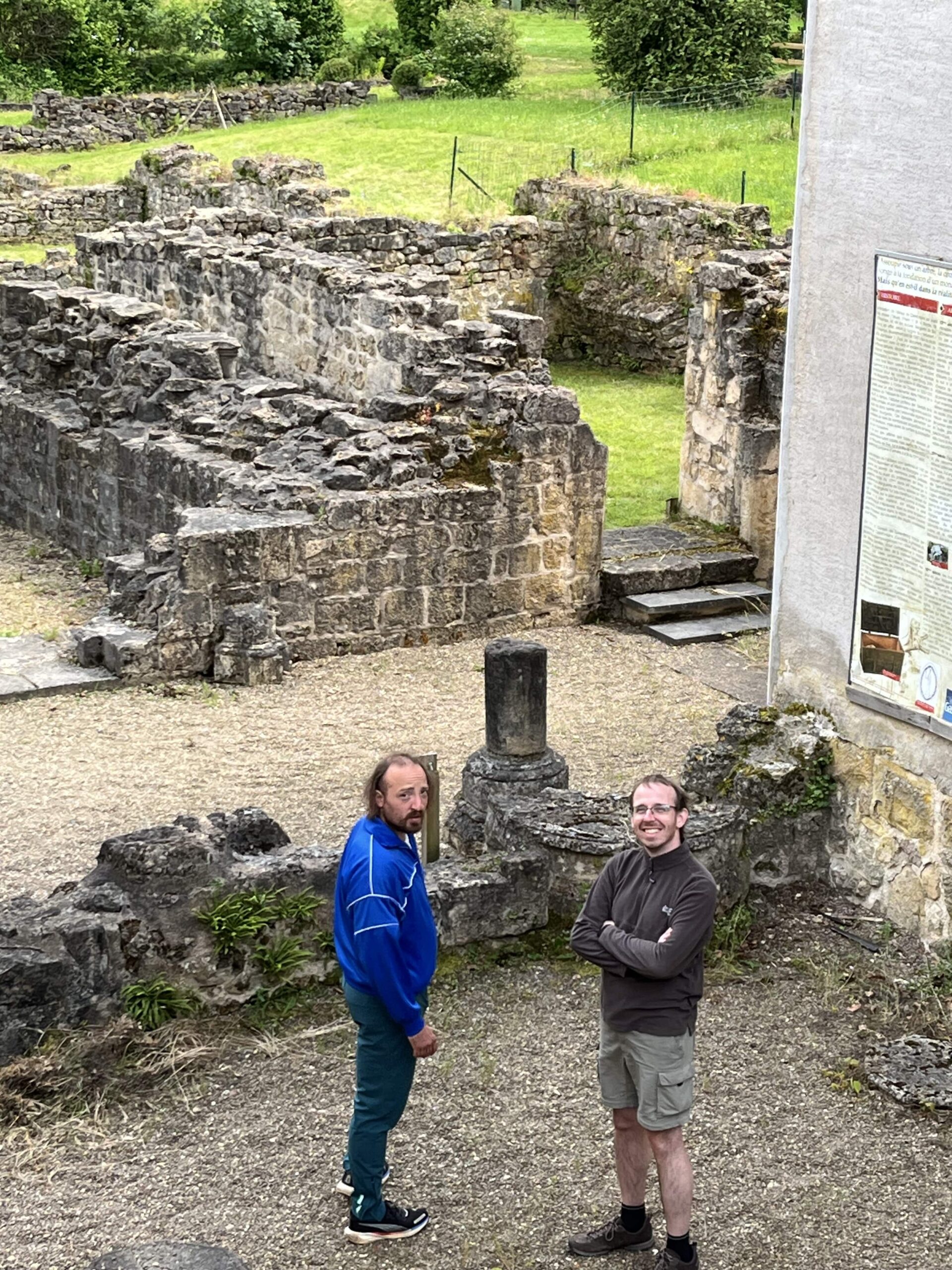
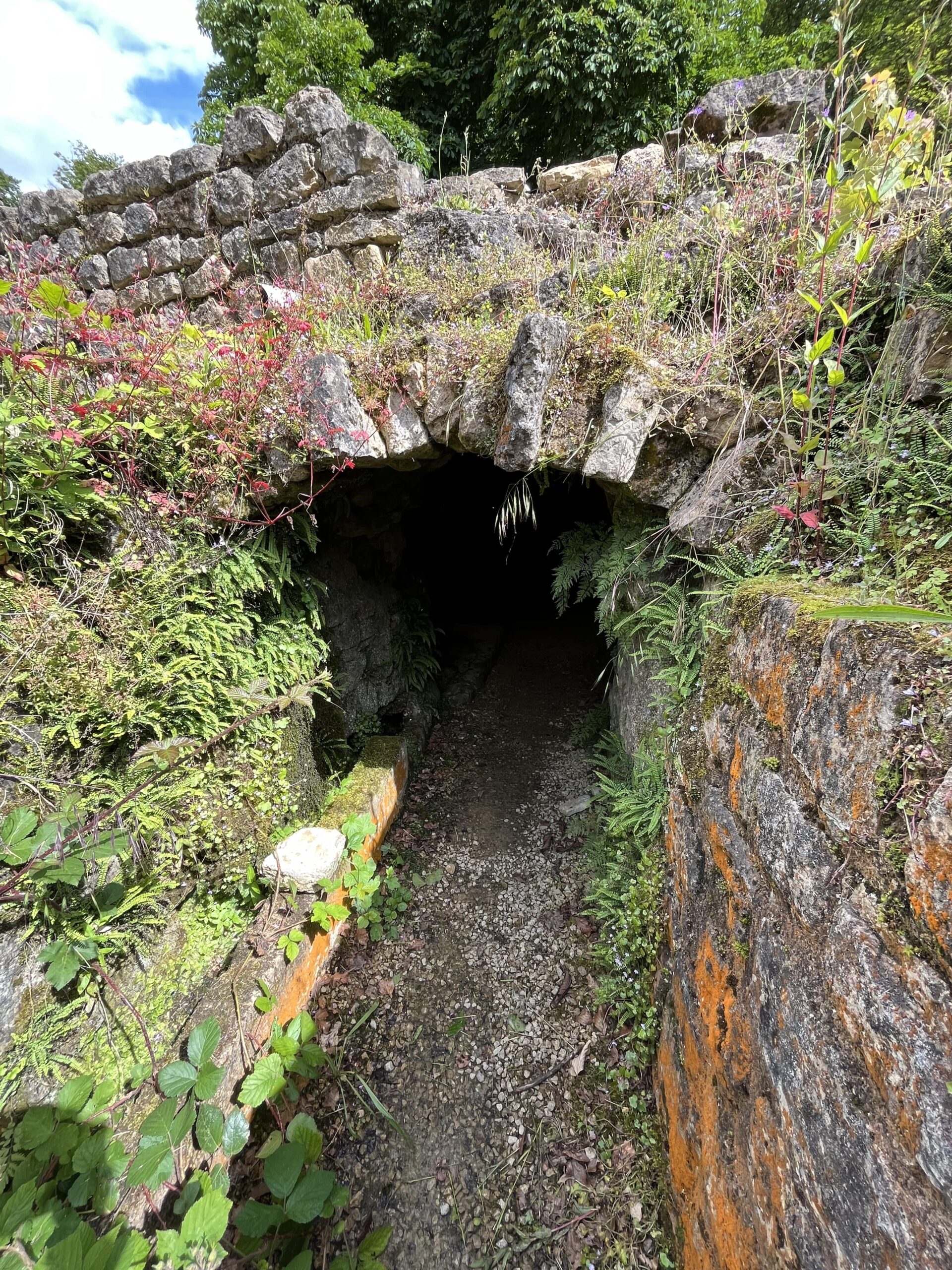
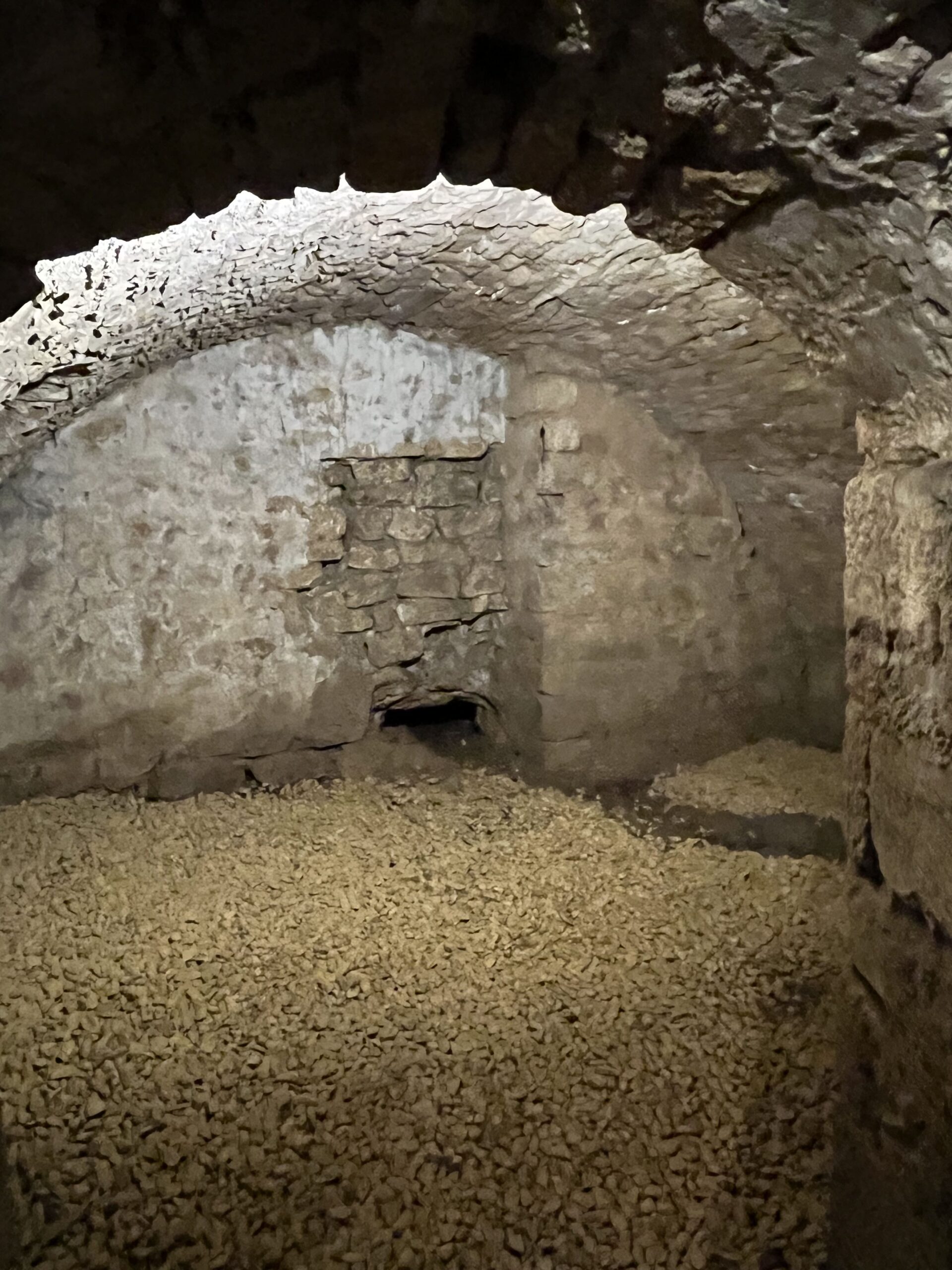
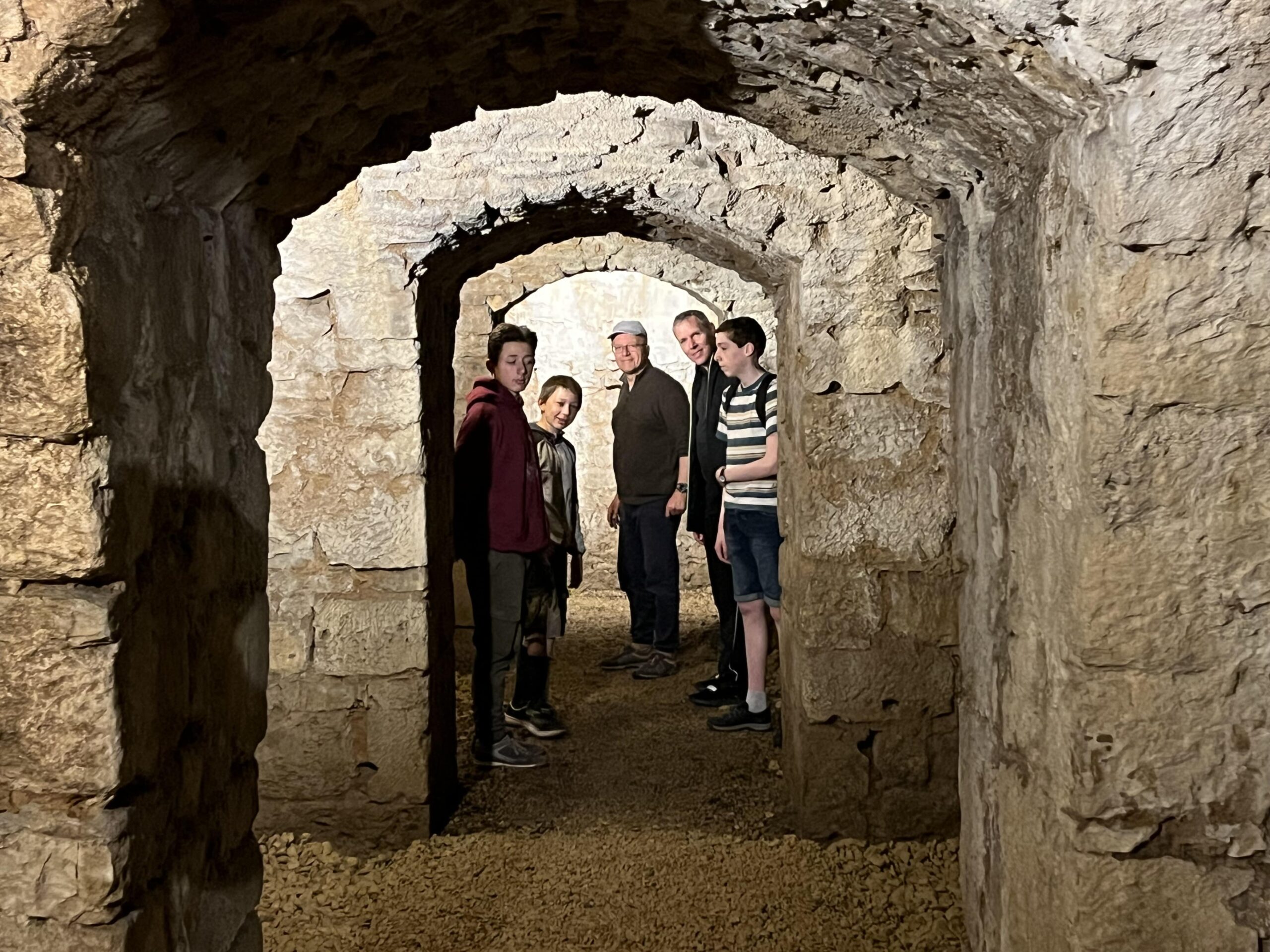
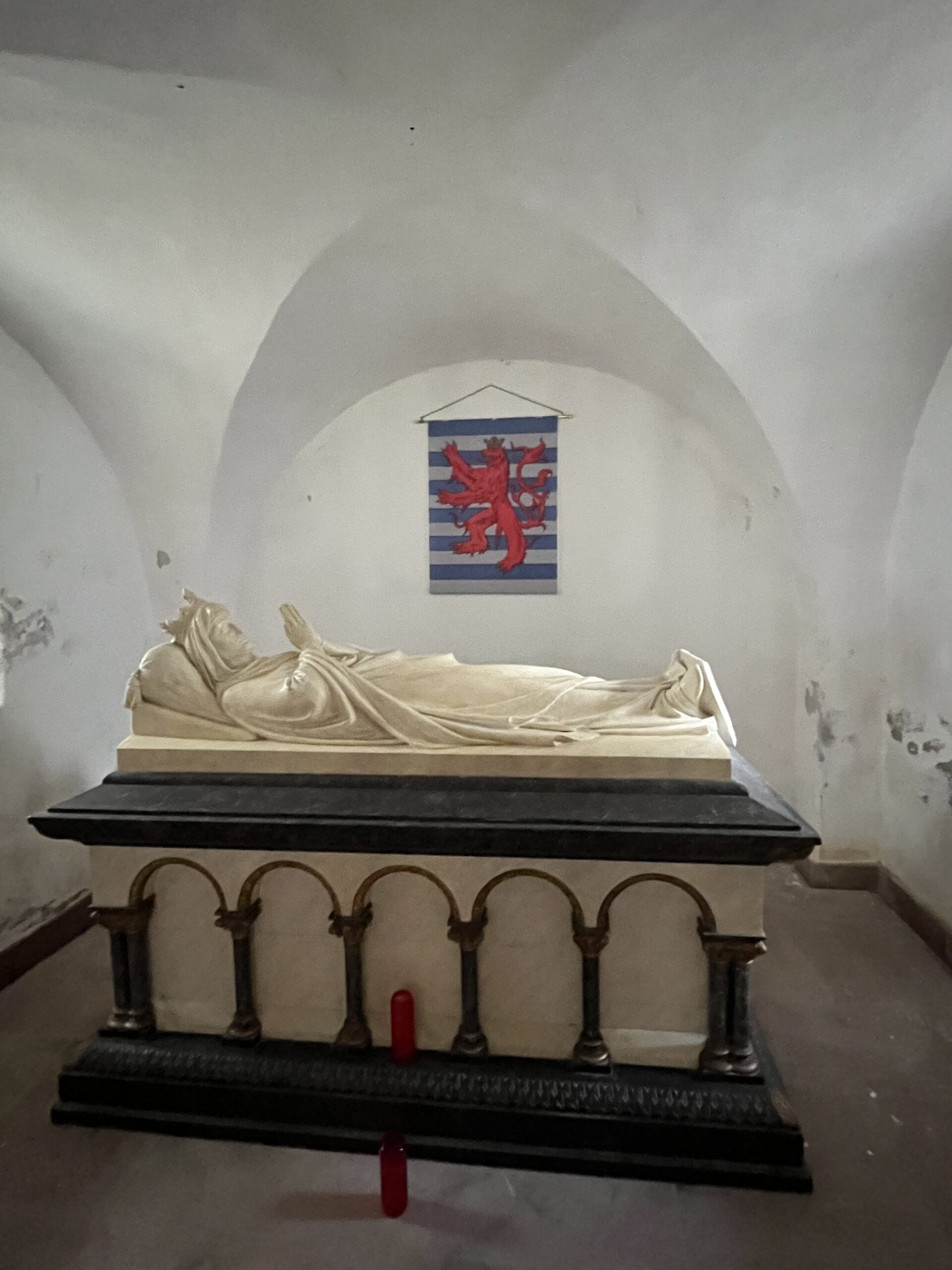
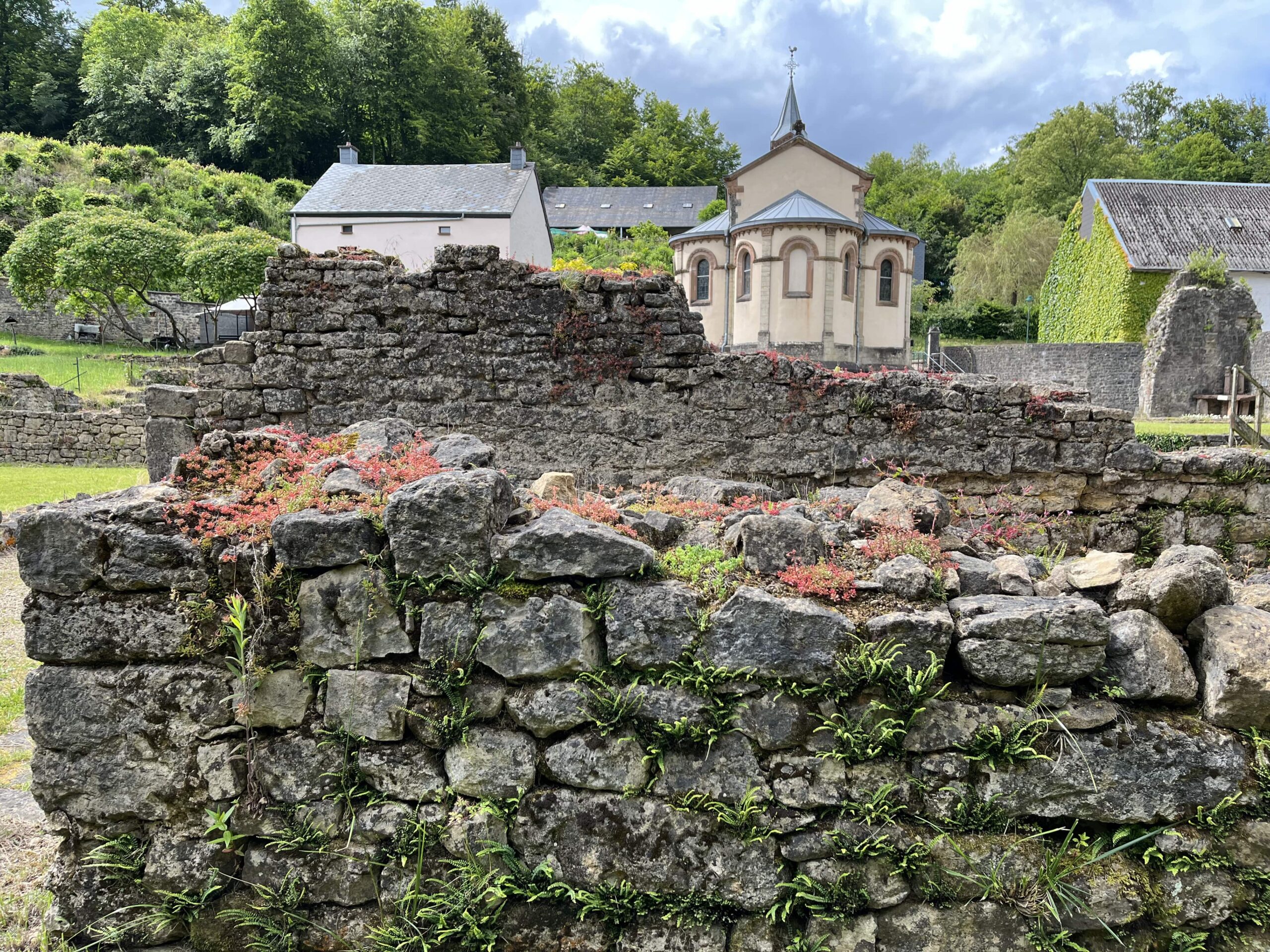
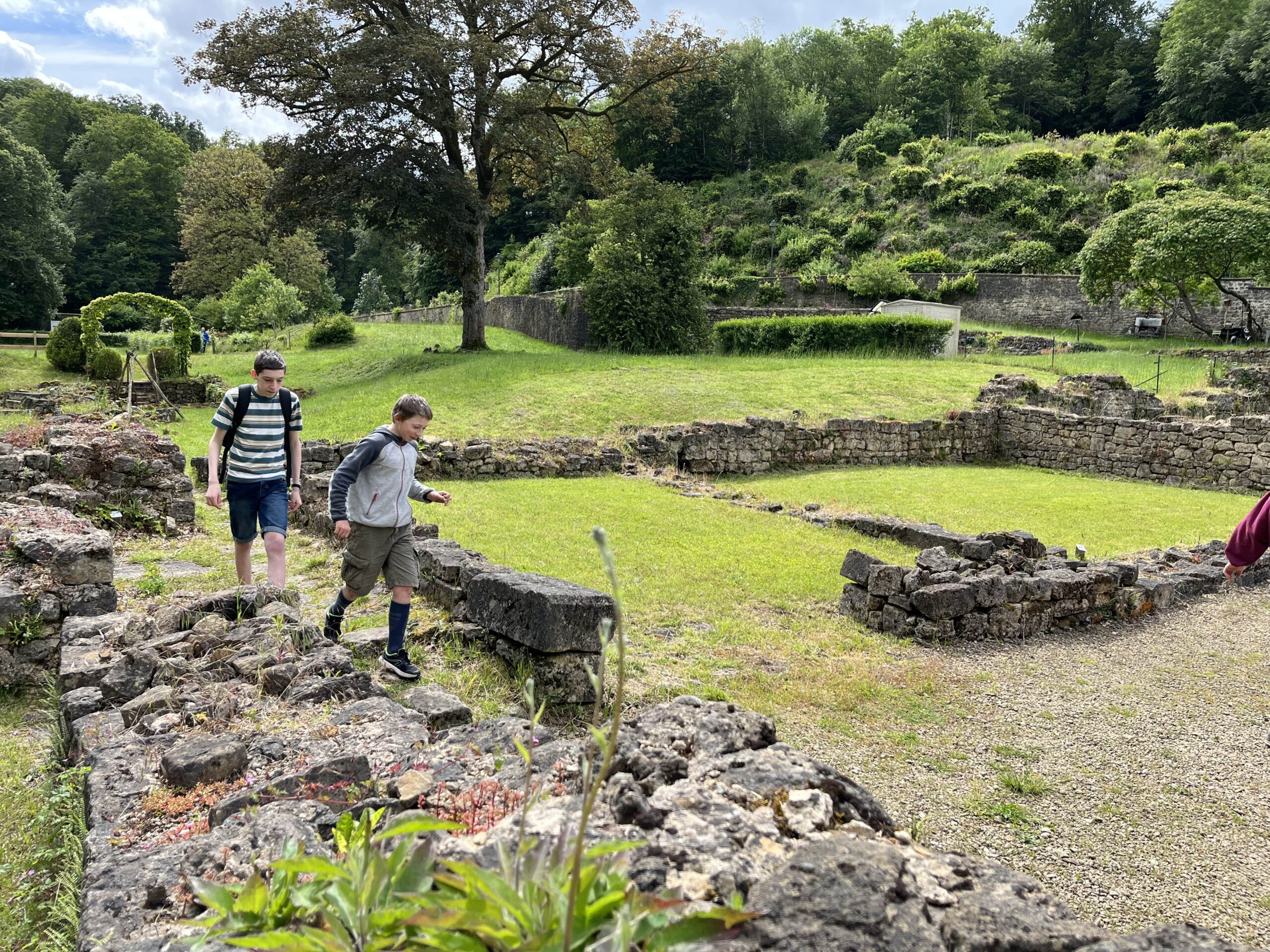
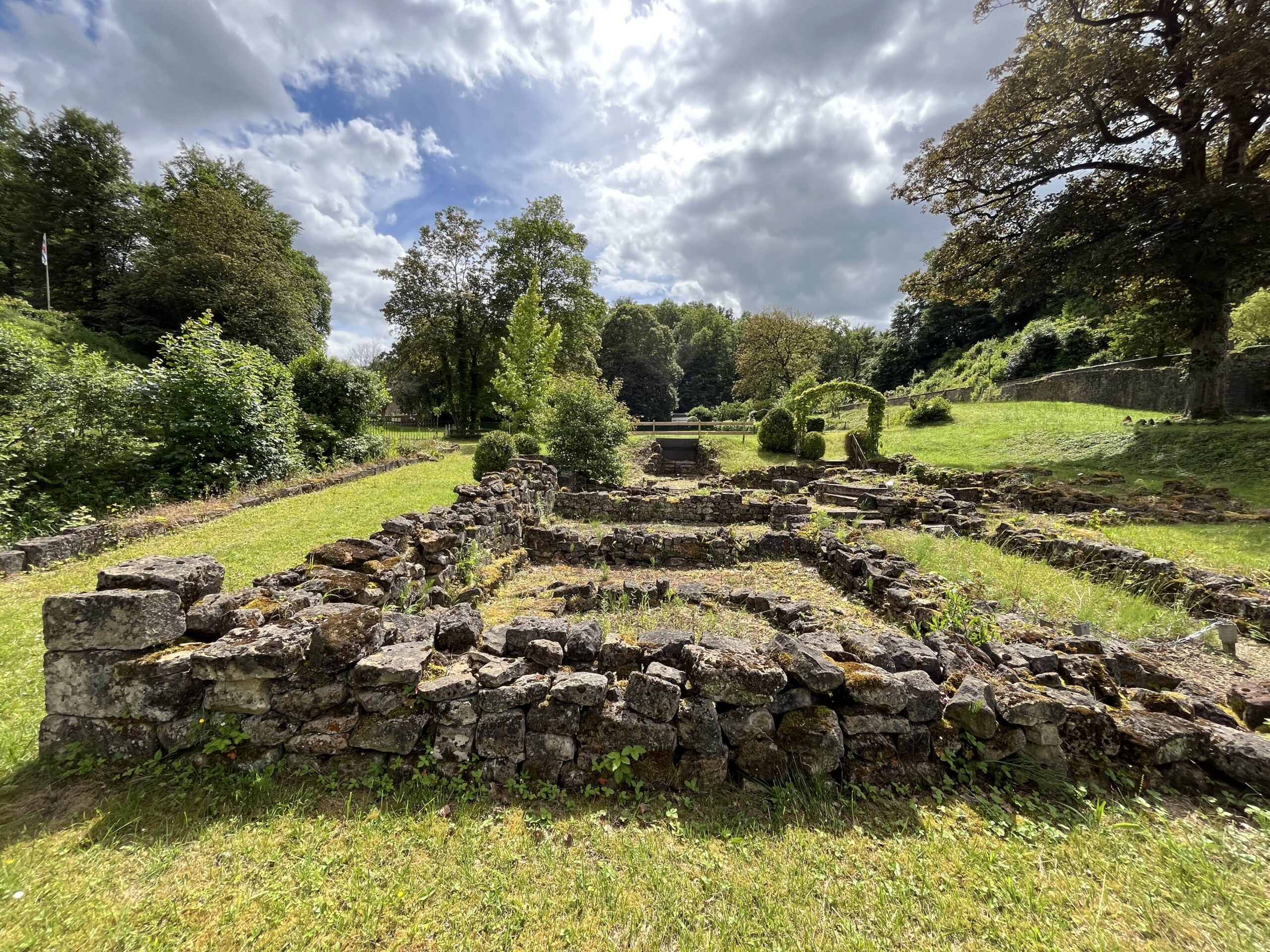
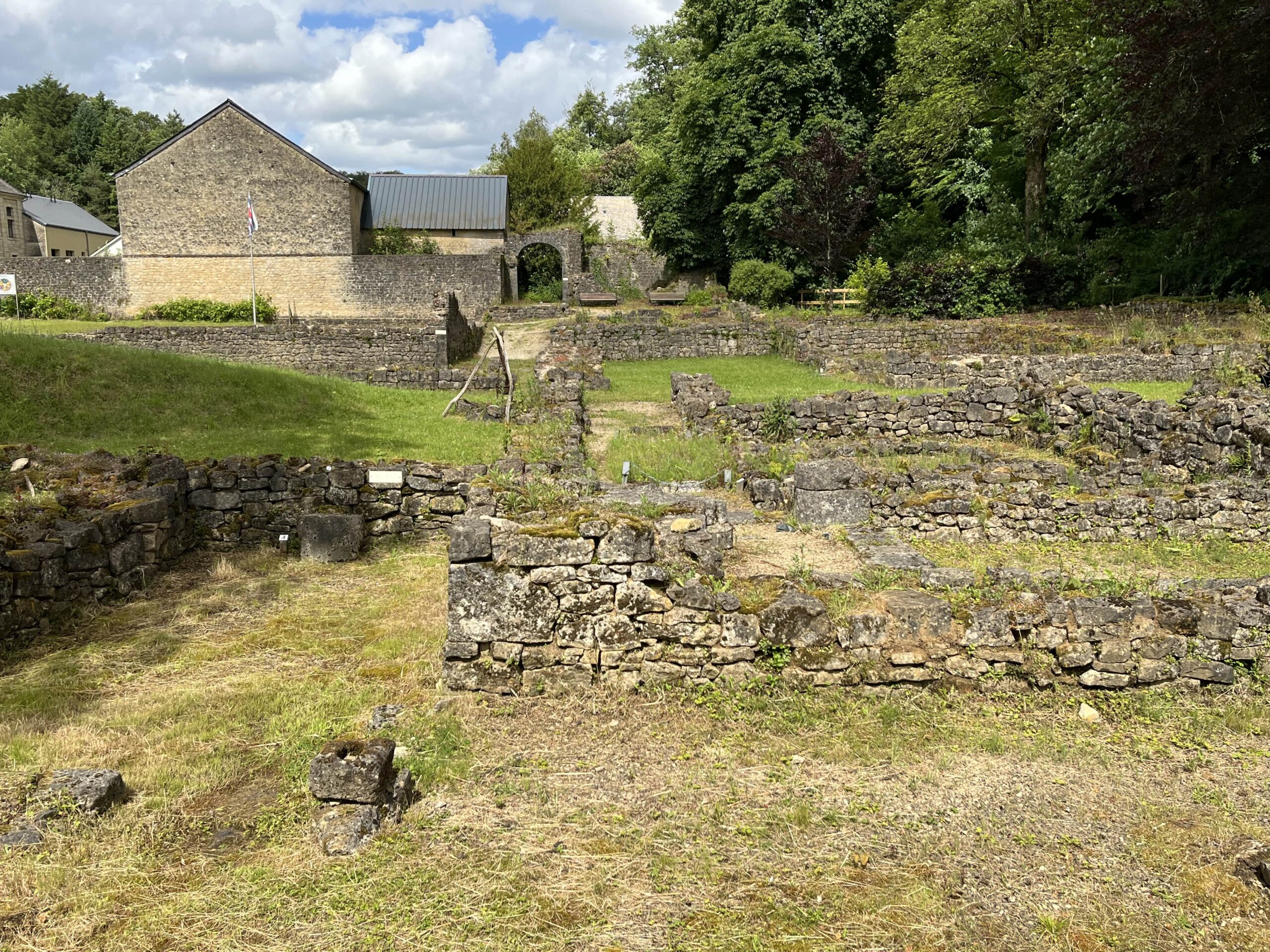
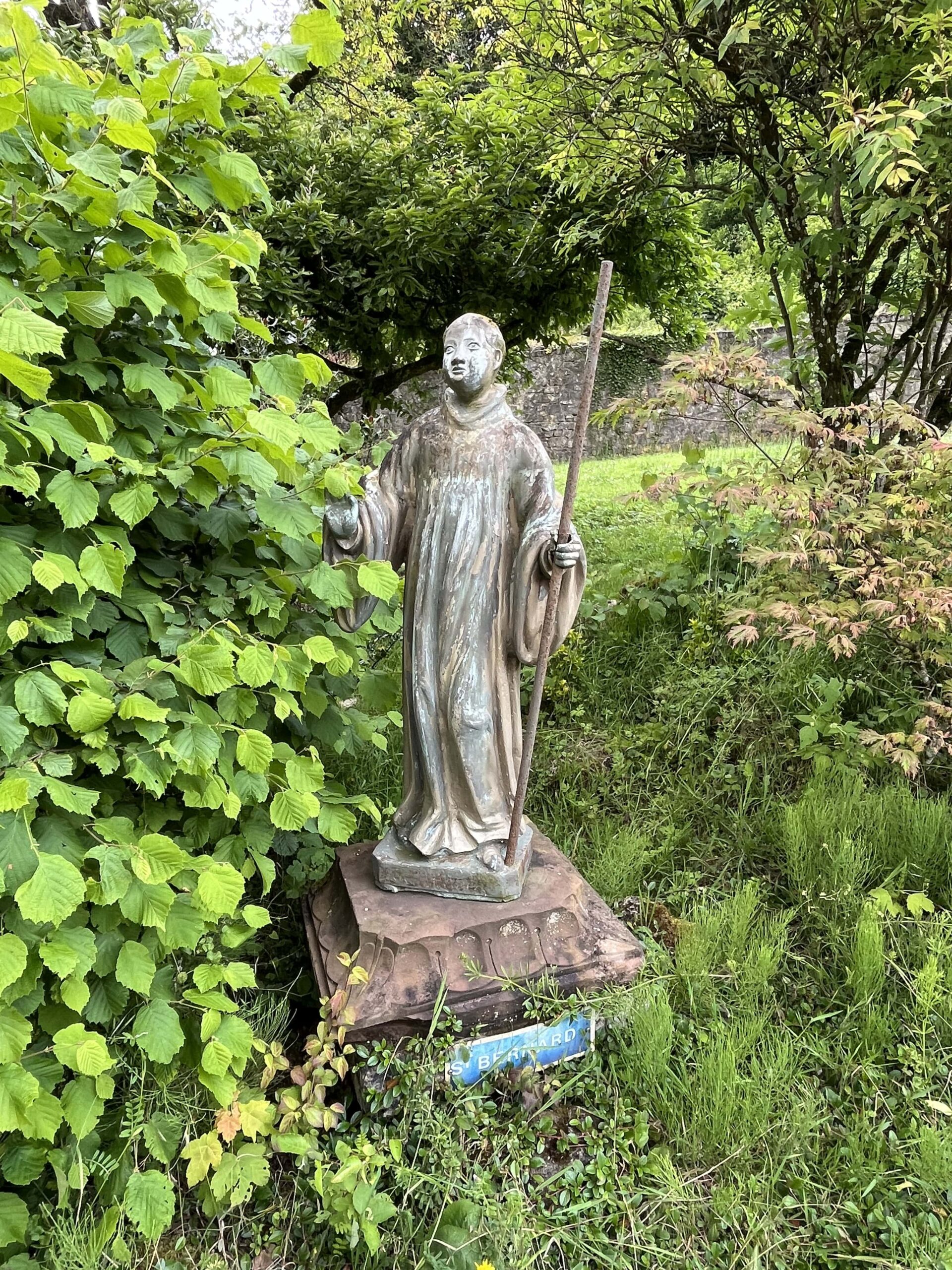
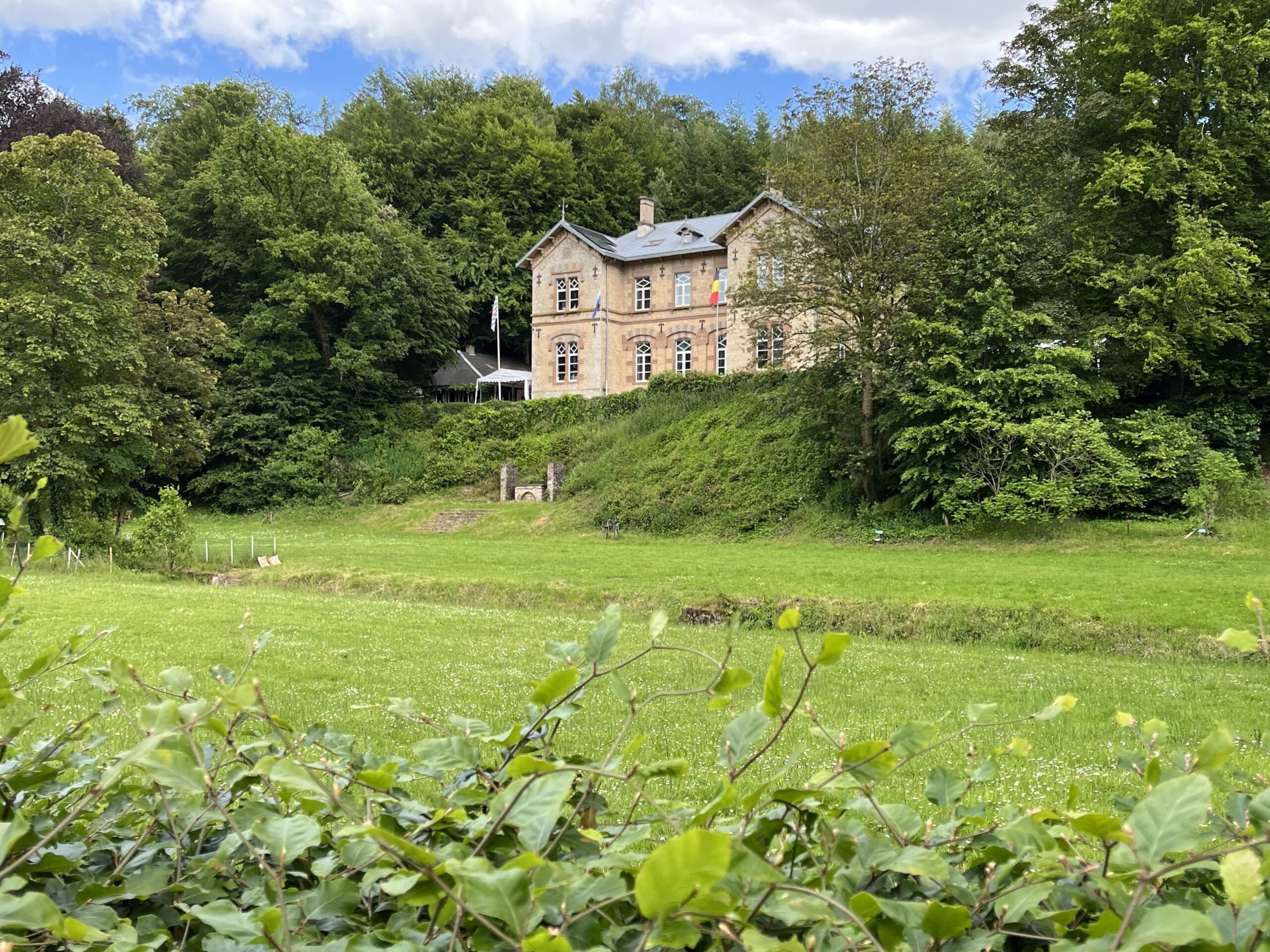
Everyone agreed that this outing was an opportunity to spend a good time together, discovering beautiful landscapes in good weather. Before loading up the bikes and setting off again, there was an hour-long visit to the Clairefontaine abbey site, including the ruins of the old structure dating from the 13th and 14th centuries, the medicinal garden redone in the old-fashioned way (as it was in those days), and the spring that (still) runs through the underground galleries which, in the Middle Ages, were a place of pilgrimage where believers sought healing for their ailments.
On the cycle paths near the three borders (tripoint)
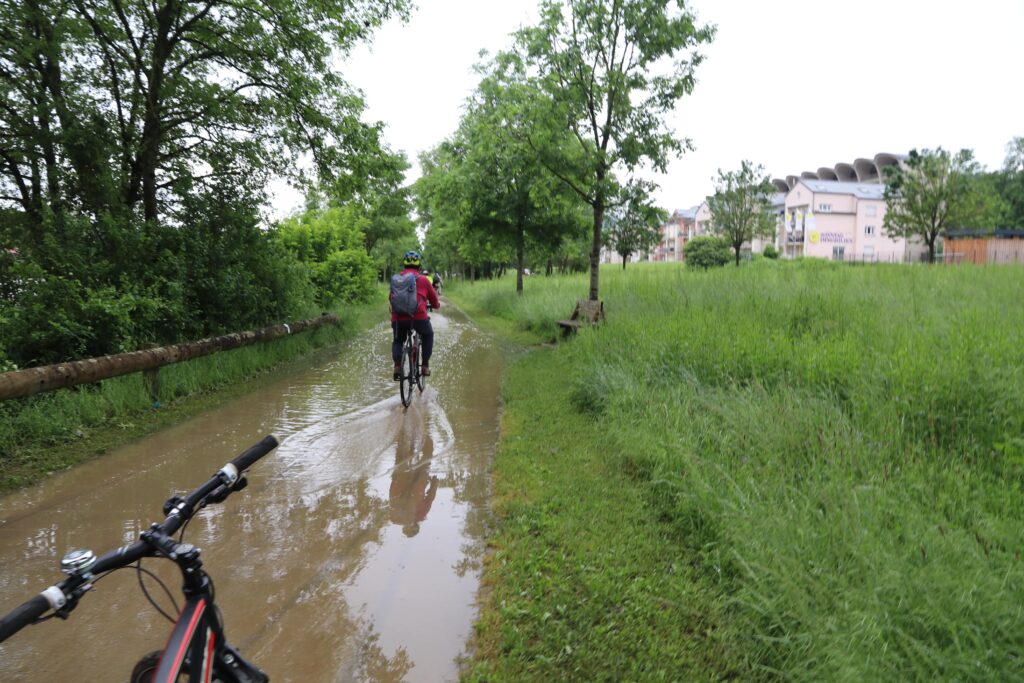
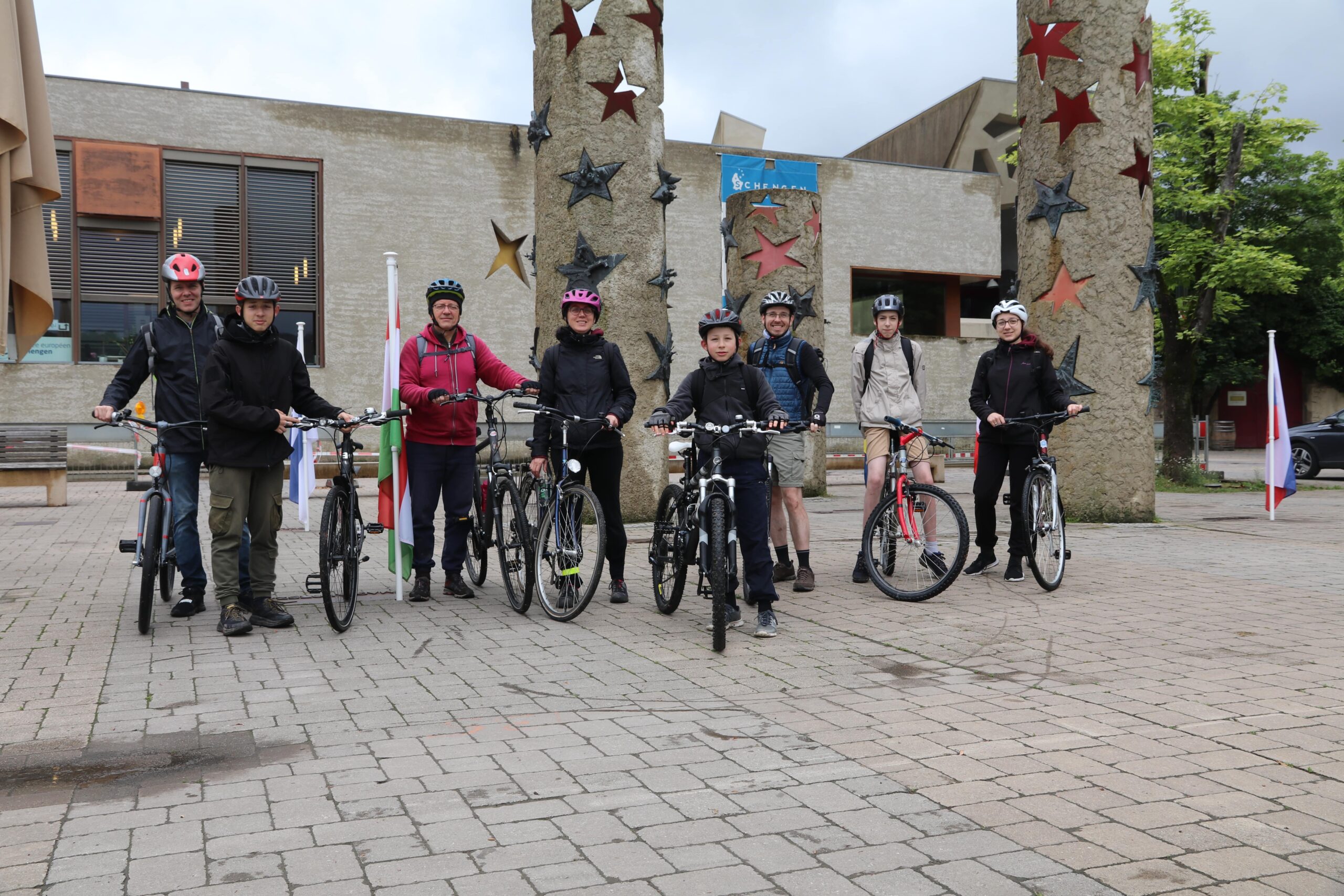
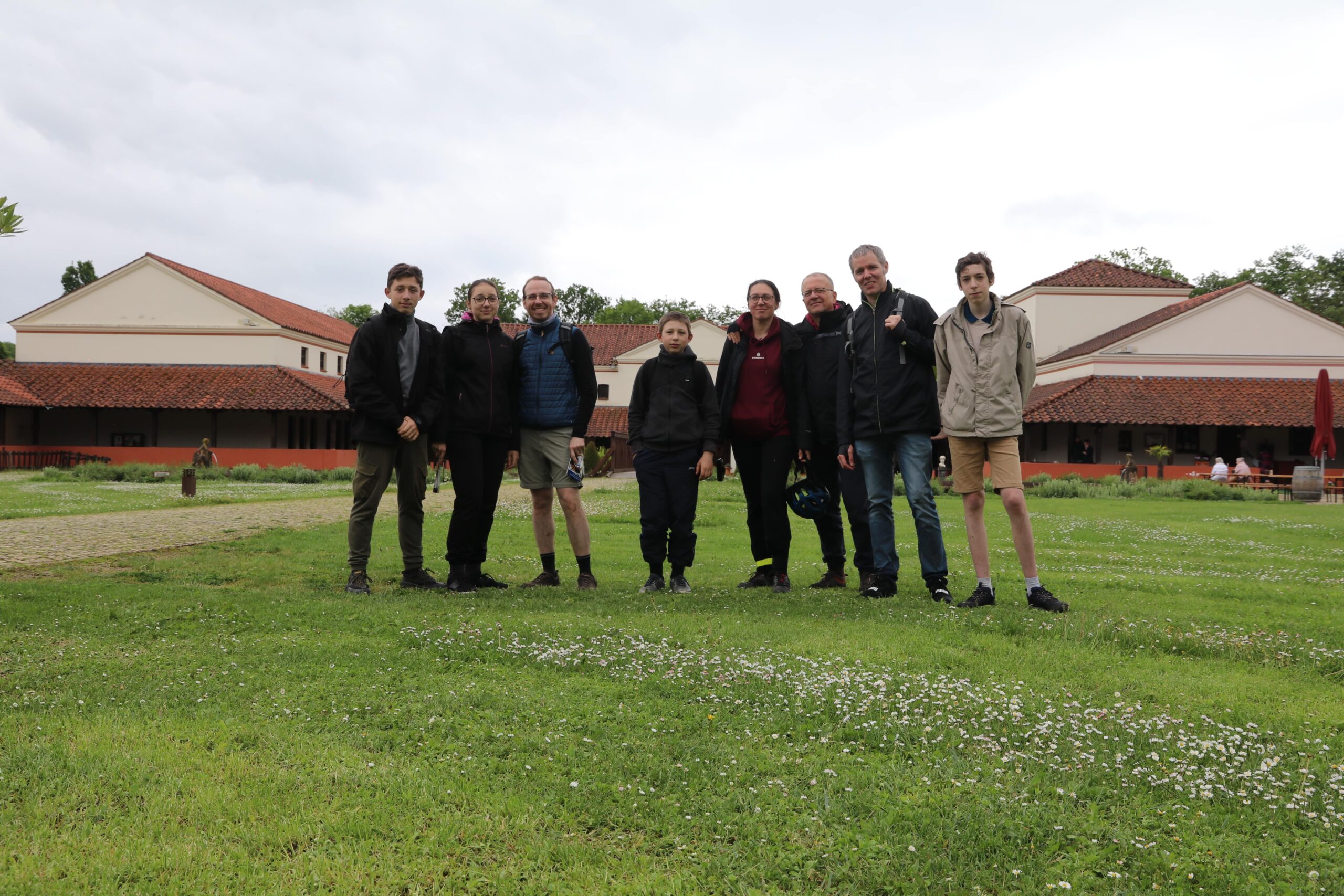
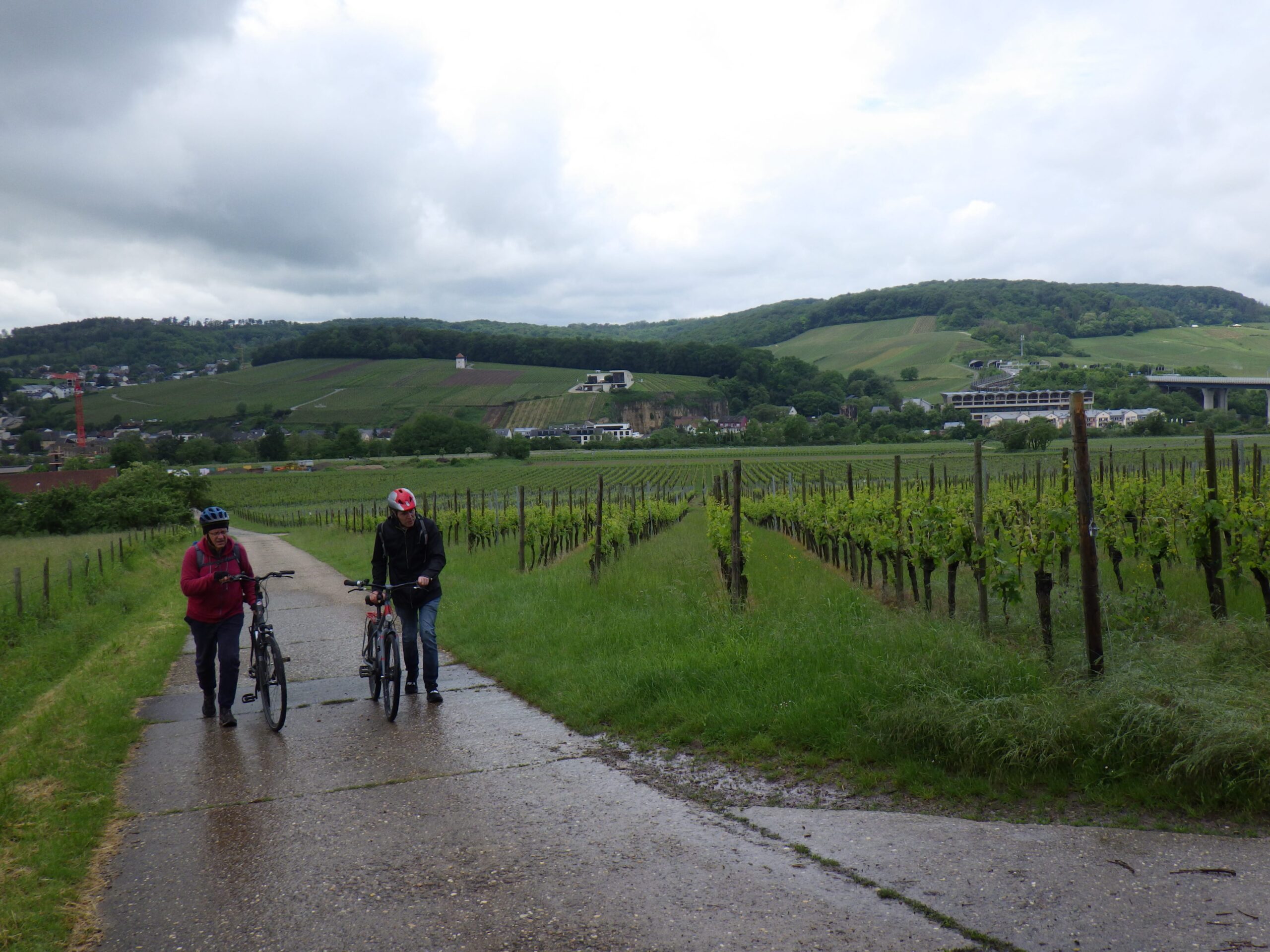
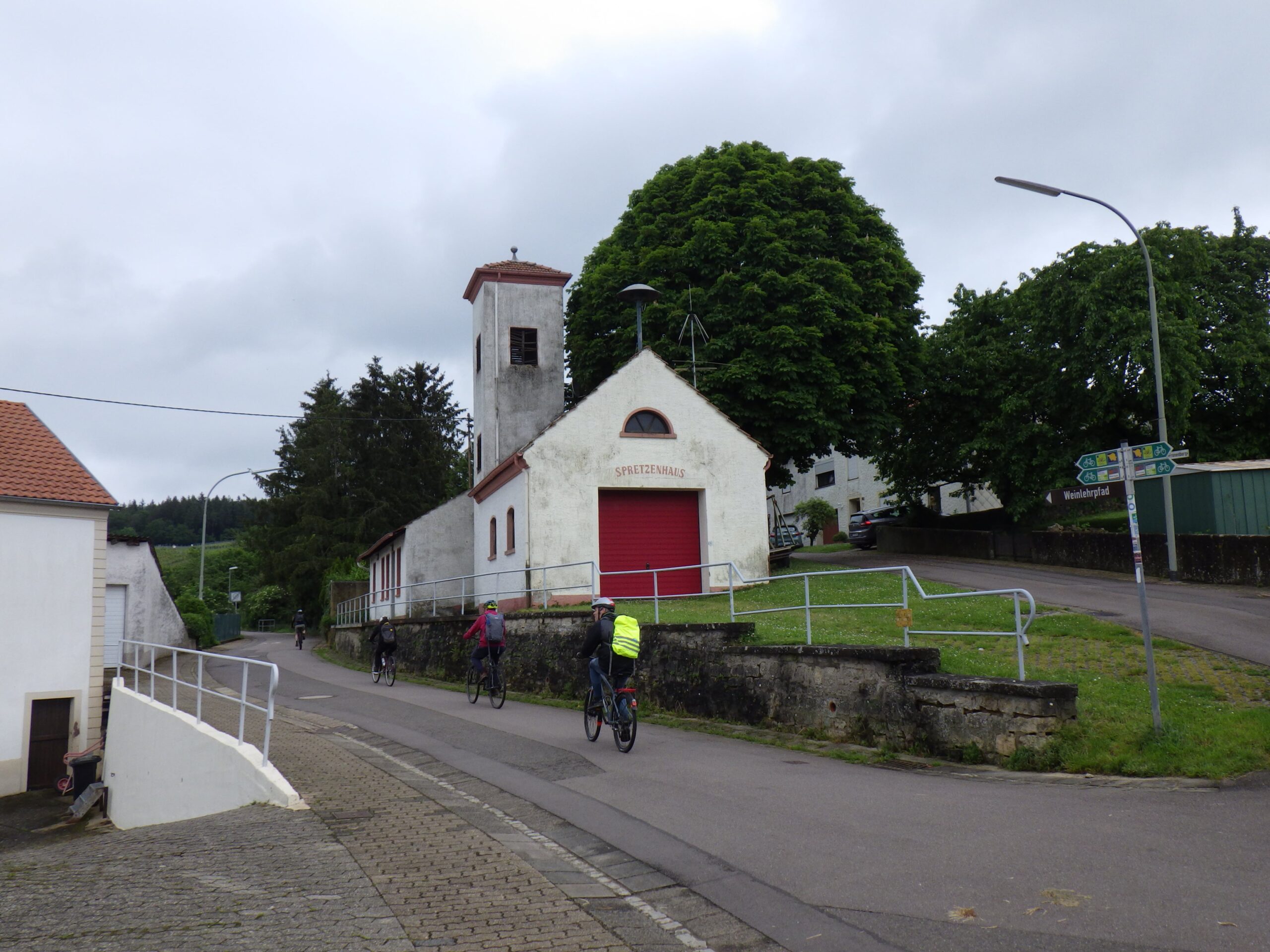
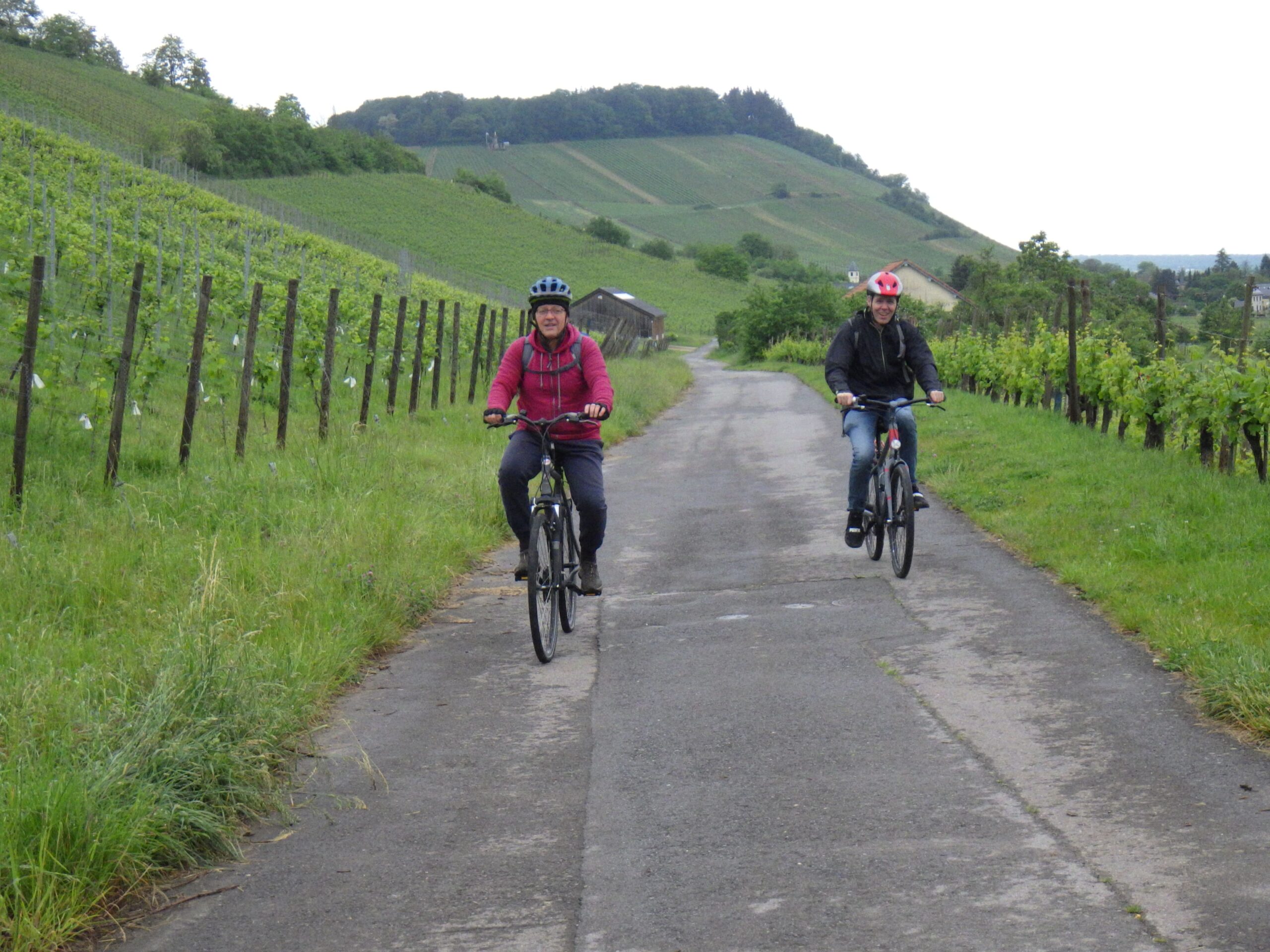
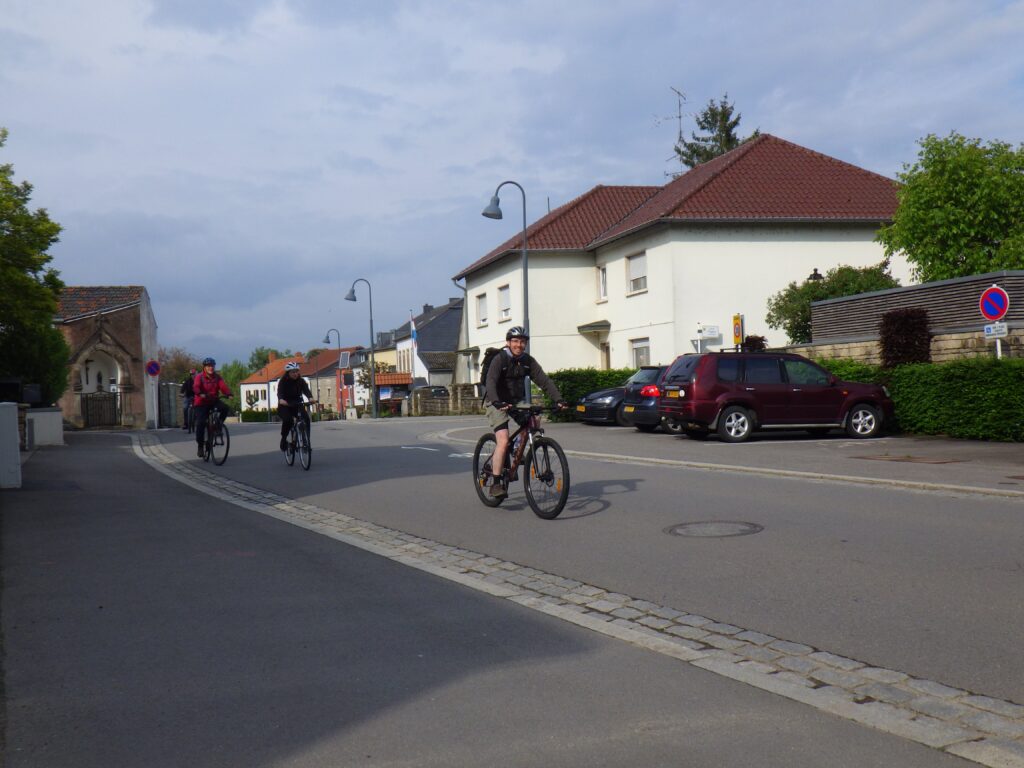
Eight young and not-so-young members of the Ad Pacem association met up on Saturday 18 May 2024 for their Bike for Climate in the car park next to the church in Elvange (L). Although it had rained on the previous days, it stayed dry for the entire 45km route. With overcast skies and ideal temperatures, it was a pleasure to pedal through fields, vineyards and villages. But when the cyclists arrived in Remerschen, on the promenade along the Moselle, they were surprised to have to pedal for several hundred metres on a track flooded with twenty centimetres of water from the overflowing Moselle.
RemerschenRemerschenRemerschen
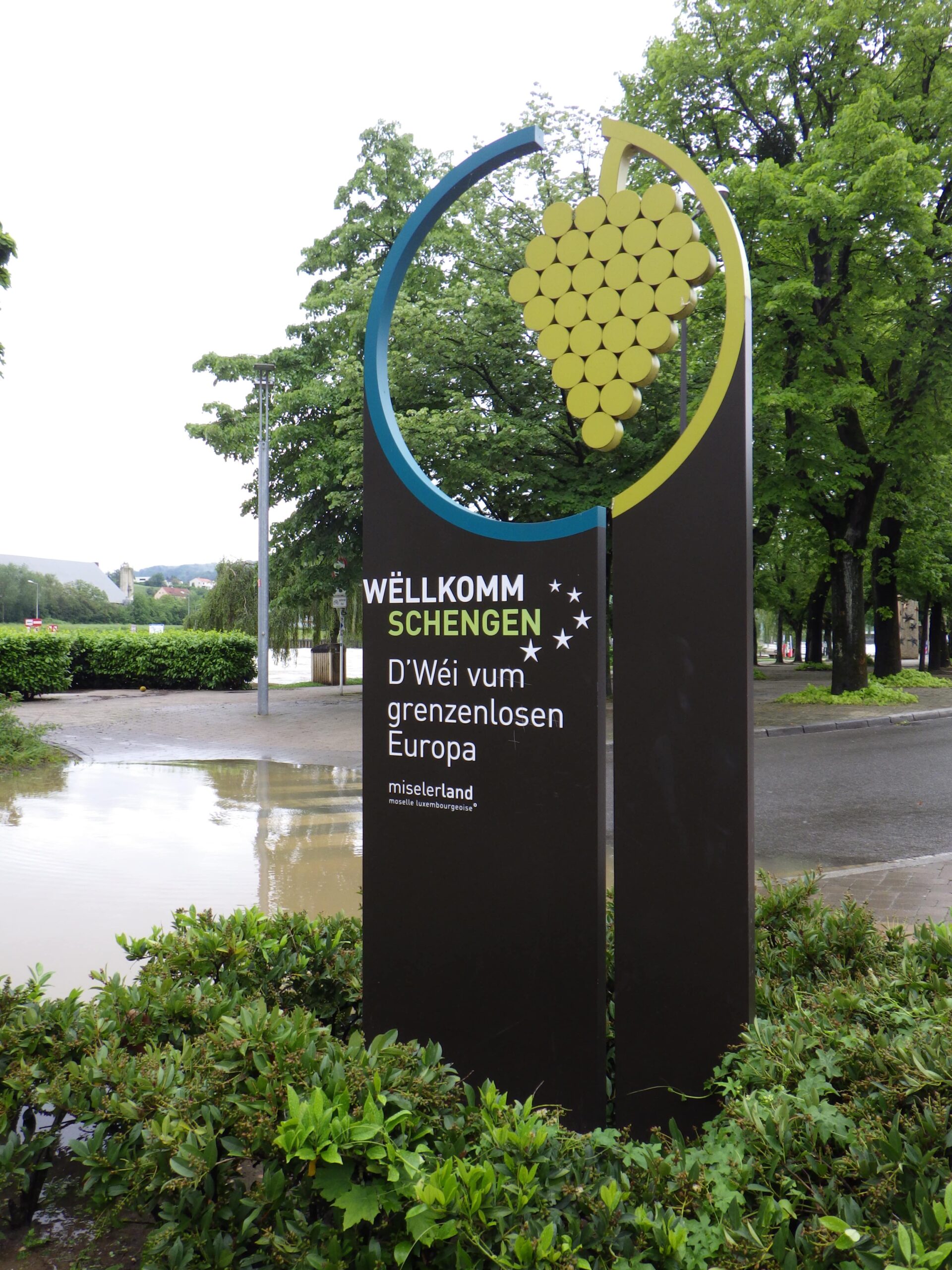
Schengen Museum
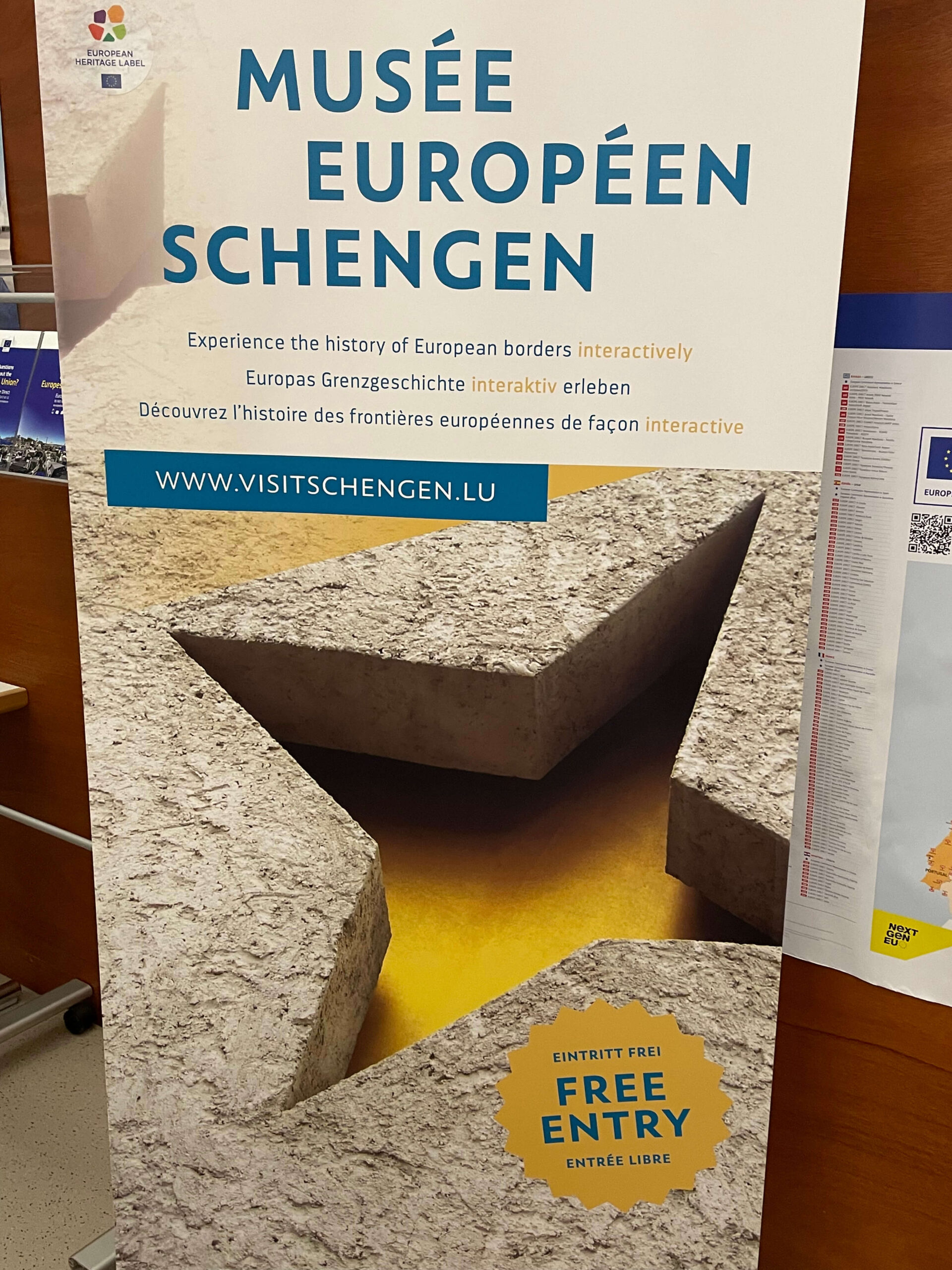
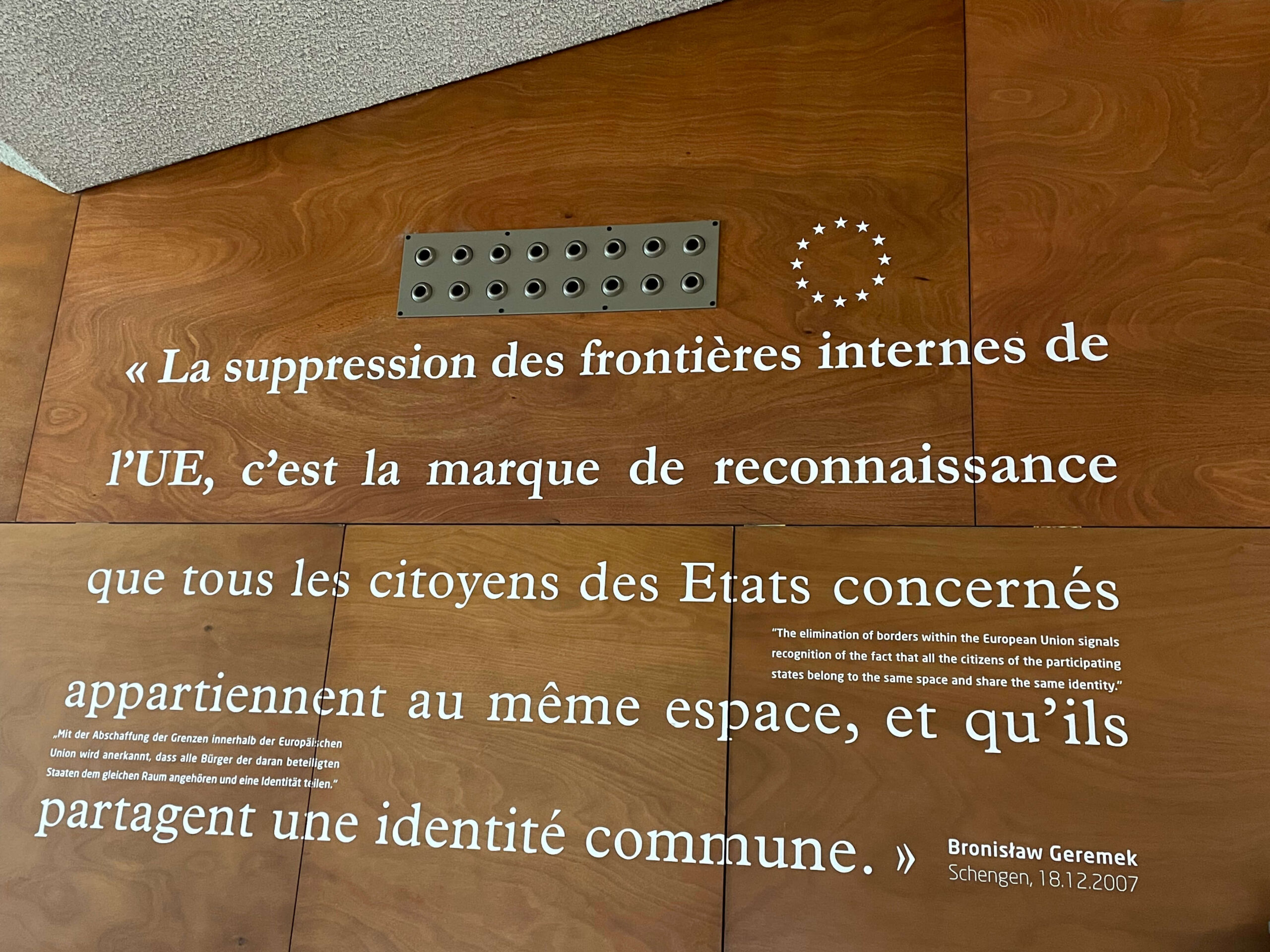
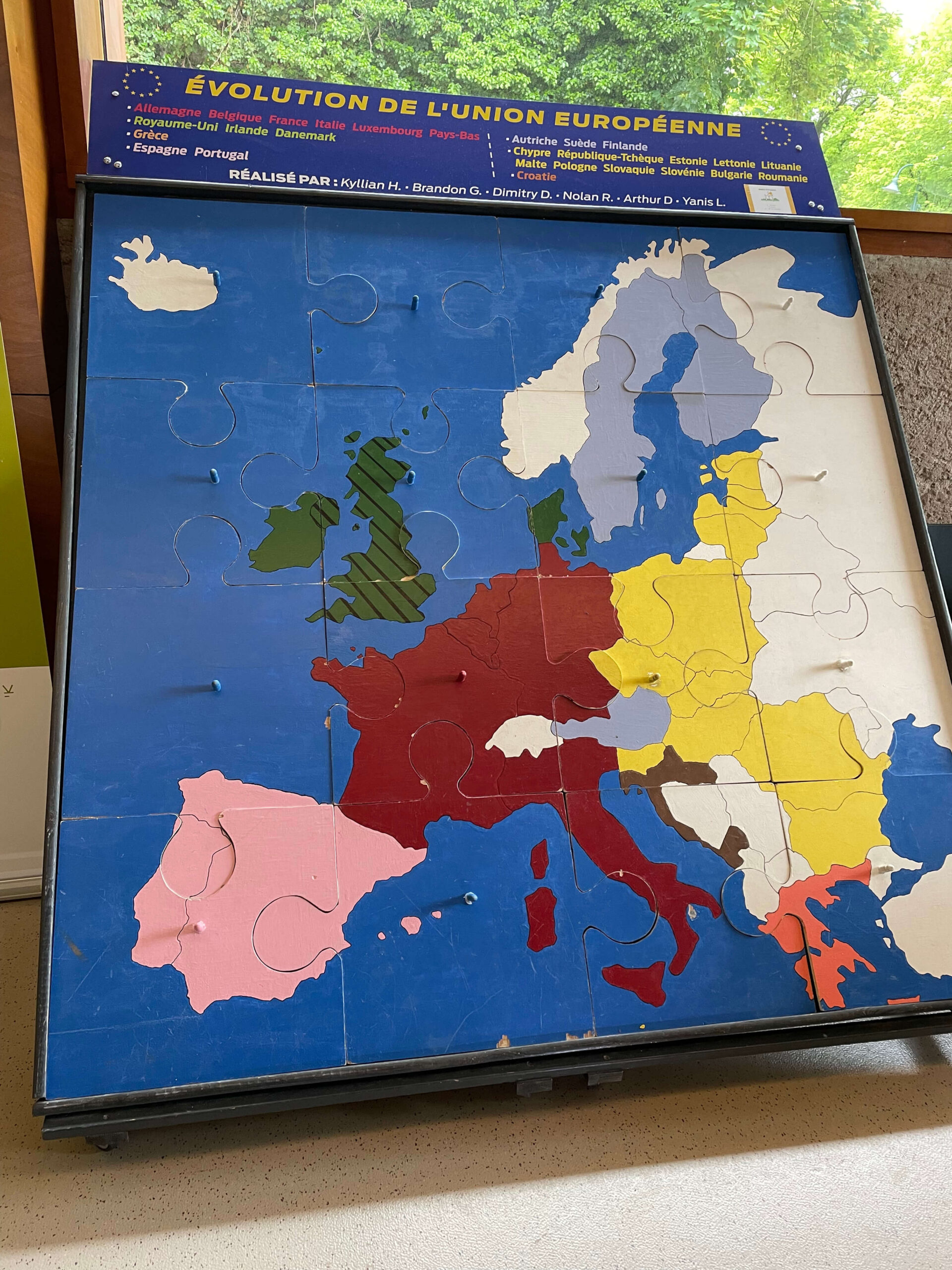
Our first stop was at the Schengen European Museum (L), which traces the progress of European integration and the establishment of the Schengen area of free movement from its earliest days. On 18 December 2007, the former Polish Minister of Foreign Affairs, Bronislaw Geremek, described this process in these words:
‘The abolition of the EU’s internal borders is a sign of recognition that all the citizens of the States concerned belong to the same area, and that they share a common identity’.
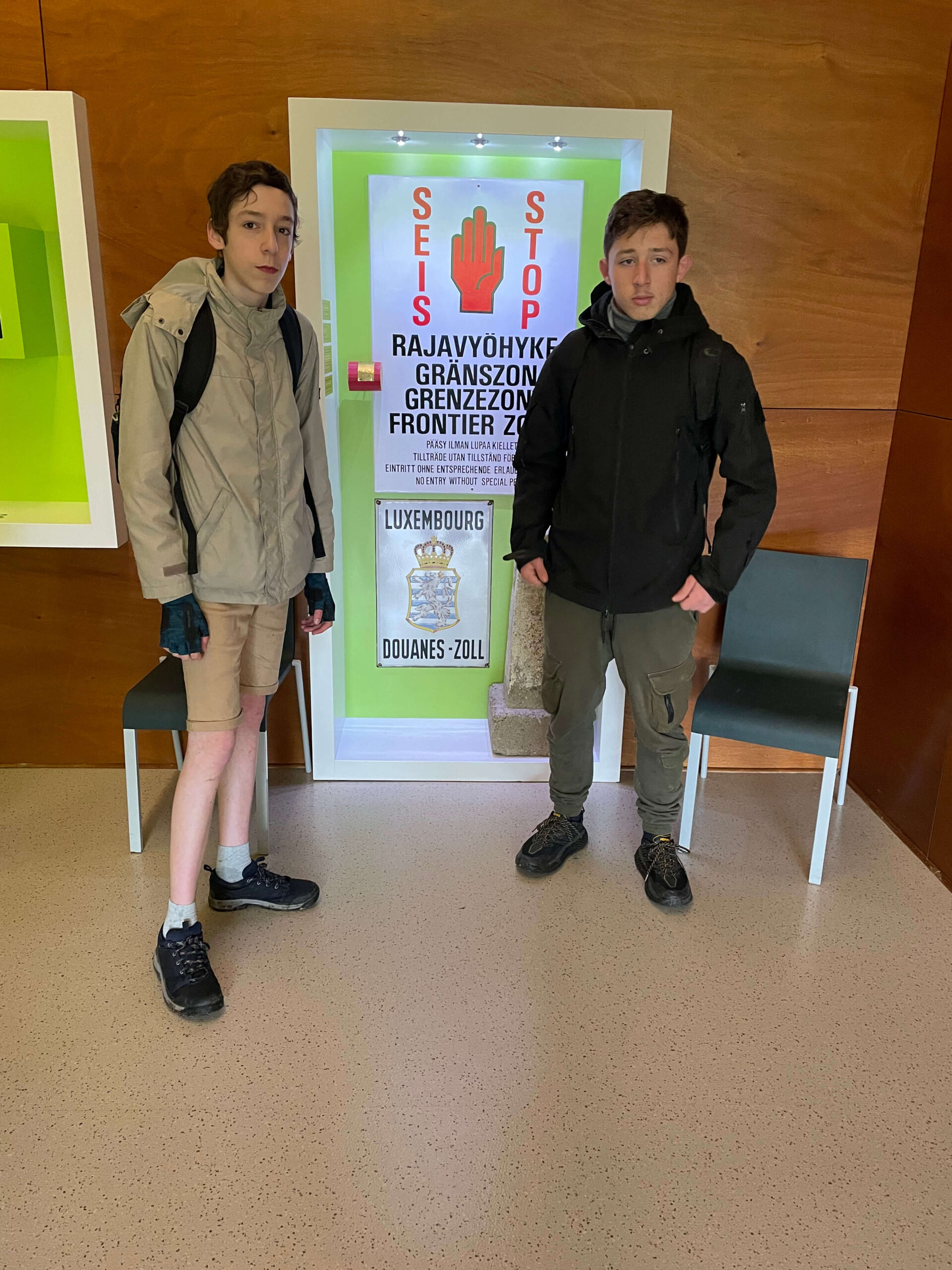
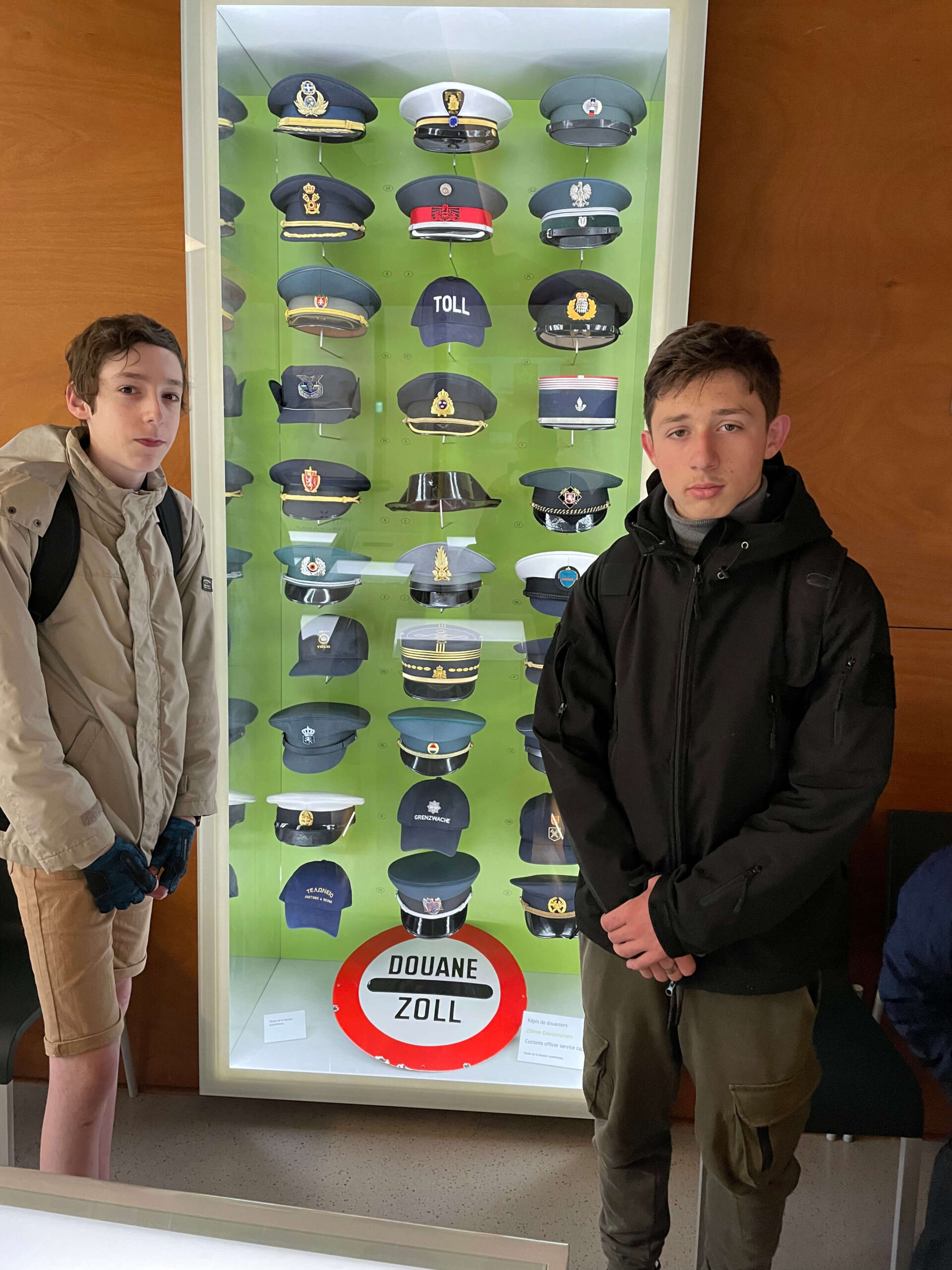
The museum’s permanent trilingual exhibition shows that the abolition of internal border controls represents an important step in the process of European integration. A 200 m2 exhibition area offers visitors a range of different themes, together with background information. Visitors can see the various customs and border symbols that characterised border posts between states before the creation of the EU. They were all abolished to allow free communication and movement between the different nations and populations of the EU.
Roman villa Borg
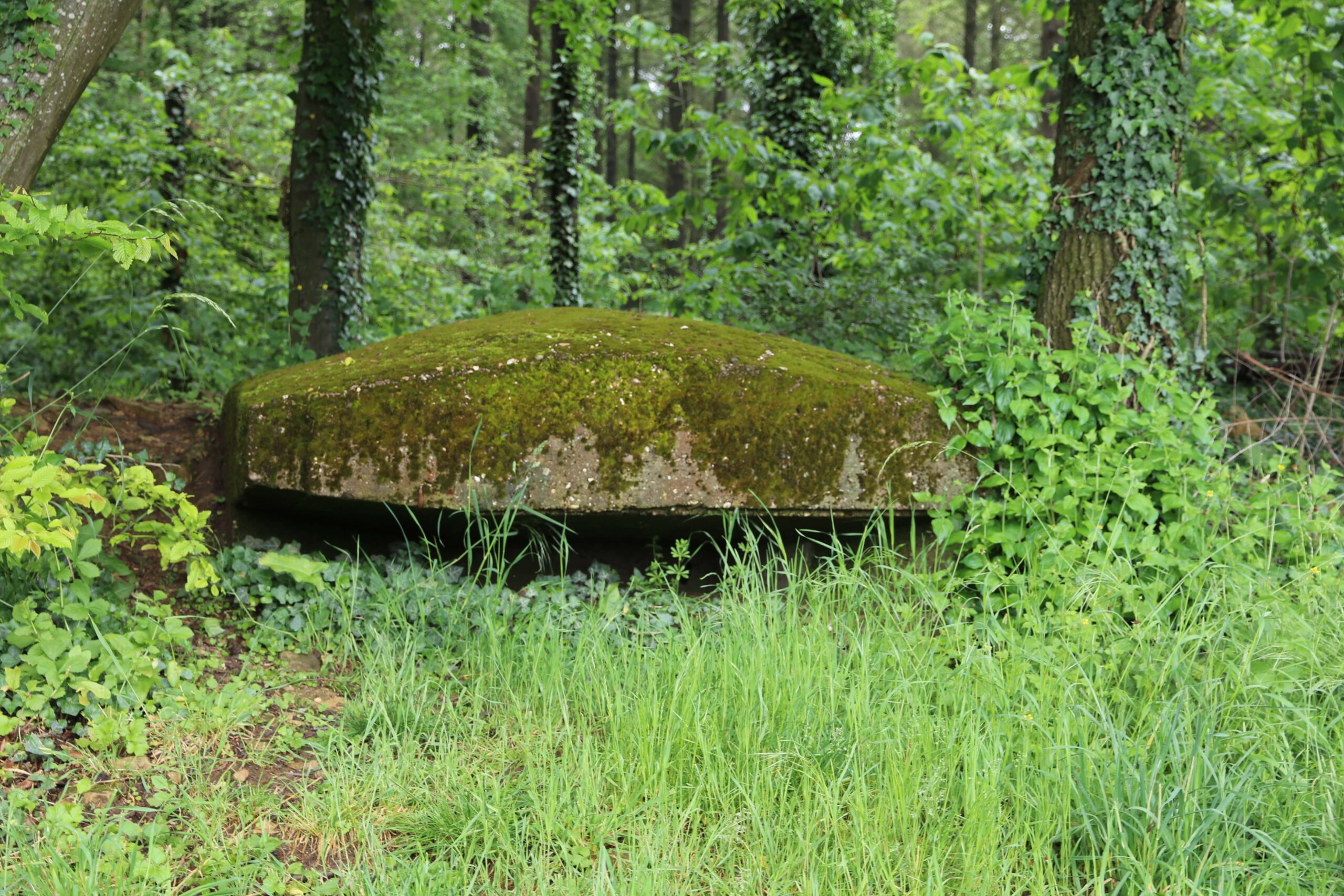
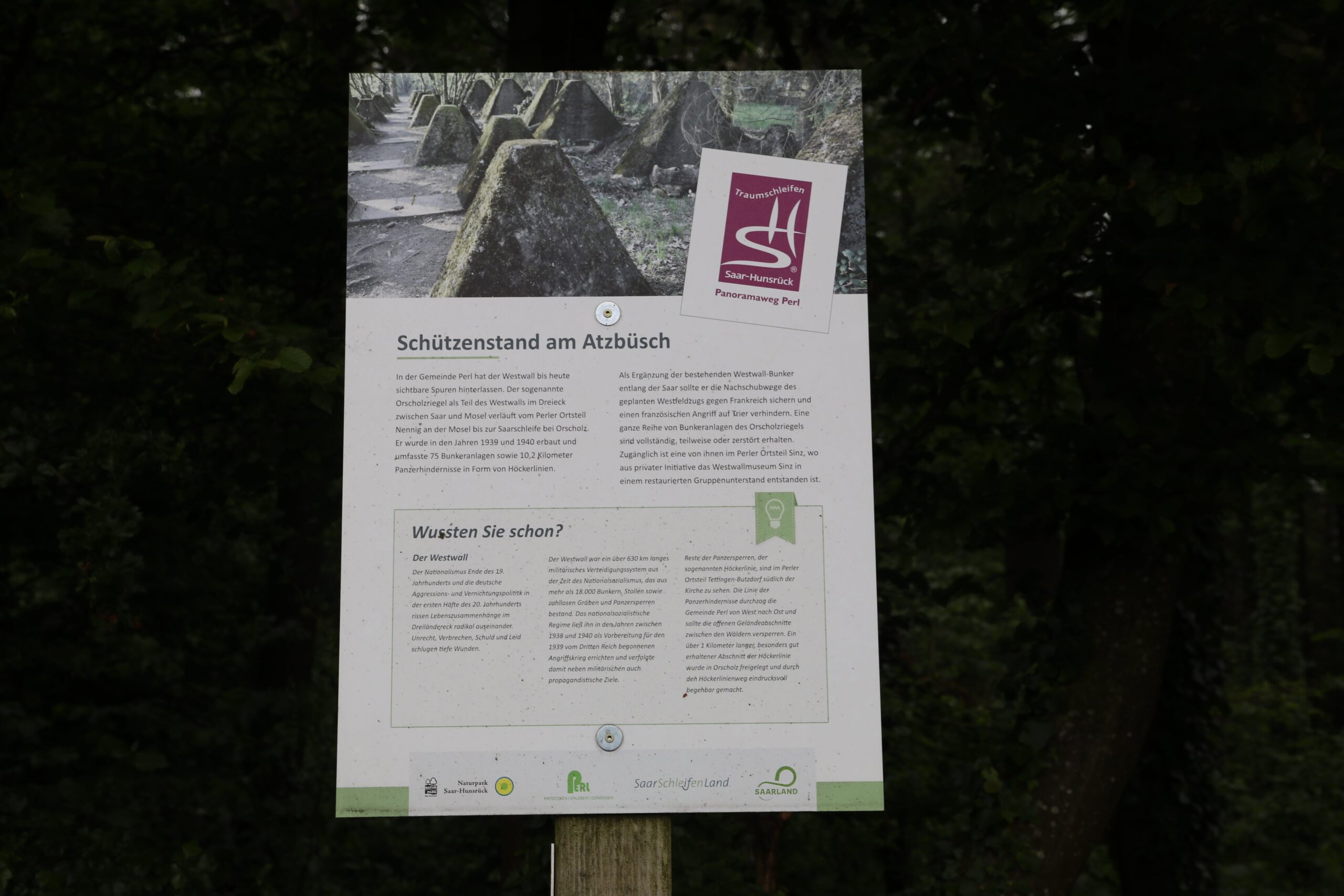
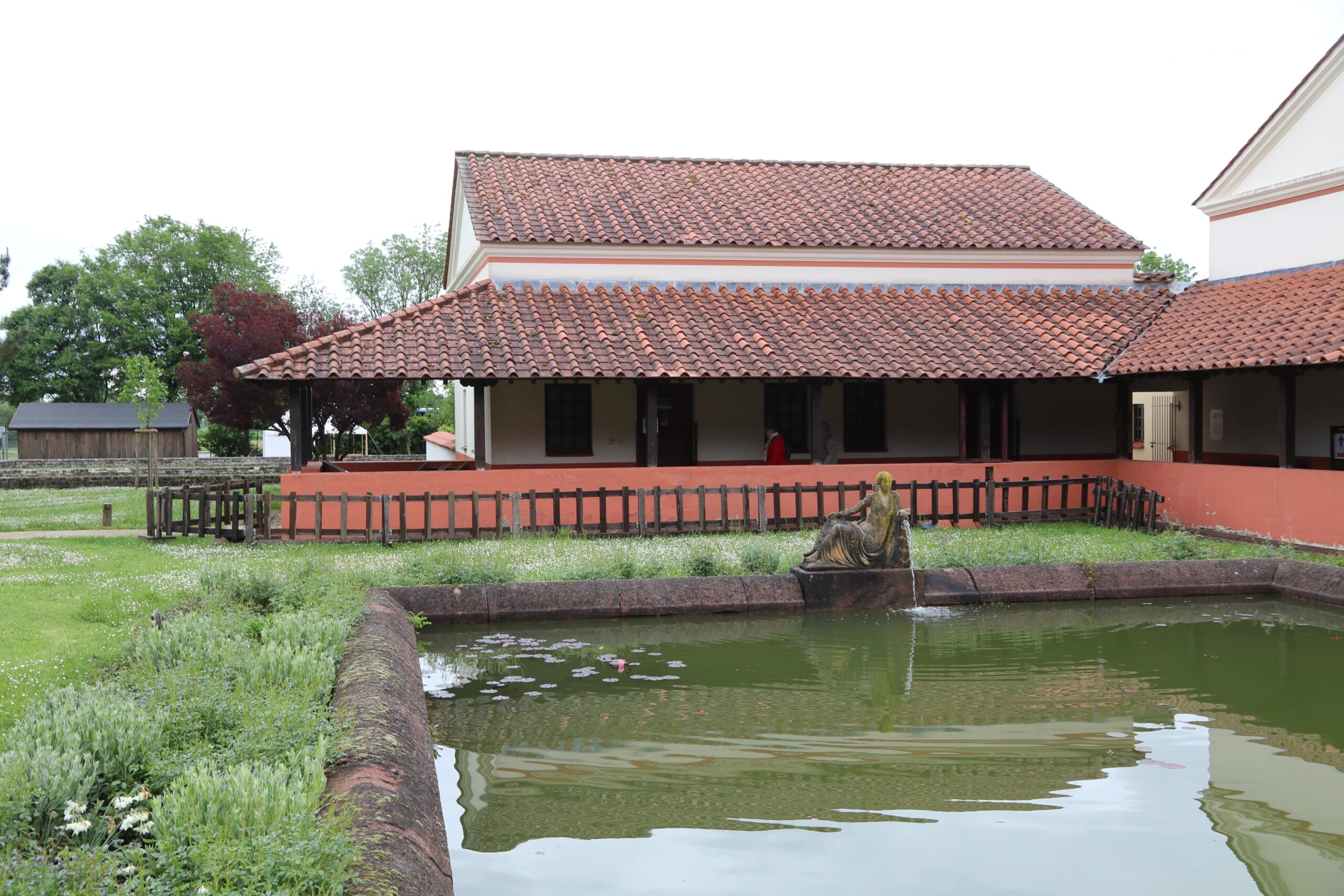
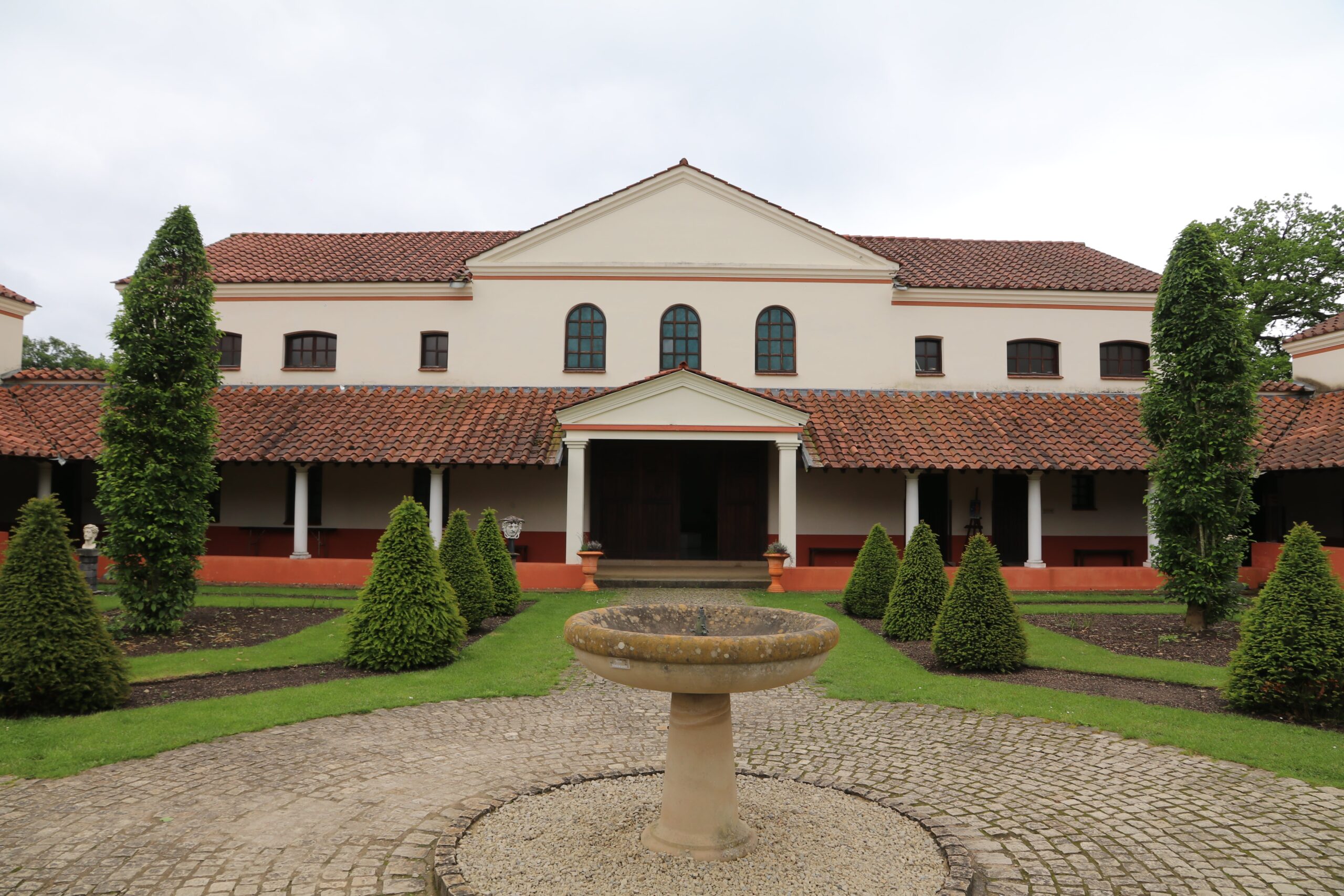
The cyclists then crossed the bridge over the Moselle to begin the long climb, on the German side, through the vineyards to the Roman Villa Borg near Nennig (D). On the way up, the cyclists passed a bunker that forms part of the Westwall built by the Nazis between 1939 and 1940. There are 75 bunkers along this 10.9 km stretch between the east of the town of Perl and the loop in the river Saar near the village of Orscholz.
Once they had reached the Roman villa, it was time for a lunch break and a packed lunch.
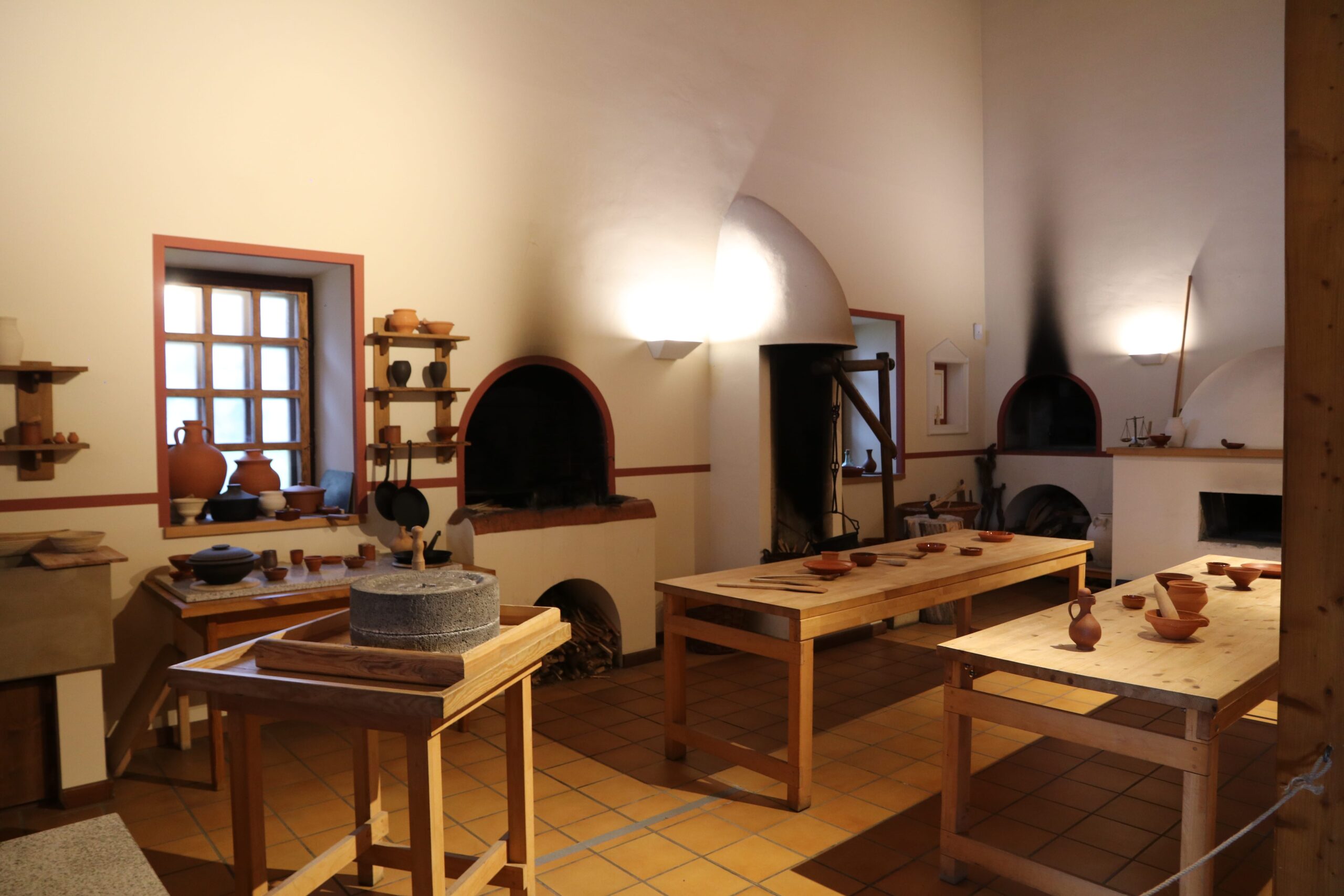
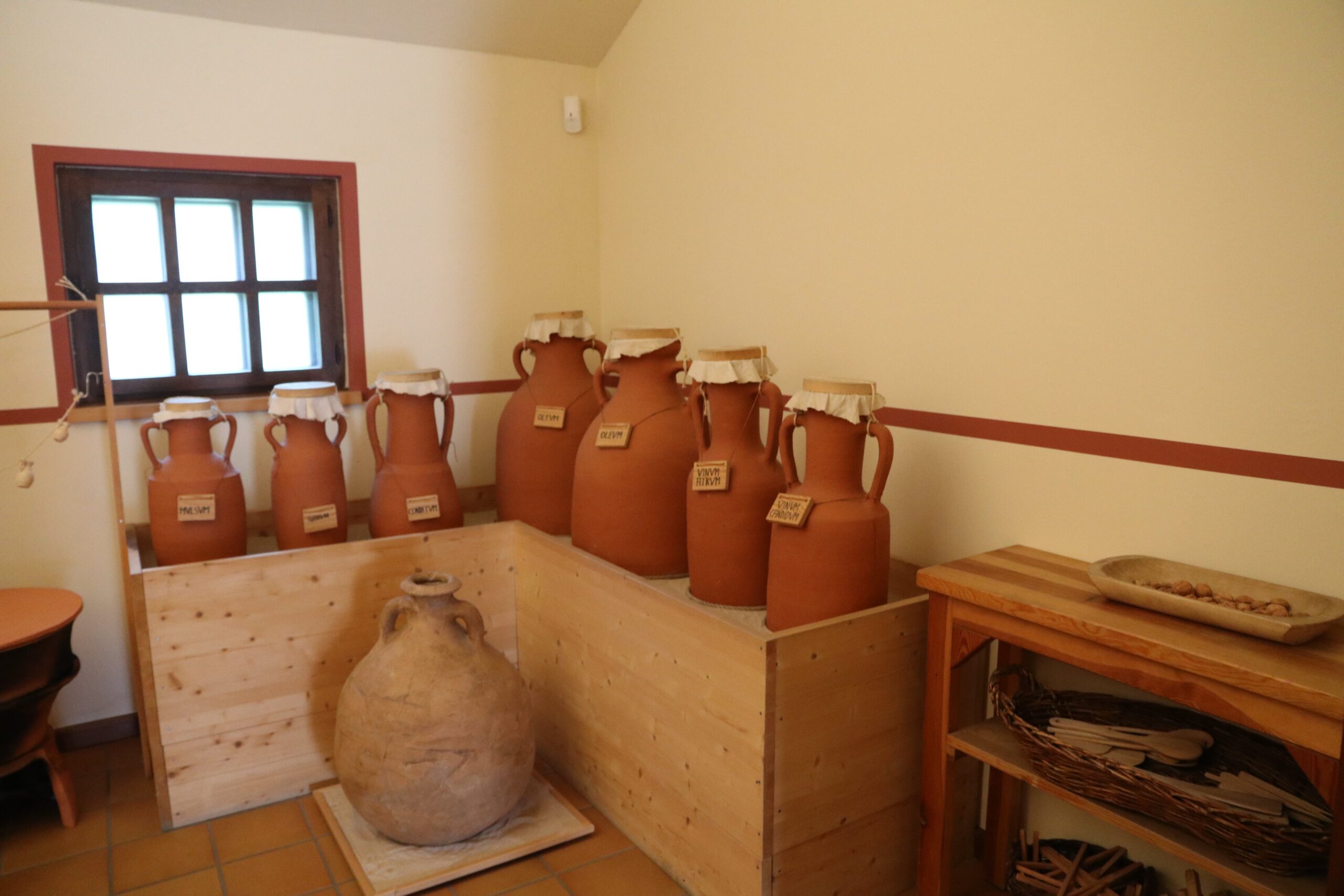
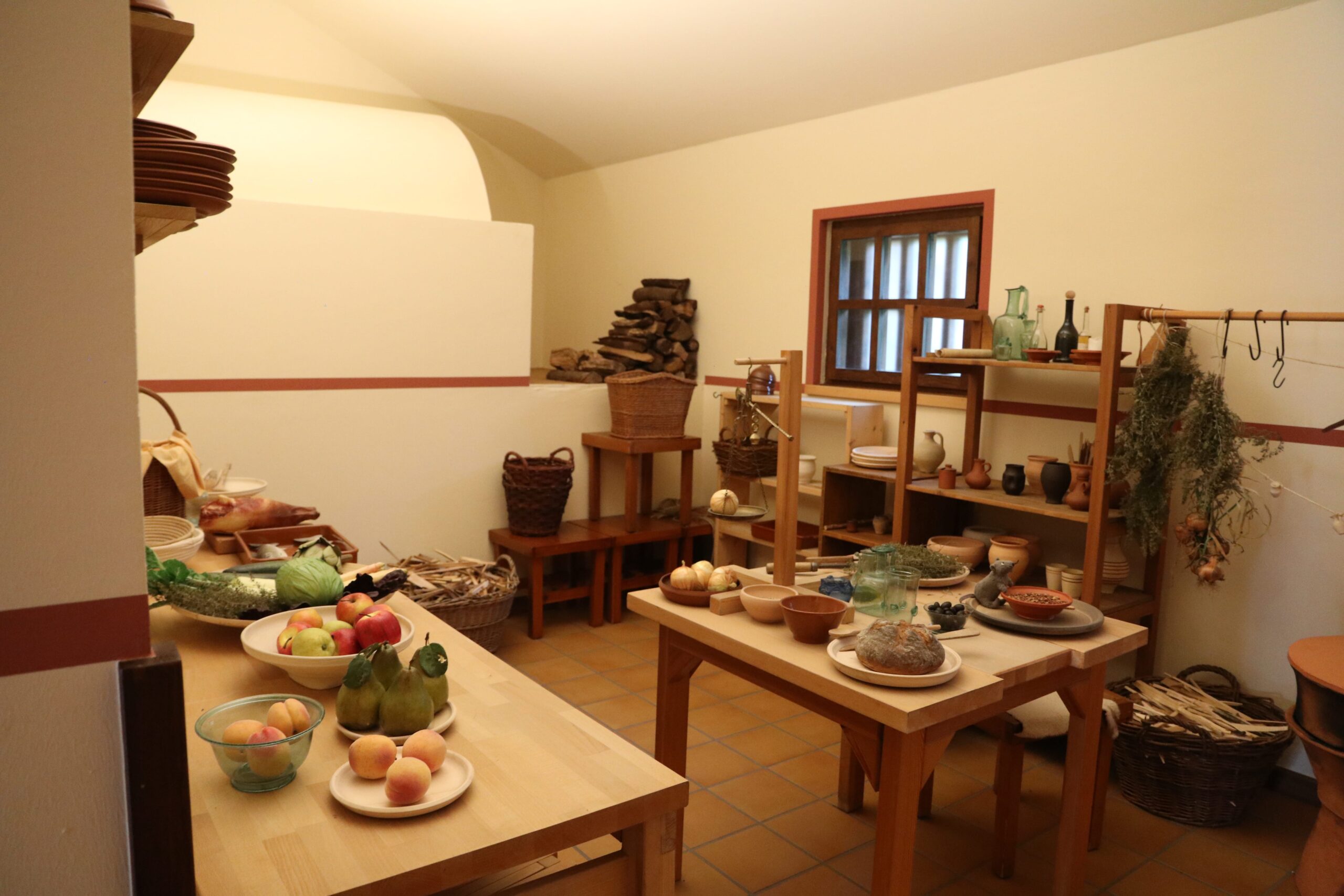
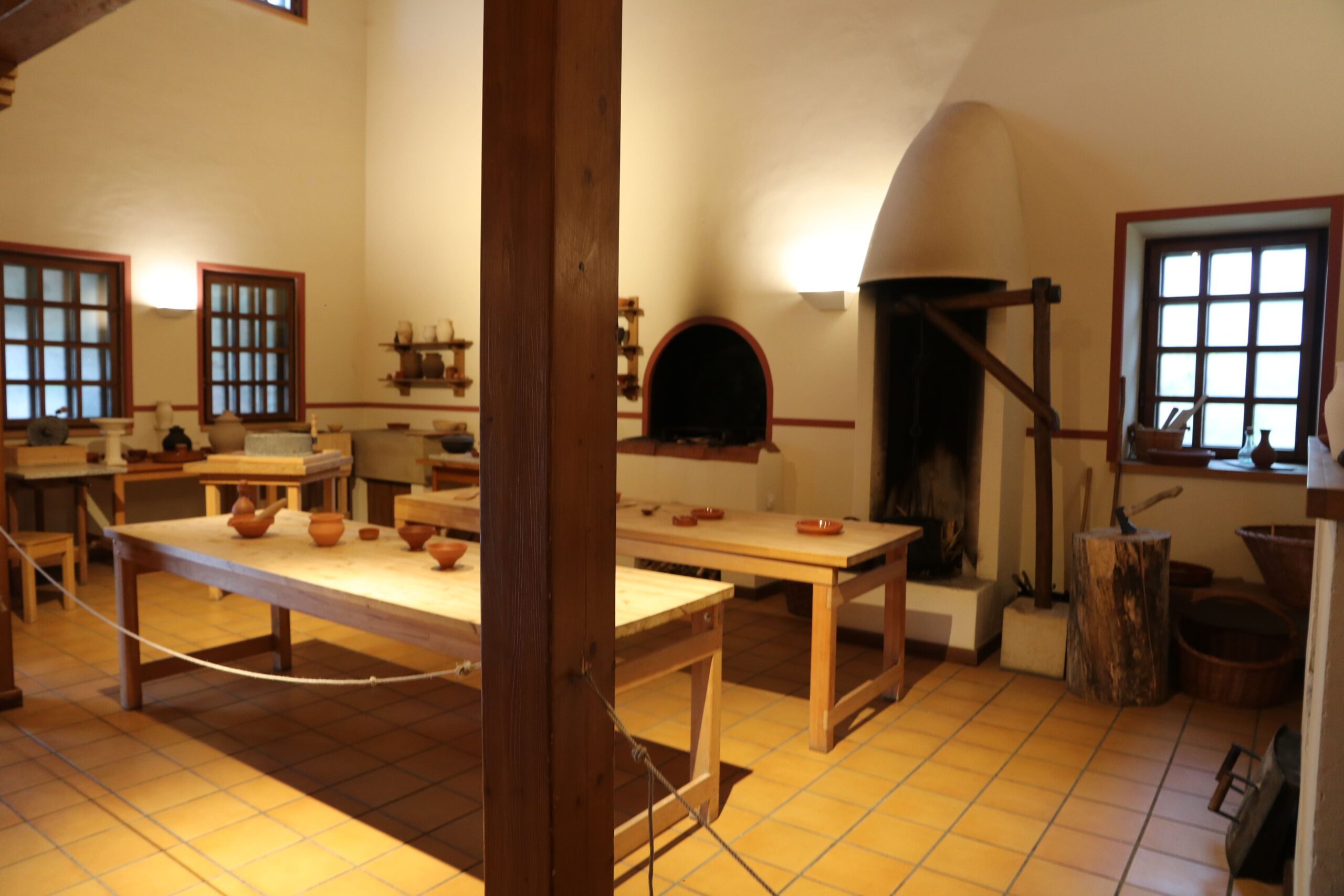
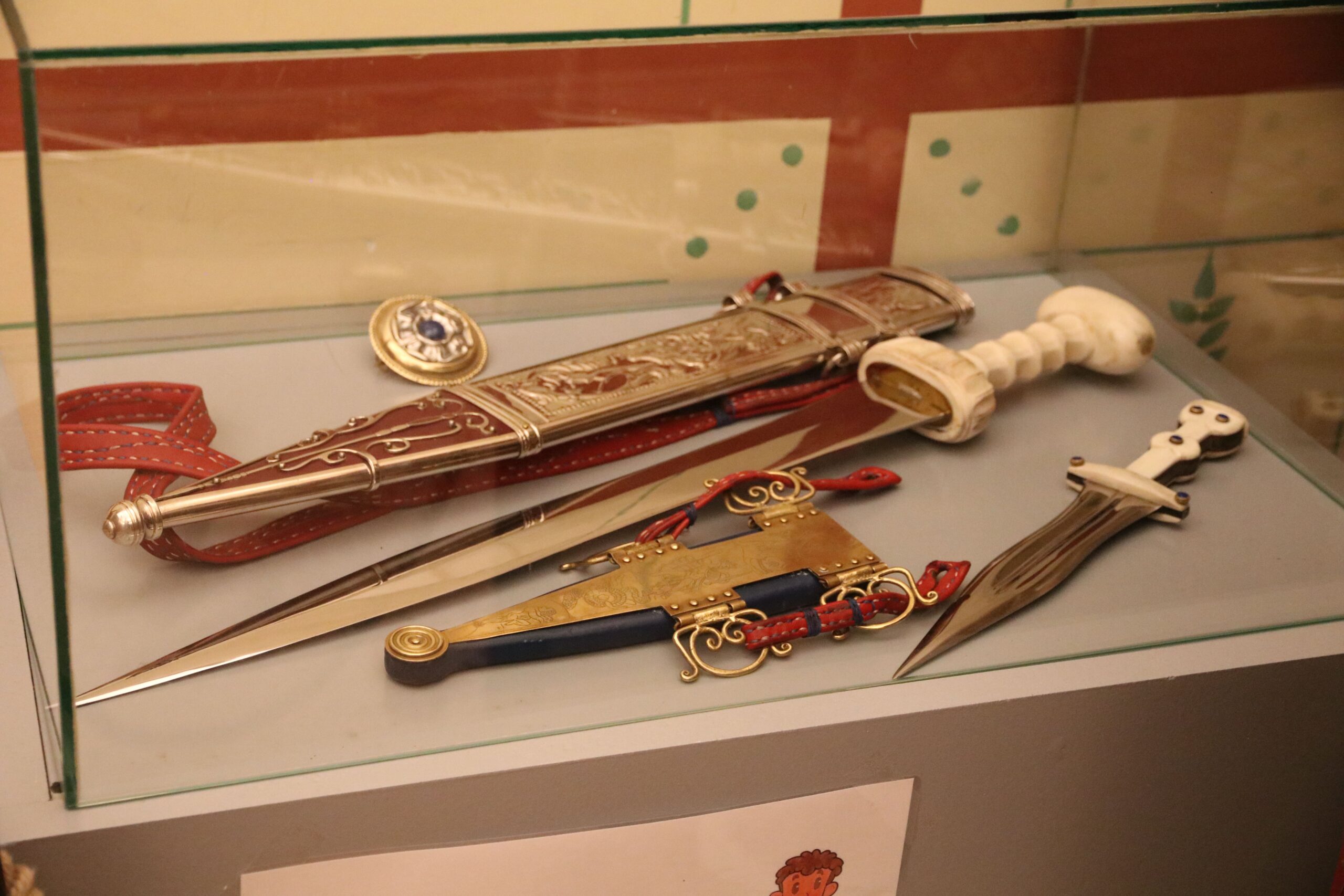
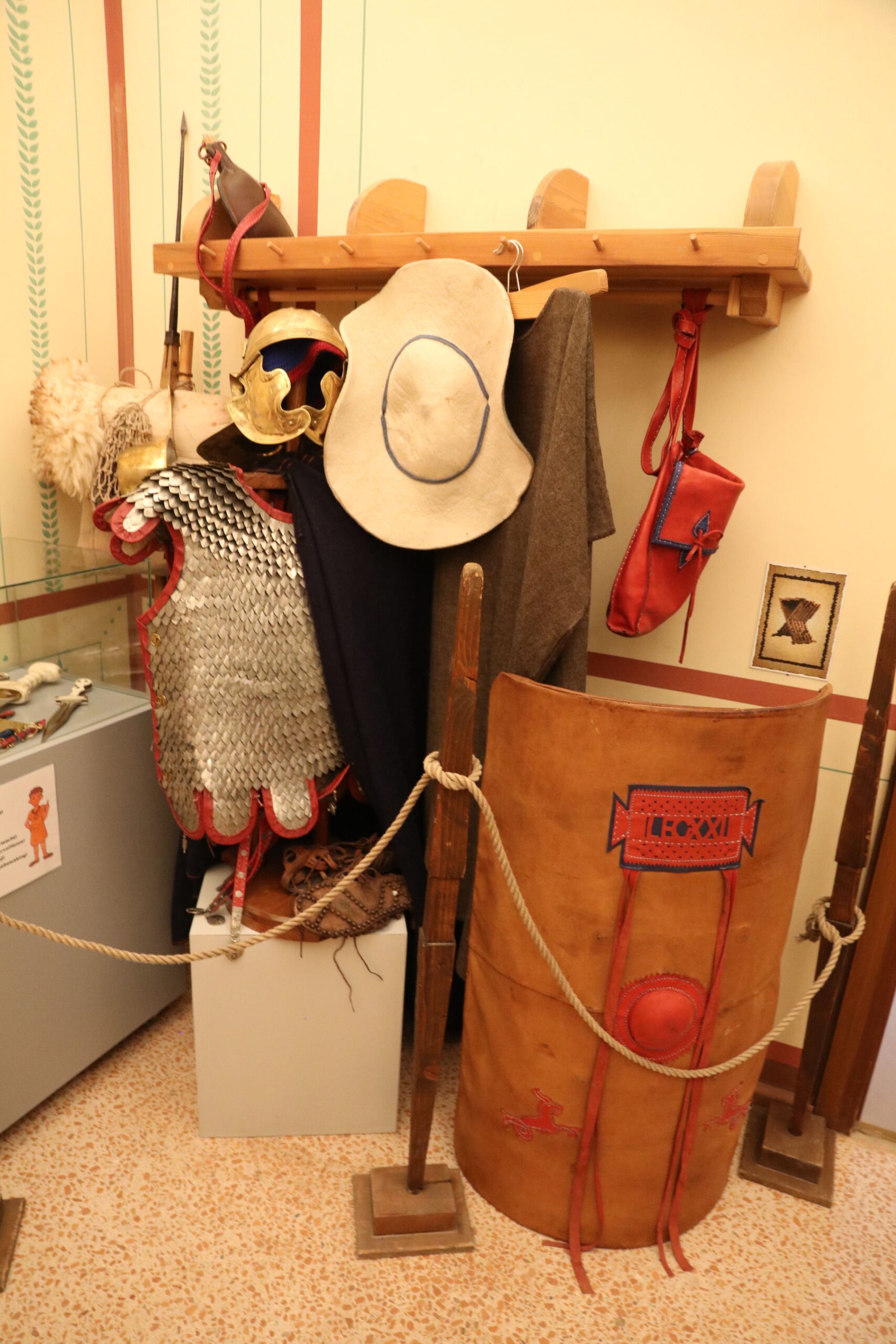
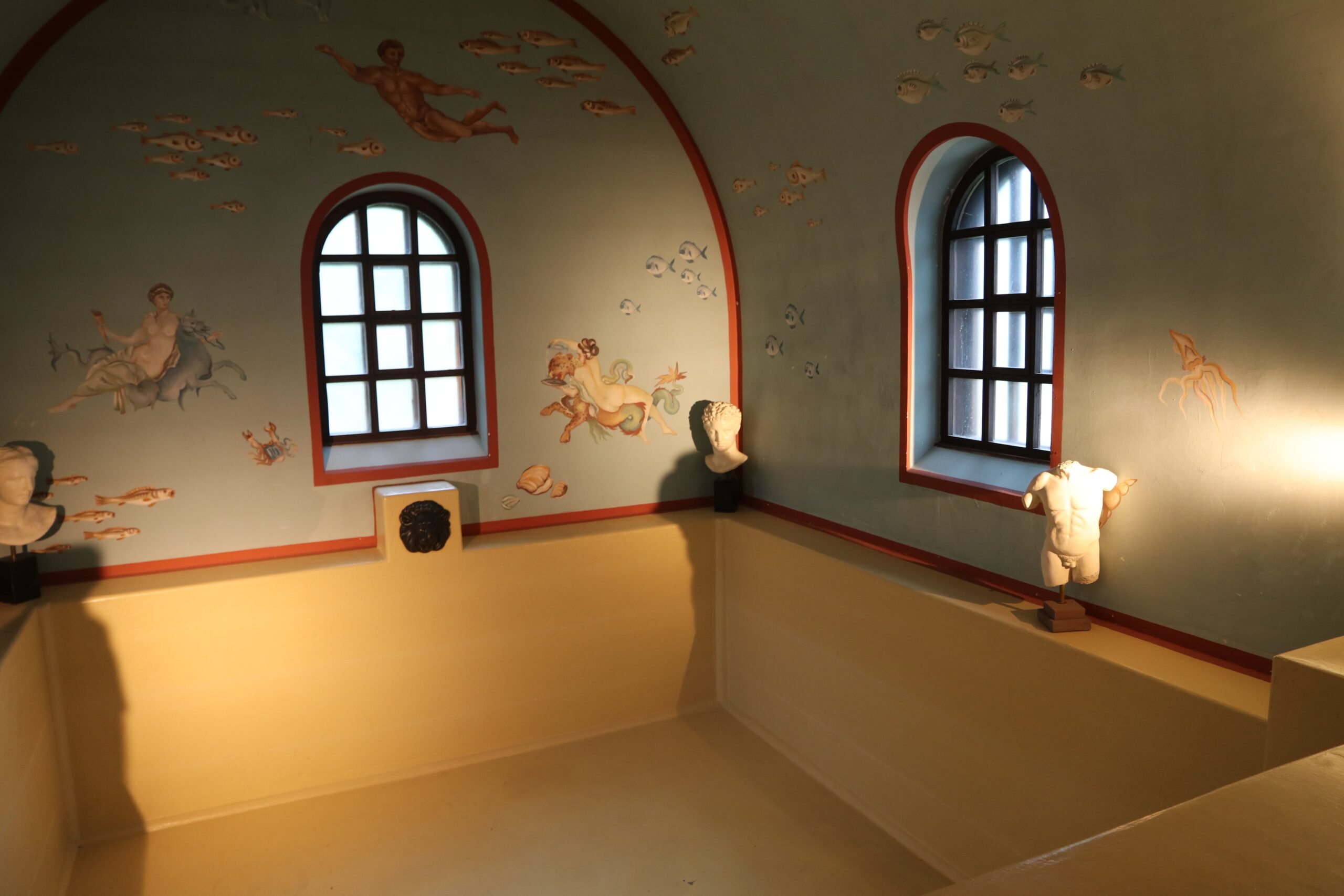
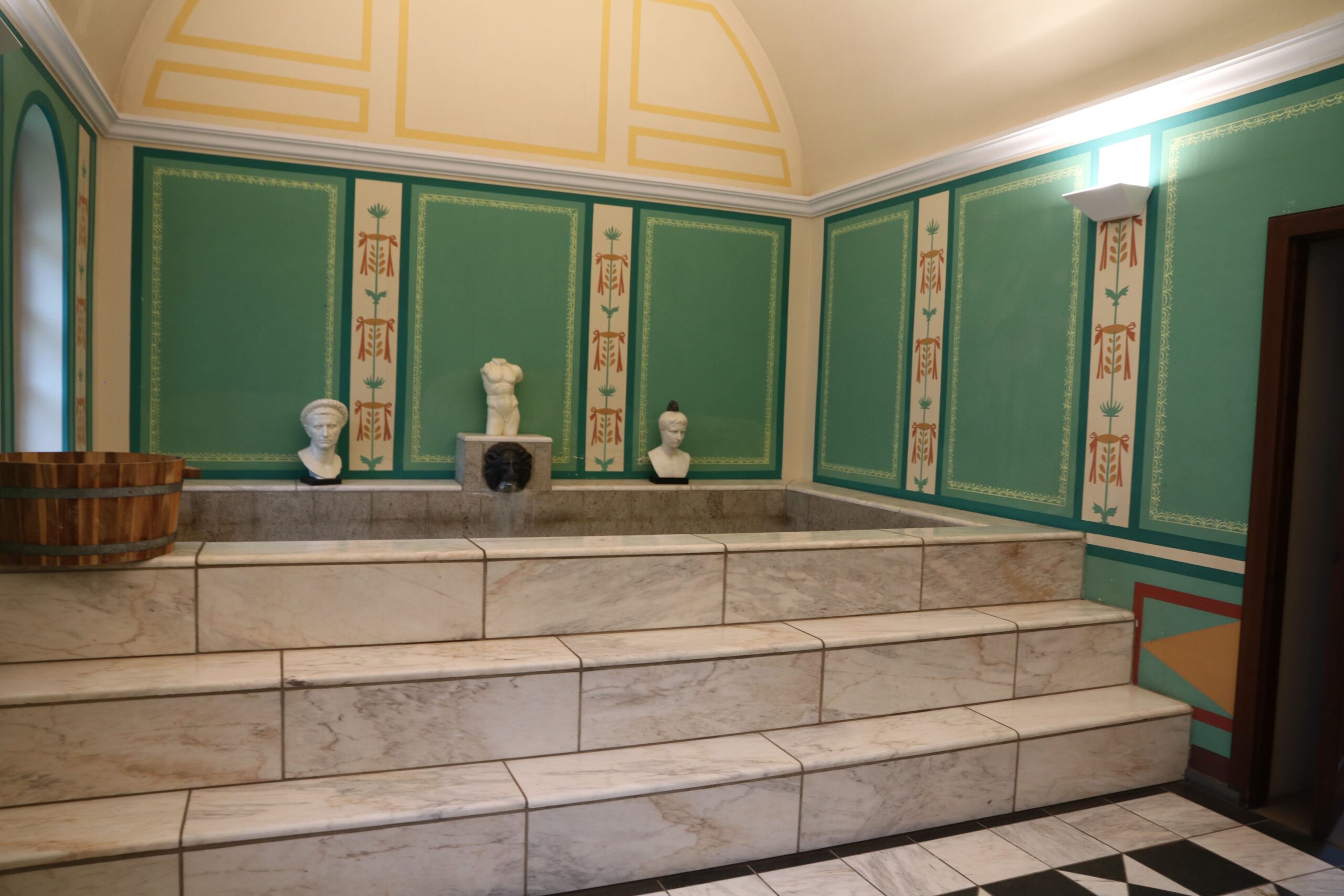
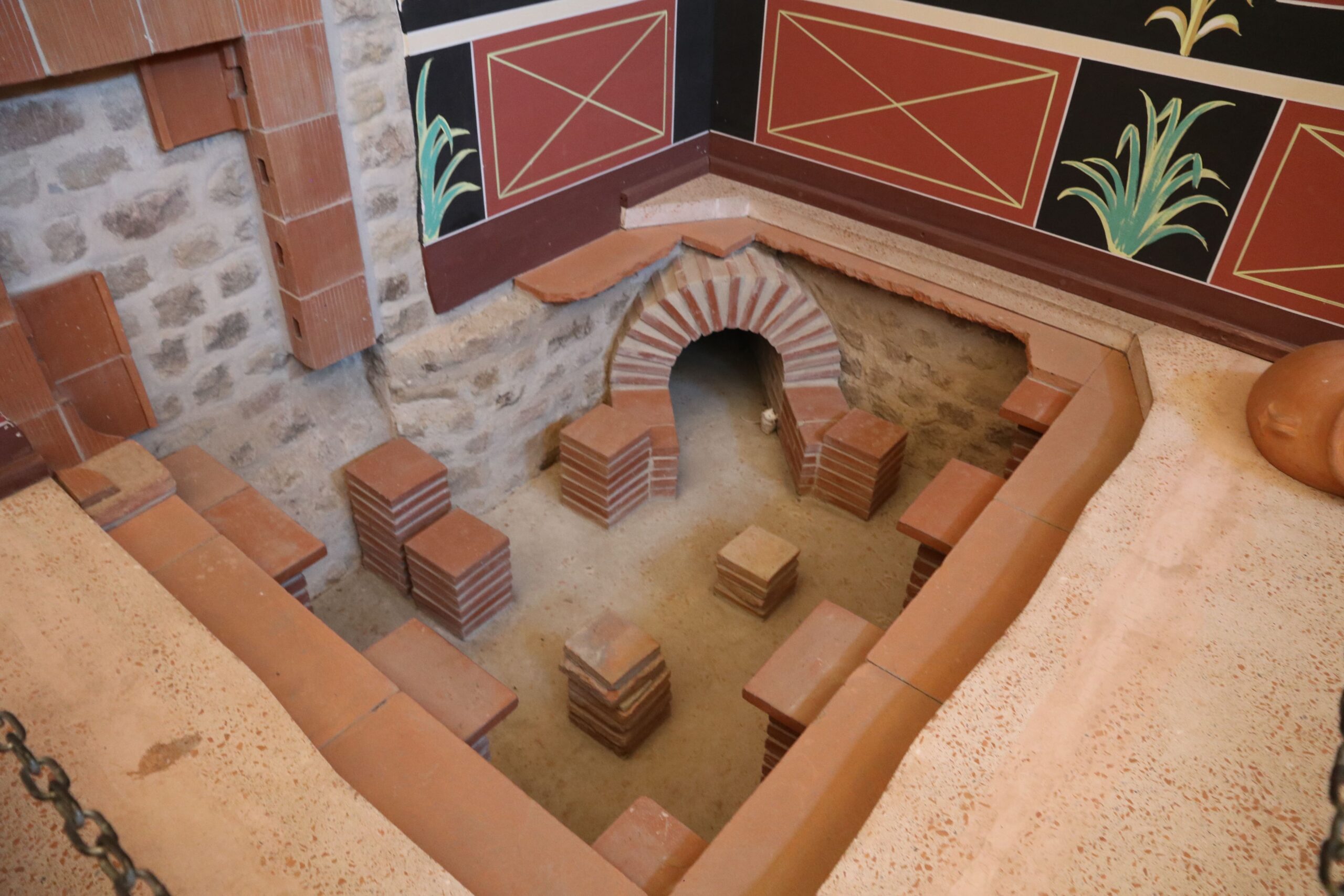
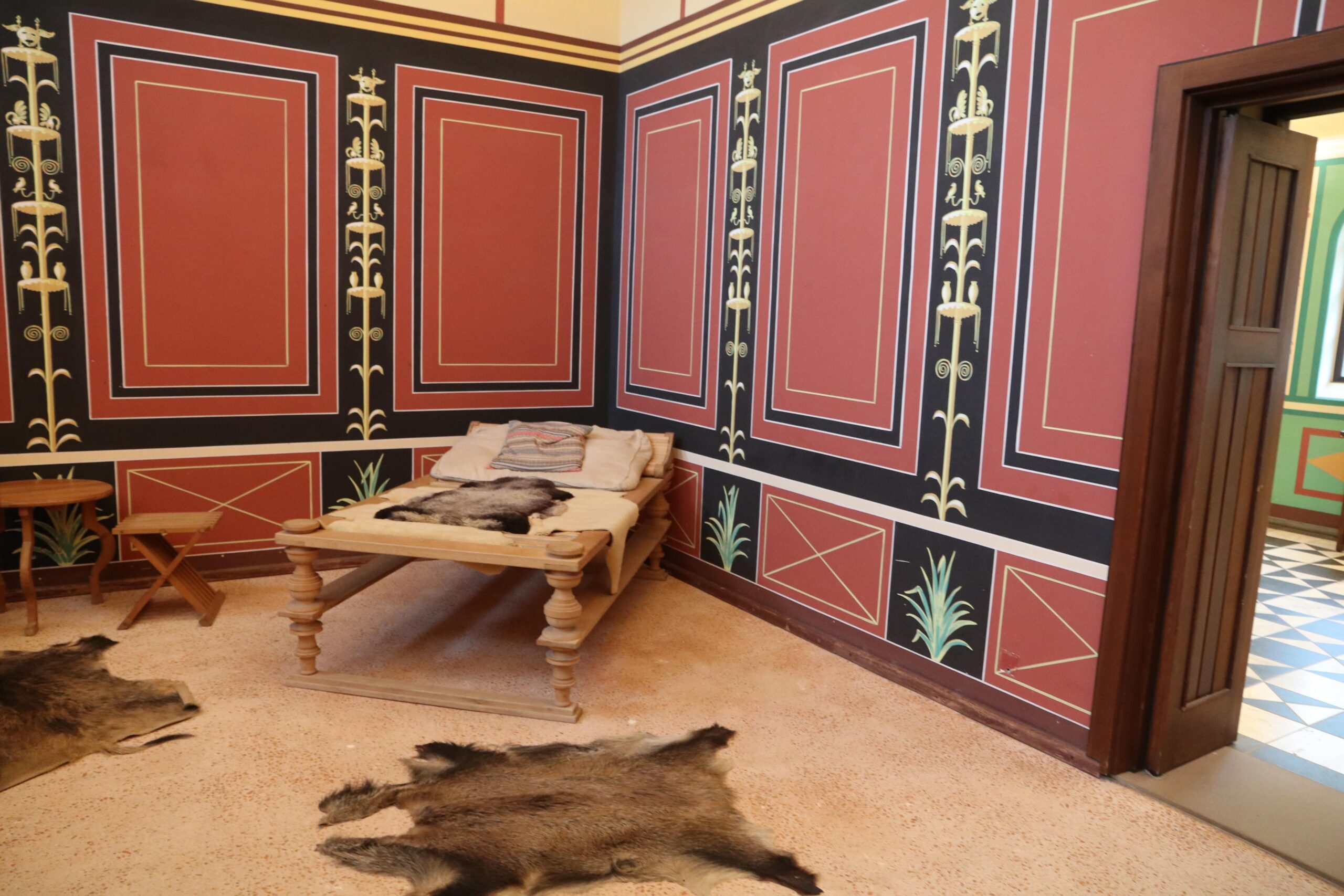
After lunch, it was time to visit the impressive villa. This complex has been completely rebuilt from its foundation walls. A visit to the residences of the Villa Borg gives an idea of the life of the privileged Romans two thousand years ago. The open-air museum with artefacts found during archaeological excavations, the villa’s magnificent baths, the harmonious gardens, the banqueting rooms, the gatehouse, the Roman kitchen and the Roman tavern invite you to linger a while.
Roman villa with the largest mosaic north of the Alps
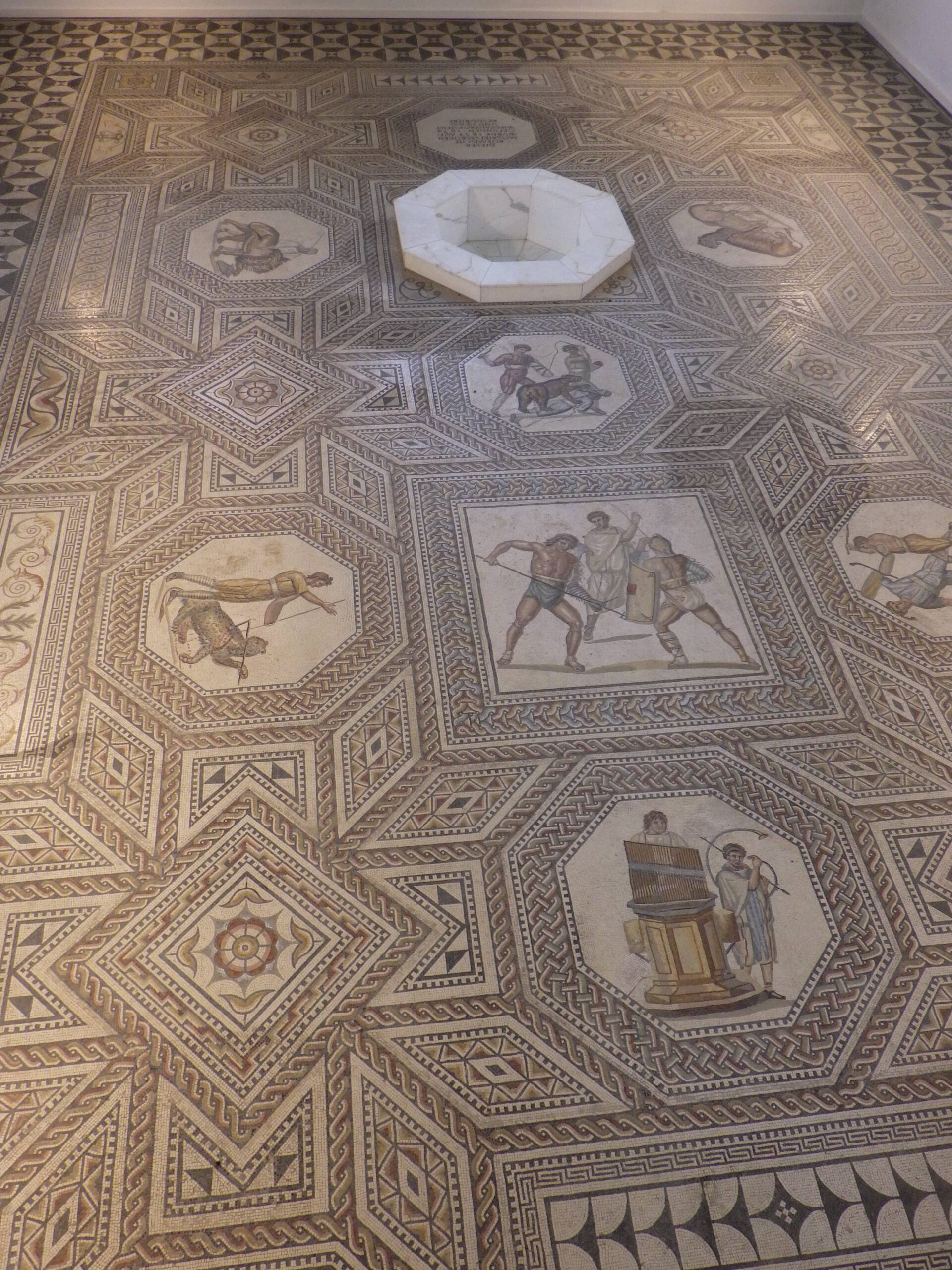
After passing through more vineyards and woods, the next stop was the Roman villa near Nennig (D). It houses the largest mosaic from the Roman era north of the Alps.
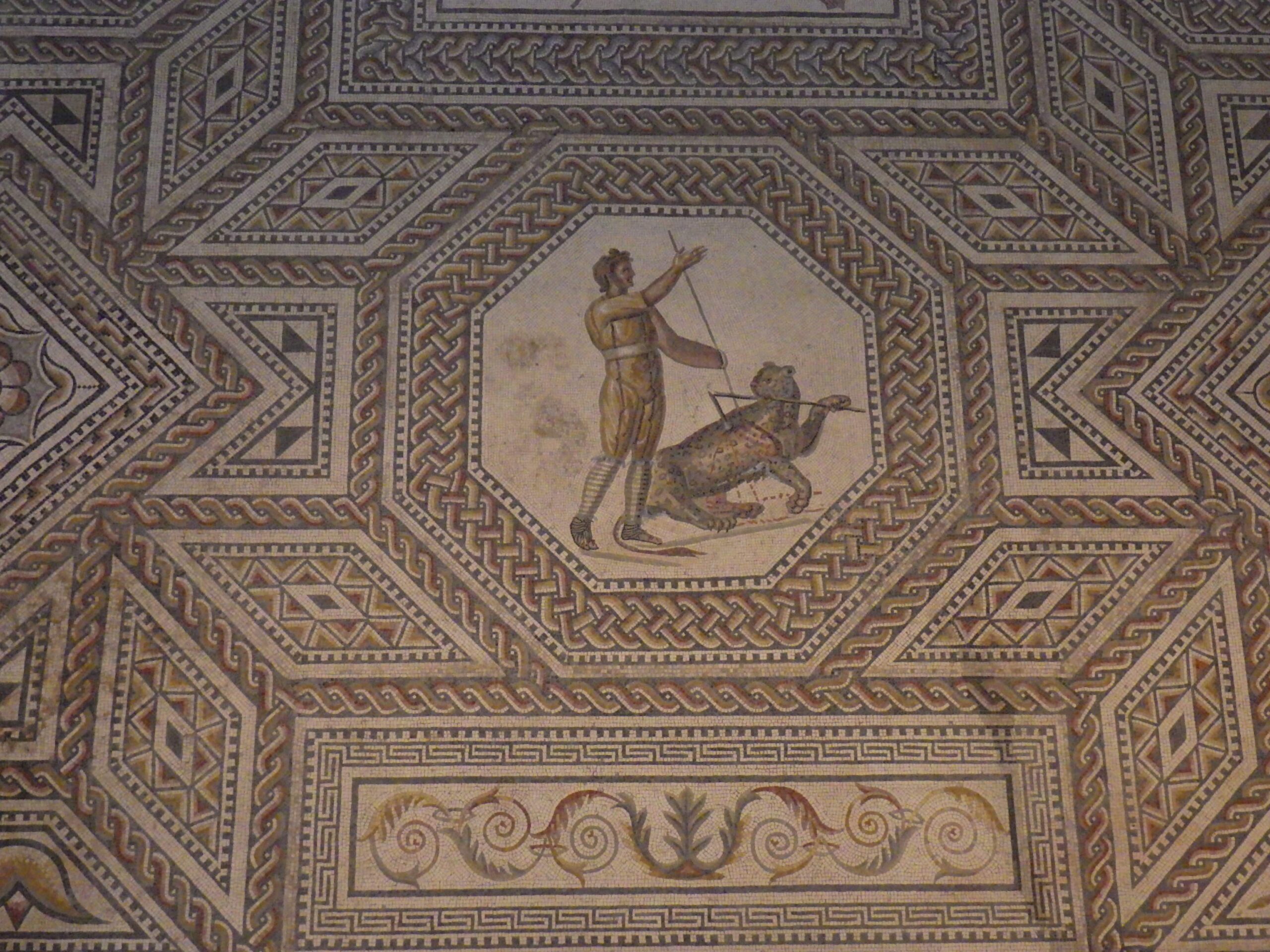
The villa’s magnificent mosaic floor is one of the most important finds of its kind north of the Alps, and one of the few that can still be visited today at the original discovery site. Protected by a structure built around 150 years ago, the site is one of the oldest museum displays of archaeological finds in Germany.
The carefully structured mosaic spreads like a carpet over an imitation of black and white marble tiles. The mosaic was created at the beginning of the 3rd century A.D. It measures around 160 m2 on the floor and incorporates a well decorated with marble slabs. The mosaic was made using around 3 million small stones.
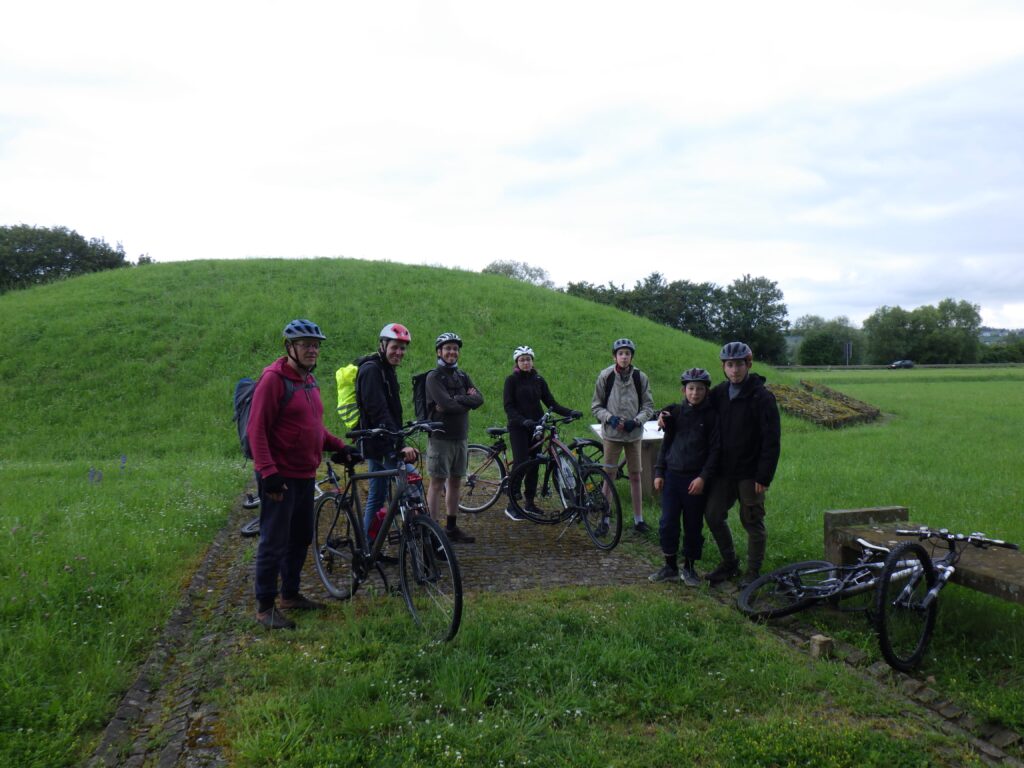
Just before visiting the mosaic, the group had stopped for a few moments in front of a mound forming a Roman burial complex dating from the 2nd century AD.
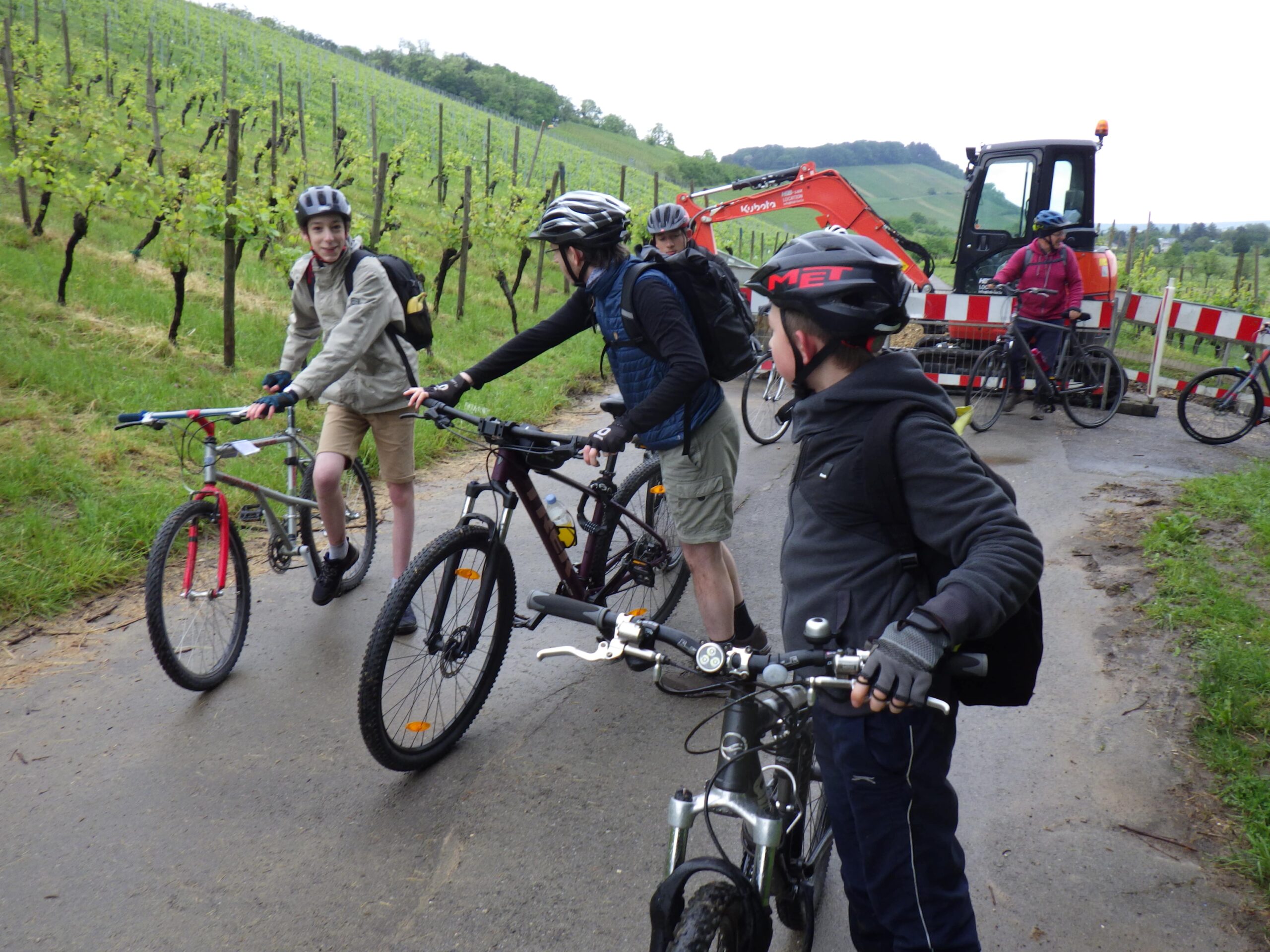
For the last 10km, the group was forced to make a slight diversions and take the main road. Heavy rain the previous day had caused a landslide that swept away several trees, completely blocking the way.
It was a very nice cycling trip to the ‘Luxembourg, France and Germany’ tripoint.
Bike for climate (cycle paths around Arlon) – ‘From flame to light’ (show in Verdun)
Dear members,
Peace lacks visibility in our lives and in our societies!
It is war and violence of all kinds, with their images of the destruction of human lives, cultures, environments and the Other who is different, that continually occupy our daily lives on the many information networks.
What is missing are the initiatives and actions that enable us to be, or become, people who live and spread a spirit of peace.
We are offering our members, and anyone else who is interested, outings that teach this spirit of peace.
15 June: bike for climate – bike for peace
On Saturday 15 June 2024, starting at 9.30am, we’ll be meeting at the free car park of Clairefontaine Abbey (81, rue du Cloître, 67000 Arlon), which was once a Dominican convent before being handed over to the Fathers of the Congregation of the Sacred Heart.
Most of the cycle tour will take place on cycle paths around the town of Arlon (B). We’ll be back at Clairefontaine Abbey by 5pm.
You are all cordially invited to join us. We travel by car pool. Let us know in advance by email ([email protected]) or by calling us on 00352 621 280850 or by text message.
28 June: Verdun ‘From Flame to Light’
This is one of Europe’s biggest shows on the 1914-18 war, with 250 actors, 1,000 spotlights and 2 hectares of stage space, giving you a visual and audio immersion into the heart of the battle and life in the trenches.
You can find out more about the show on the website:
The show starts in the dark of night (between 10.30pm and 11pm). We are organising a car pool from Esch-sur-Alzette (L) (around 8pm) and should arrive around 9.30pm to take the stage. The show lasts 1h30. You should expect to leave the stands at around 00:30. The journey from Esch-sur-Alzette to Verdun takes about 1 hour 20 minutes.
We can organise admission for groups at a preferential rate:
Adult admission €15 (instead of €24 at the individual rate);
Entry for young people (aged 7 to 15) €10 (instead of €16).
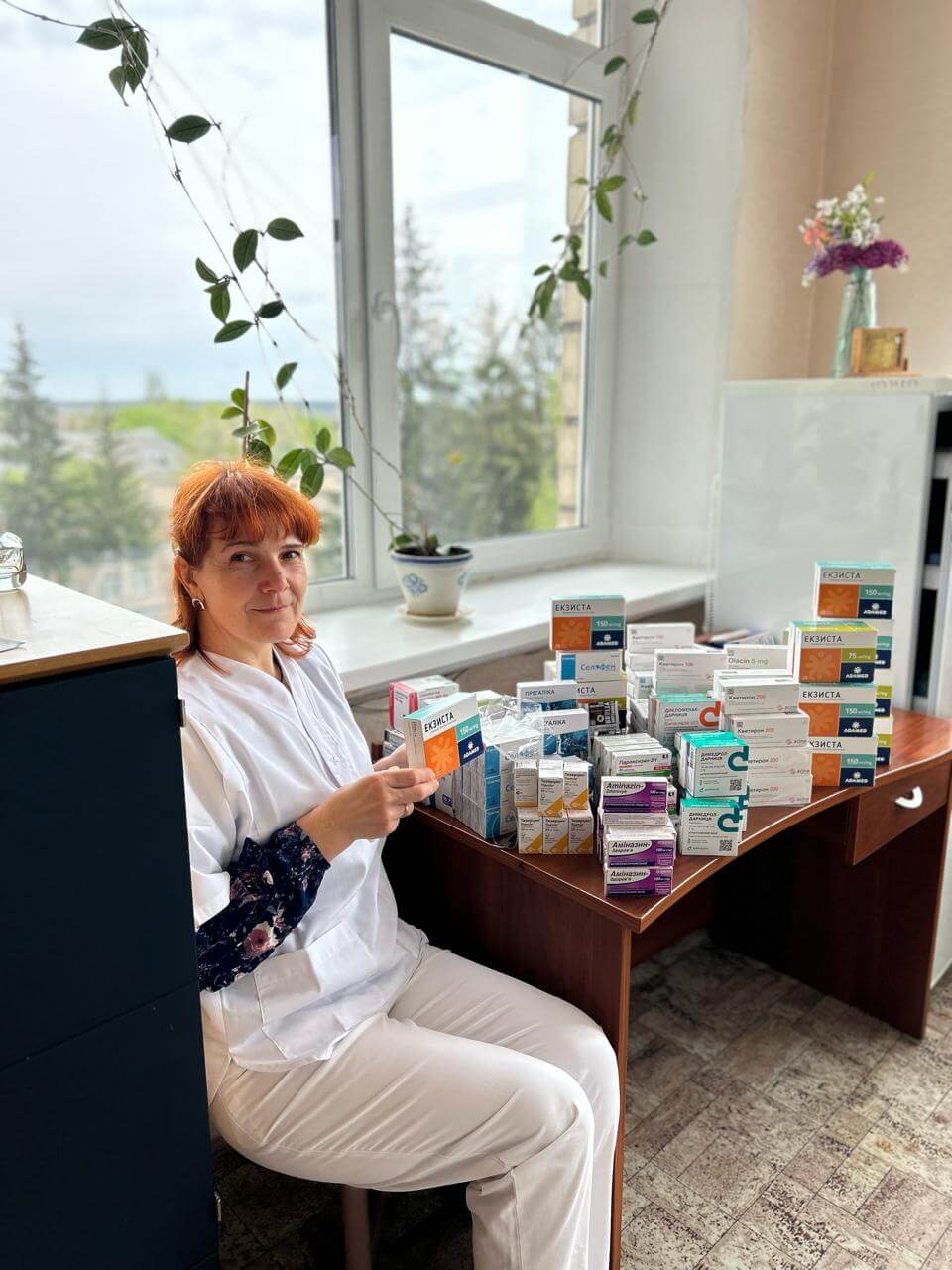
On the same day, medicines were purchased in Kyiv for soldiers and civilians suffering from war trauma who are being treated at the Vorzel hospital in Ukraine.The money came from a grant from the town of Differdange (L)
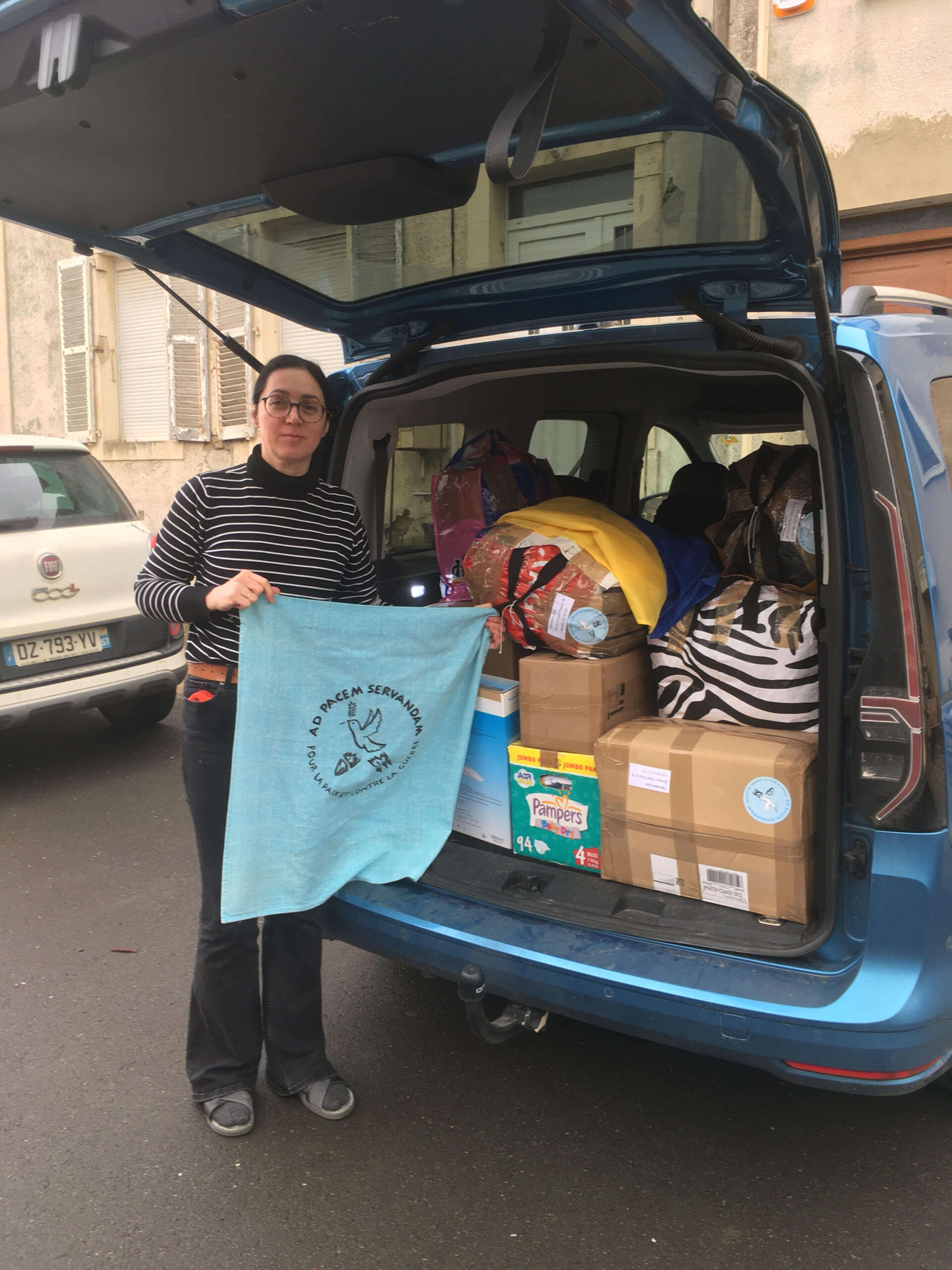
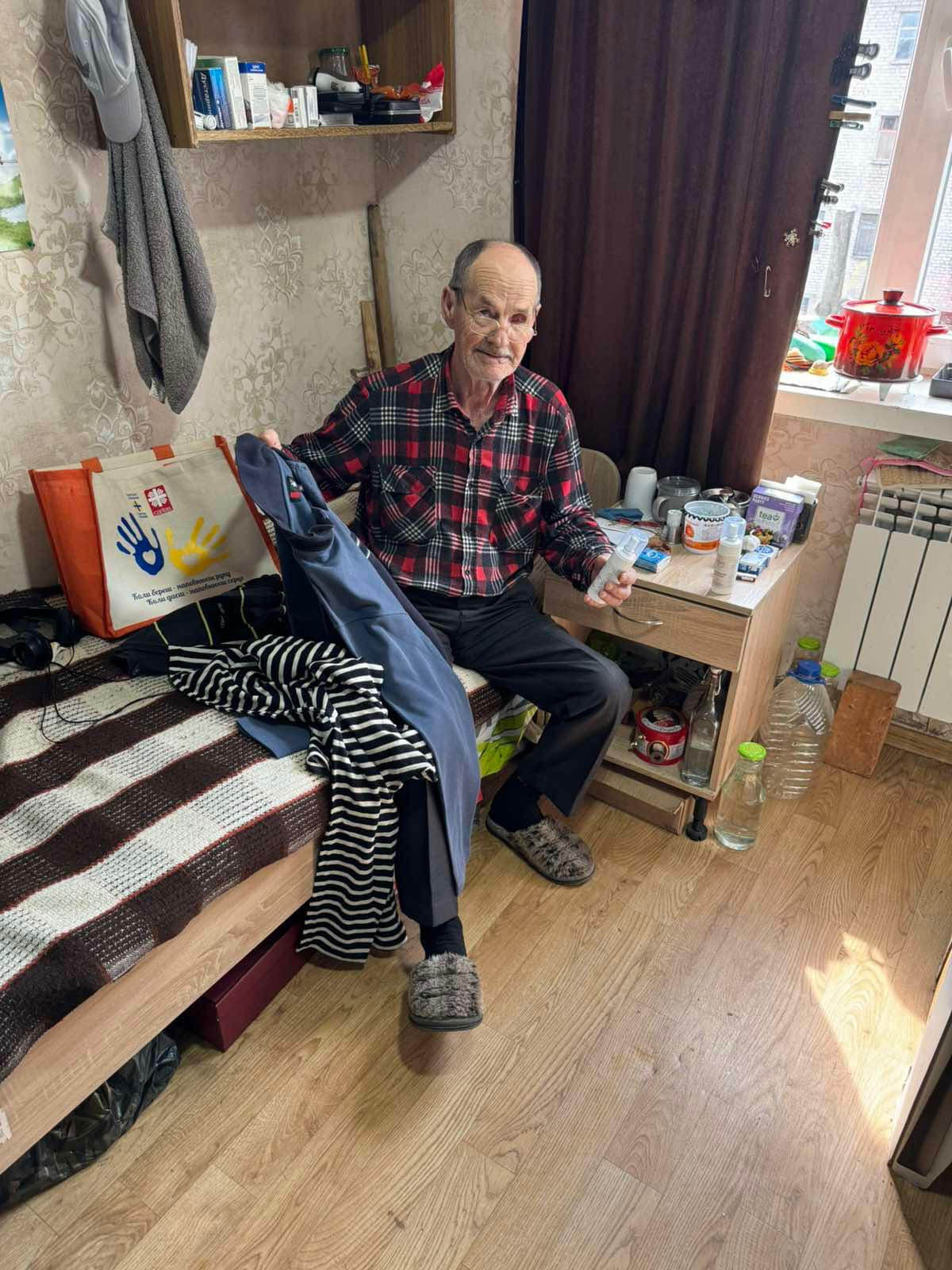
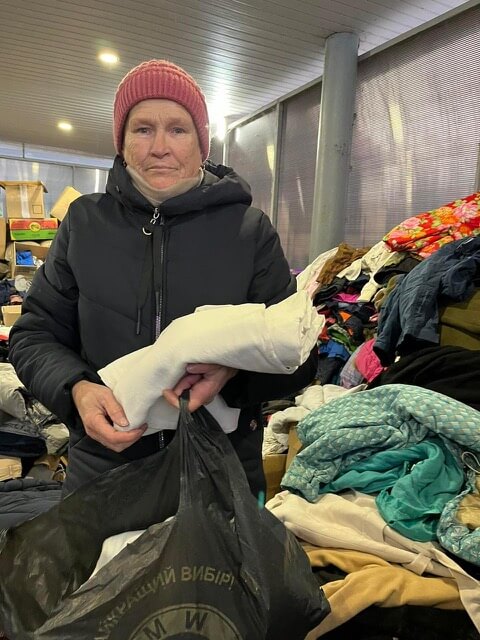
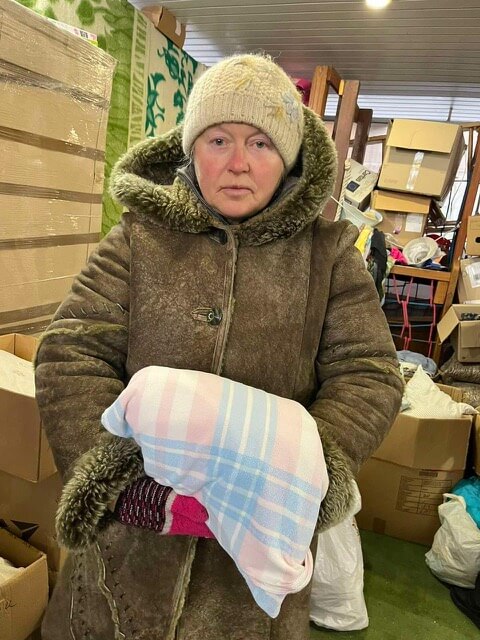
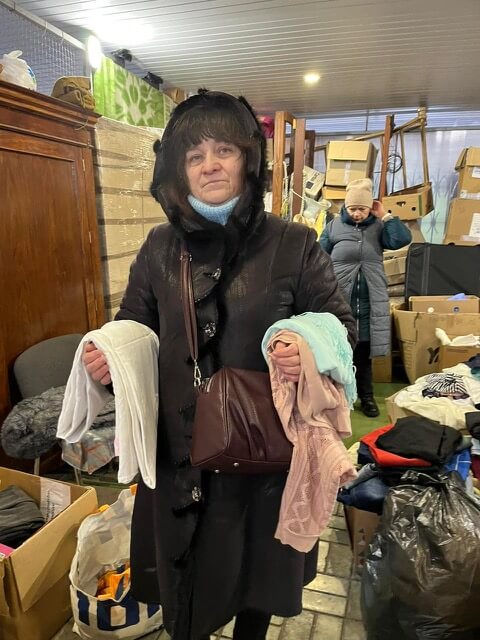
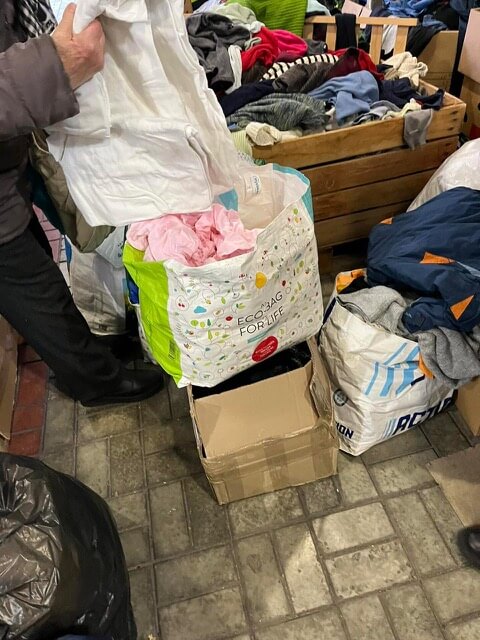
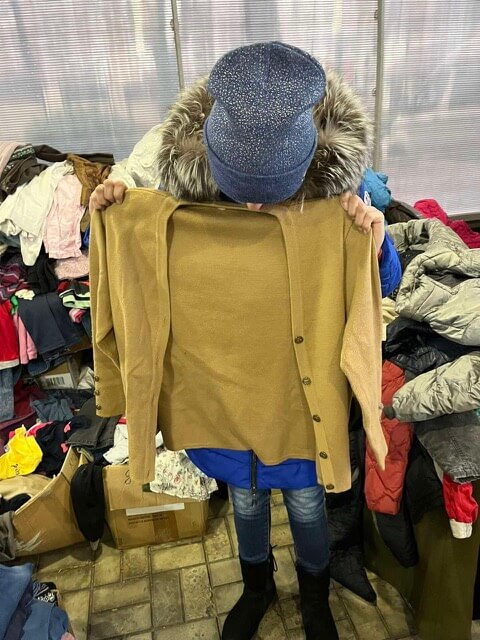
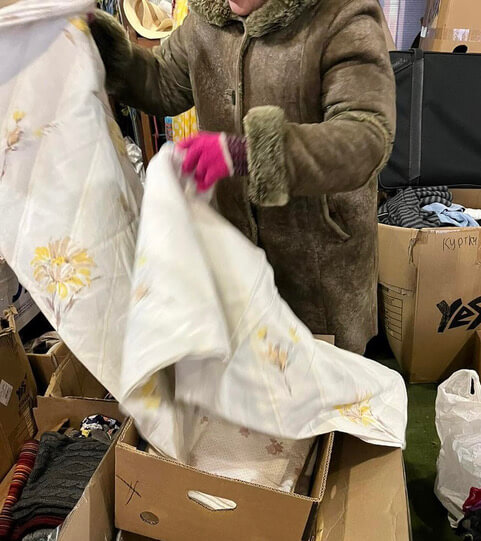
Clothing, sheets, antiseptics and dressings were sent from Luxembourg on 30 March. They were received at the refugee centre in Dnipro on 4 April and distributed to those in need.
On 23 March, from Luxembourg were sent post-operative dressings, antiseptics, enteral nutrition, orthopaedic cushion and equipment for bed-ridden people were sent. These were received at the Kharkiv hospital on 28 March.
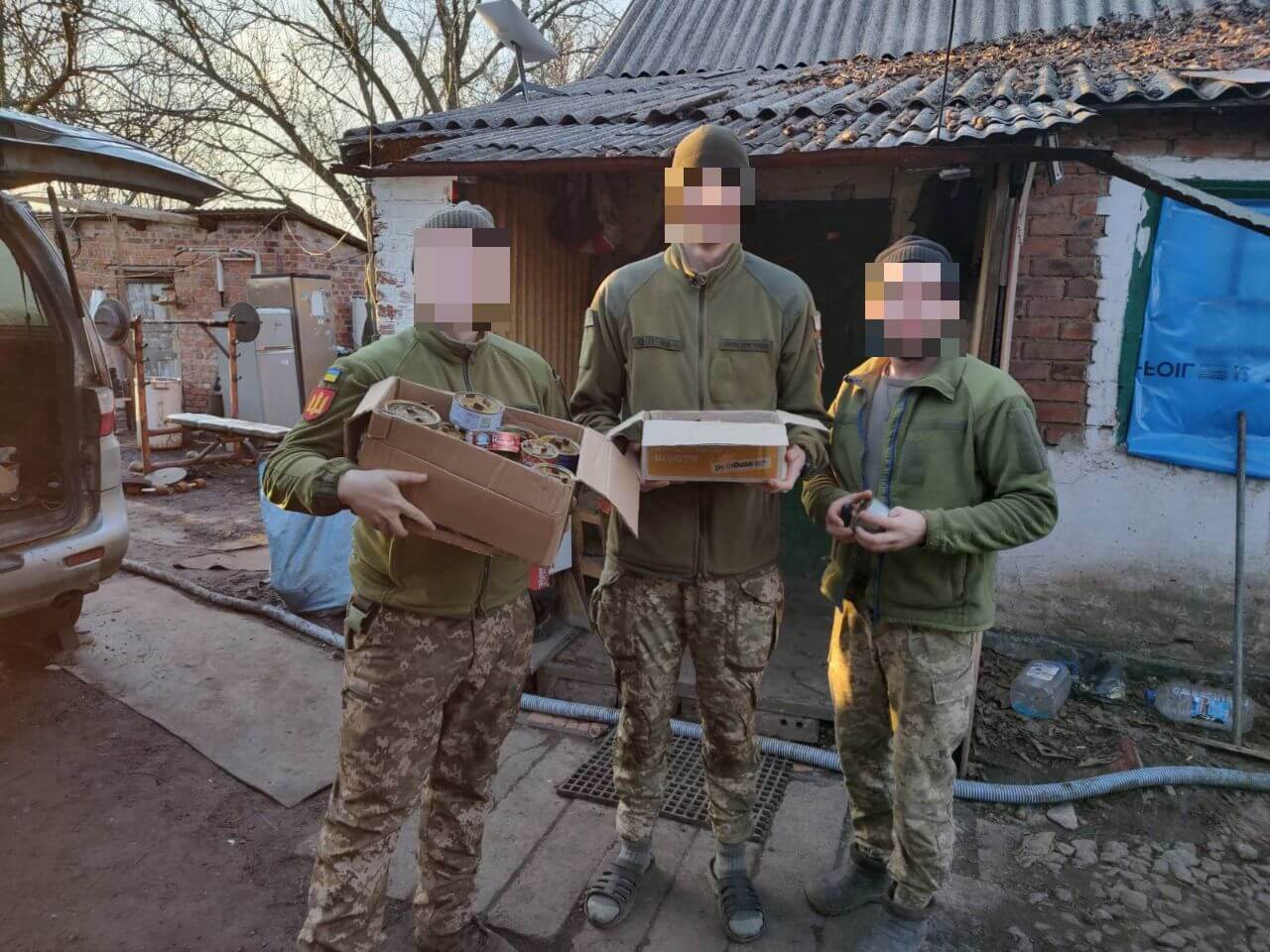
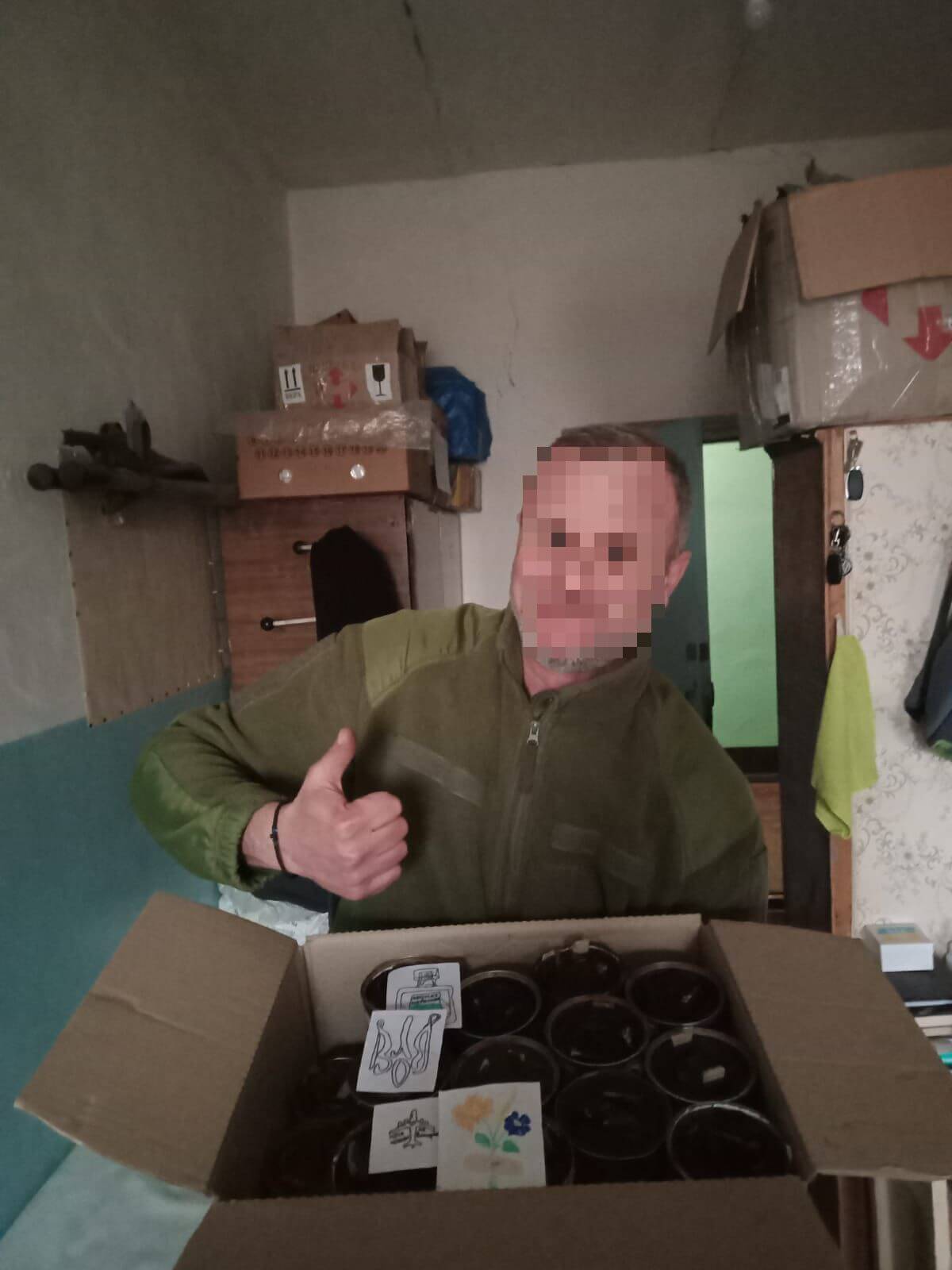
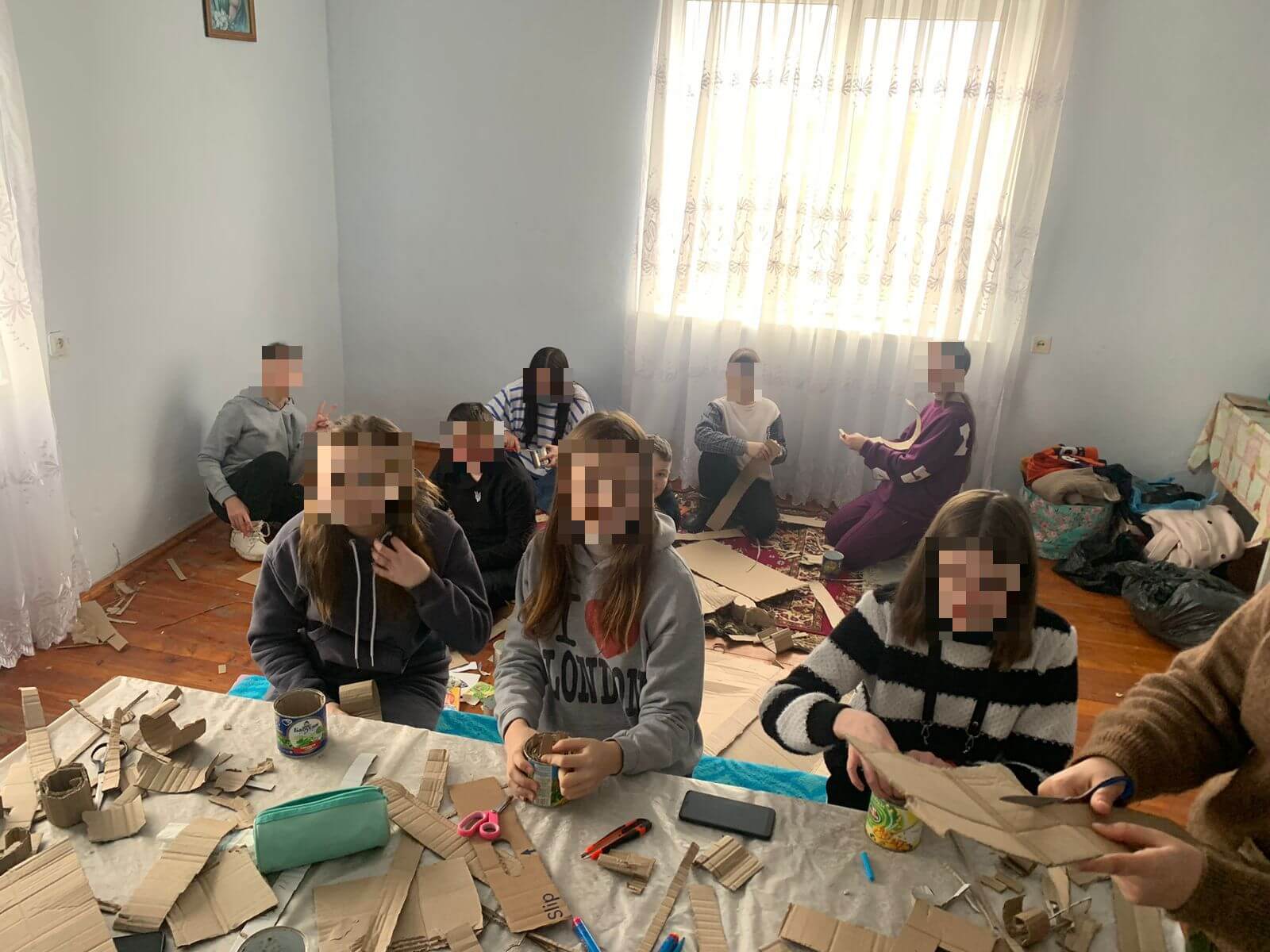
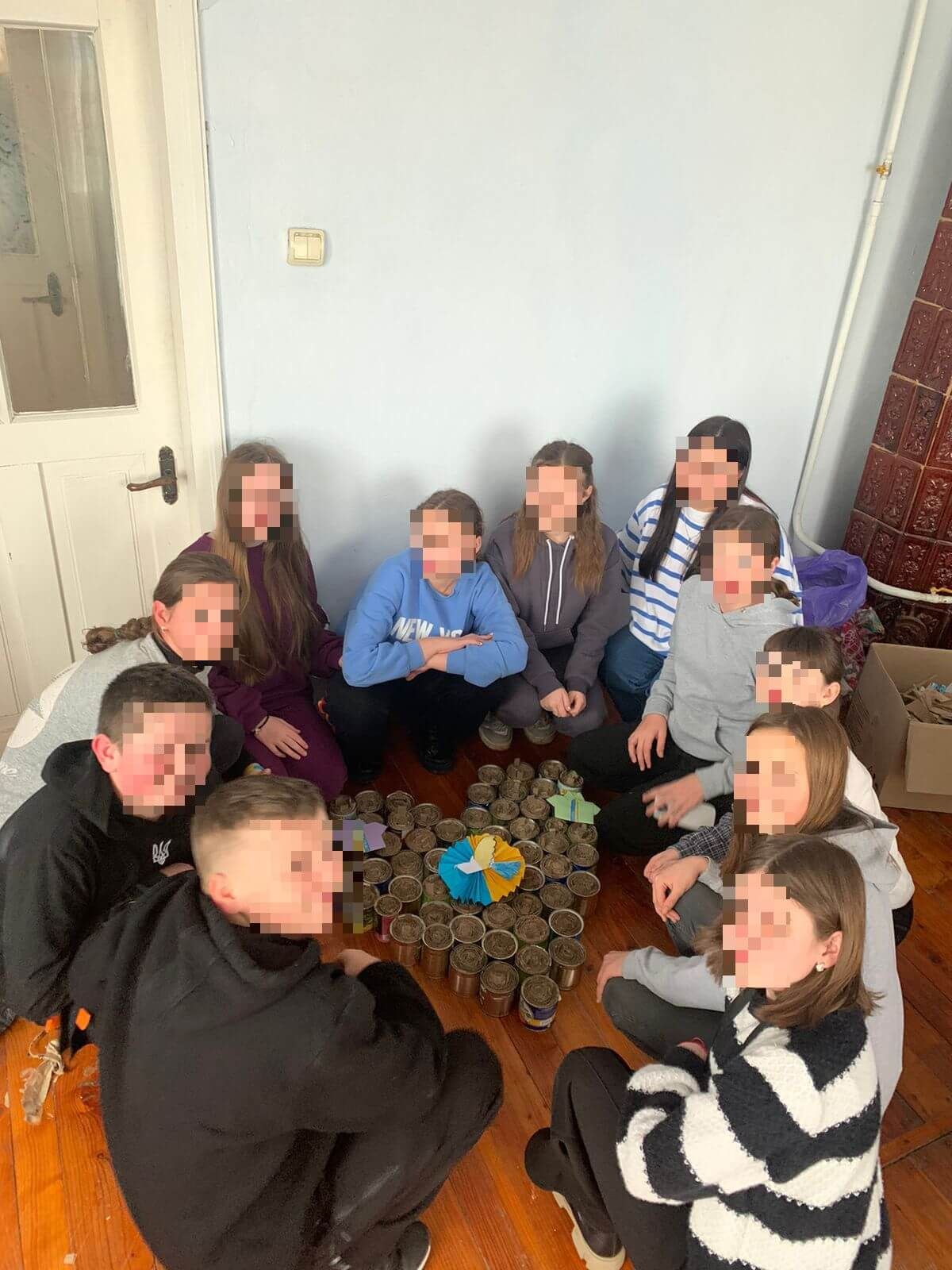
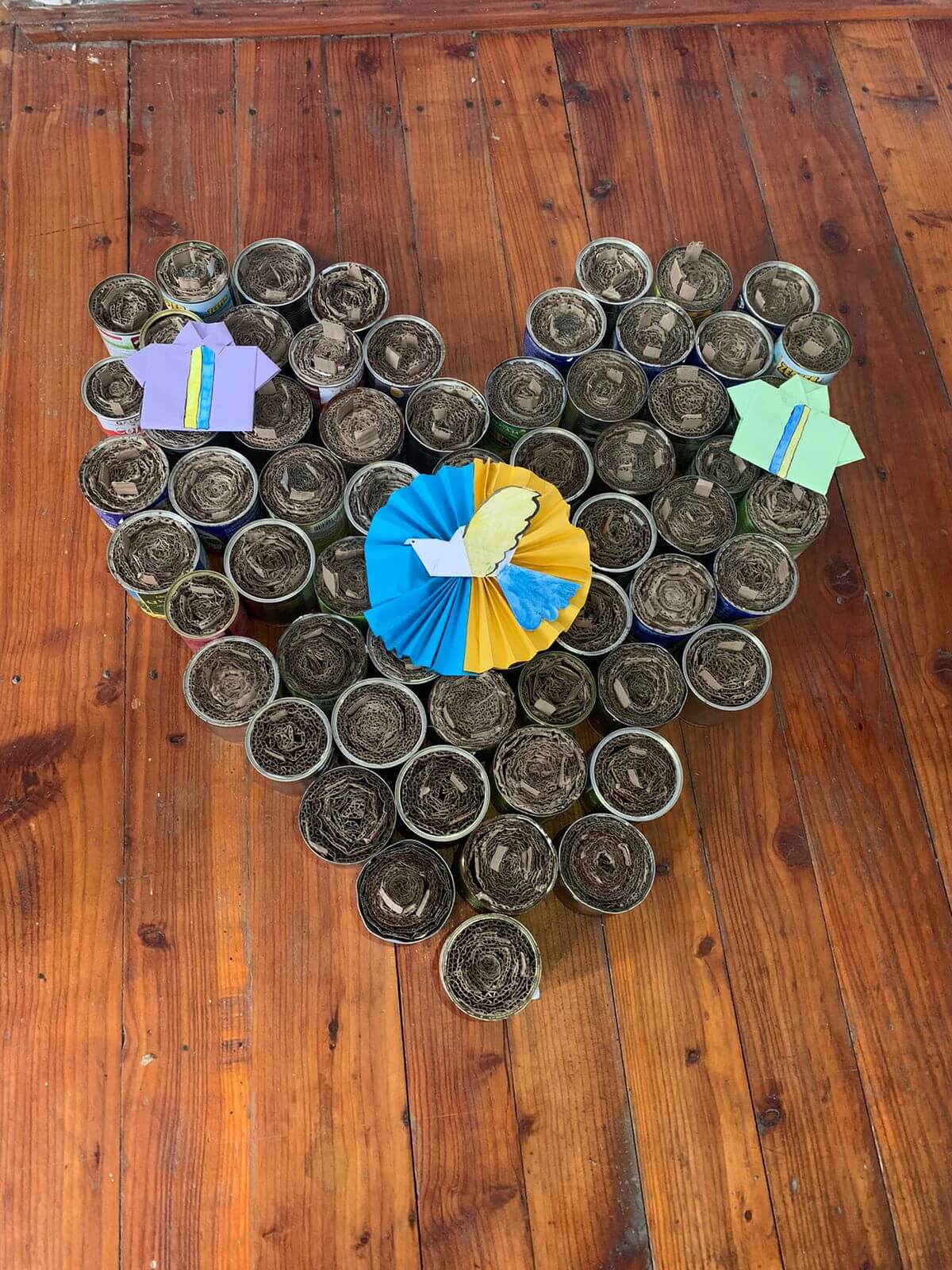
Production of trench candles by the children of Berezhany. The paraffin for the candles was bought by our association in Ukraine. Once made, the candles were delivered at the end of January to the soldiers at the front. In the trenches, they are used to heat food, warm cold hands, provide some light, dry small items of clothing, etc.