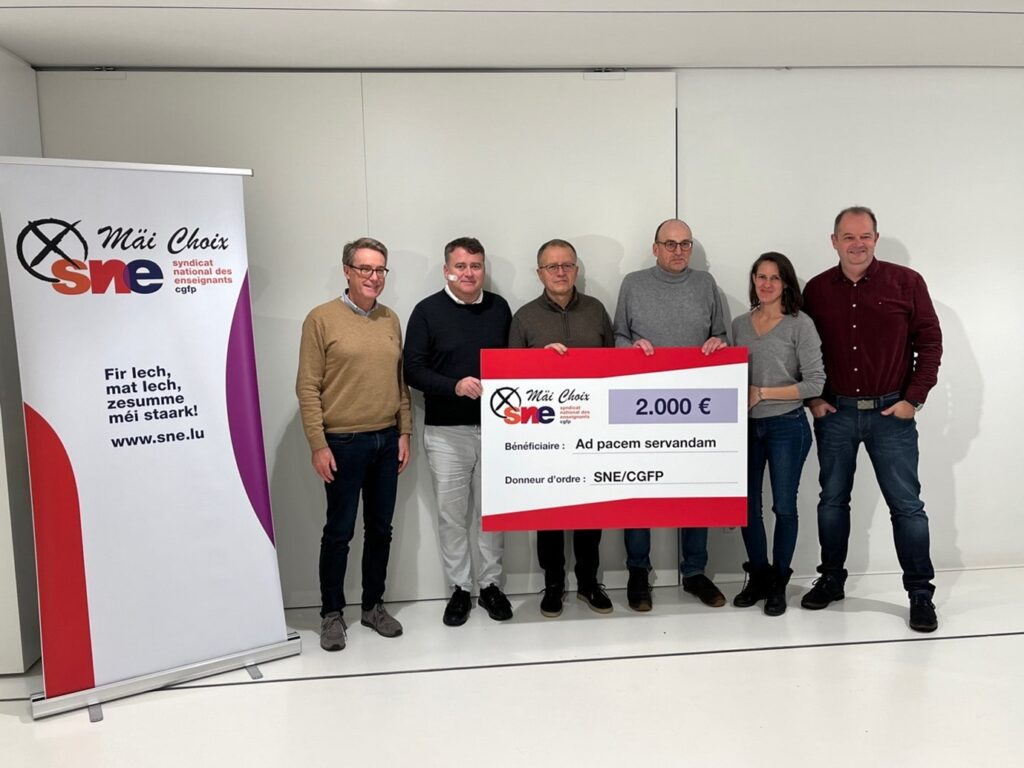
On Tuesday 19 November 2024 Claude Pantaleoni, president of the association, received a cheque for €2,000 from the committee of the Syndicat National des Enseignants SNE/CGFP at its headquarters in Luxembourg-Bonnevoie.
The money is earmarked for humanitarian aid projects financed by the association in Ukraine at the ‘Misto Dobra’ (Chernivtsi) and ‘Refuge for mothers and children’ (Ivano-Frankivsk) centres for victims of the war.
In the photo (left to right): Gilles GLESENER (General Secretary), Patrick REMAKEL (Chairman), Claude PANTALEONI, Claude RIES, Vanessa SCHETGEN (1st Vice-Chairman), Christian KOHNEN
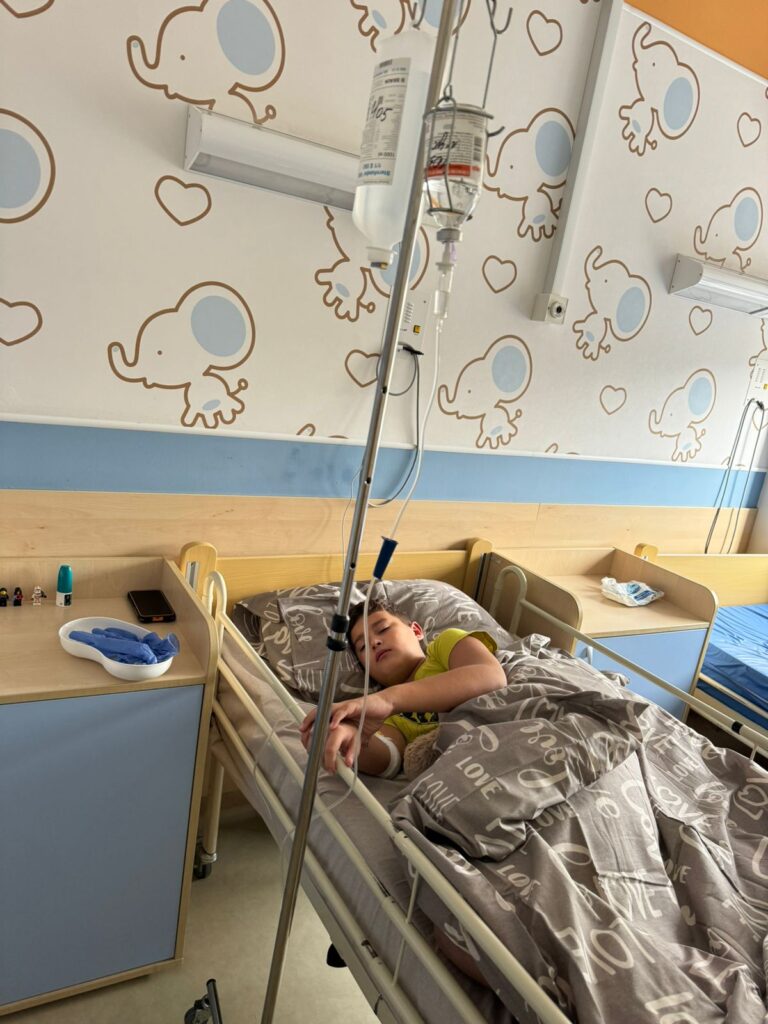
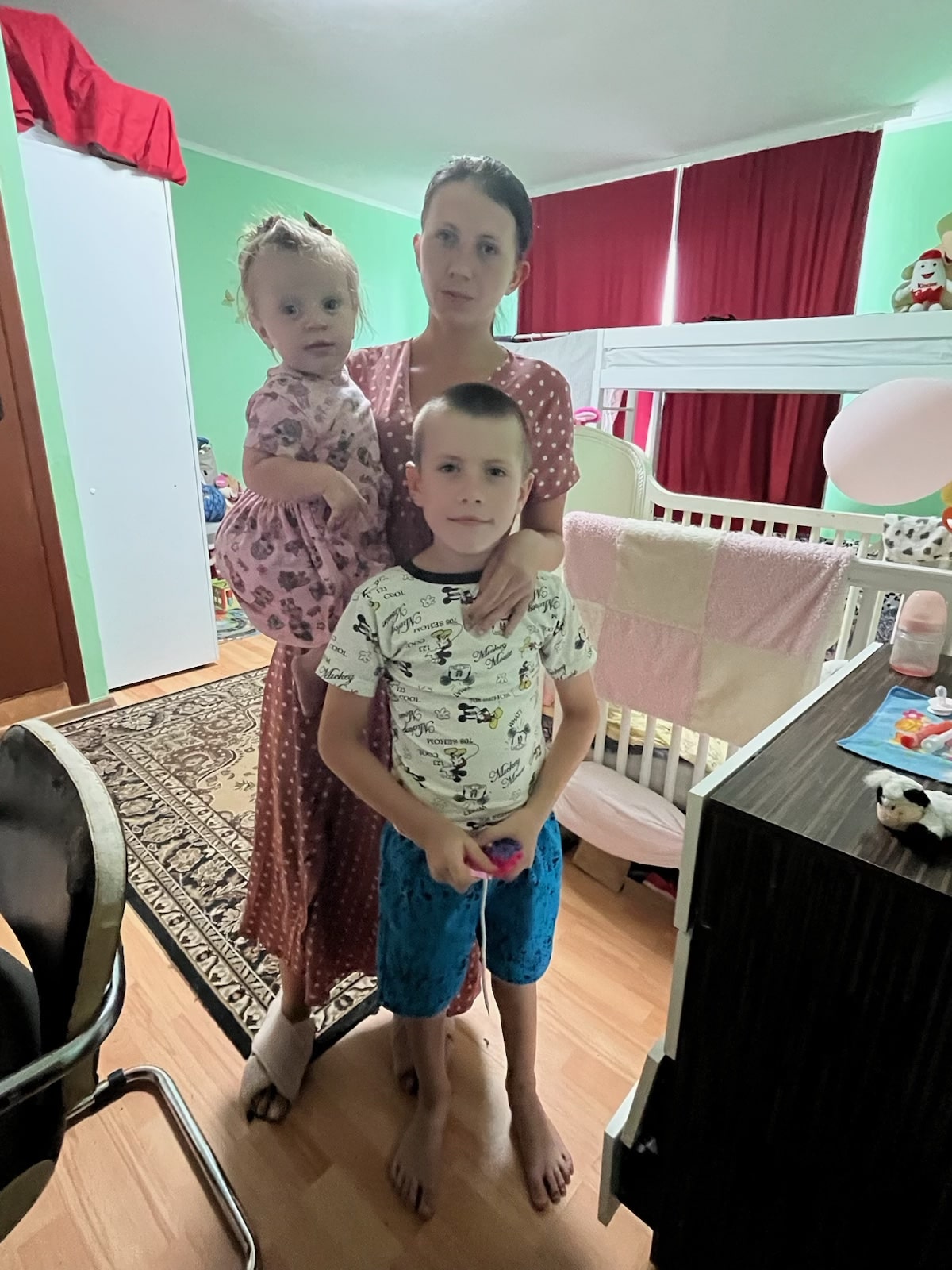
The child Lubomir, from a refugee family from the Donbass, had to undergo an urgent operation on these two days in the hospital in Dnipro. He underwent an urgent operation for acute inflammation of the paranasal sinuses. The operation was paid for by Ad Pacem servandam.
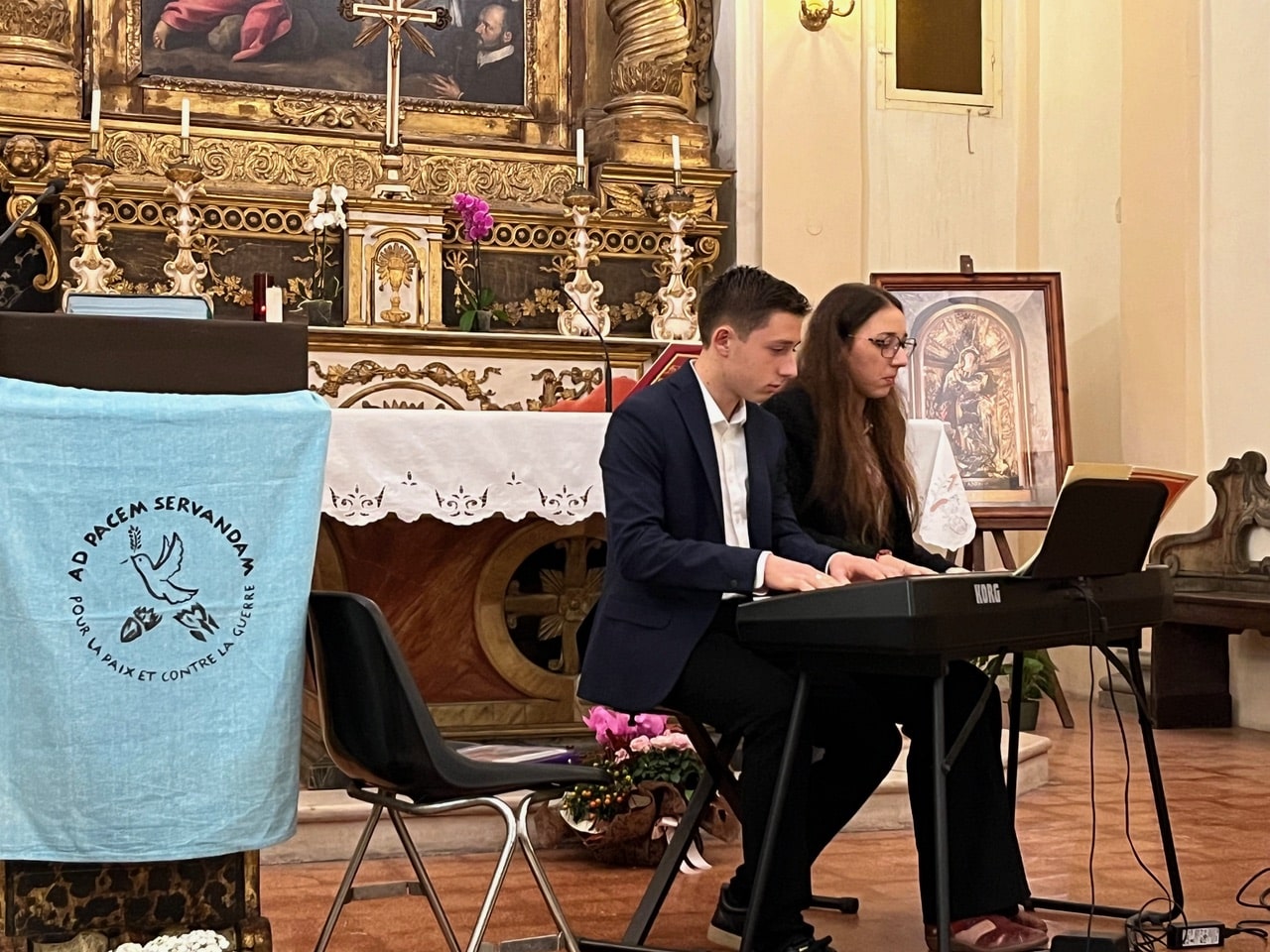
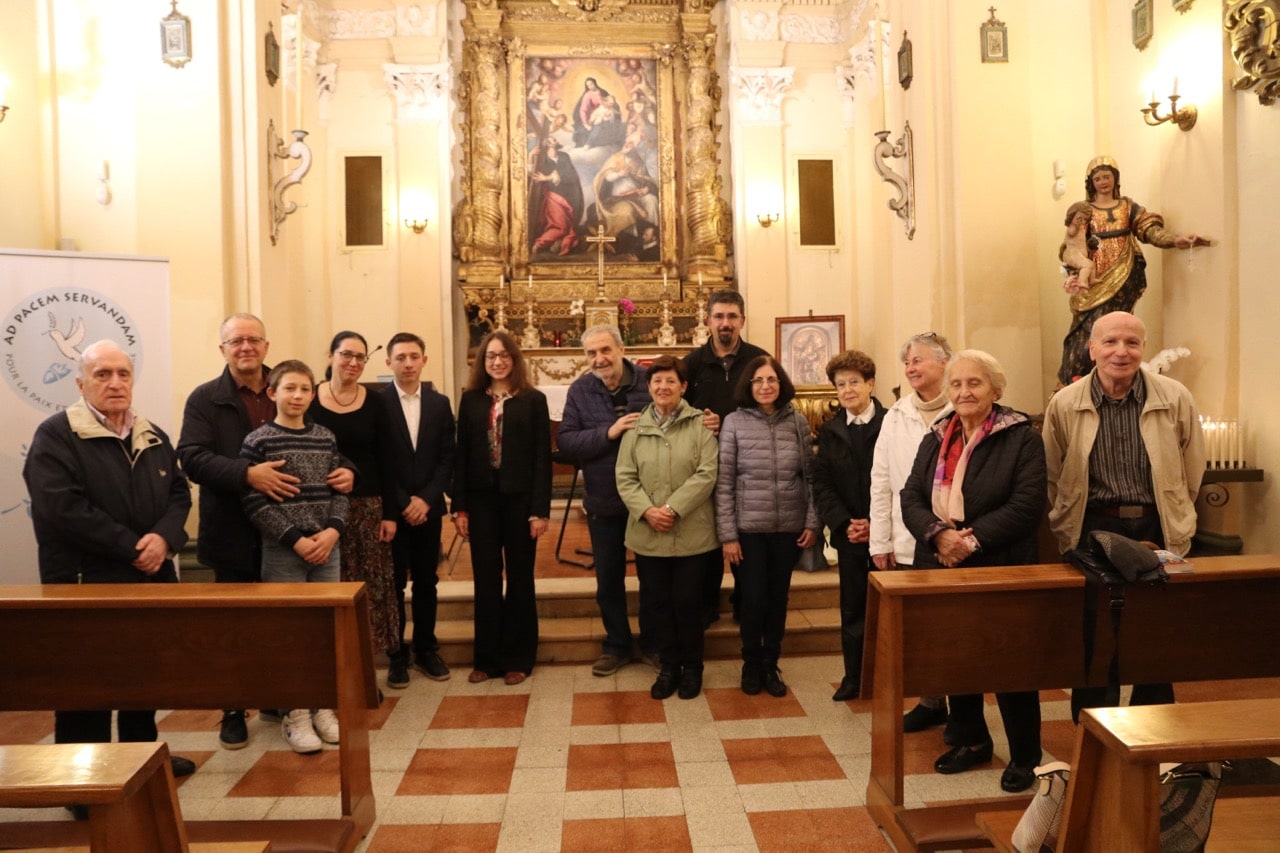
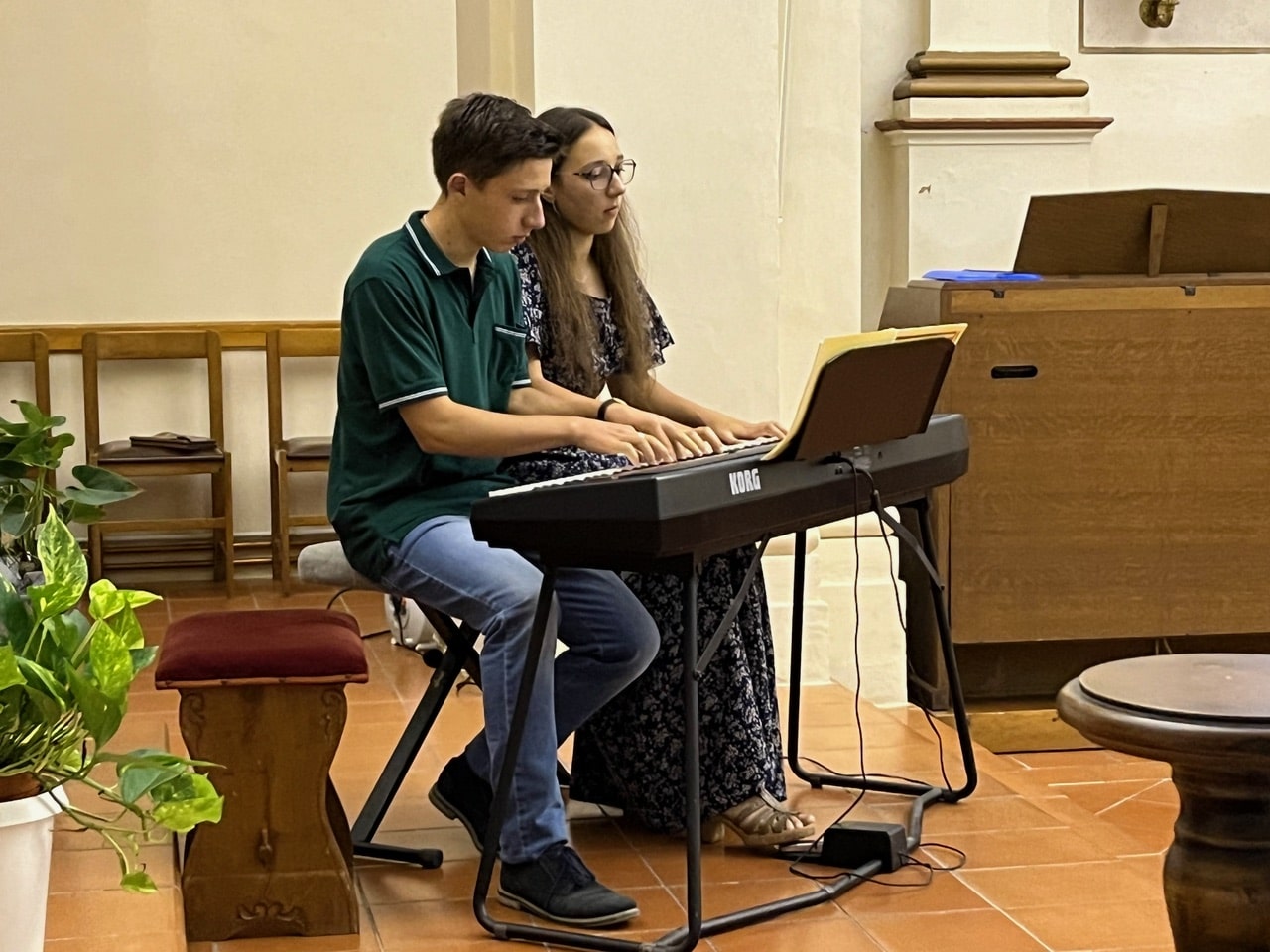
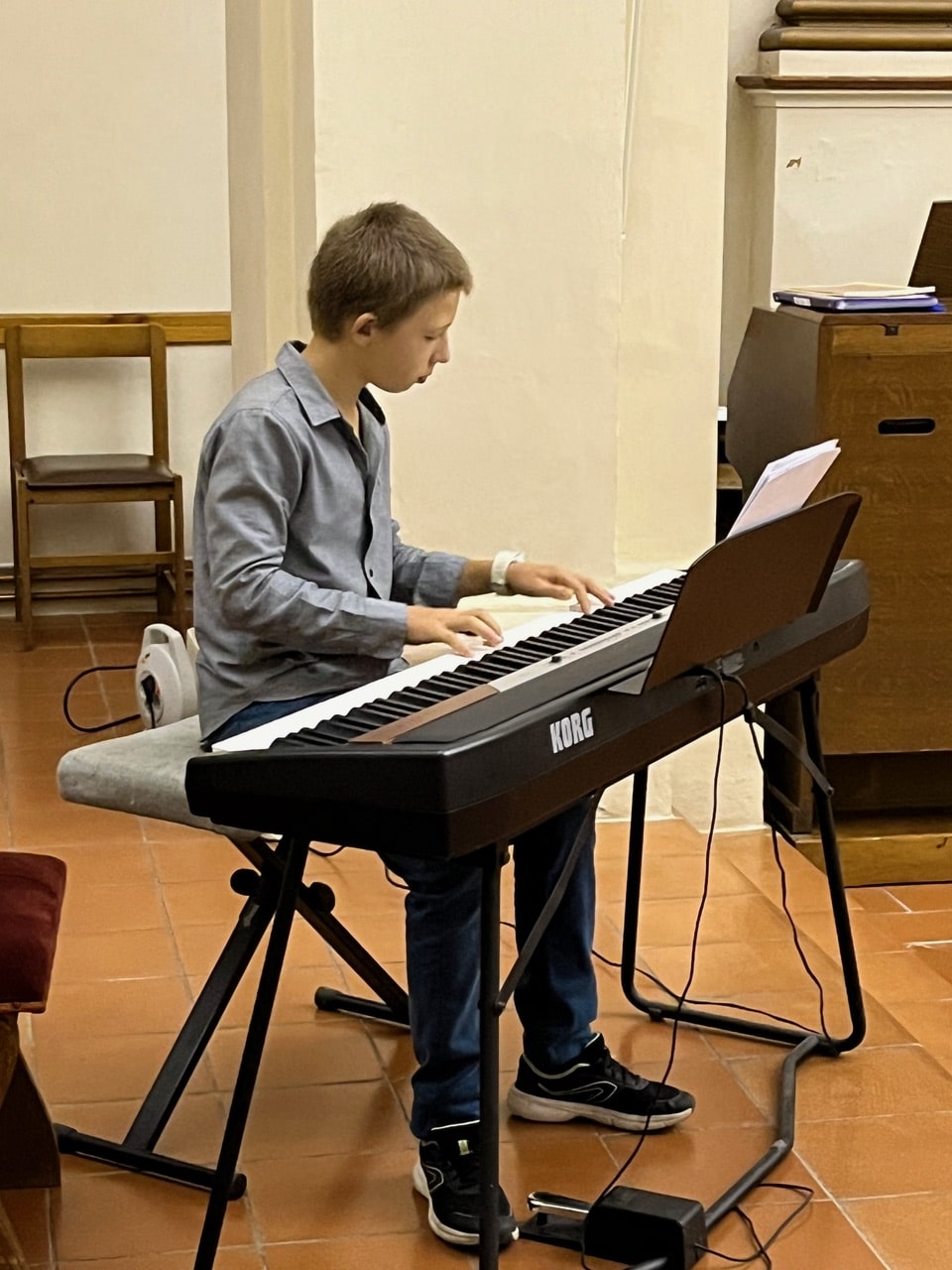
A concertino has been organised by the Ad Pacem association in Italy in the town of Pergola (Province of Pesaro Urbino). Laura and Daniel Pantaleoni interpreted a number of classical and romantic works. Donations raised went towards the purchase of medicines for the psychiatric hospital in Vorzel, near Kyiv.
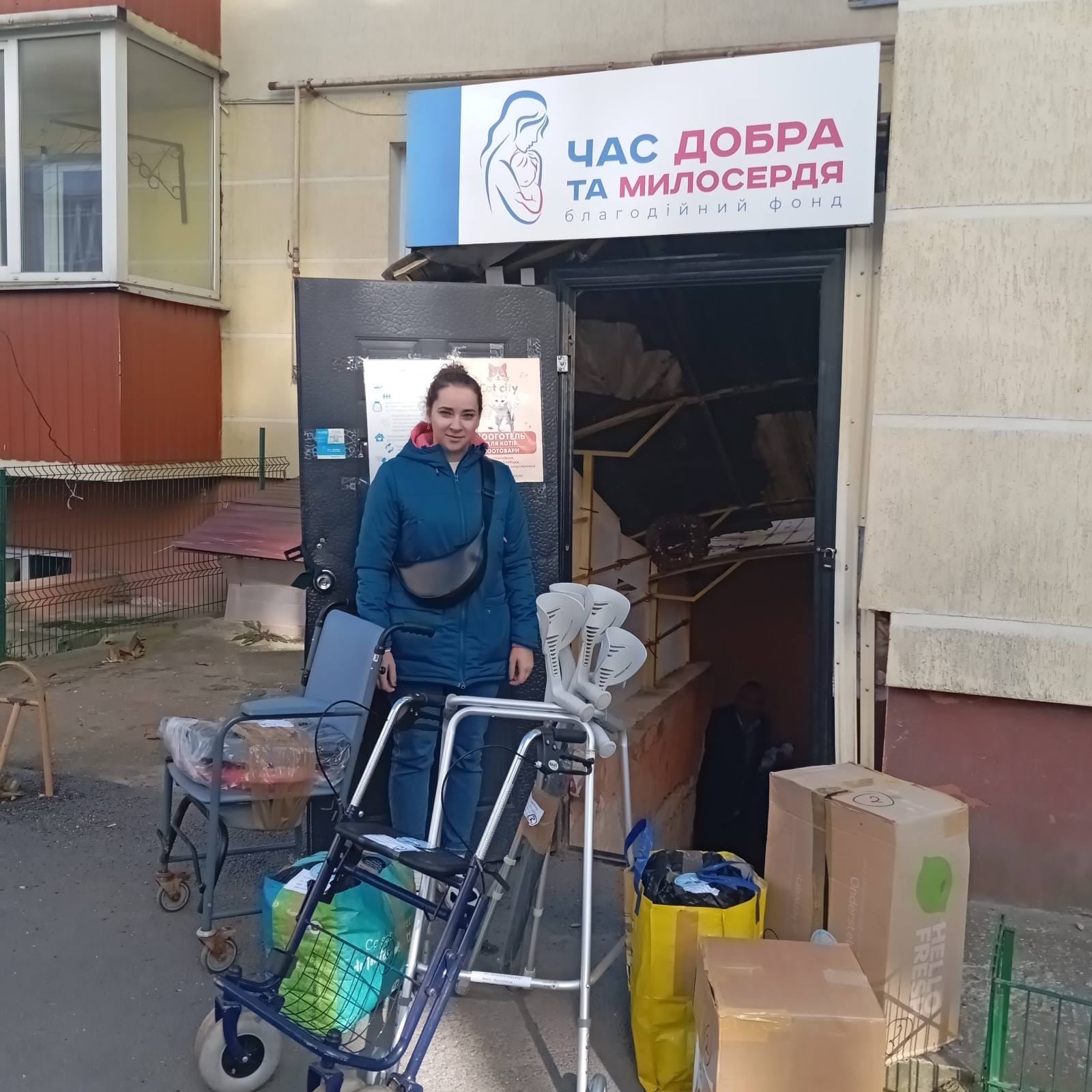
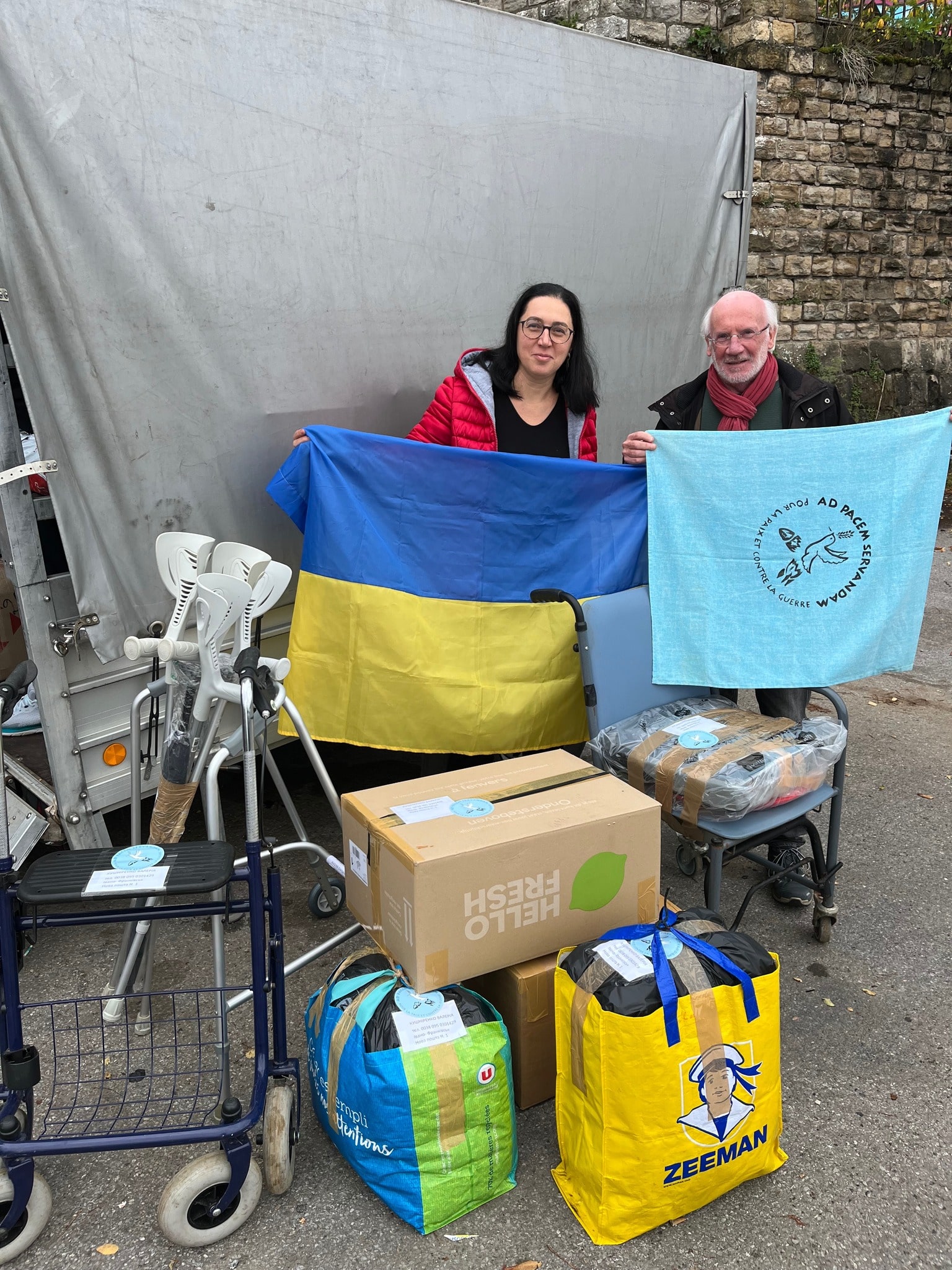
Dispatch from Luxembourg and receipt at the Ivano Frankivsk refugee centre of medical equipment (toilet chair,two walkers, several pairs of crutches), and clothing and footwear for the winter.
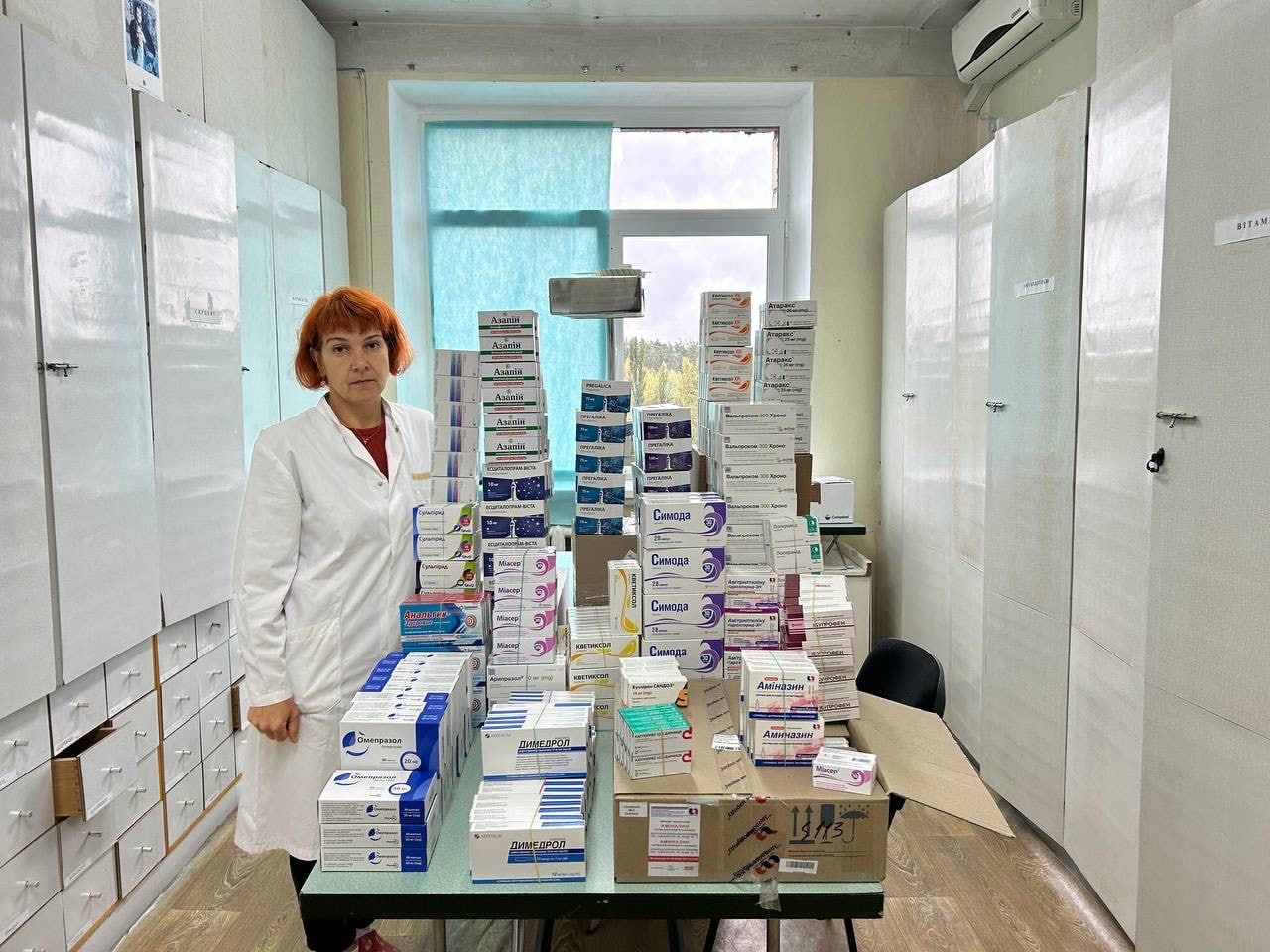
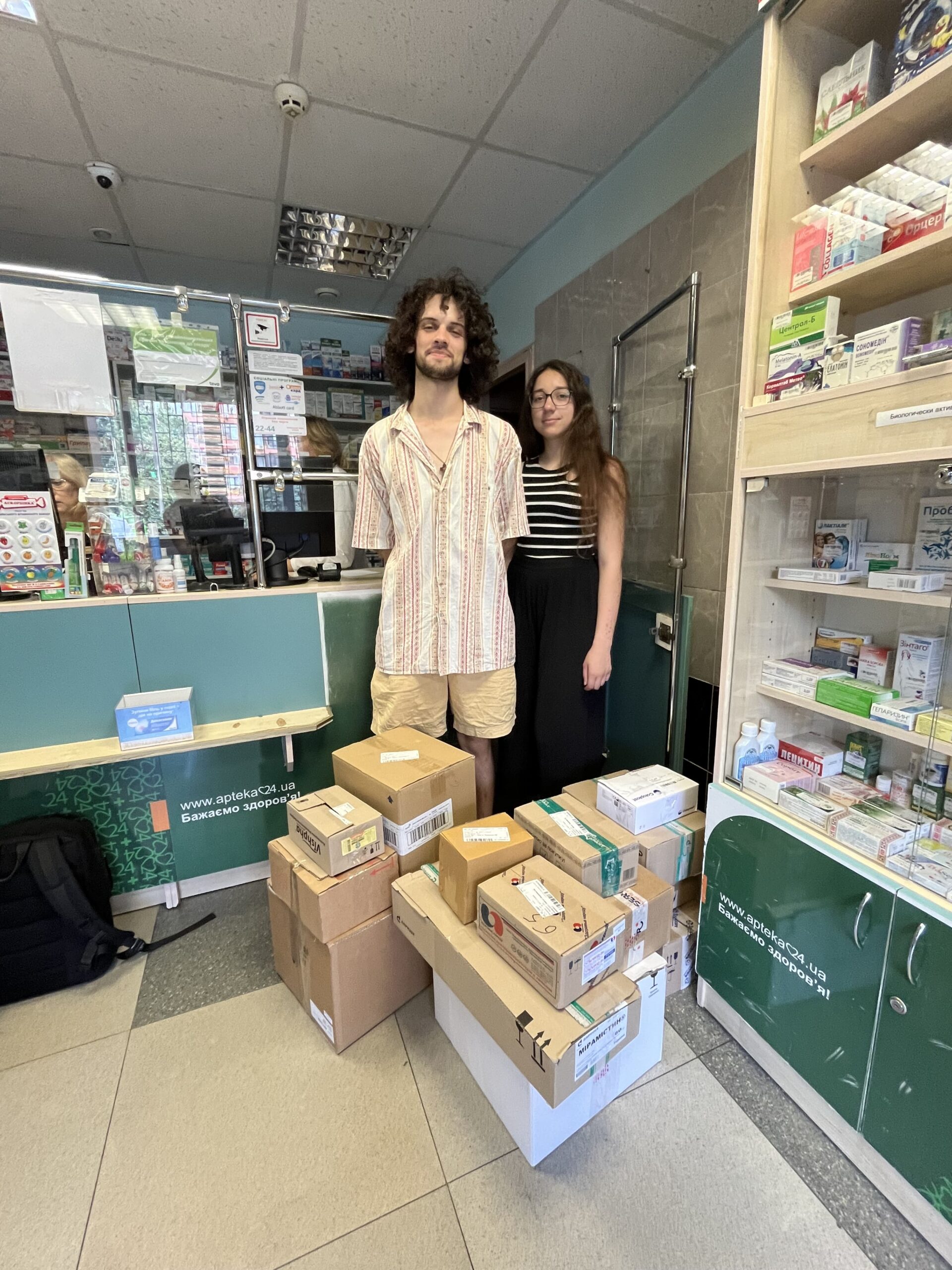
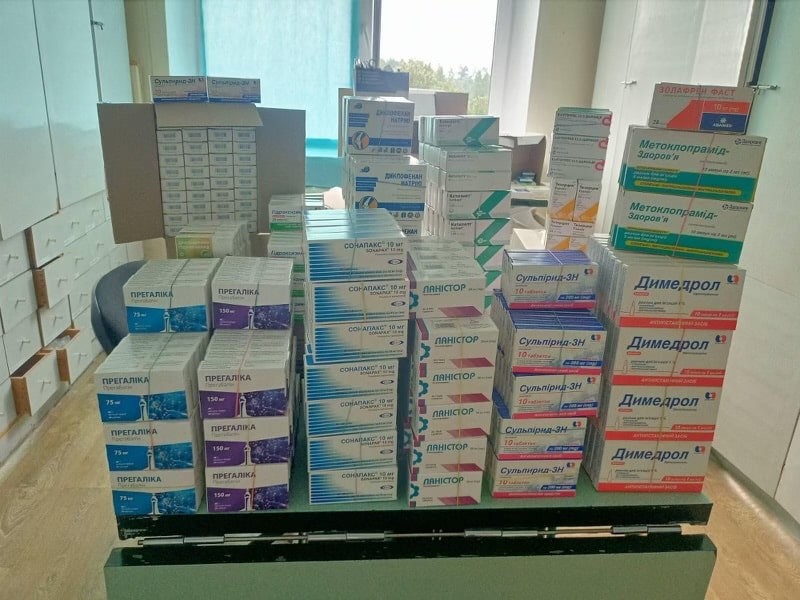
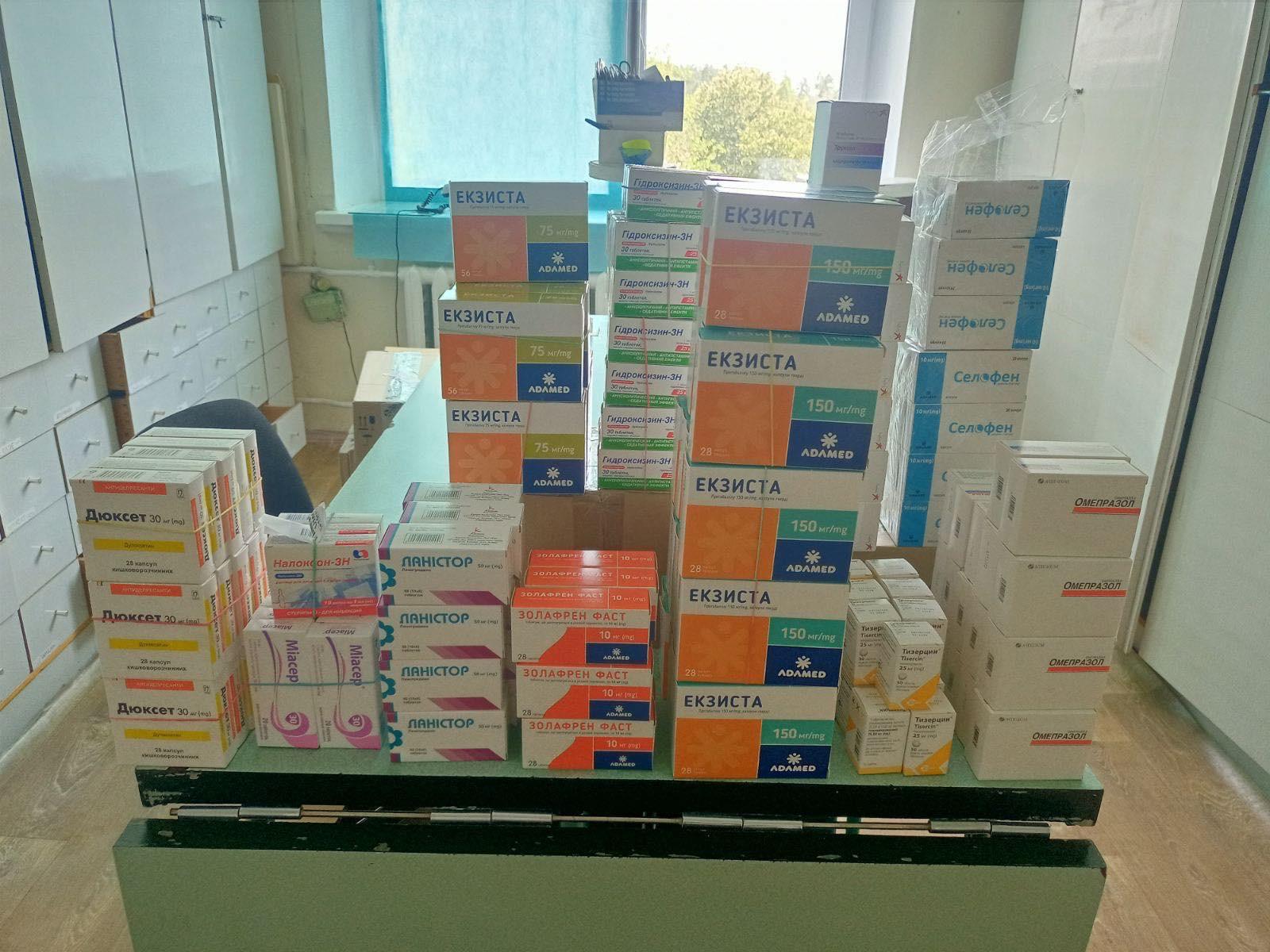
Our development worker uses the money from the sale of the 2024 calendars to buy and deliver the medicines needed by the psychiatric hospital in Vorzel (Ukraine).
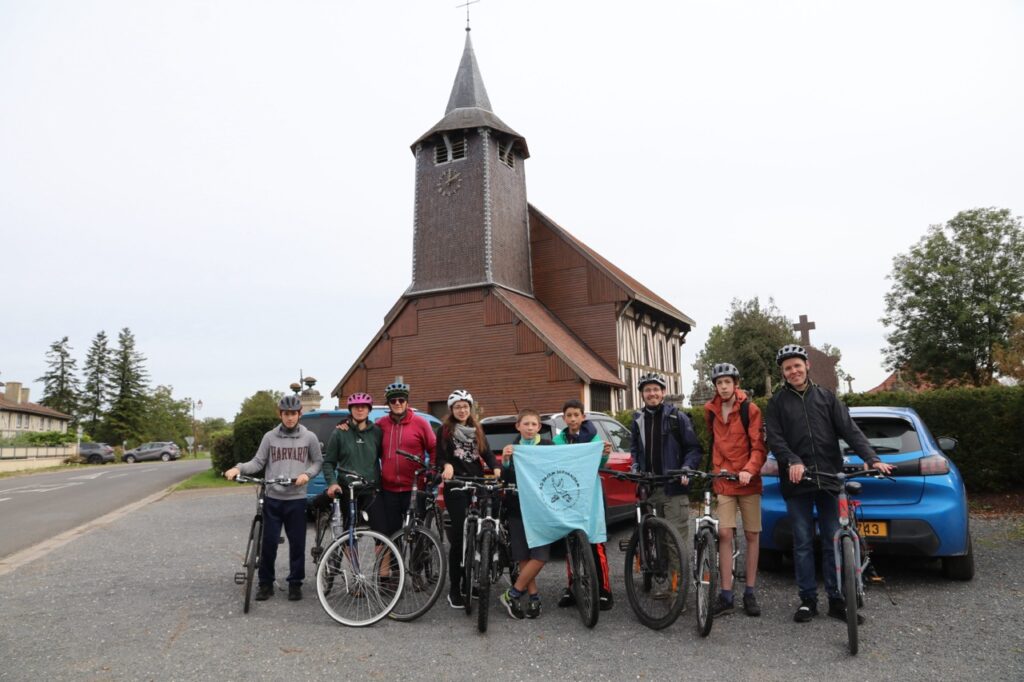
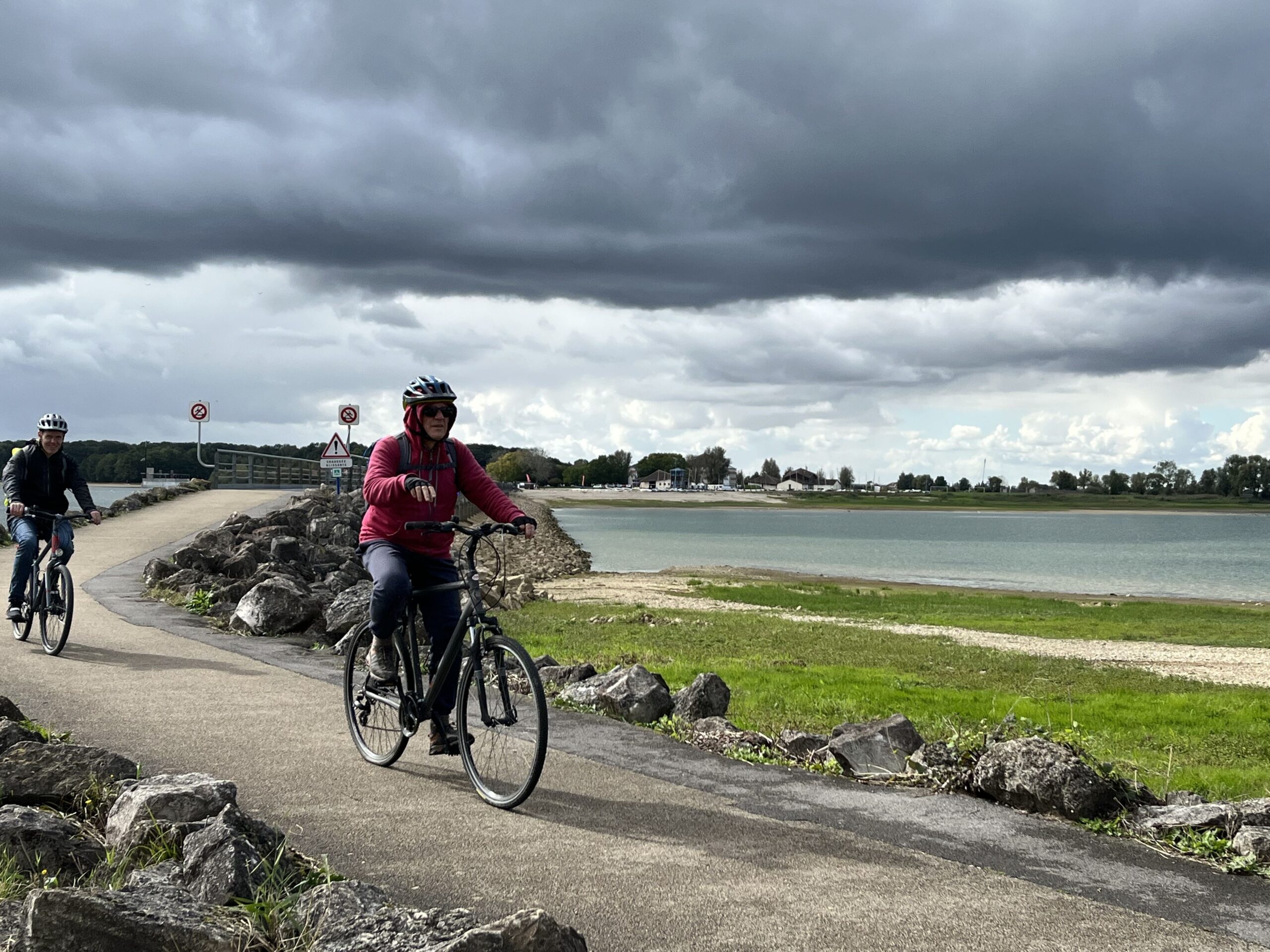
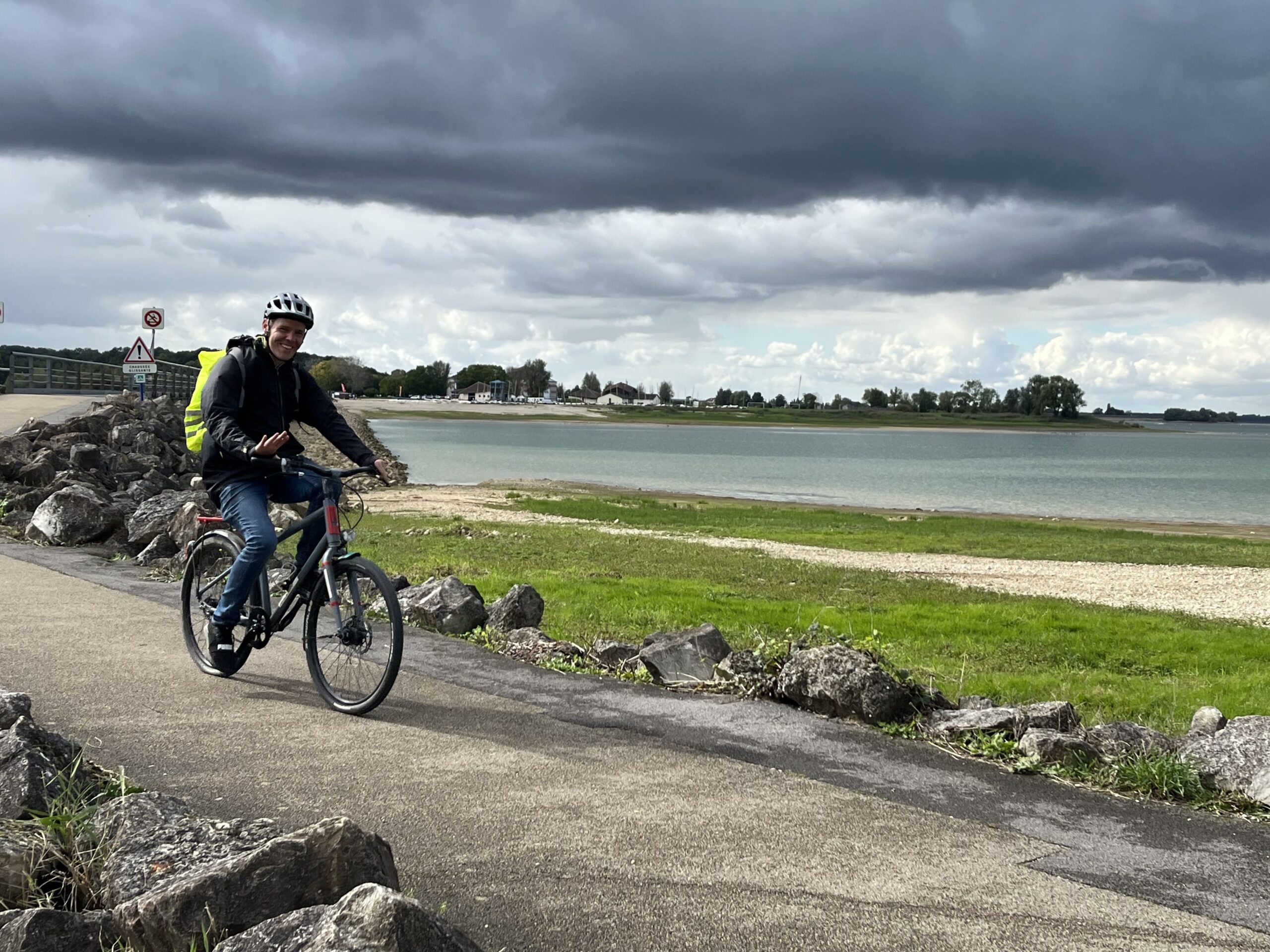
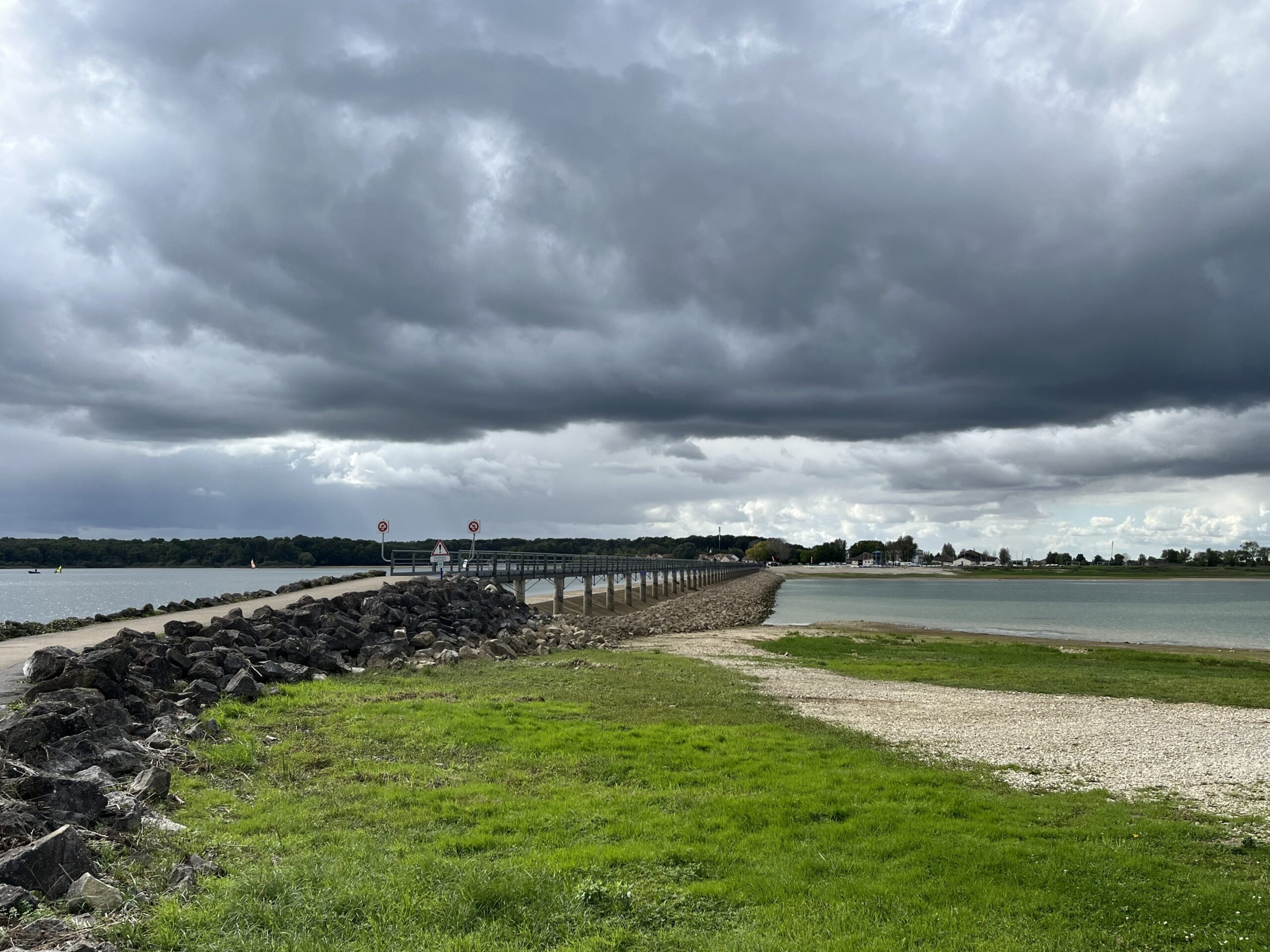
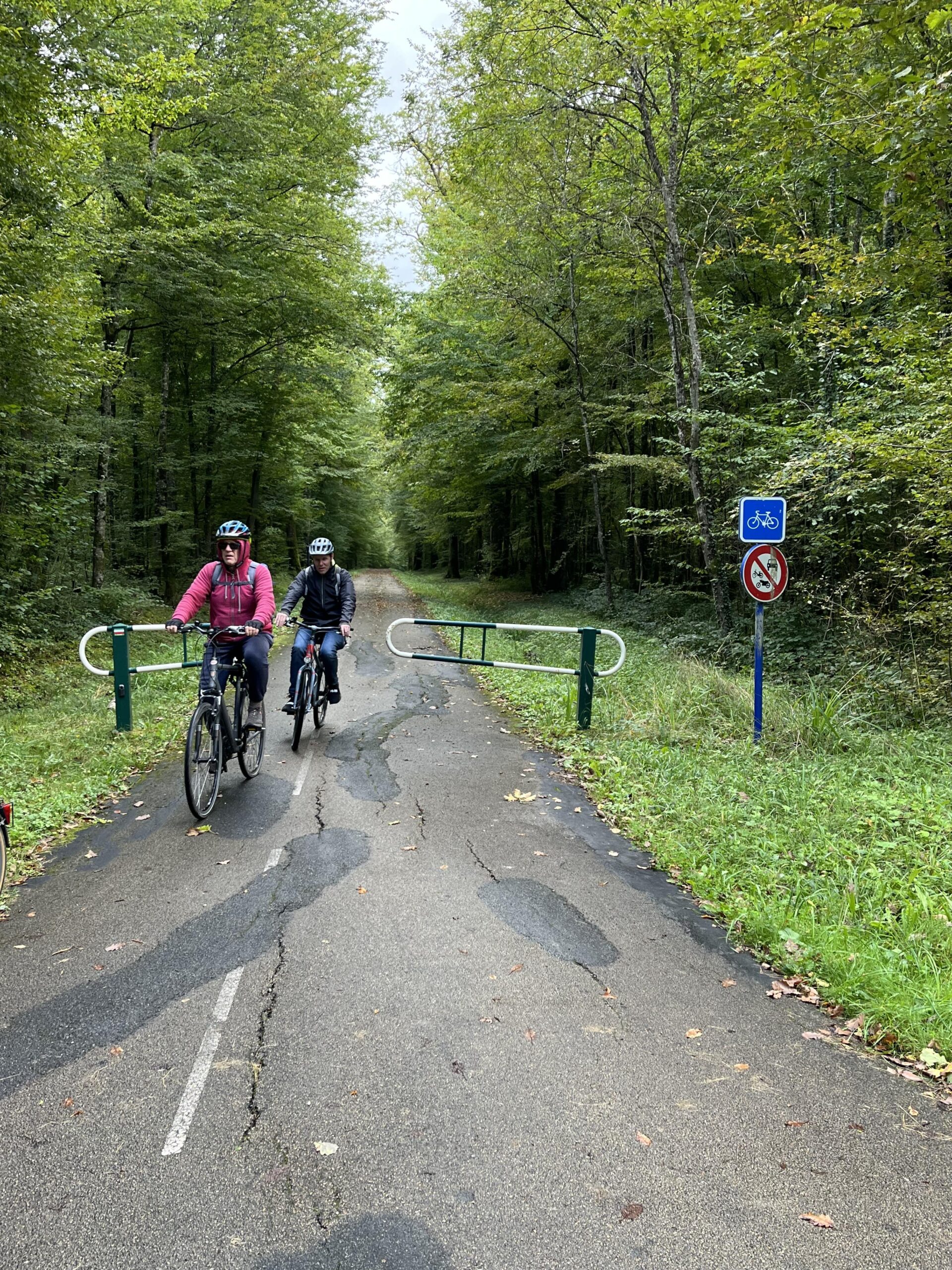
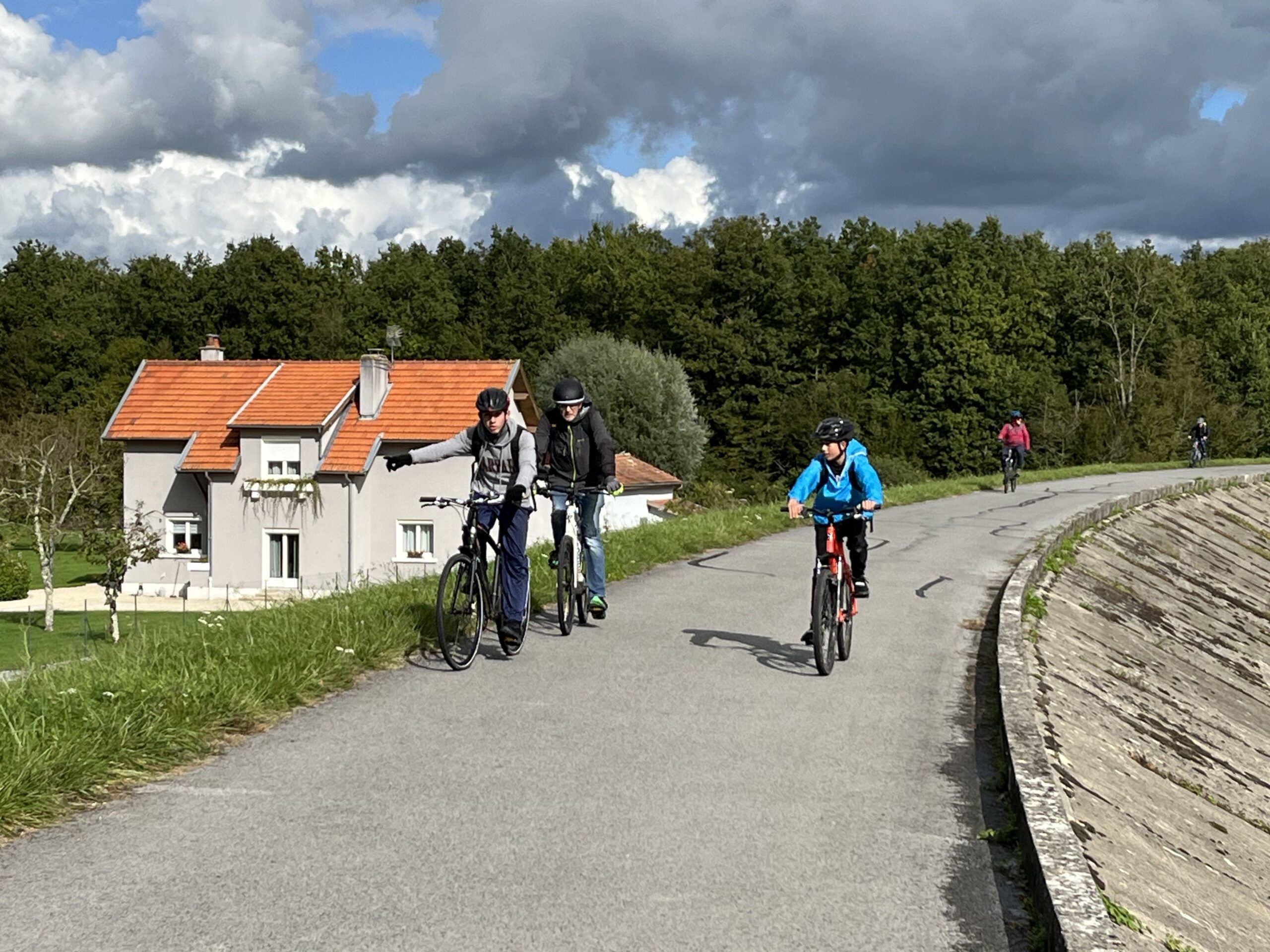
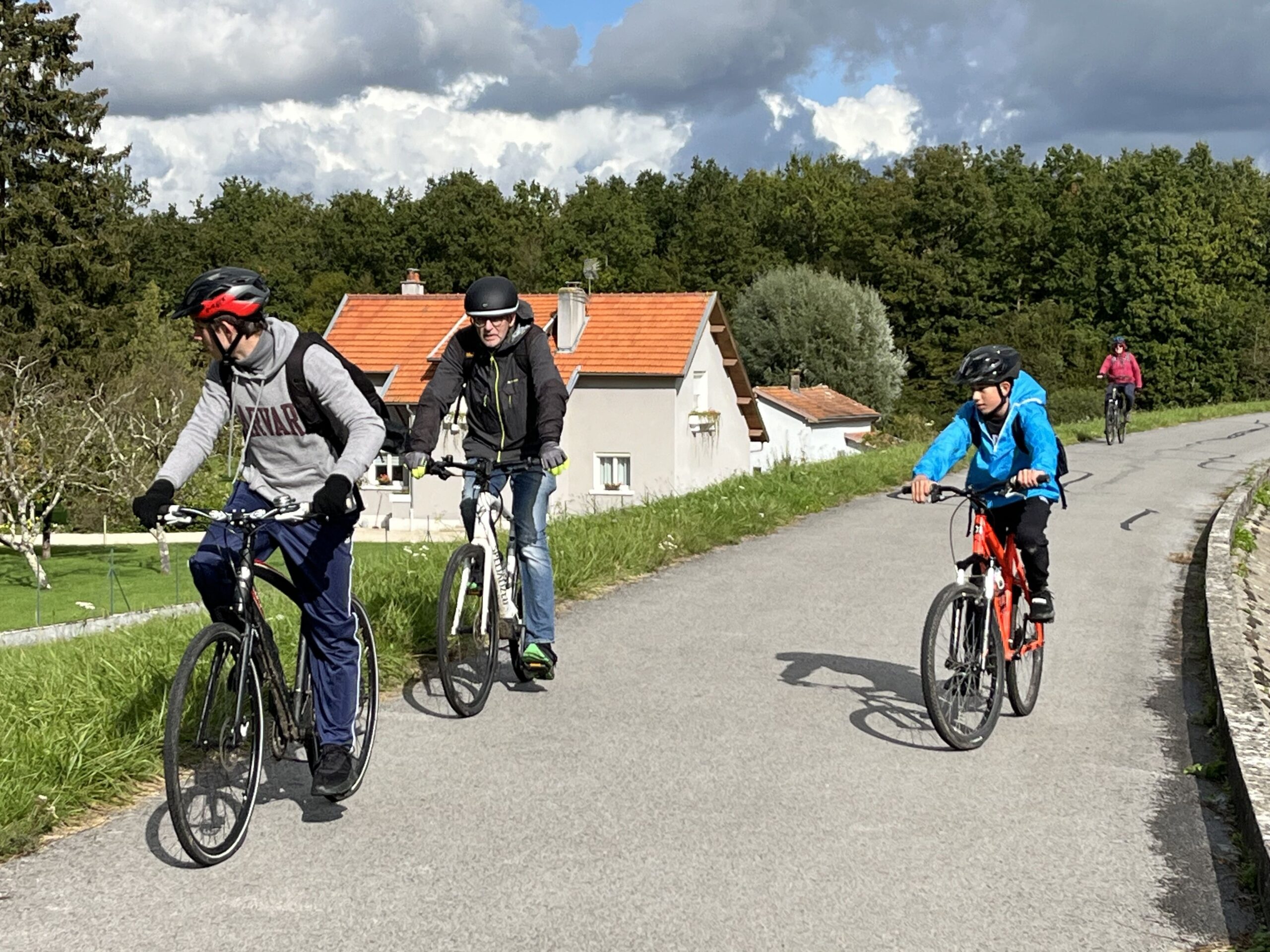
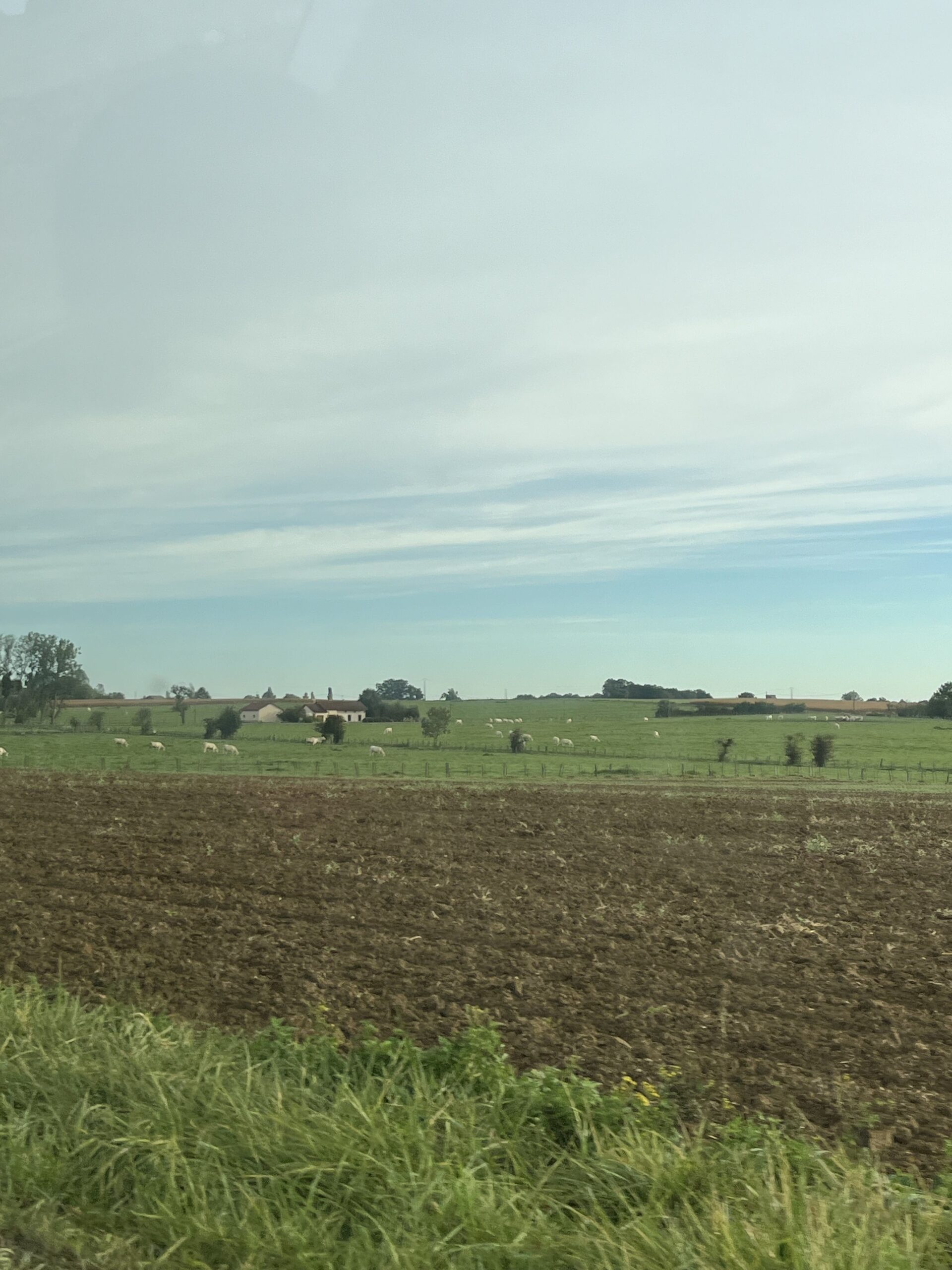
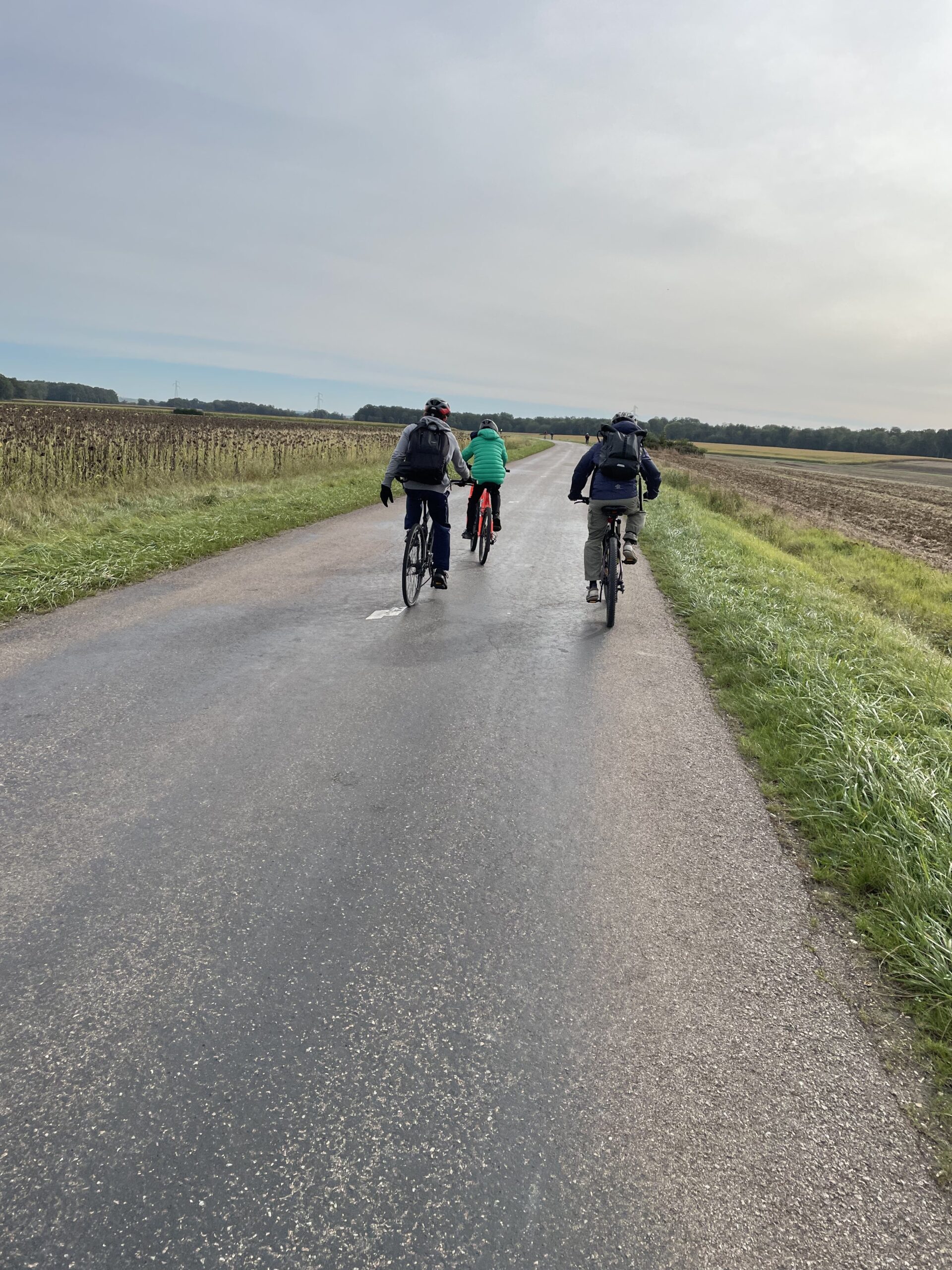
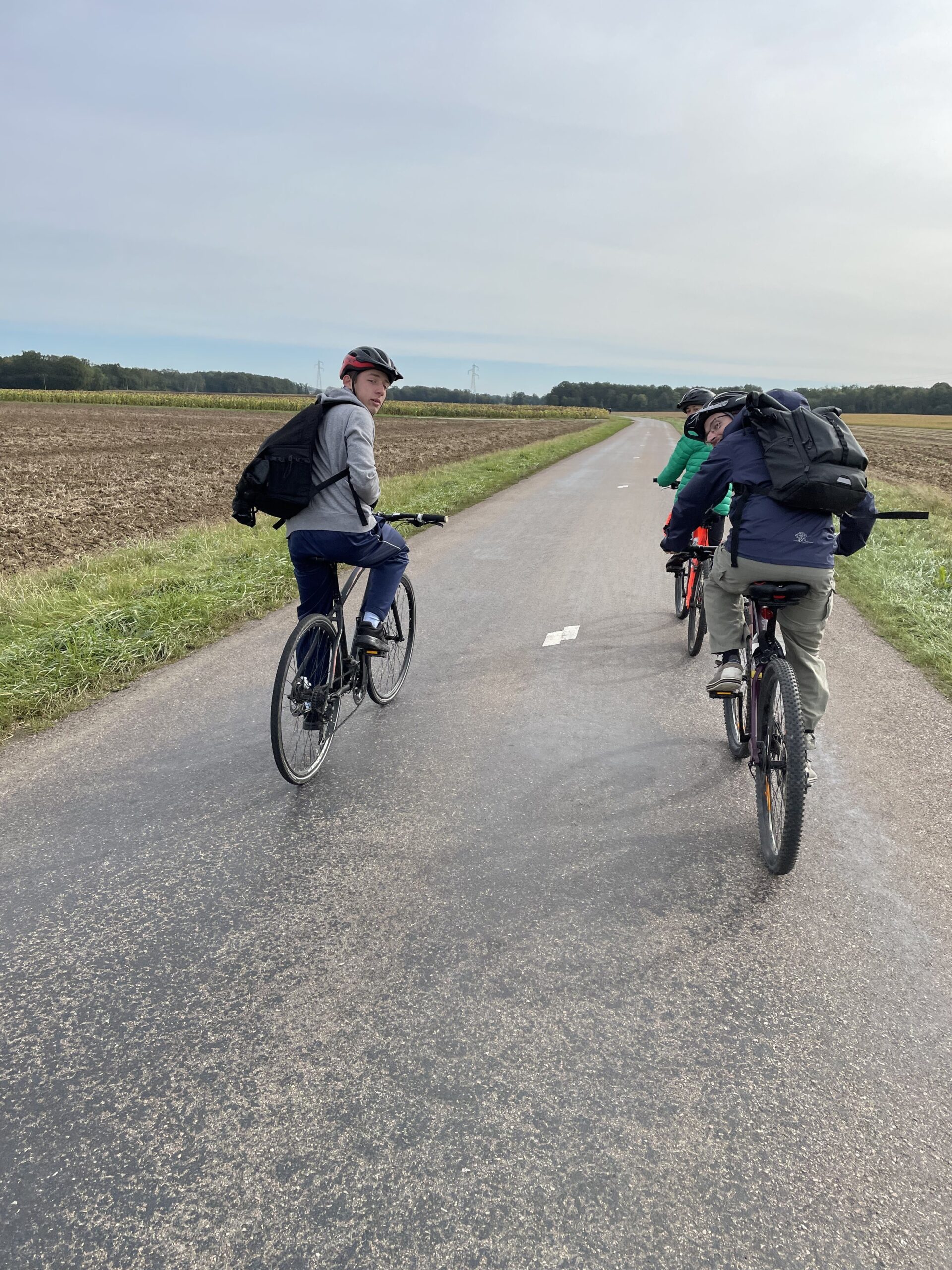
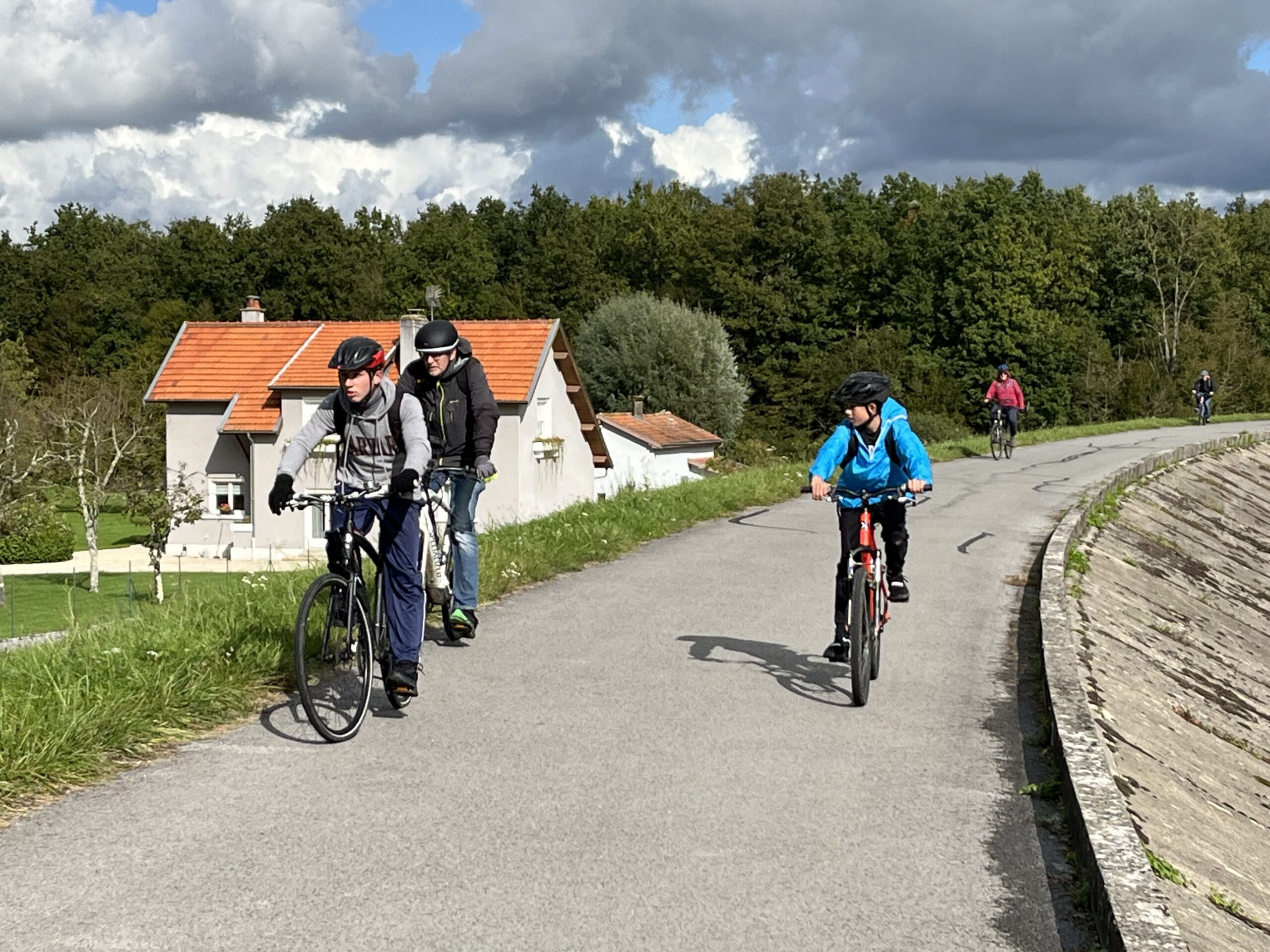
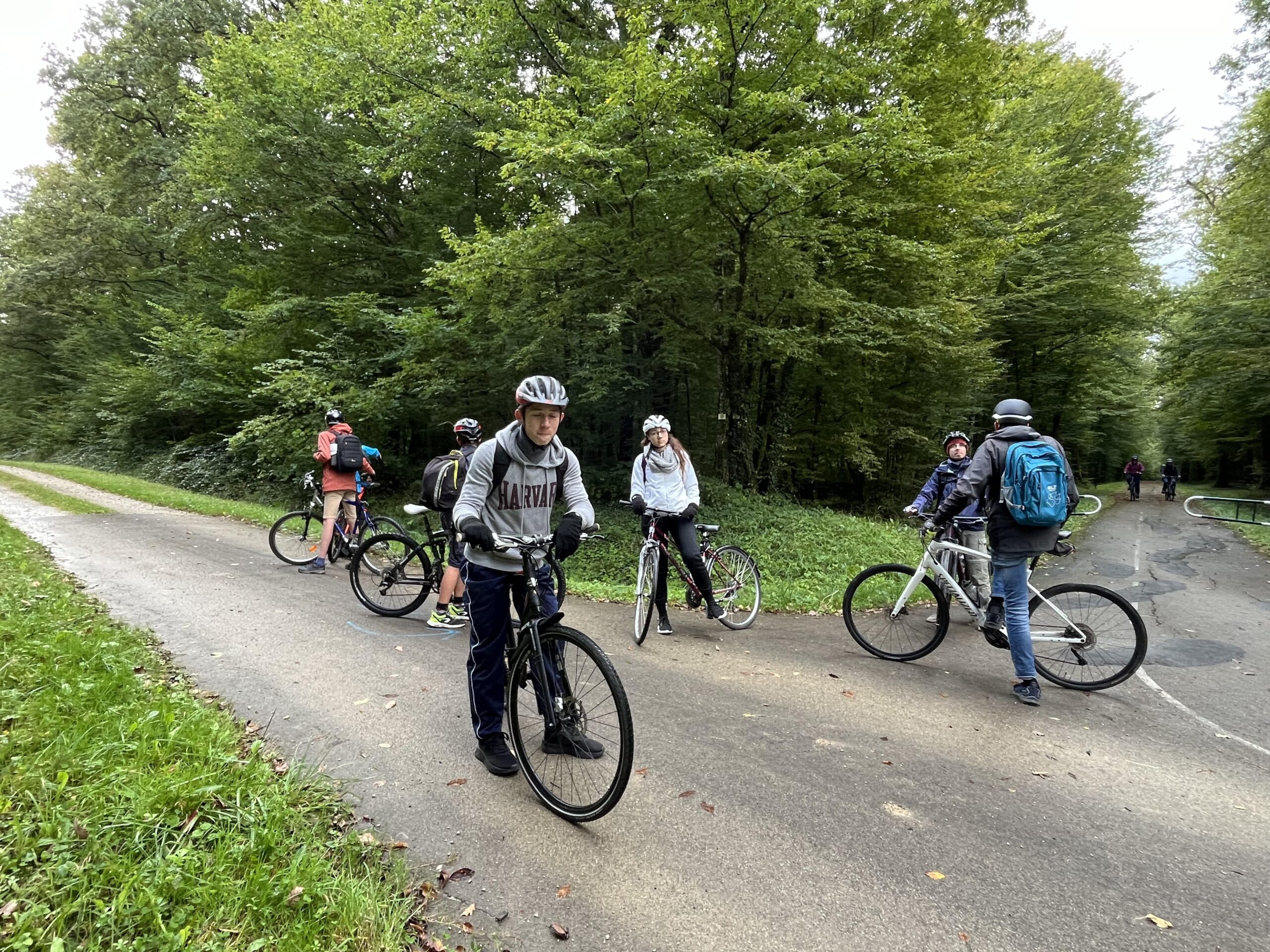
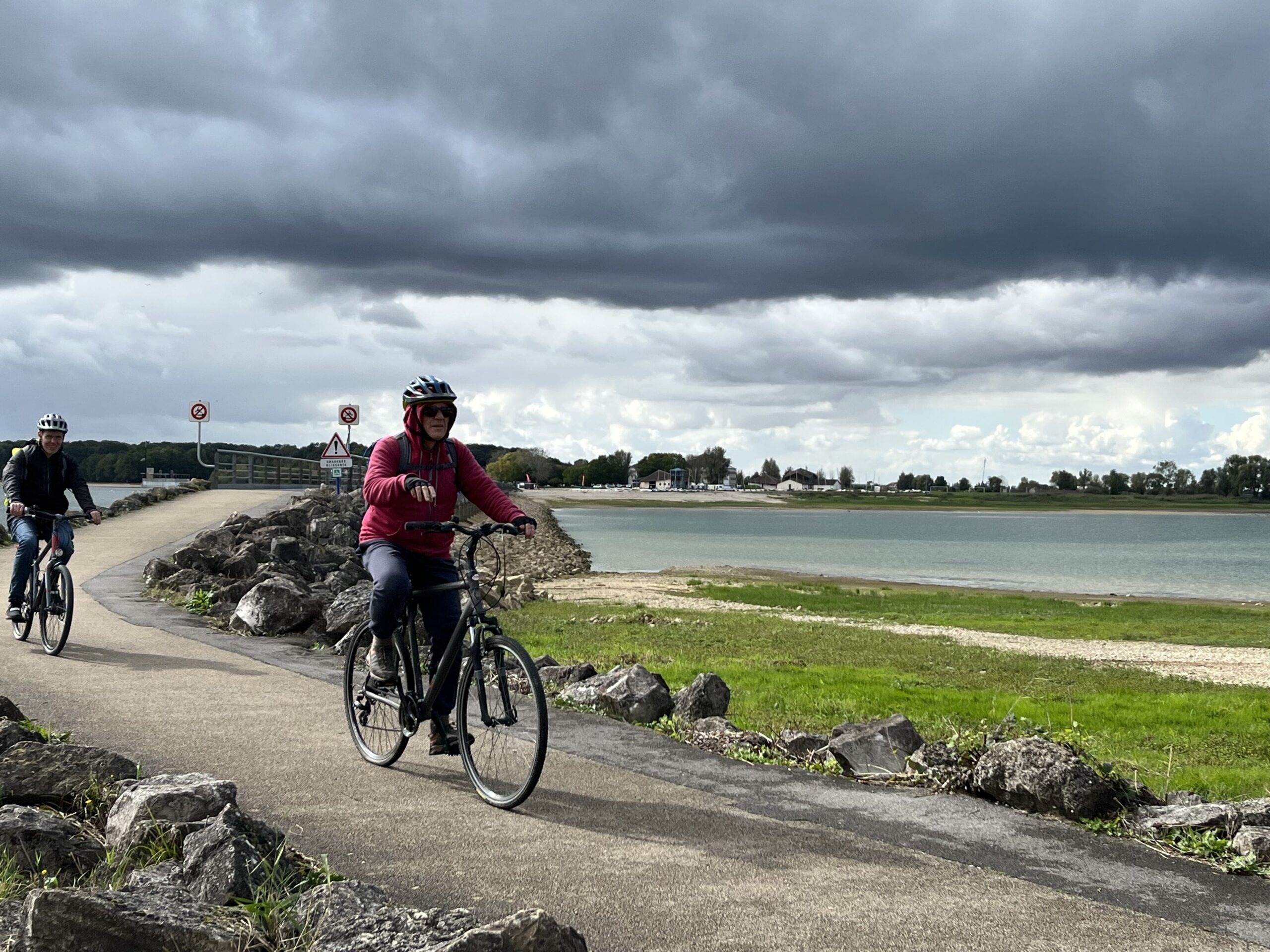
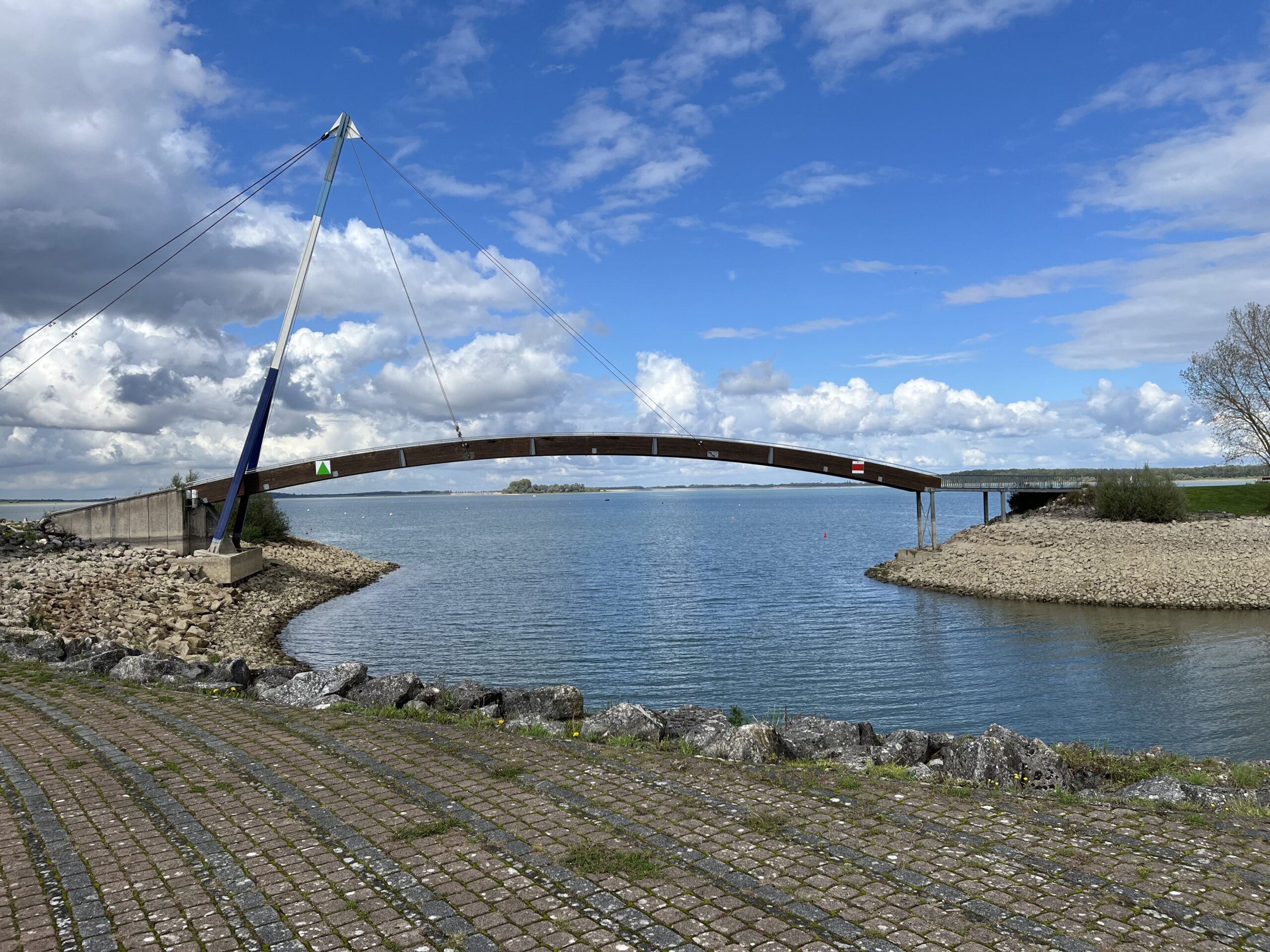
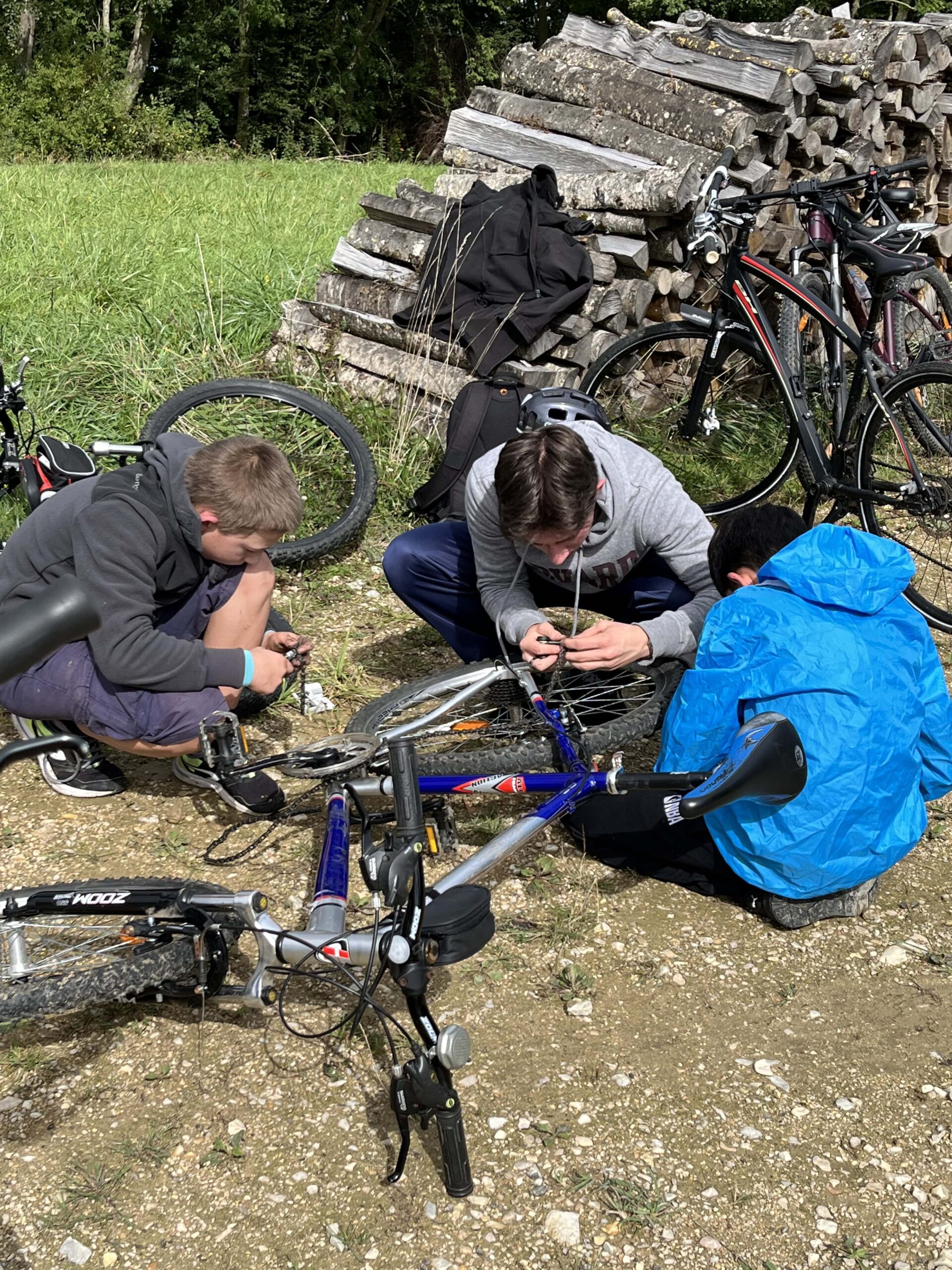
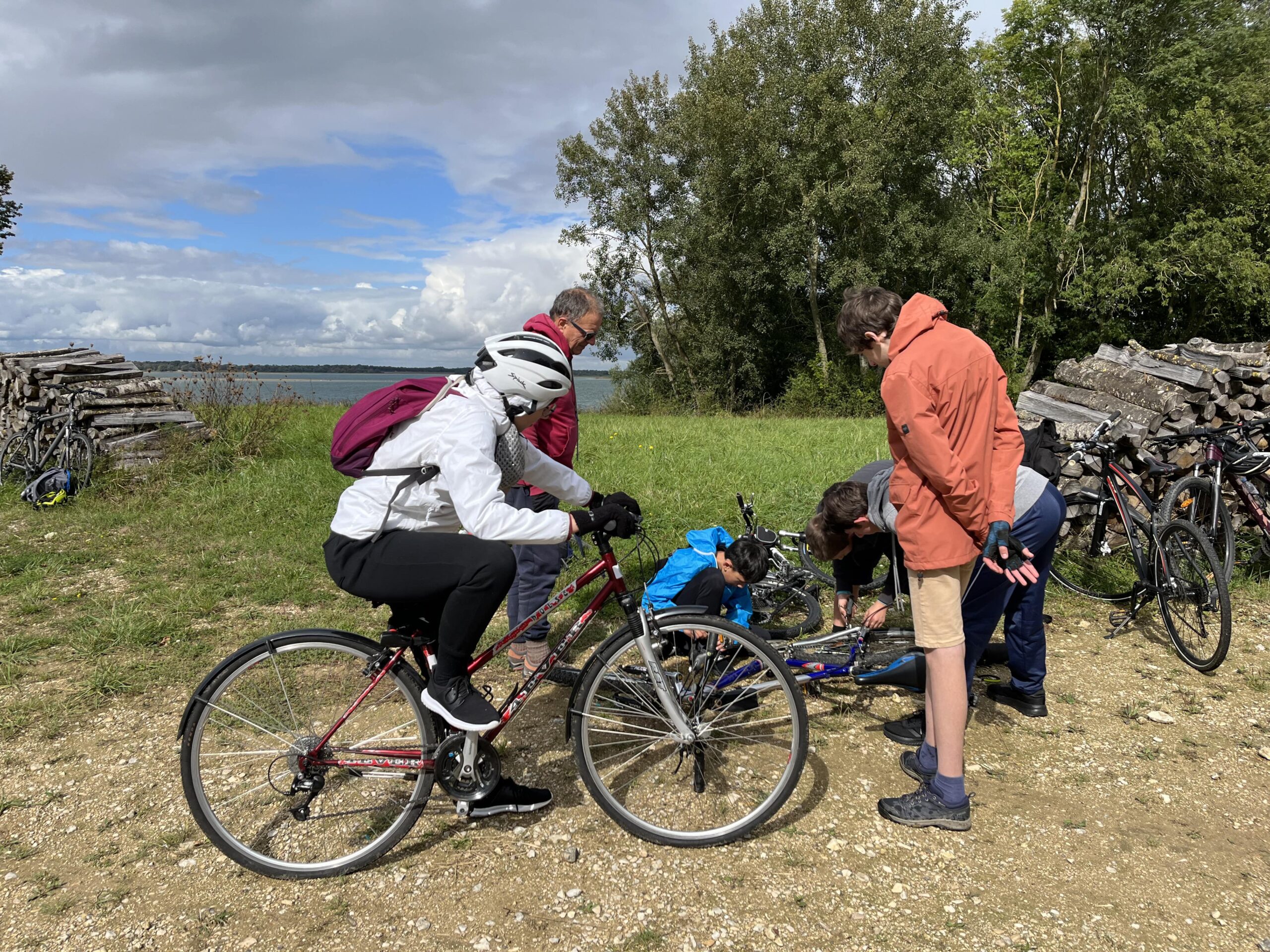
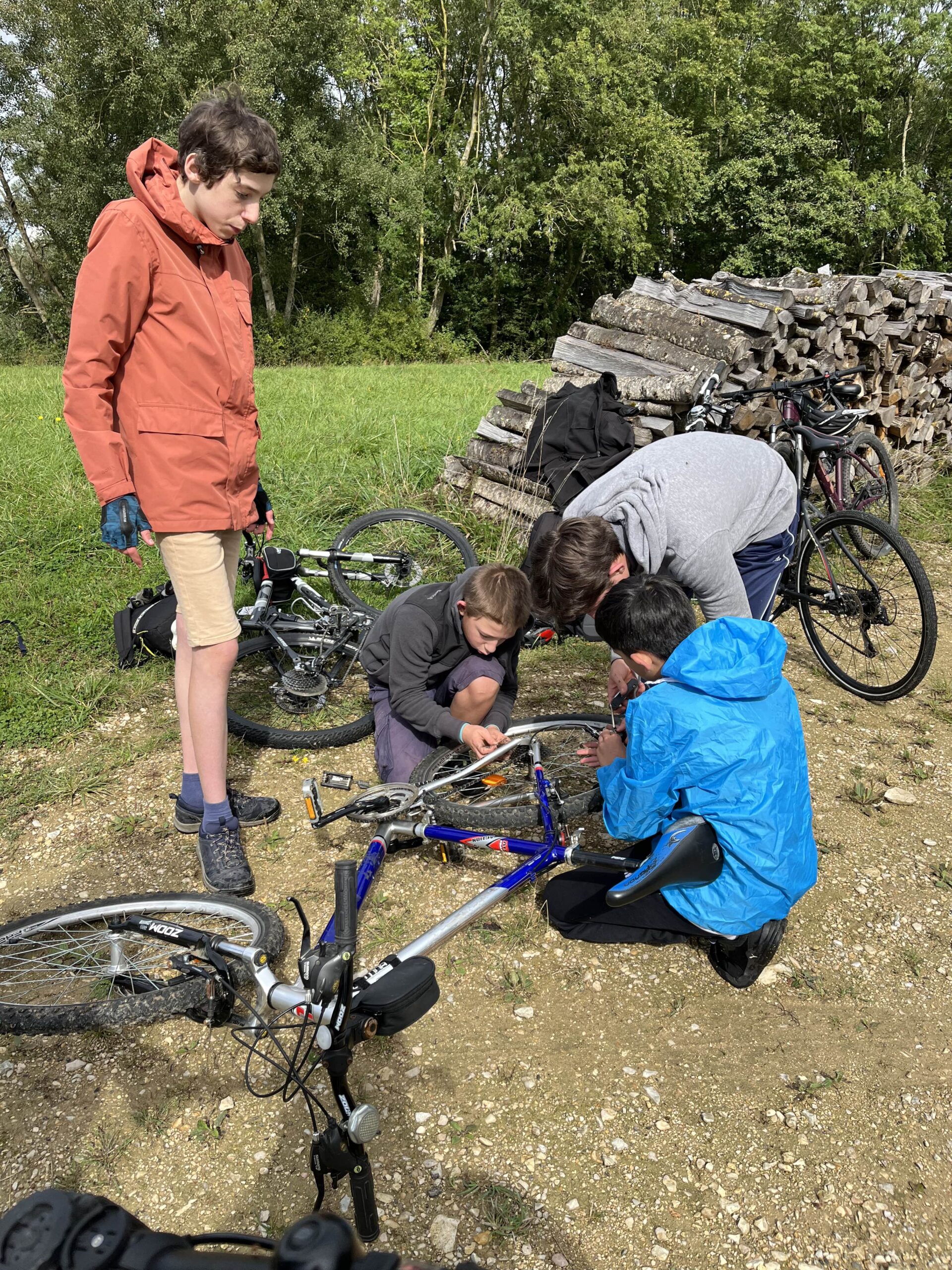
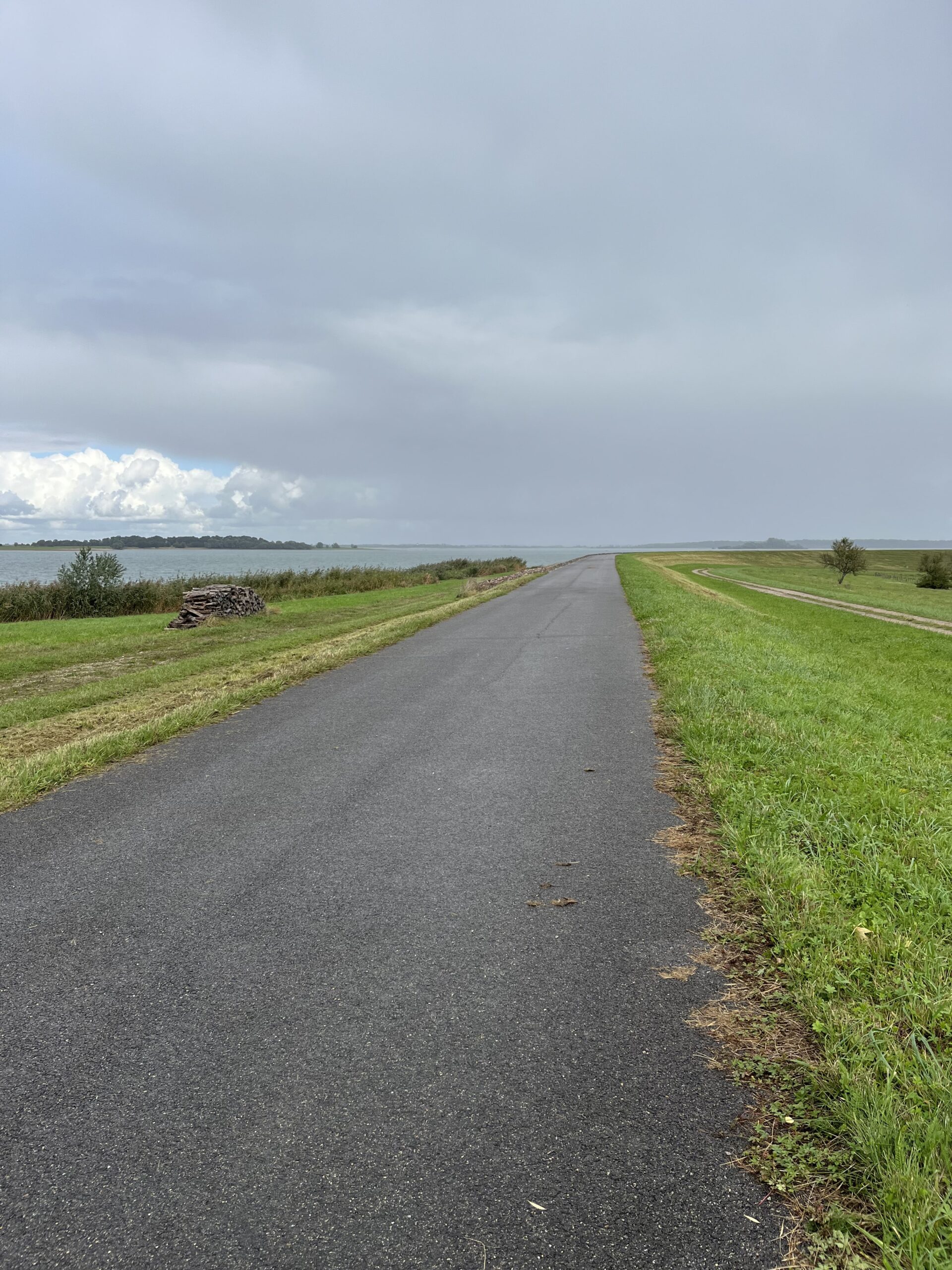
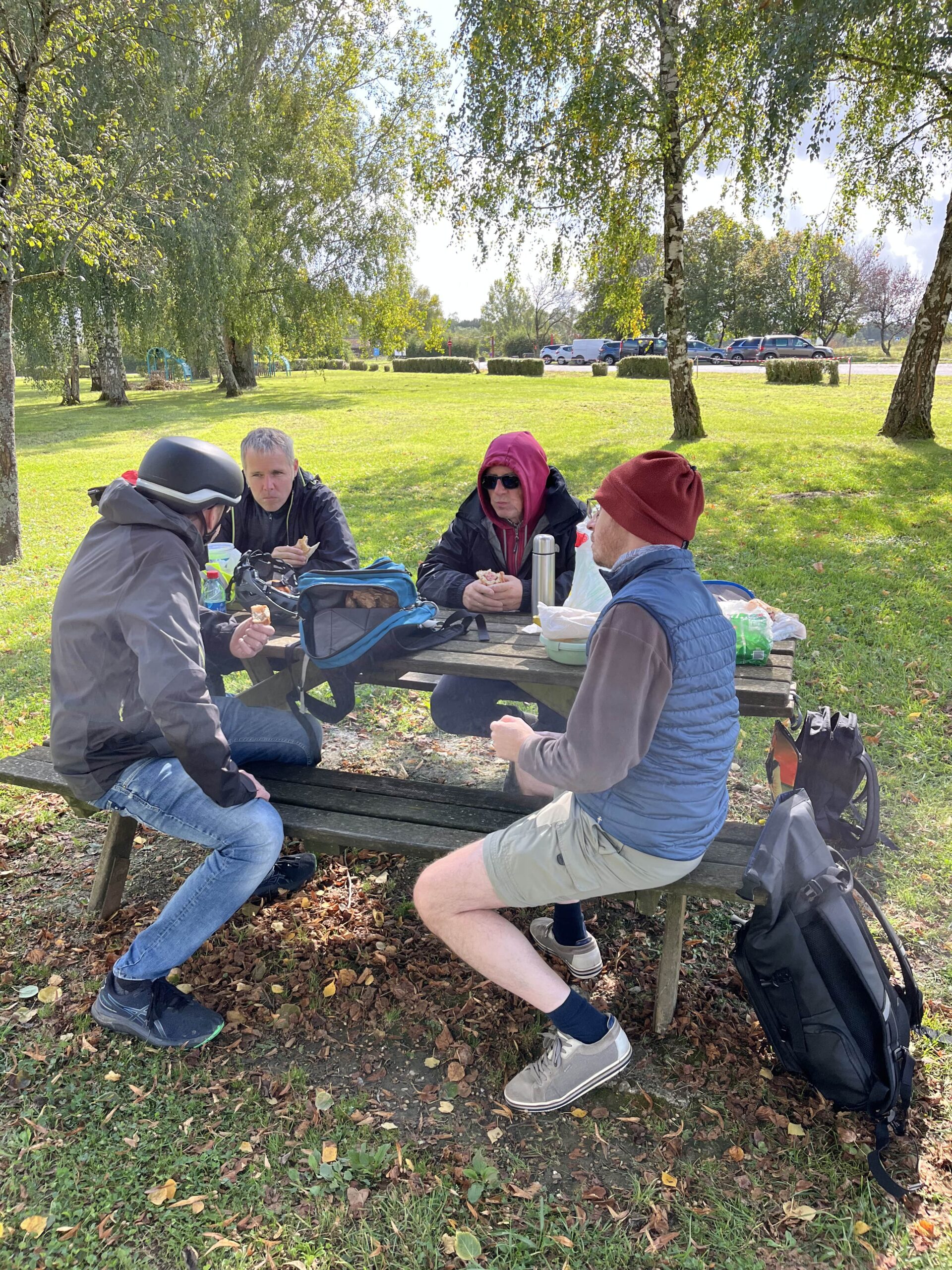
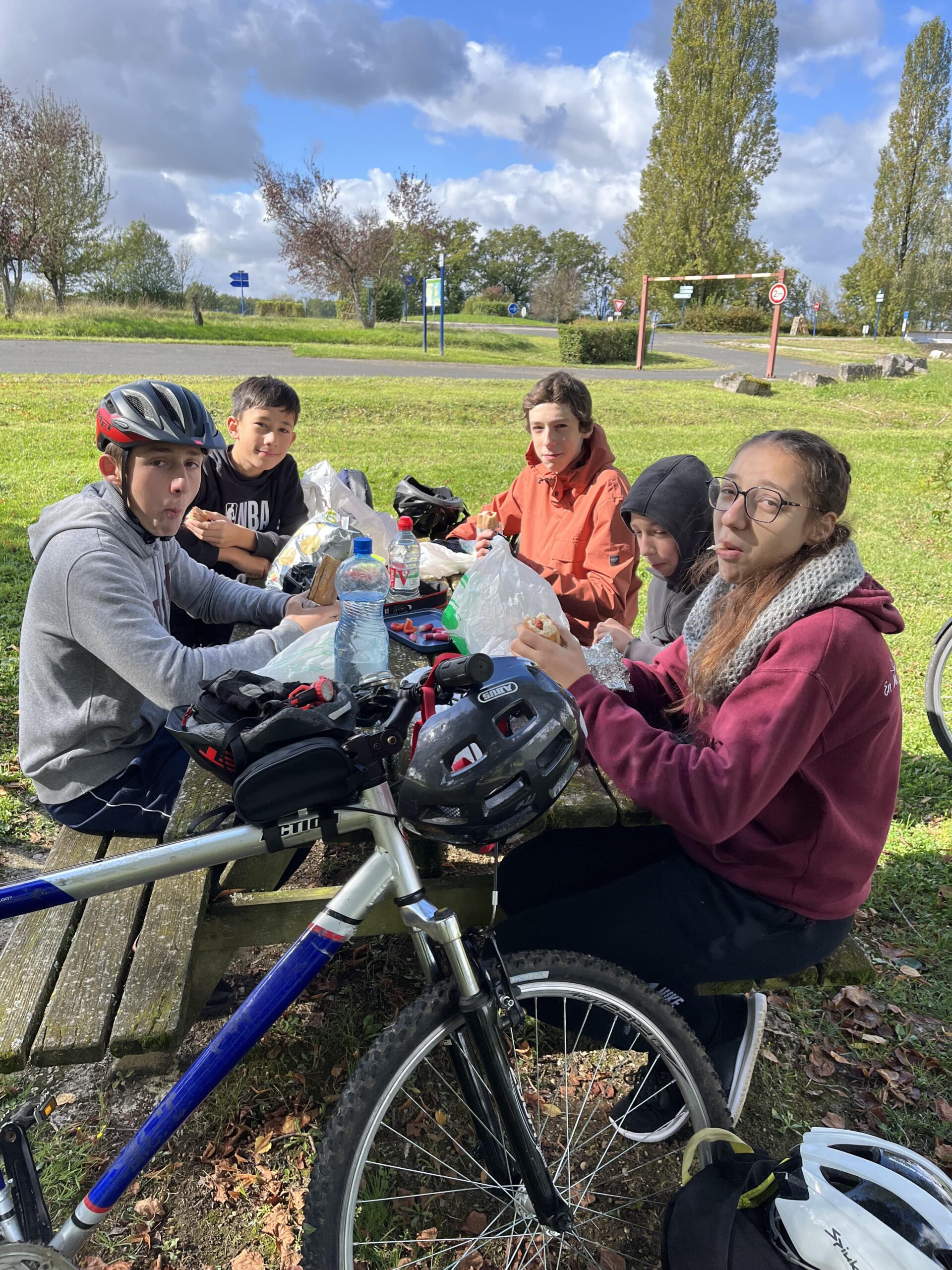
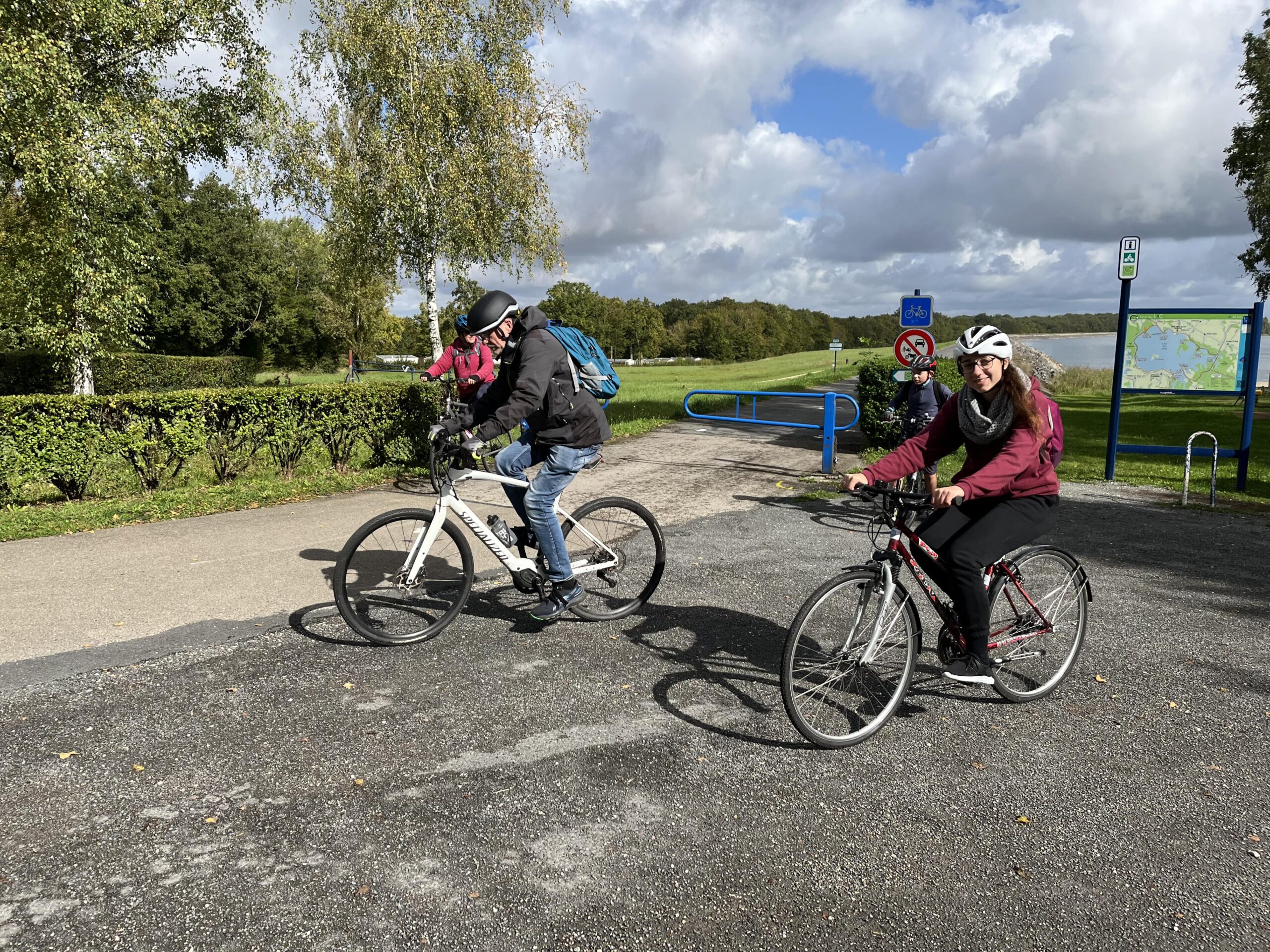
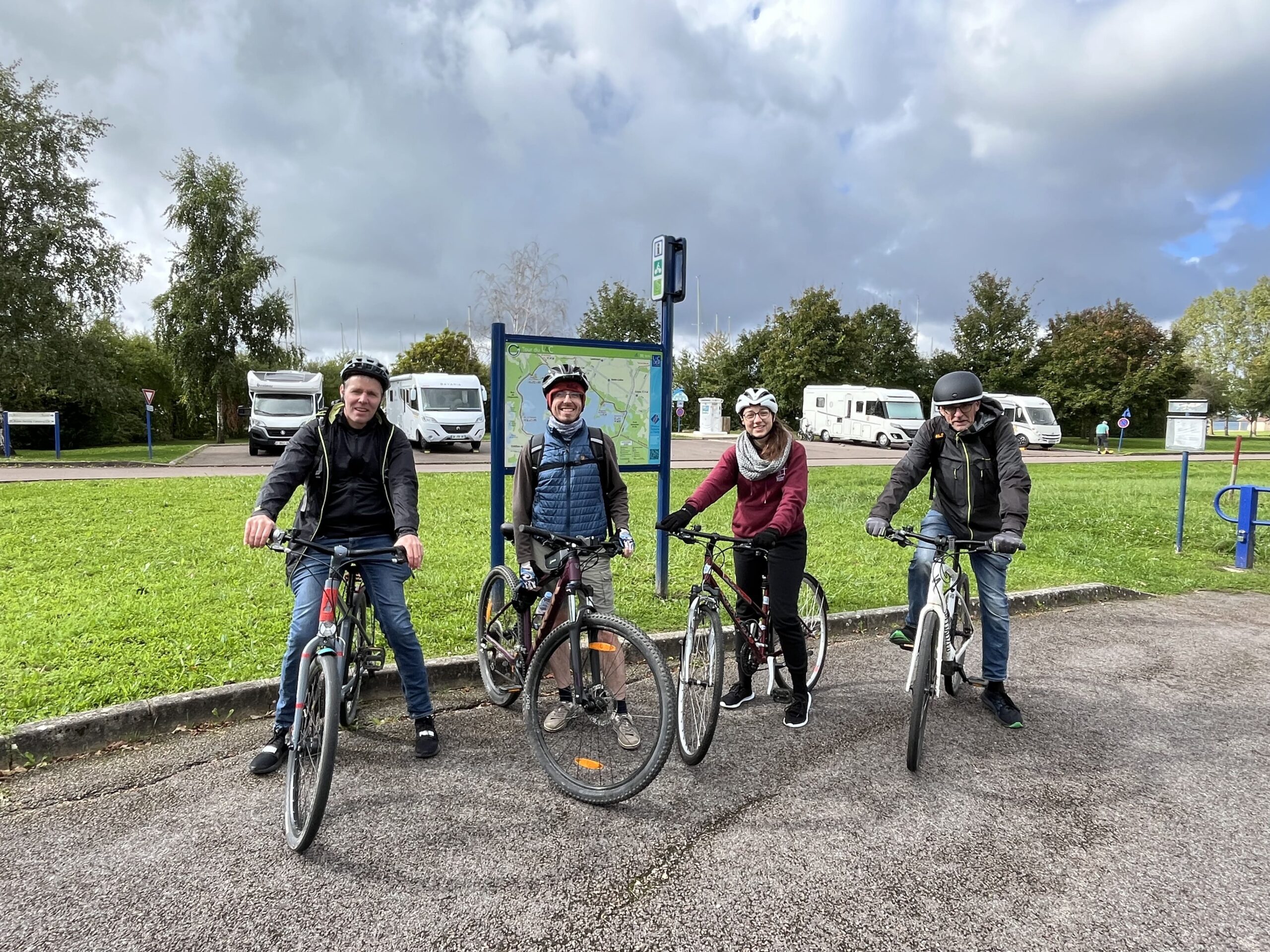
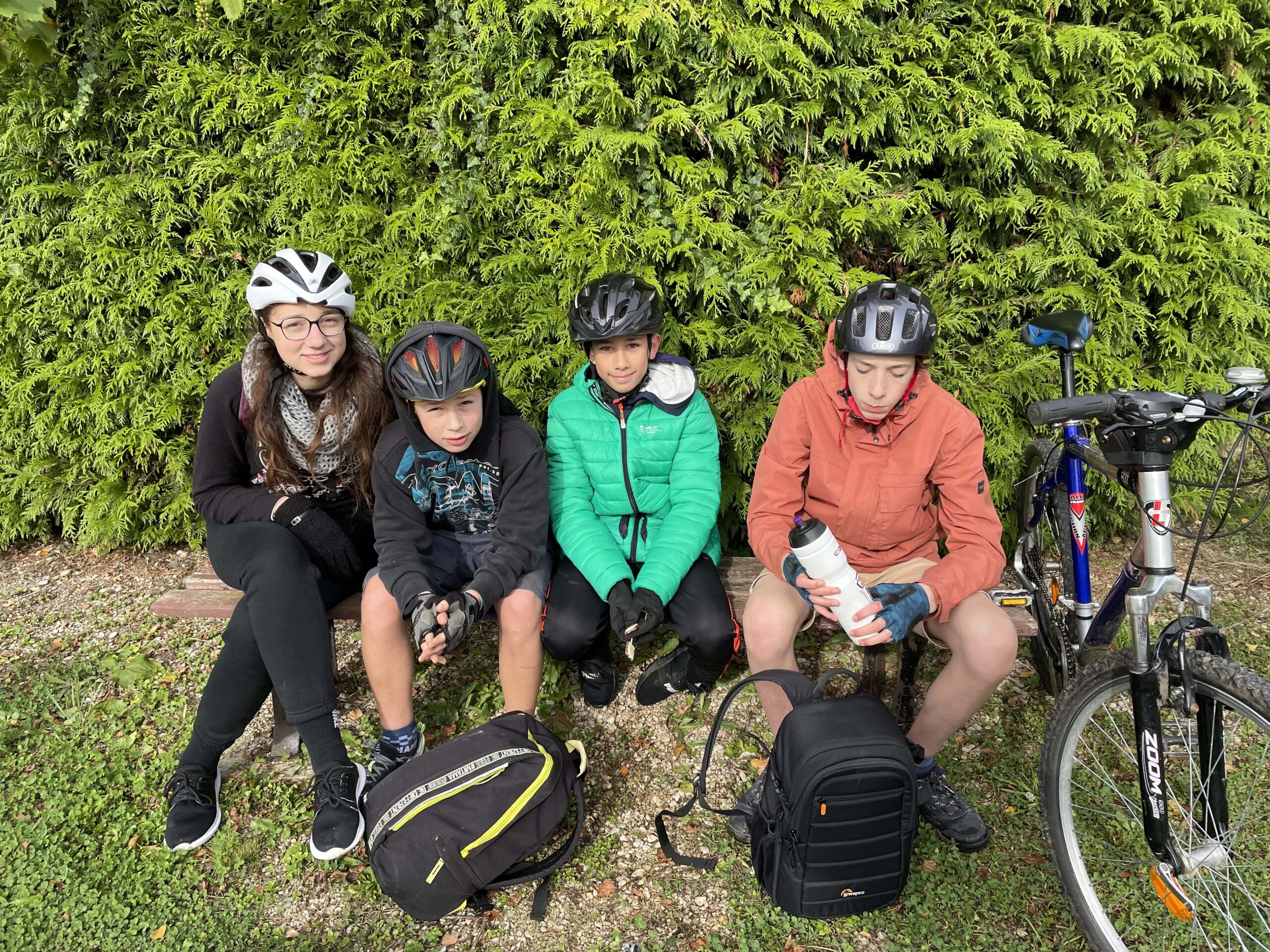
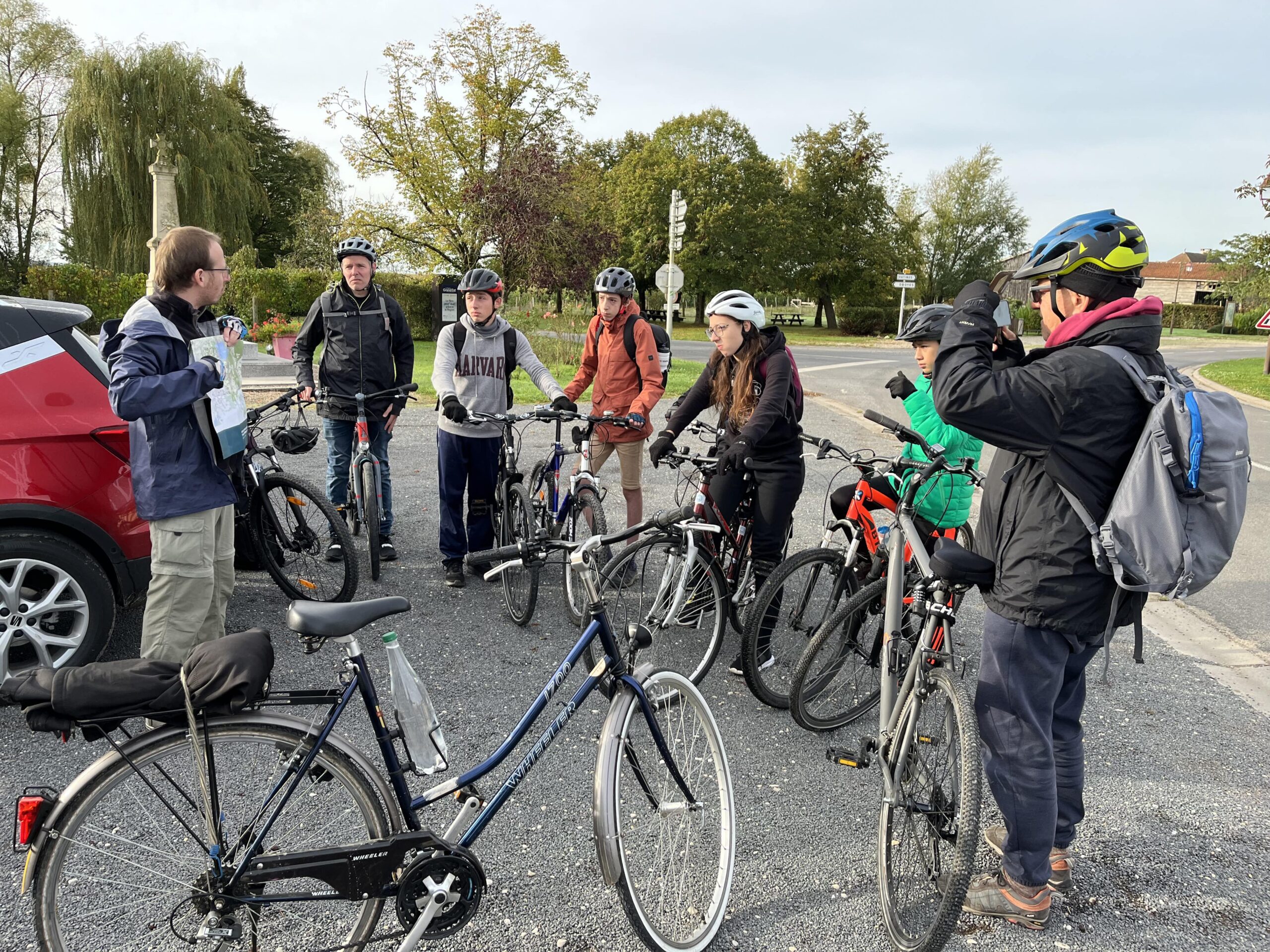
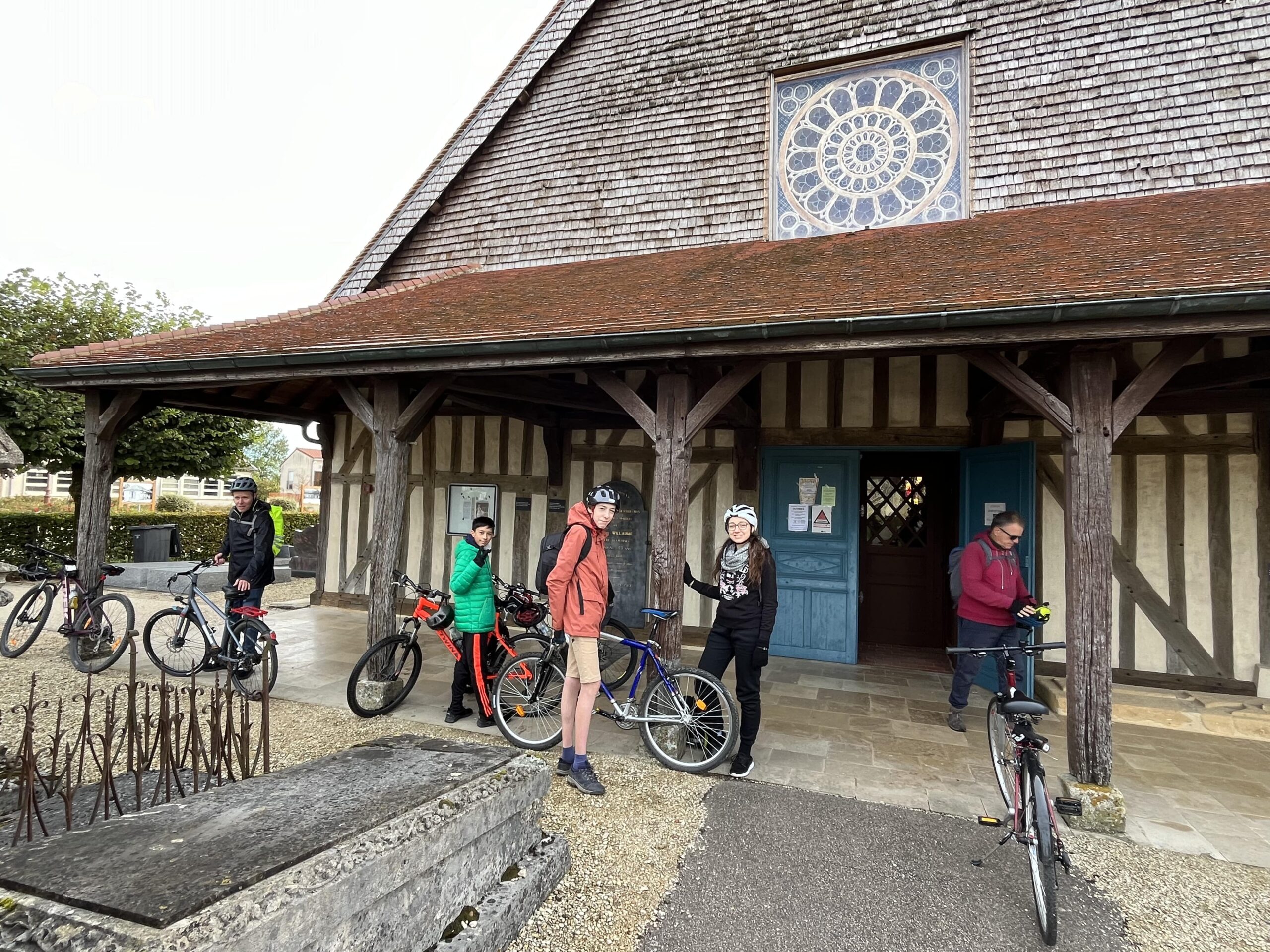
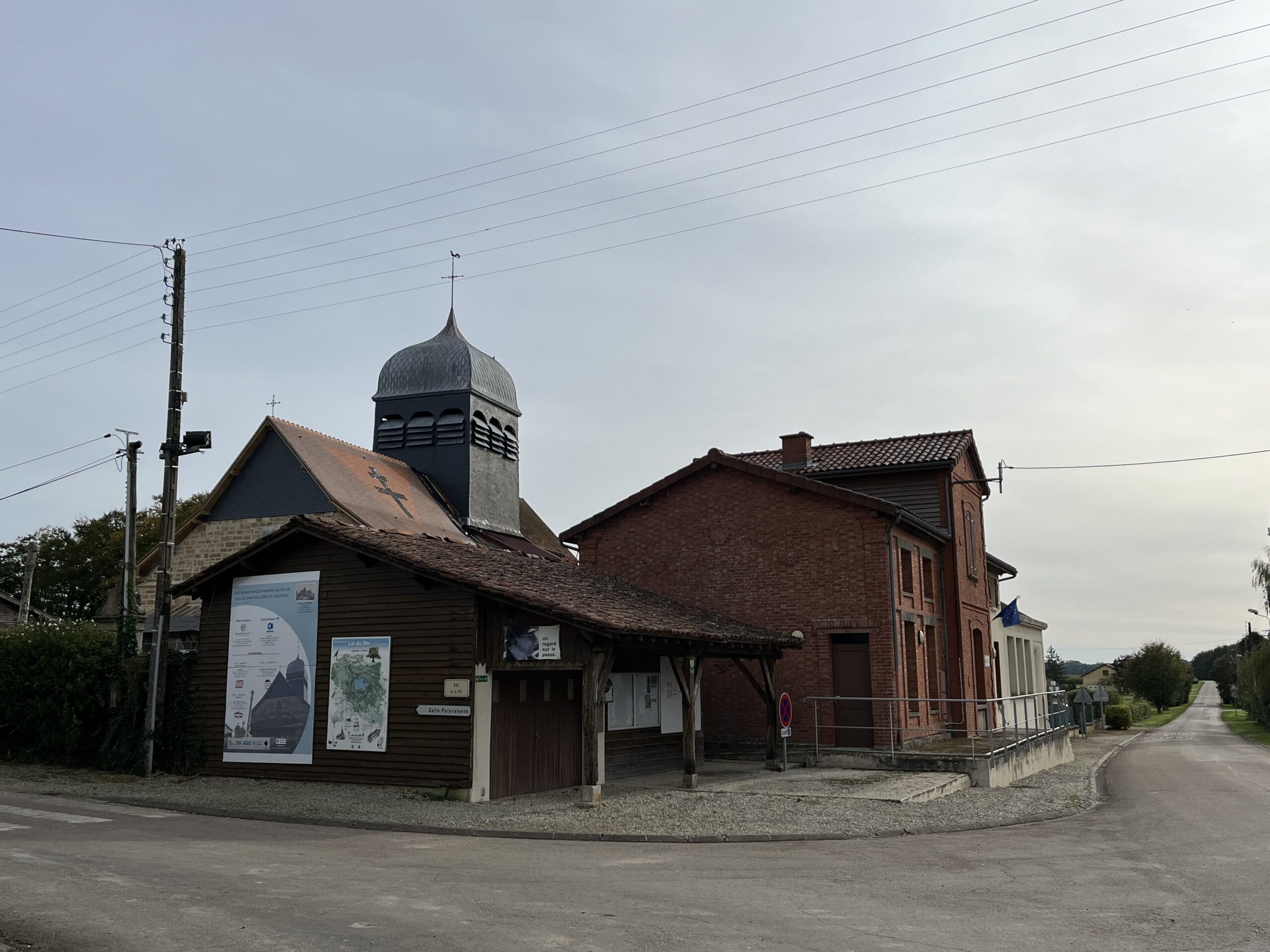
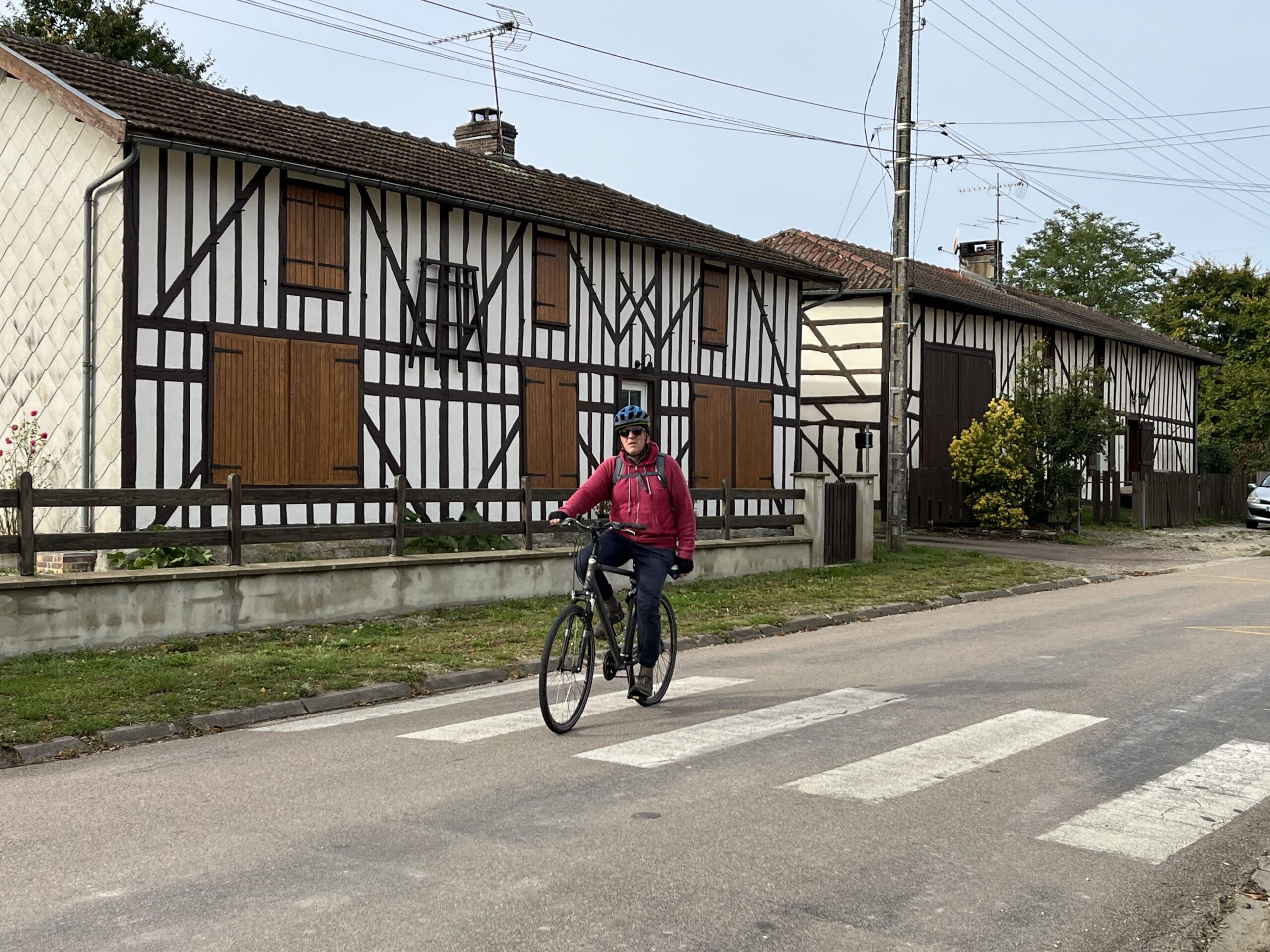
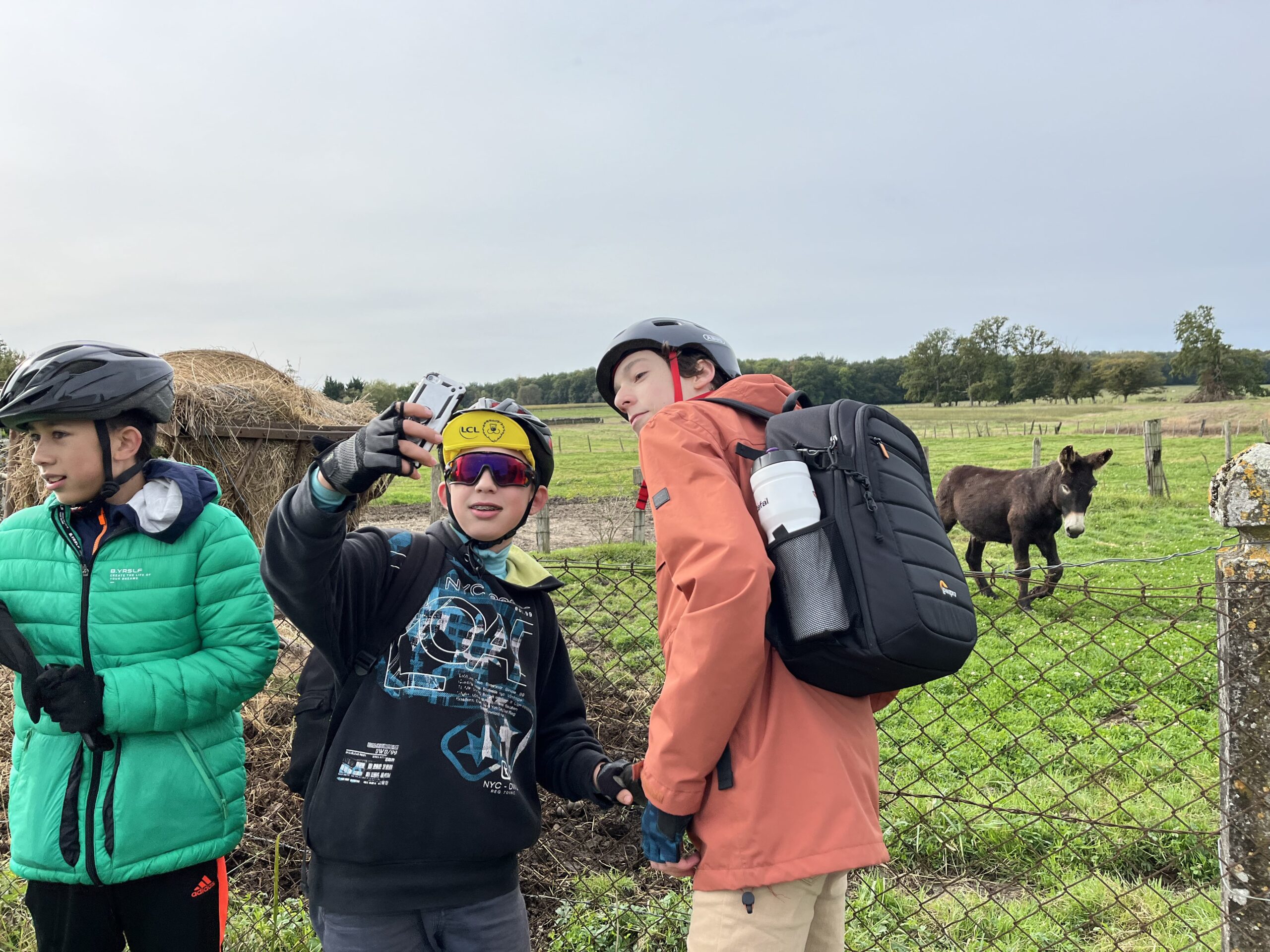
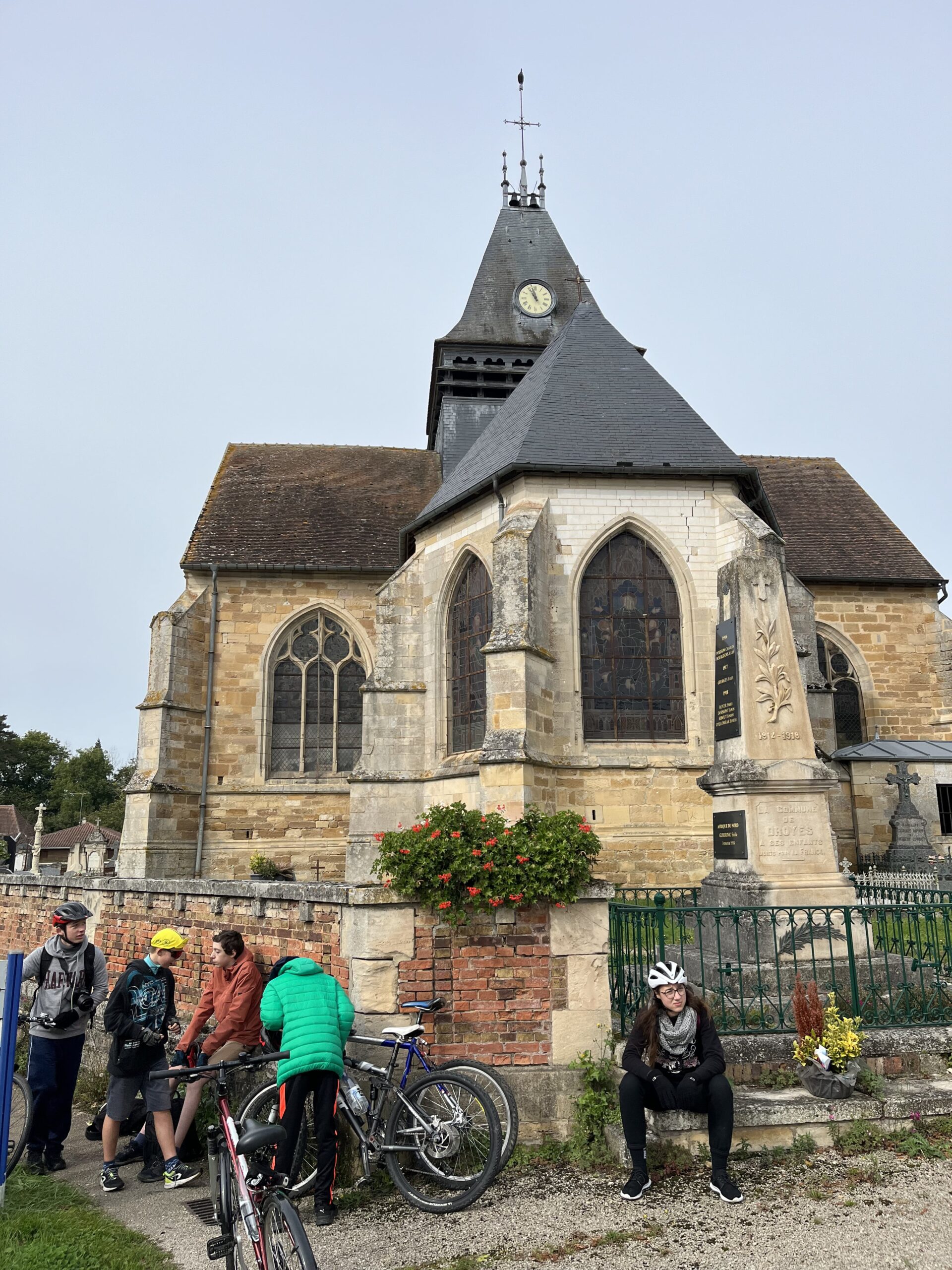
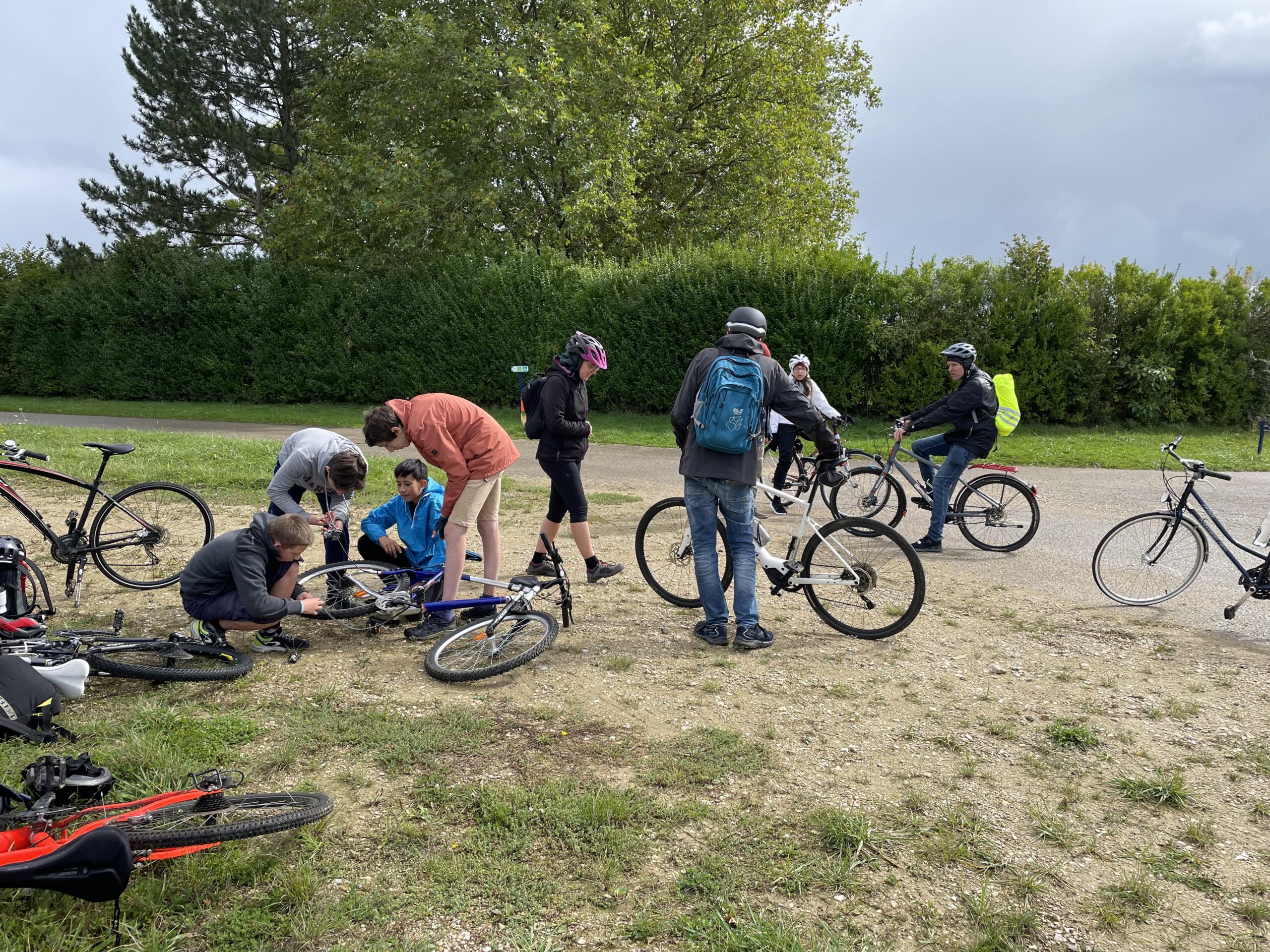
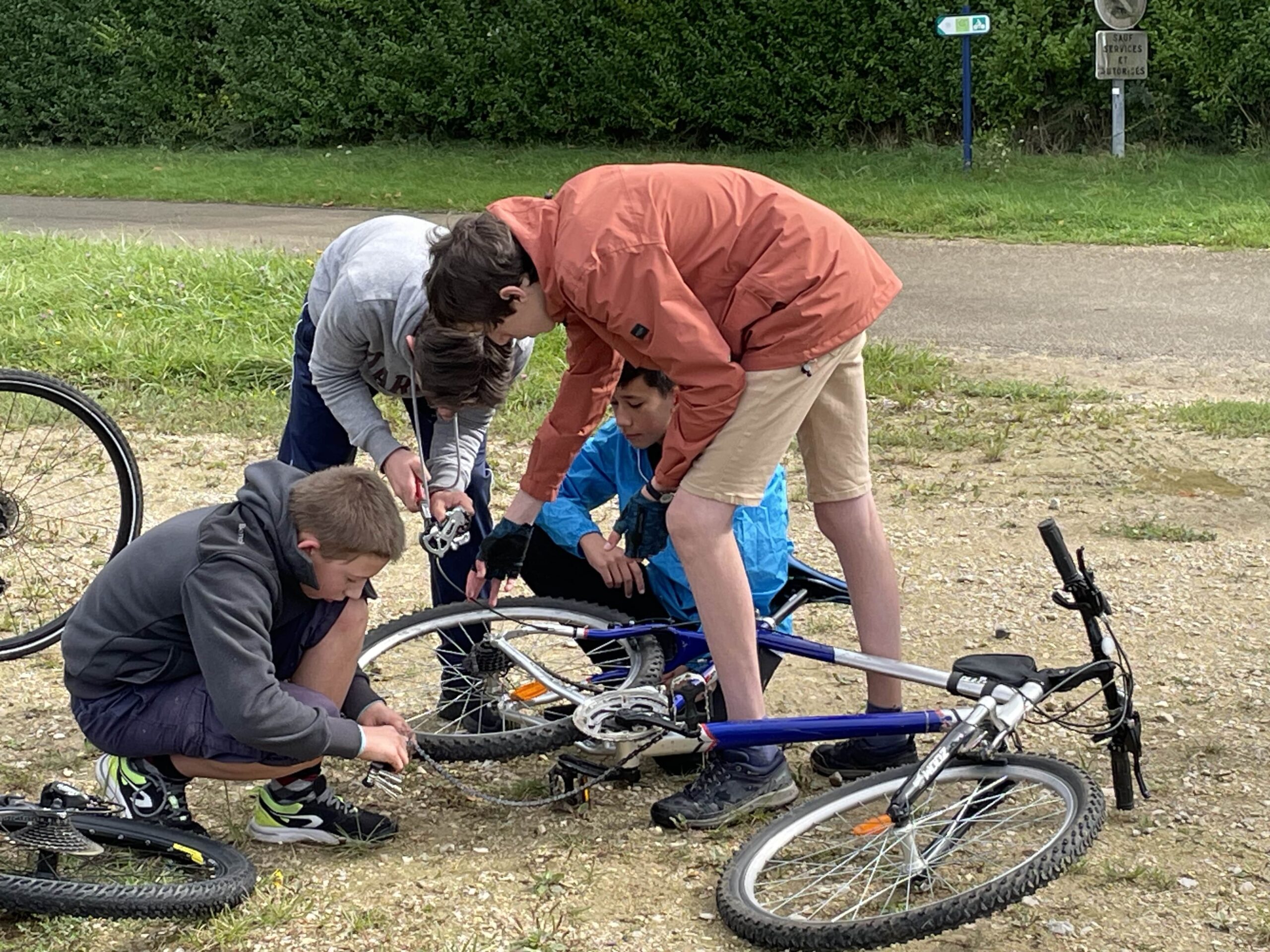
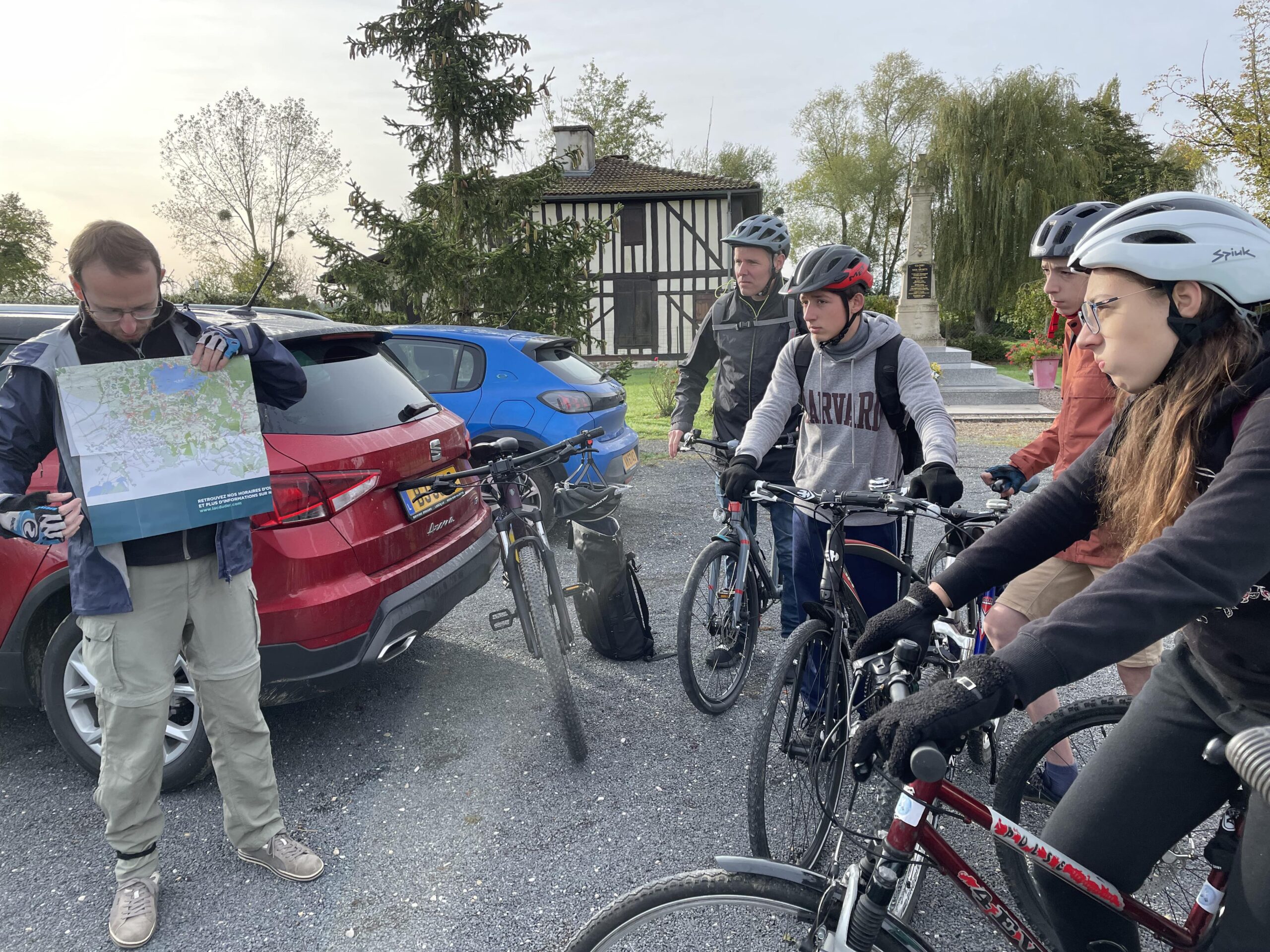
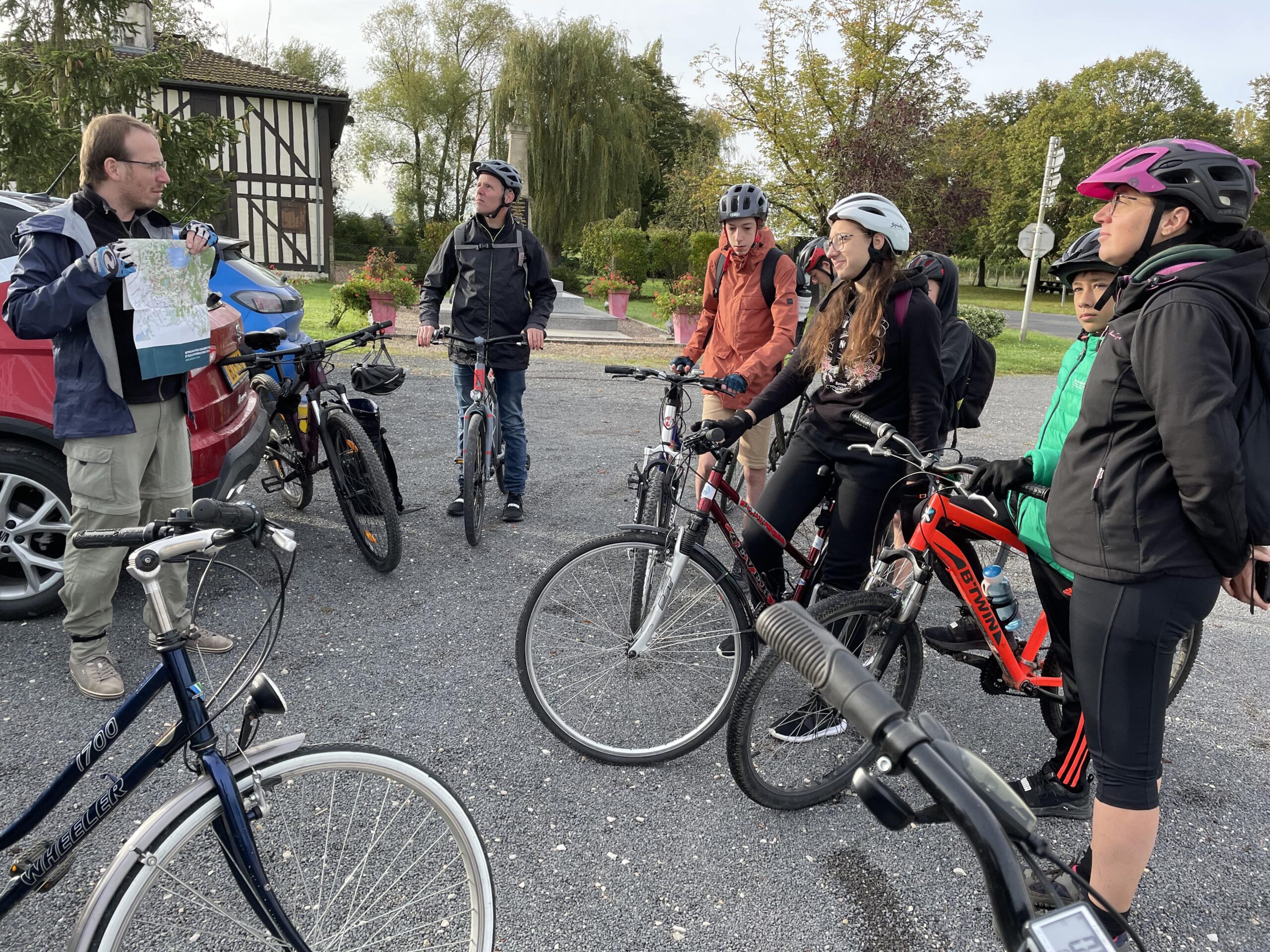
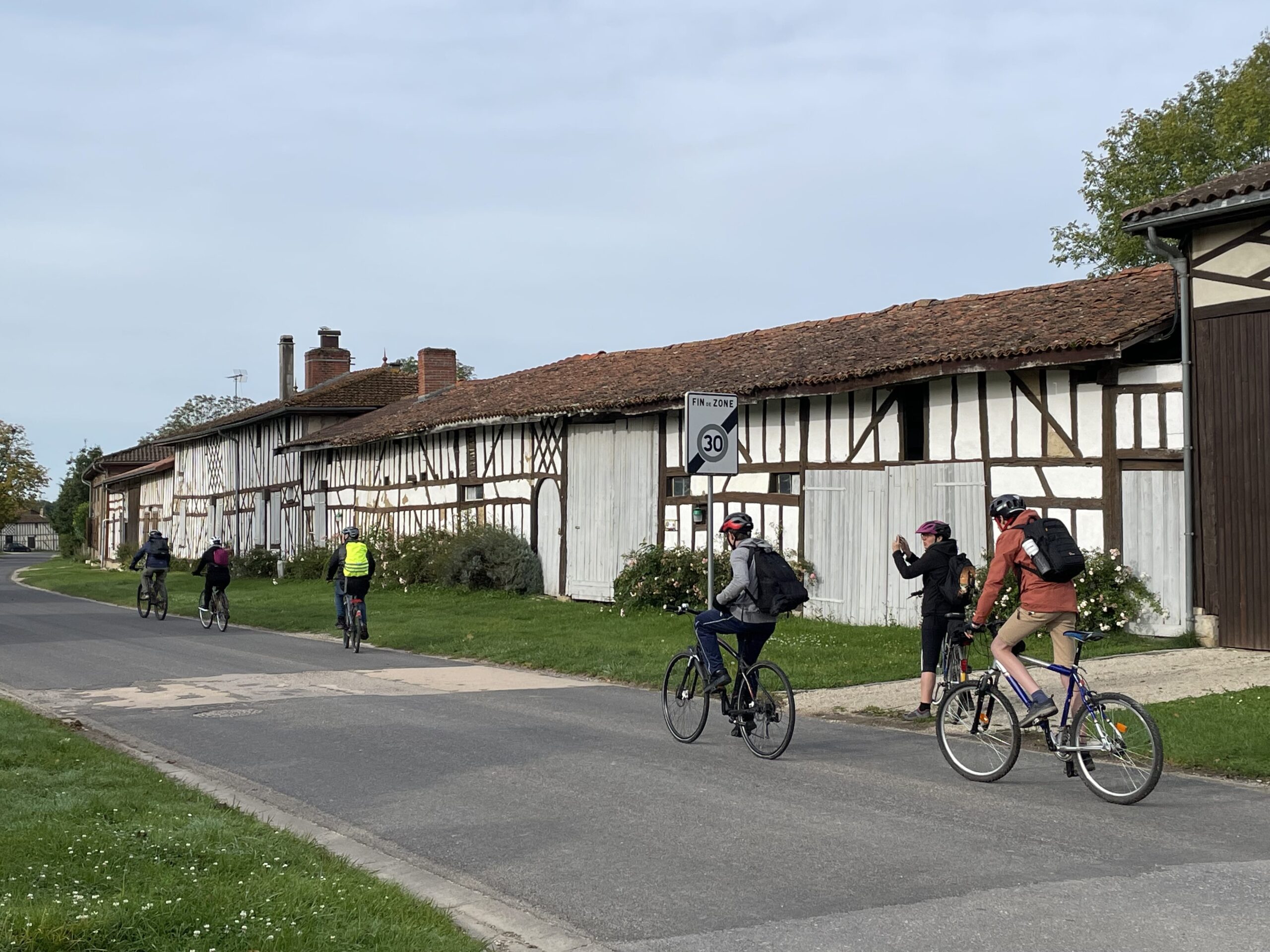
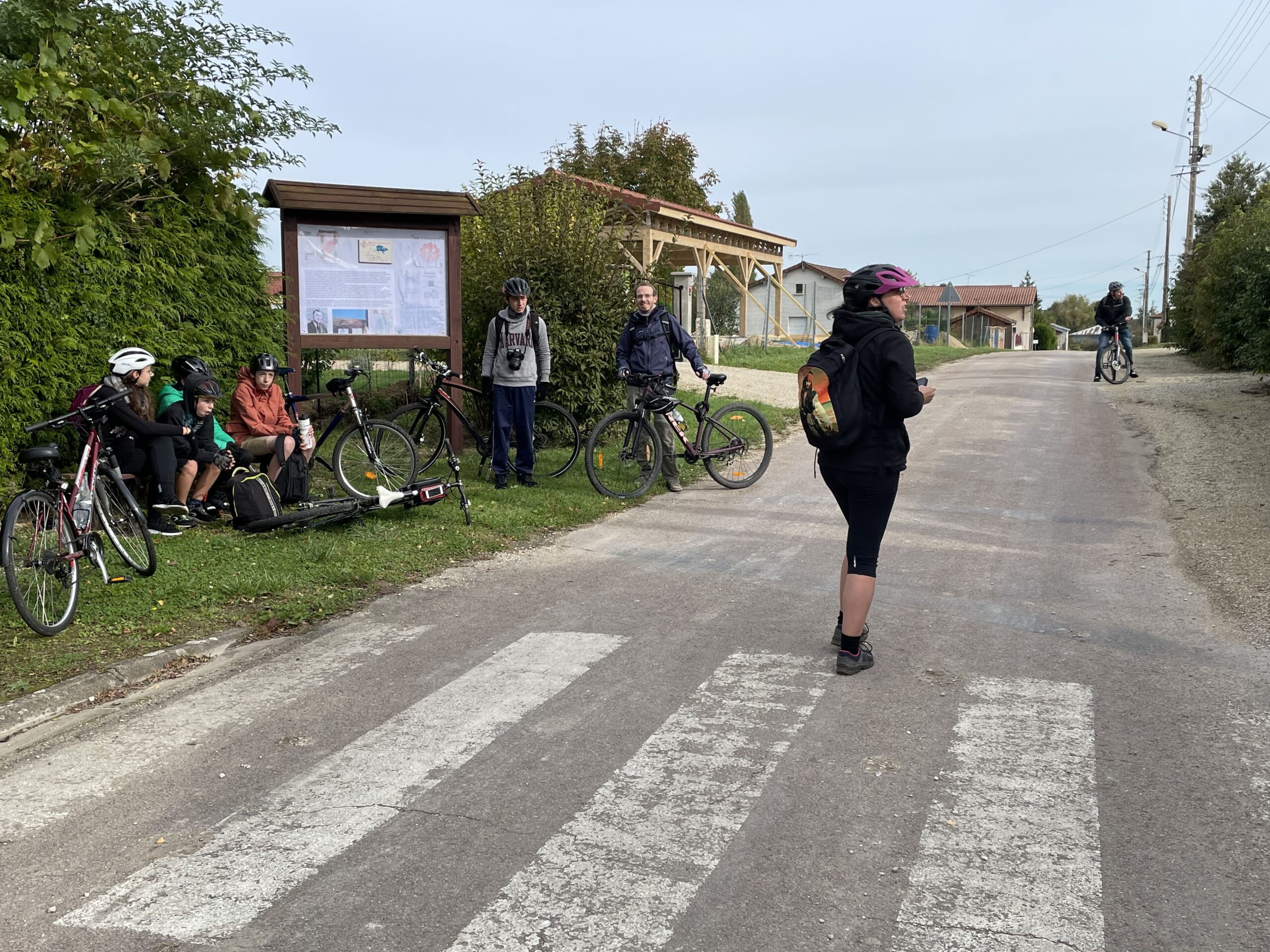
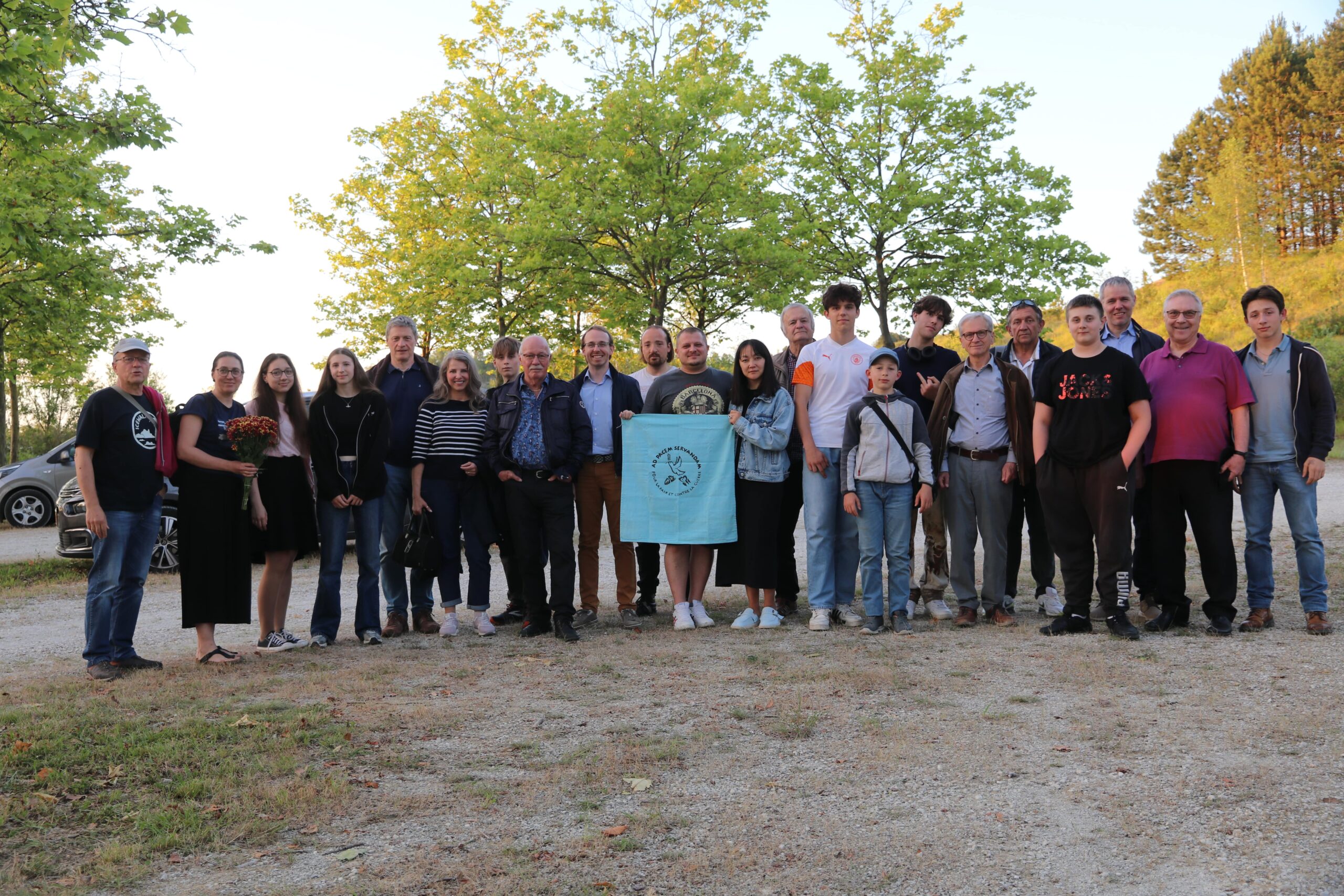
A dozen cyclists from the Ad Pacem association met up at Lake Der on 28 and 29 September 2024 to cycle along the cycle path that runs alongside the lake and through a few villages. The whole team spent the evening and night in a house rented for the occasion near the lake. On Sunday, they completed the second part of the route, again on cycle paths and roads around the lake.
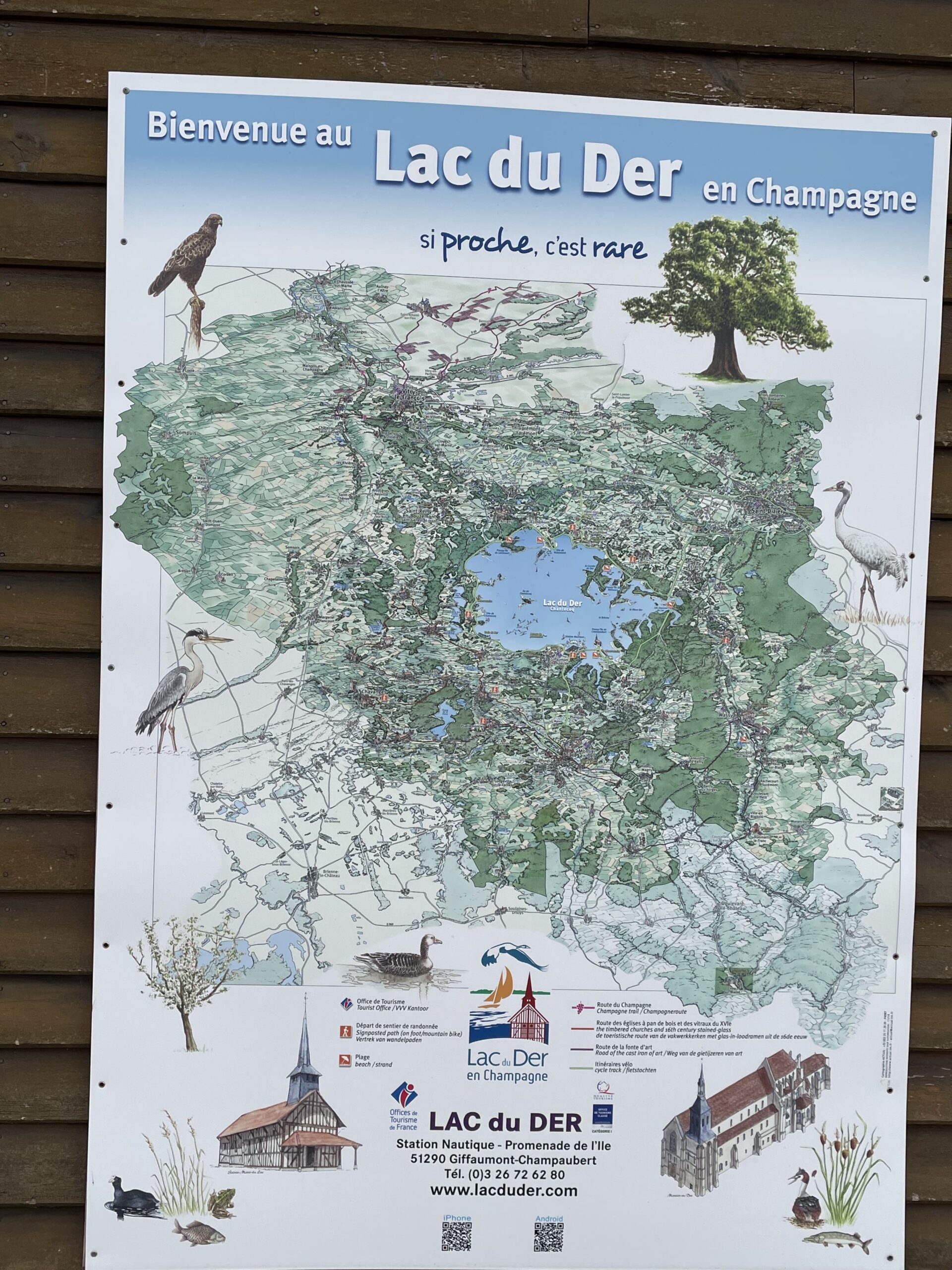
Characteristics of Lac du Der Lac du Der – Chantecoq or Lac de la Marne is an artificial lake in north-eastern France. It is located on the border between the departments of Marne and Haute-Marne. In 1974, after 10 years of massive construction work, Lac du Der was created in the heart of the Champagne region.
The primary purpose of Lac du Der, its raison d’être, is its capacity to store 350 million cubic metres of water. Starting at Saint-Dizier, it regulates the flow of the Marne, a tributary of the Seine, which is the largest river in France. On the one hand, it reduces the effect of flooding in Paris and, conversely, allows boats to continue sailing during periods of low water. The reservoir lake thus limits flooding in the departments of Haute-Marne and Marne, as well as in the Marne and Seine valleys, all the way to the Paris metropolitan area. Lac du Der offers magnificent landscapes throughout the seasons. With the good weather on their side, the group participants enjoyed a wonderful bike ride.
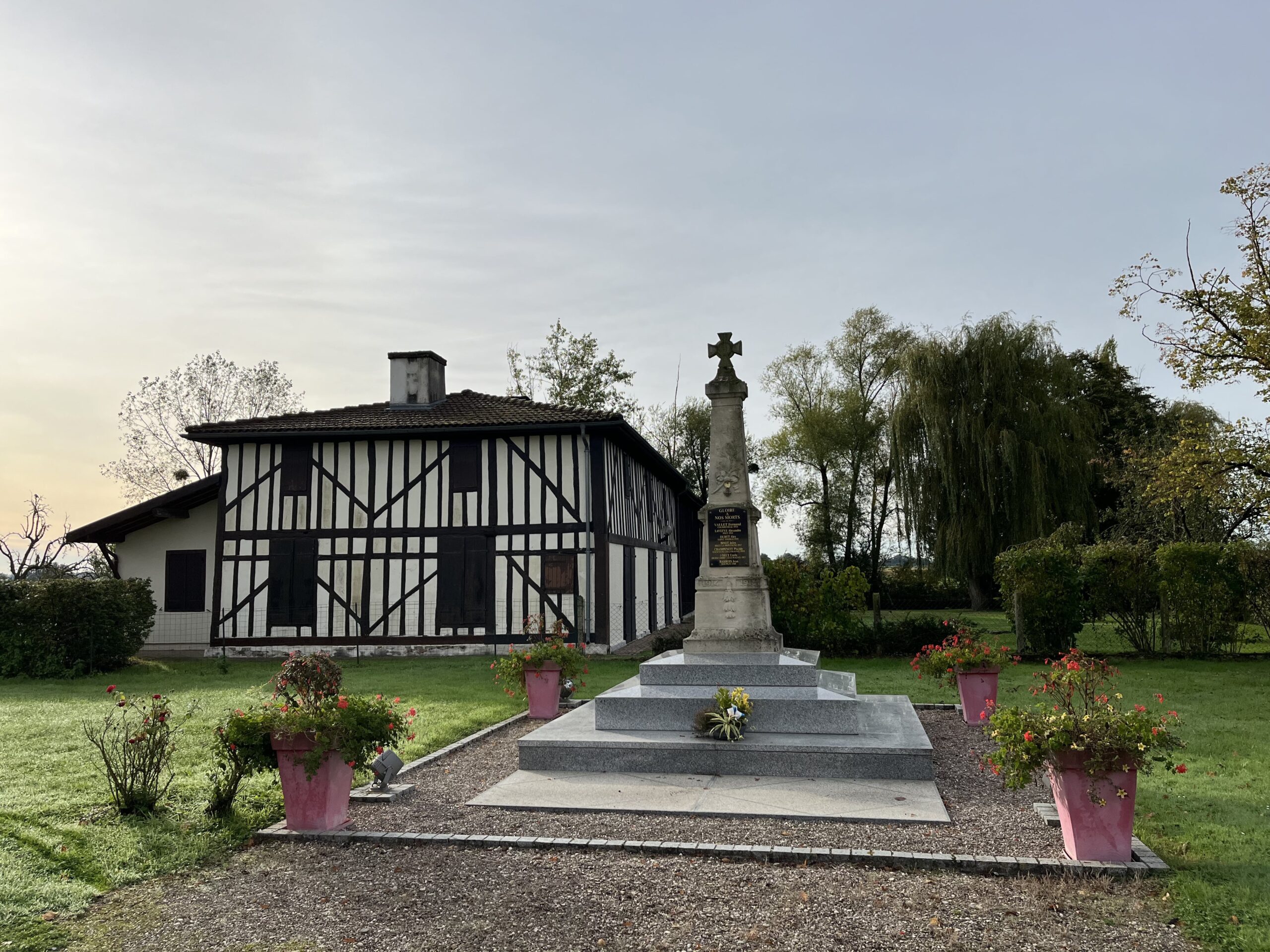
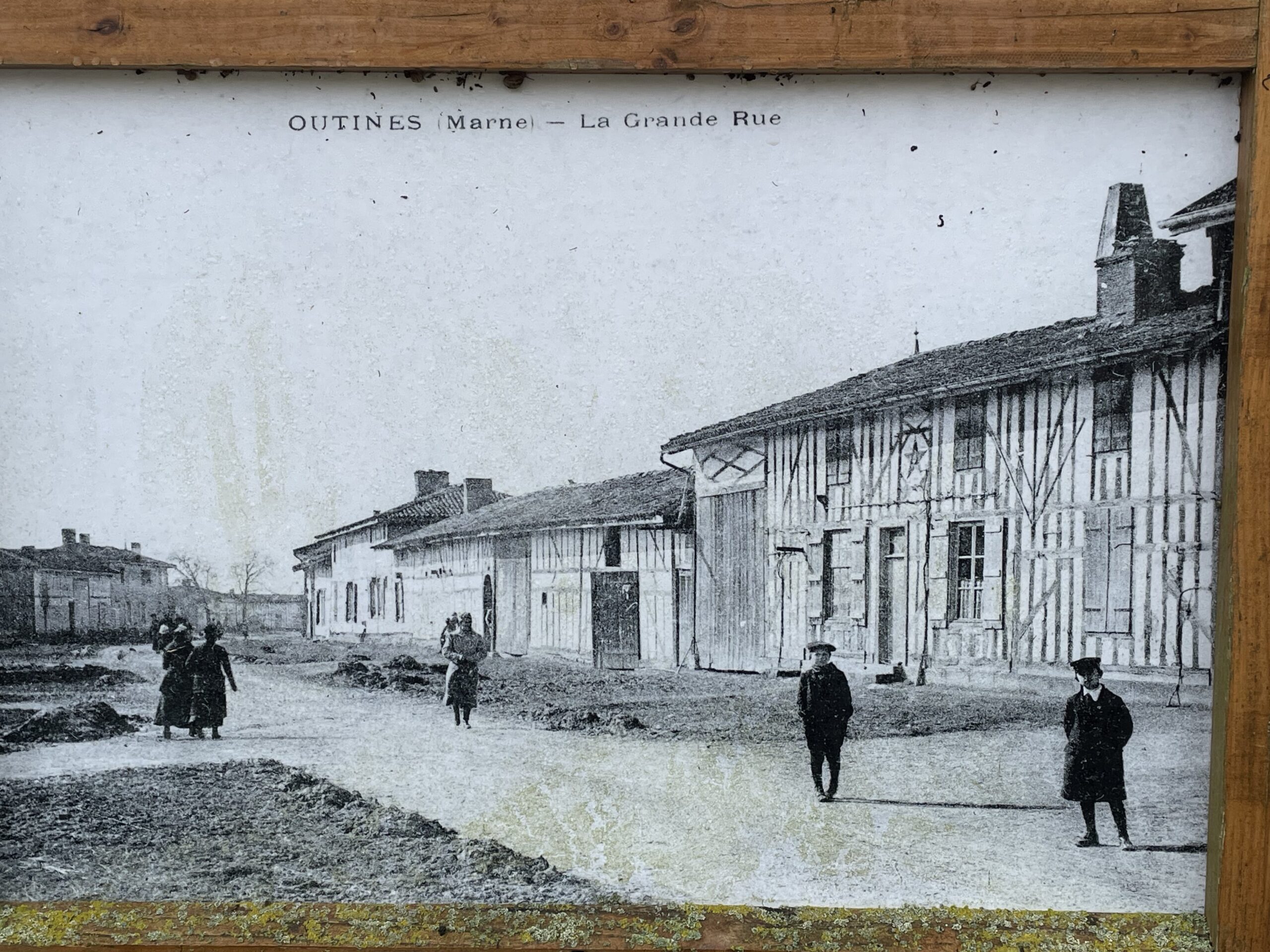
The lake owes its name to both the Pays du Der, the natural region where it is located, and the village of Chantecoq, which was destroyed along with the villages of Champaubert-aux-Bois and Nuisement aux Bois, where only the church remains on the edge of a peninsula. During the construction of the lake in the 1960s and 1970s, it was given a nominal capacity of 350 million m3. With an area of 48 km2, it is the largest artificial lake in mainland France, in terms of surface area but not in terms of volume.
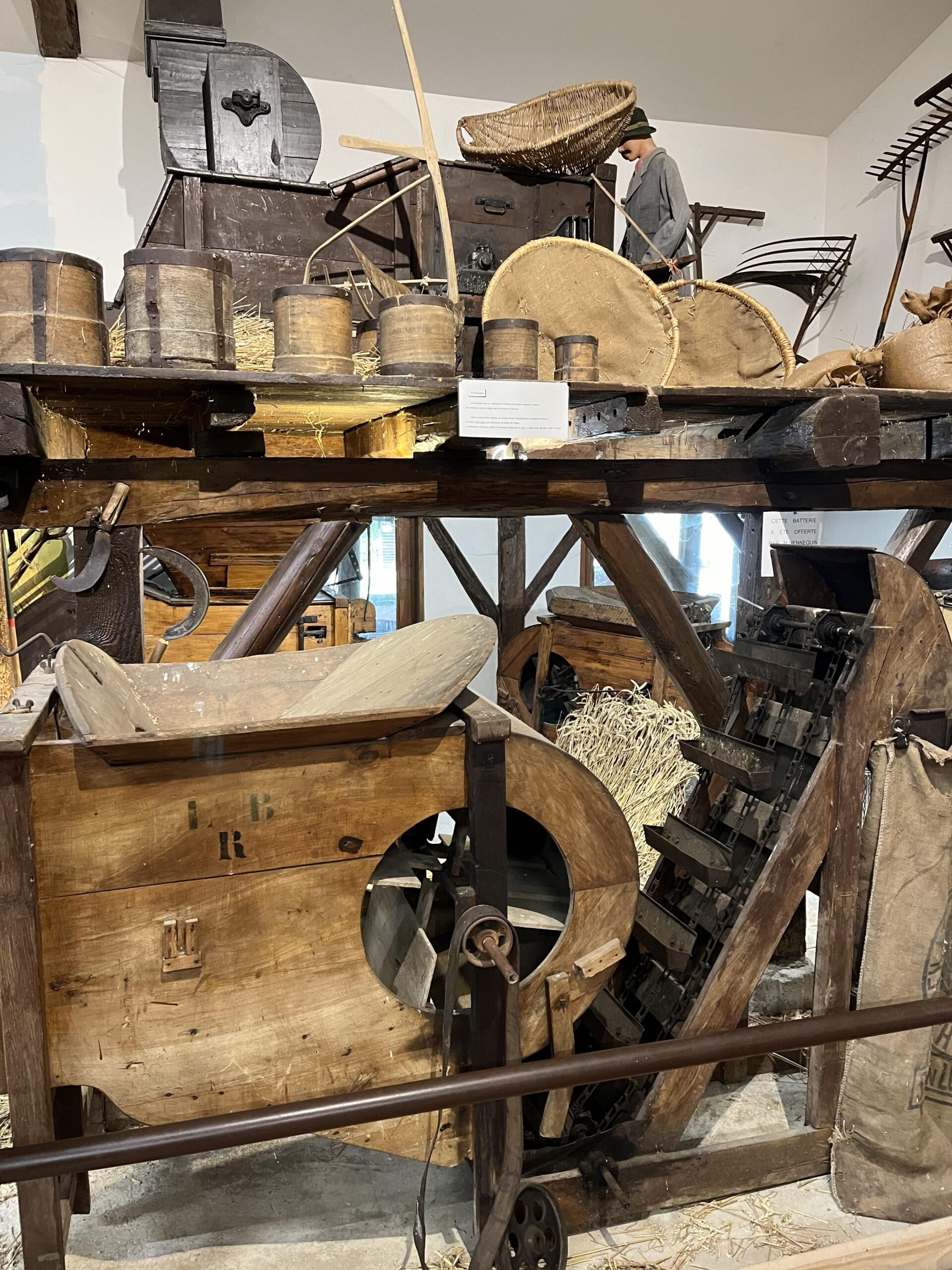
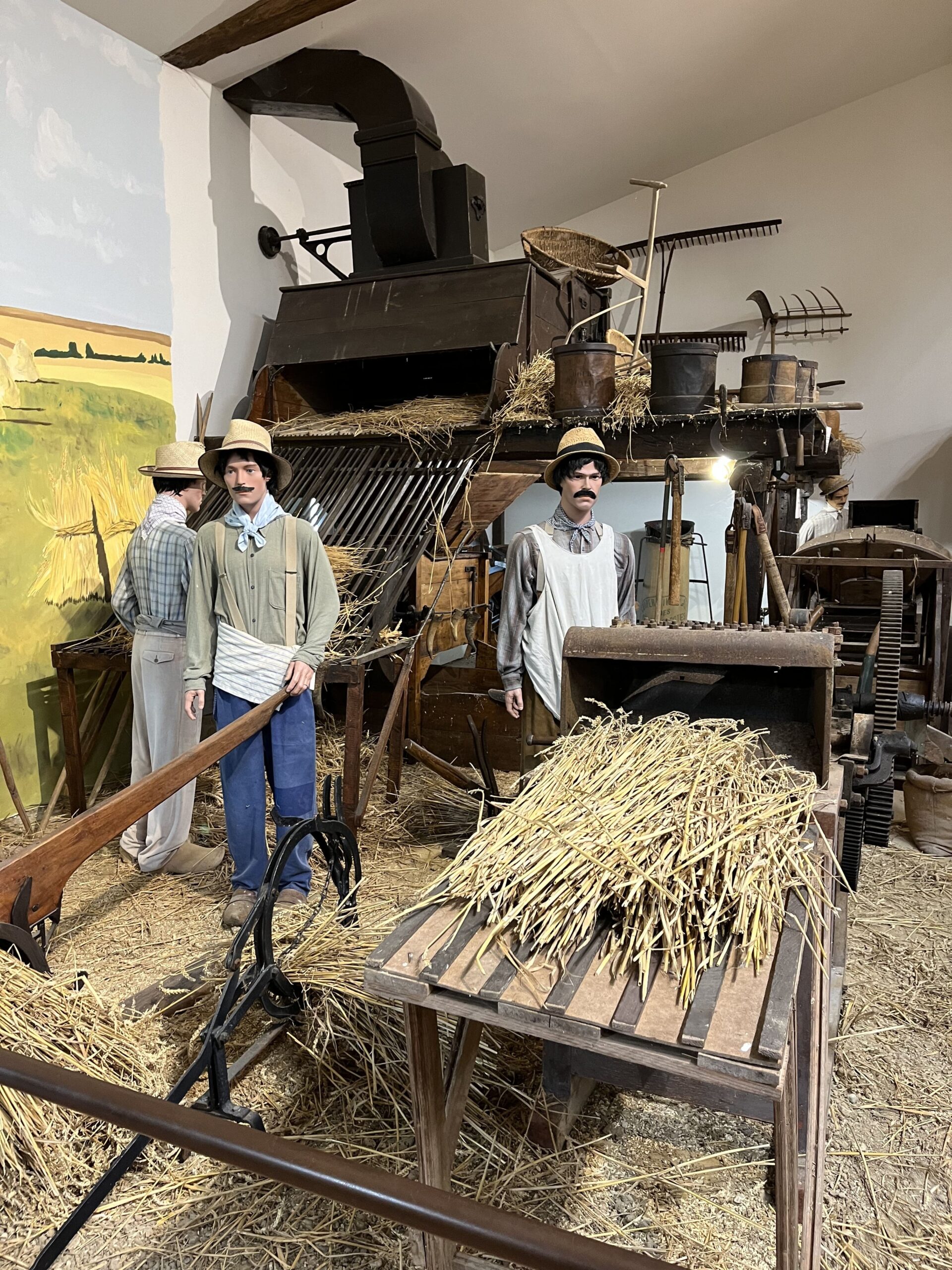
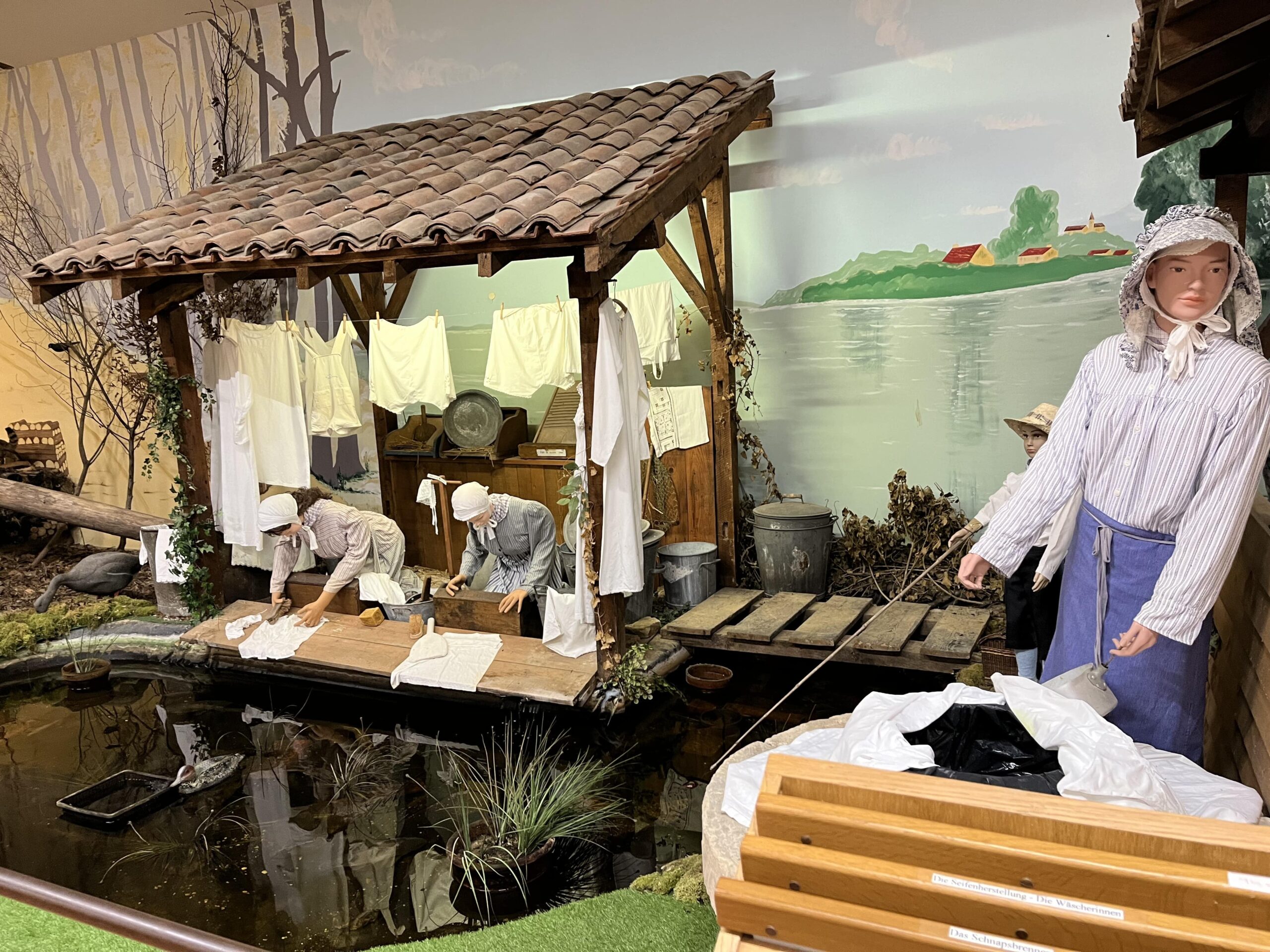
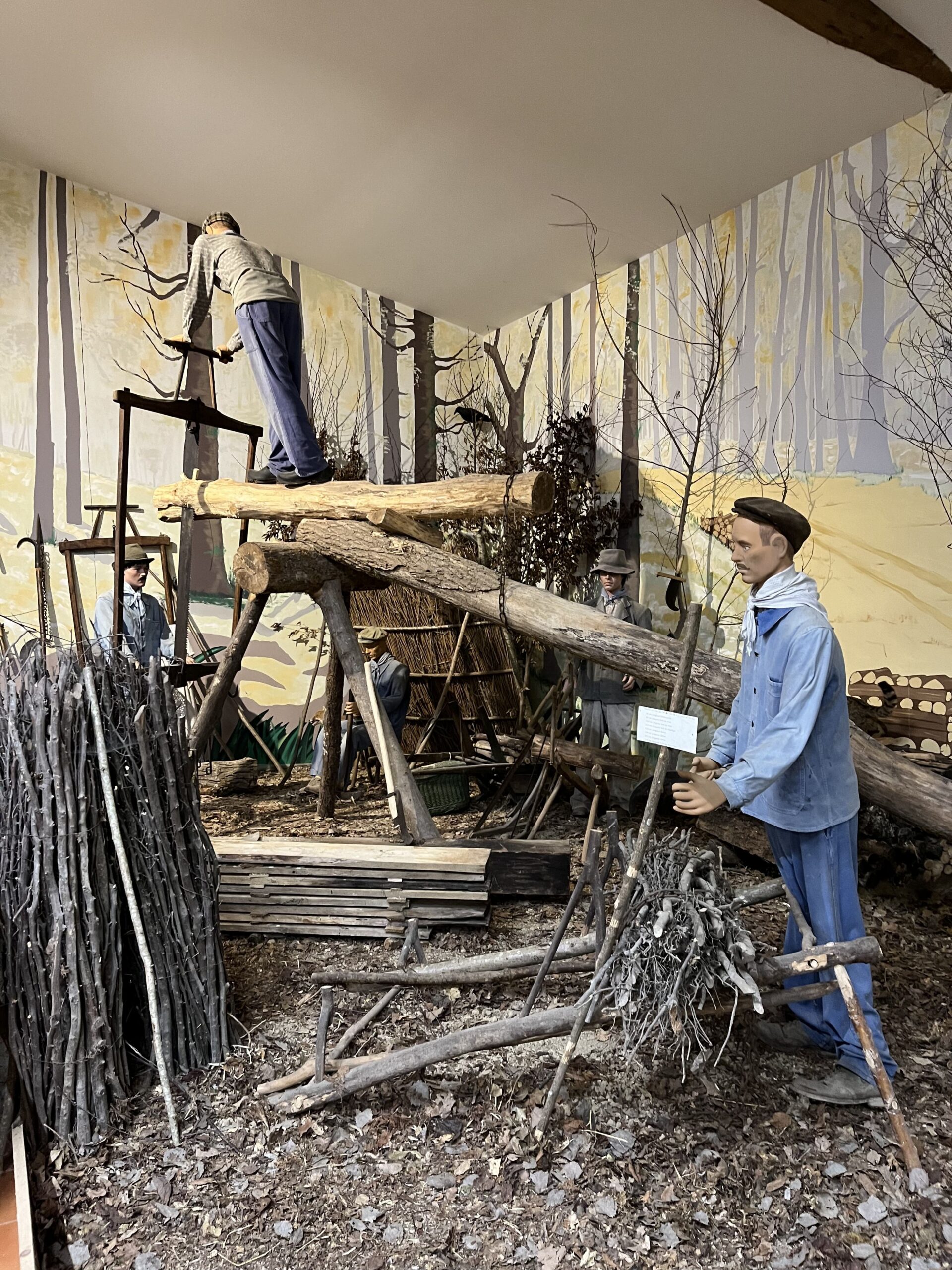
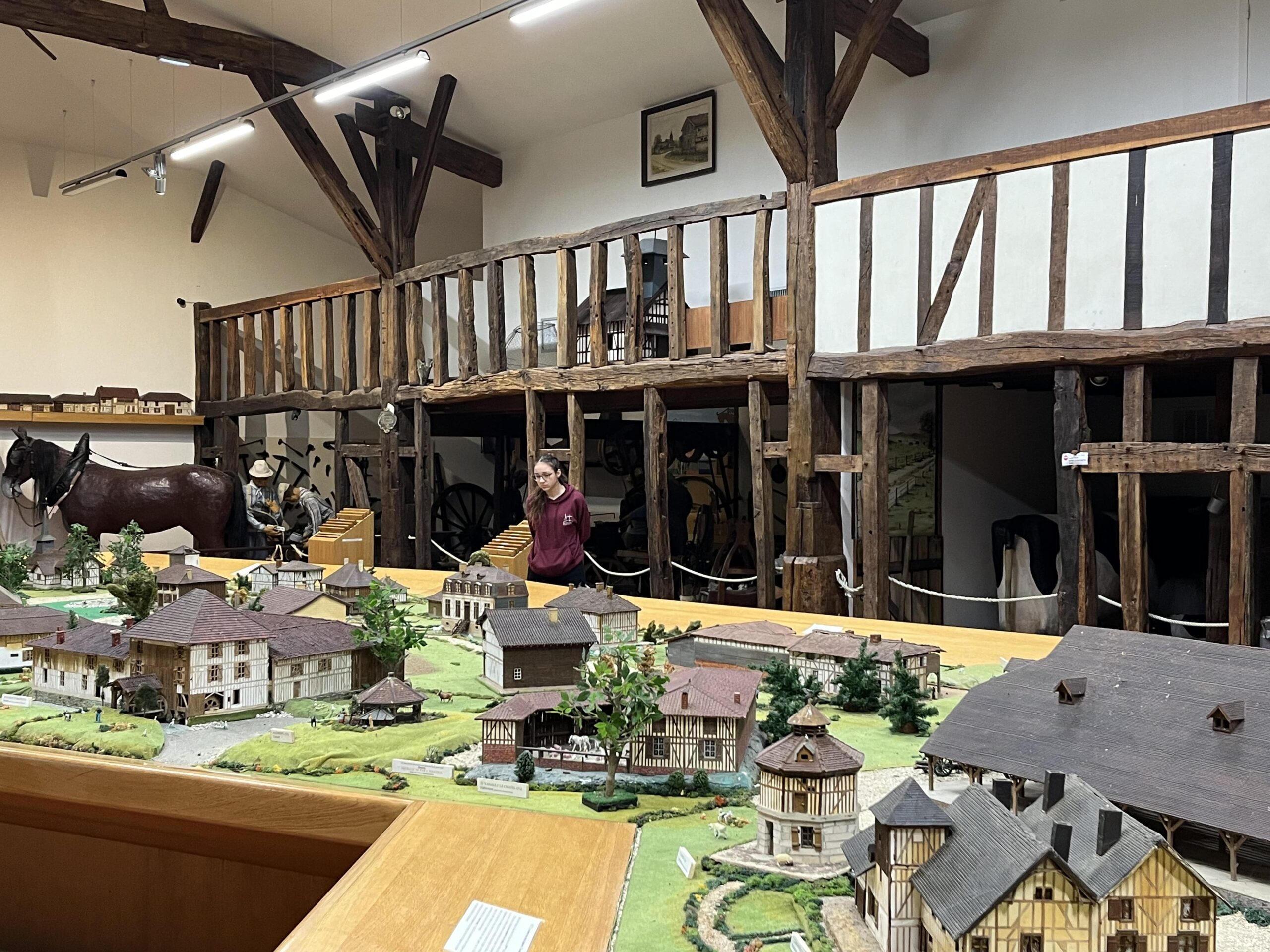
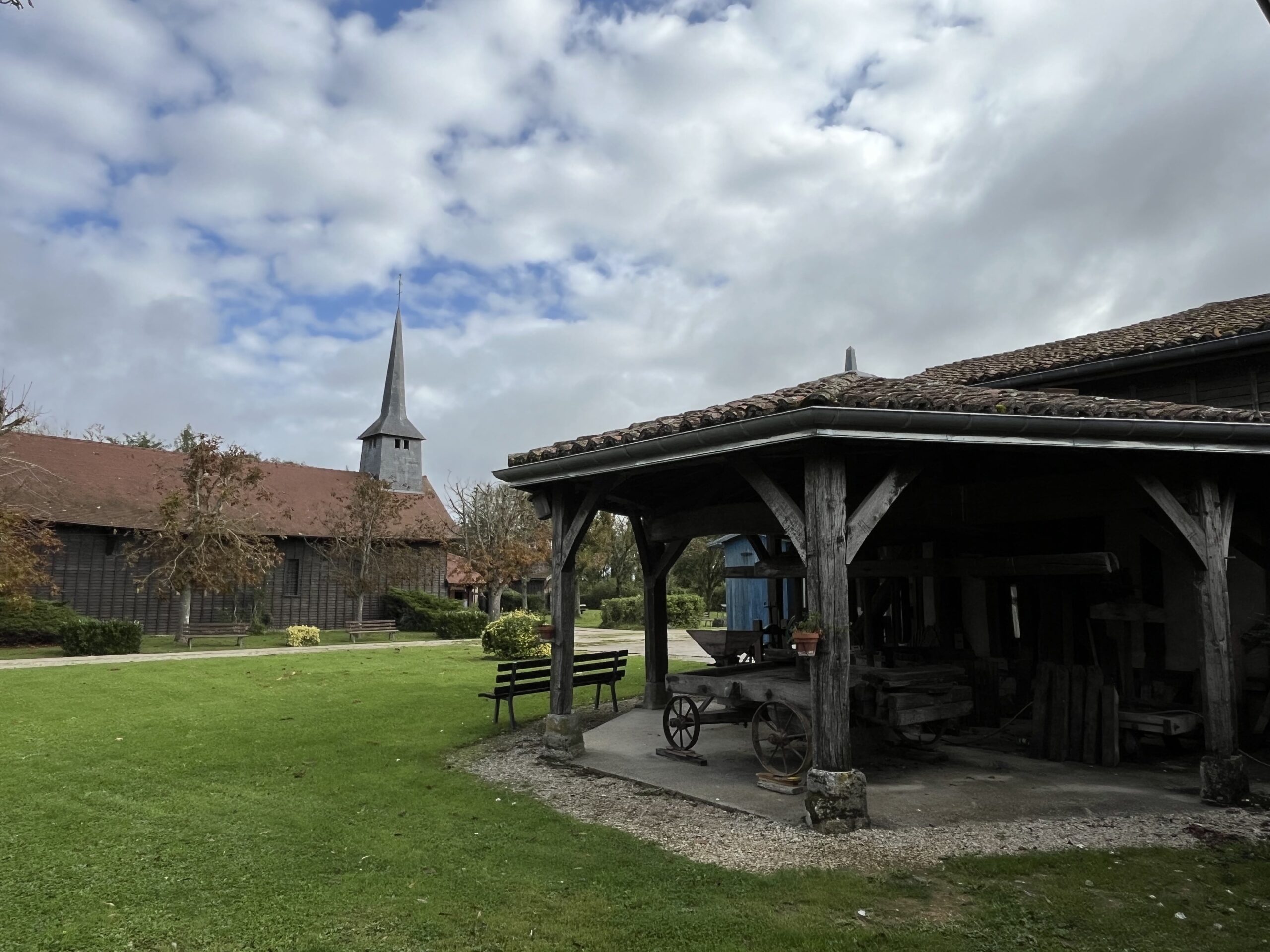
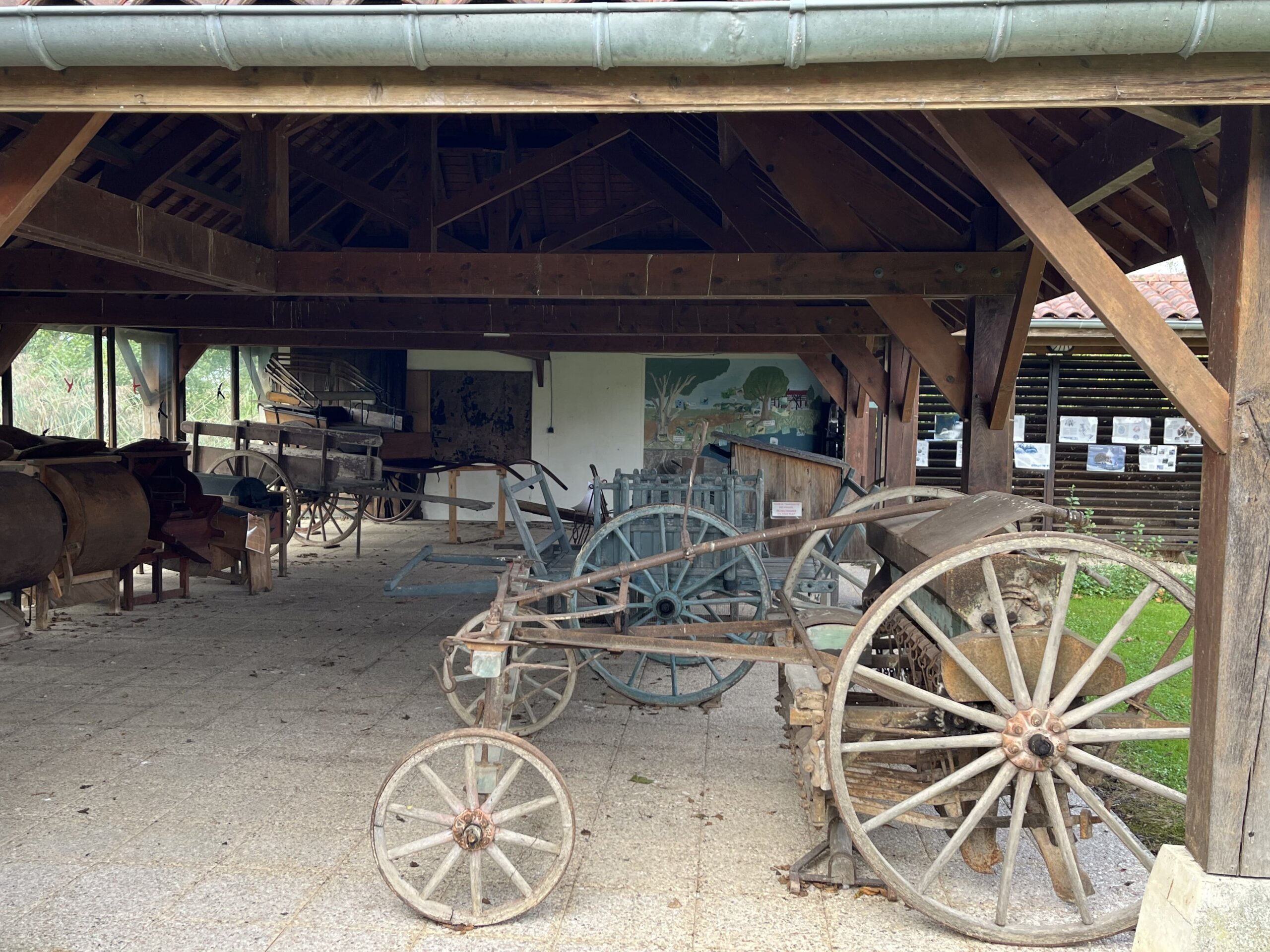
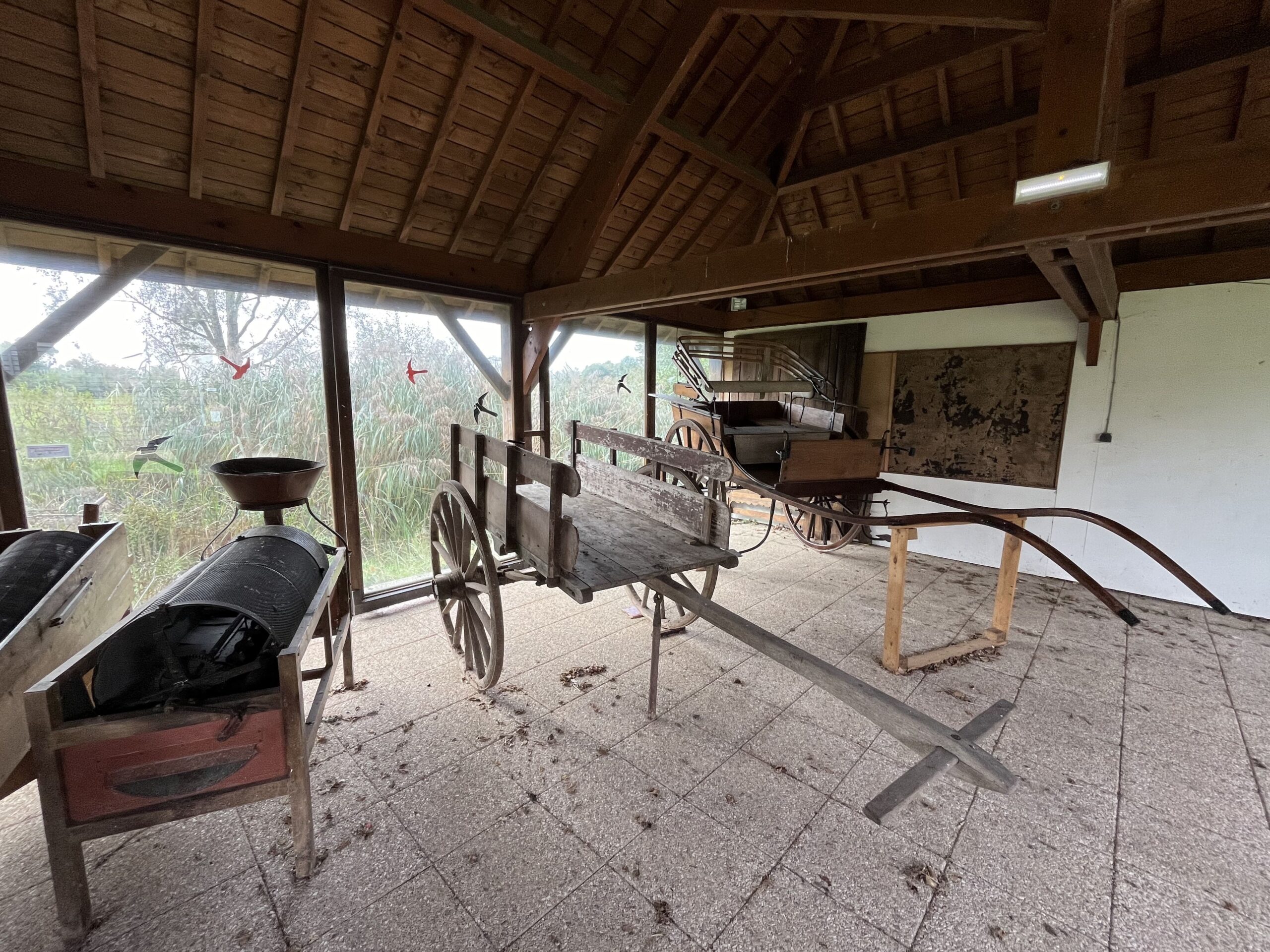
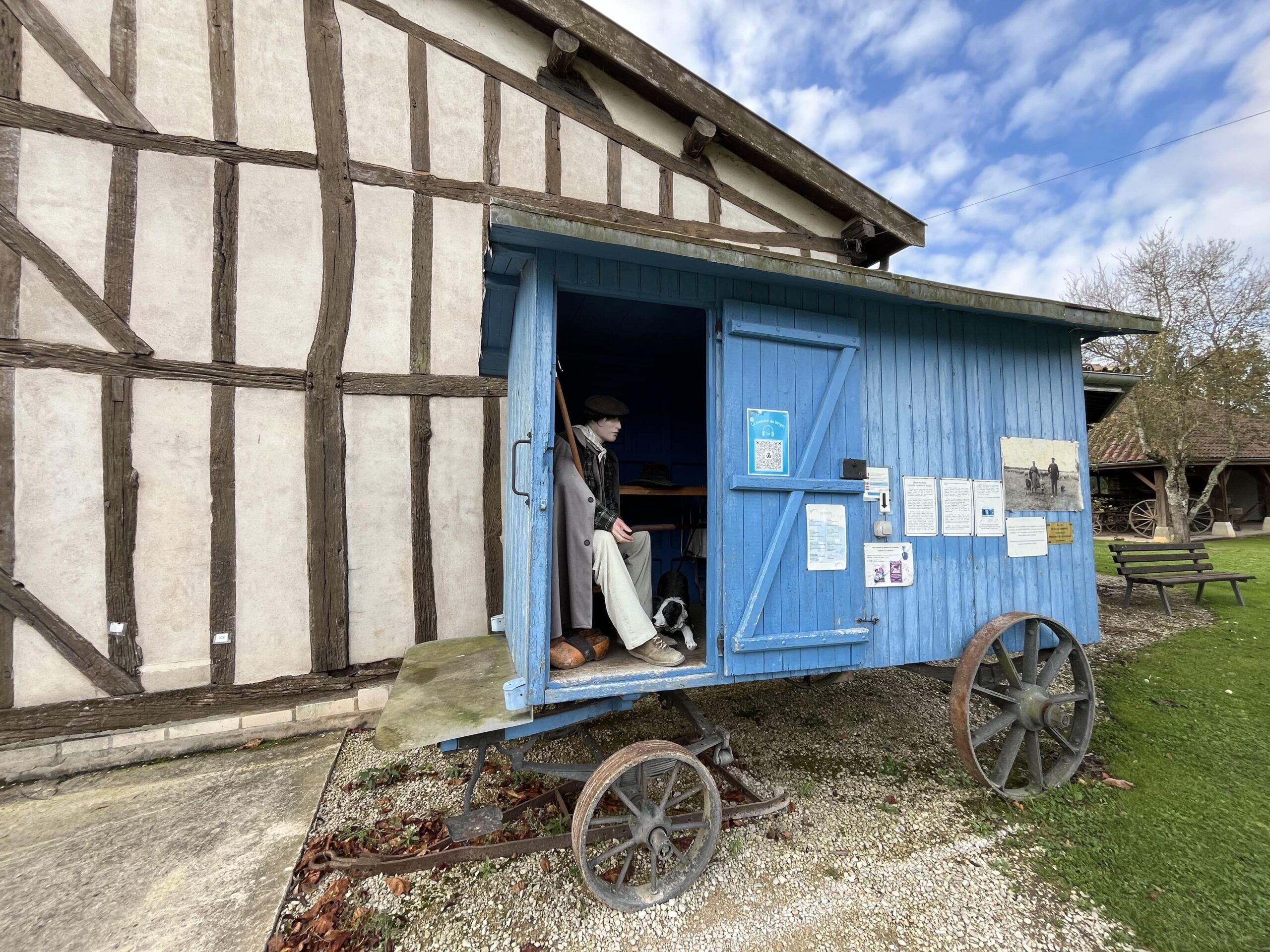
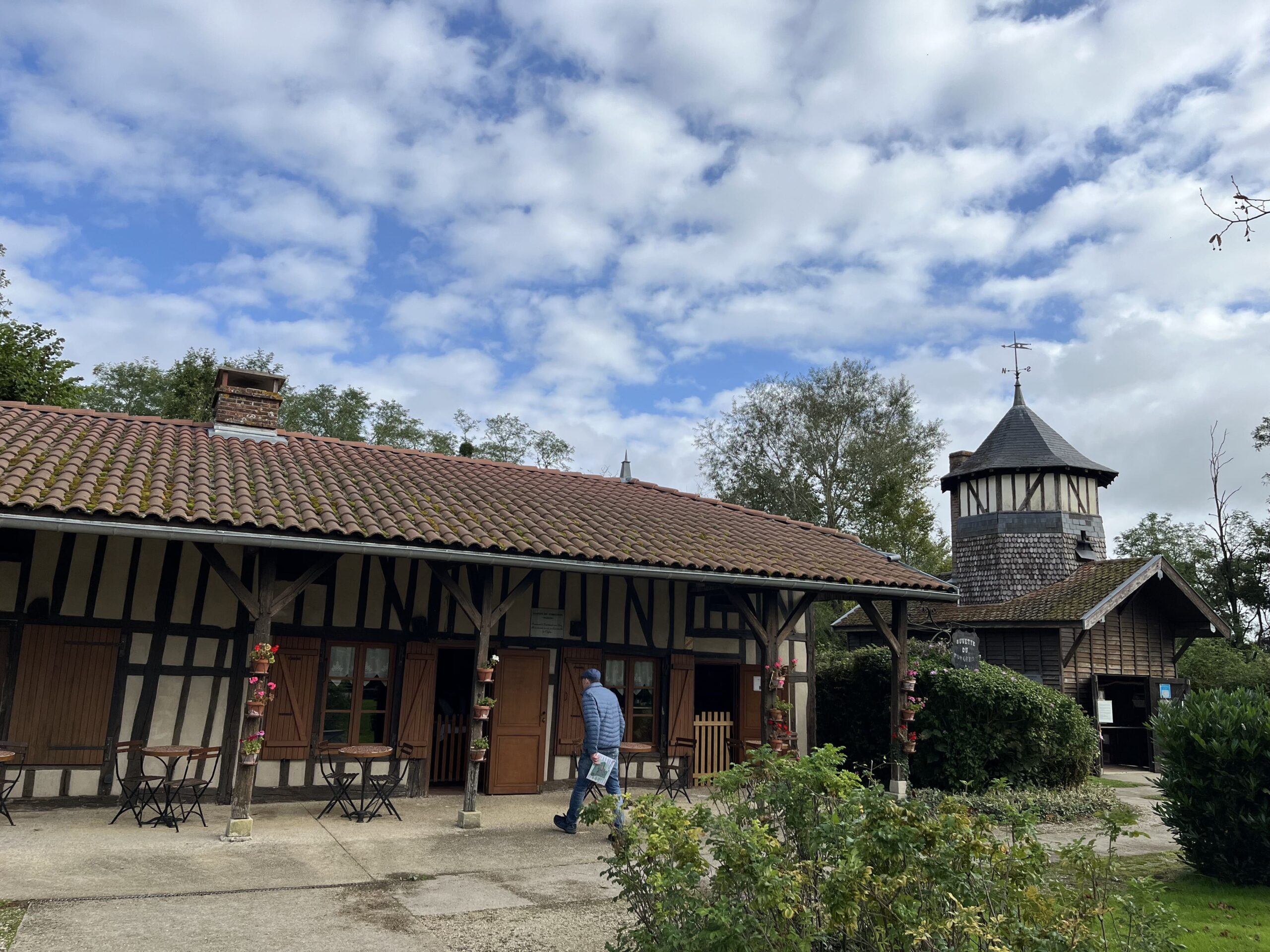
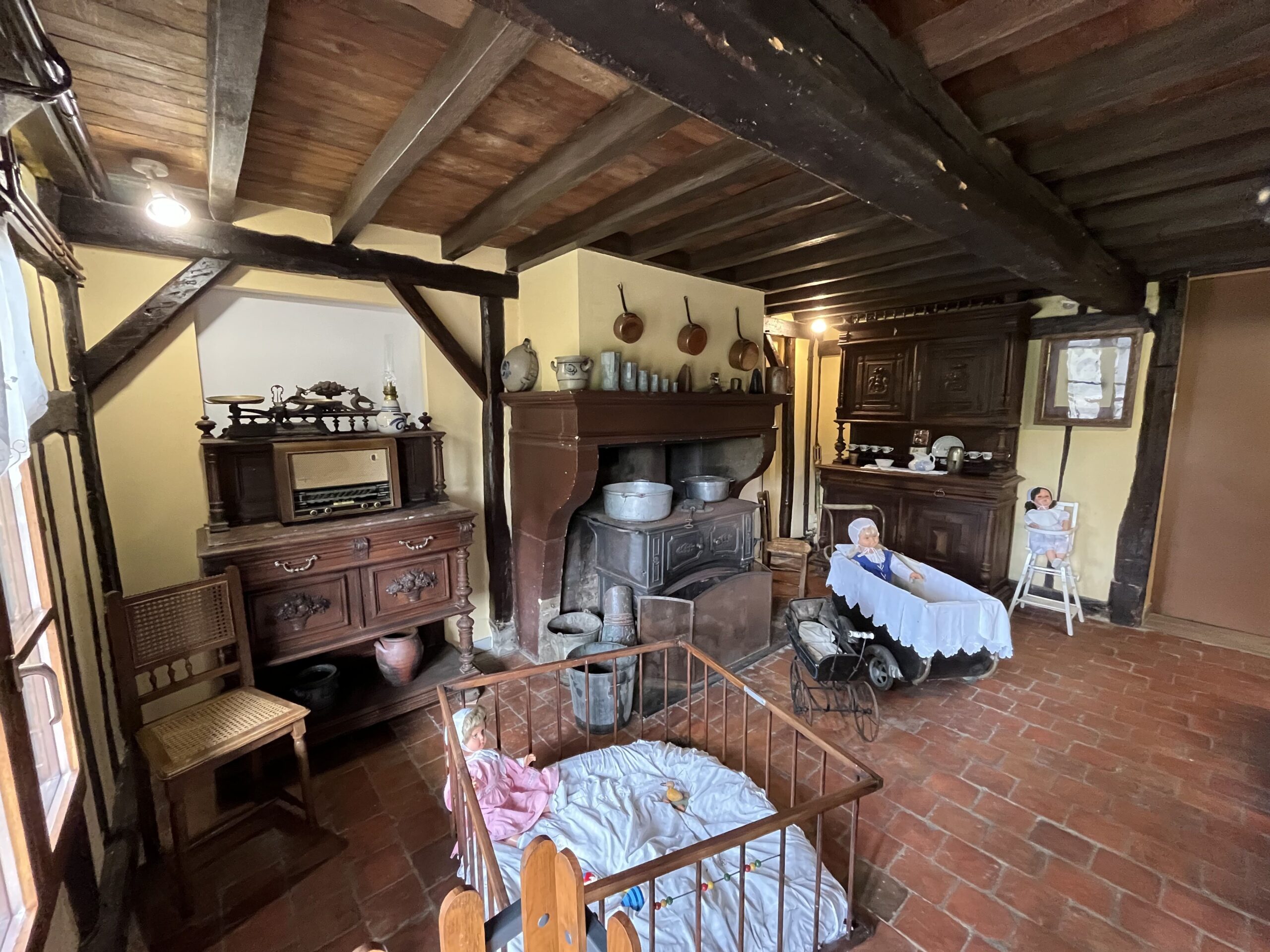
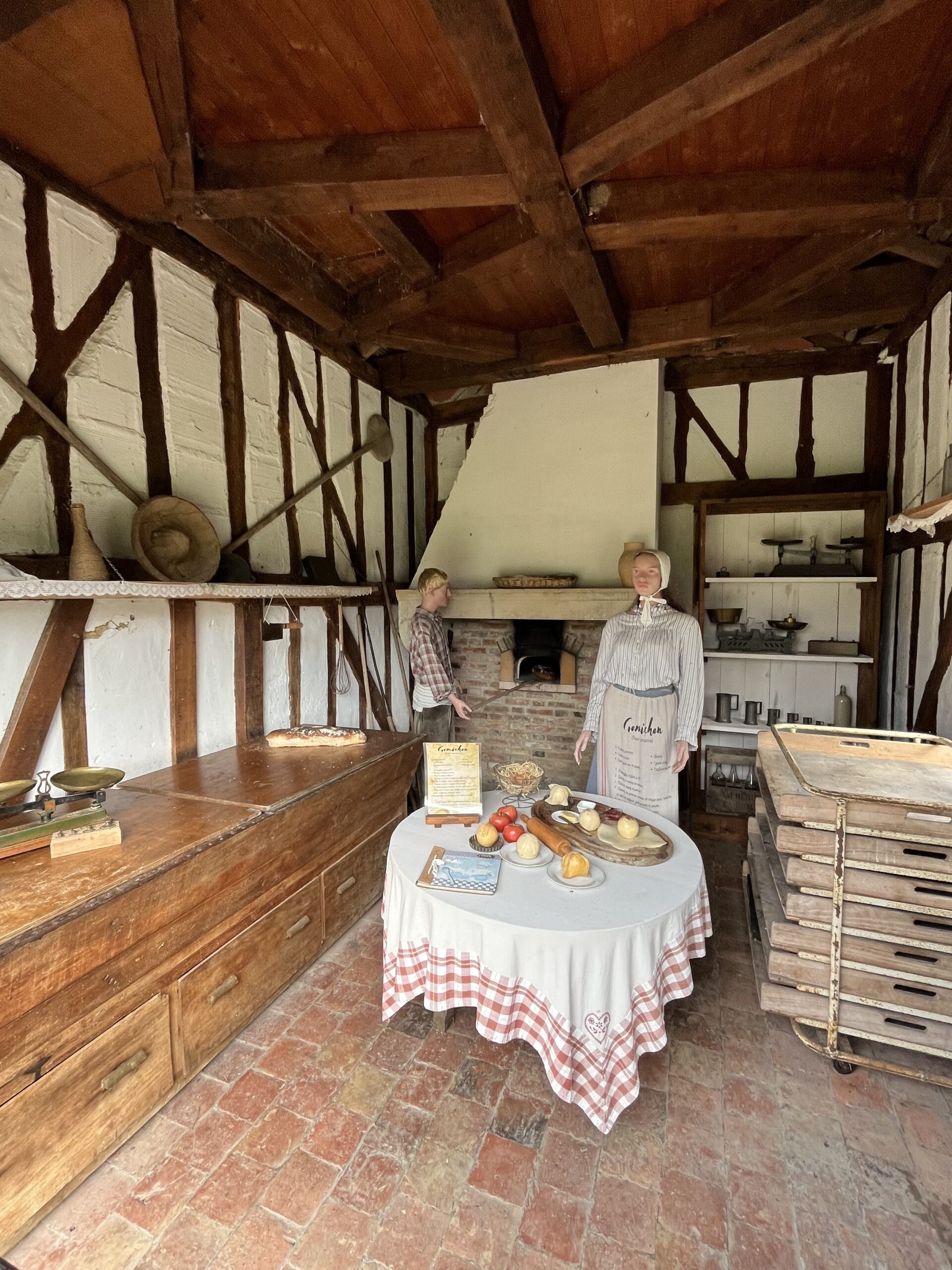
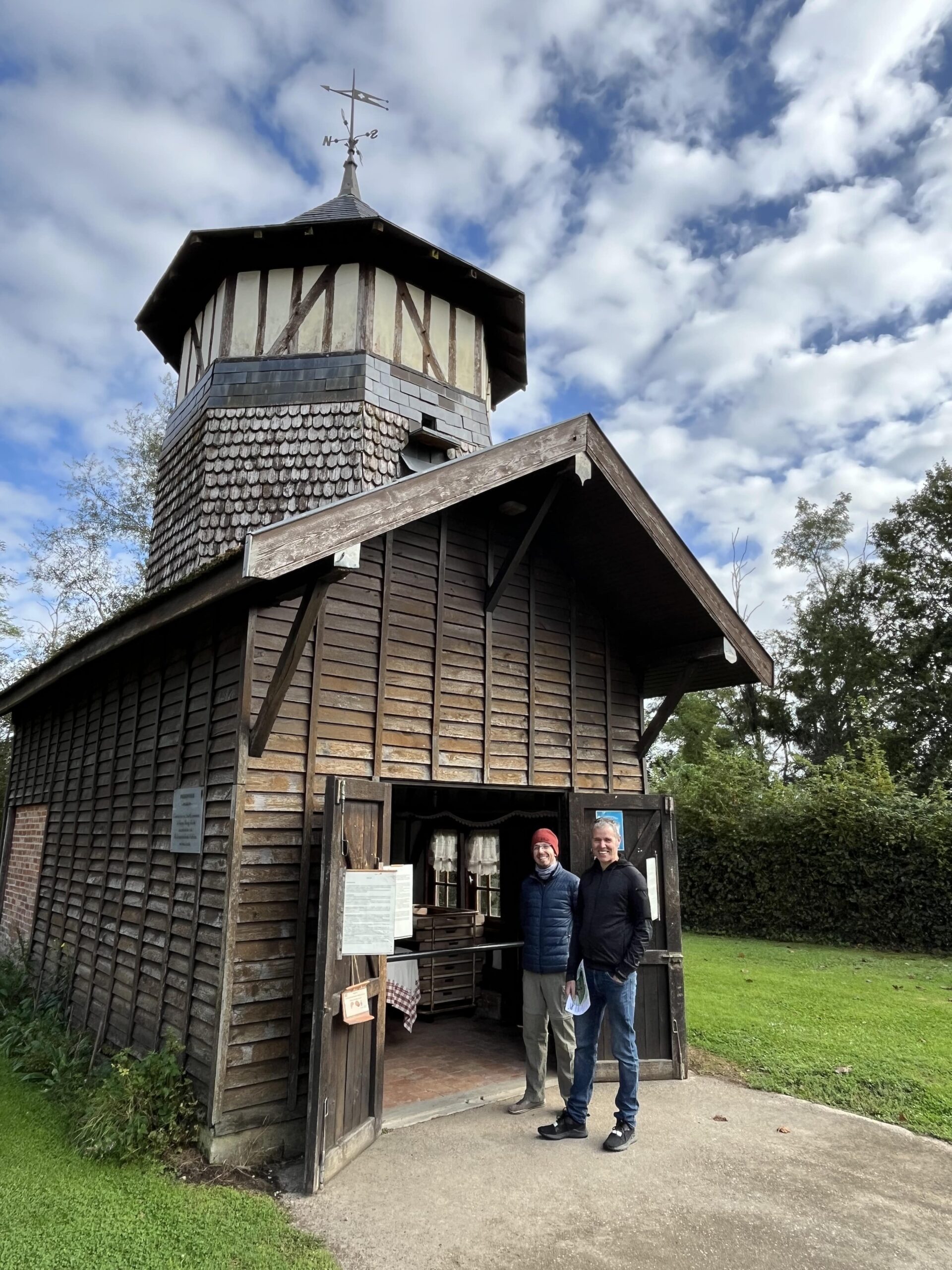
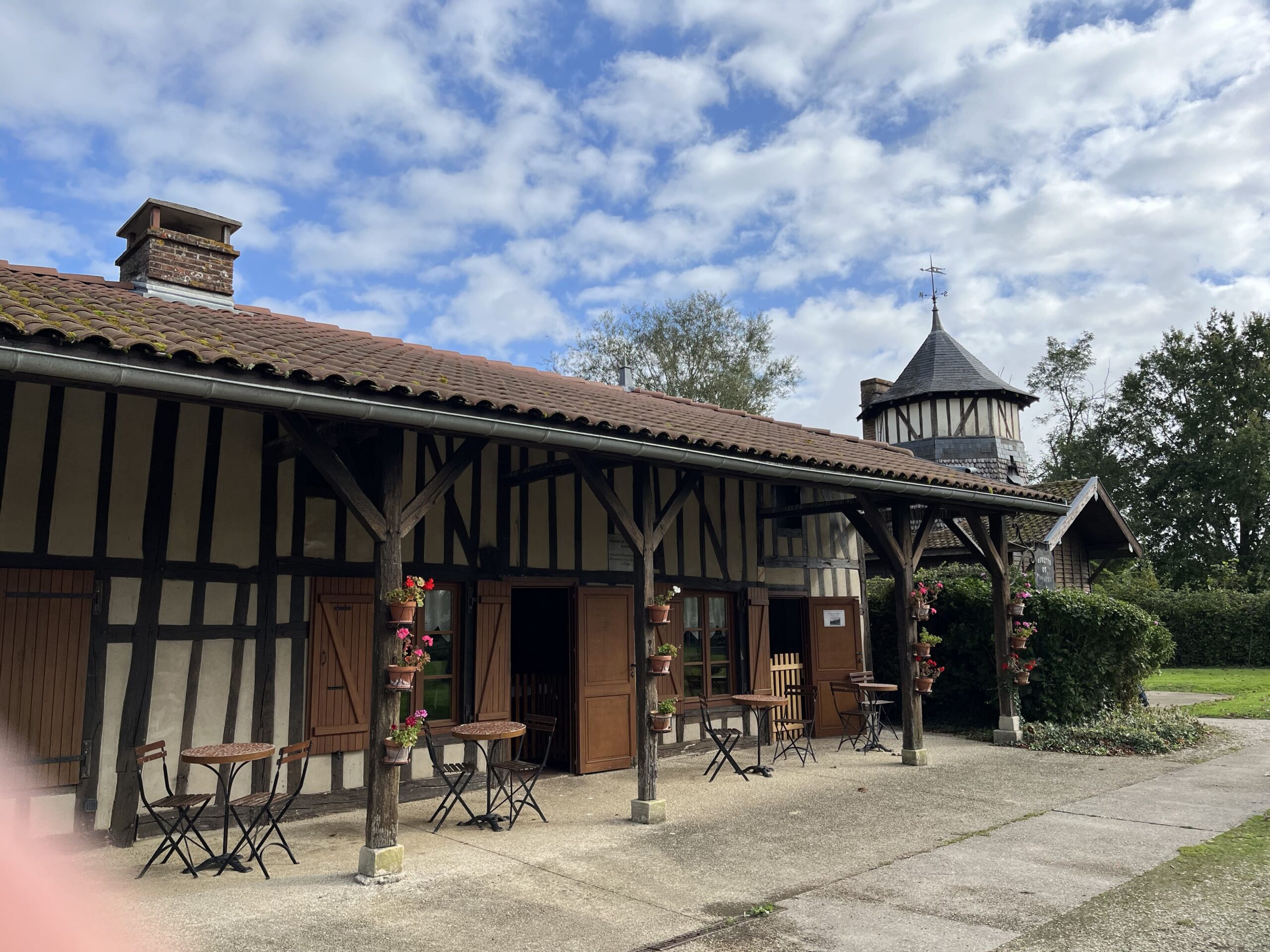
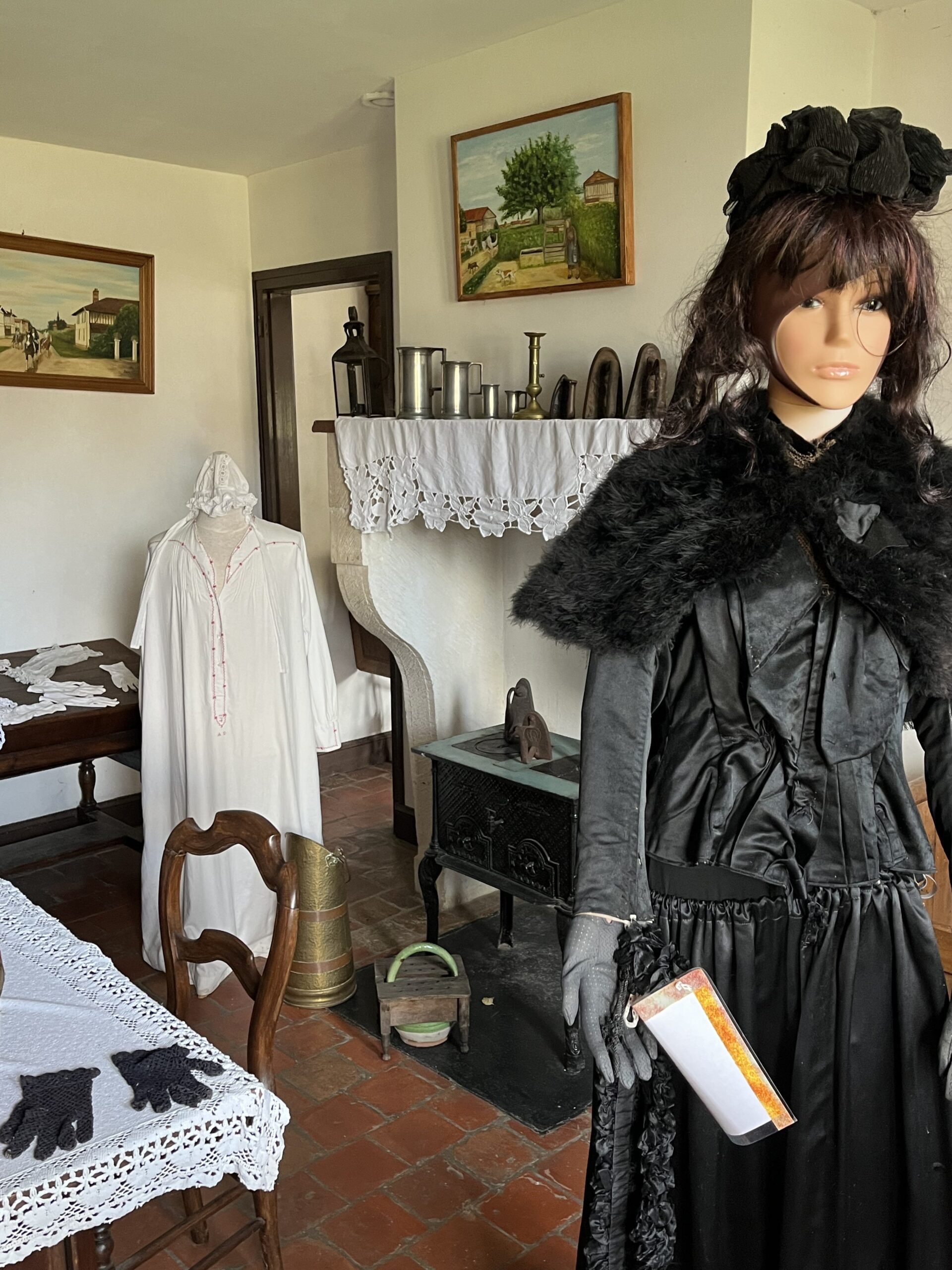
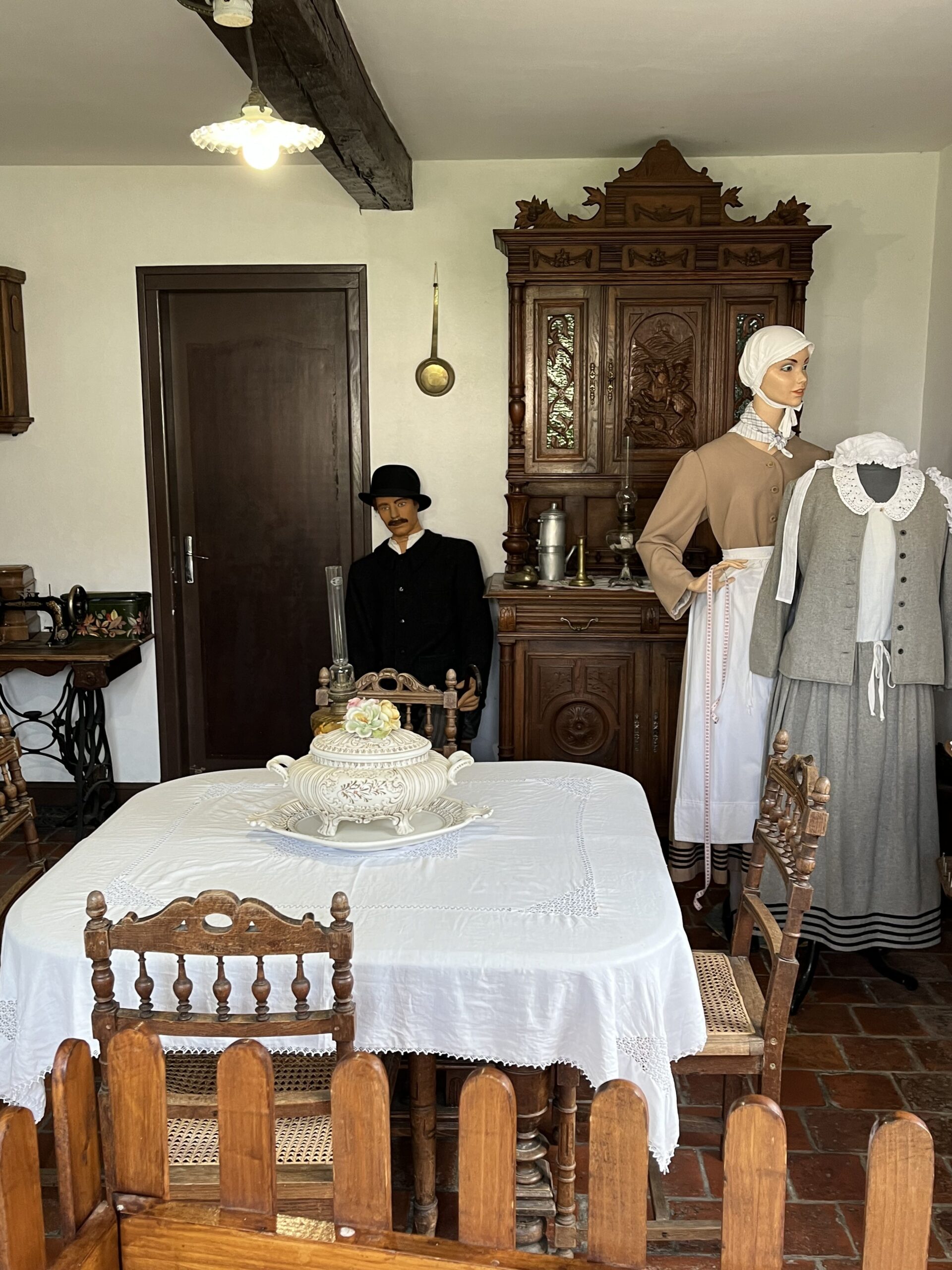
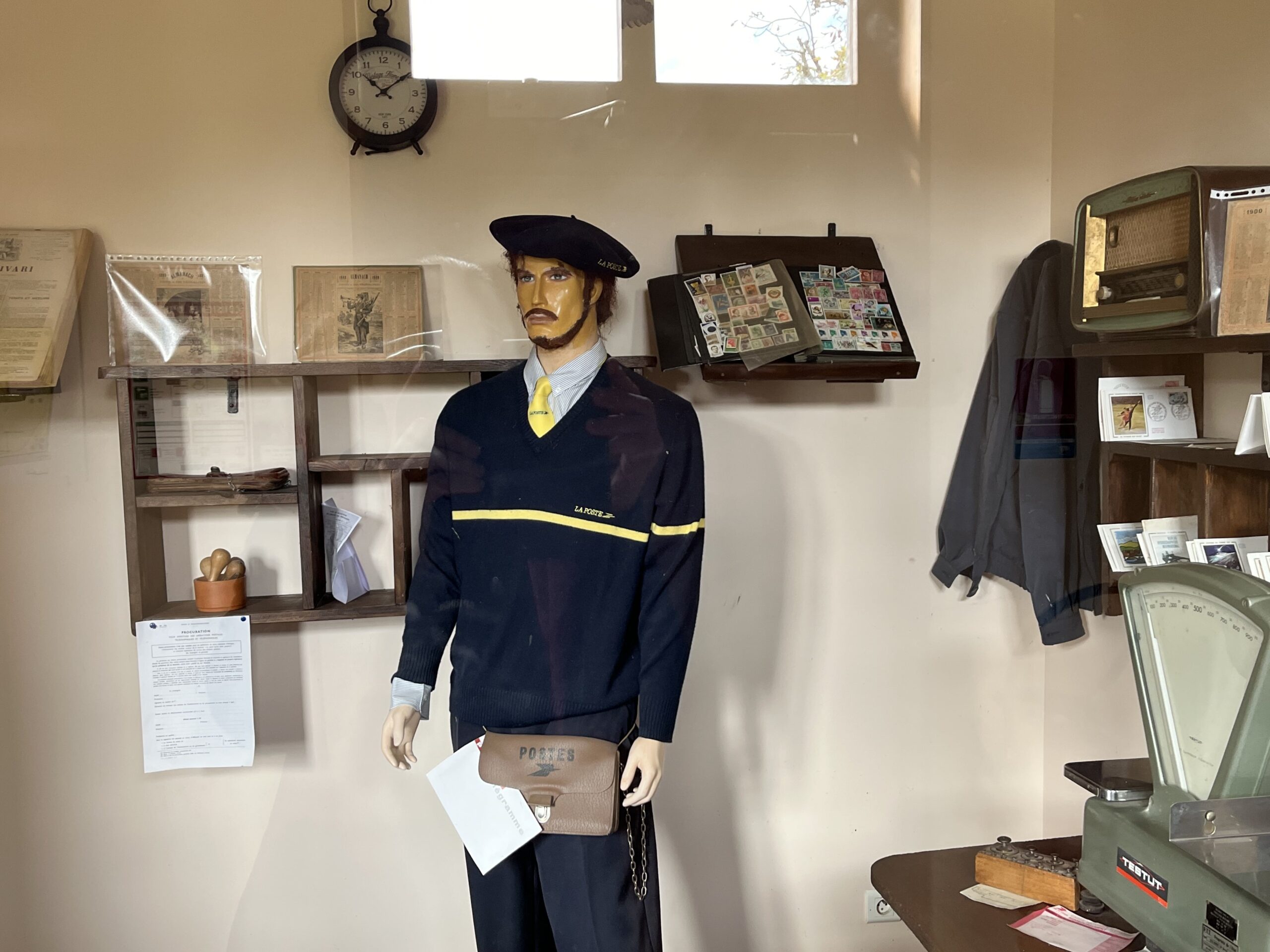
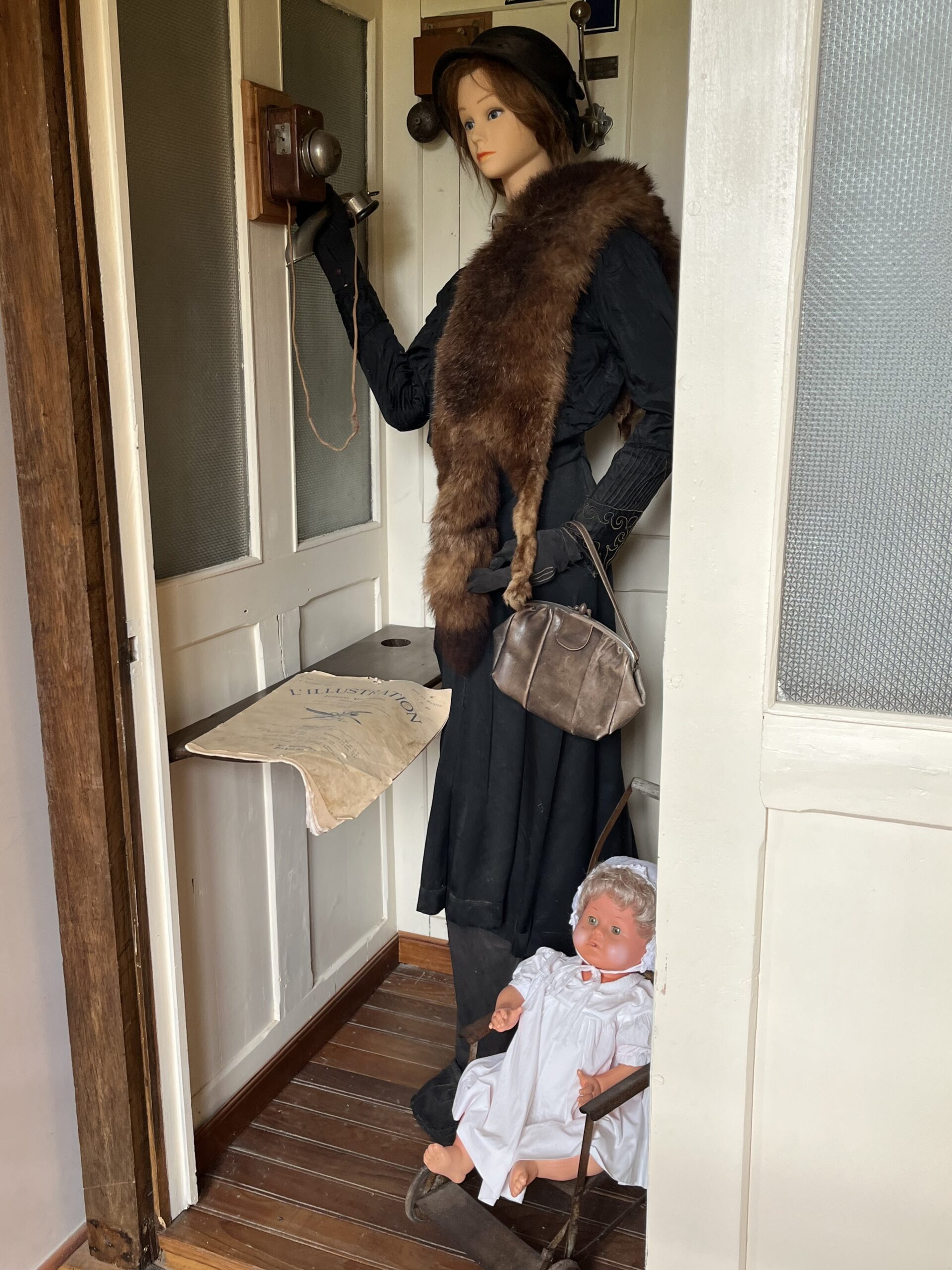
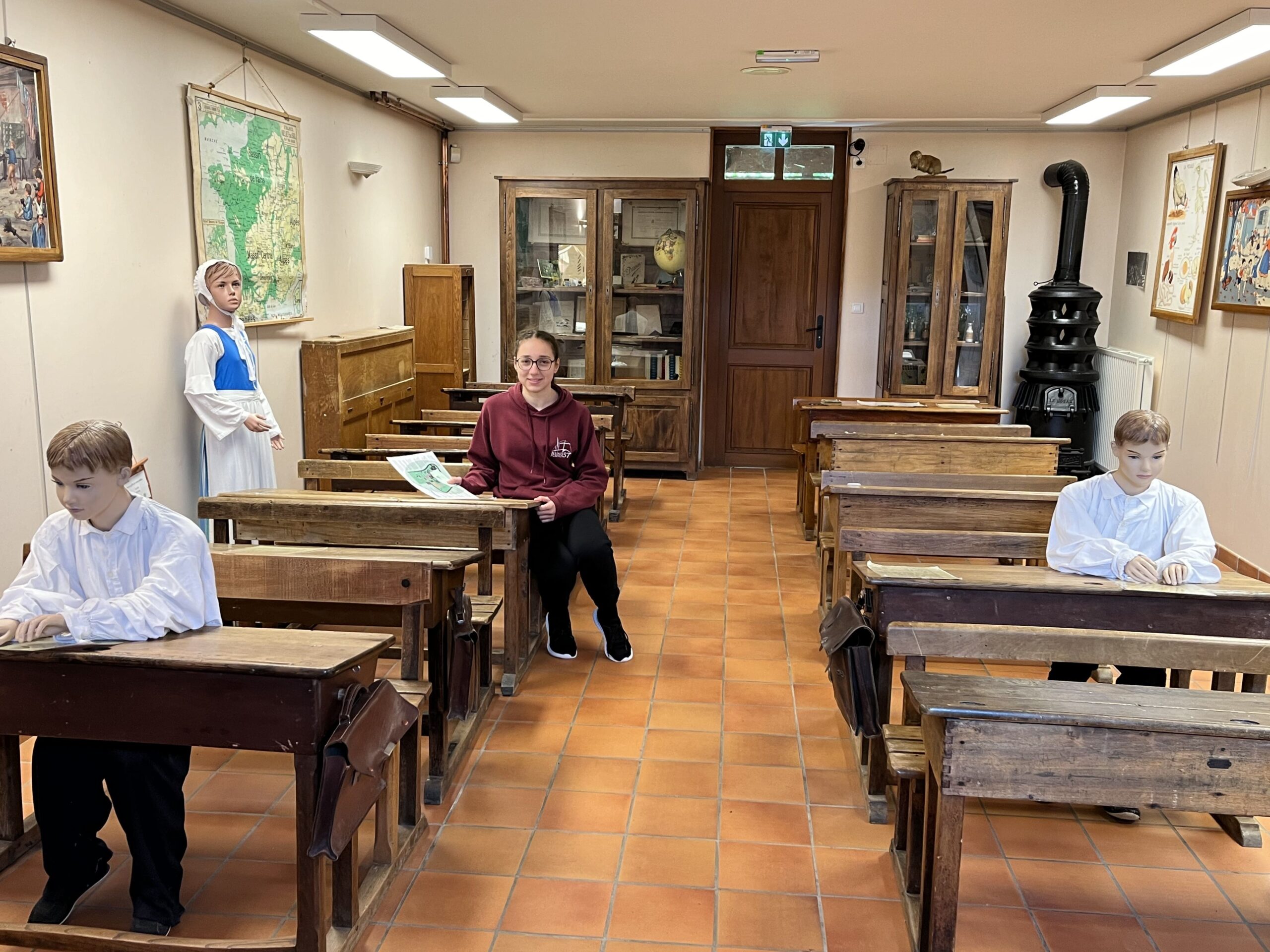
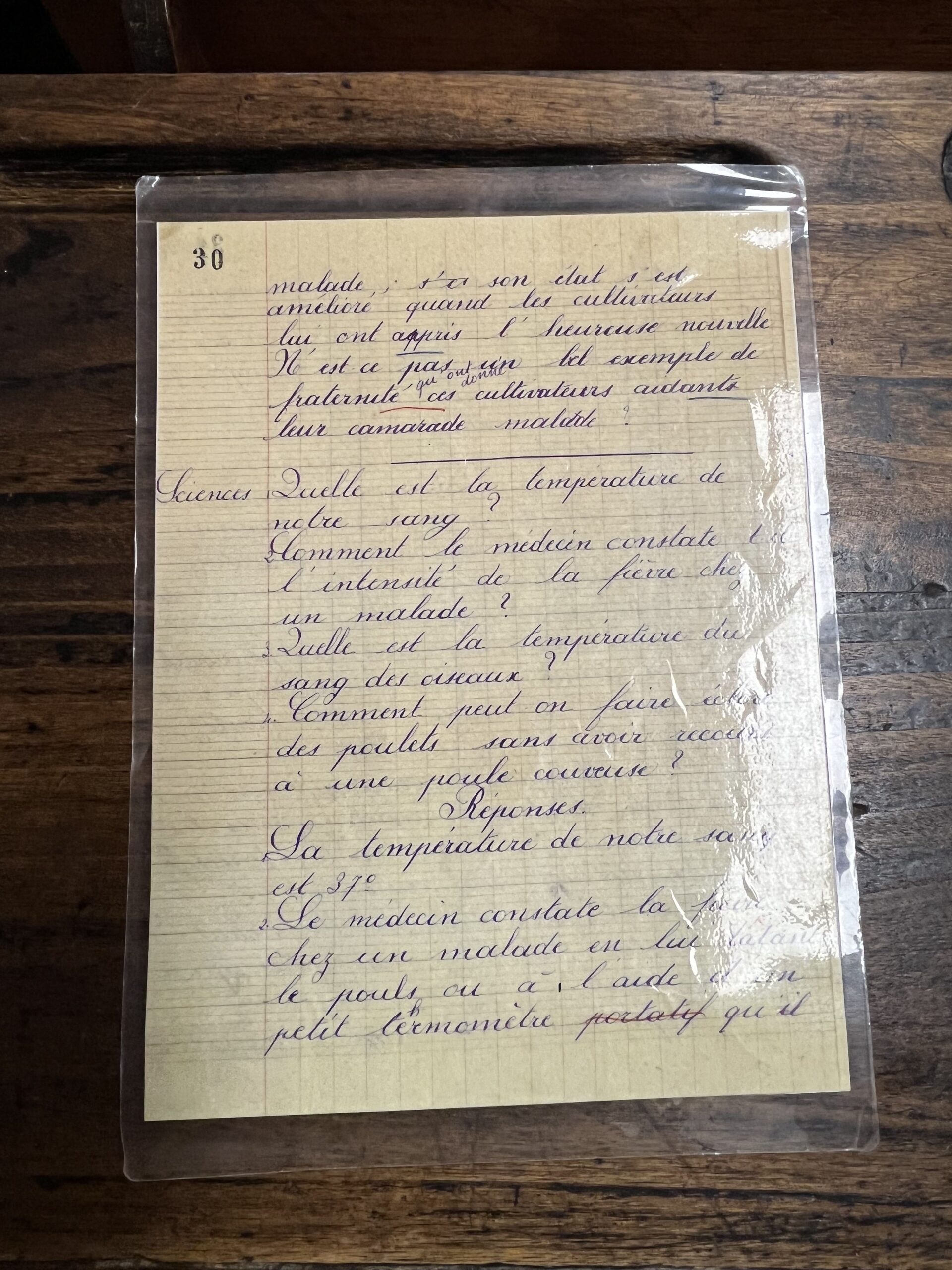
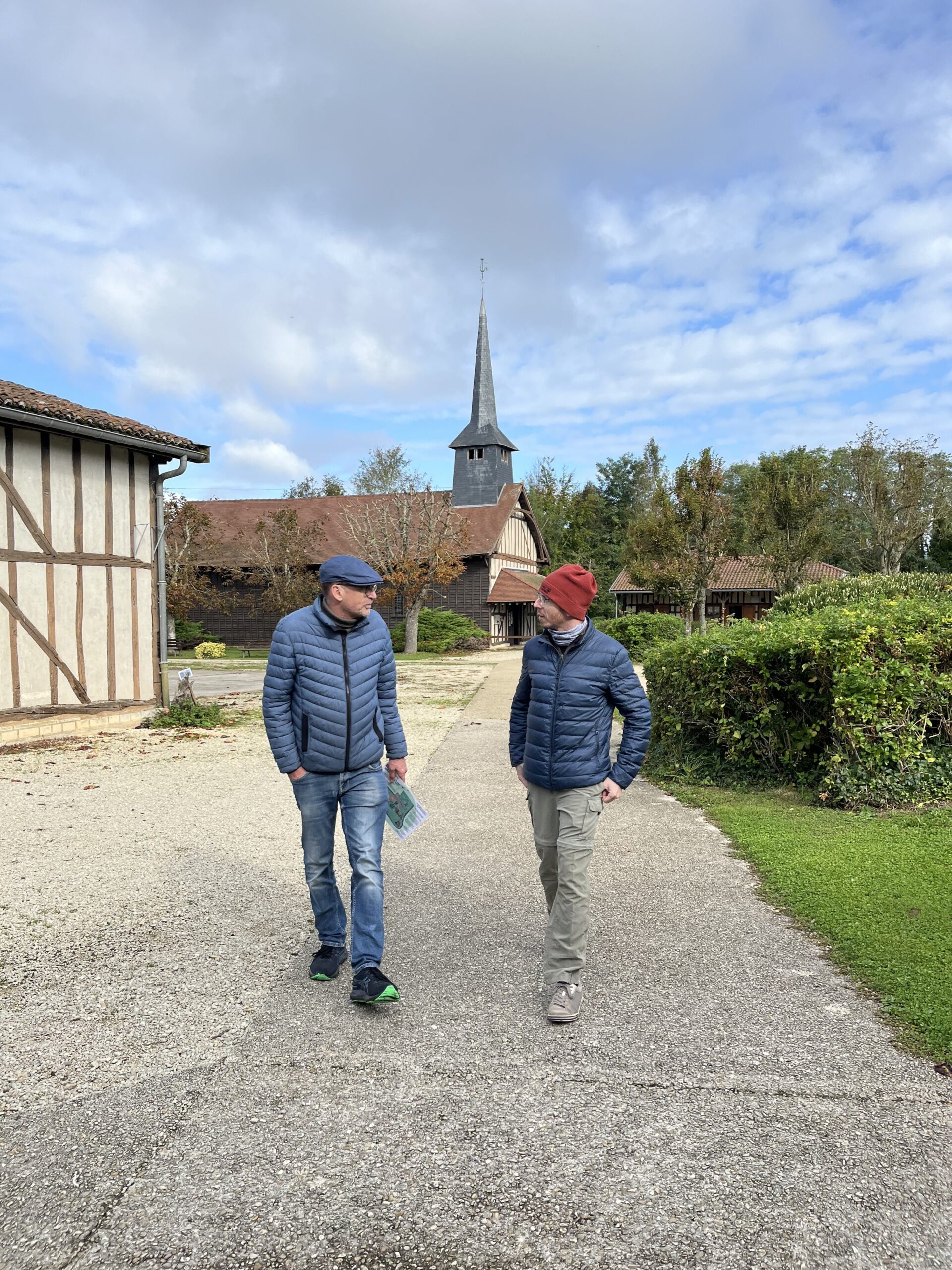
Der Village Museum Thanks to enthusiasts and also to preserve the memory of the past, the Der Village Museum was created so that the lives of the inhabitants of that time, their villages and the amazing history of their heritage would not be forgotten. From the school classroom to the church in Champaubert-aux-Bois, via a model of the village, everything is there to show visitors the history of the villages before they were sacrificed to the waters of the lake. Next to the old school, you can stroll through the Jardin du Curé (Priest’s Garden) or the Jardin des Simples (Herb Garden) to discover medicinal plants.
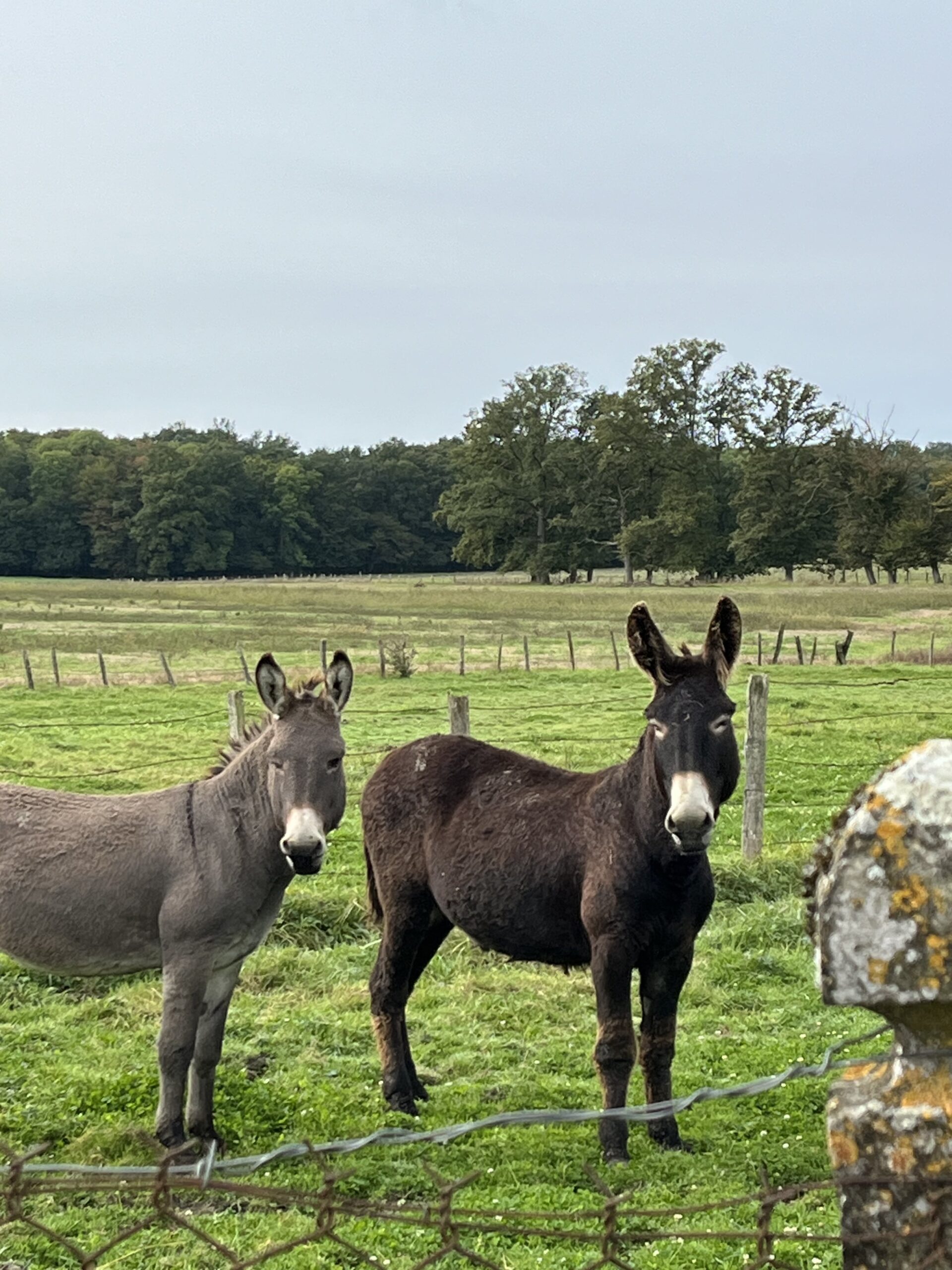
Around the lake During breaks, cyclists were able to admire the natural beauty of Lake Der and the 300-year-old oak trees in the surrounding forests. Although the lake is artificial, it has helped nature by providing quiet areas for the 300 species of birds that have been recorded there to date.
Key figures
• 4,800 hectares: total area of the structure • 349 million m3: capacity • 20.3 km: earthen dykes with a maximum height of 20 m • 2,900 km²: controlled catchment area
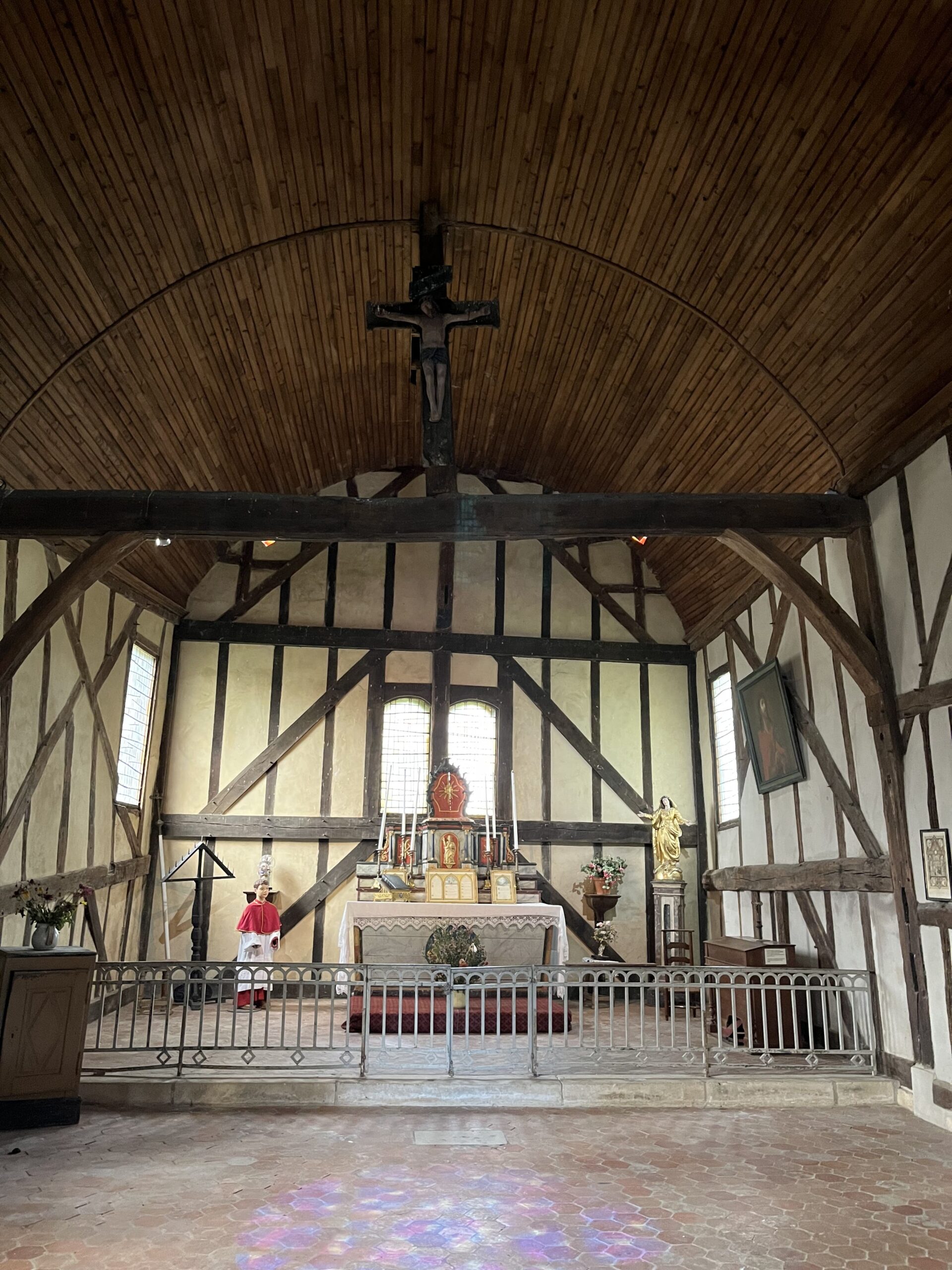
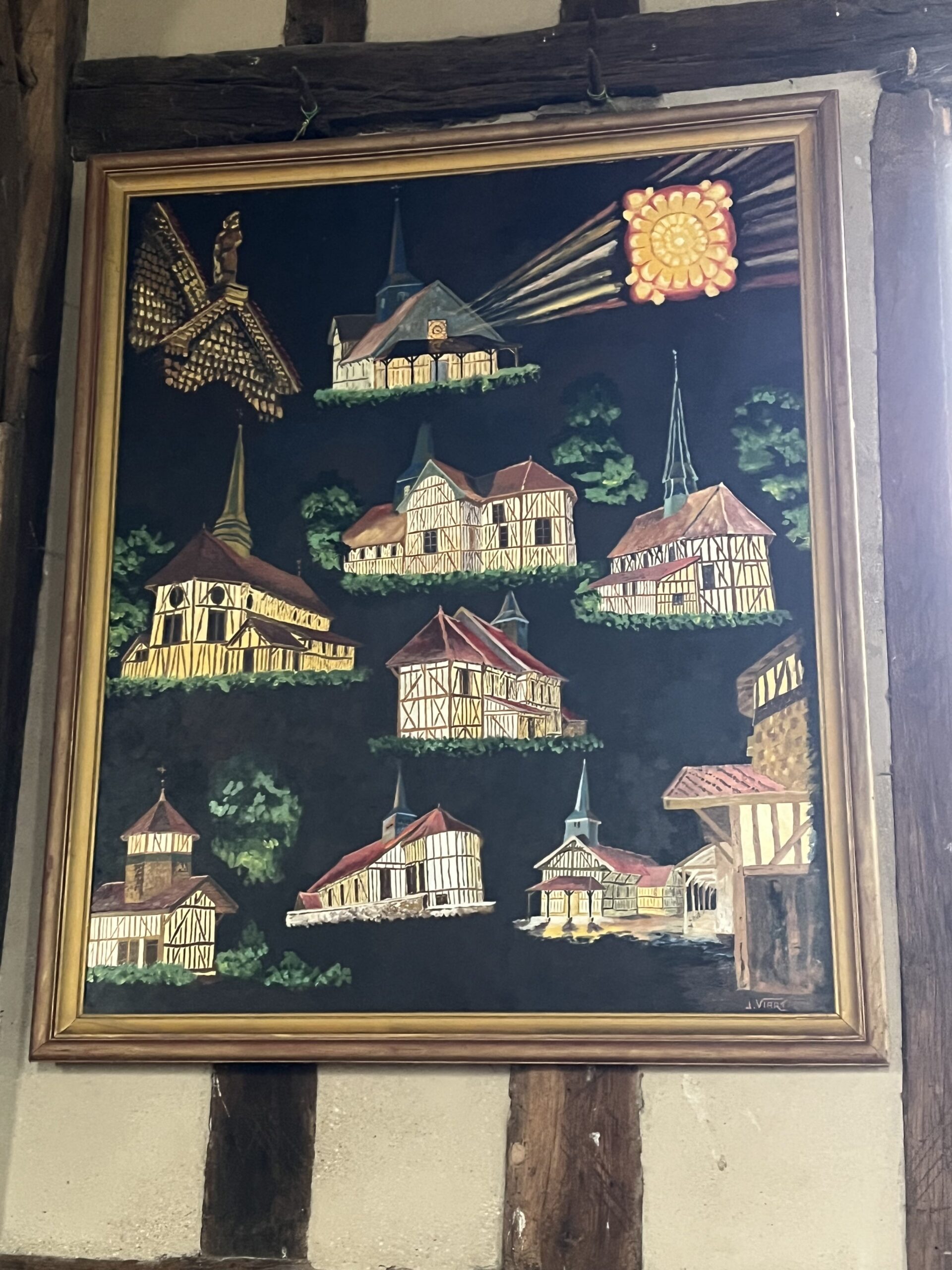
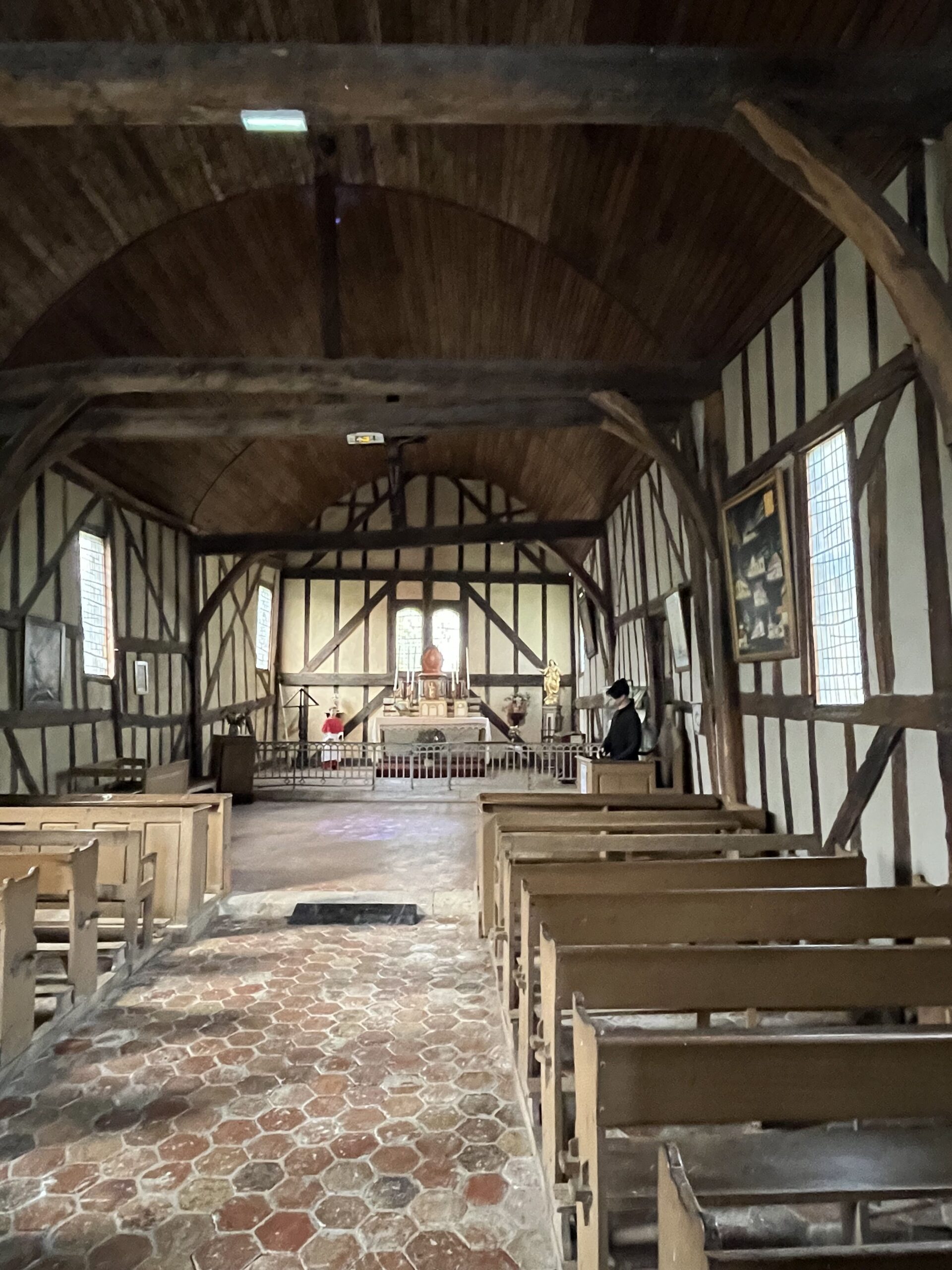
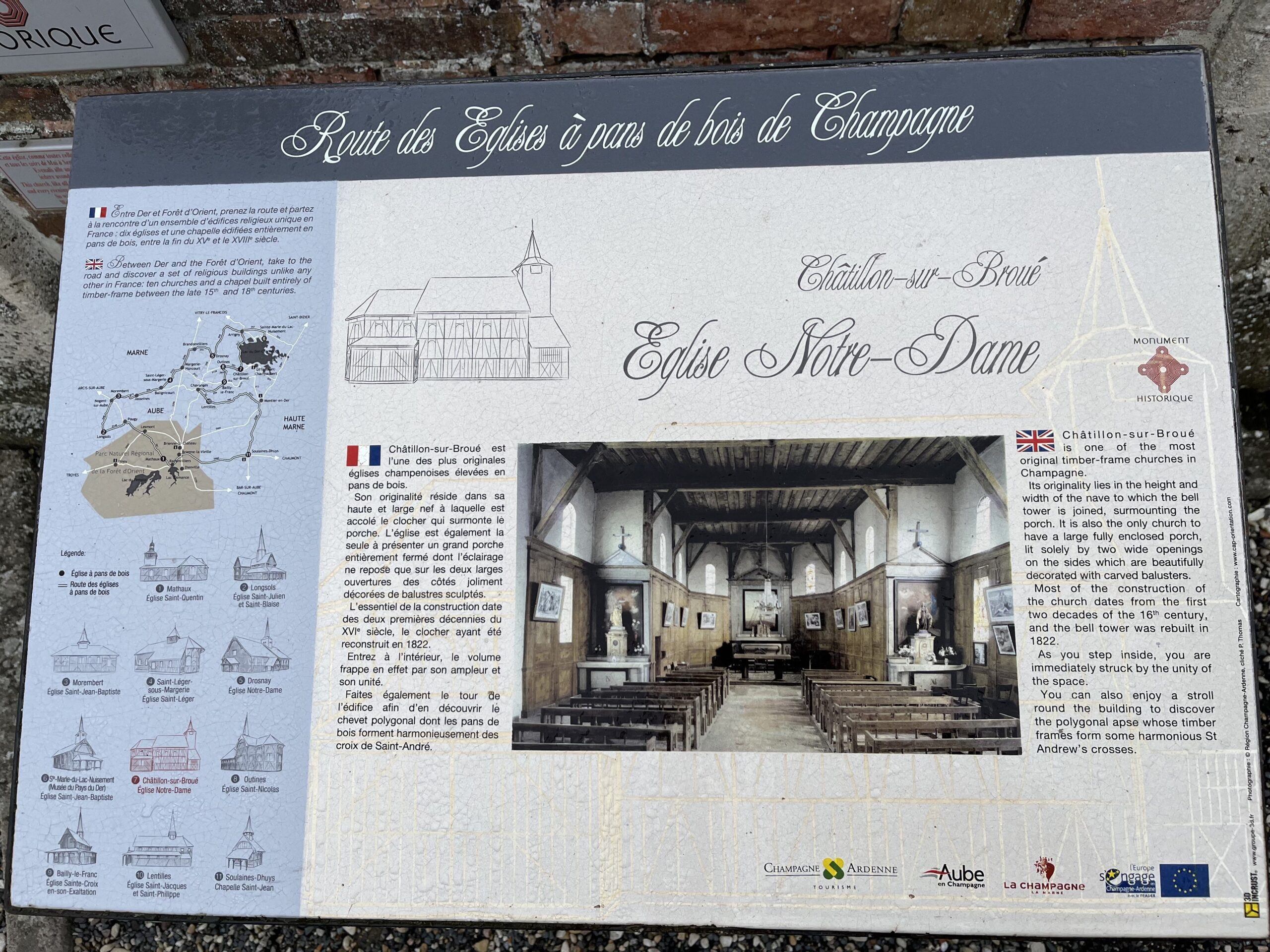
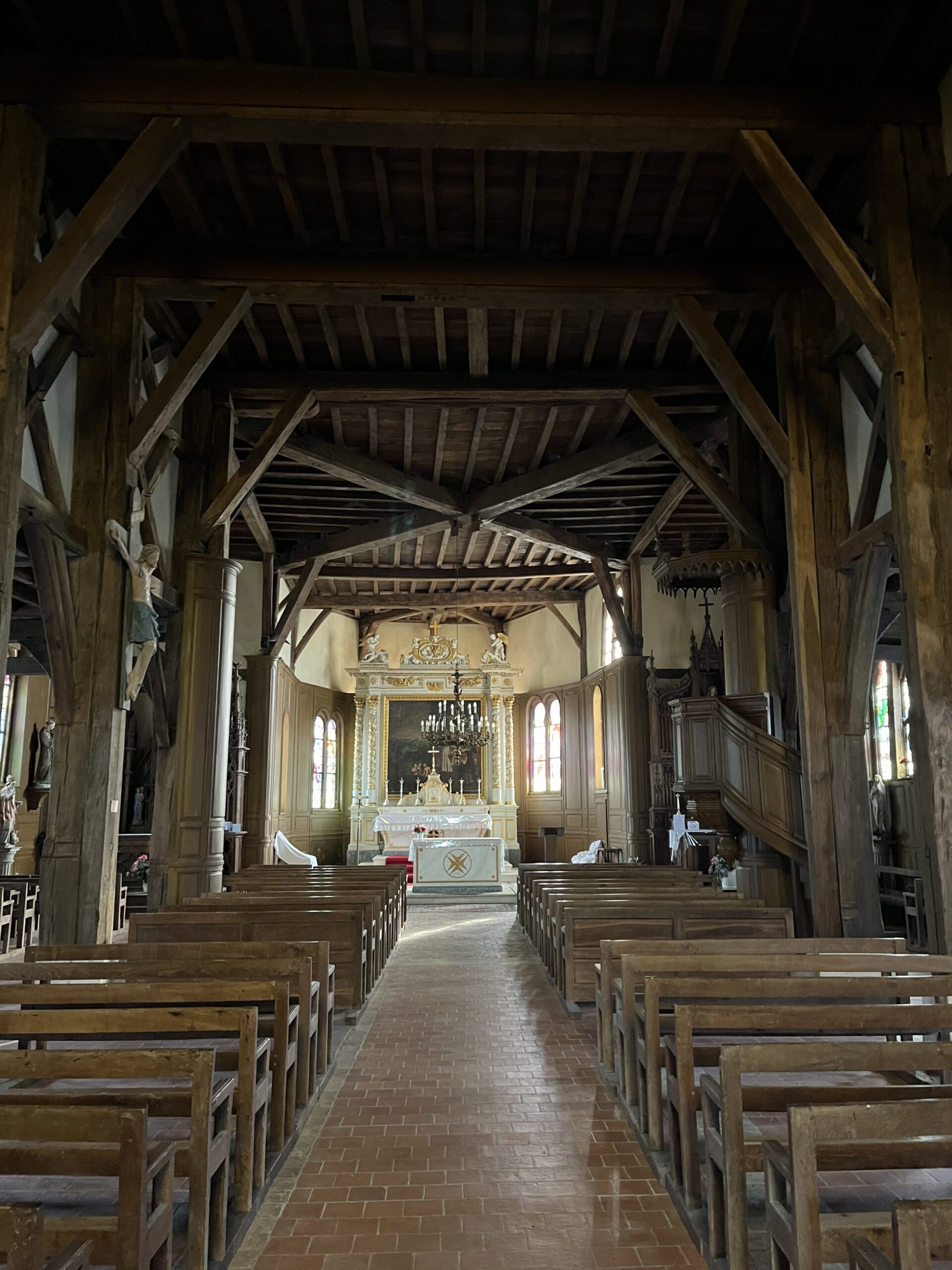
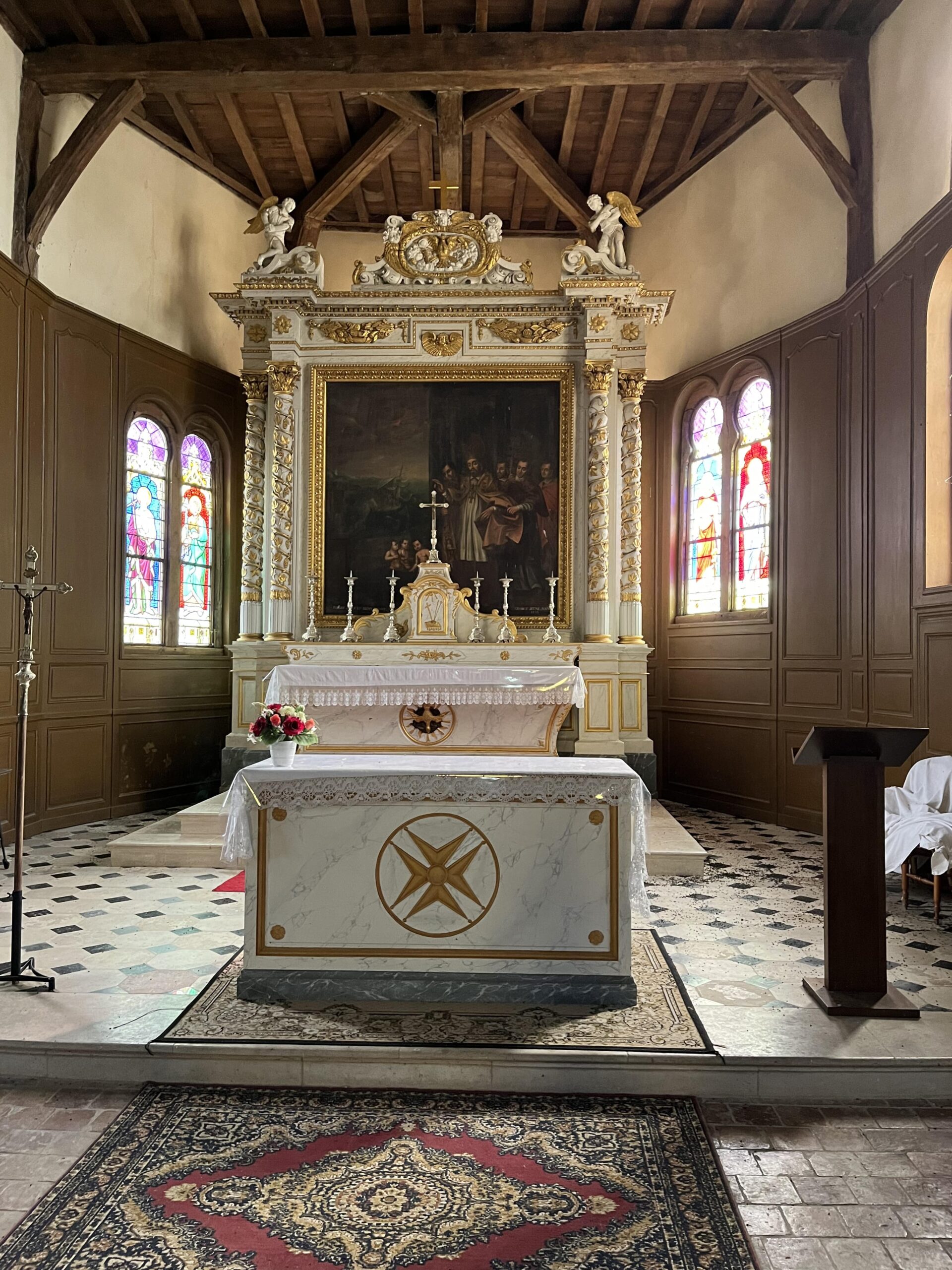
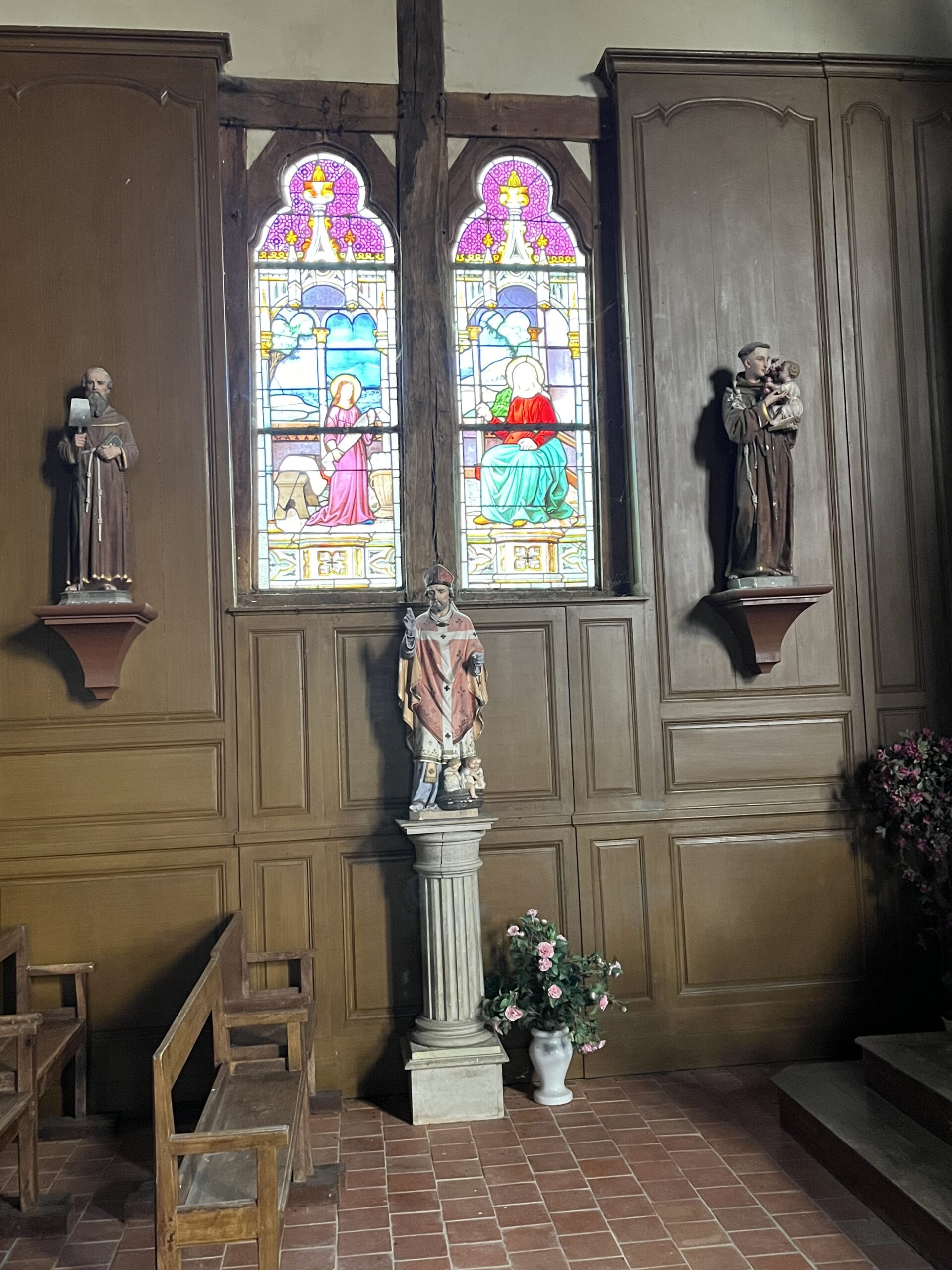
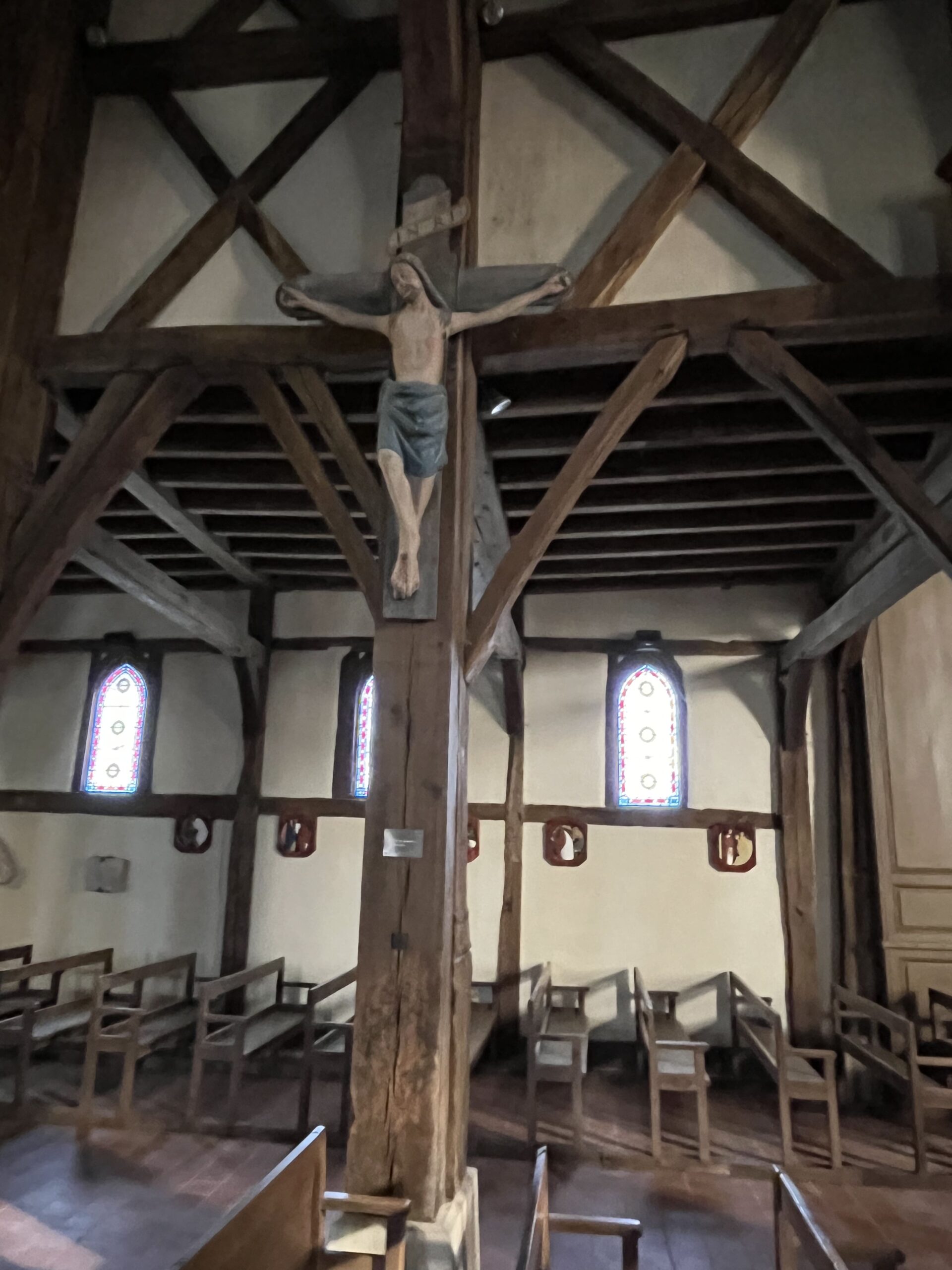
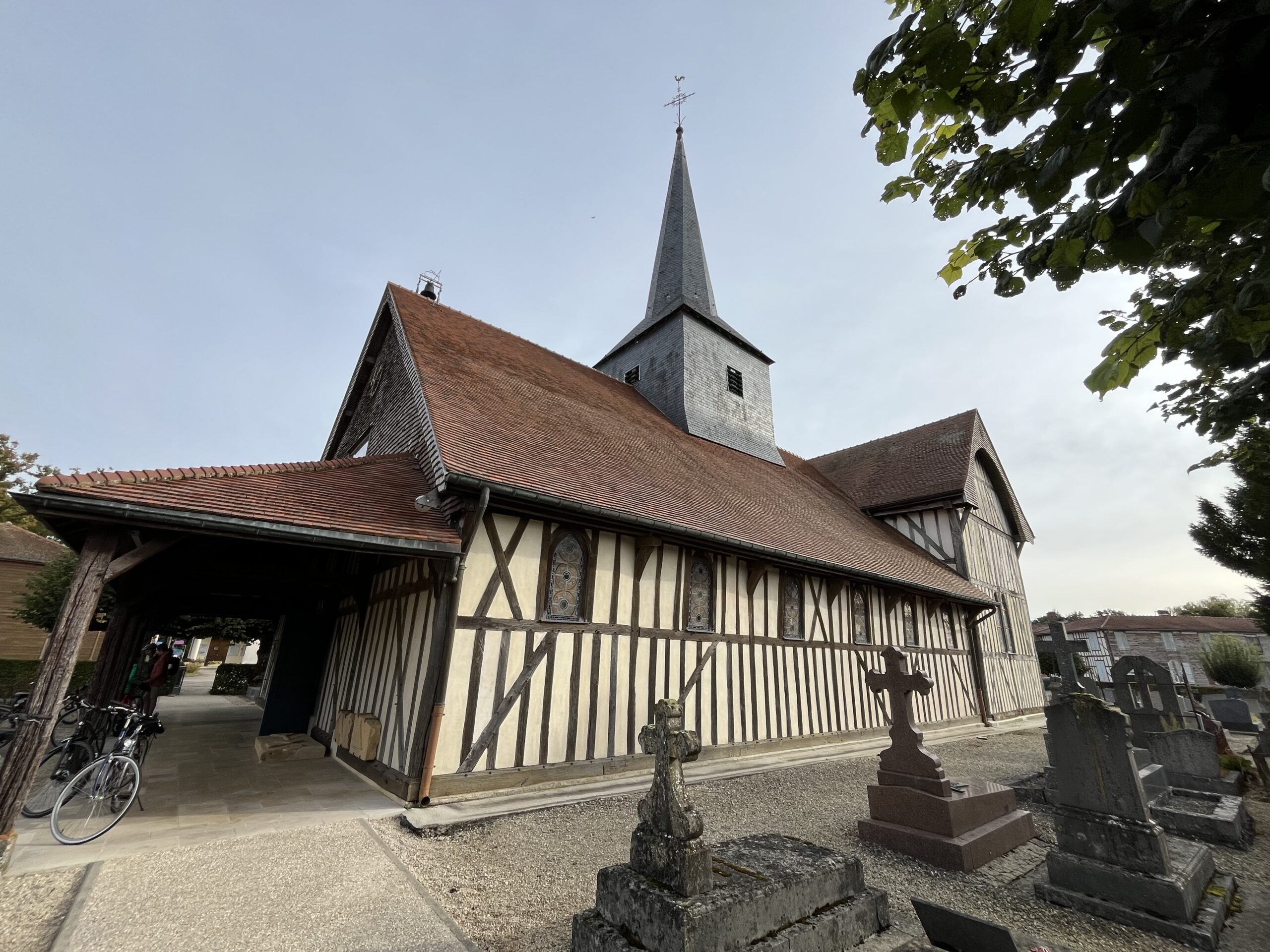
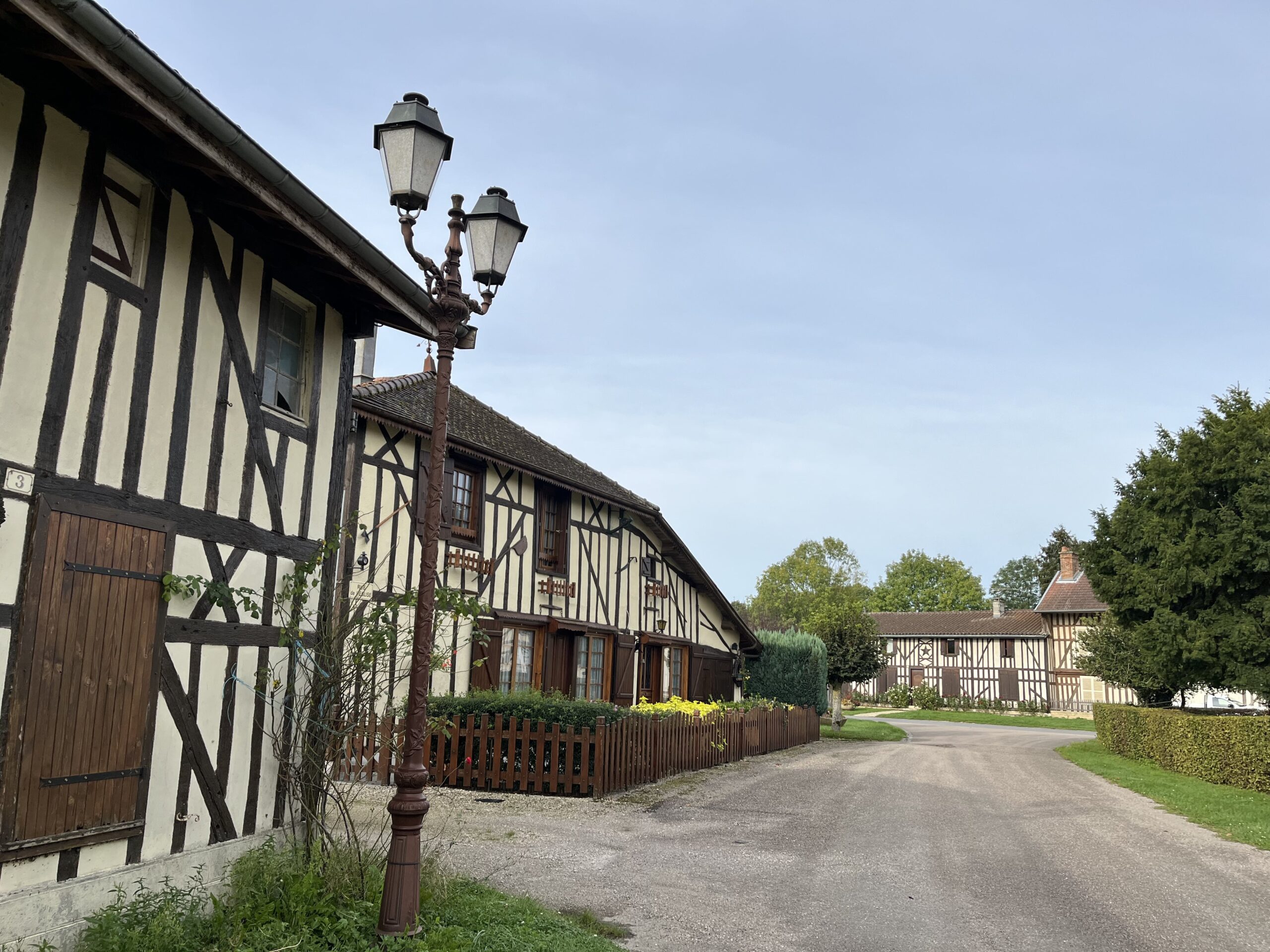
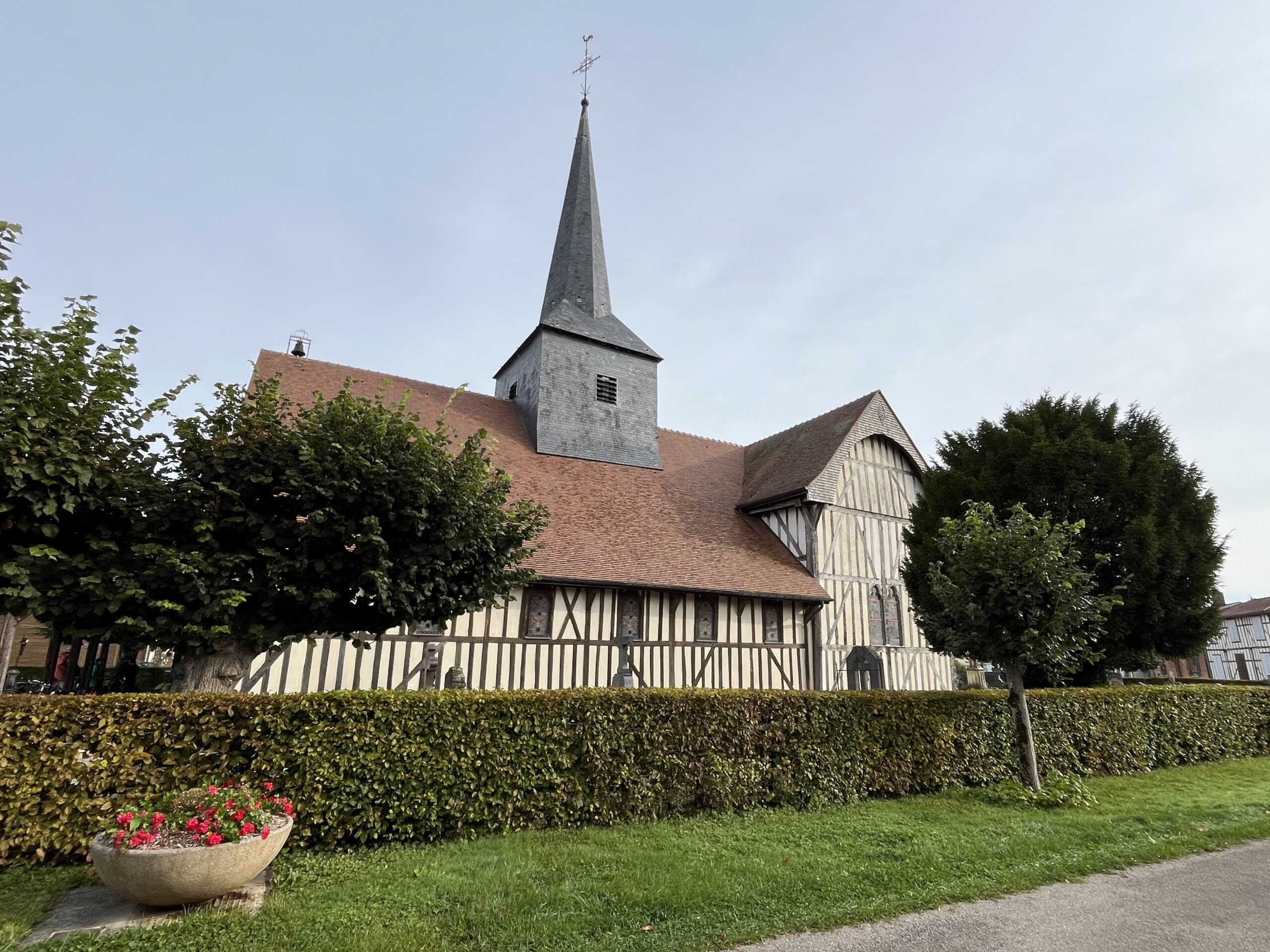
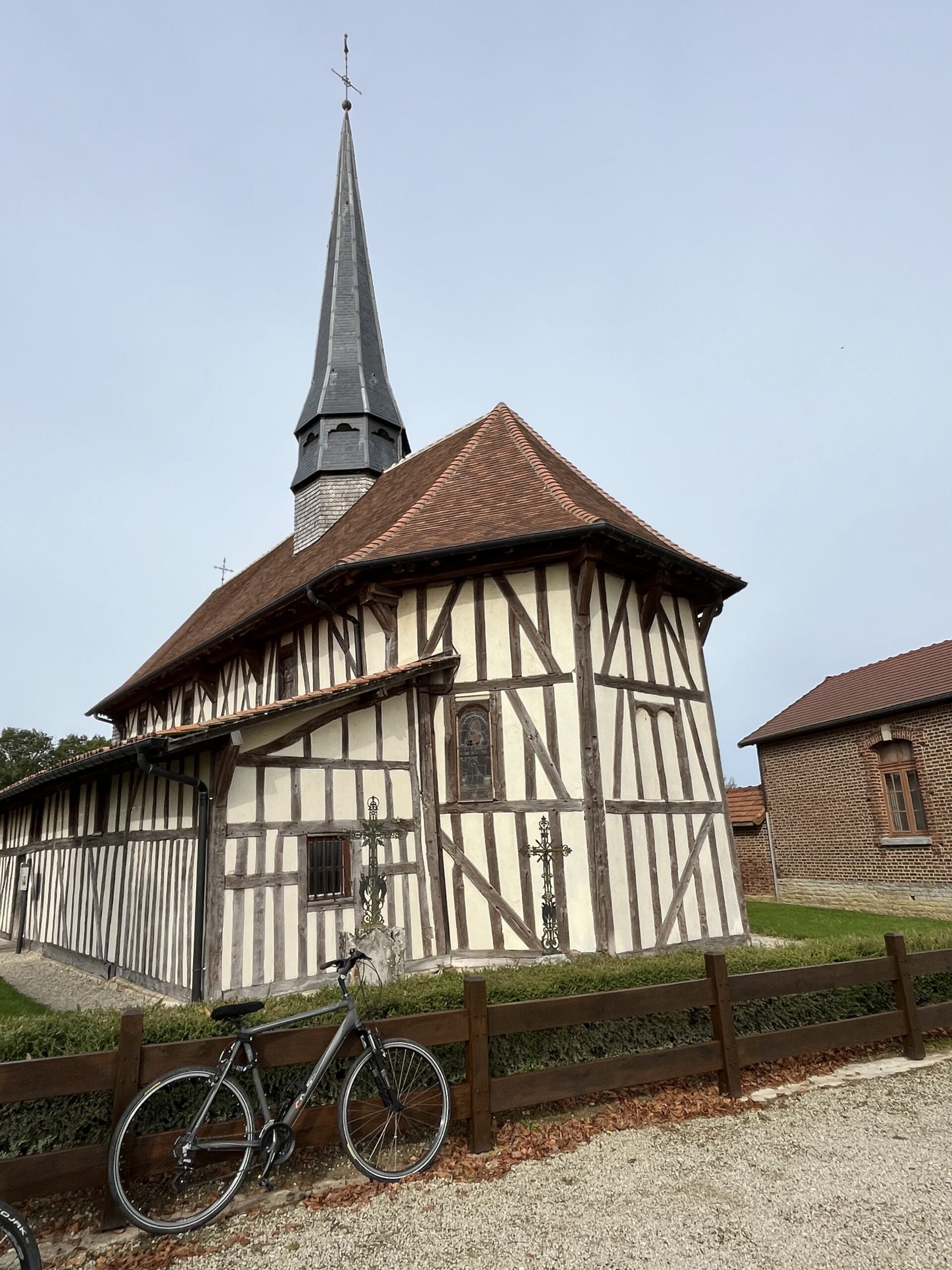
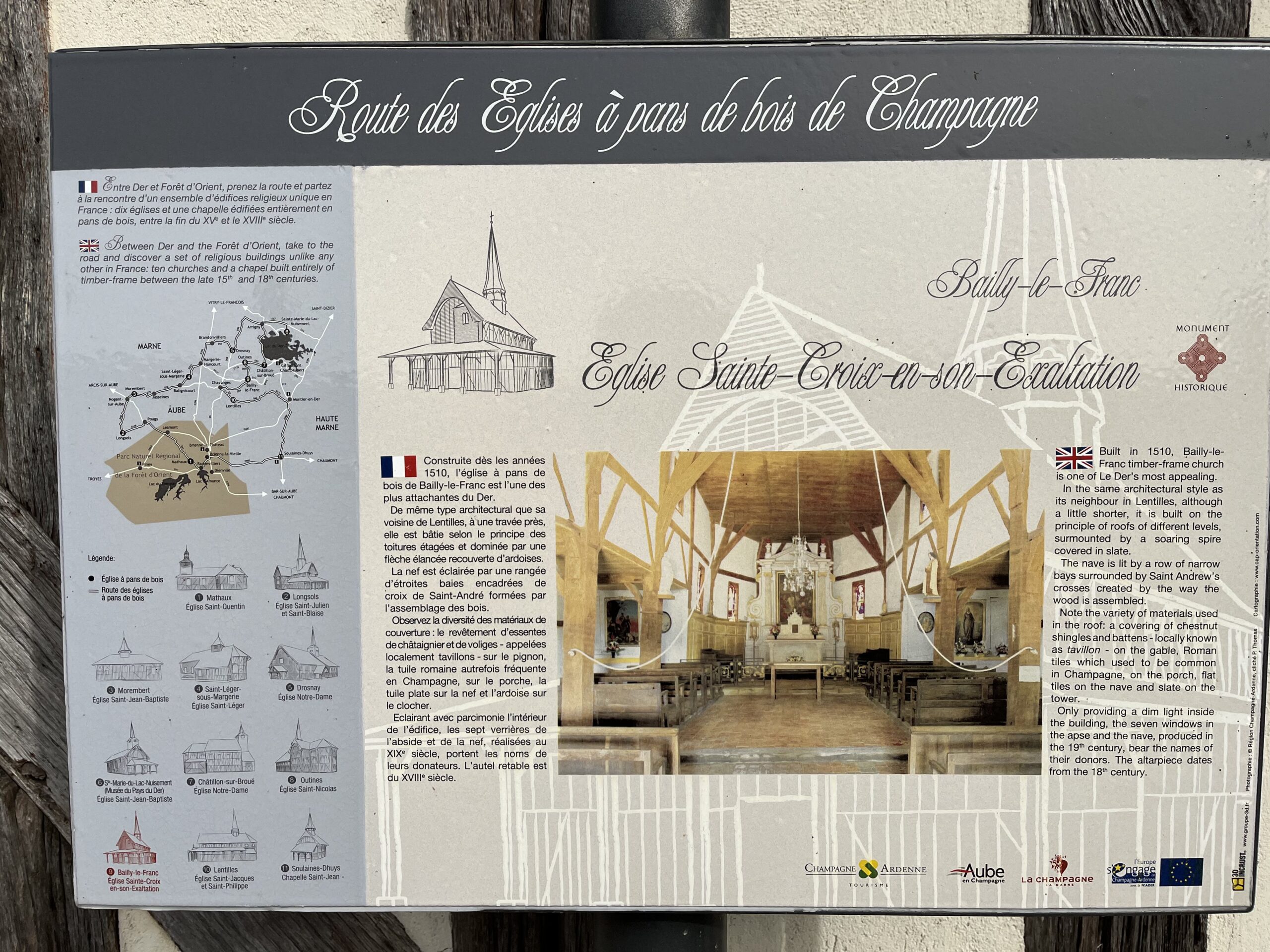
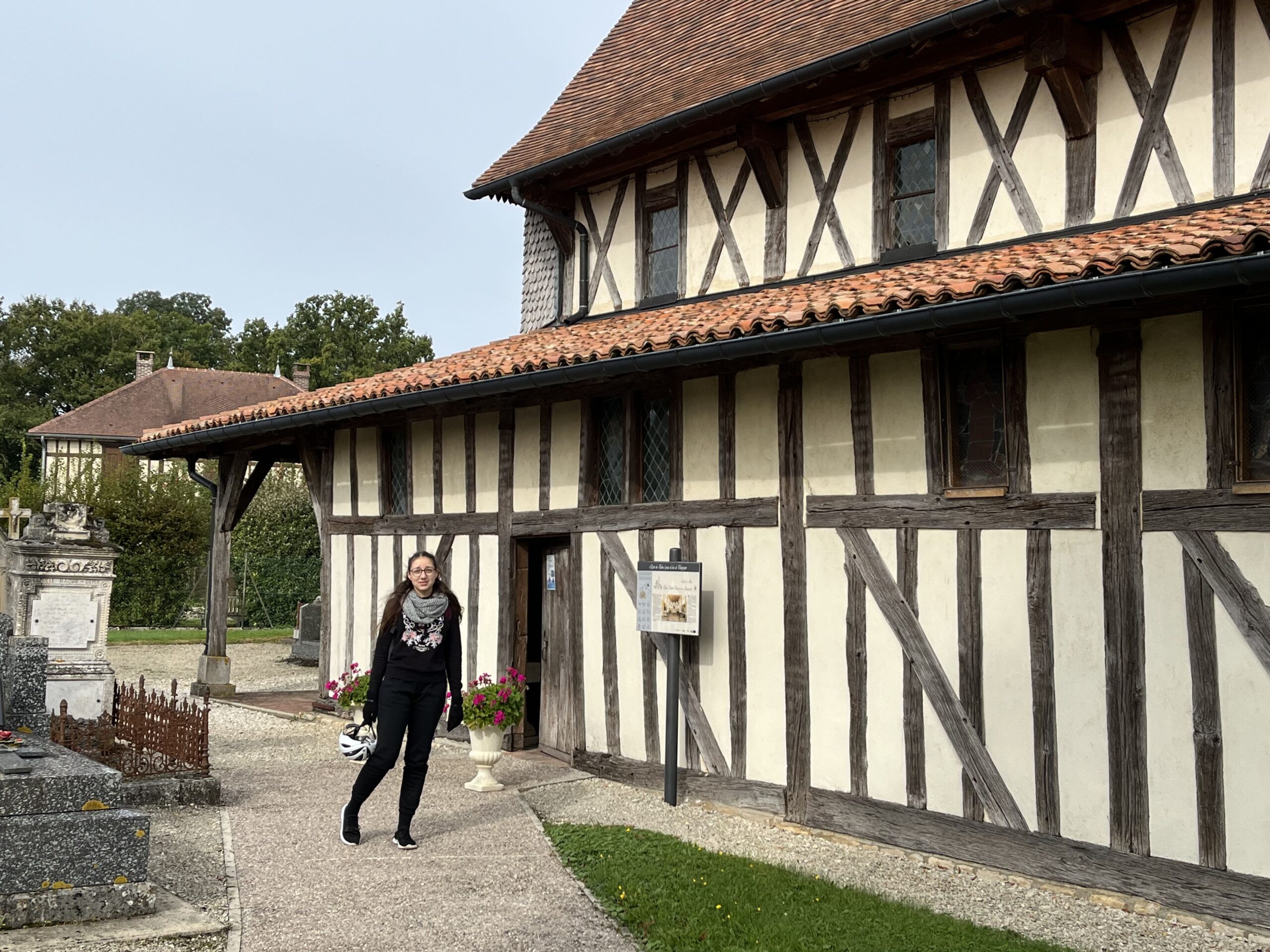
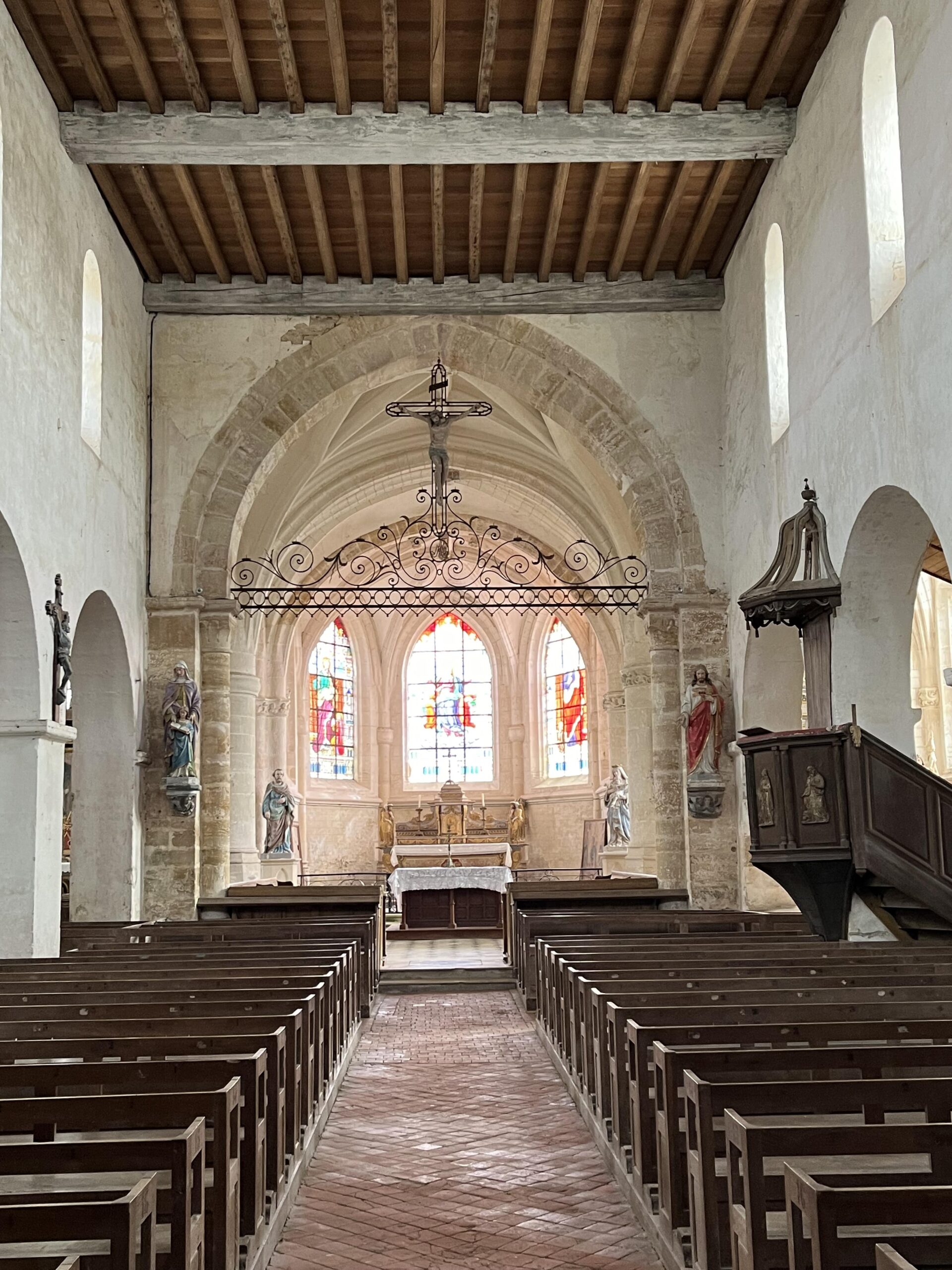
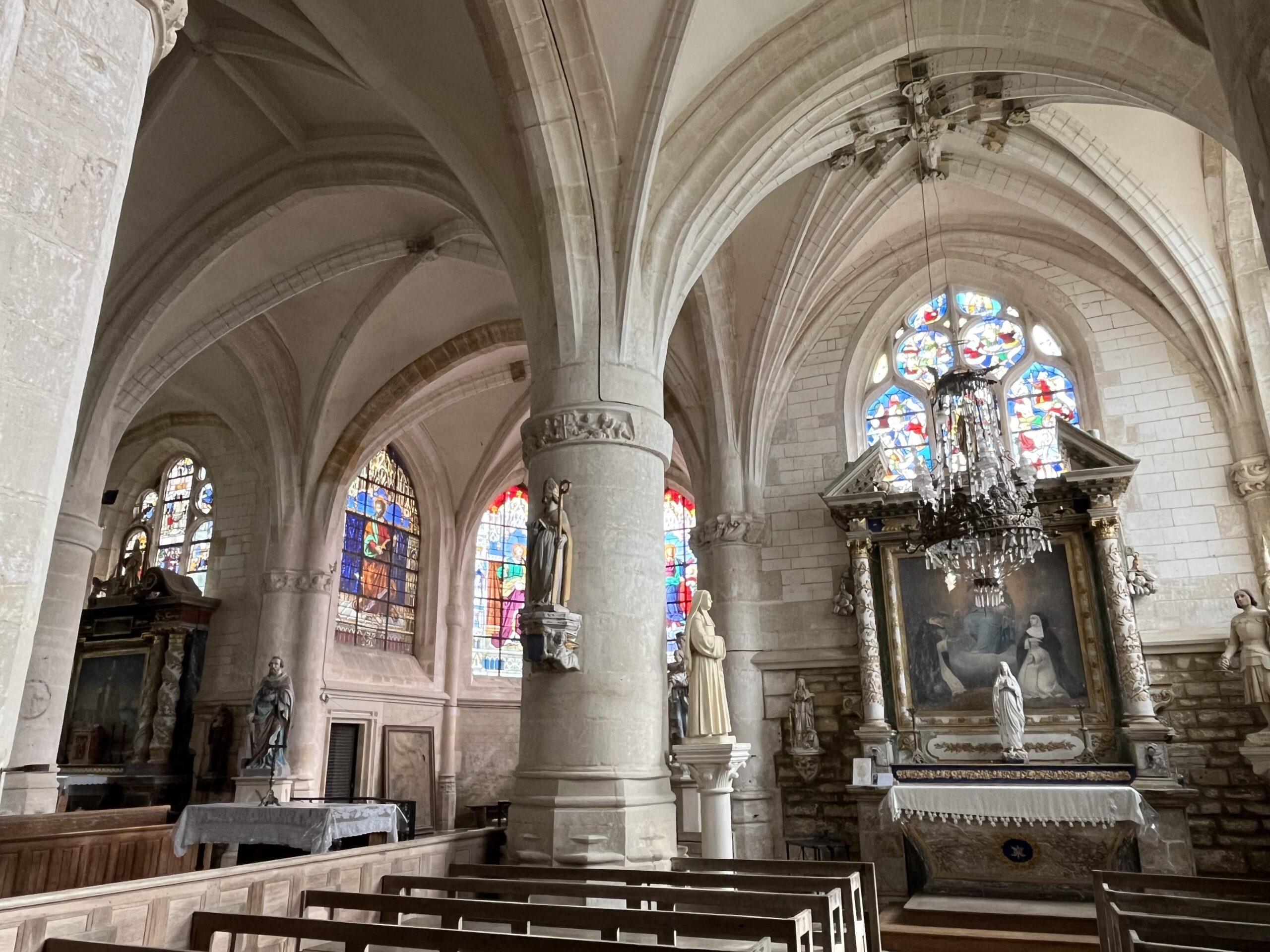
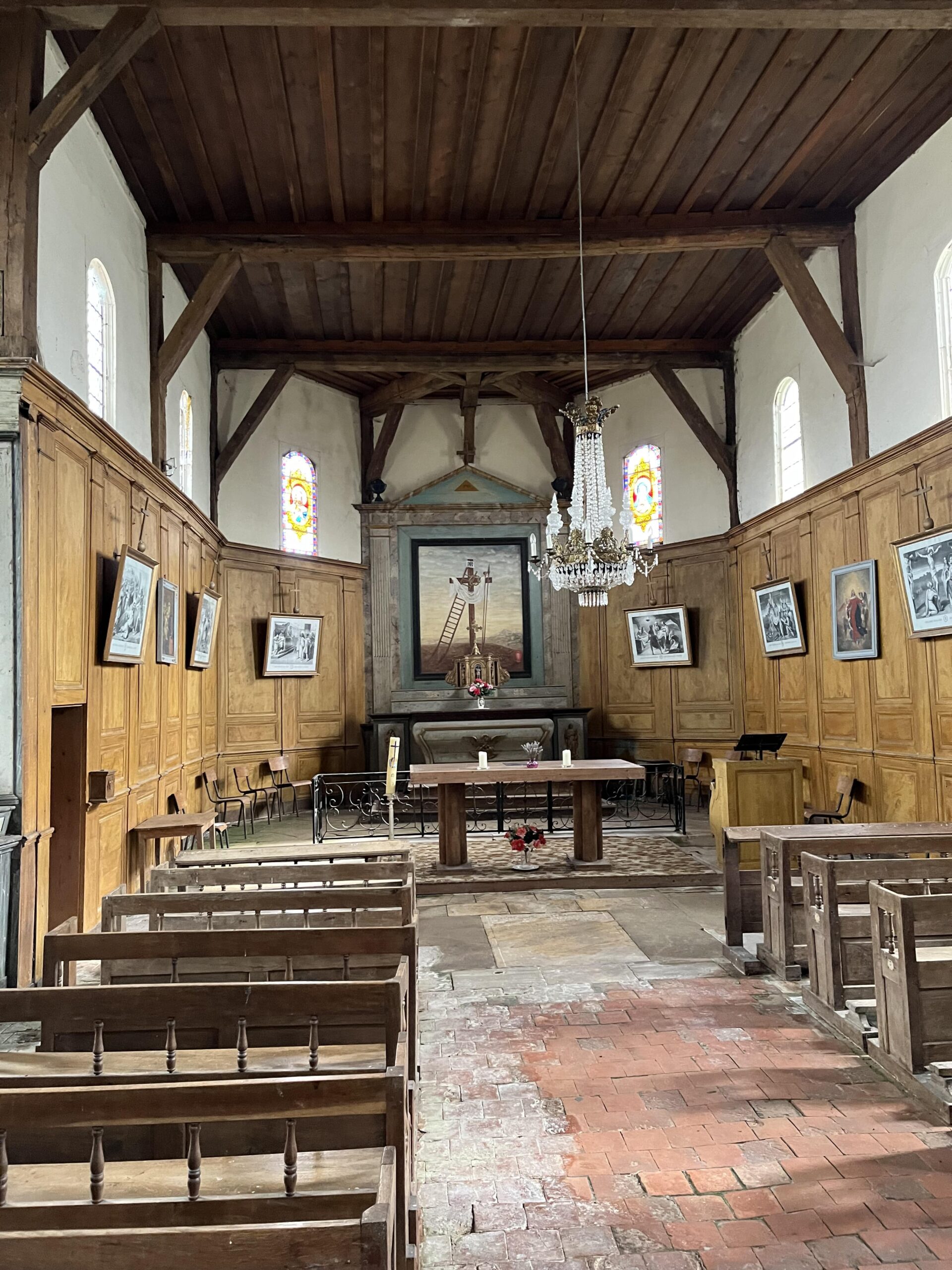
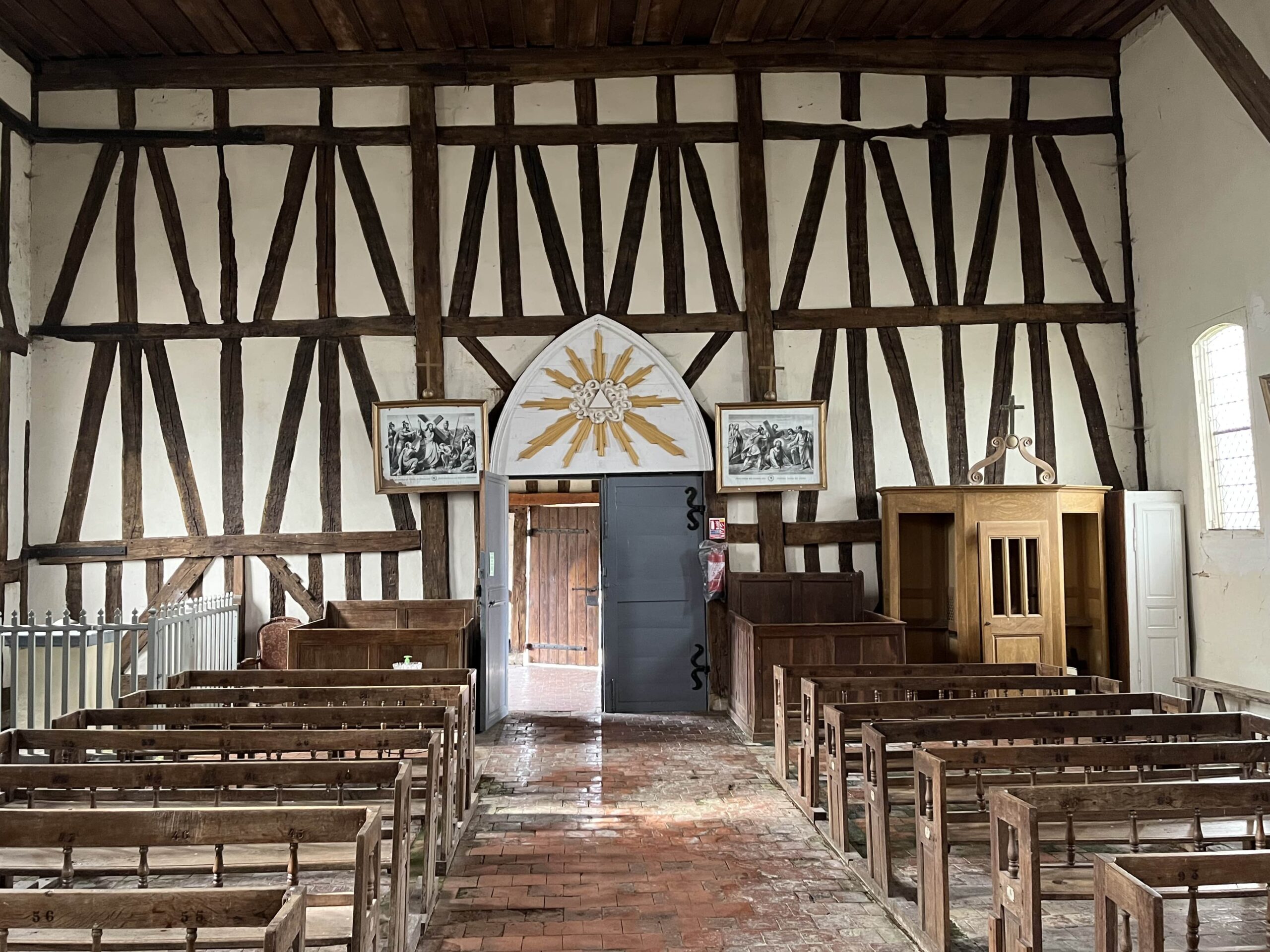
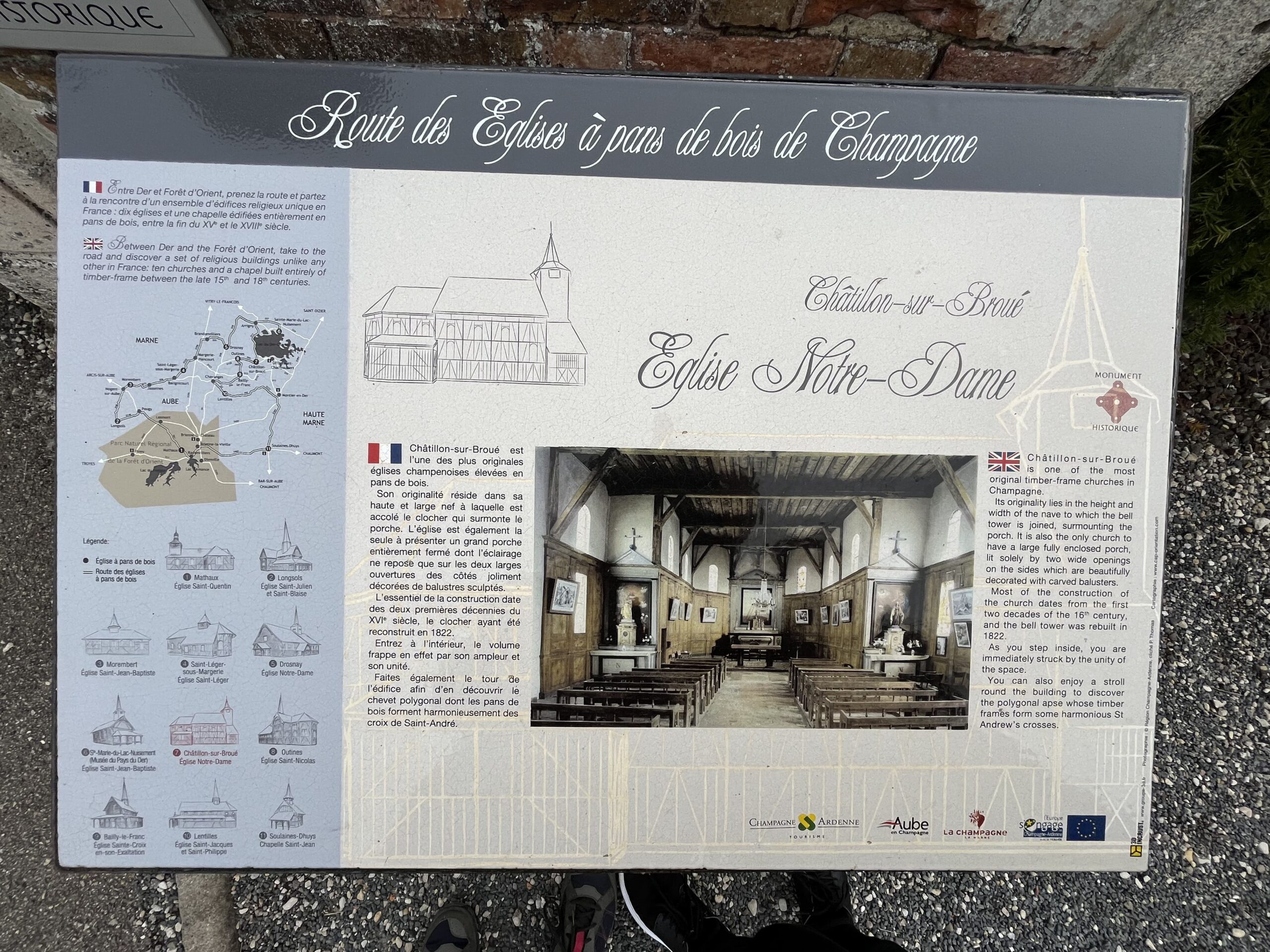
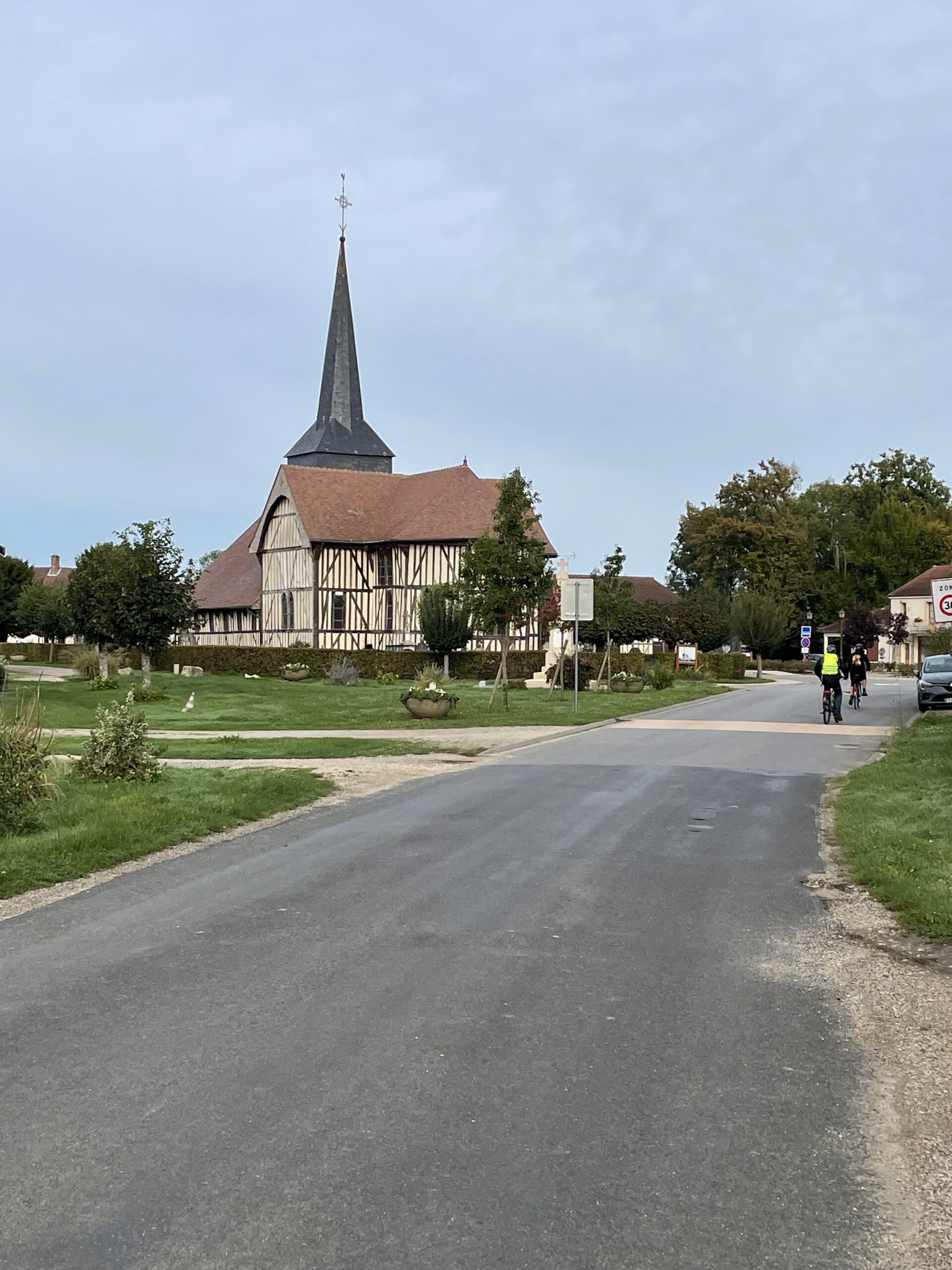
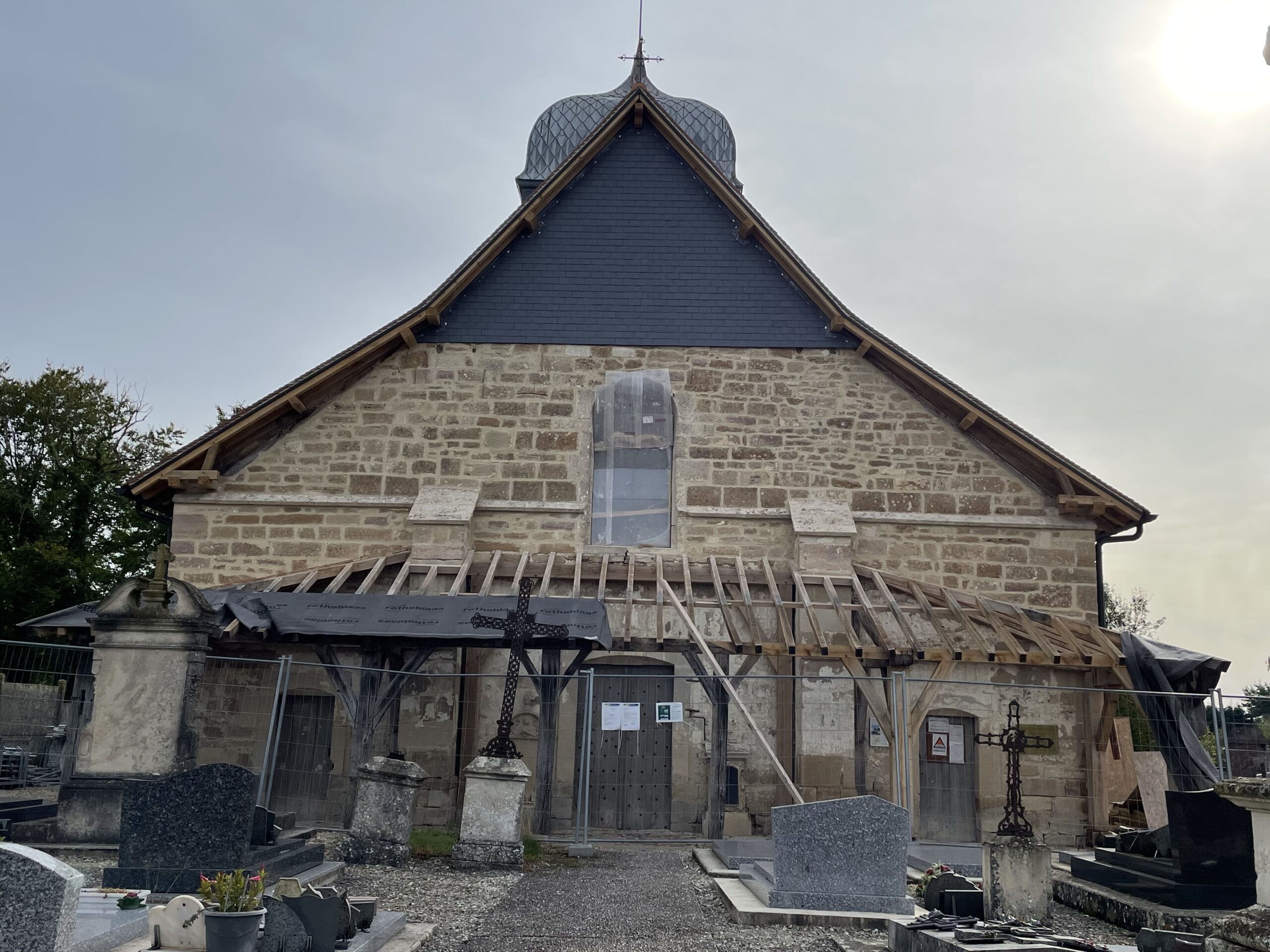
Half-timbered churches, an exceptional heritage Around fifteen villages boast heritage treasures, some of which are over 400 years old. In the middle of this peaceful countryside are some unusual churches that catch the visitor’s eye. The group was able to visit some of the 11 churches listed as Historic Monuments.
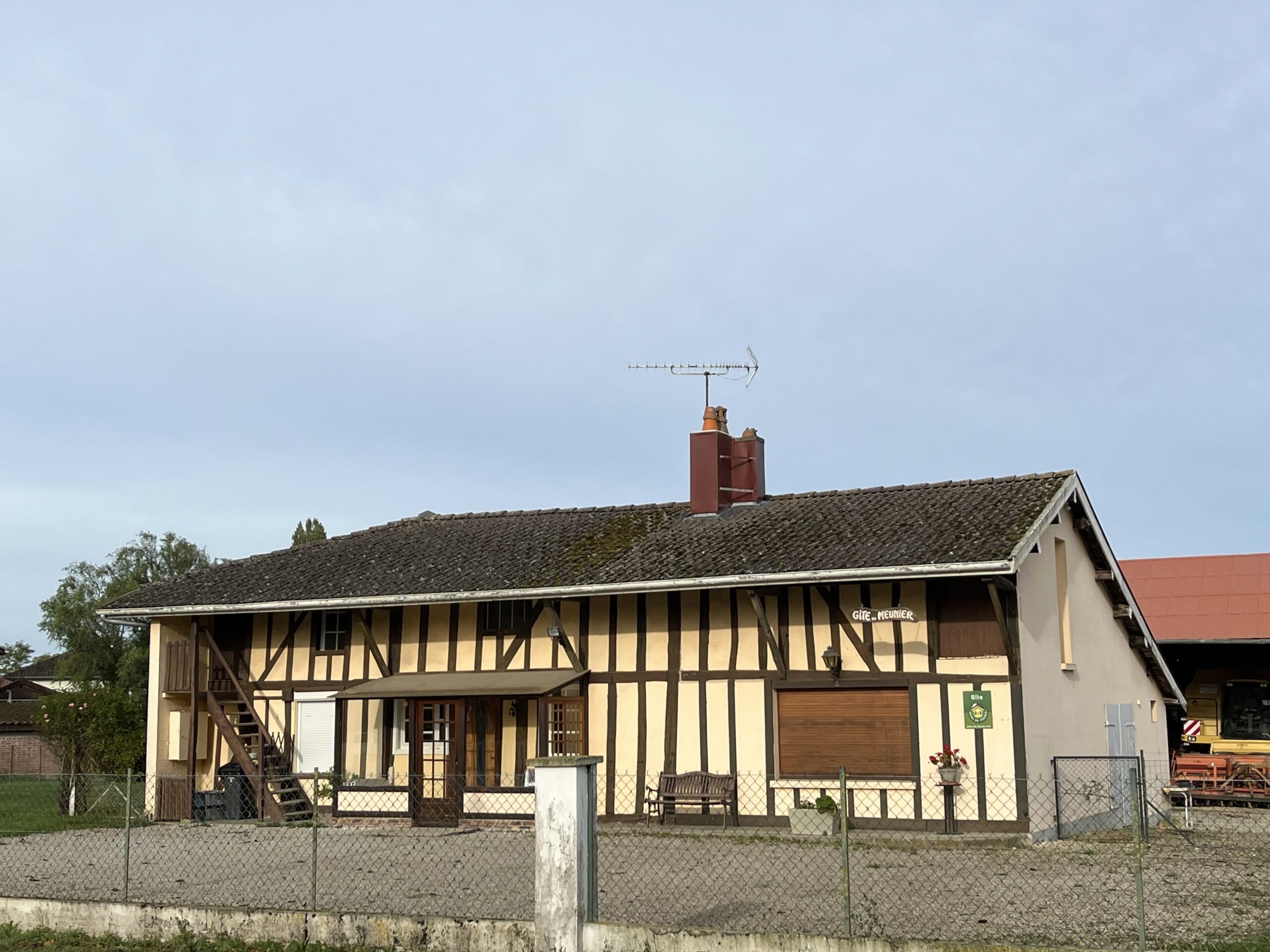
The design of these half-timbered churches reflects a time when people chose materials that were available locally in order to minimise the cost and time required to erect buildings. In this region of Champagne, the only resource available was oak. As a result, all the buildings were made of wood, including churches and houses. In addition to being practical, timber framing was appreciated for its aesthetic appeal!
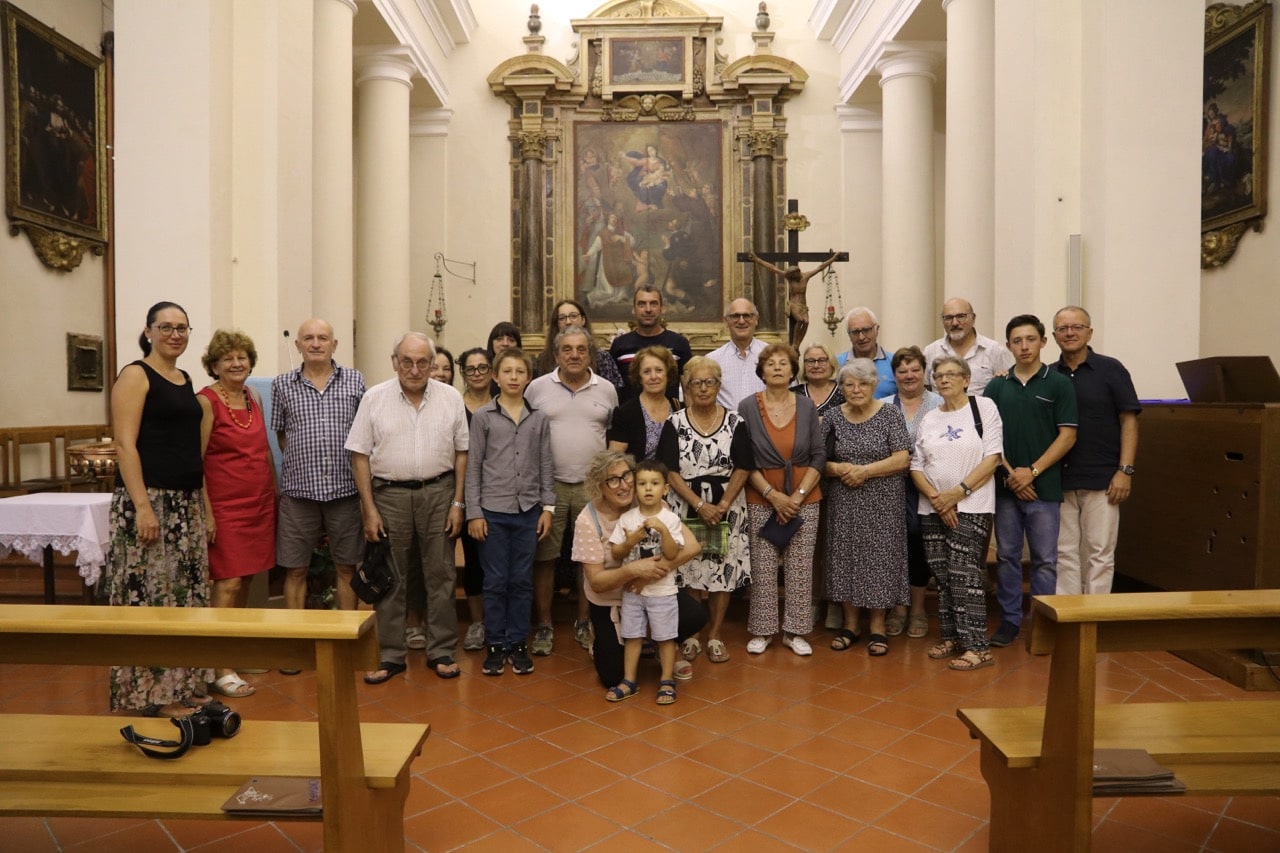
A concertino has been organised by the Ad Pacem association in Italy in the town of Serra Sant Abbondio (Province of Pesaro Urbino). Laura, Daniel and Michel Pantaleoni interpreted a number of classical and romantic works. Donations raised went towards the purchase of medicines for the psychiatric hospital in Vorzel, near Kyiv.
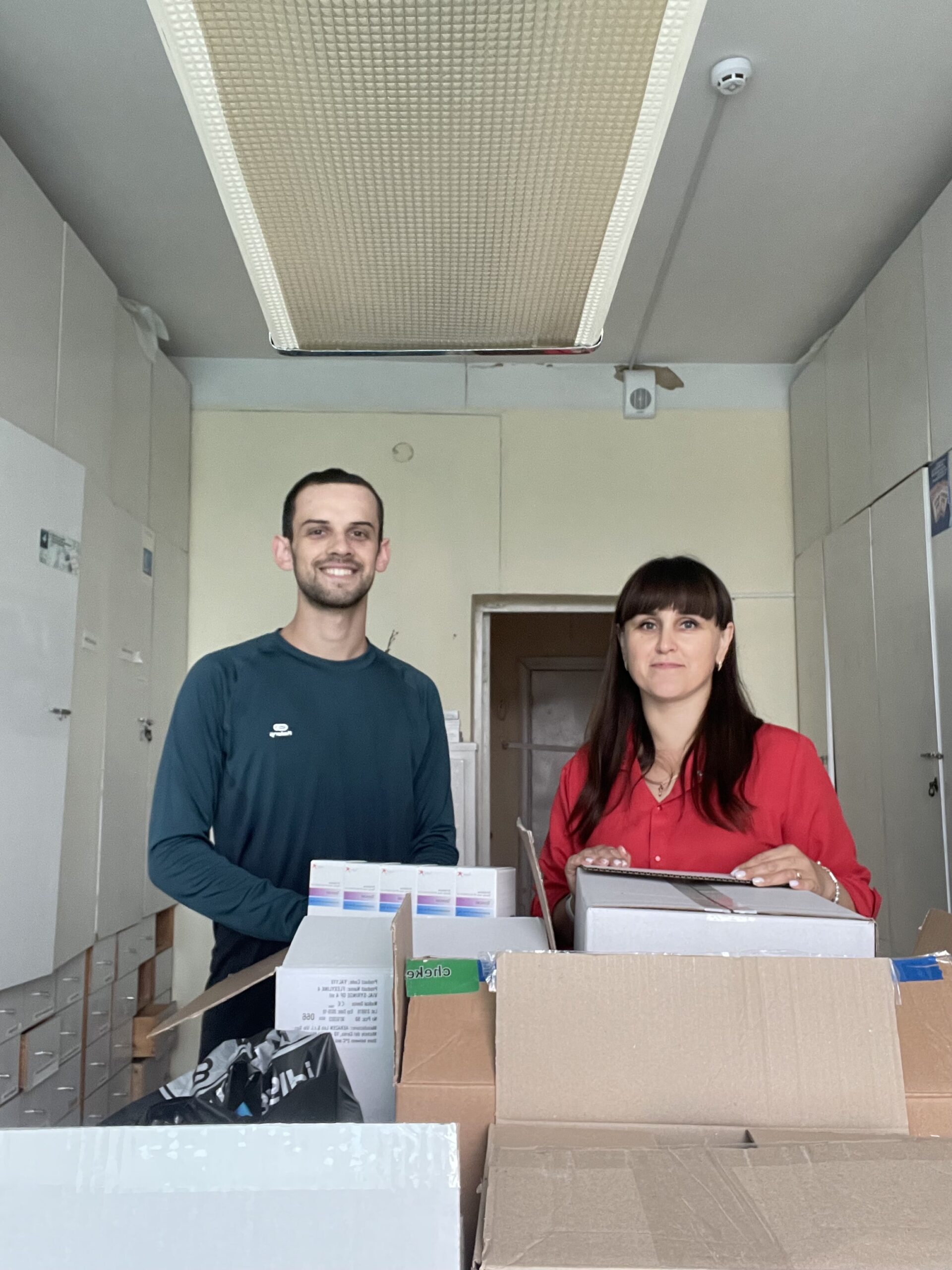
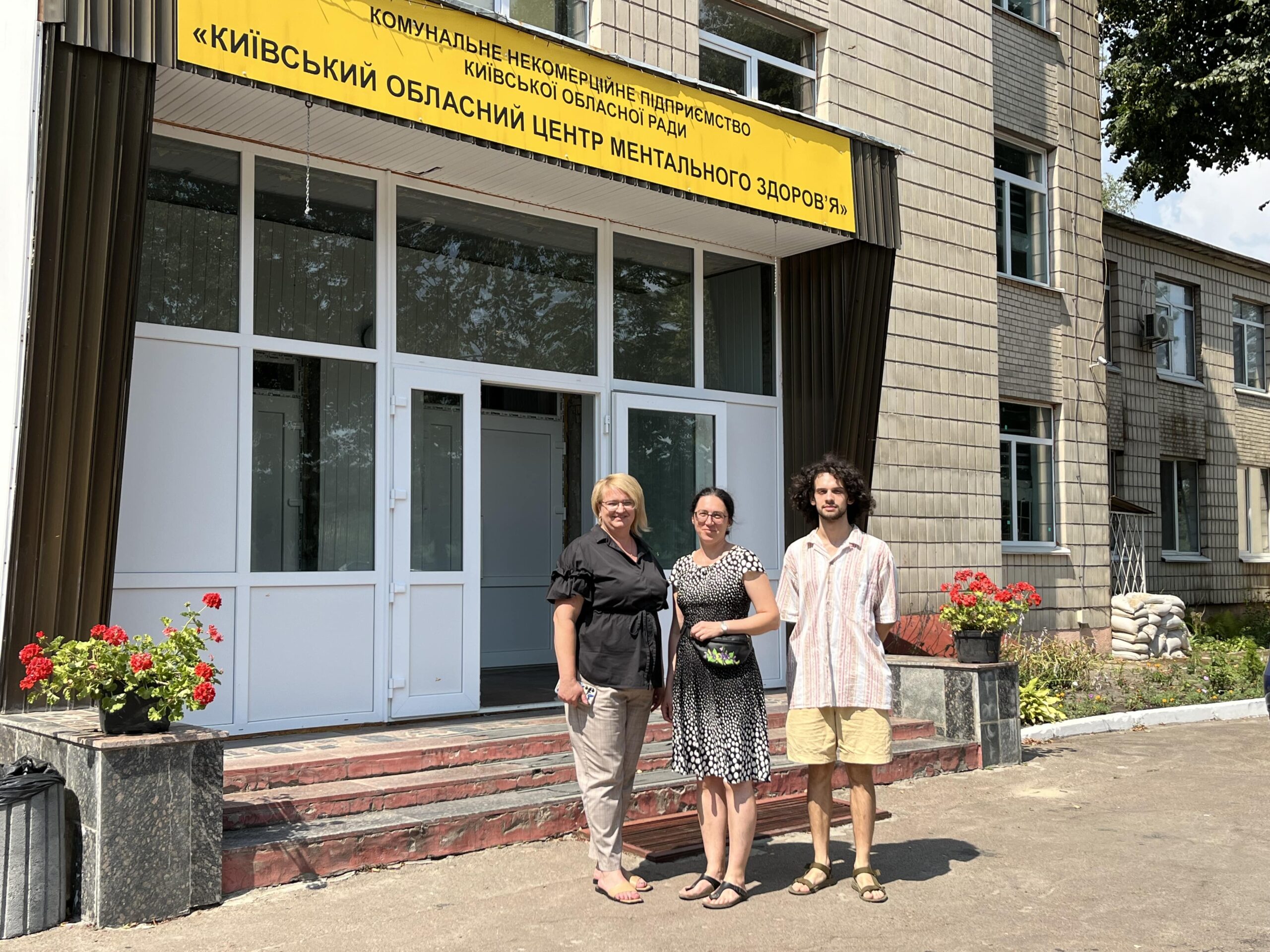
Natalya visits the hospital in Vorzel. On this day, the medicines needed for the therapies and purchased shortly beforehand were handed over. All the medicines purchased were paid for with the proceeds from the sale of the 2024 calendar.
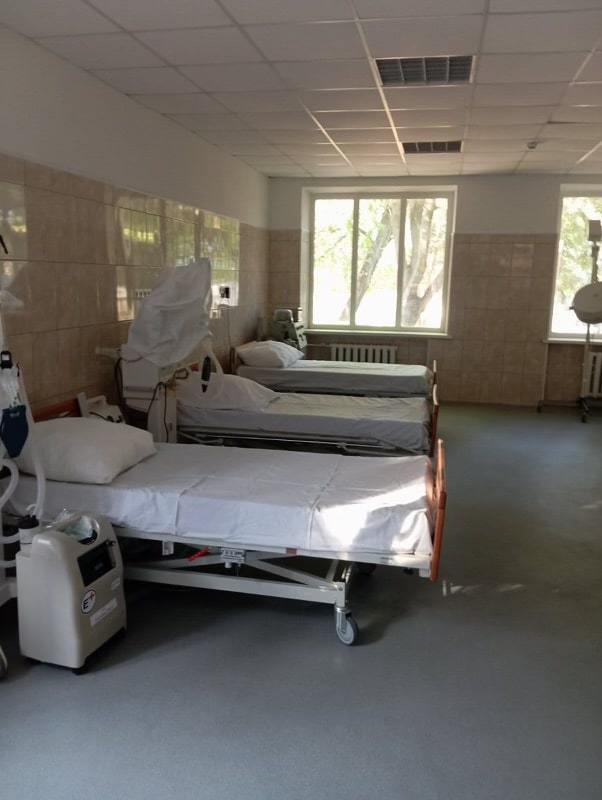
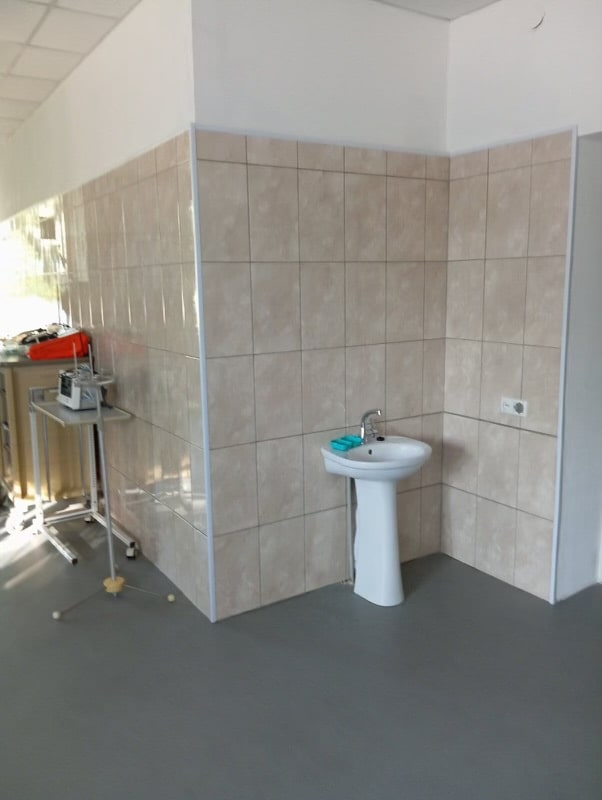
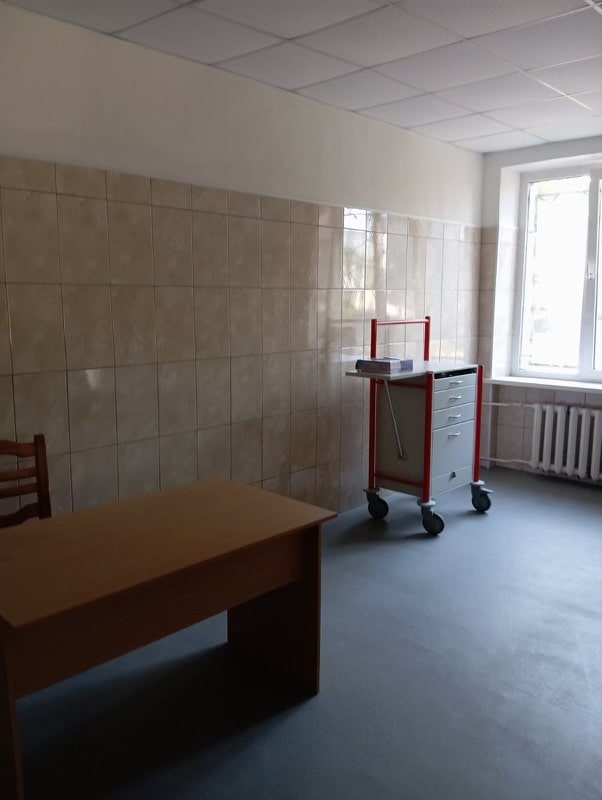
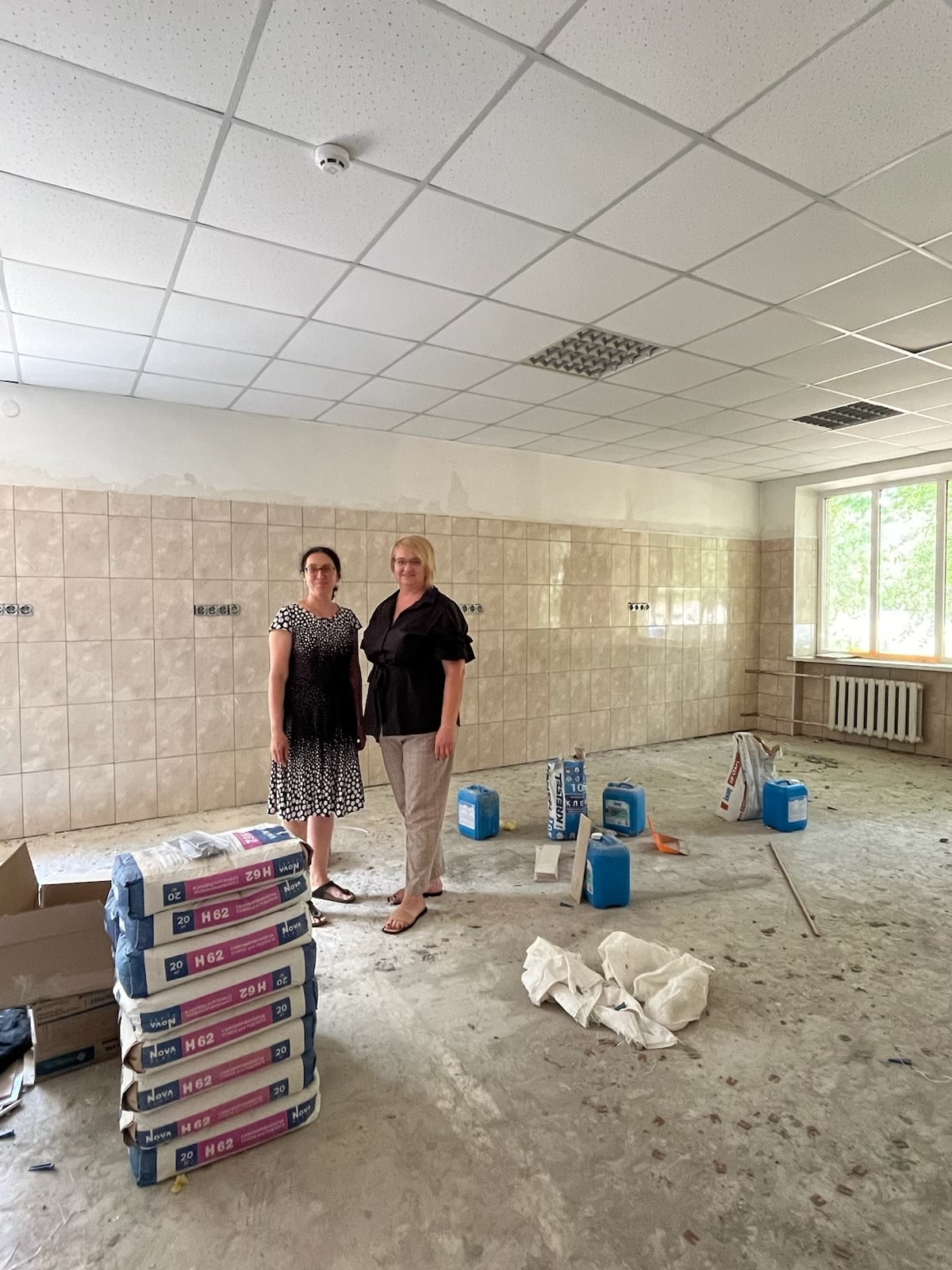
This was followed by a tour of the intensive therapy room, the renovation of which is being financed entirely by Ad Pacem.The work had not yet been completed by mid-July.
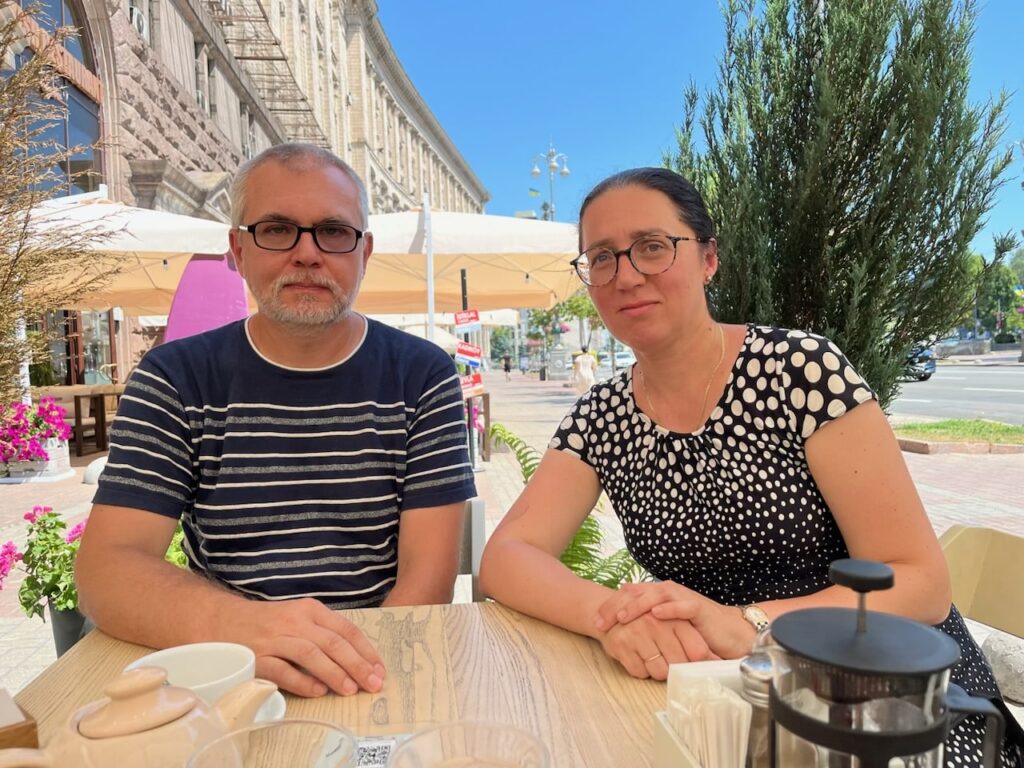
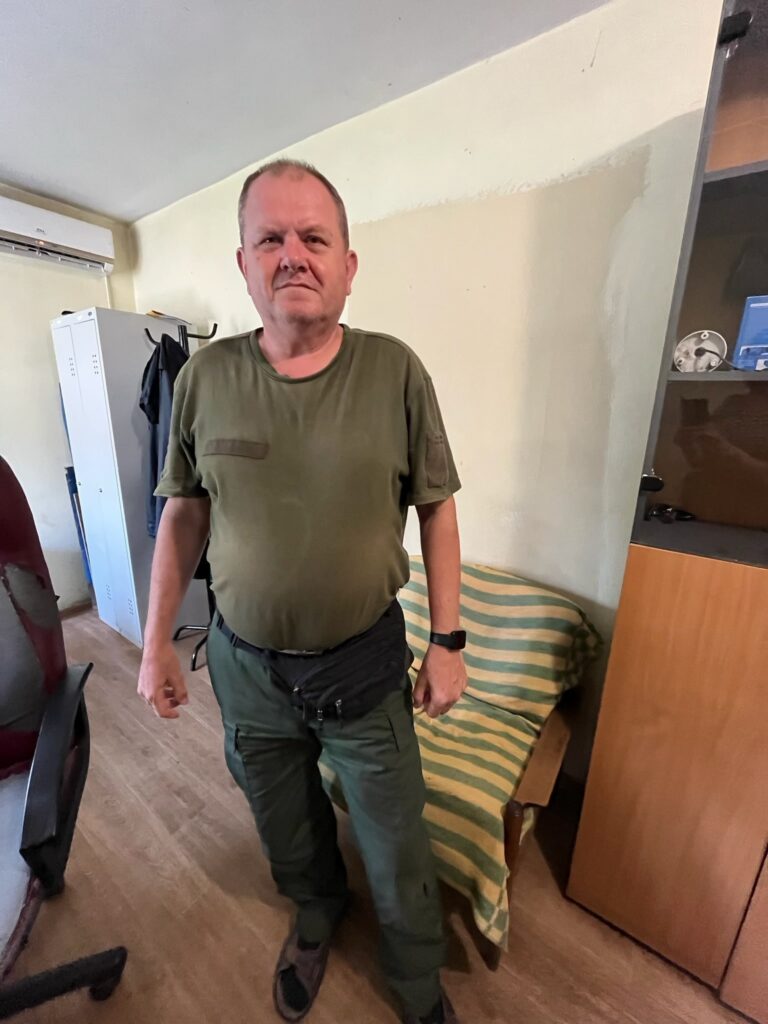
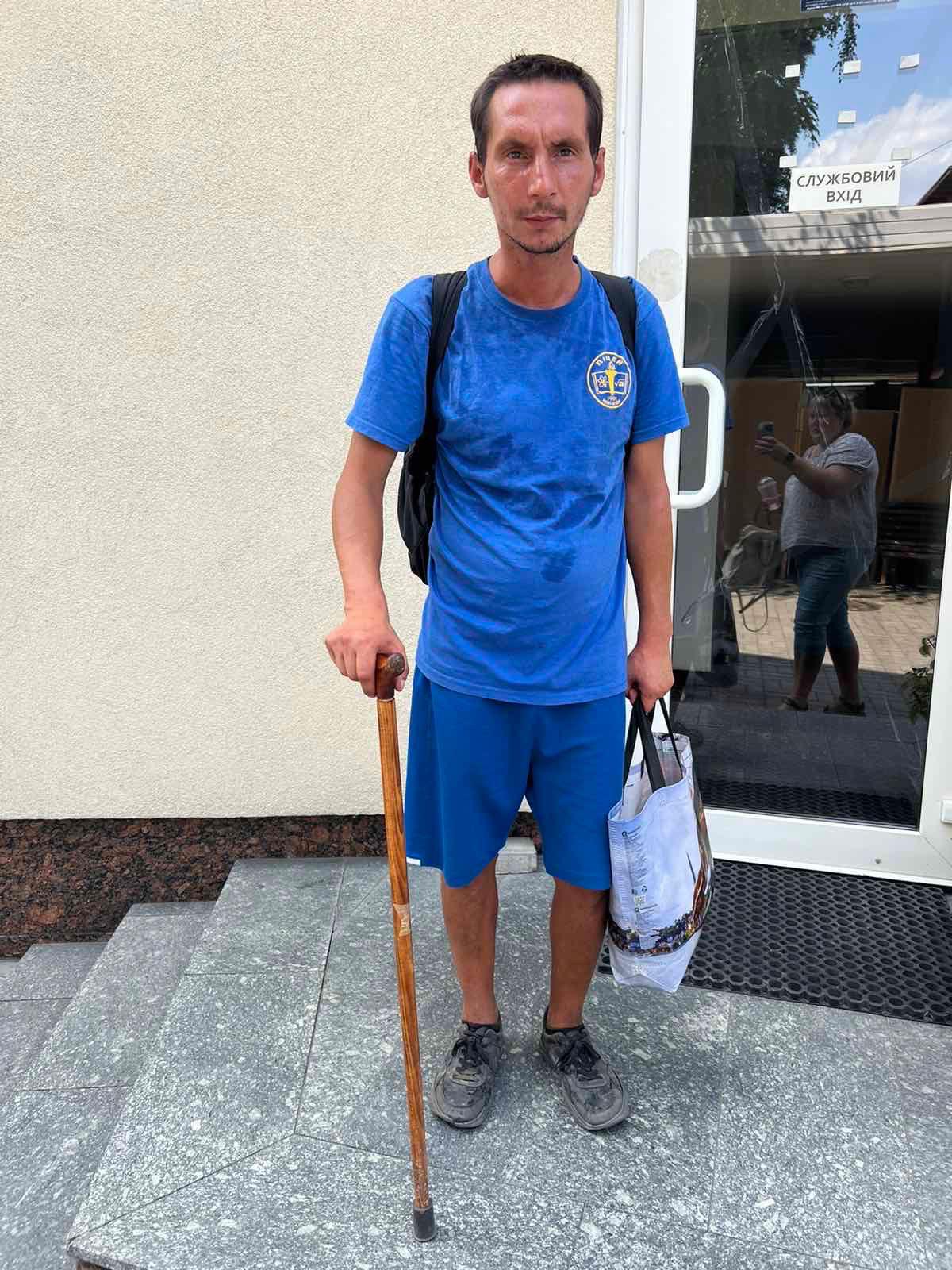
Over these two days, our vice-president Natalya has met three former inmates of the ‘Izolyaziya’ concentration camp in Donetzk, Andrij Kochmuradov, Vitalij Sokolov and Valerij Matjuschenko. This camp is run by the Russian occupation forces in the occupied Donbas. Regular torture is commonplace. Valerij Matjushenko was only released at the beginning of July 2024 as part of the prisoner exchange. As a result of the torture, all three, along with Andrij Kochmuradov’s wife Olena Lazareva, suffer from serious health problems including joint, dental, heart and circulatory problems. They receive financial support from Ad Pacem for medical treatment and the purchase of medicines.
Kochmuradov and Sokolov said that having been in prison caused them major problems when looking for work. Employers are discouraged and resent the fact that they were political prisoners, even though they were later found innocent by Ukrainian courts. Sokolov is now working as a guard, while Kochmuradov is still unemployed.
Letter from Valerij Matjuschenko:
On 15 July 2017, Mr Valeriy Mykolayovych Matyushenko was abducted by agents of the ‘Ministry of State Security’ (FSB) of the so-called Donetsk People’s Republic (DPR). He was sentenced to 10 years in prison and spent 7 years in captivity. He was released in an exchange on 28 June 2024. Here is his story:
‘I, Valeriy Mykolayovych Matyushenko, born in 1965, Ukrainian, resident of Komsomolske, Starobeshevo district, Donetsk region, am married and have one son.
On 15 July 2017, I left my flat to join my wife, who was at the school where our son was enrolled, preparing the class for the next school year.
I opened my car and at that moment I saw a white Volkswagen minibus with a few people inside. As I was about to leave, four men came up to me, handcuffed me and put a plastic bag over my head. They dragged me into the minibus and took me somewhere.
I found myself in a room and was told that I was suspected of spying for Ukraine.
I was in the ‘DPR MGB’ (FSB).
The IZOLYATSIA torture chamber in Donezk. There were many other people in this prison or concentration camp.
I was first thrown into a small room. It had no windows and measured about one metre by two metres. I can’t say how long I was there. There was a light on all the time and there was a surveillance camera. Then I was transferred to the basement. It was cold in the basement. I was given food twice a day, at 7am and 7pm. They gave me boiled cereals without bread.
About three days later, at 2am, I was taken out of the cell and three men started beating me.
I can’t say how long they beat me. Then they dragged me to another basement. There they hooked me up to electric wires and started torturing me with electric shocks. After that, they took me back to the cell. My teeth were knocked out, three ribs were broken and I slept sitting up for over a month.
The beatings continued almost every day. I’ve had an illness since childhood:
I suffer from Tourette’s syndrome, which worsened after the torture. On the nervous side, I developed thyroid problems. Hard work caused an inguinal hernia, which was operated on after my return.
I needed dentures.
After torture and interrogation, I was sentenced by the ‘DPR military court’ to 10 years of strict confinement for spying for Ukraine.
I remained in this ‘isolation’ for ten months. Then I was transferred to the Donetsk pre-trial detention centre. After three weeks in the pre-trial detention centre, I was transferred to high-regime colony no. 32 in Minsk, where I was held until 28 June 2024, when I was released.
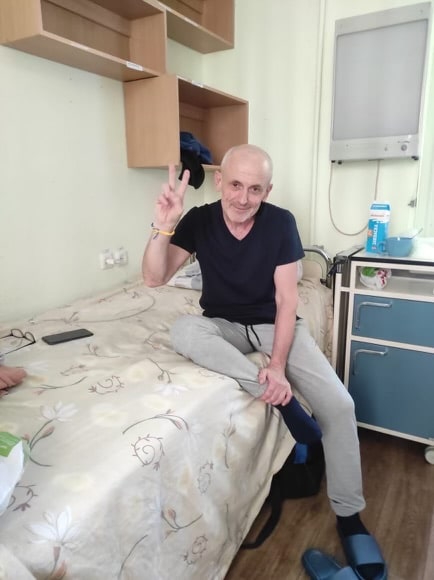
On 28 June 2024, I arrived in Kiev by helicopter. I was immediately taken from the airport to the regional hospital, where I stayed for a fortnight. I’ve now been in another hospital for a month to get my disability certificate. I have a lot of problems, including financial problems. I’m asking your association if it’s possible to help me financially to get back into shape and to buy the medicines I need.
Mrs Ponomarenko, head of the psychiatric hospital in Vorzel (Ukraine), receives the medicines purchased thanks to a donation from a Kiwanis club in Luxembourg.
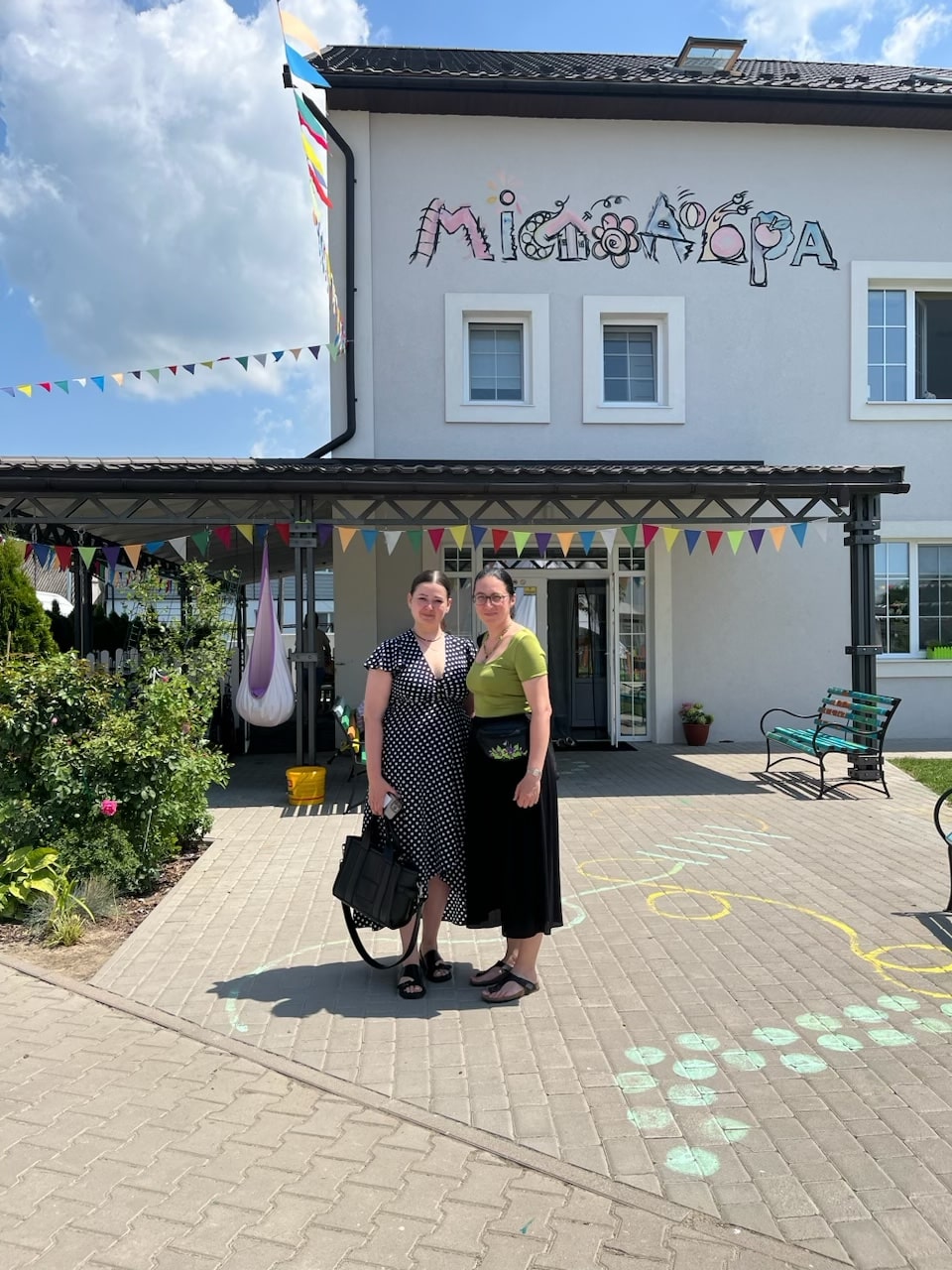
Visit of our Vice President Natalya to ‘Misto dobra’ – City of goodness in Chernivtzi.
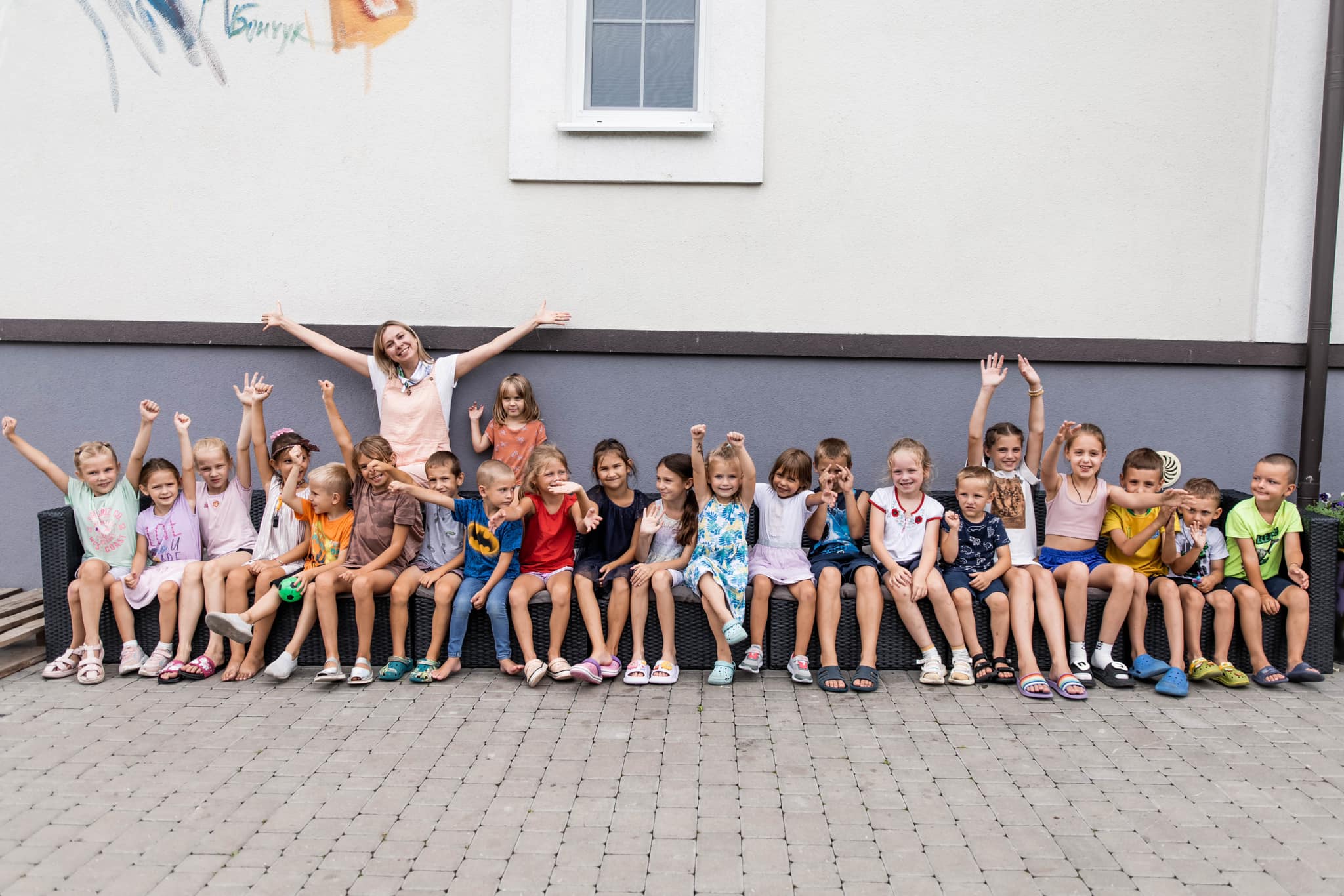
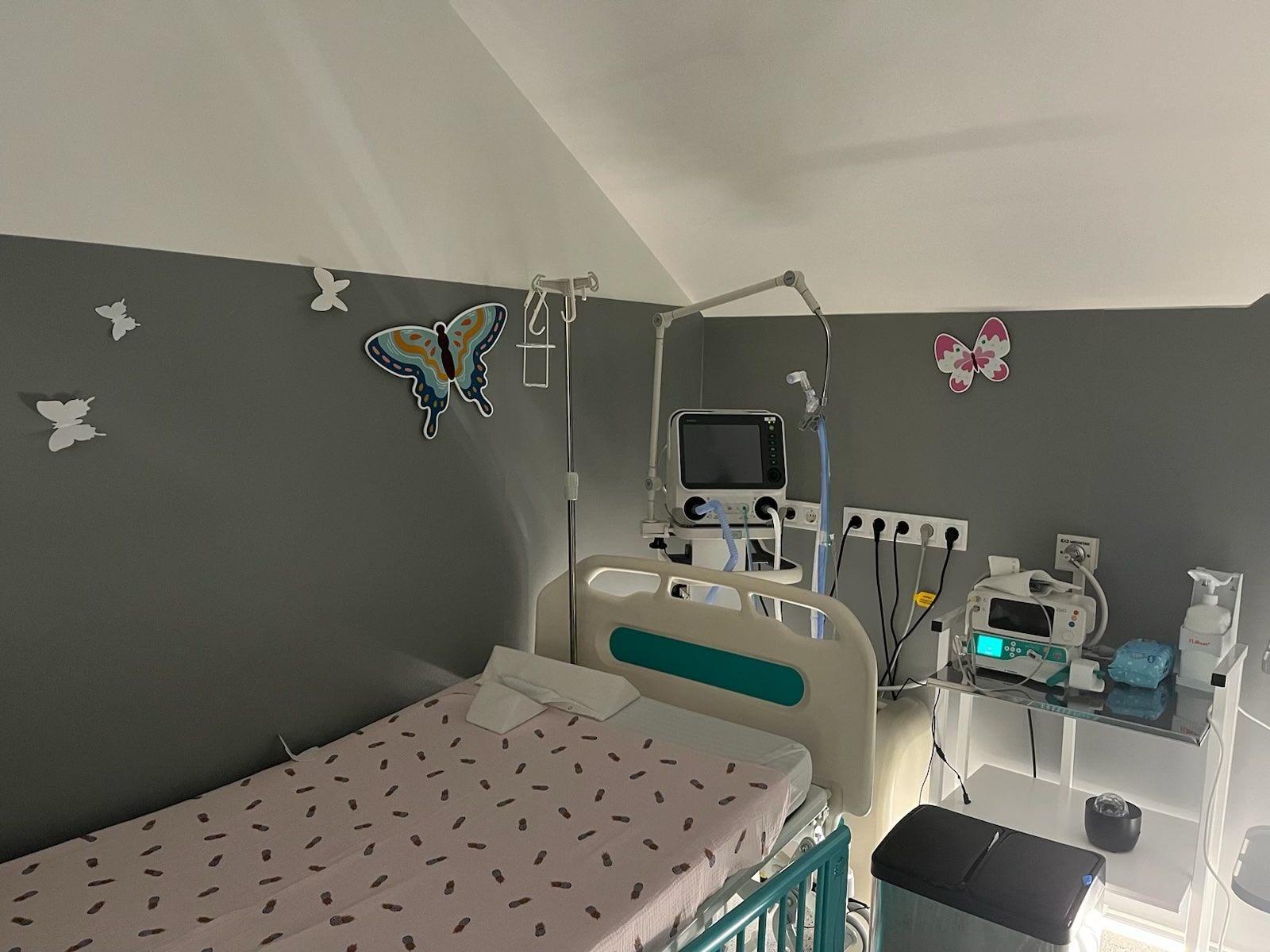
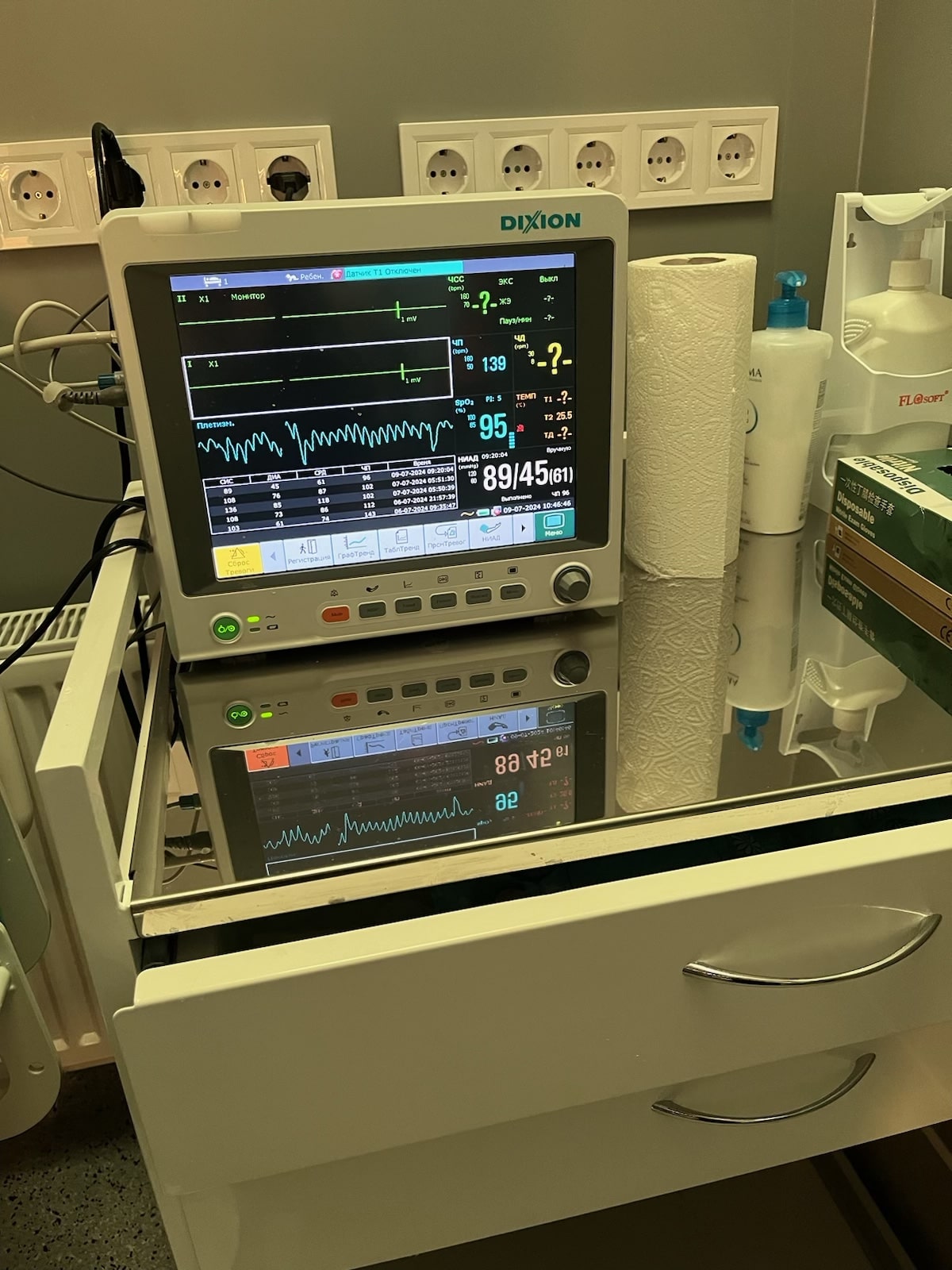
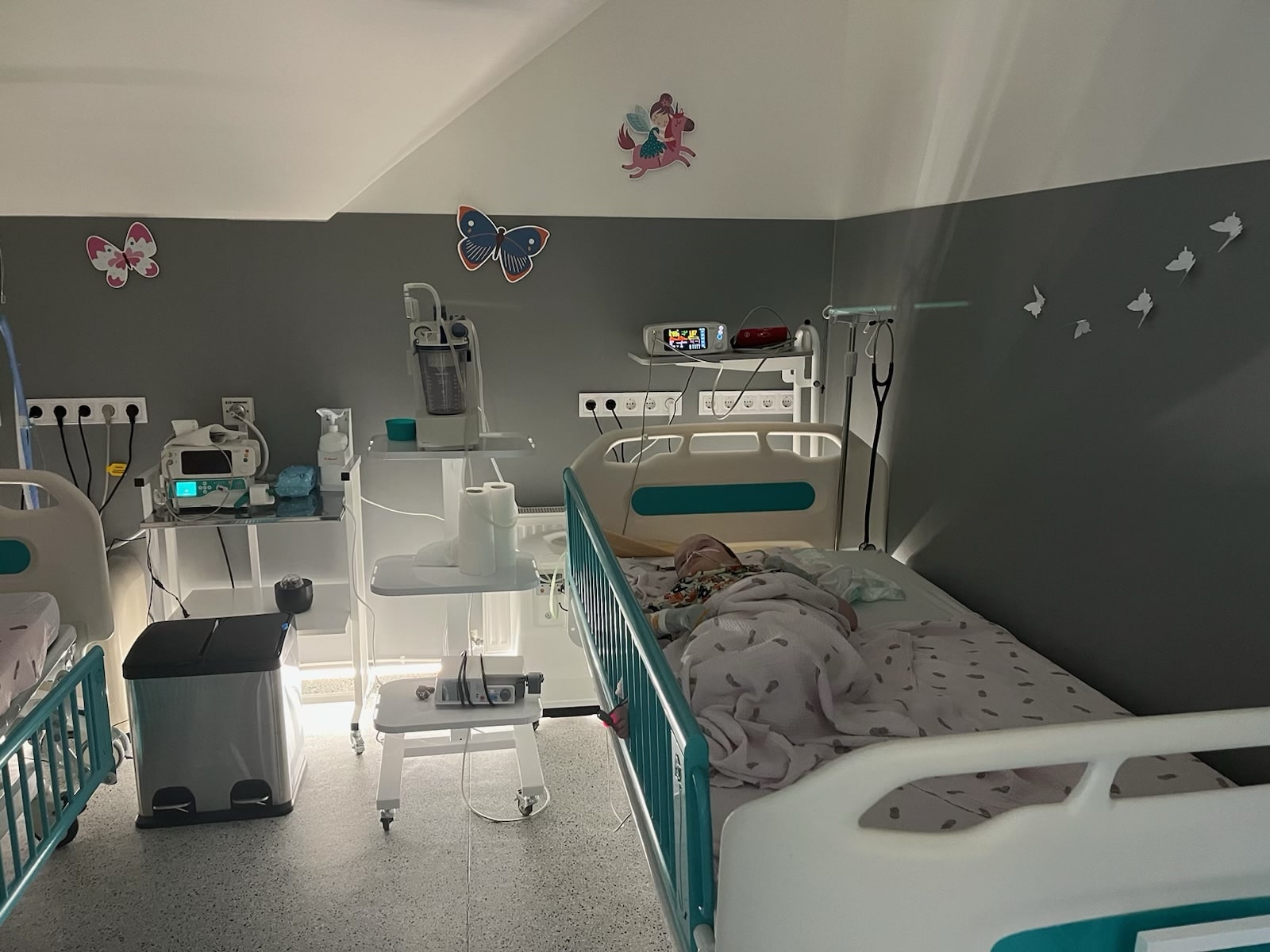
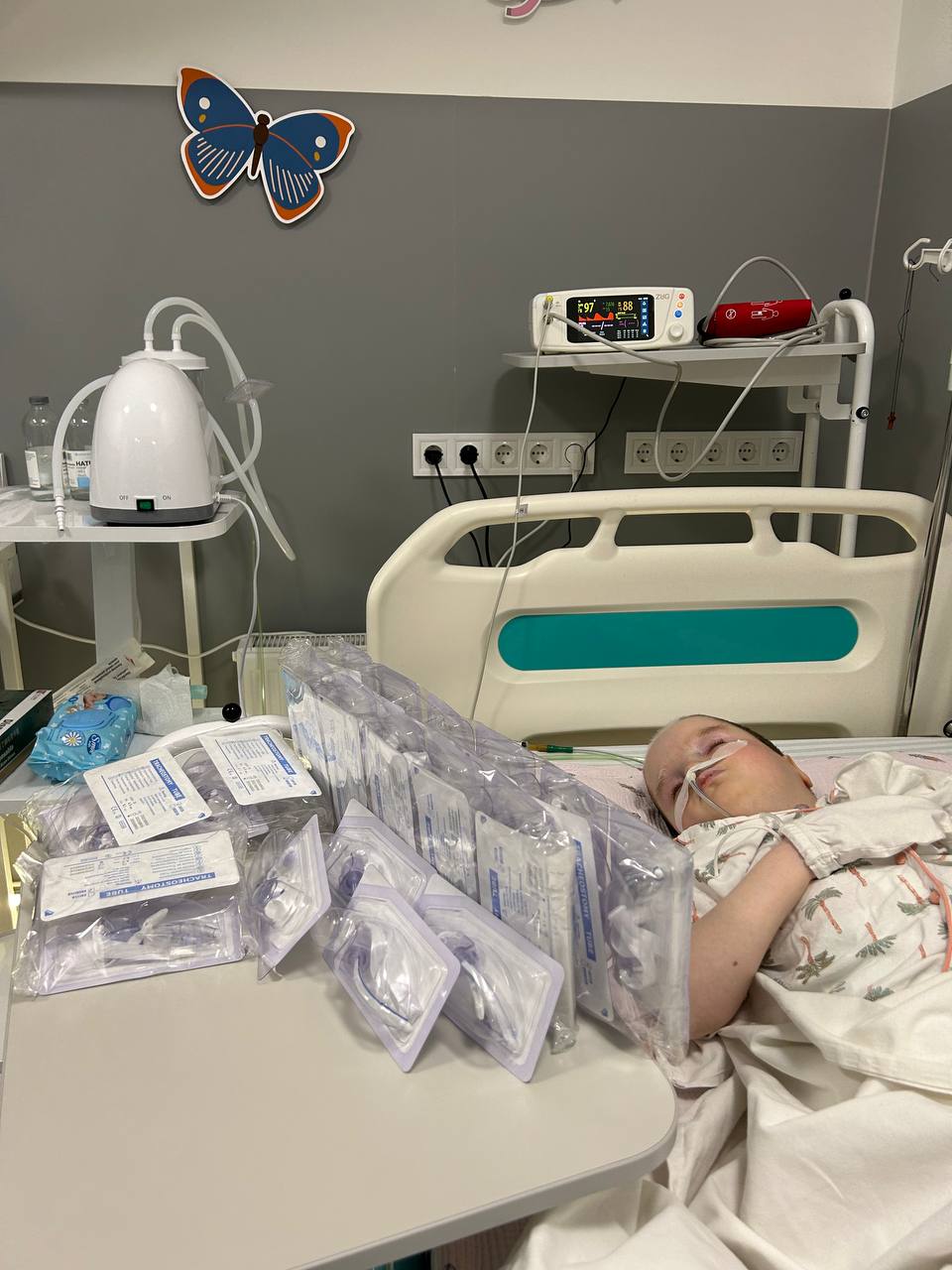
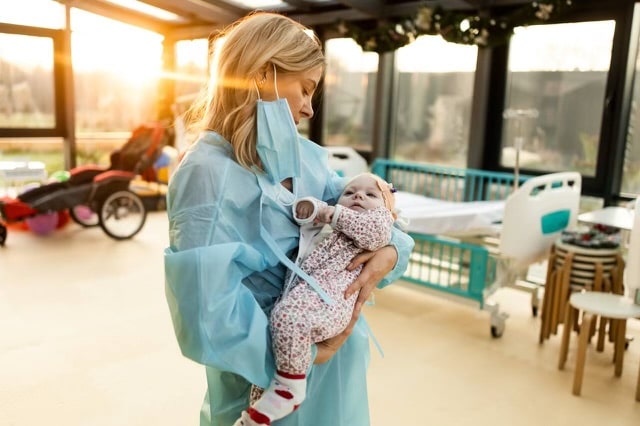
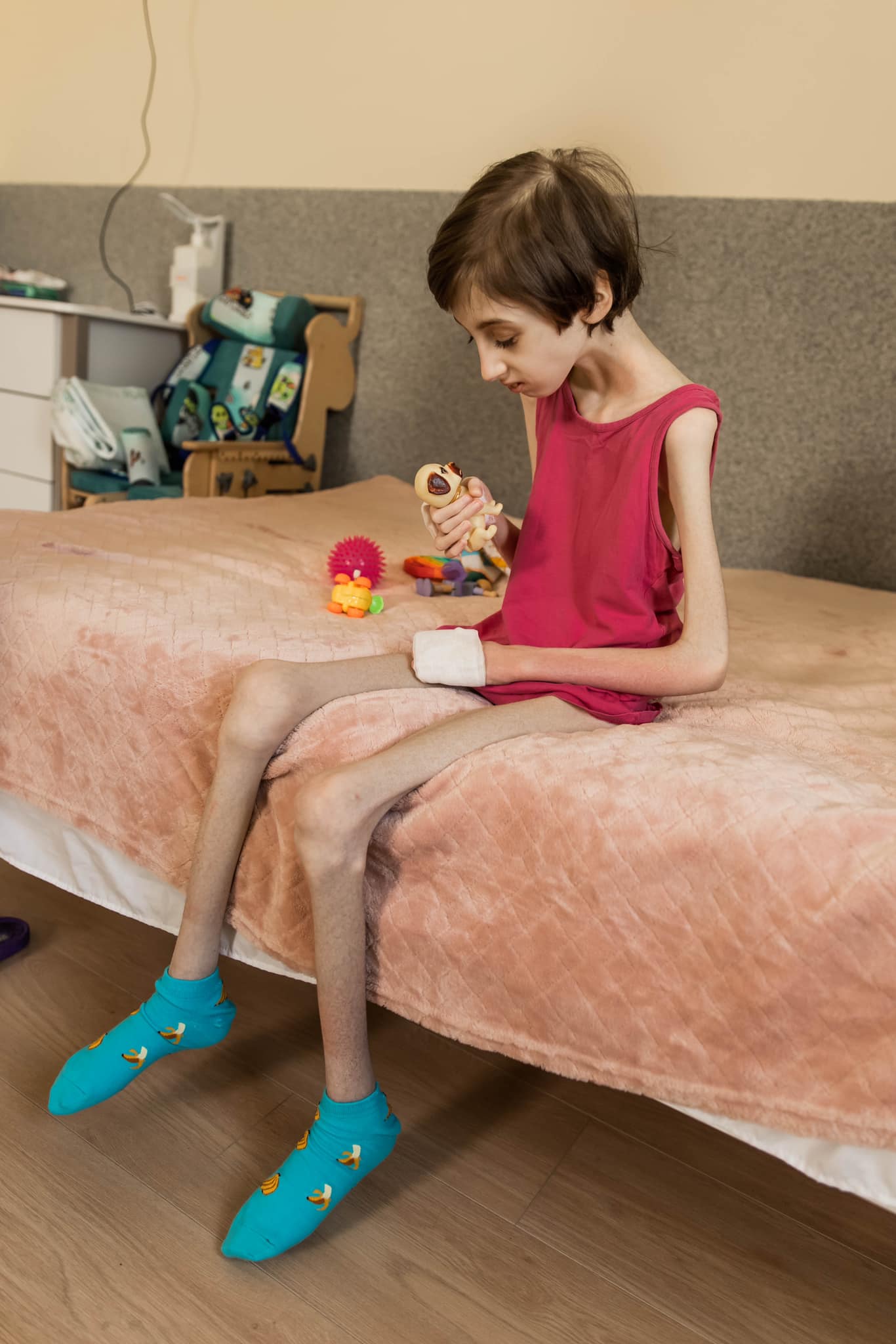
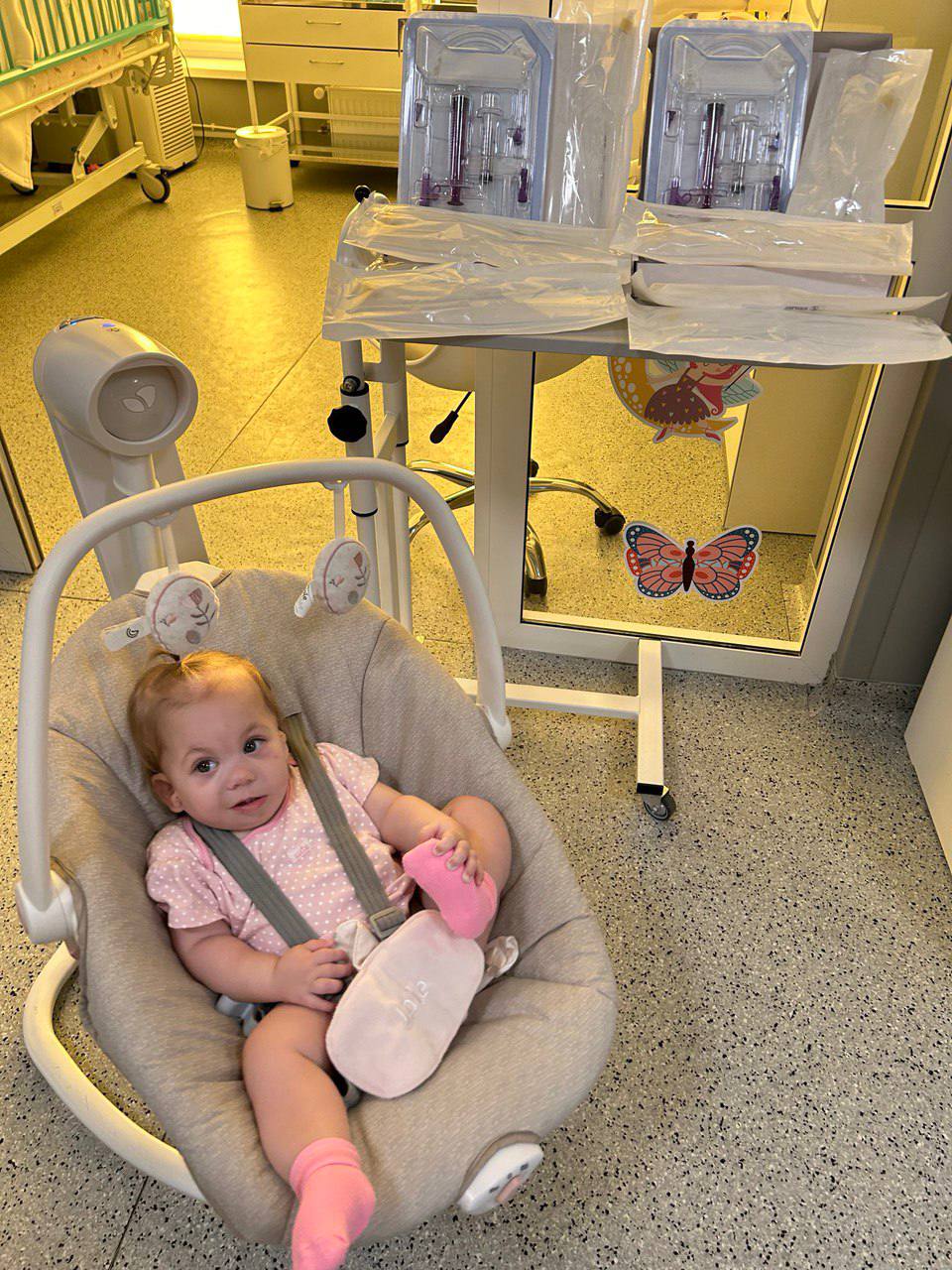
The pre-planned meeting with the founder of ‘Misto Dobra’ was unfortunately cancelled. The previous day, the ‘Ochmadit’ children’s hospital in Kyiv was hit by a Russian missile. Two children from the ‘Misto Dobra’ home were in there at the time and were about to undergo an oncological operation. The founder, Mrs Marta Levchenko, therefore had to travel urgently to Kyiv. Natalya was able to visit the entire ‘Misto Dobra’ centre with one of Mrs Levchenko’s employees. Many children from evacuated children’s homes in Odessa and Mykolayiv (southern Ukraine) are housed here. The home has rehabilitation rooms for sick and disabled children and a palliative care unit. With financial help from Ad Pacem, tracheostomy and gastrostomy tubes and catheters were purchased here. A computer and monitor were also purchased to monitor the condition of a seriously ill child during transport to hospital.
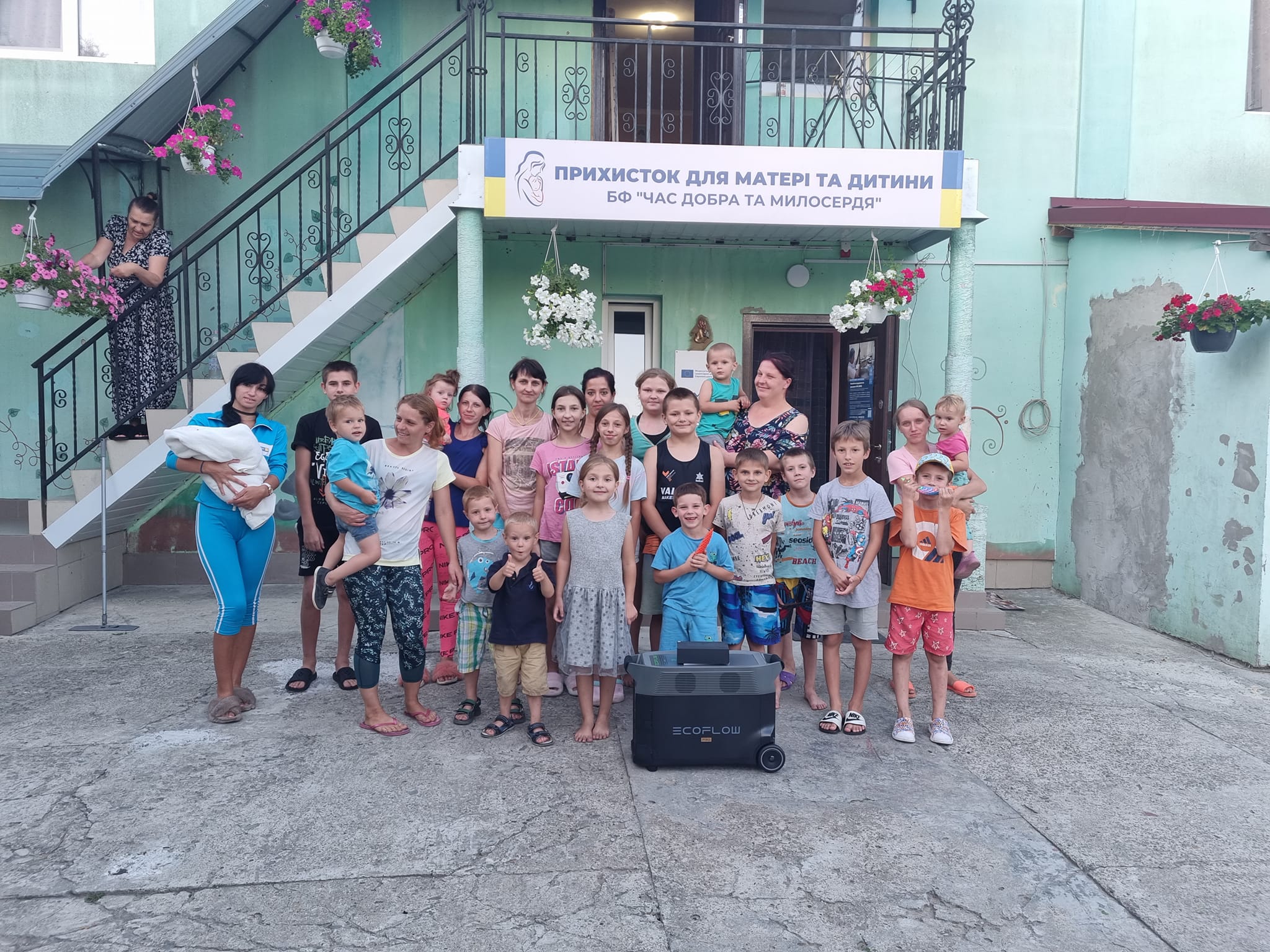
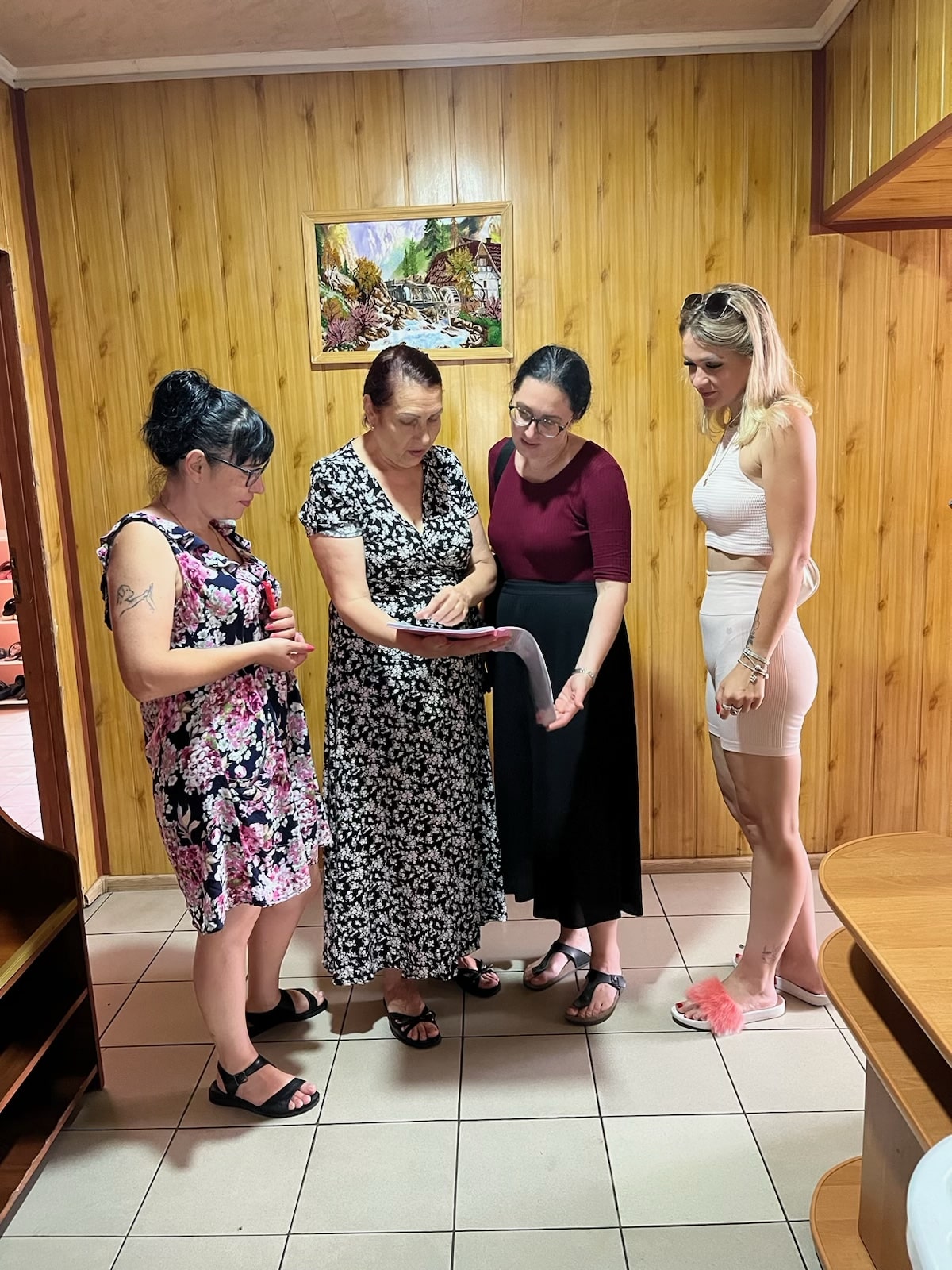
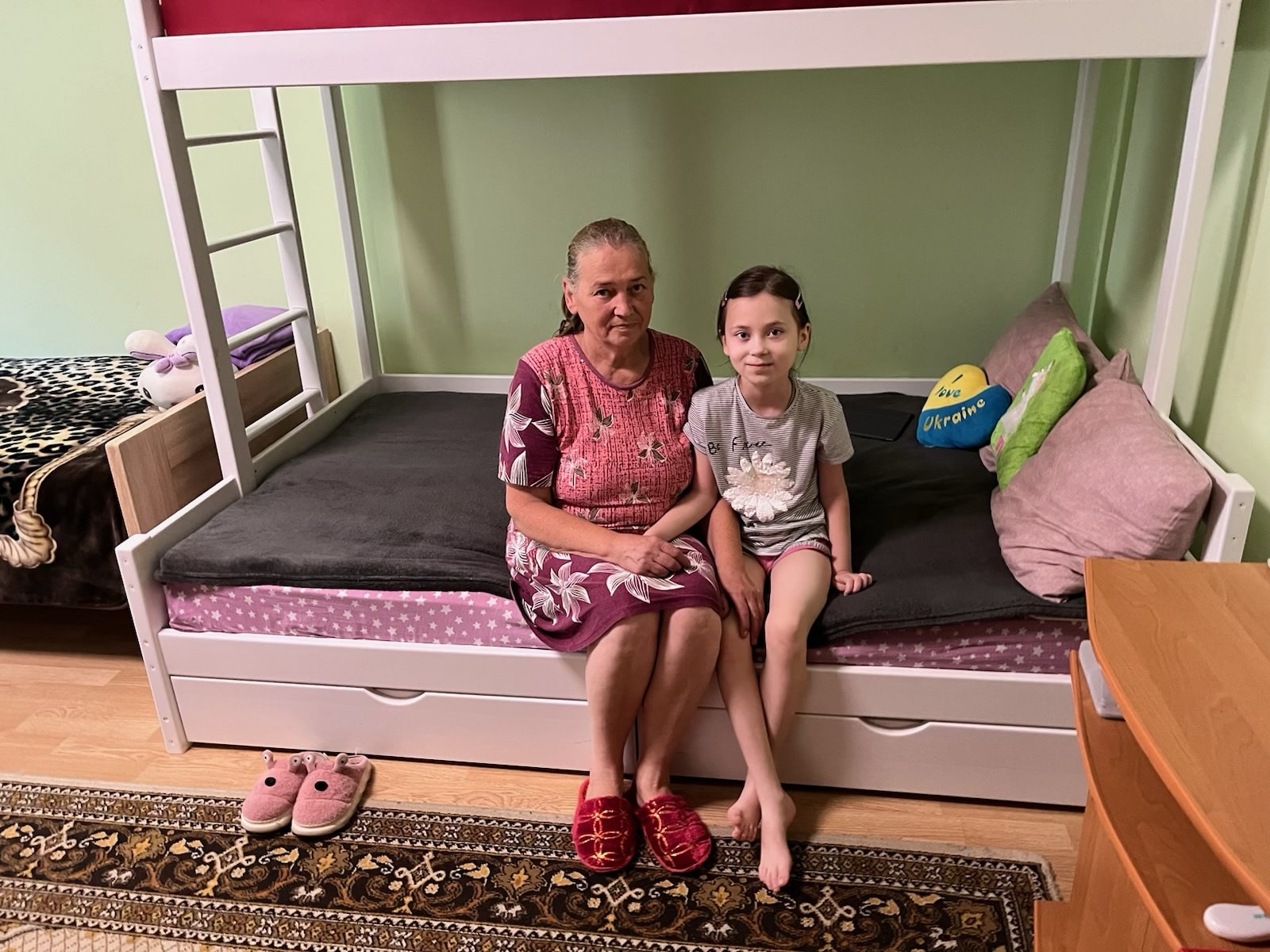
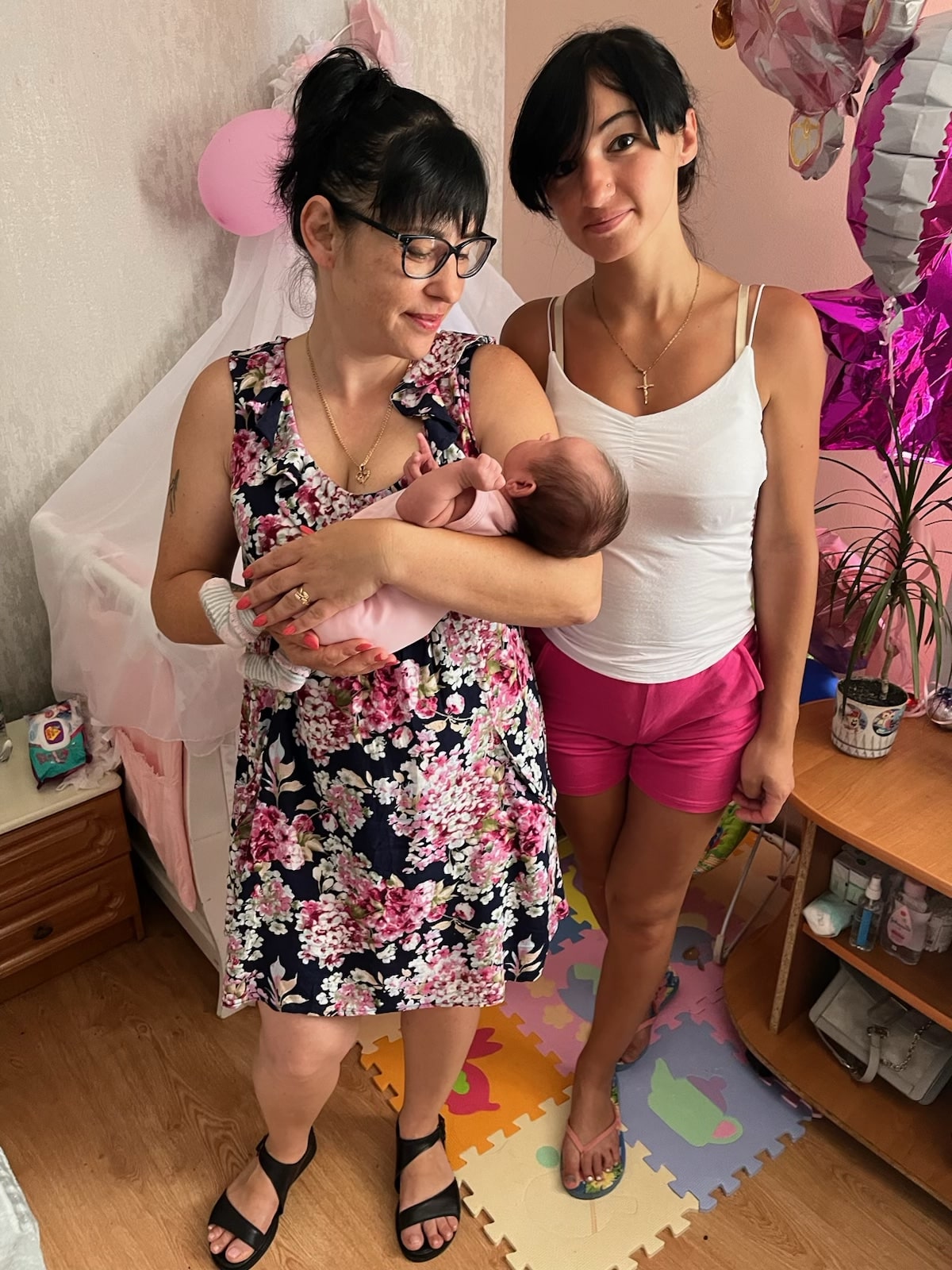
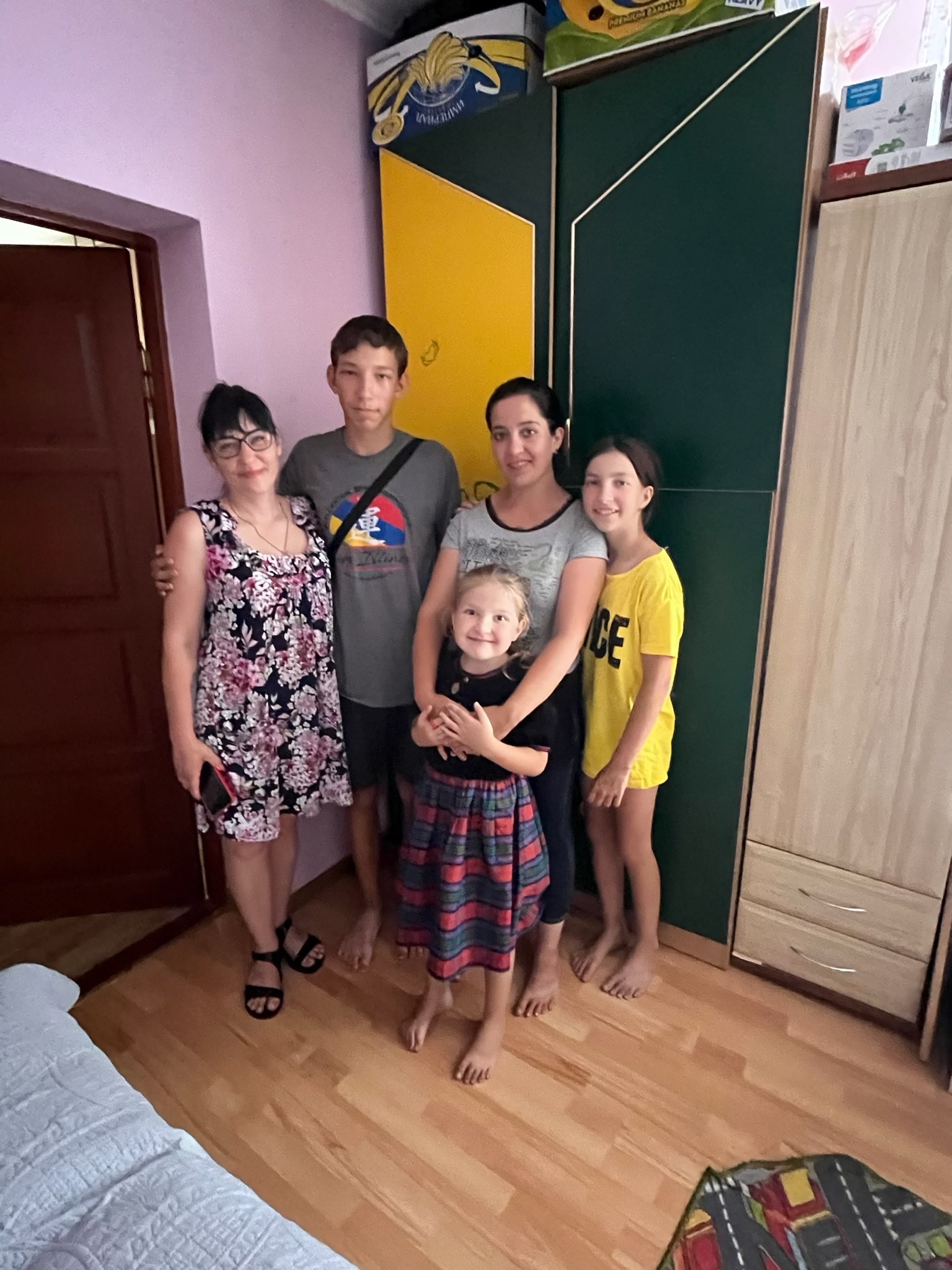
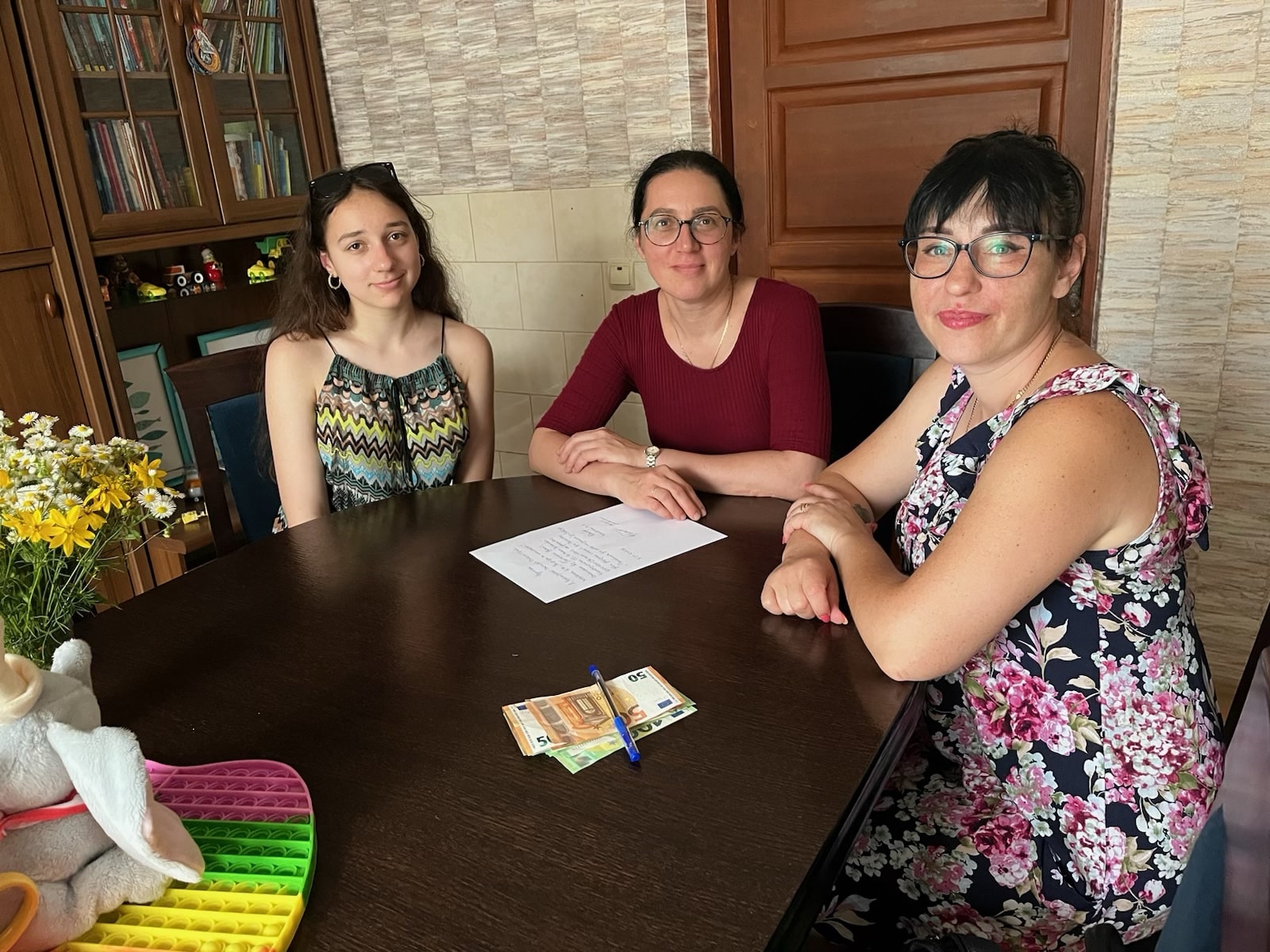
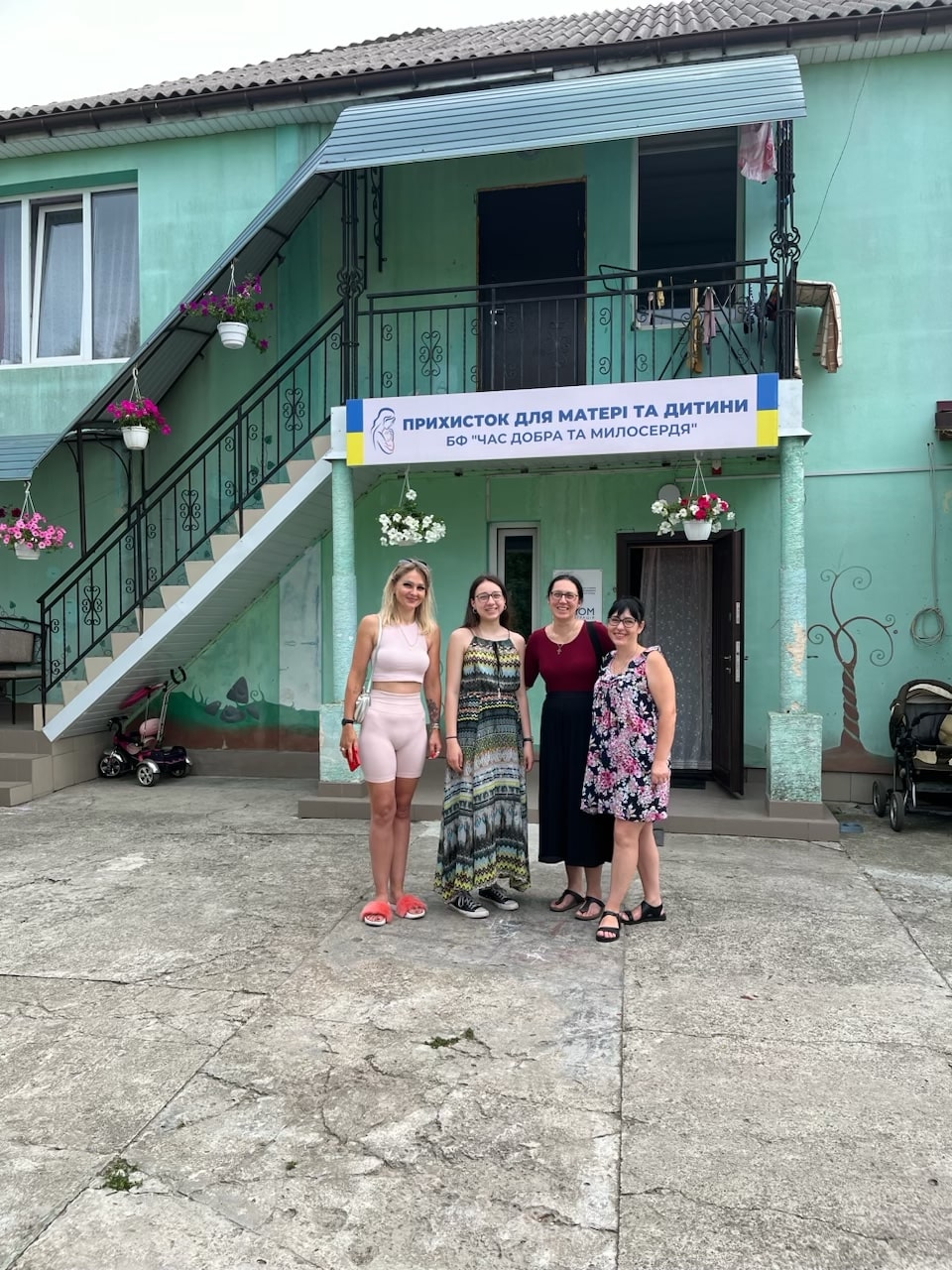
Visit by our Vice President Natalya to a shelter for mothers and children in Ivano-Frankivsk (Western Ukraine).
Of the 37 women and children currently living in the shelter, three quarters are internal refugees from eastern and southern Ukraine. Among them are also victims of rape by Russian soldiers.
The home mainly provides a home for women who have small children and are unable to pay rent. The women are given work in a chicken farm and the children can go to school and kindergarten. Smaller children are looked after in the home. As soon as the women are financially better off, they rent a flat on their own.. In cases where women and/or their children have illnesses, disabilities or war trauma, their stay in the home is not limited in time.
Due to the constant Russian missile strikes, the Ukrainian energy grid functions very poorly. Electricity is switched off for many hours a day as planned. The purchase of an electric battery station for this home was therefore of paramount importance. Ad Pacem financed the purchase of such a battery station. This was installed in the home at the end of August 2024.
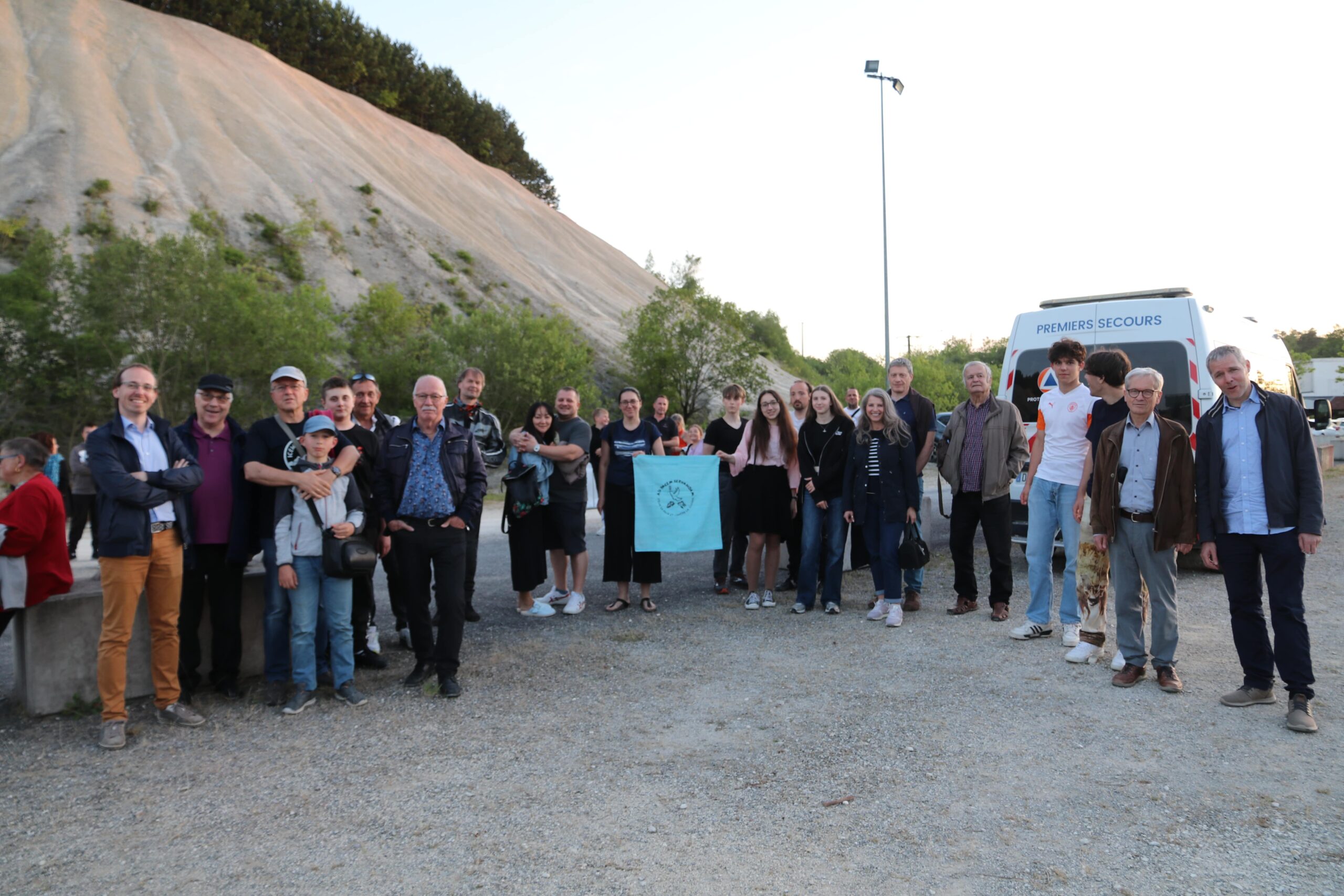
On Friday 28 June 2024, twenty-four members of Ad Pacem met up at around 9pm at the entrance to the Carrières d’Haudainville, near the town of Verdun (F), to watch Europe’s largest Sound and Light show on the 14-18 war.
The scenic representation of major historical events in the Battle of Verdun (F) began at dusk and ended around midnight. Through the intersecting destinies of Germans and Frenchmen, the audience witnessed the relentless chain of events that led to the First World War. Thanks to a good sound system and professional staging, spectators had the impression of plunging right into the heart of the fighting, into the “Hell of Verdun”, with the evocation of the suffering and anguish of the soldiers and their families. Whether in the French or German trenches, the soldiers suffered the same fate: the cold, the mud, the lice and the rats… with, sometimes, a little respite at the back despite the nights full of anxiety about the fighting to come.
All the scenes are designed to shock with their truth: gripping battle scenes, stabbing attacks, death awaiting the attackers, firemen in a burning Verdun, a funfair in a back-front town, the first air battle in history… At the same time, the show is characterised by a concern to educate: through the narrative, the portrayal of the characters and the alternation of frenetic and calm tableaux or sequences, audiences of all ages can witness this painful chapter in humanity and keep a vivid memory alive.
The technical resources deployed to achieve this feat are extensive: special effects, giant image projections on the quarry walls and impressive sets. All this was achieved with 200 actors, most of them volunteers, 800 costumes, hundreds of spotlights and floats, a period train, etc.
The show ends with a German and French soldier shaking hands under the light of a torch held by a civilian. Yesterday’s enemies have become today’s friends.
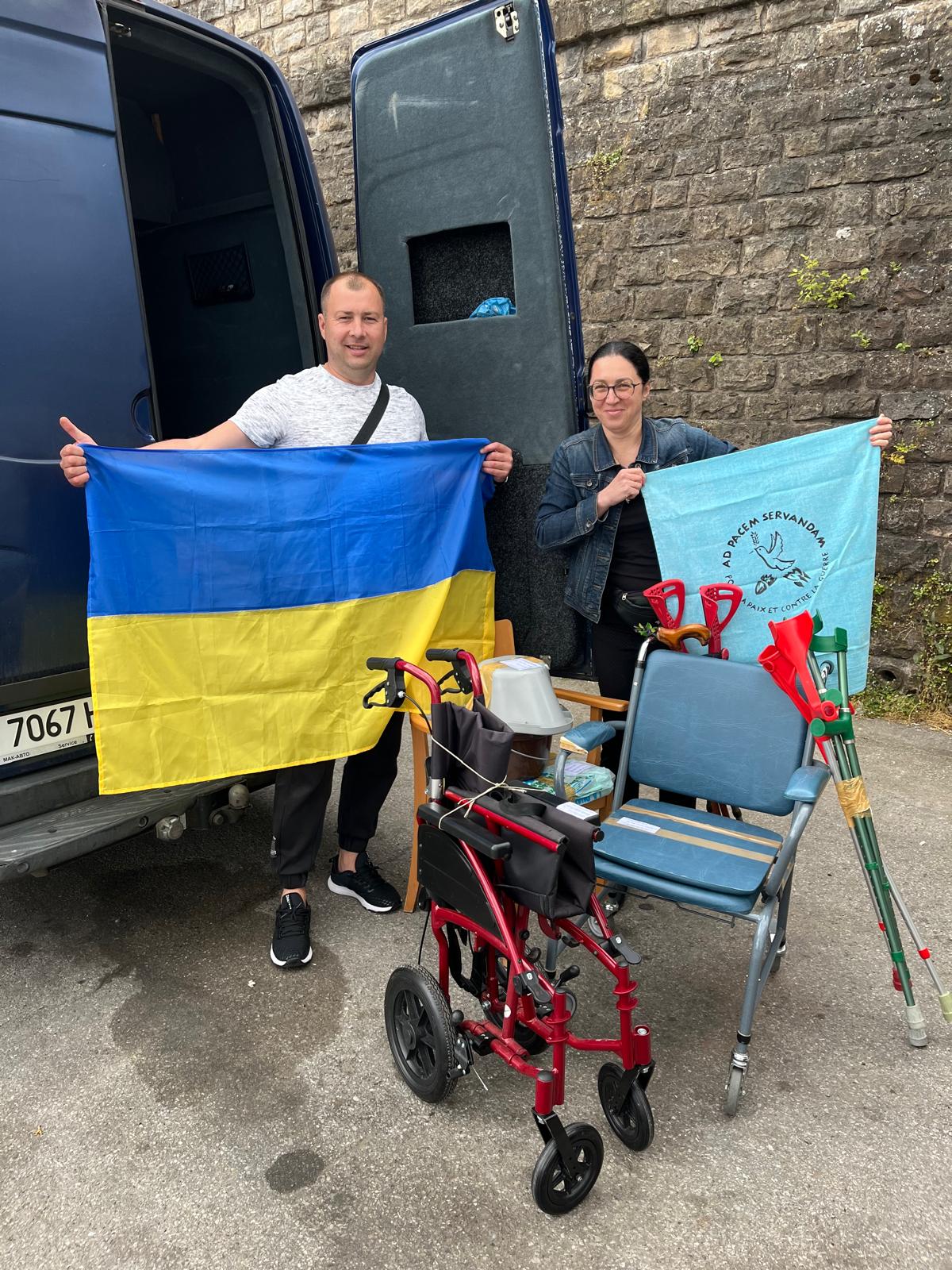
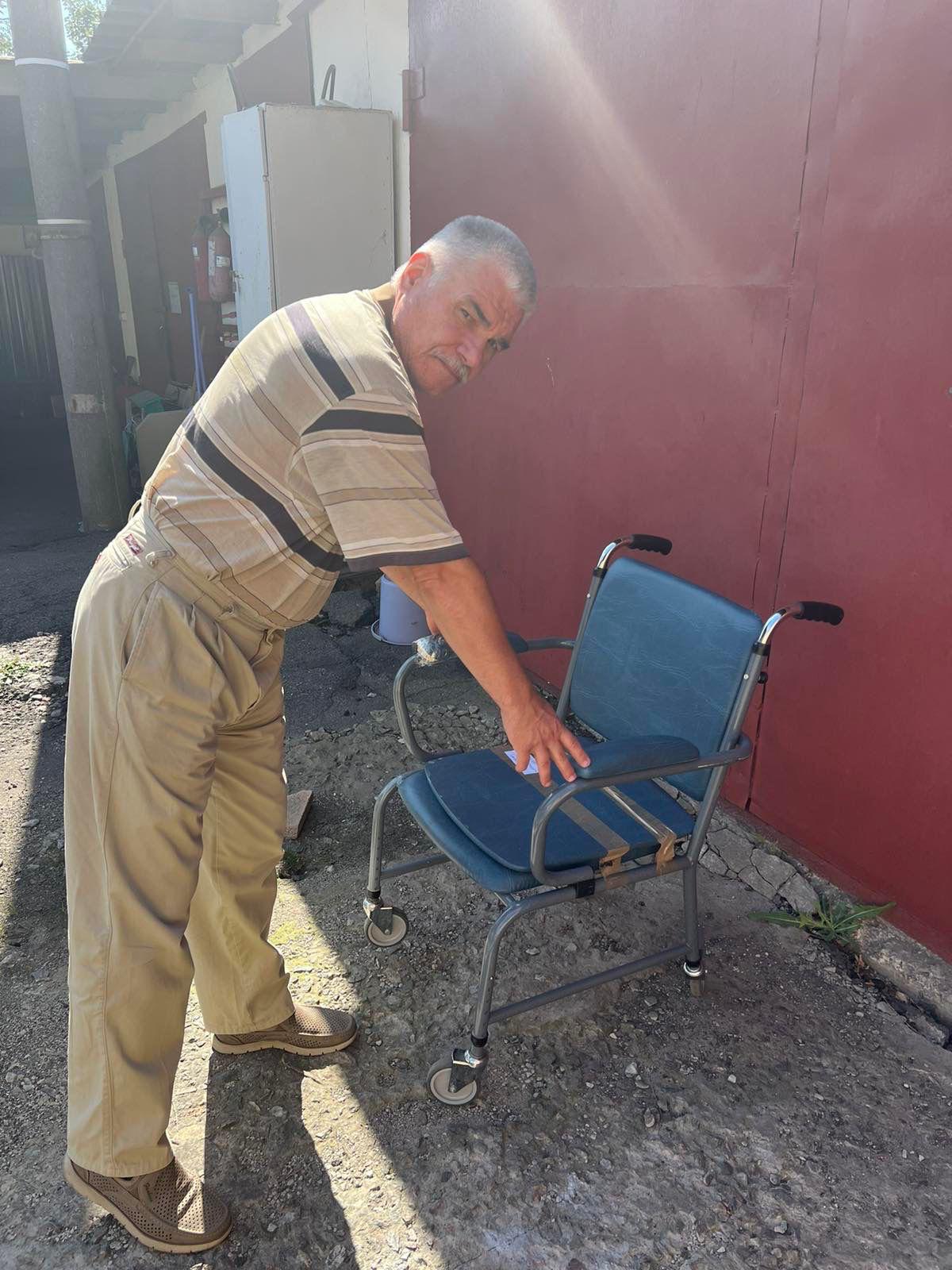
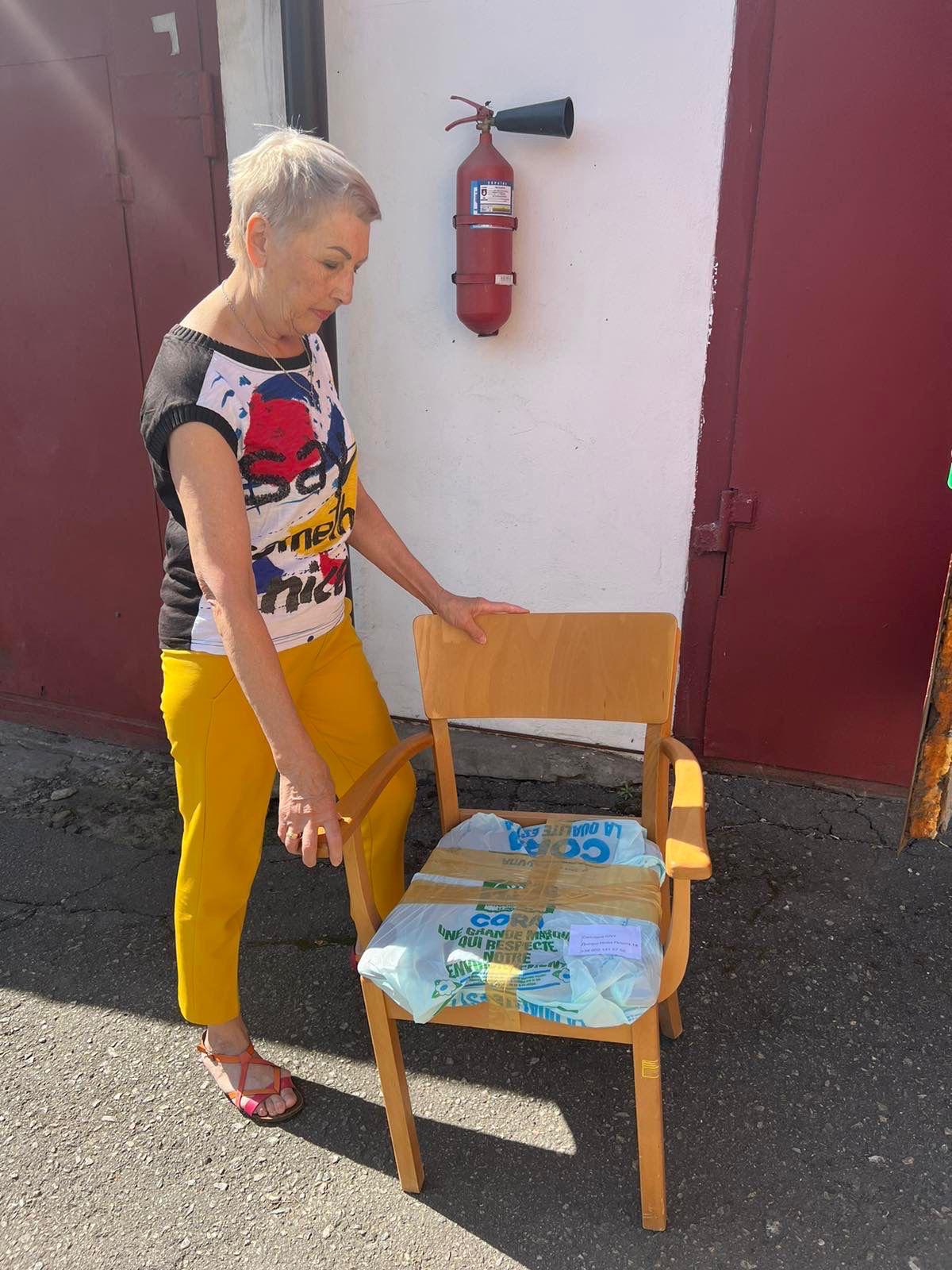
Shipment from Luxembourg of 2 toilet chairs, 1 wheelchair and several pairs of crutches for the internal refugee centre in Dnipro. The equipment was received on 28 June.