BIKE RIDE AROUND LAKE DER (FRANCE)
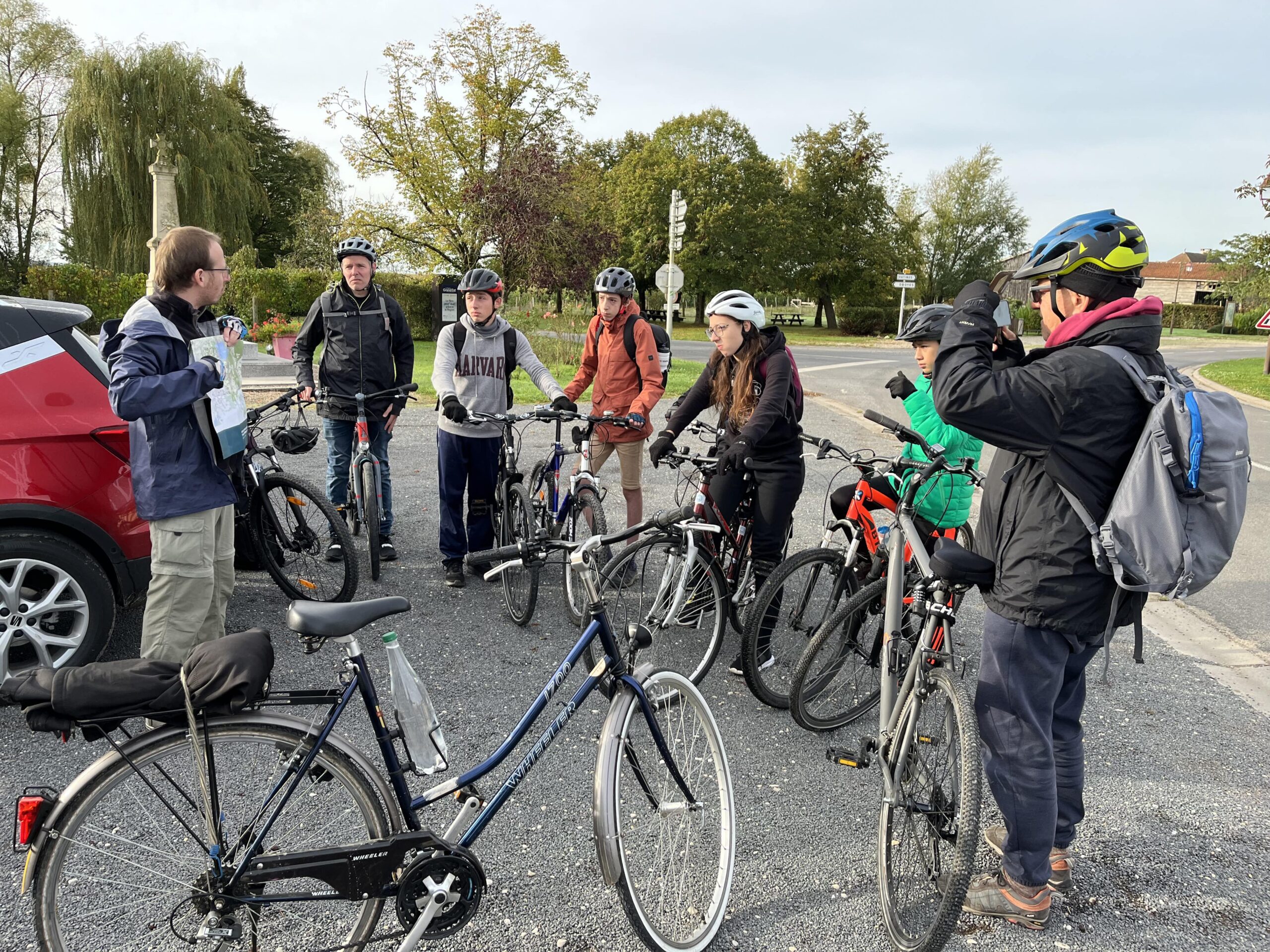
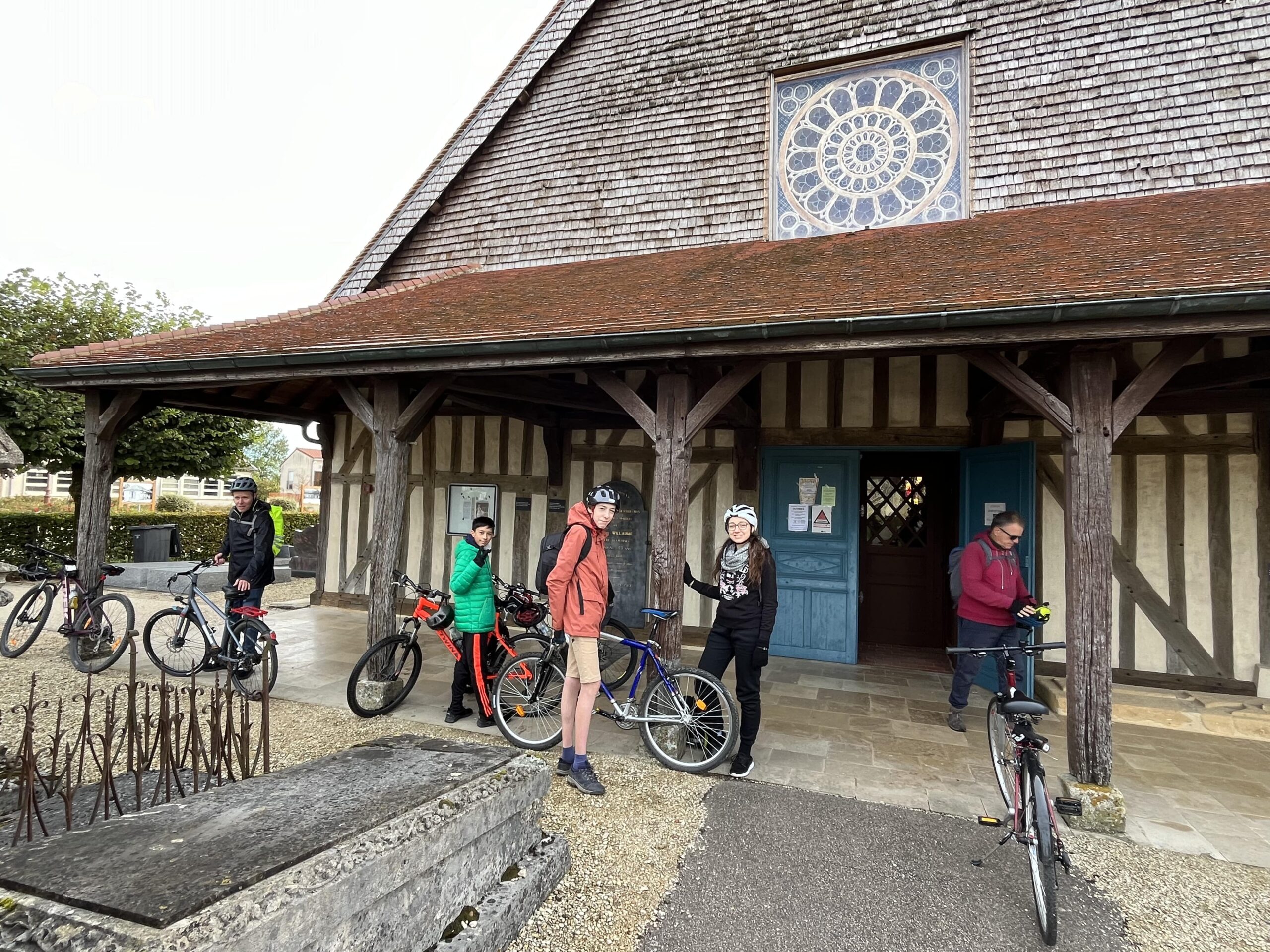
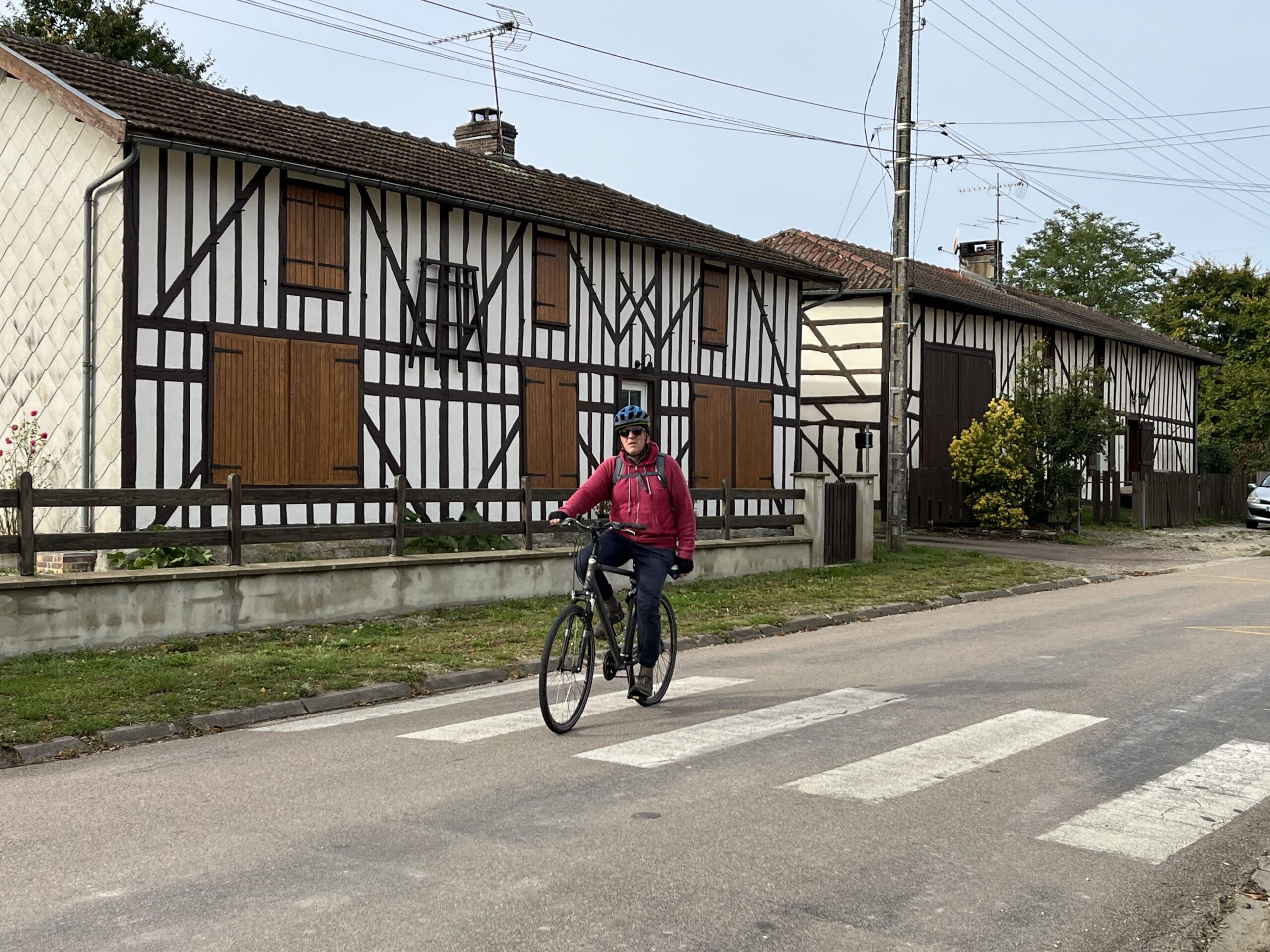
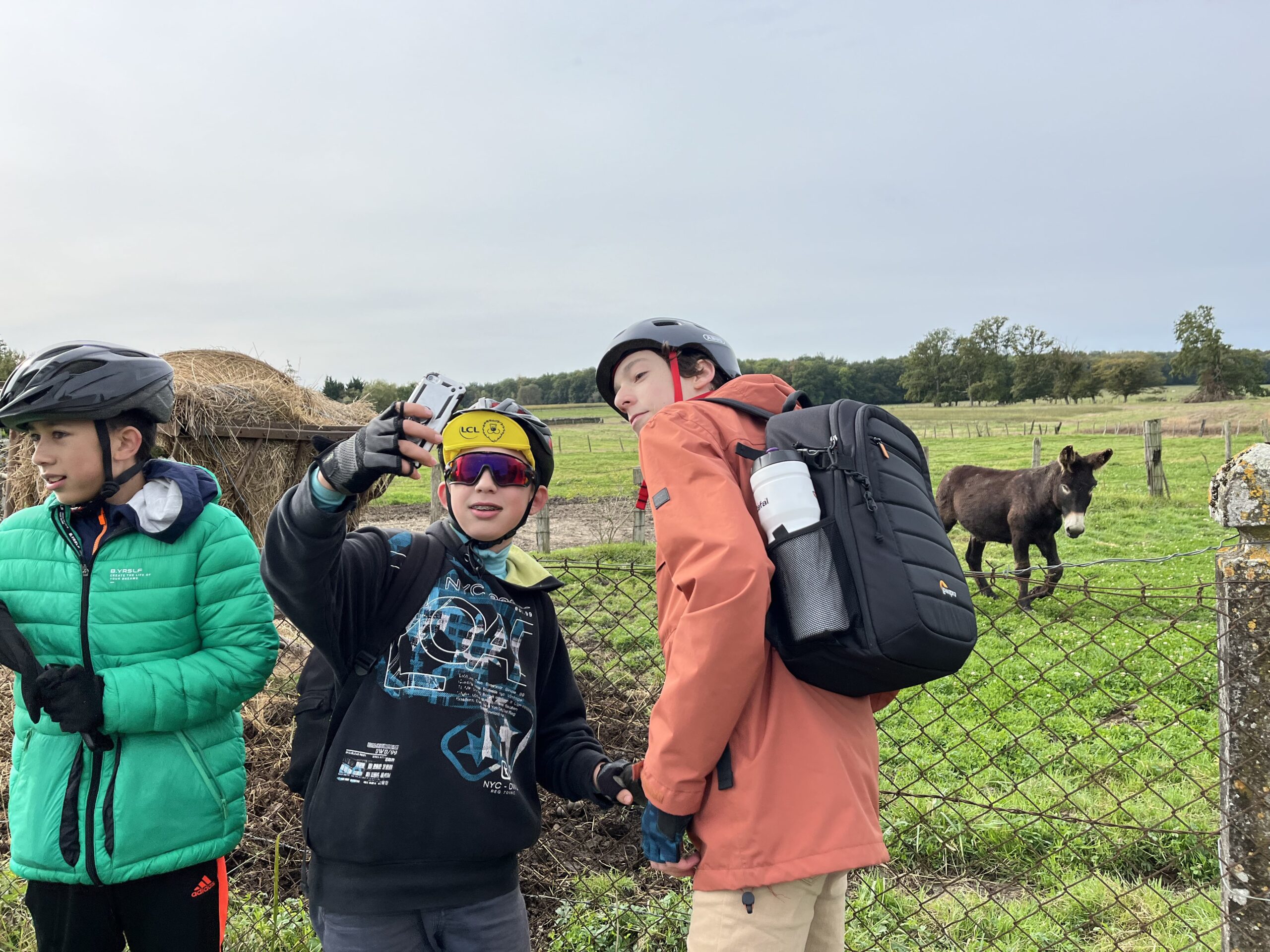
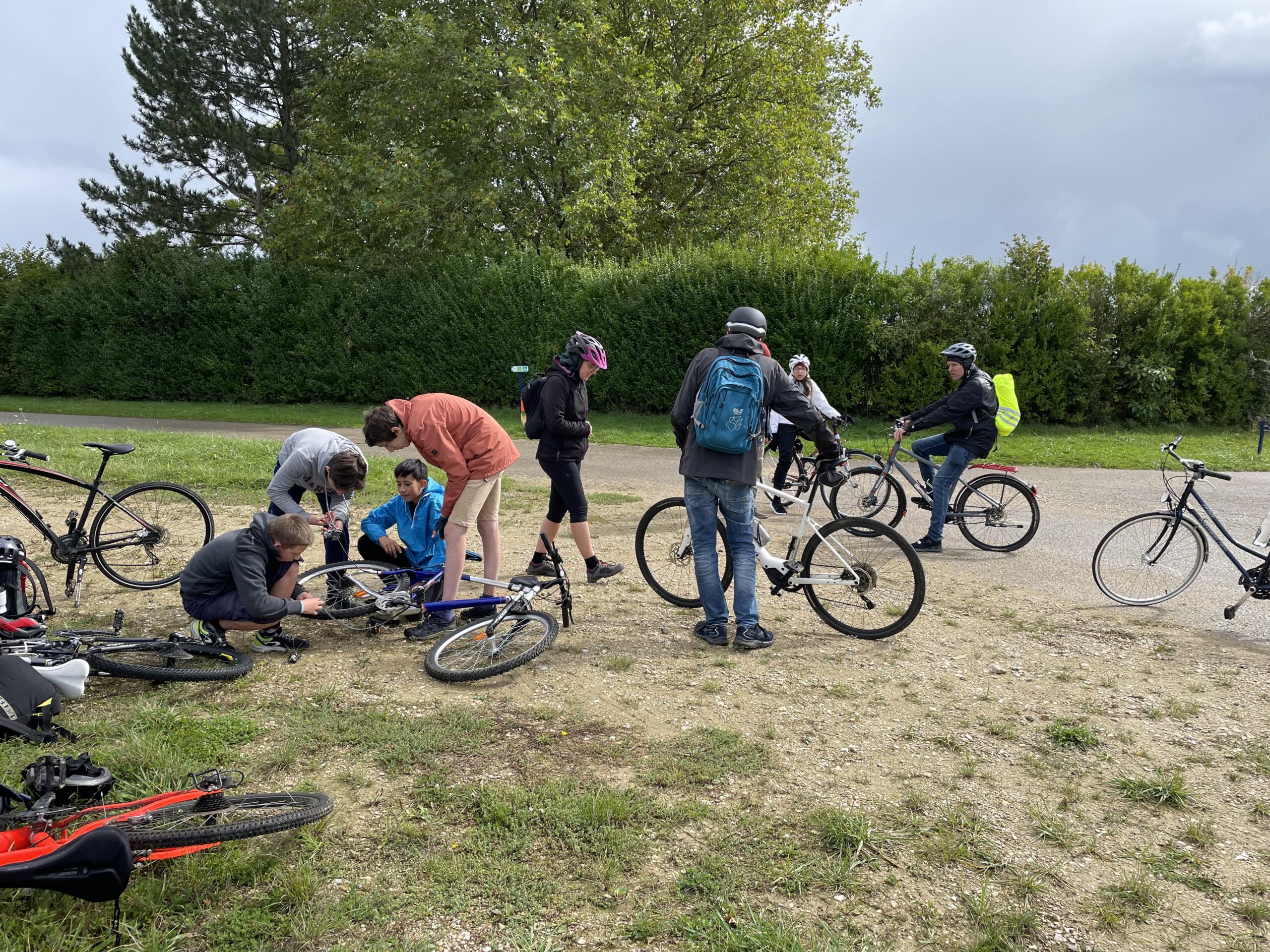
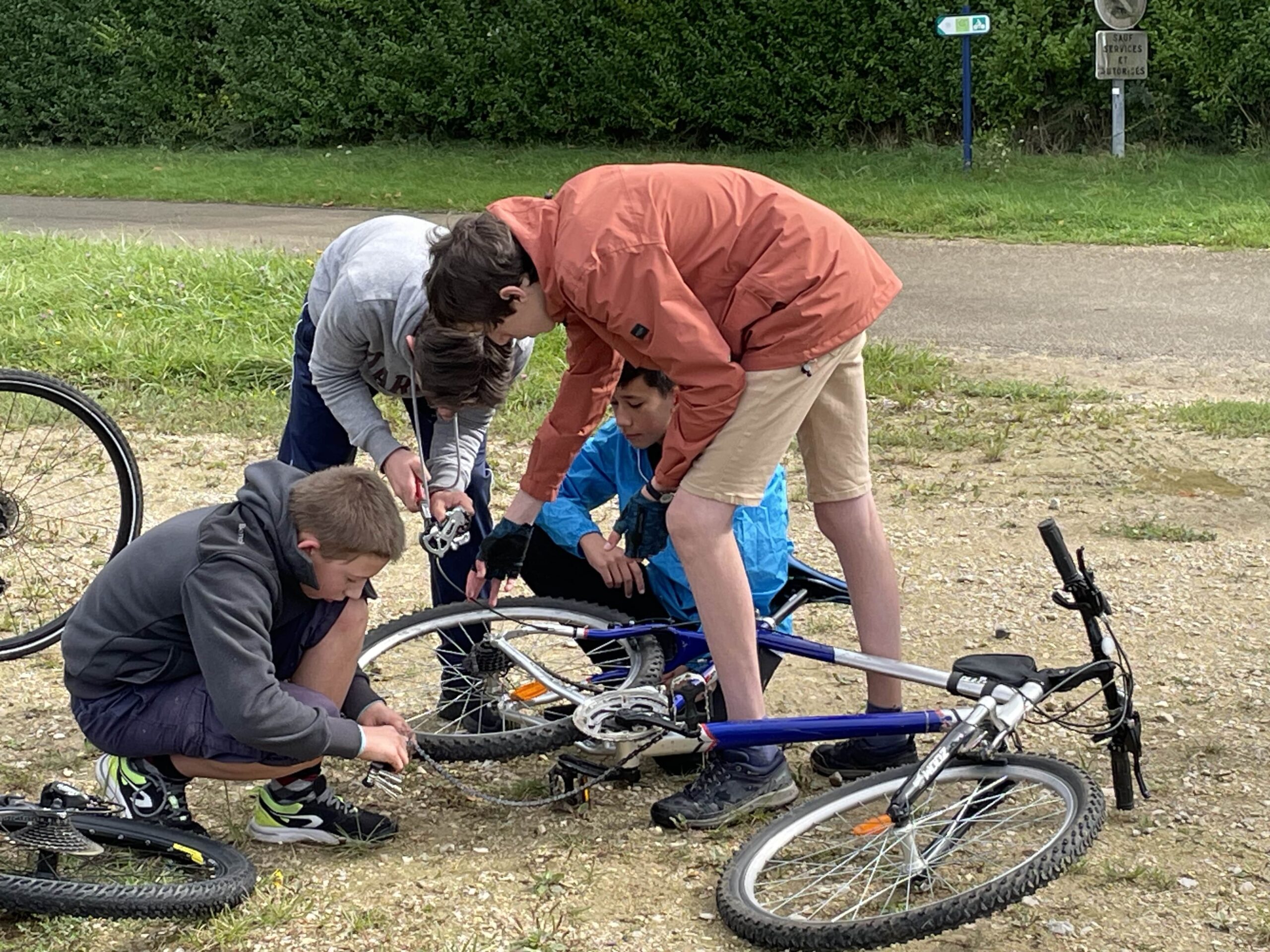
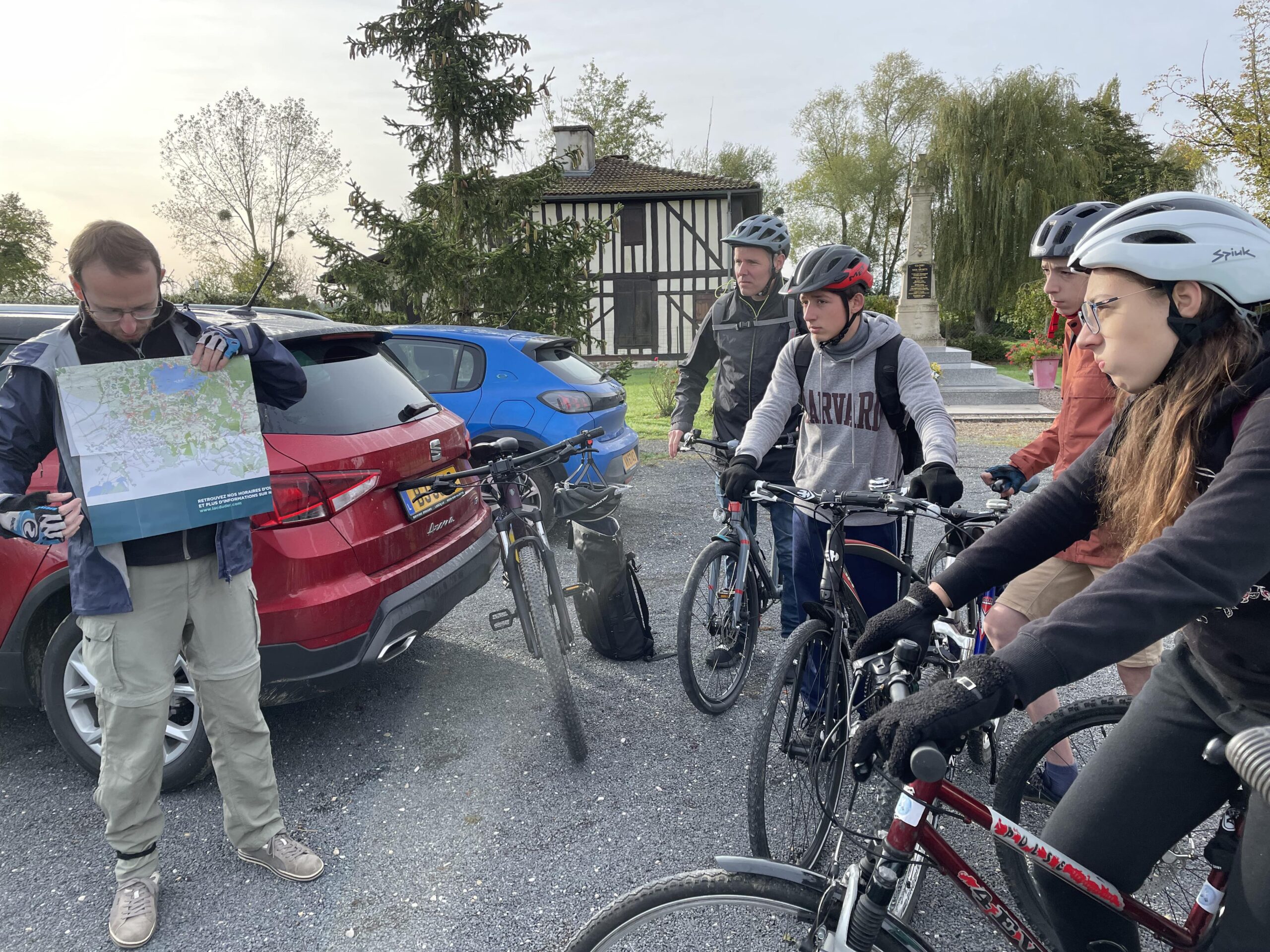
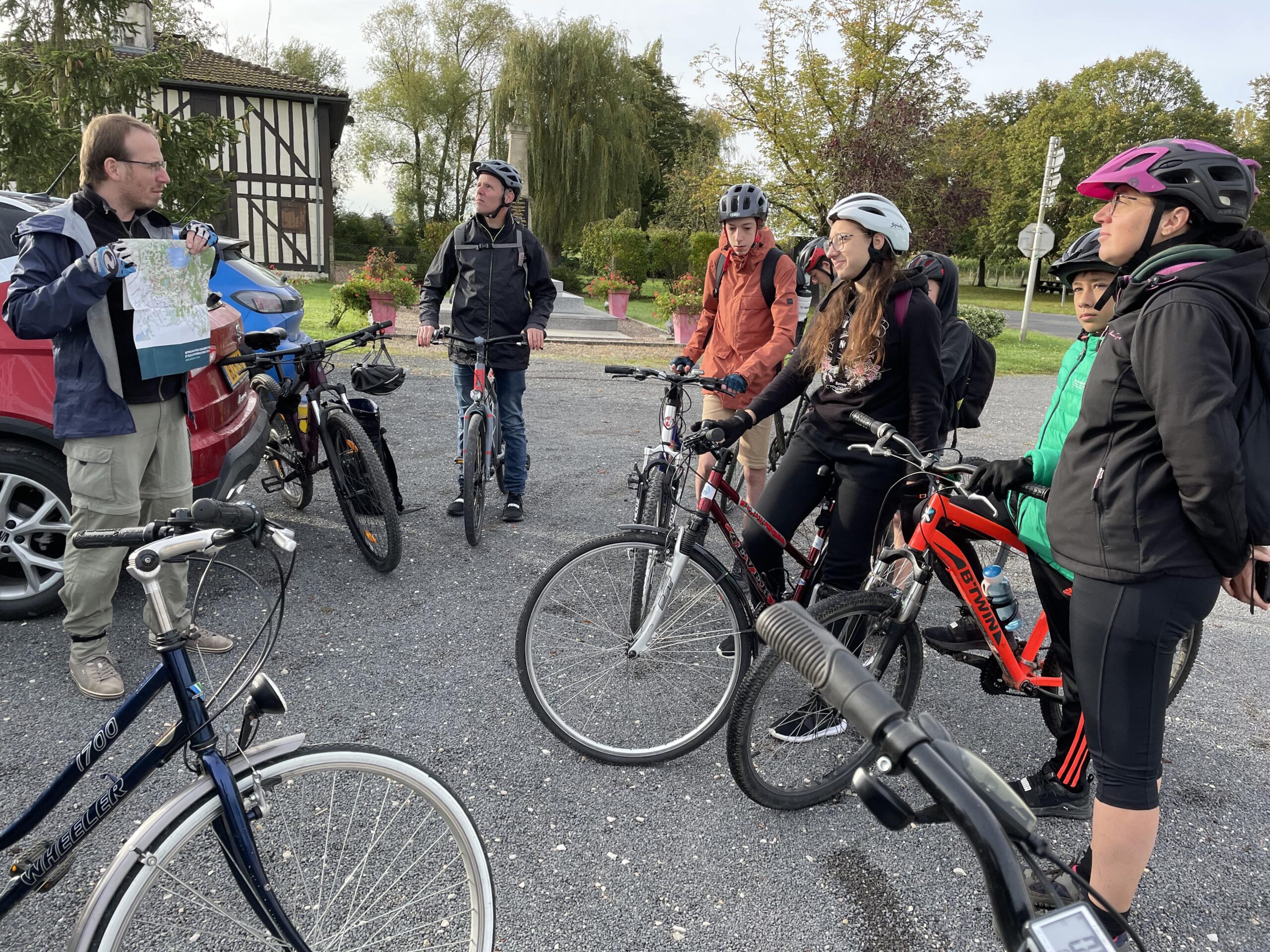
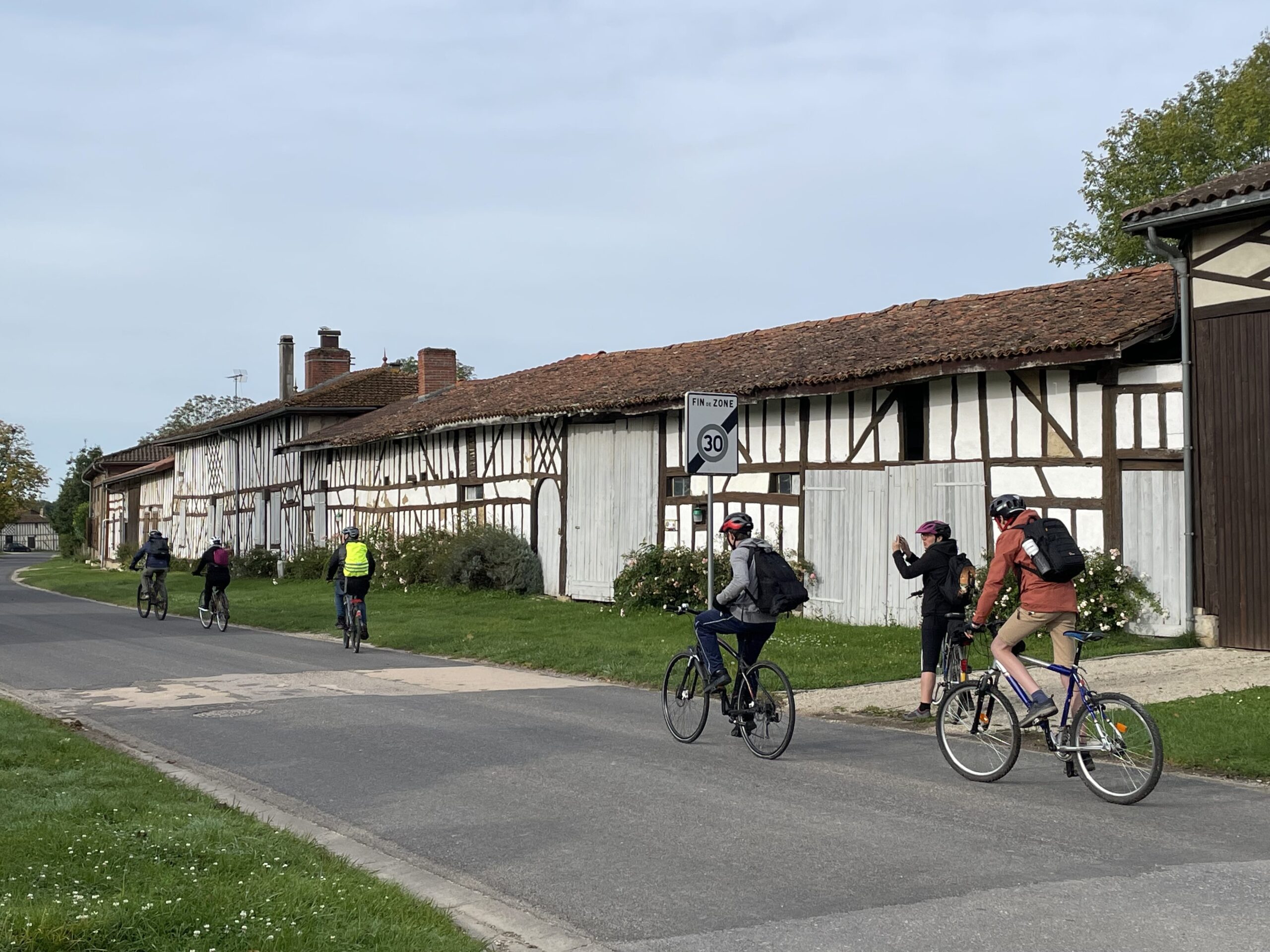
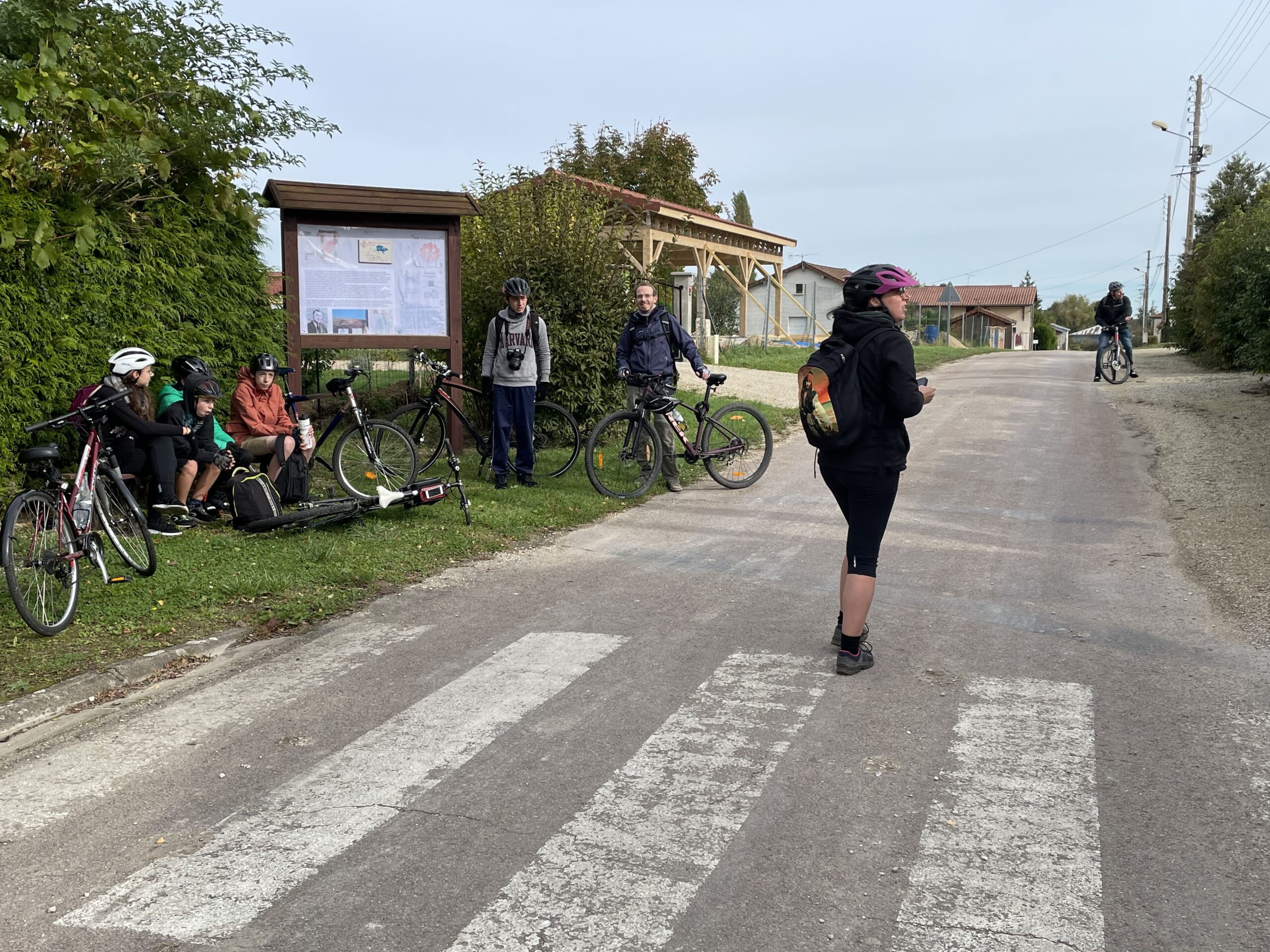
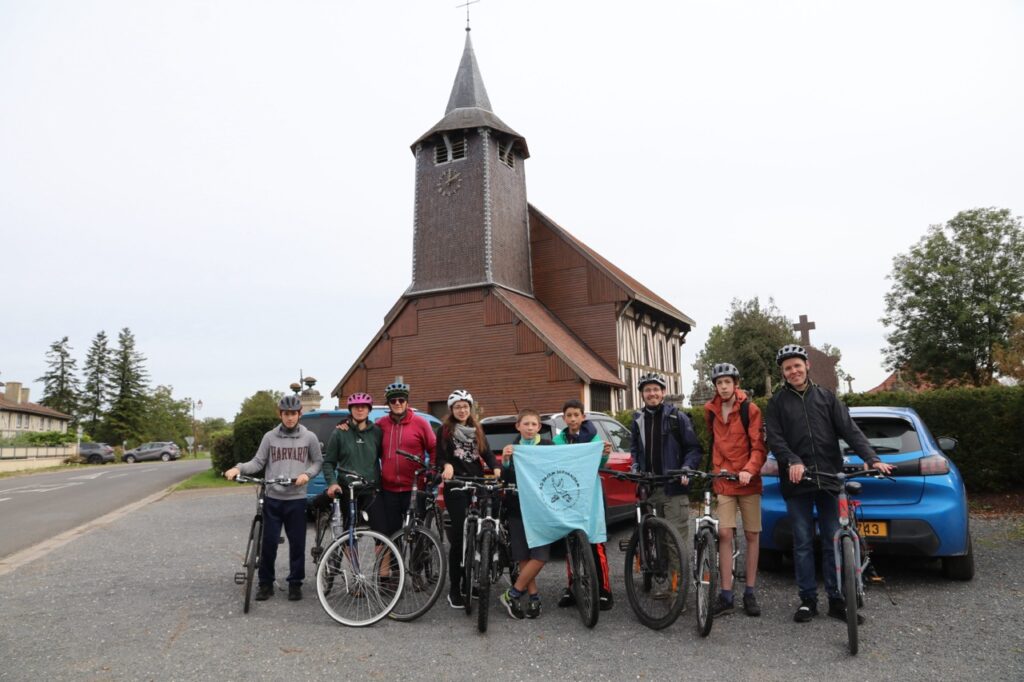
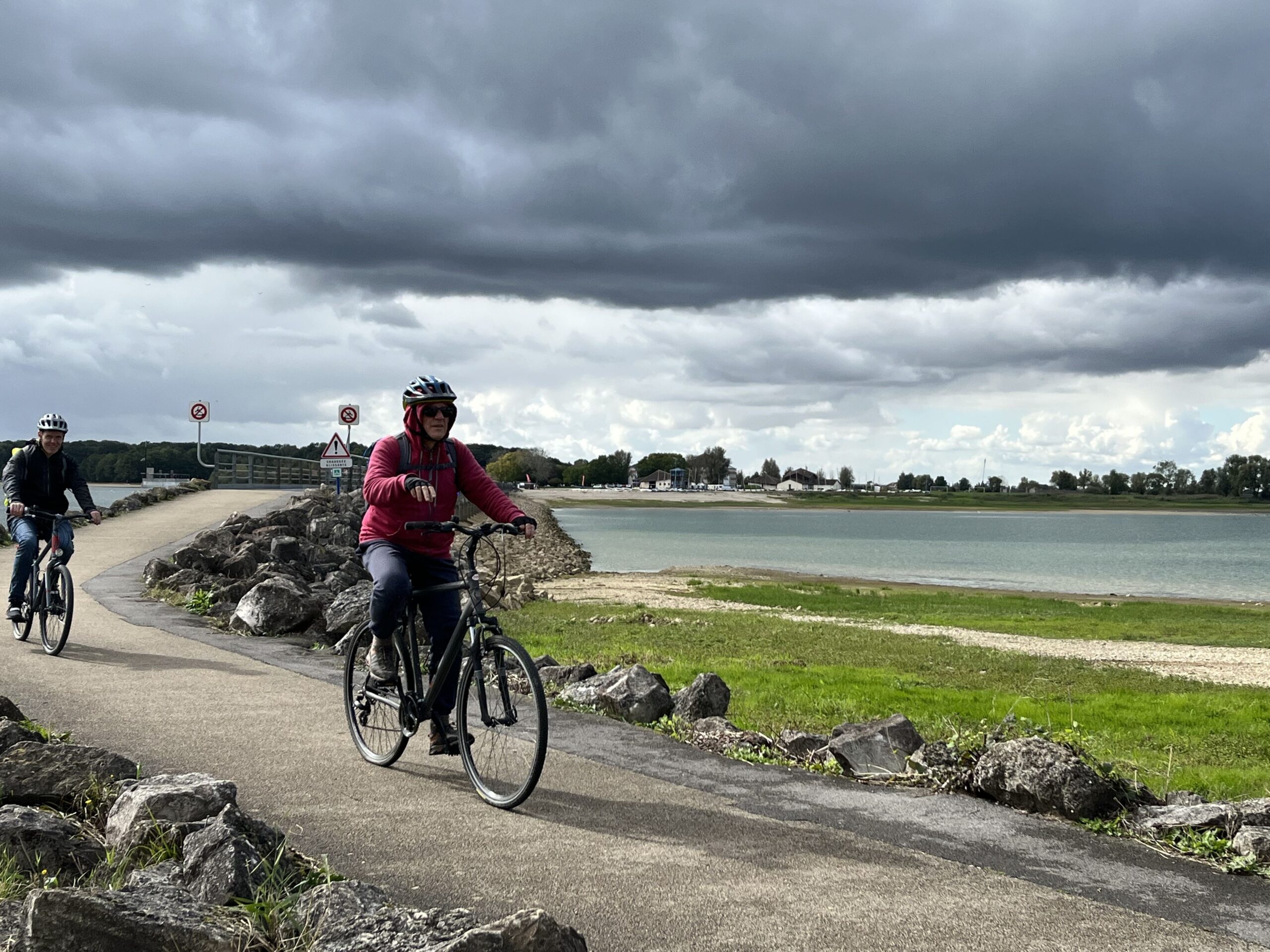
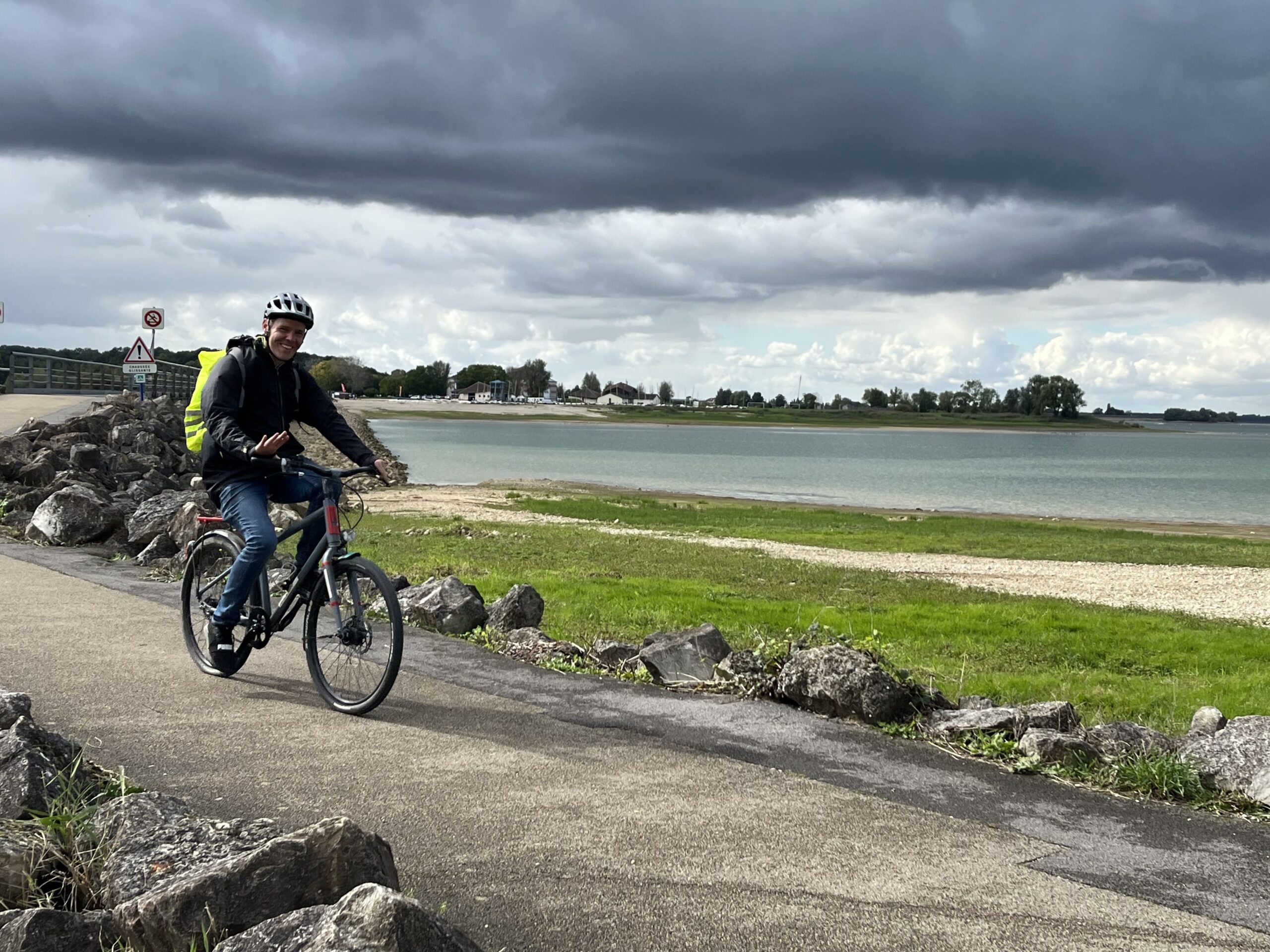
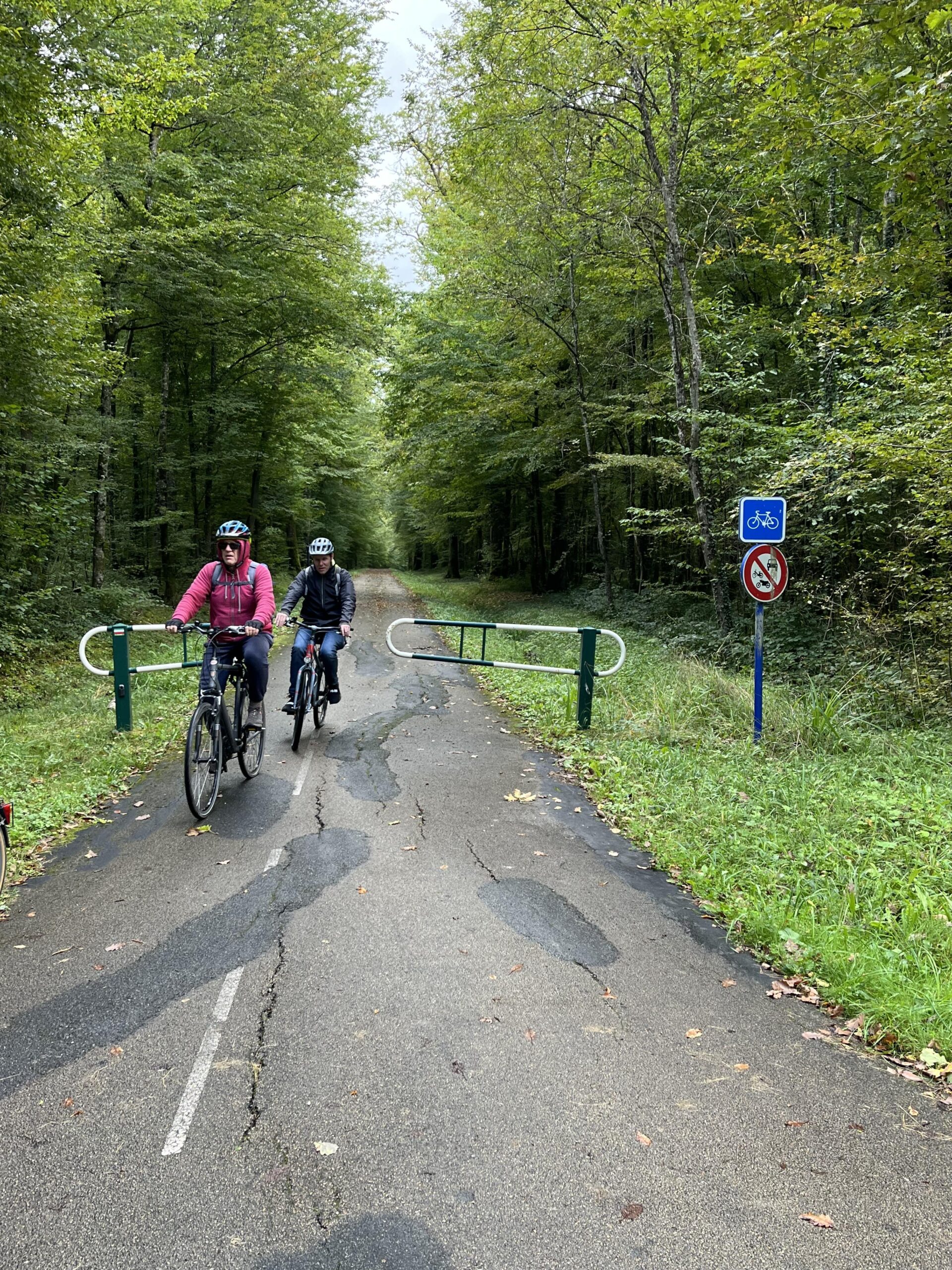
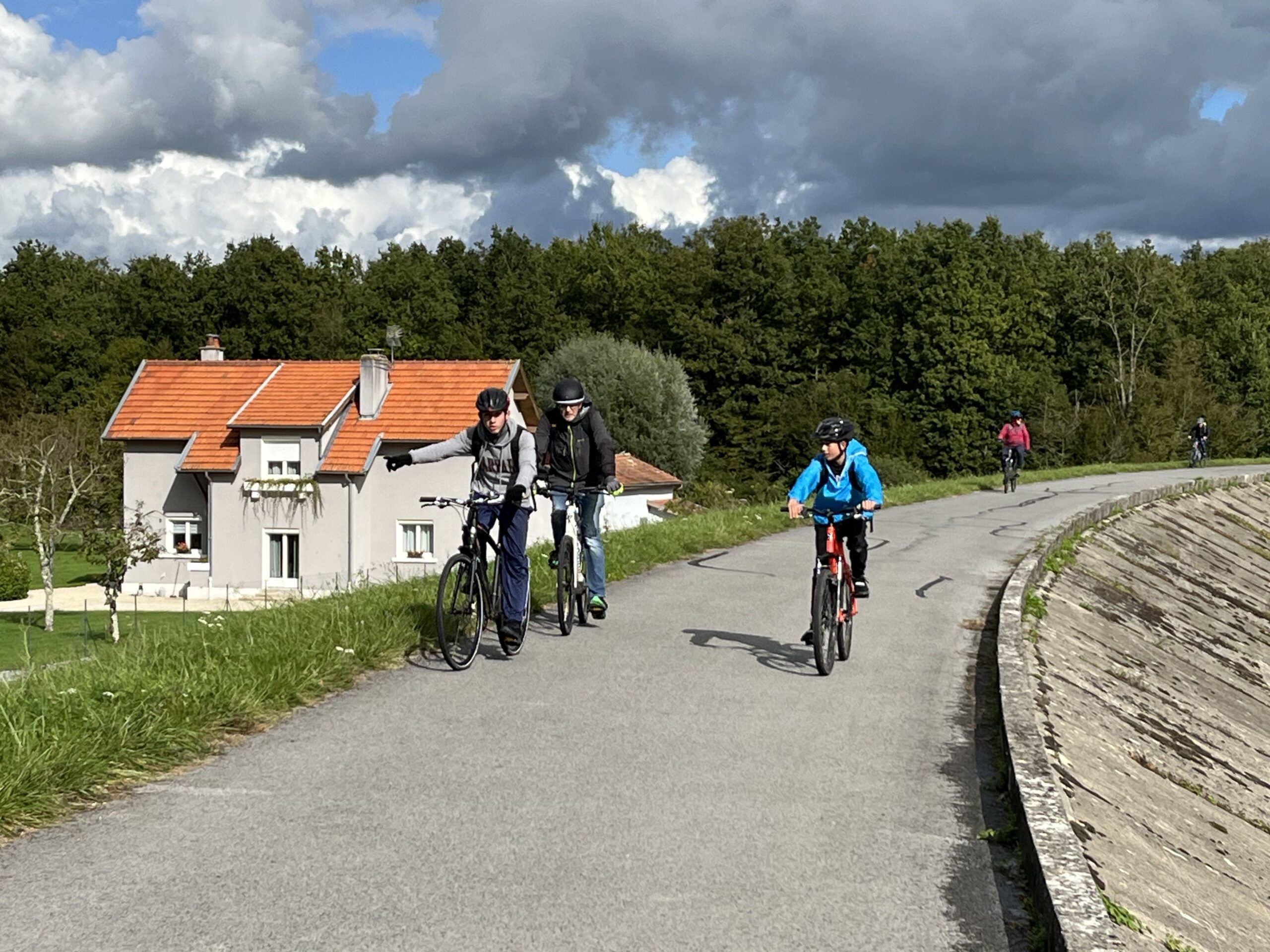
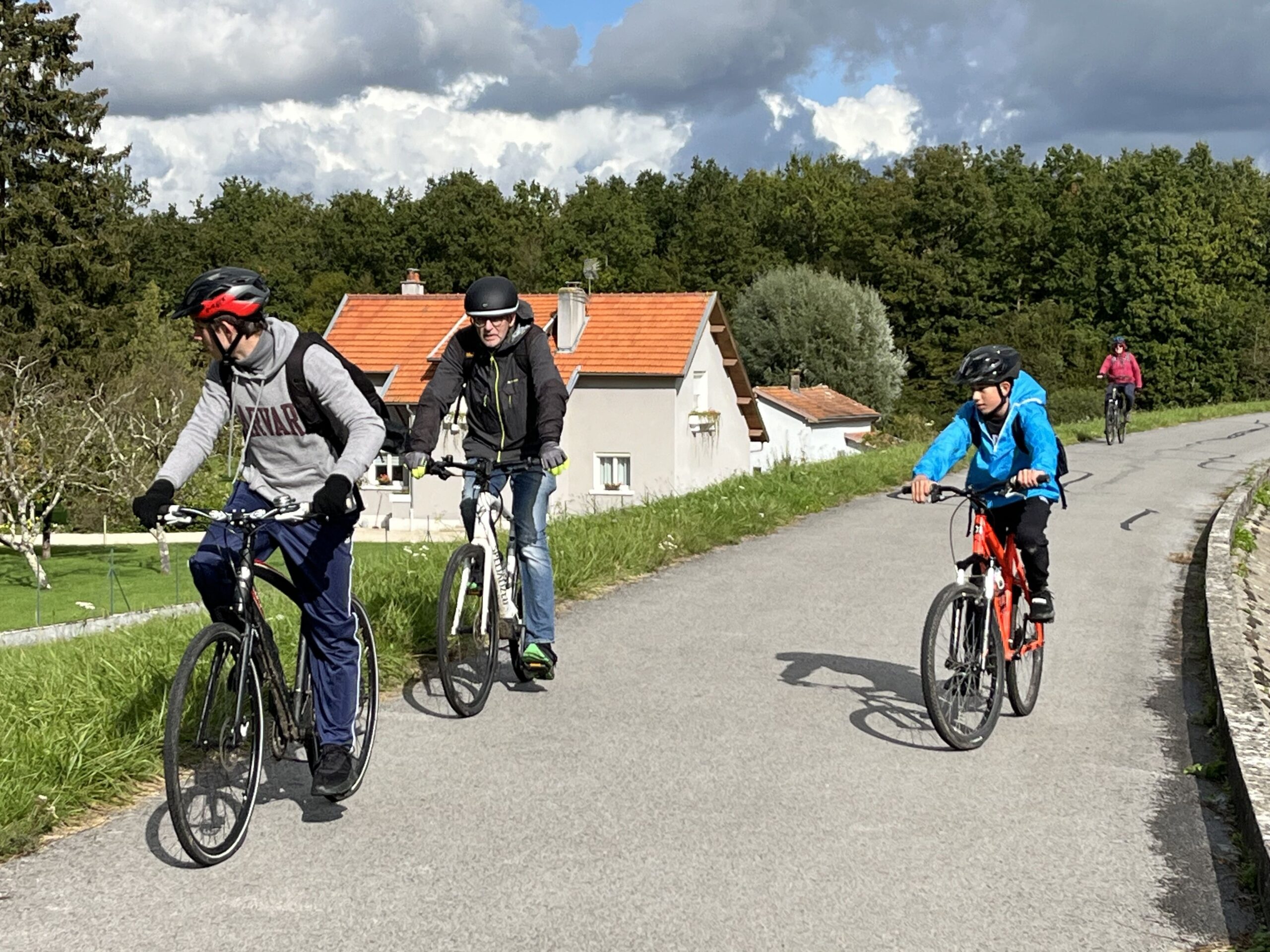
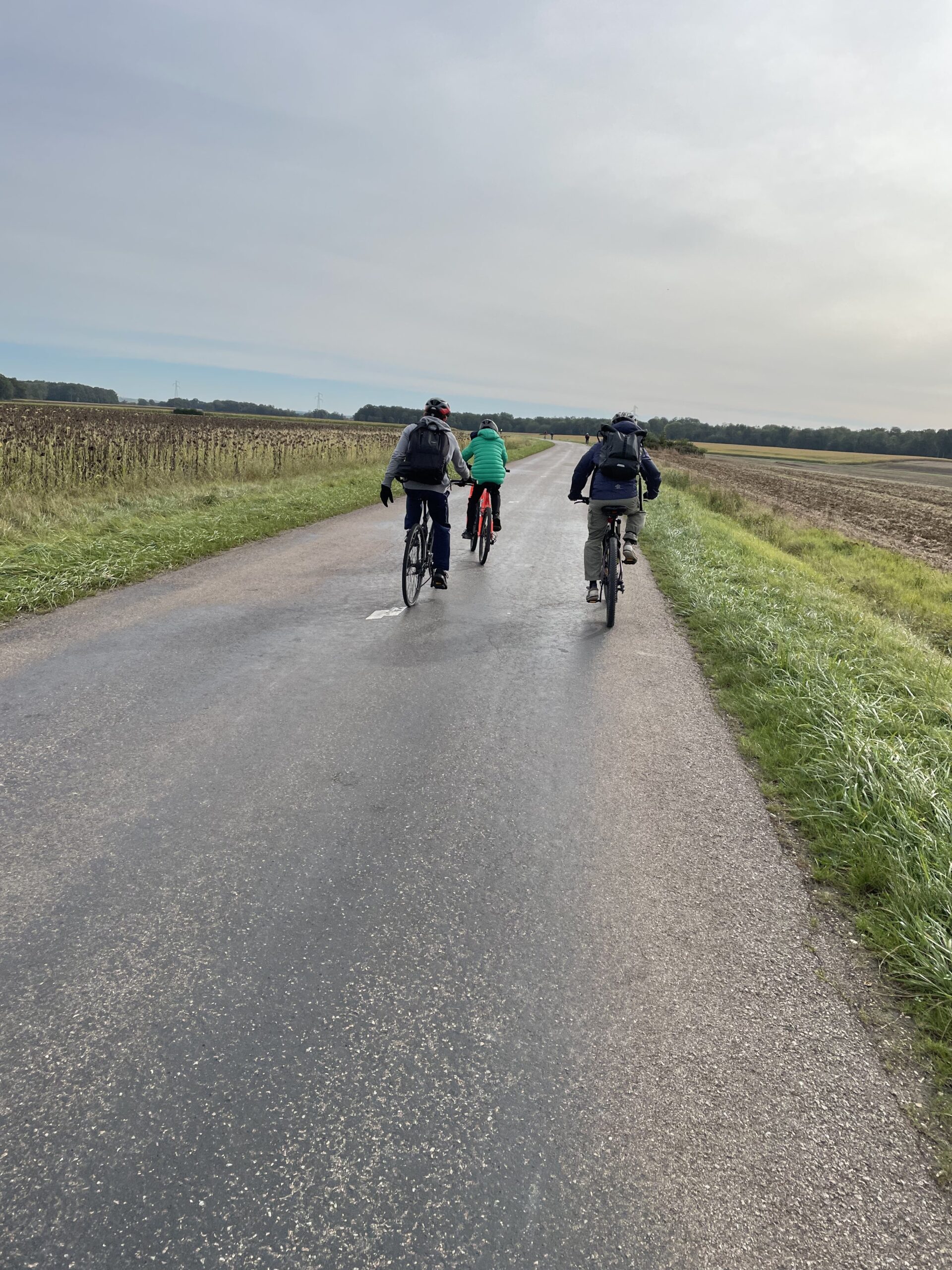
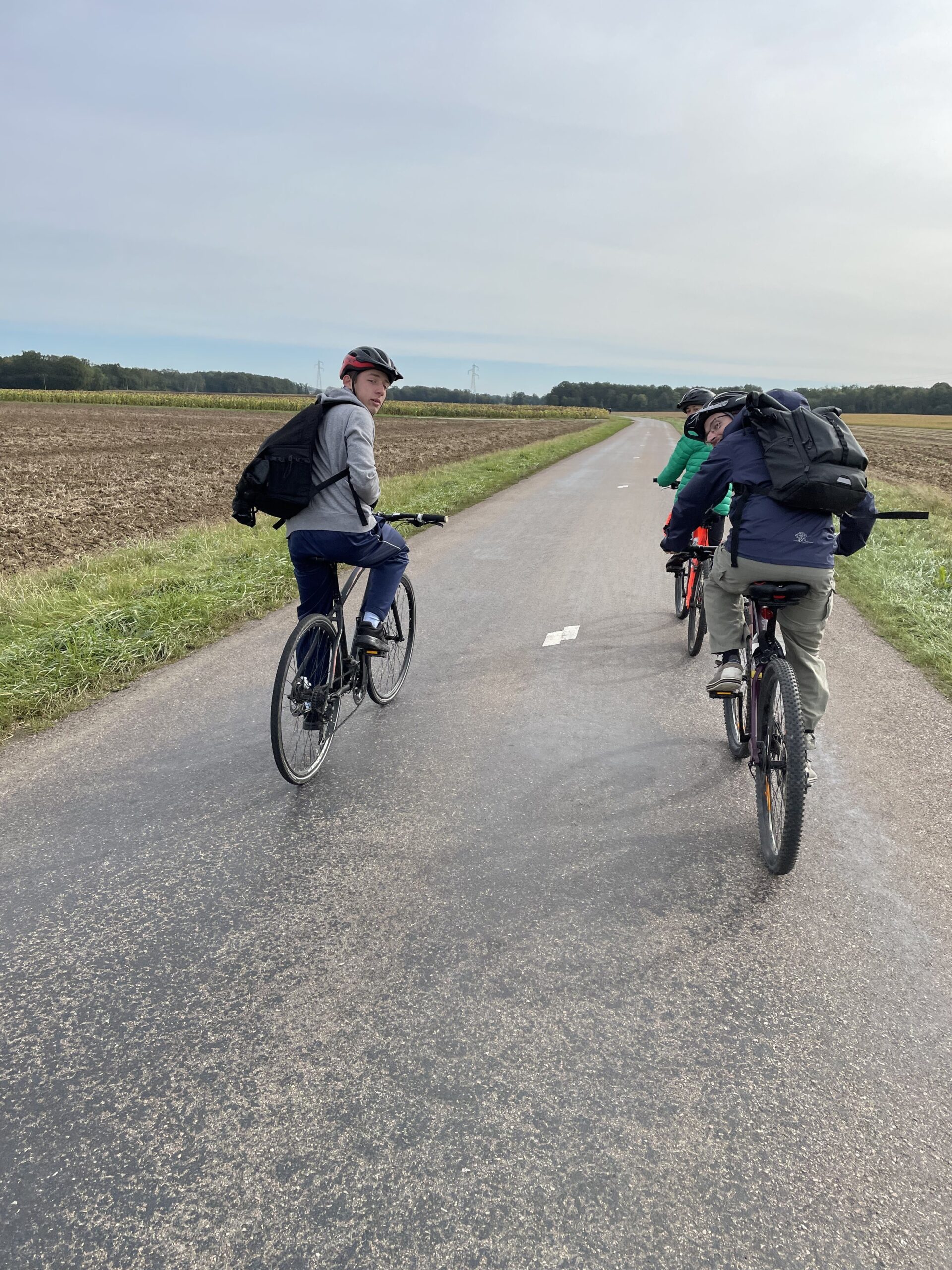
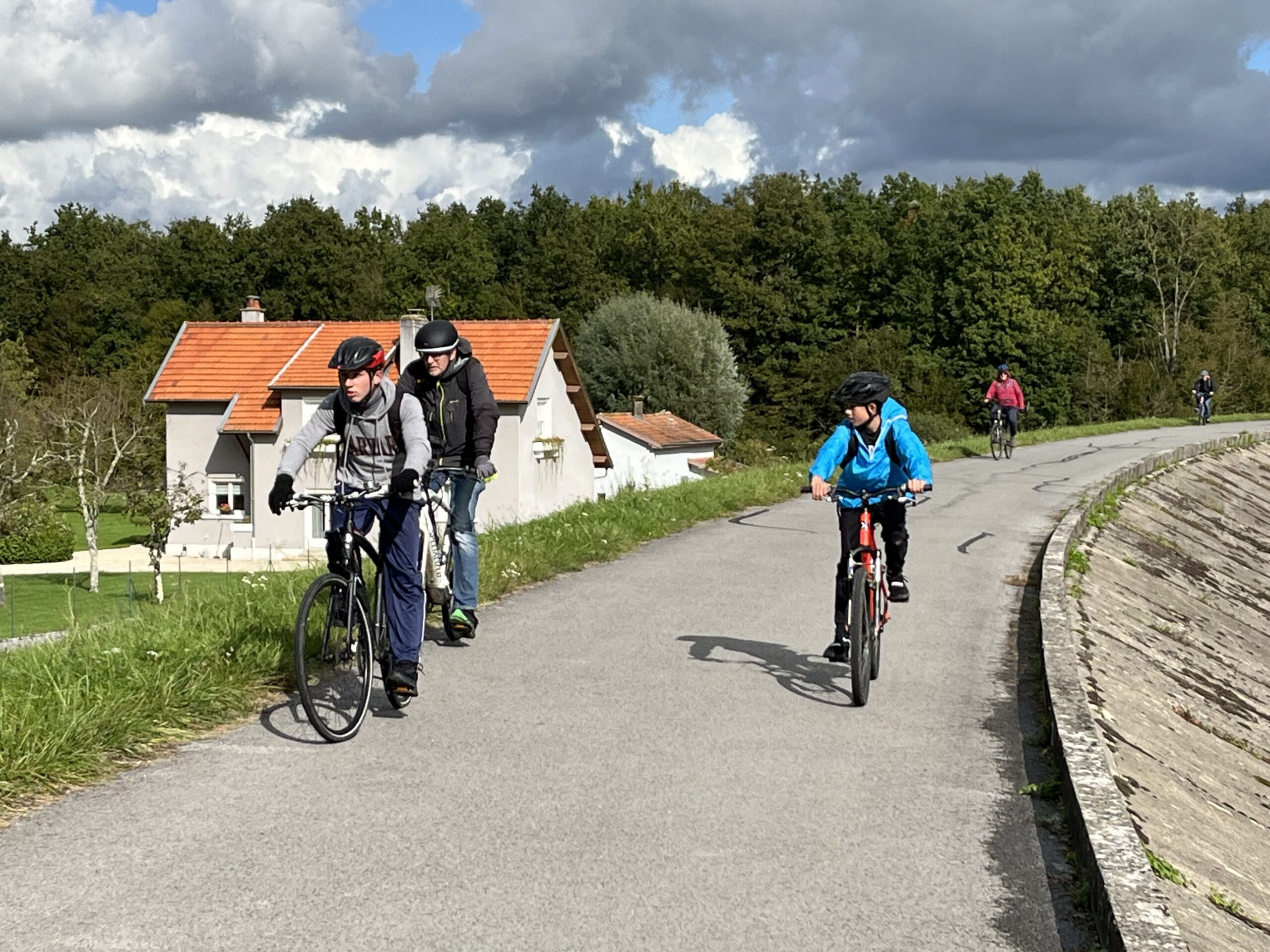
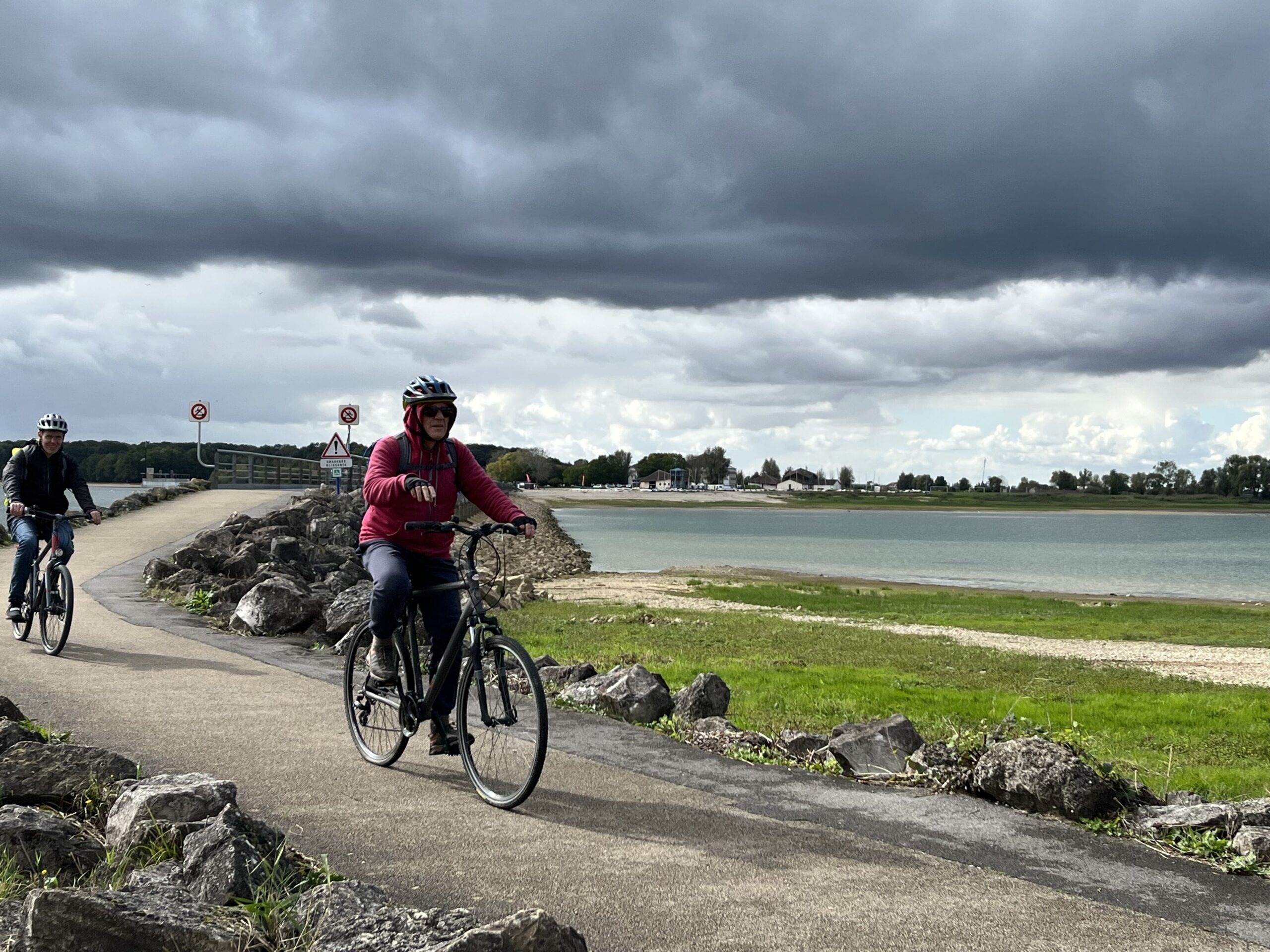
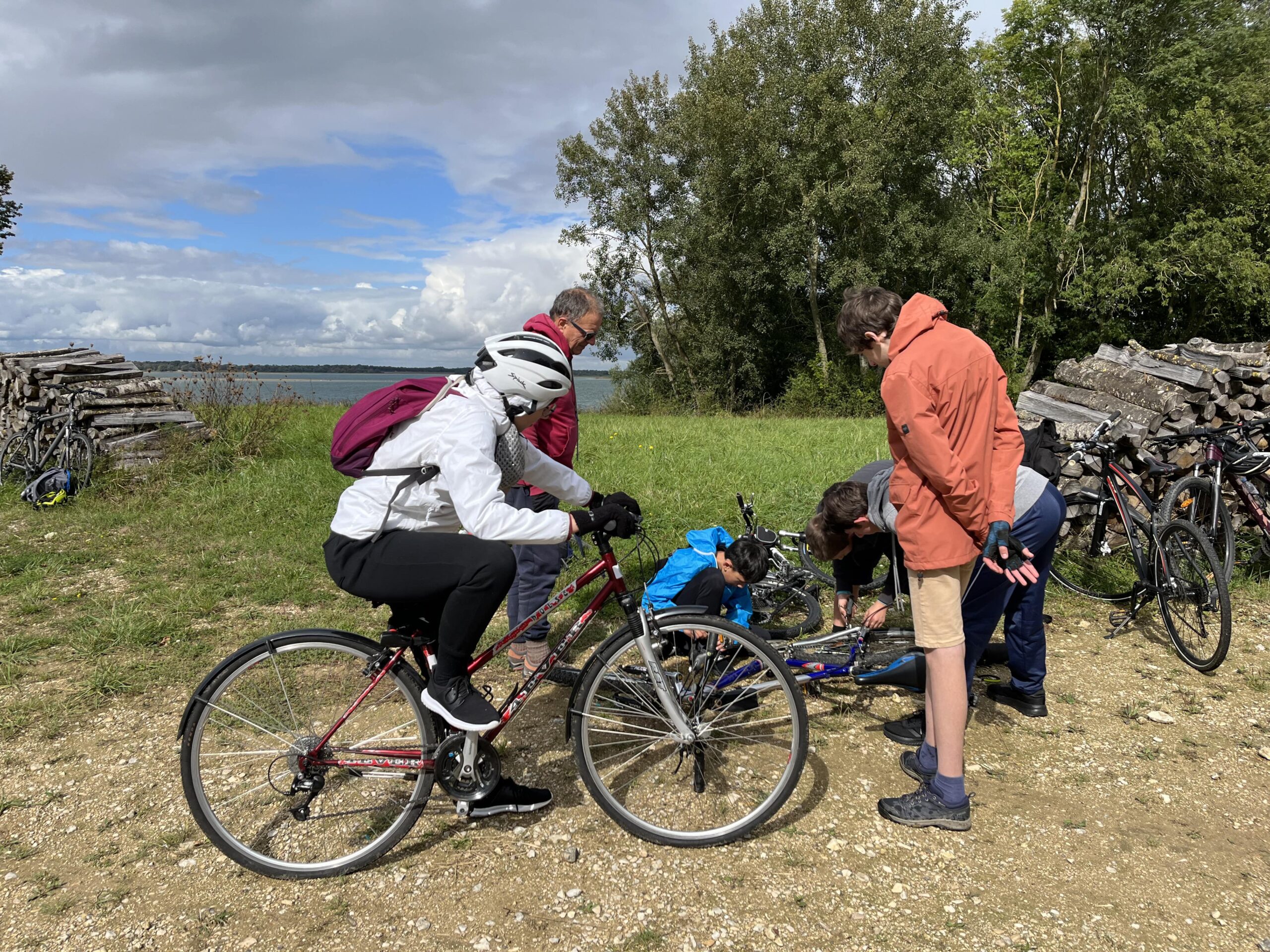
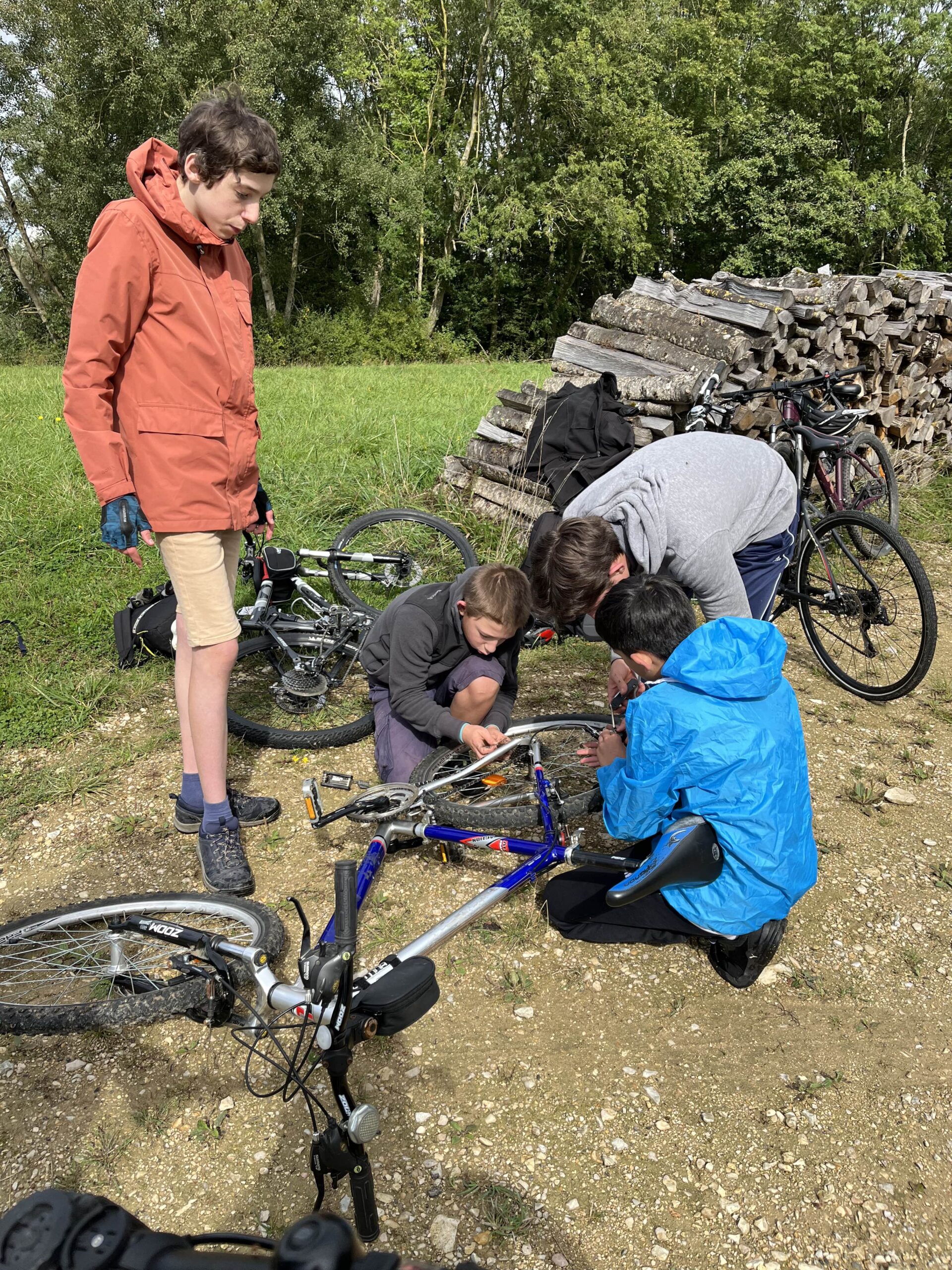
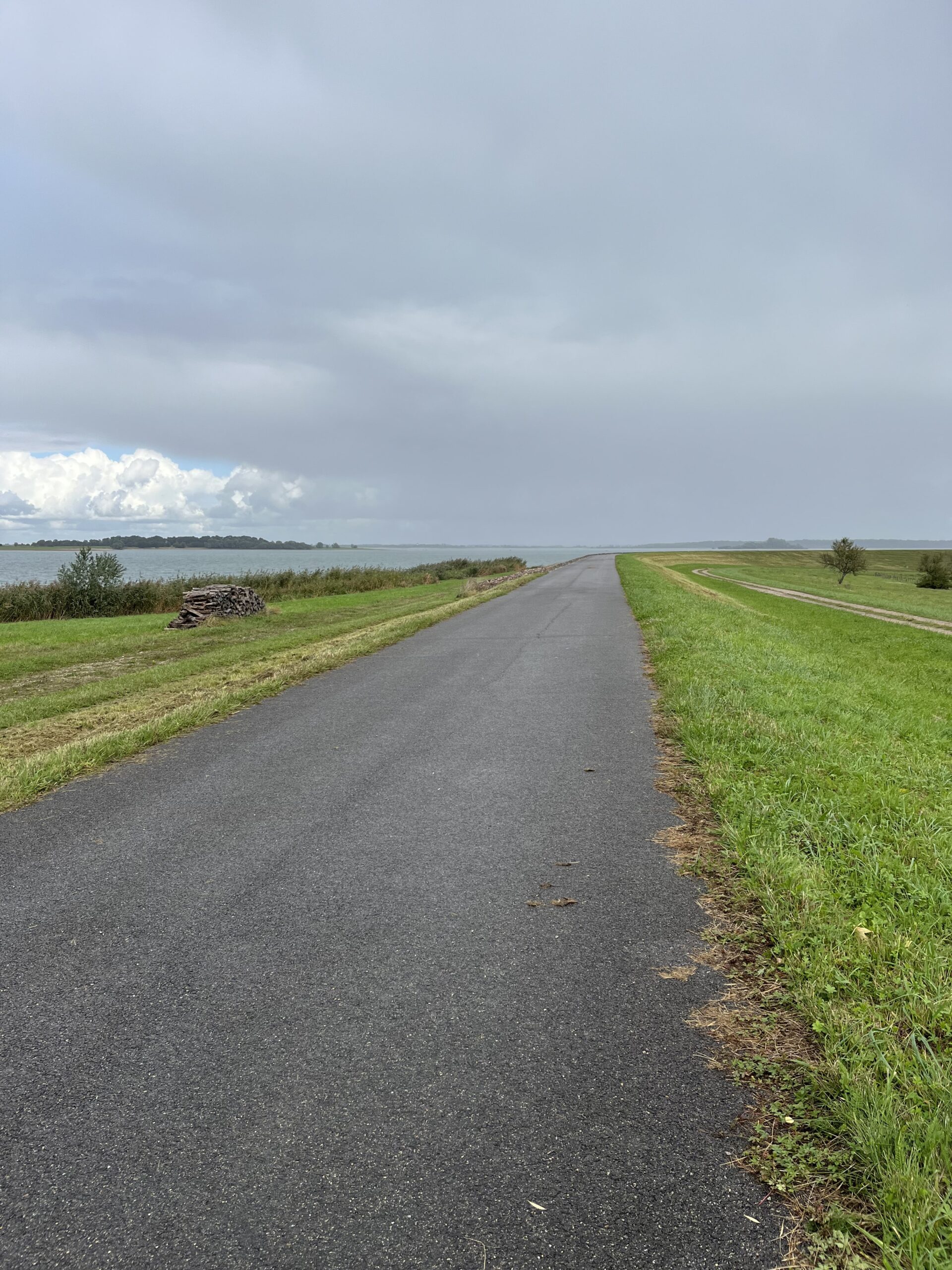
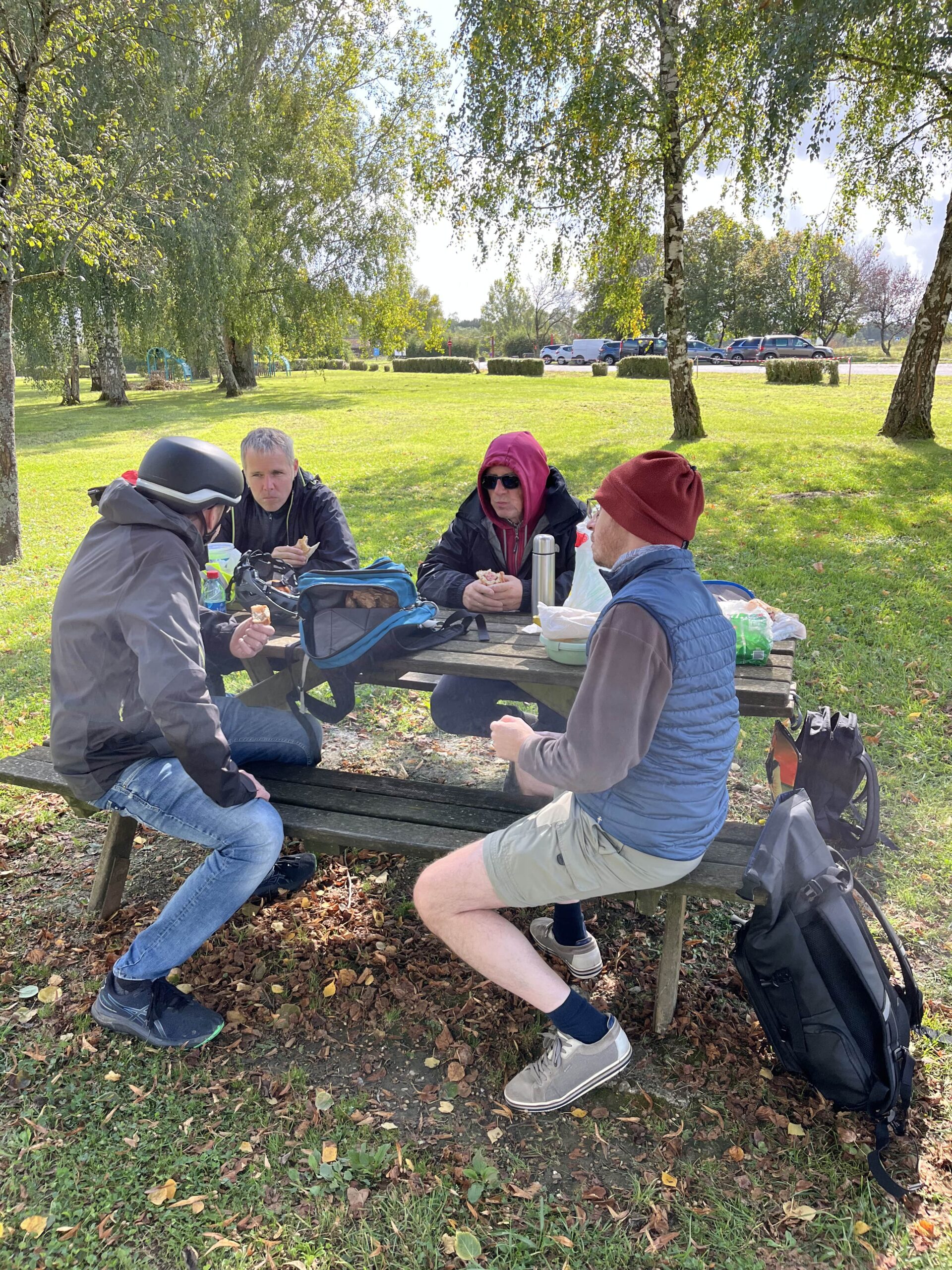
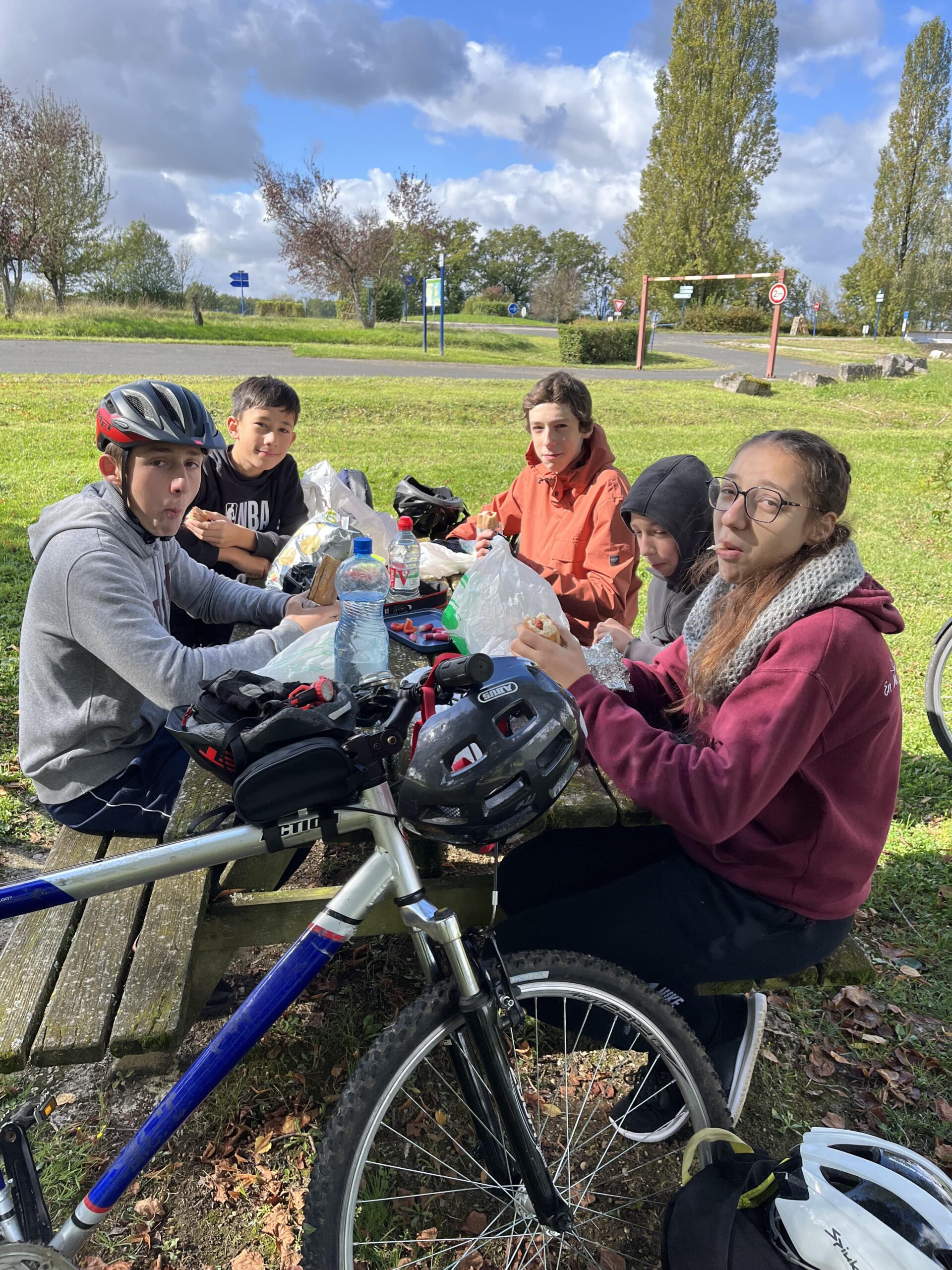
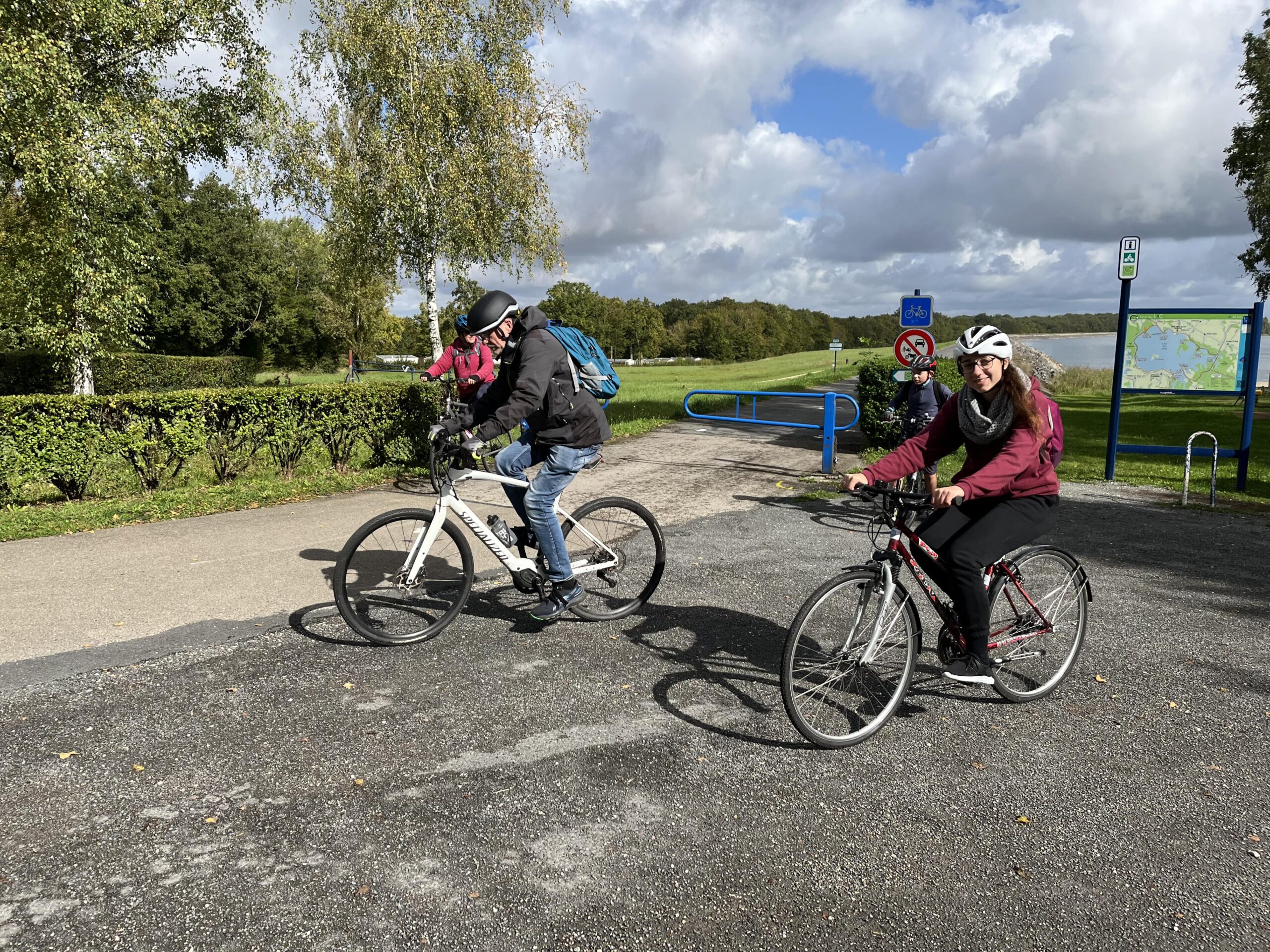
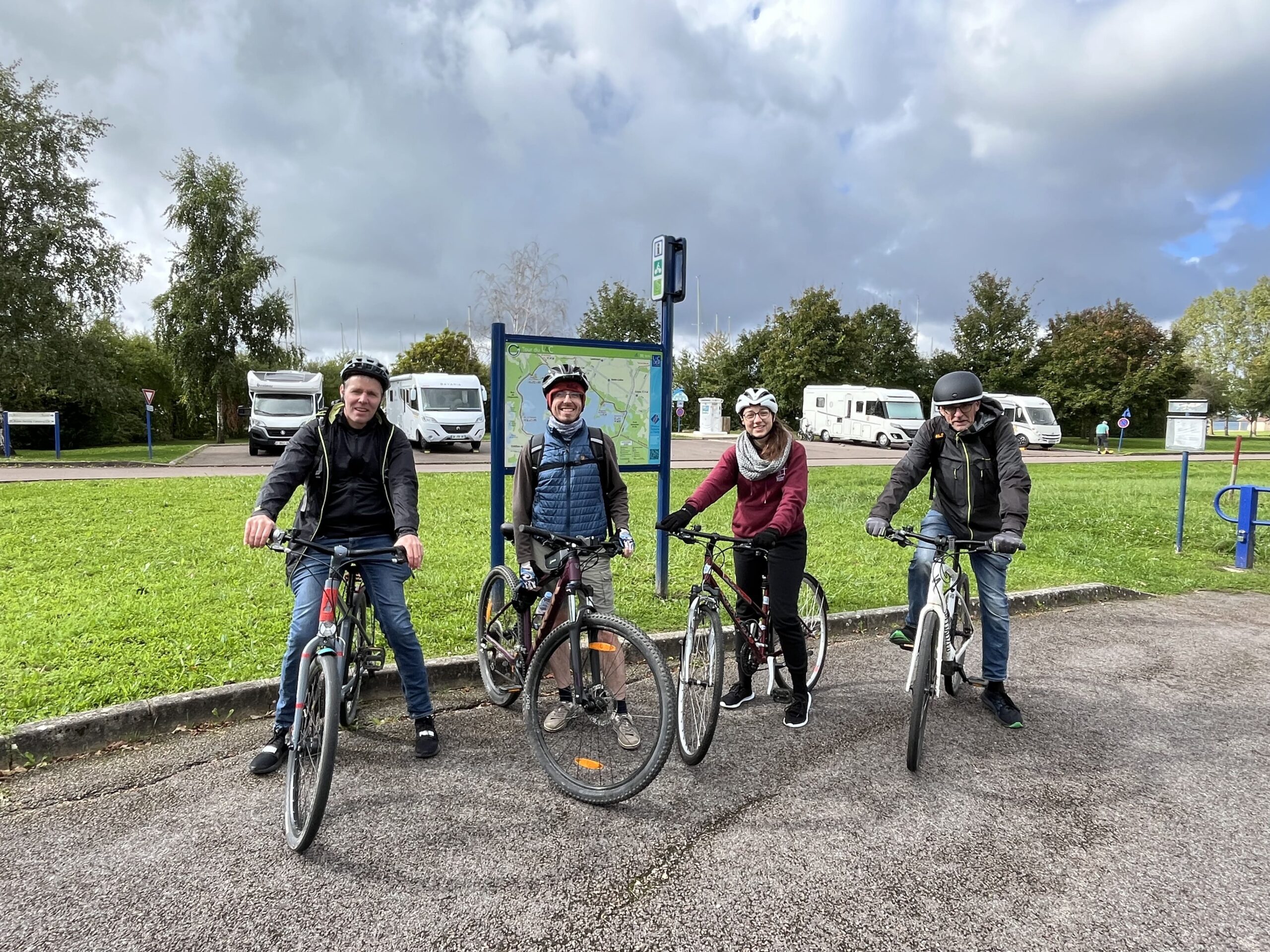
A dozen cyclists from the Ad Pacem association met up at Lake Der on 28 and 29 September 2024 to cycle along the cycle path that runs alongside the lake and through a few villages. The whole team spent the evening and night in a house rented for the occasion near the lake. On Sunday, they completed the second part of the route, again on cycle paths and roads around the lake.
Characteristics of Lac du Der
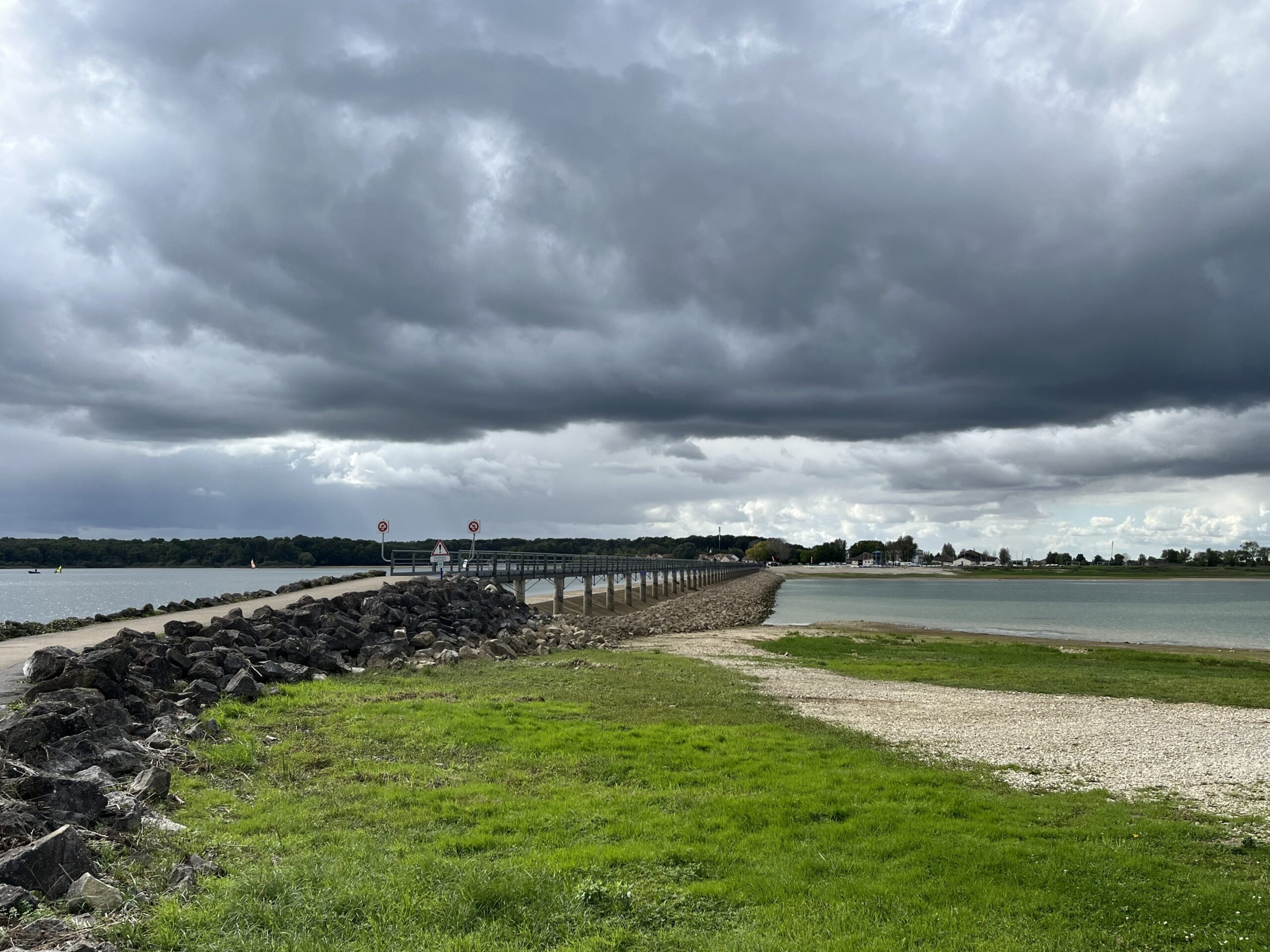
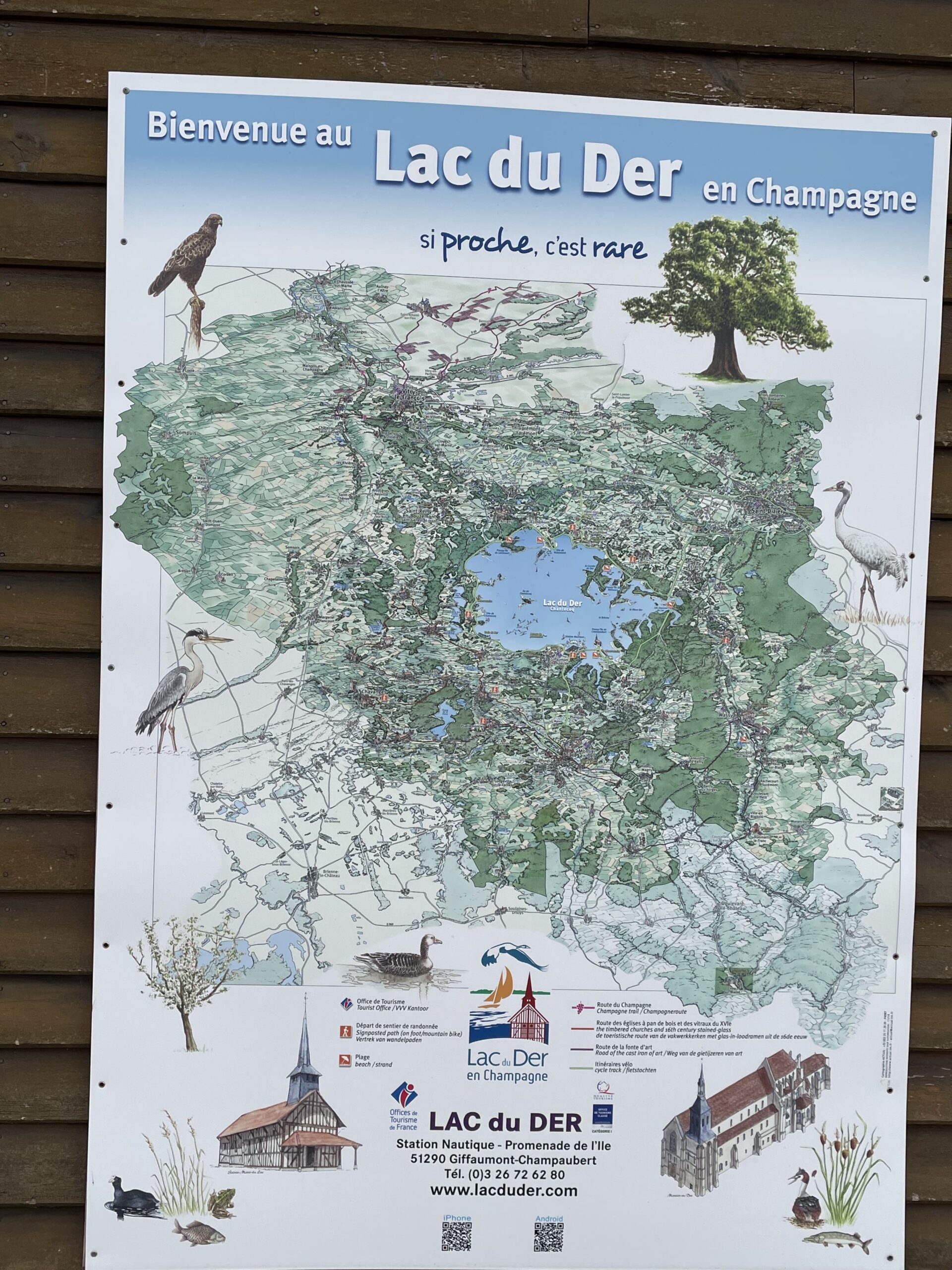
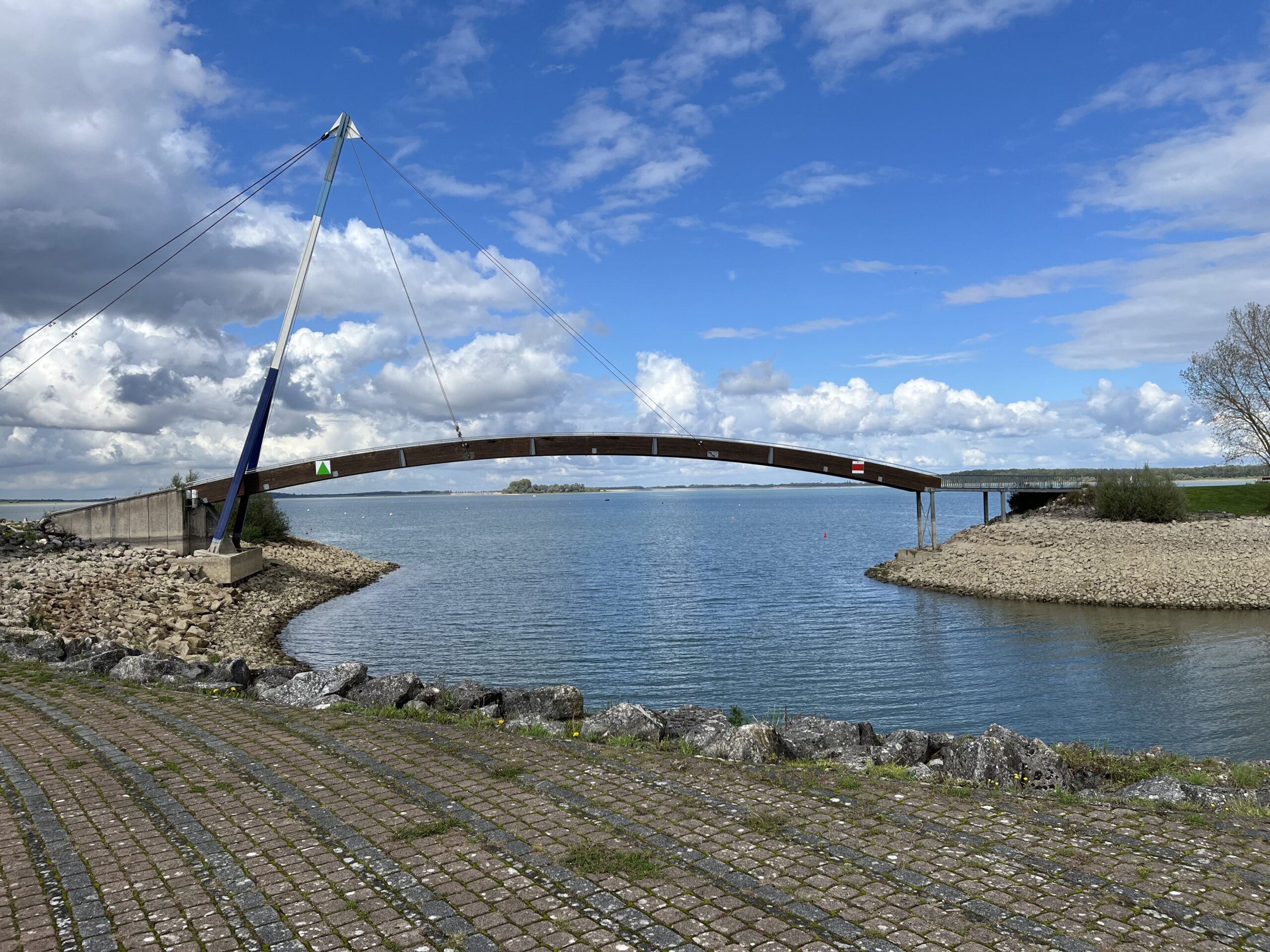
Lac du Der – Chantecoq or Lac de la Marne is an artificial lake in north-eastern France. It is located on the border between the departments of Marne and Haute-Marne. In 1974, after 10 years of massive construction work, Lac du Der was created in the heart of the Champagne region.
The primary purpose of Lac du Der, its raison d’être, is its capacity to store 350 million cubic metres of water. Starting at Saint-Dizier, it regulates the flow of the Marne, a tributary of the Seine, which is the largest river in France. On the one hand, it reduces the effect of flooding in Paris and, conversely, allows boats to continue sailing during periods of low water. The reservoir lake thus limits flooding in the departments of Haute-Marne and Marne, as well as in the Marne and Seine valleys, all the way to the Paris metropolitan area. Lac du Der offers magnificent landscapes throughout the seasons. With the good weather on their side, the group participants enjoyed a wonderful bike ride.
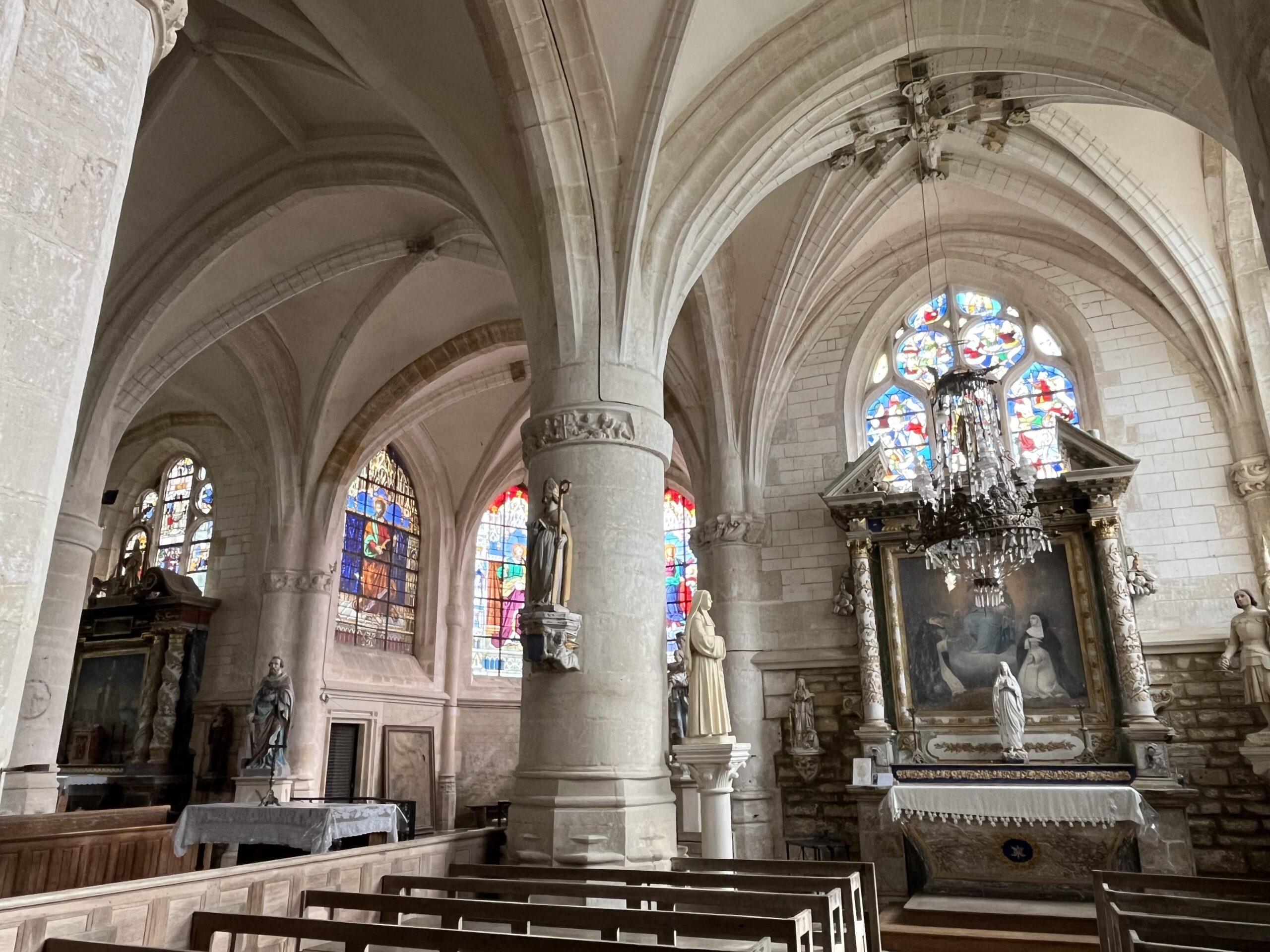
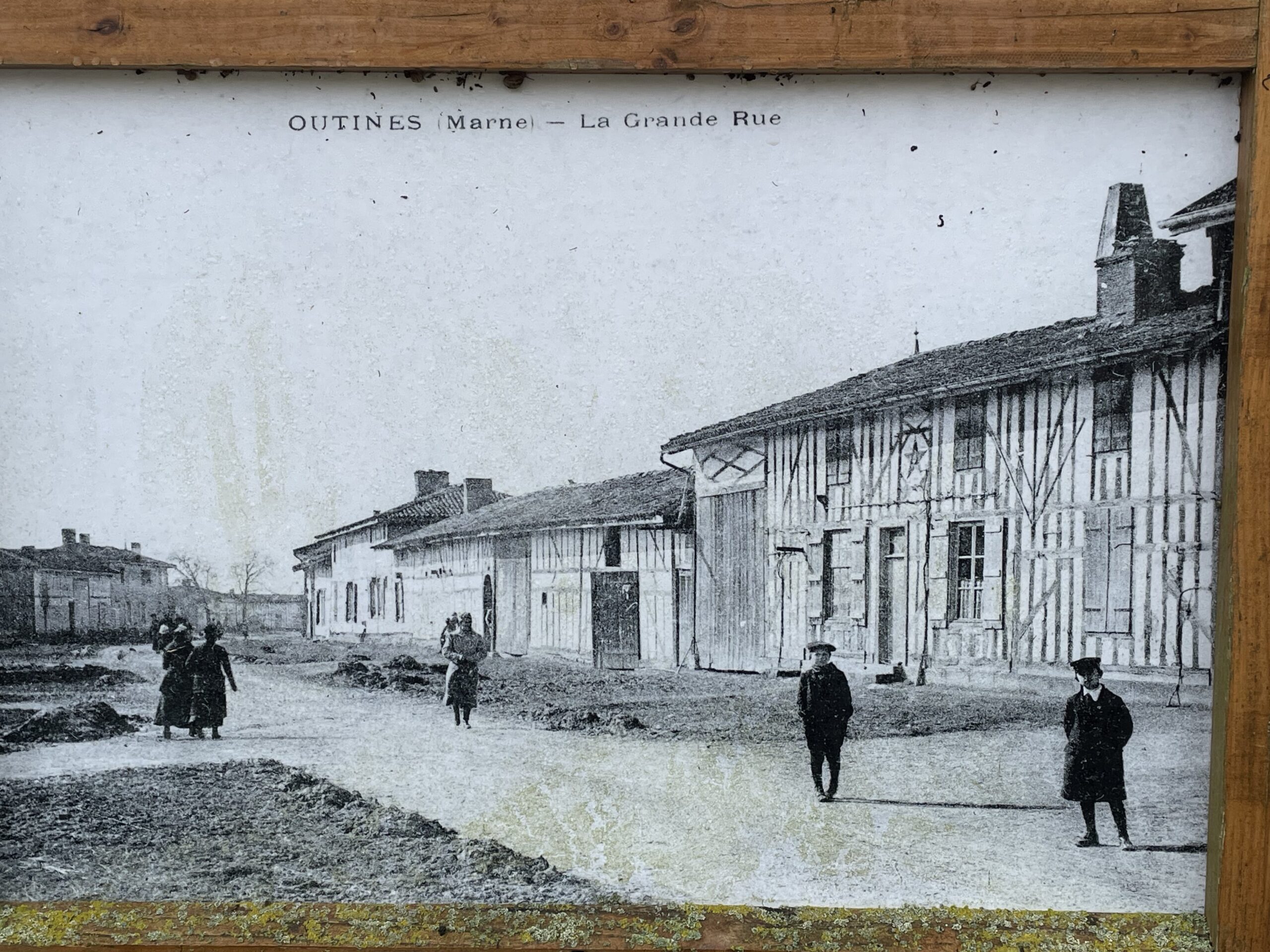
The lake owes its name to both the Pays du Der, the natural region where it is located, and the village of Chantecoq, which was destroyed along with the villages of Champaubert-aux-Bois and Nuisement aux Bois, where only the church remains on the edge of a peninsula. During the construction of the lake in the 1960s and 1970s, it was given a nominal capacity of 350 million m3. With an area of 48 km2, it is the largest artificial lake in mainland France, in terms of surface area but not in terms of volume.
Der Village Museum
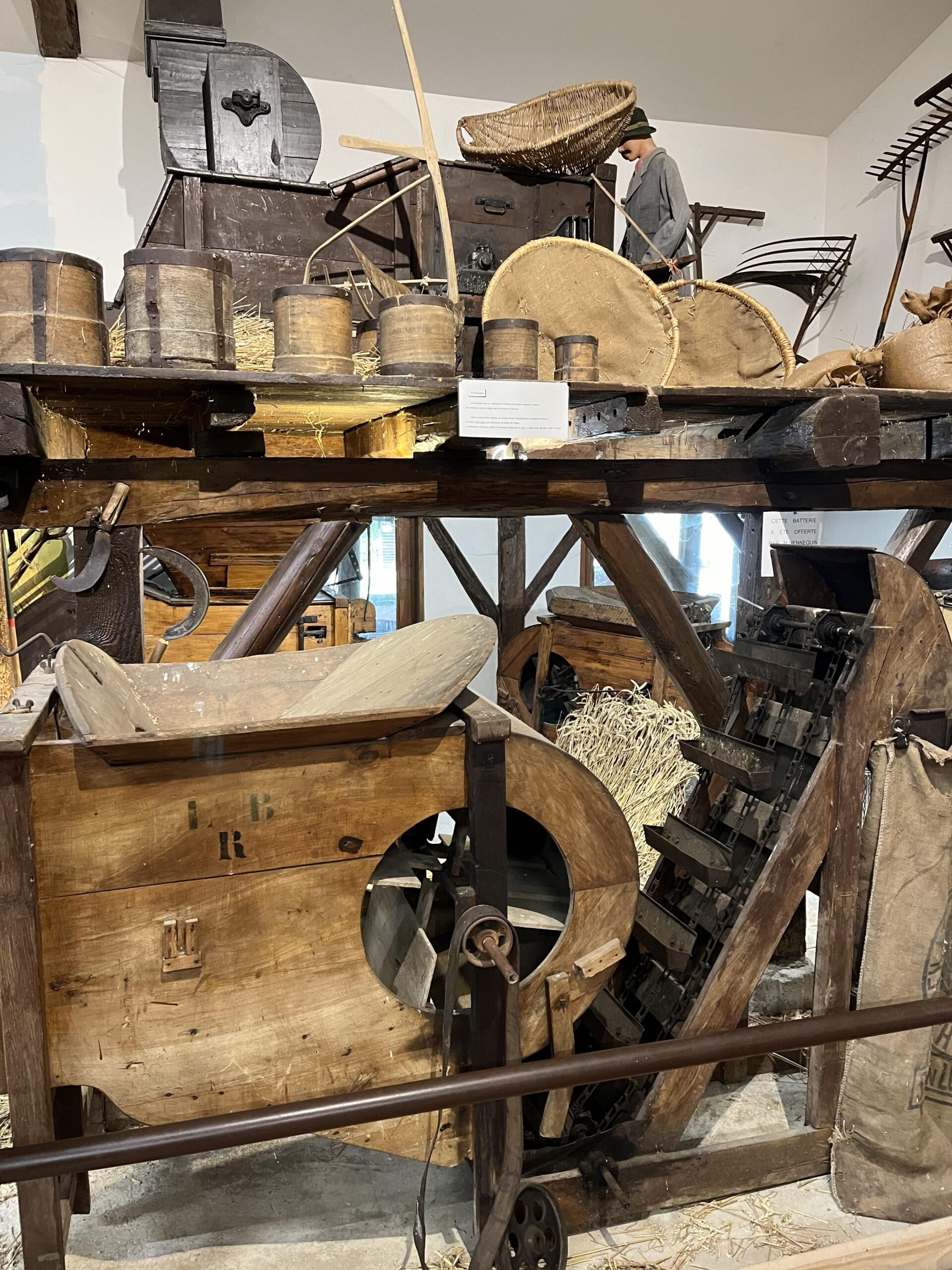
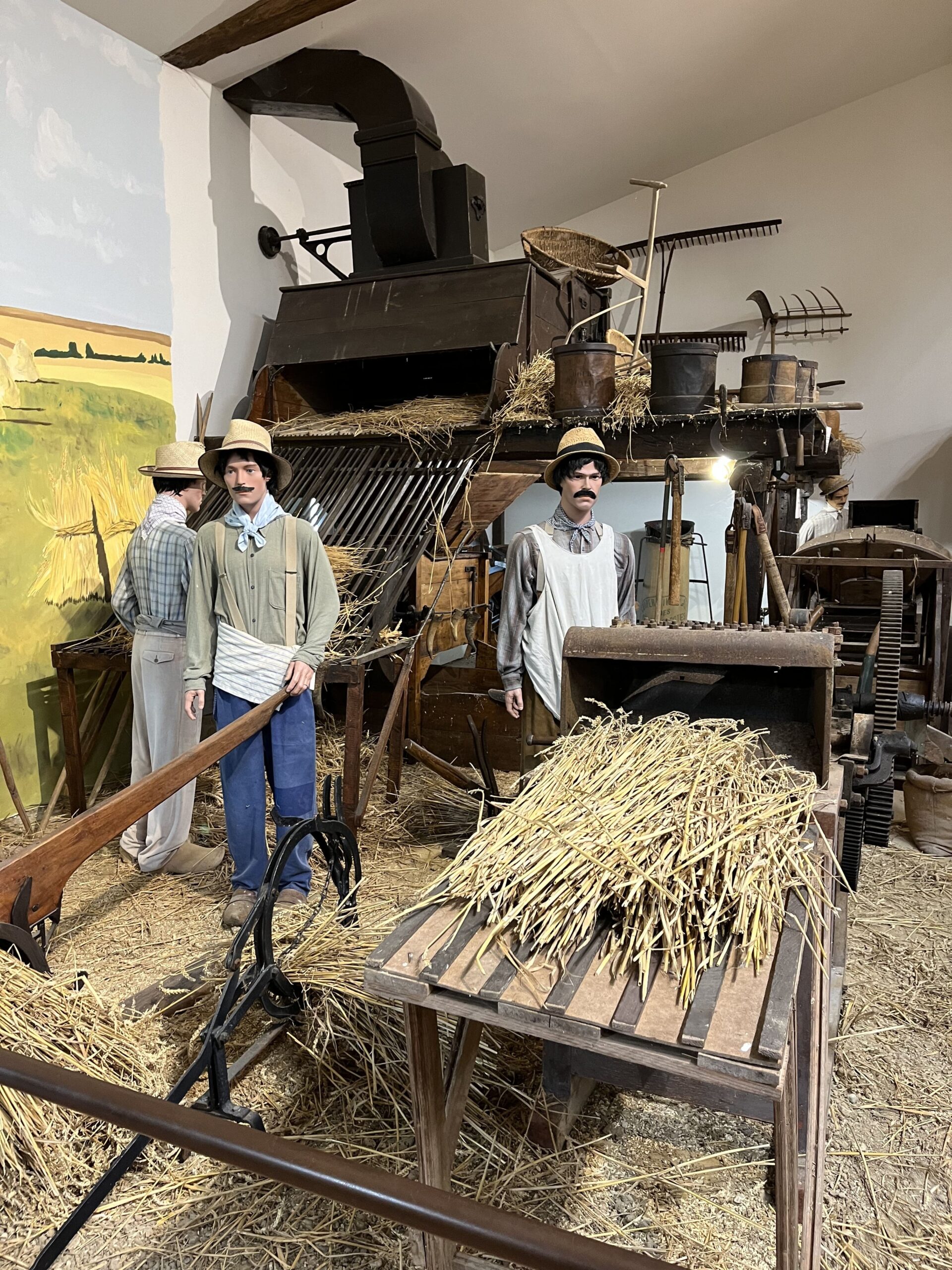
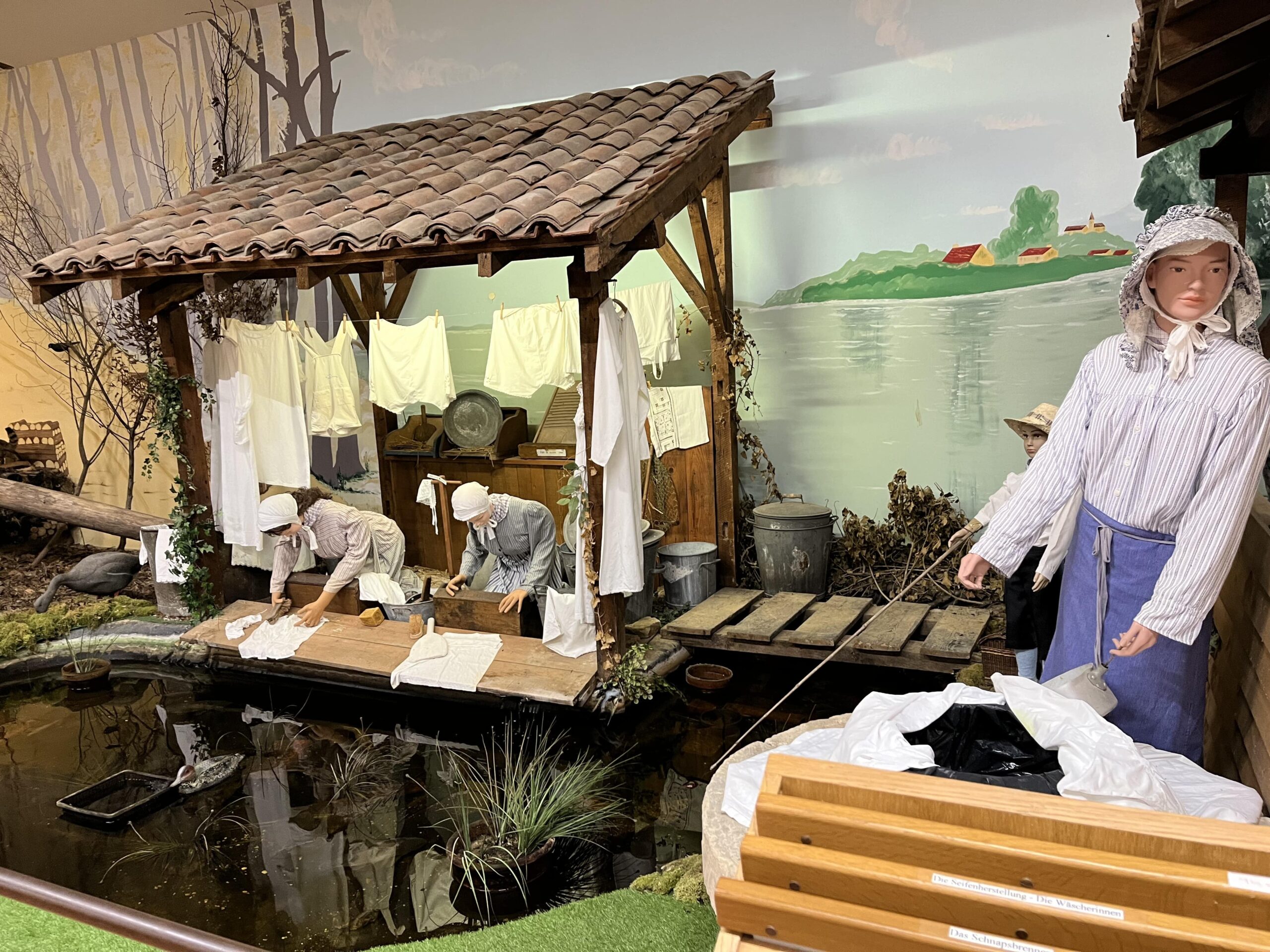
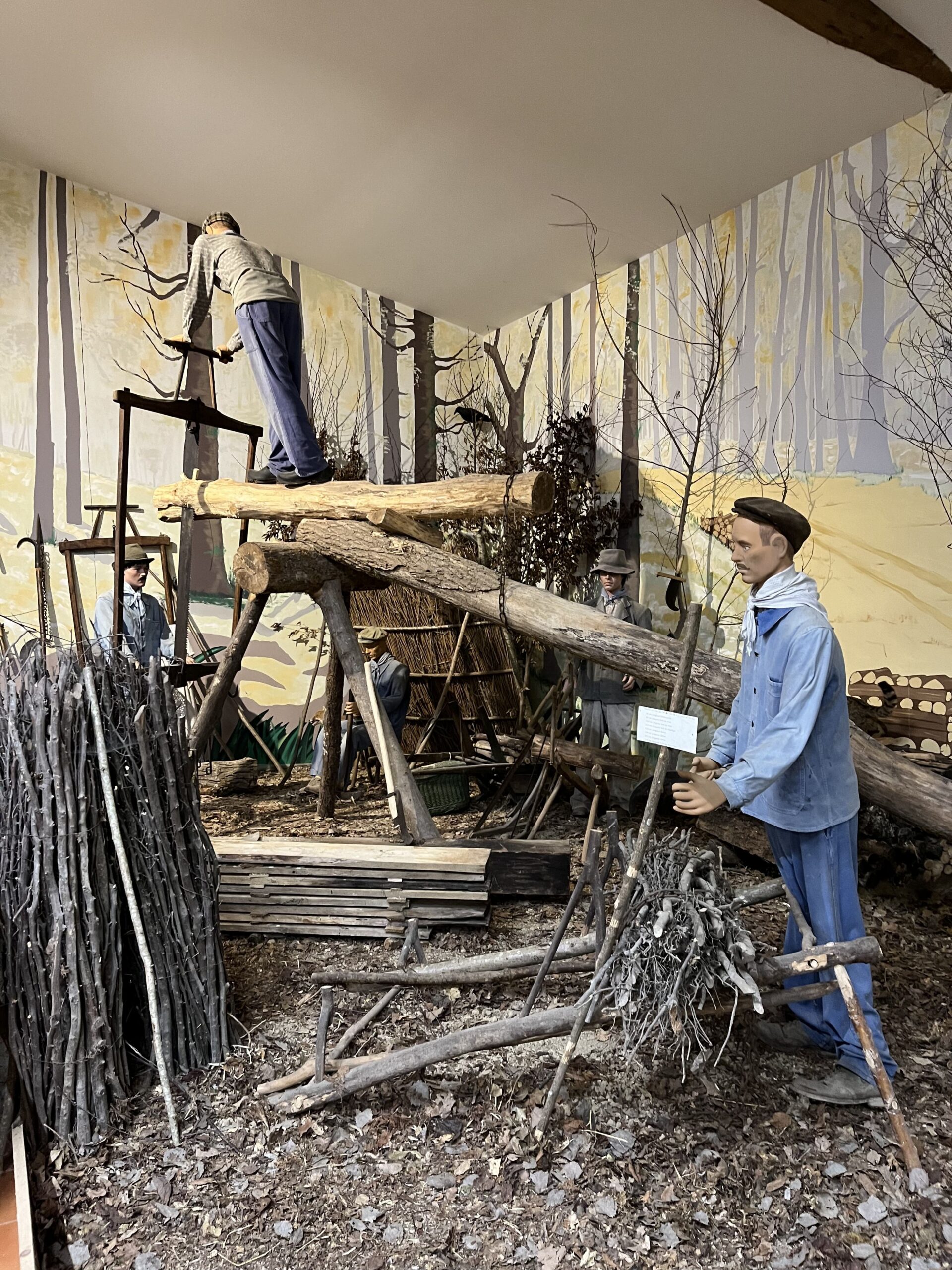
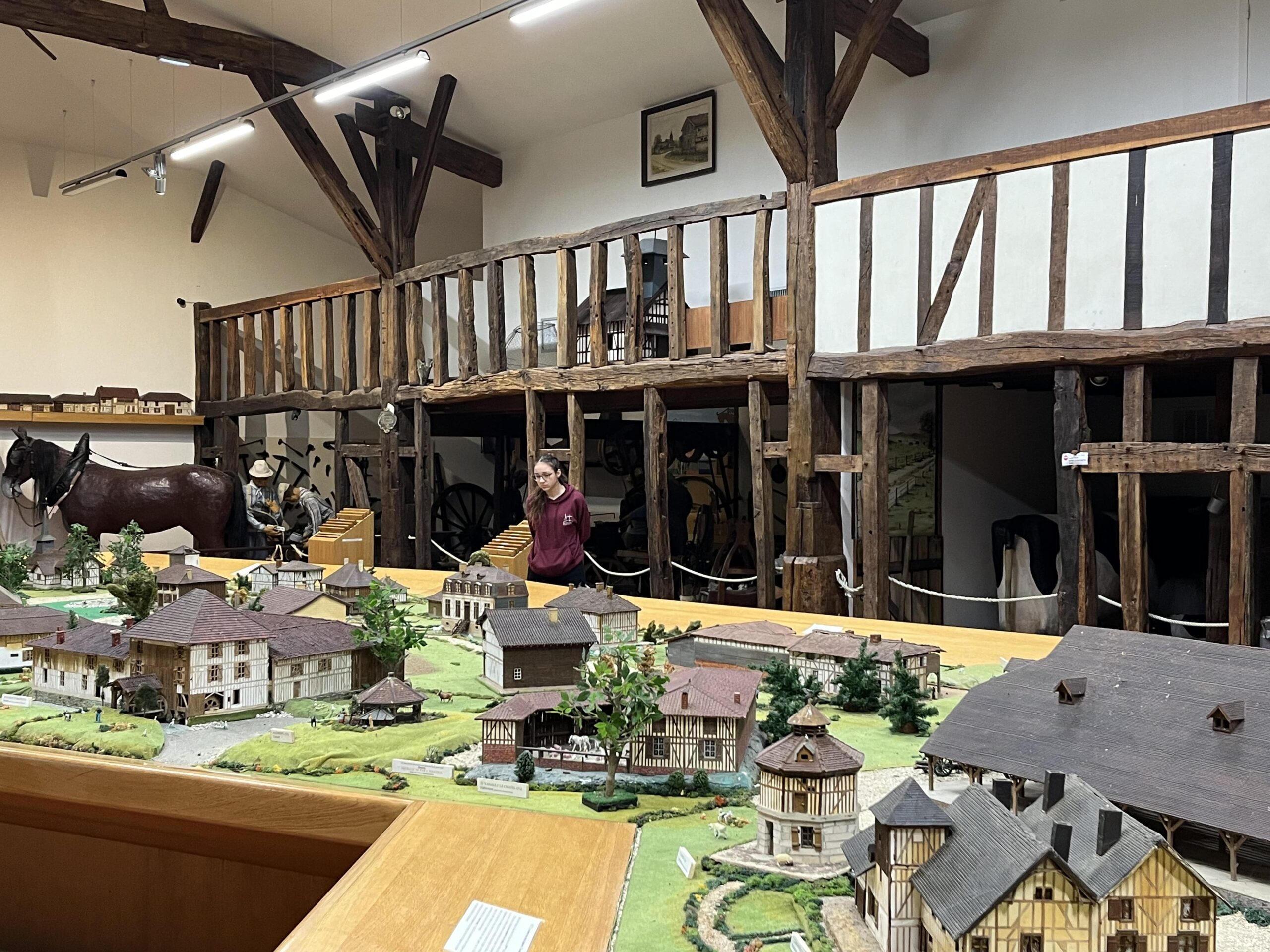
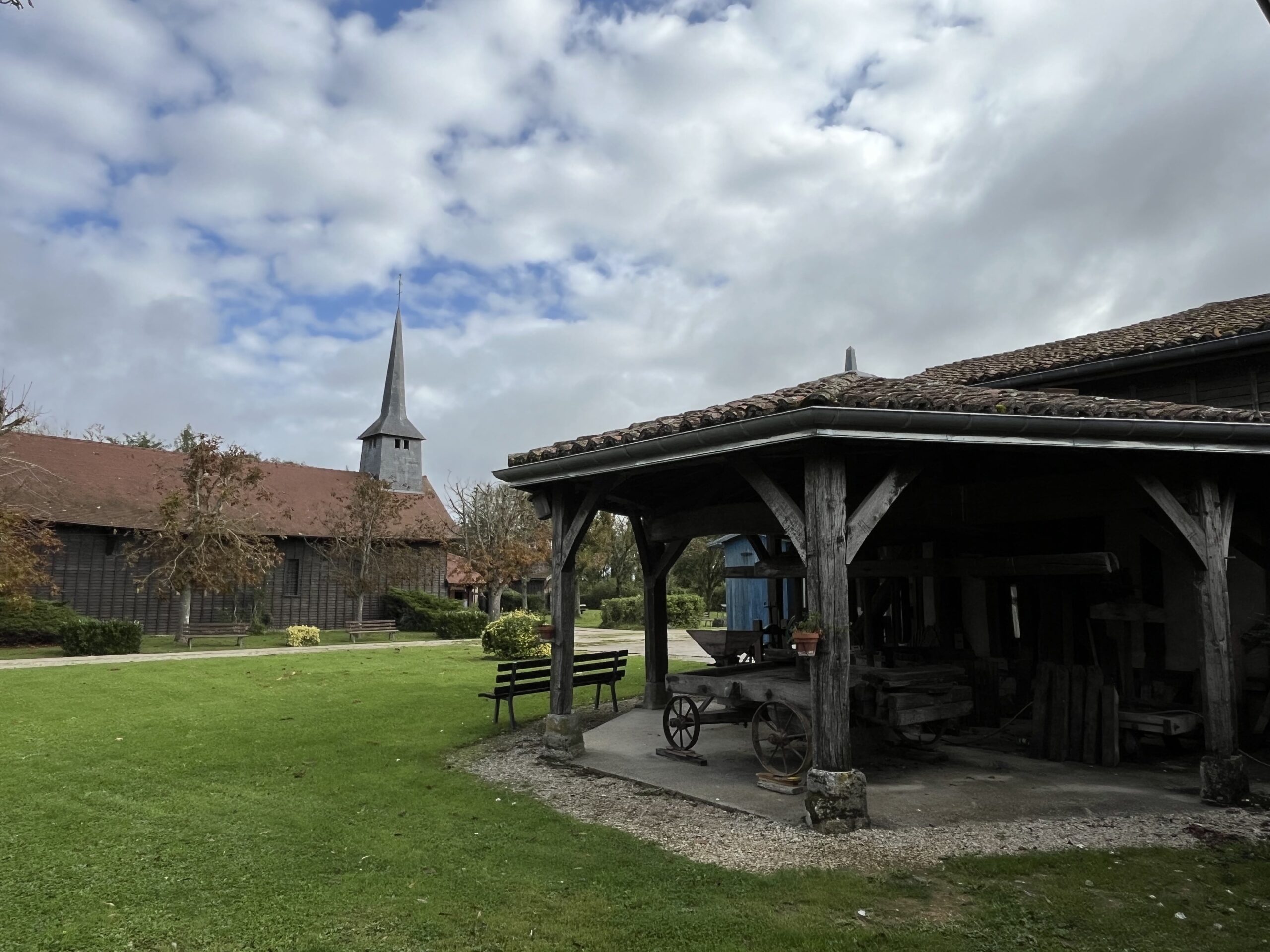
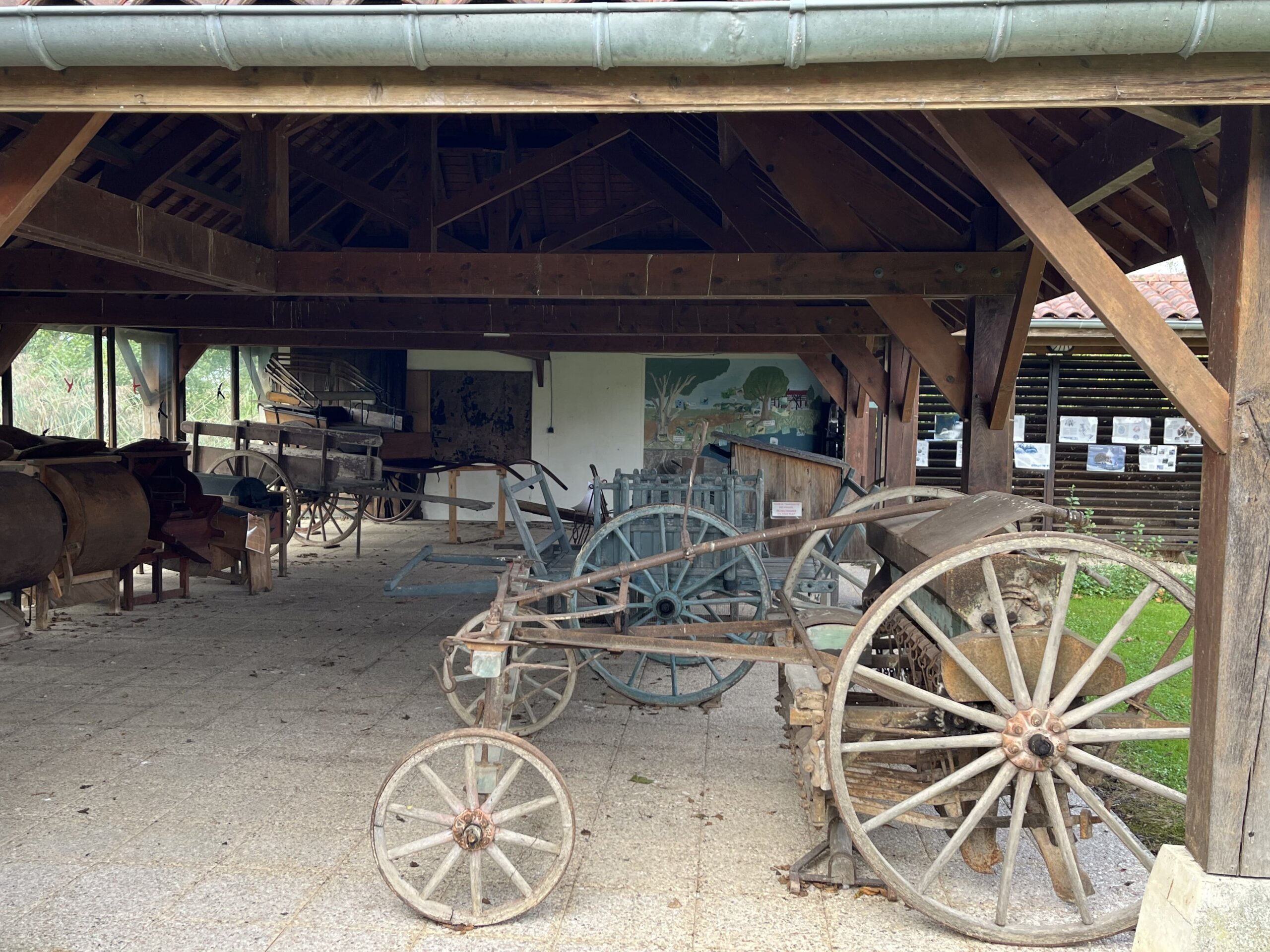
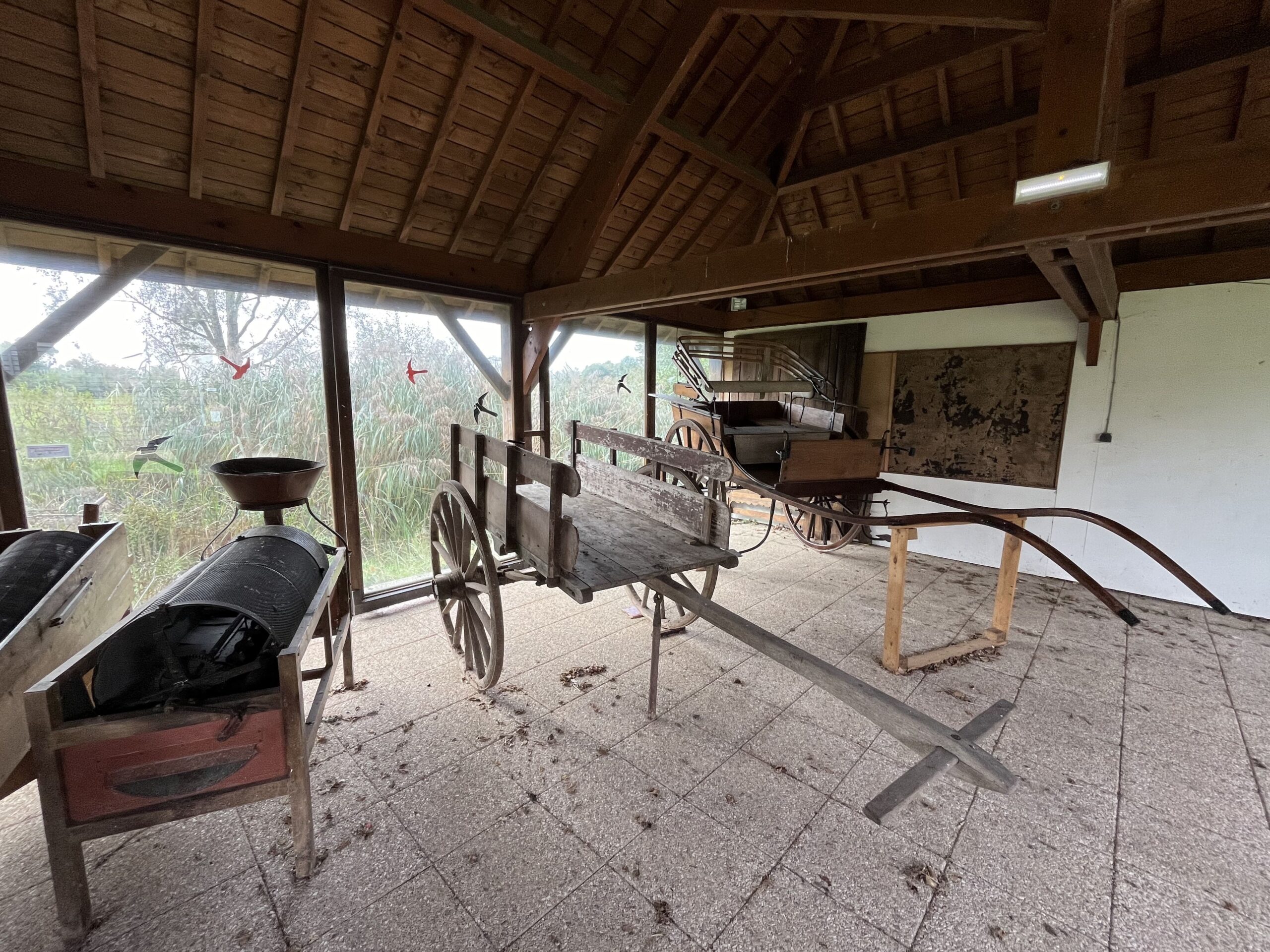
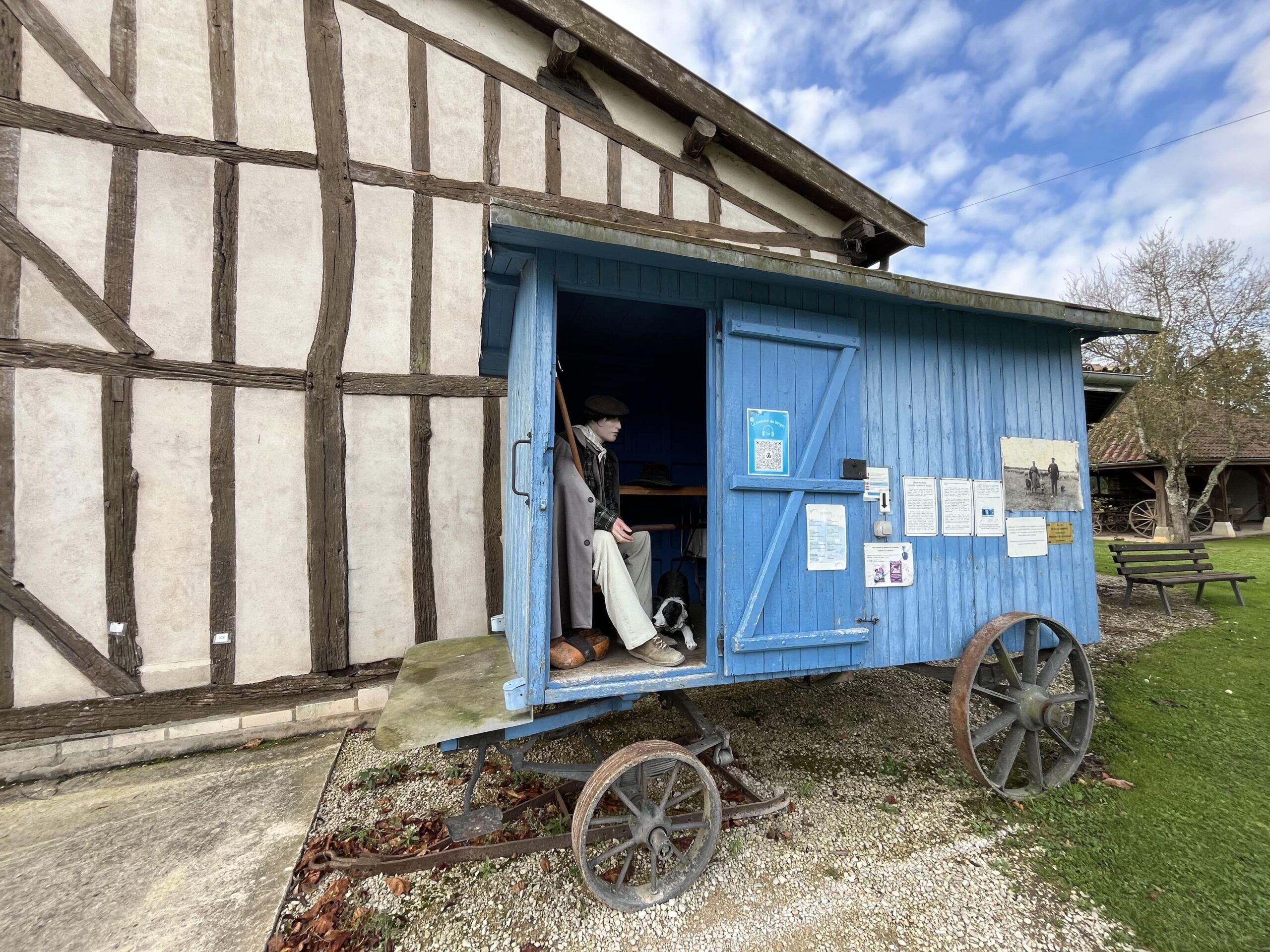
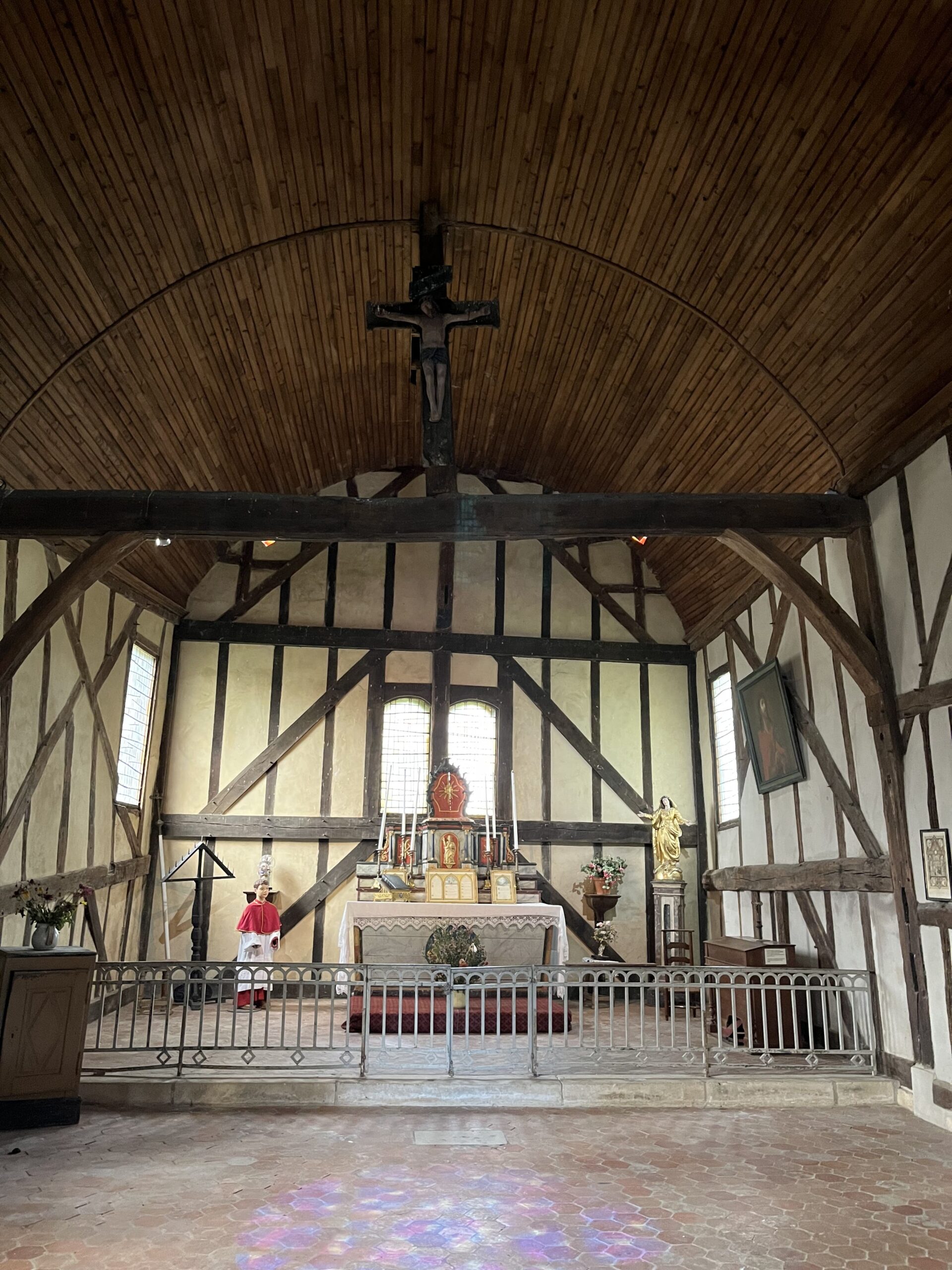
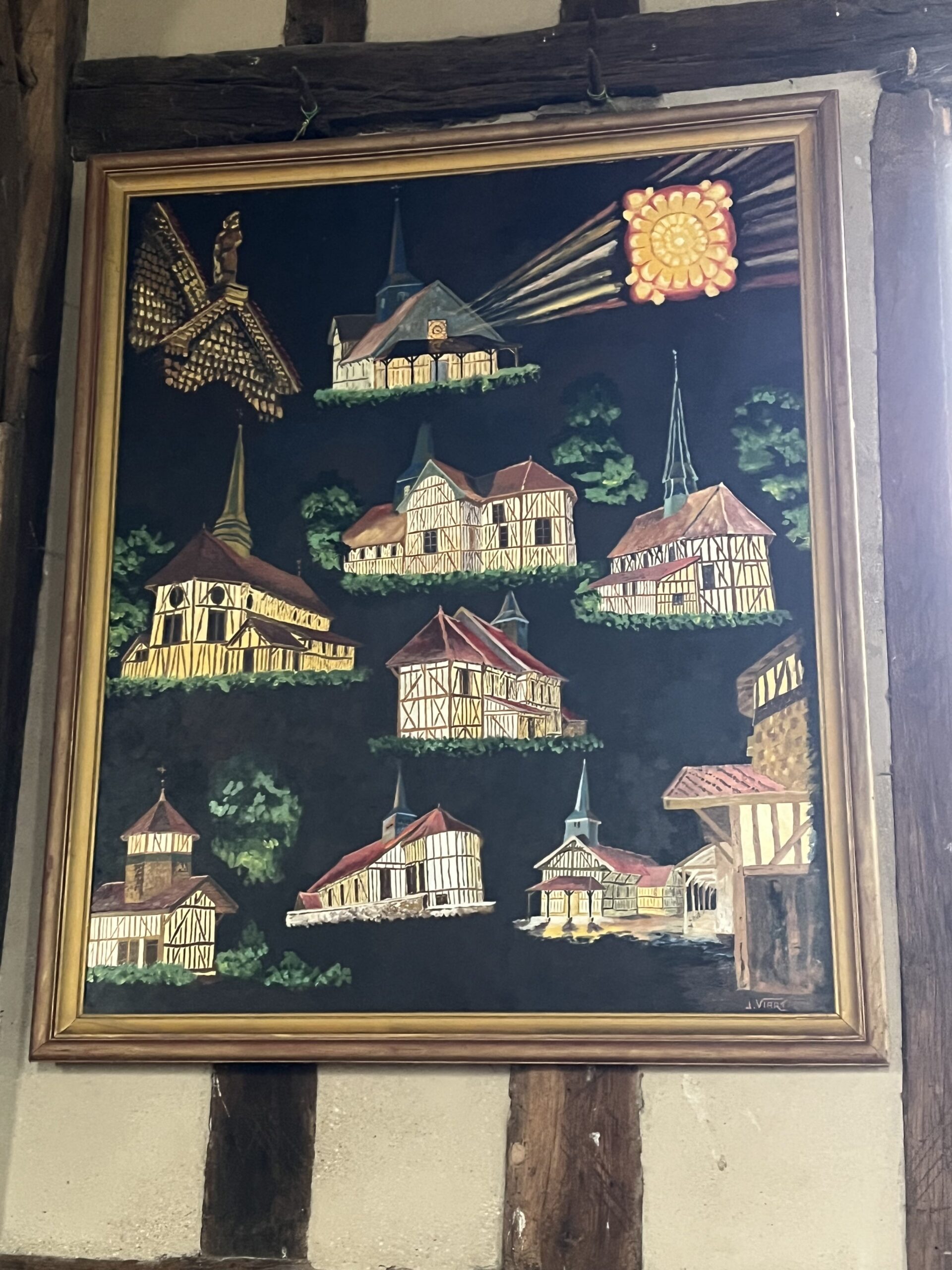
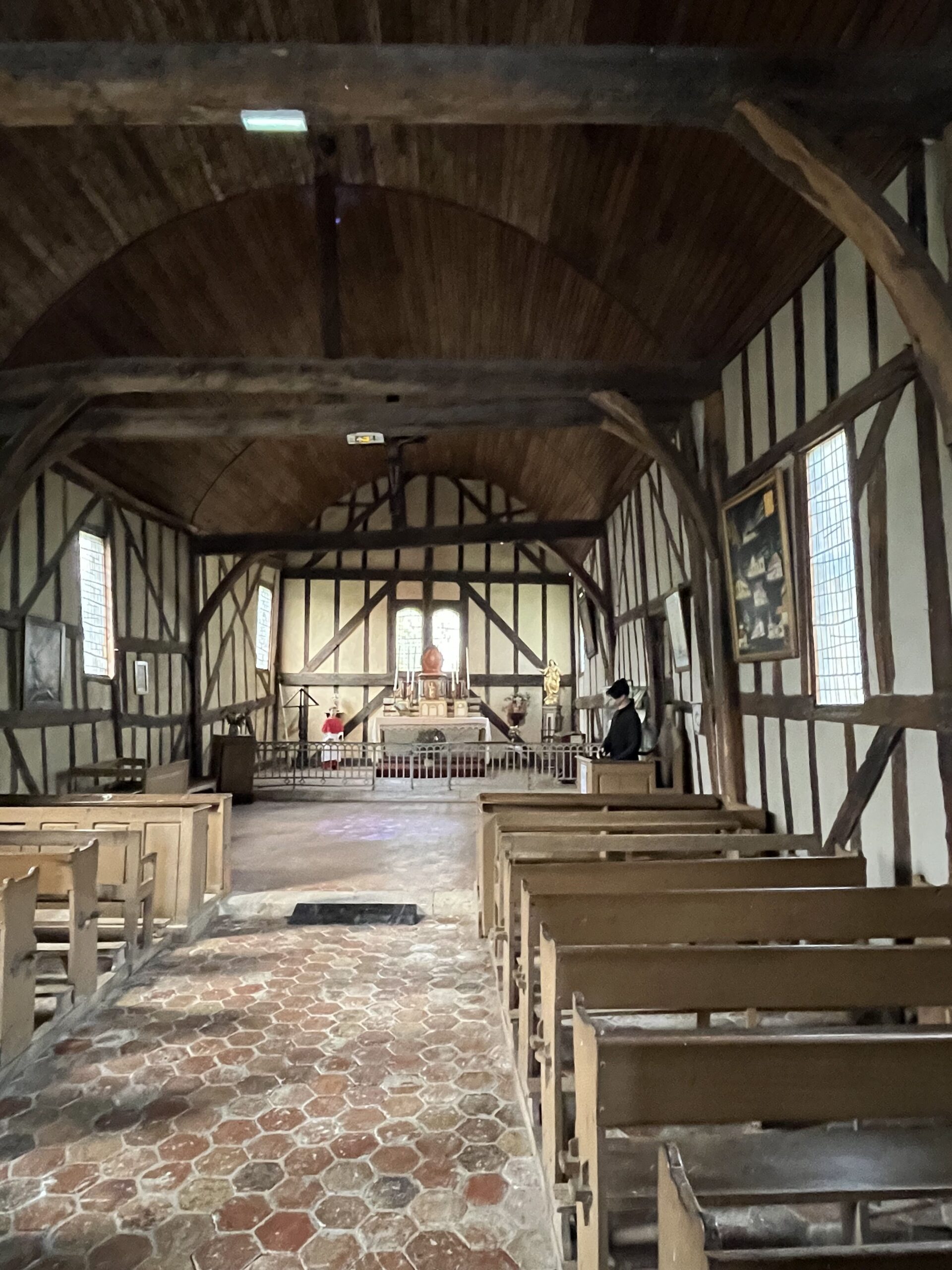
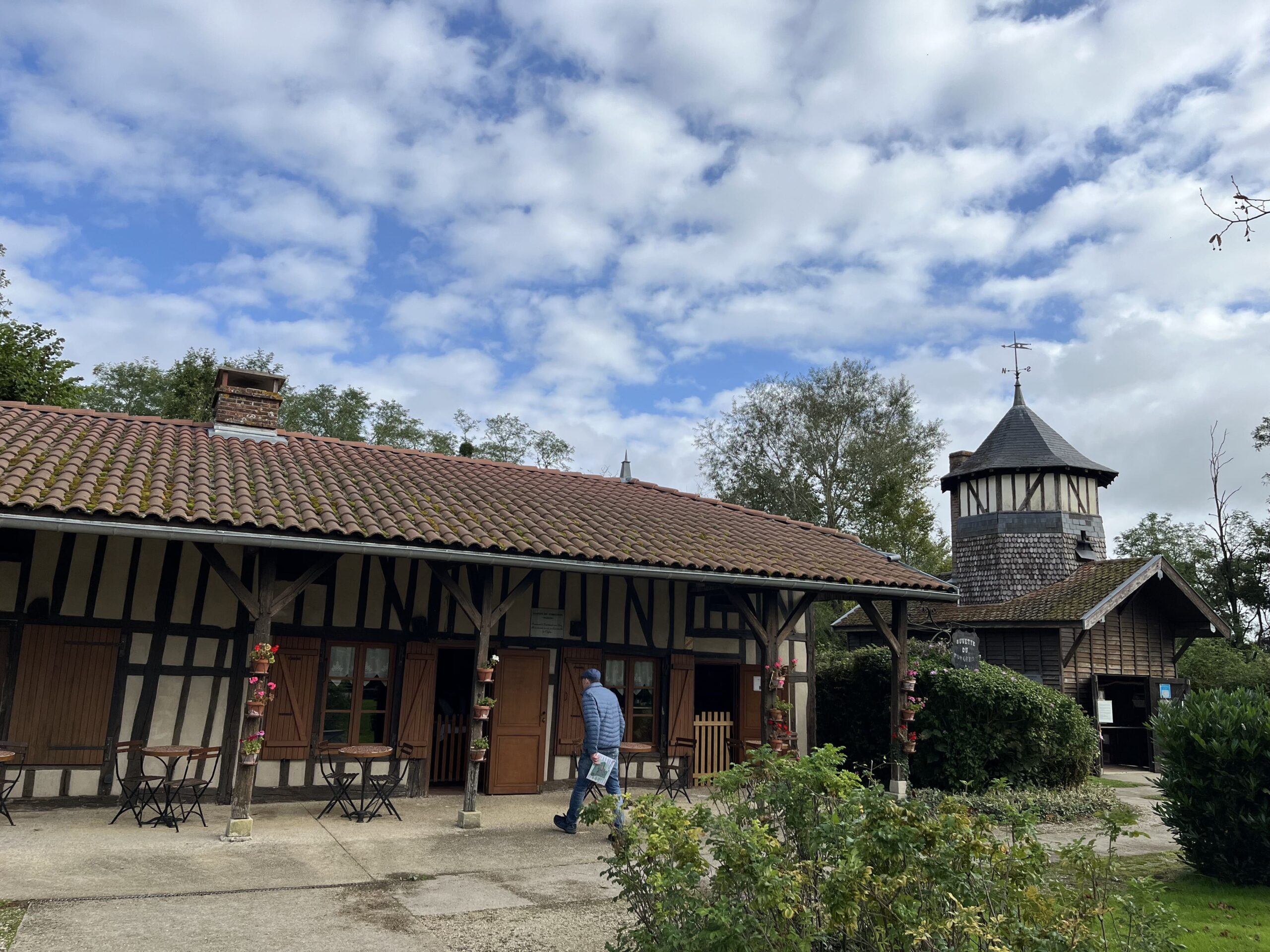
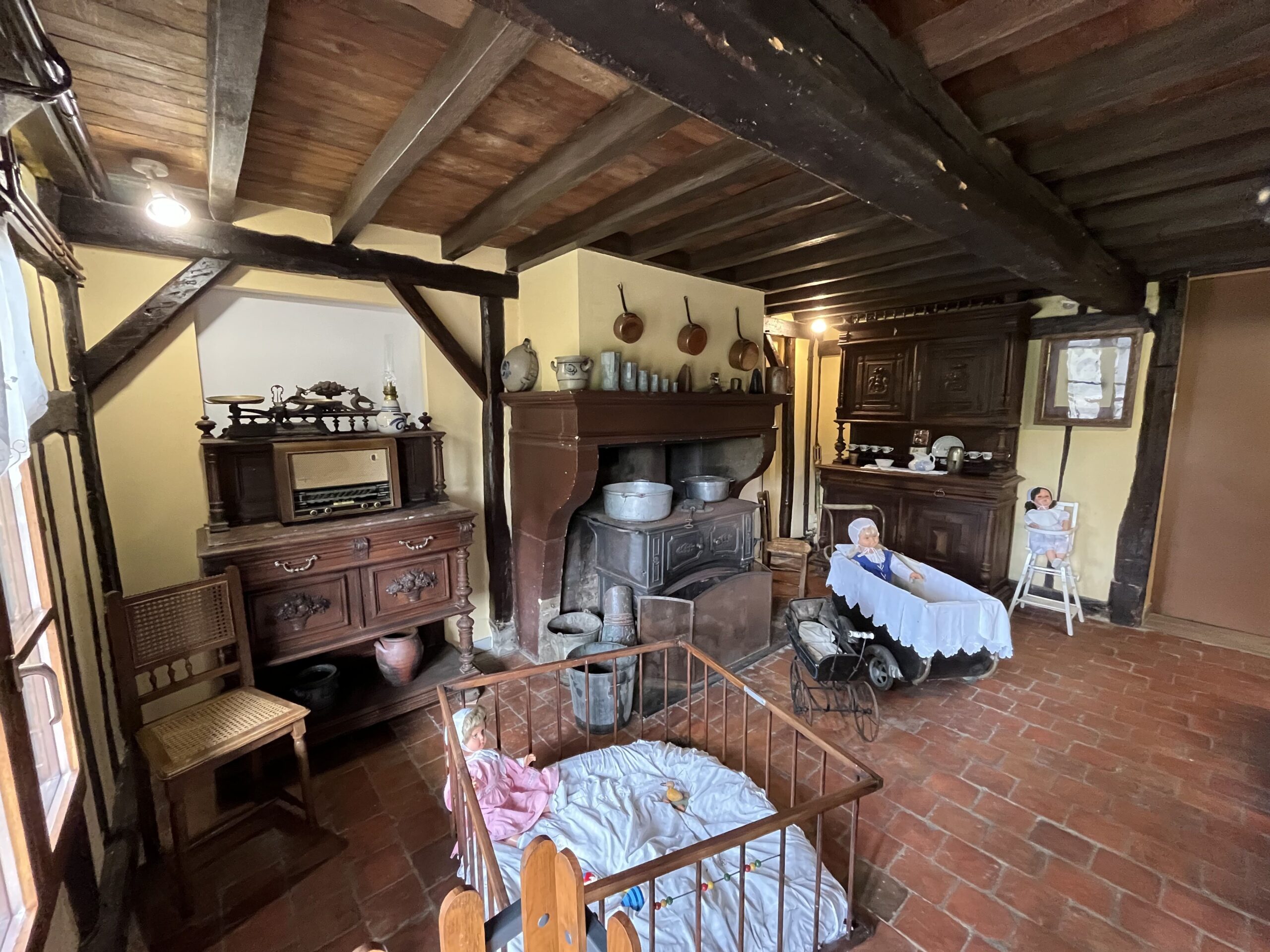
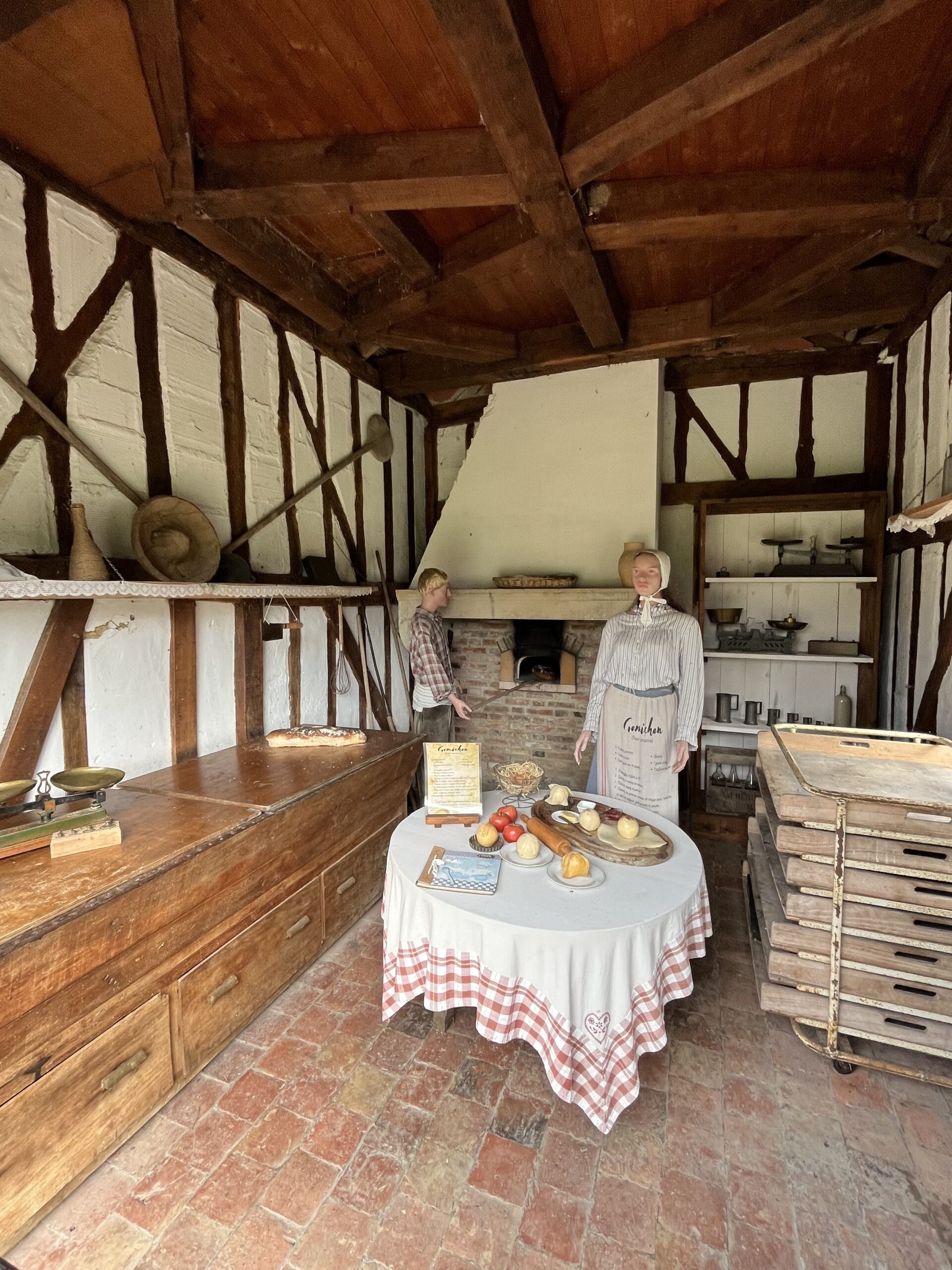
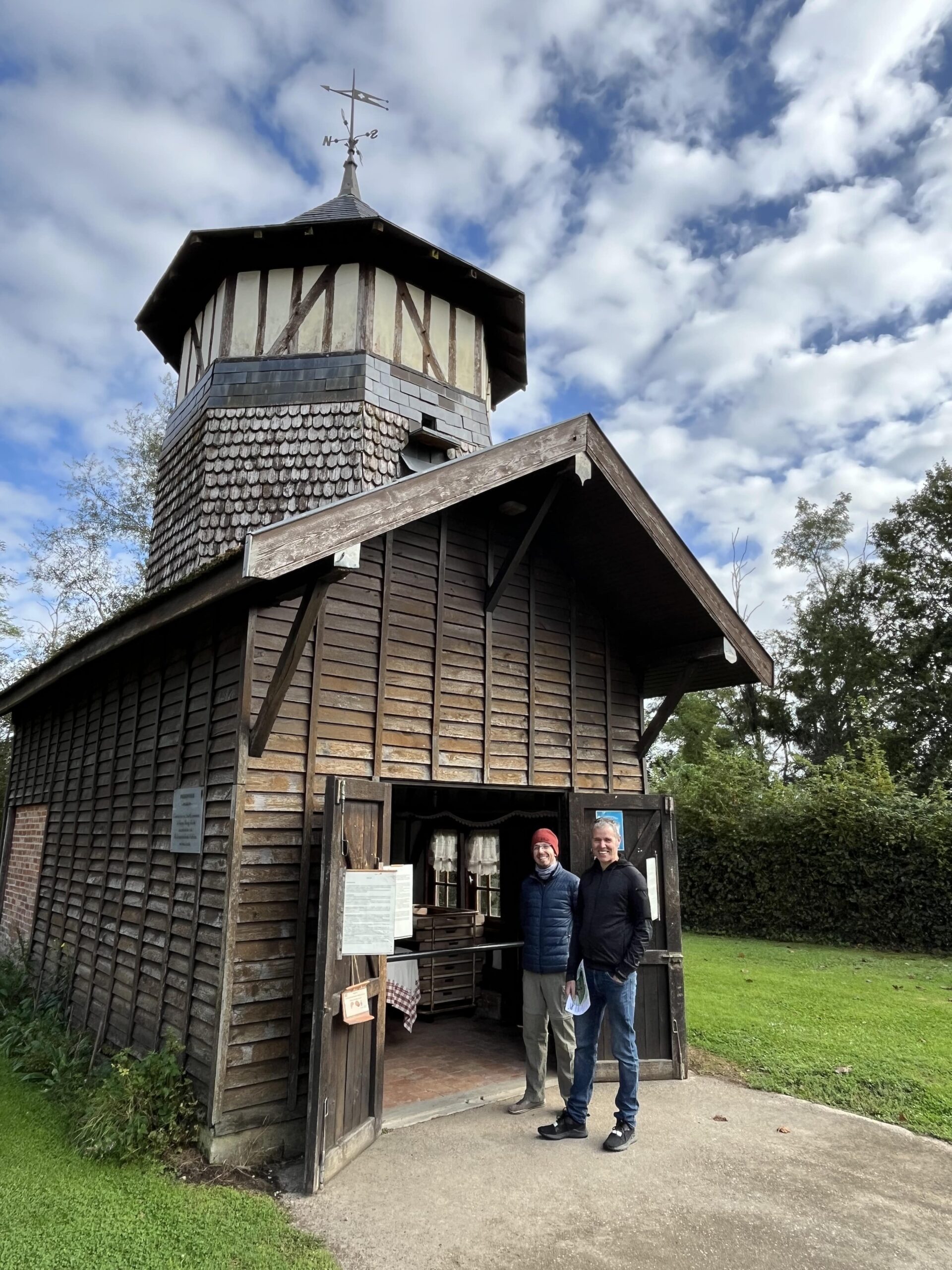
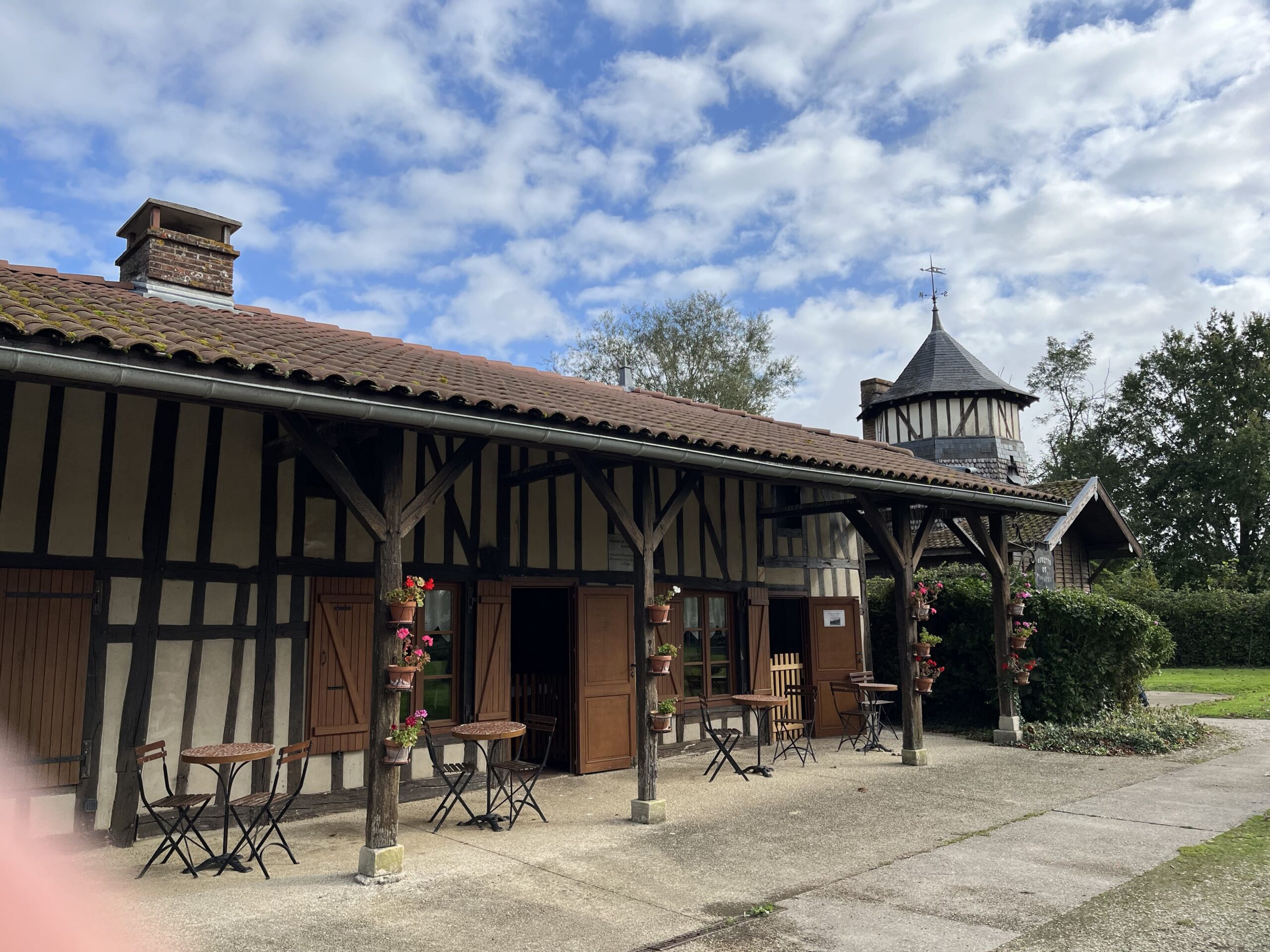
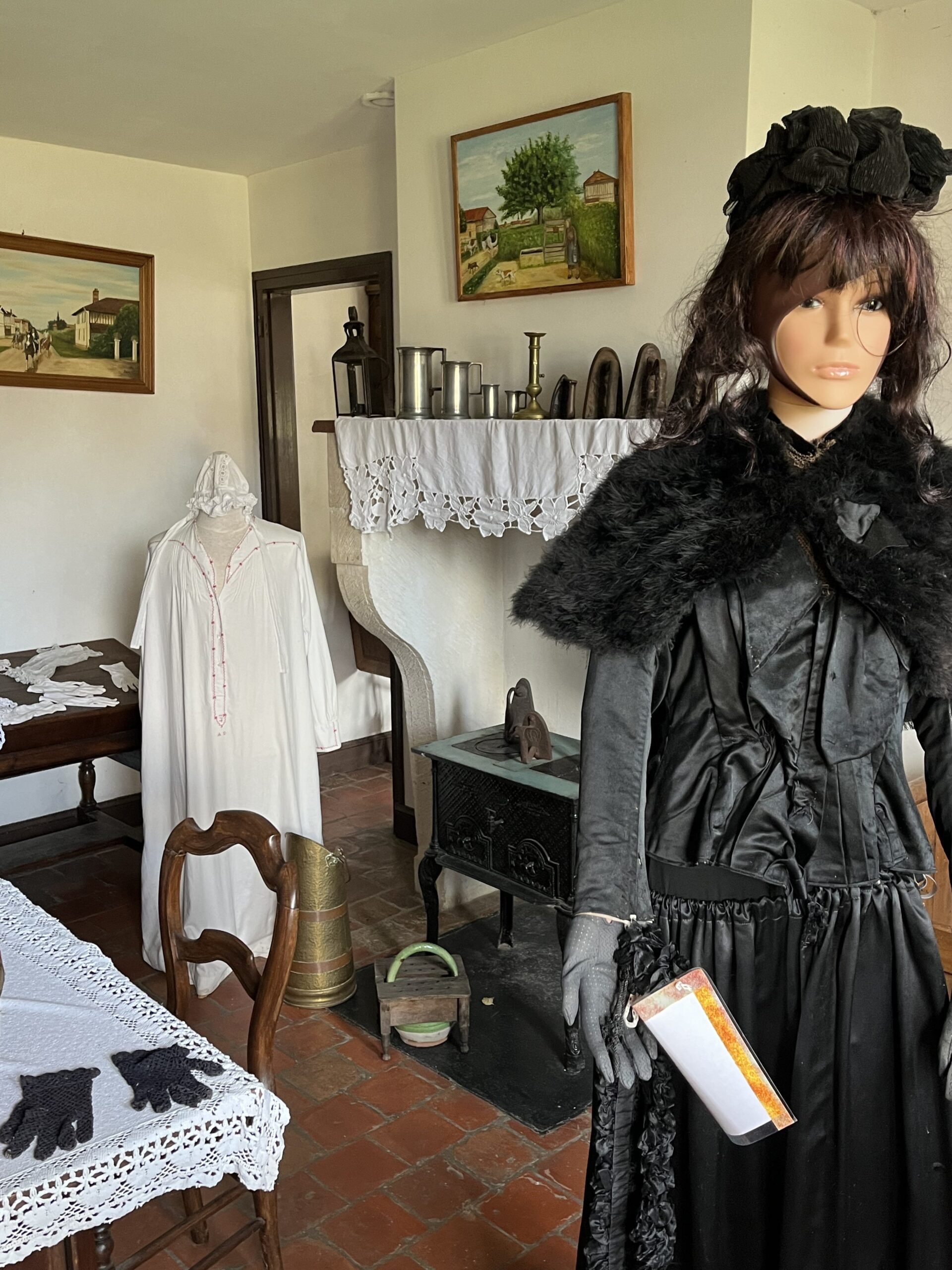
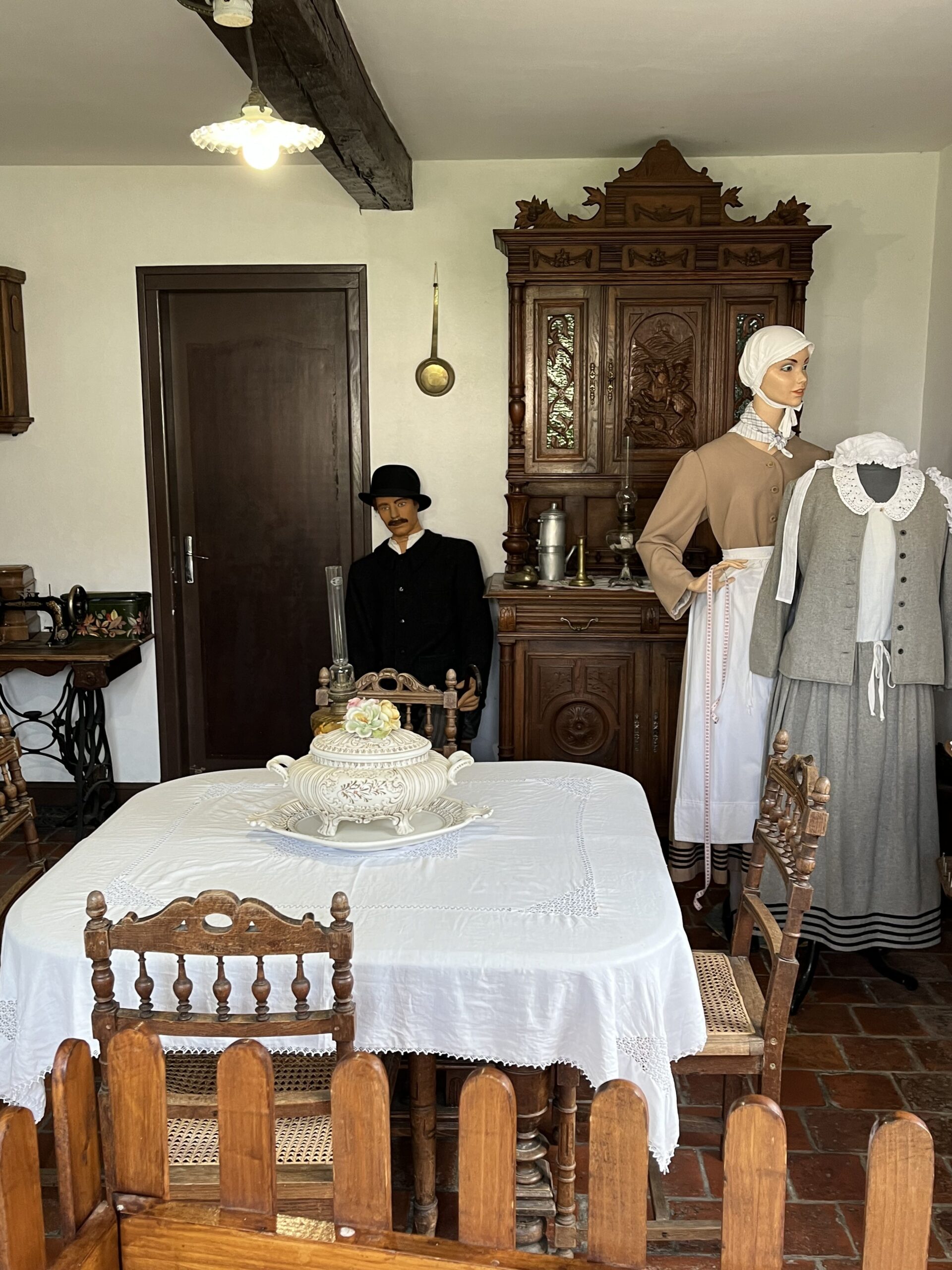
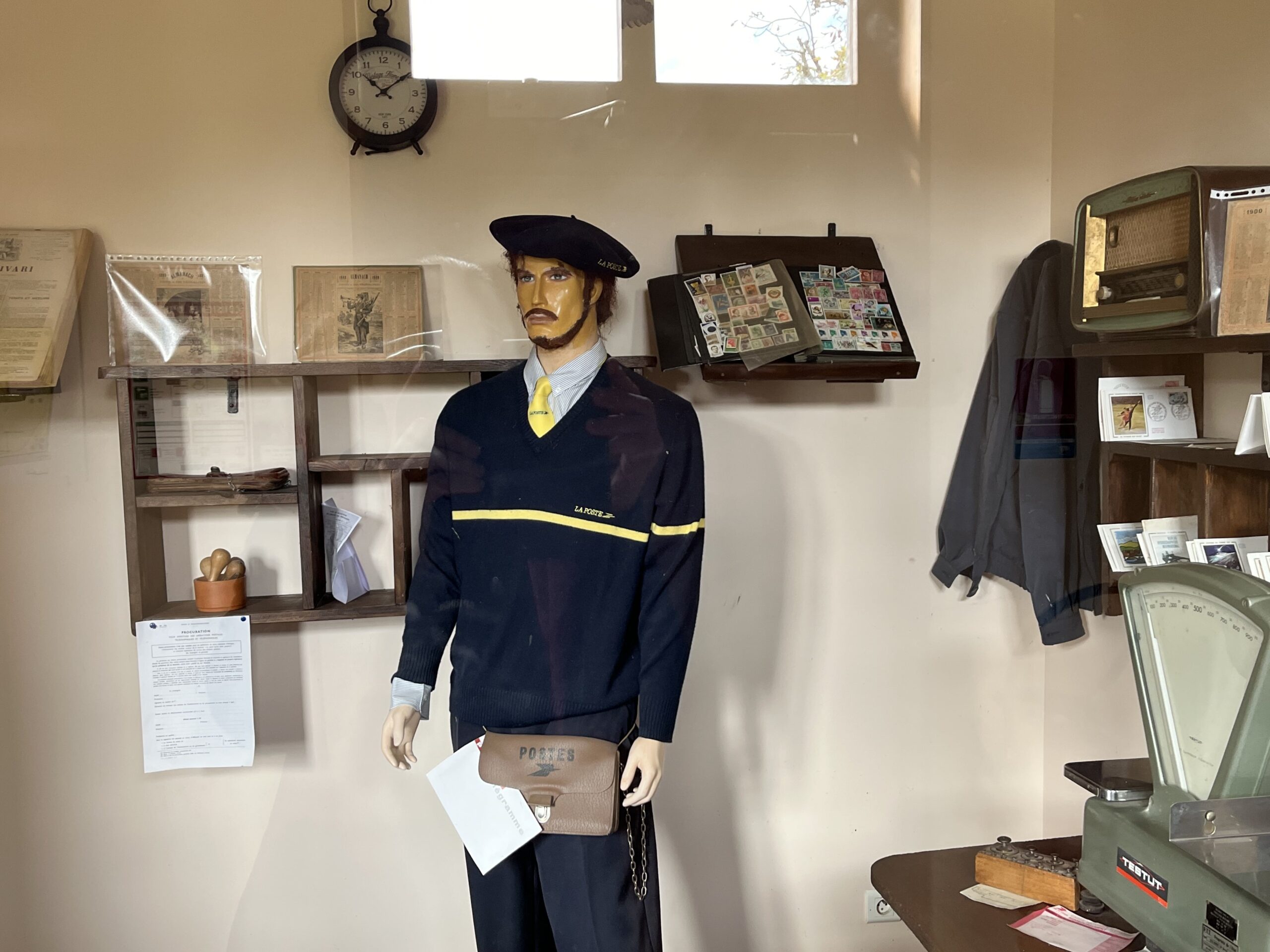
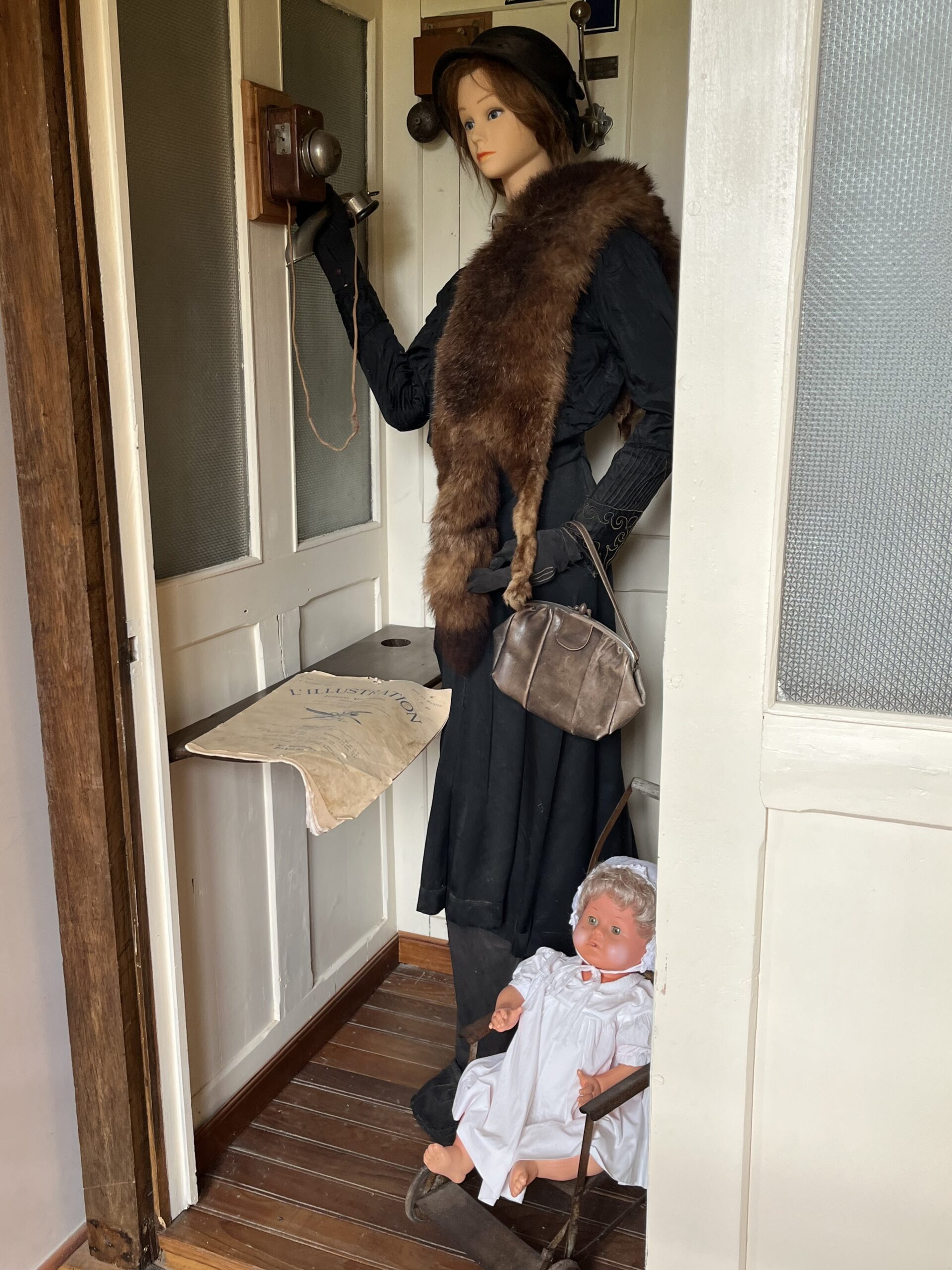
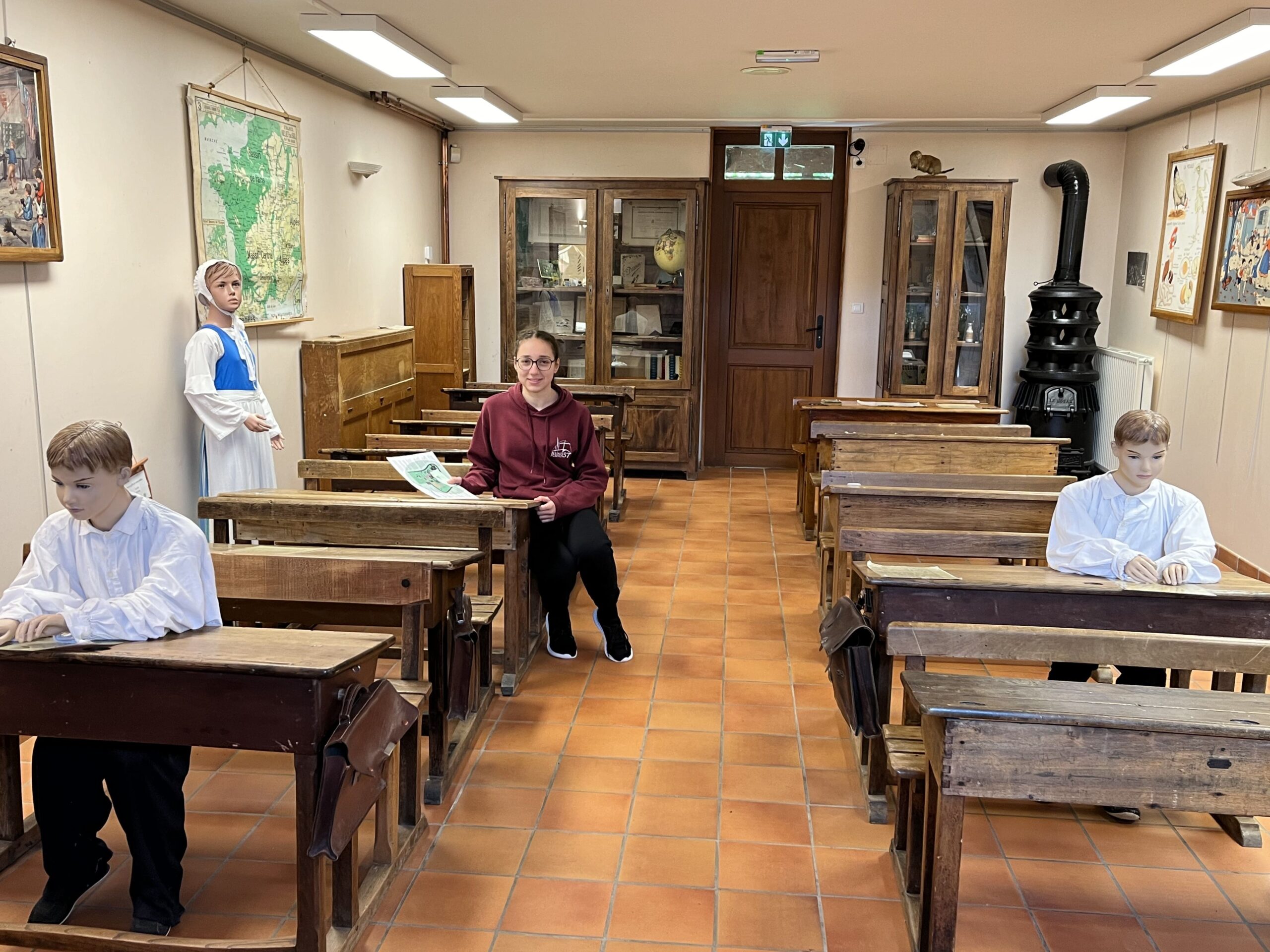
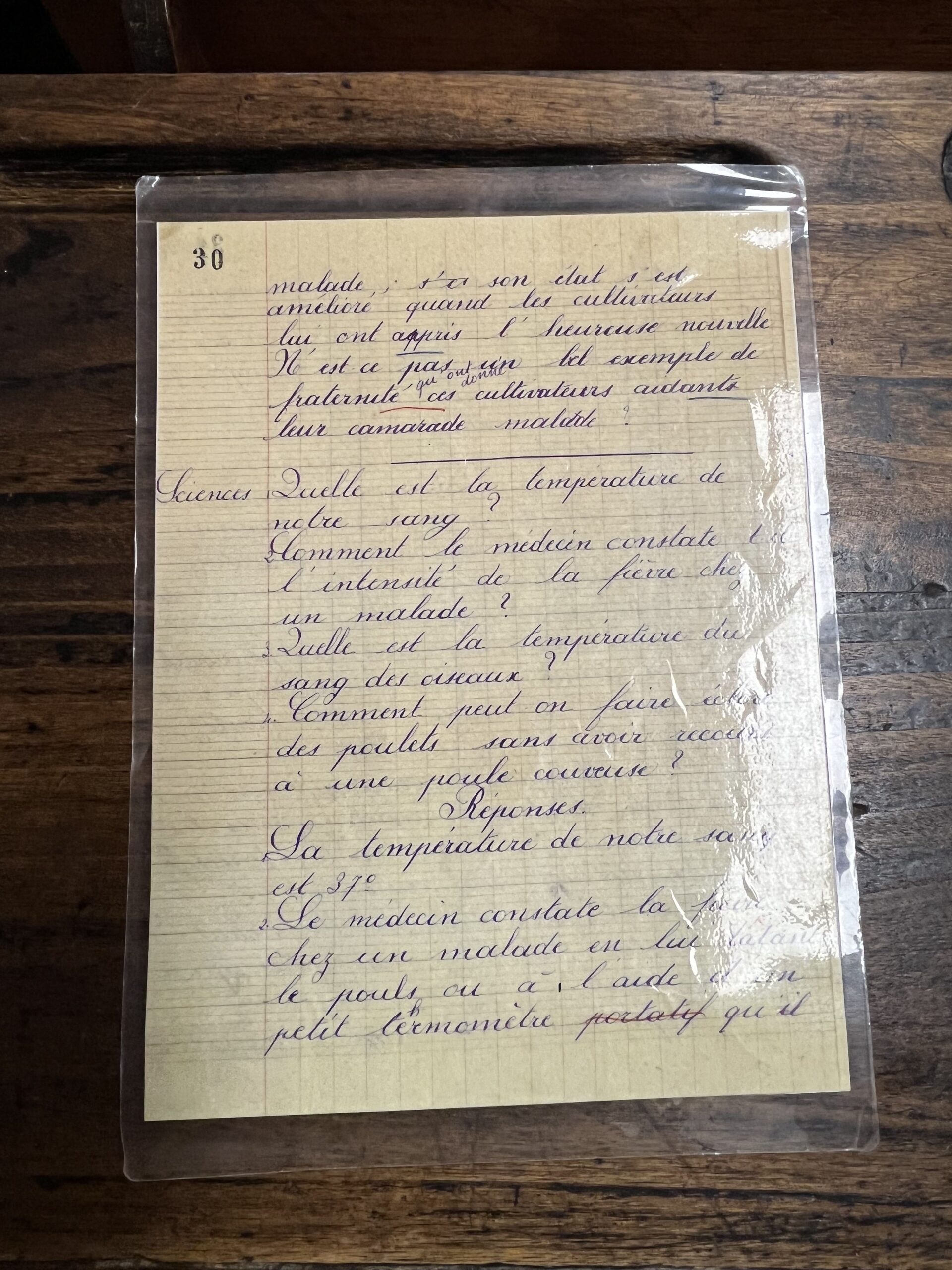
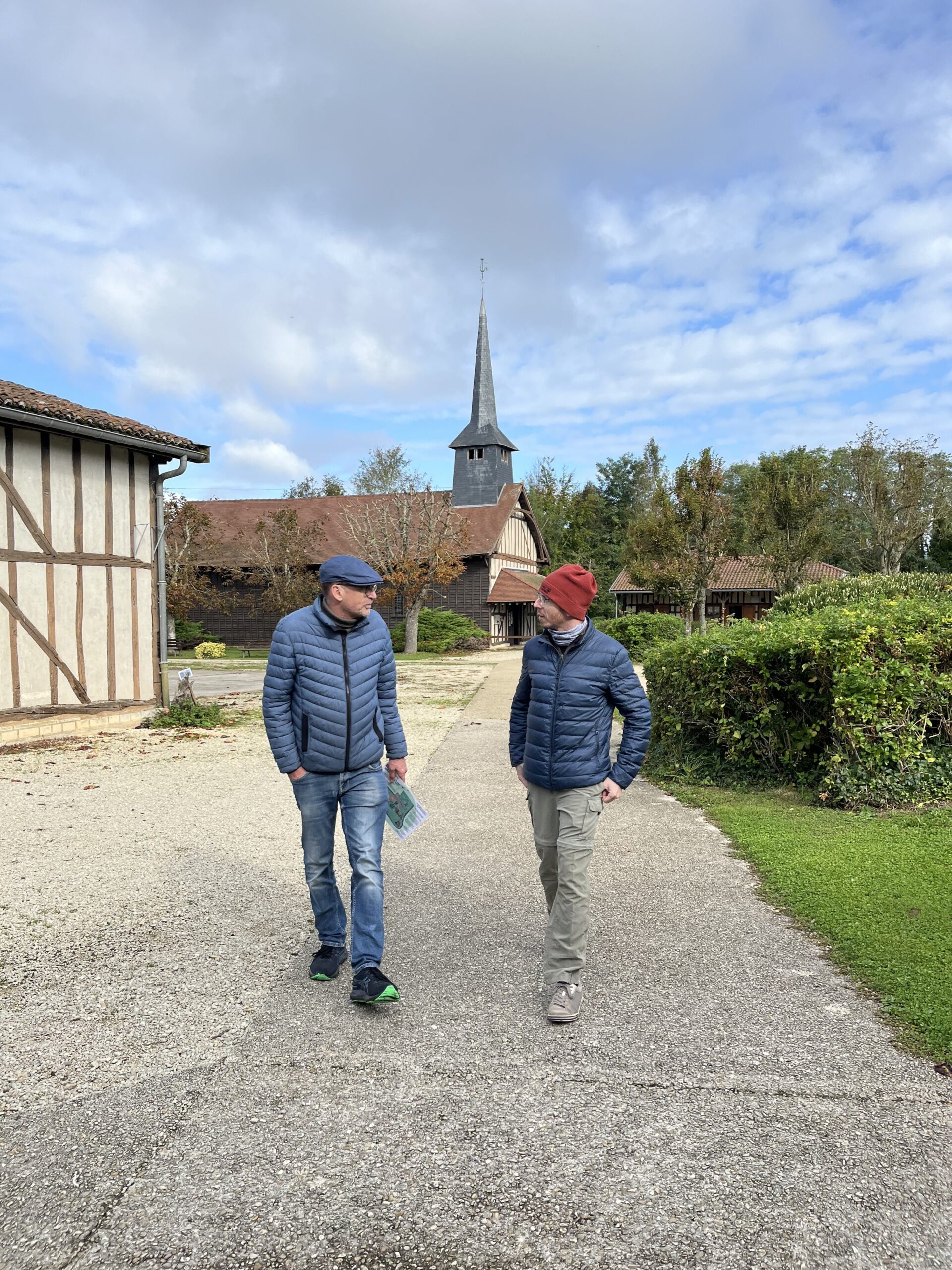
Thanks to enthusiasts and also to preserve the memory of the past, the Der Village Museum was created so that the lives of the inhabitants of that time, their villages and the amazing history of their heritage would not be forgotten. From the school classroom to the church in Champaubert-aux-Bois, via a model of the village, everything is there to show visitors the history of the villages before they were sacrificed to the waters of the lake. Next to the old school, you can stroll through the Jardin du Curé (Priest’s Garden) or the Jardin des Simples (Herb Garden) to discover medicinal plants.



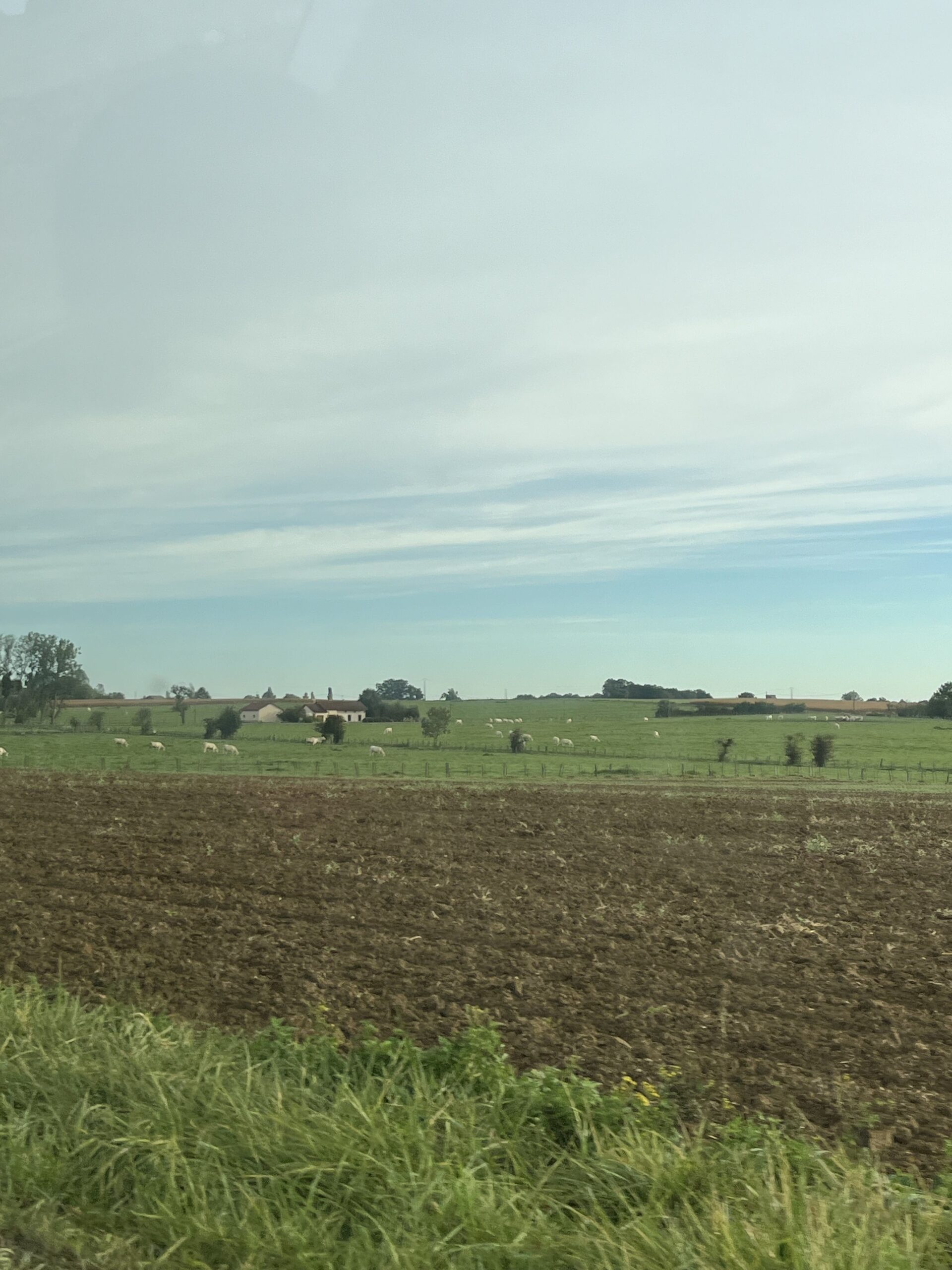
Around the lake
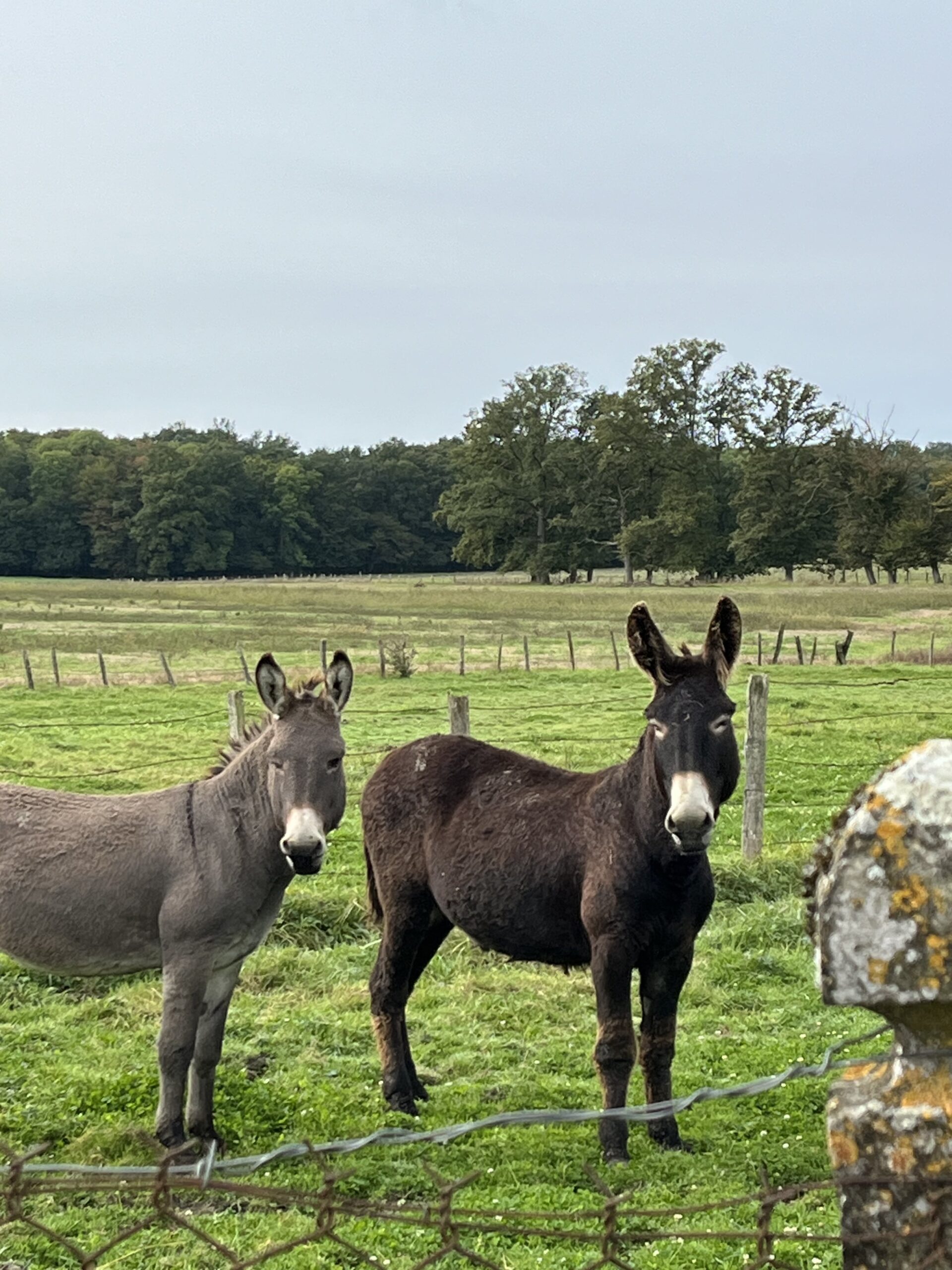
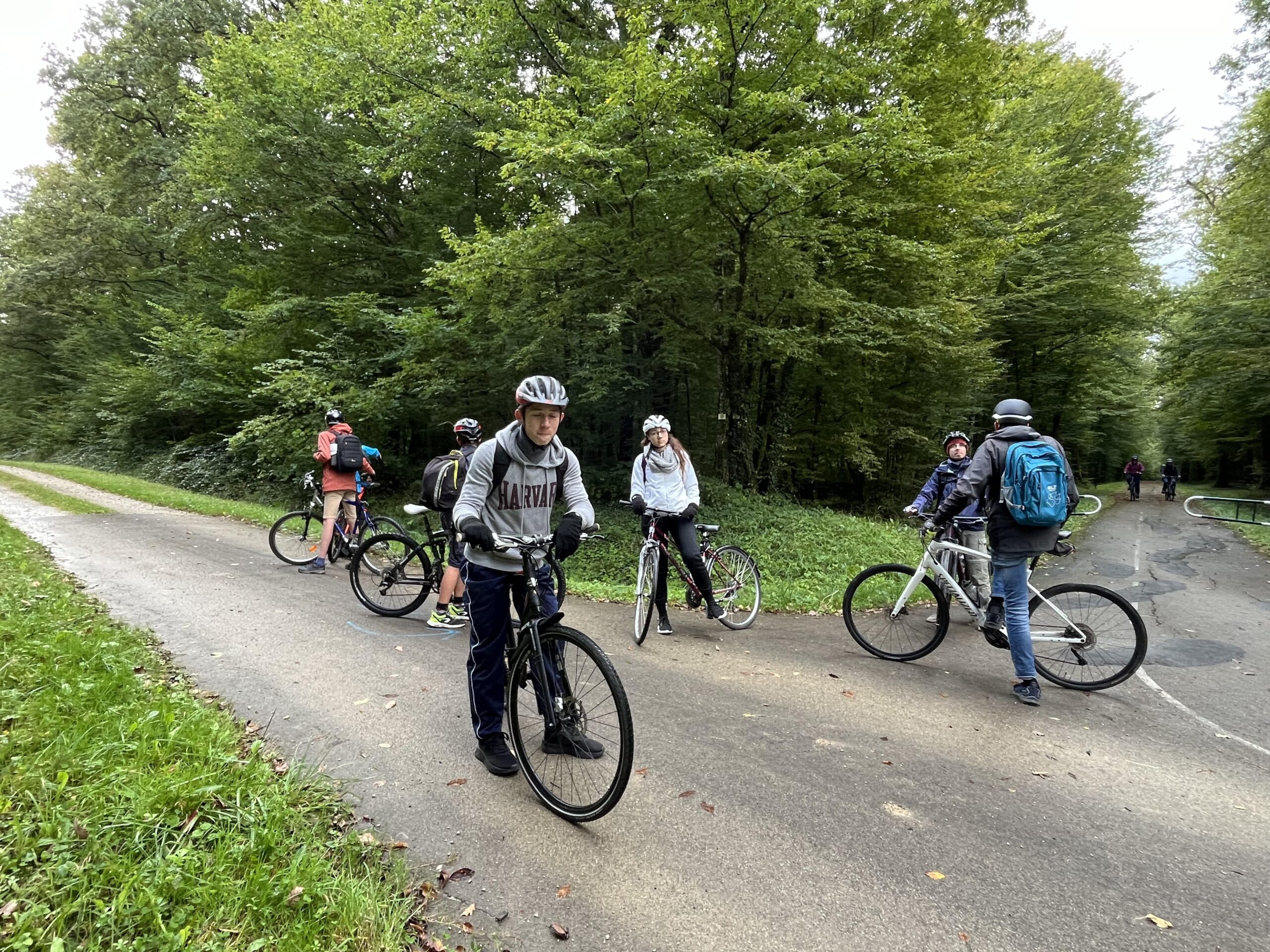
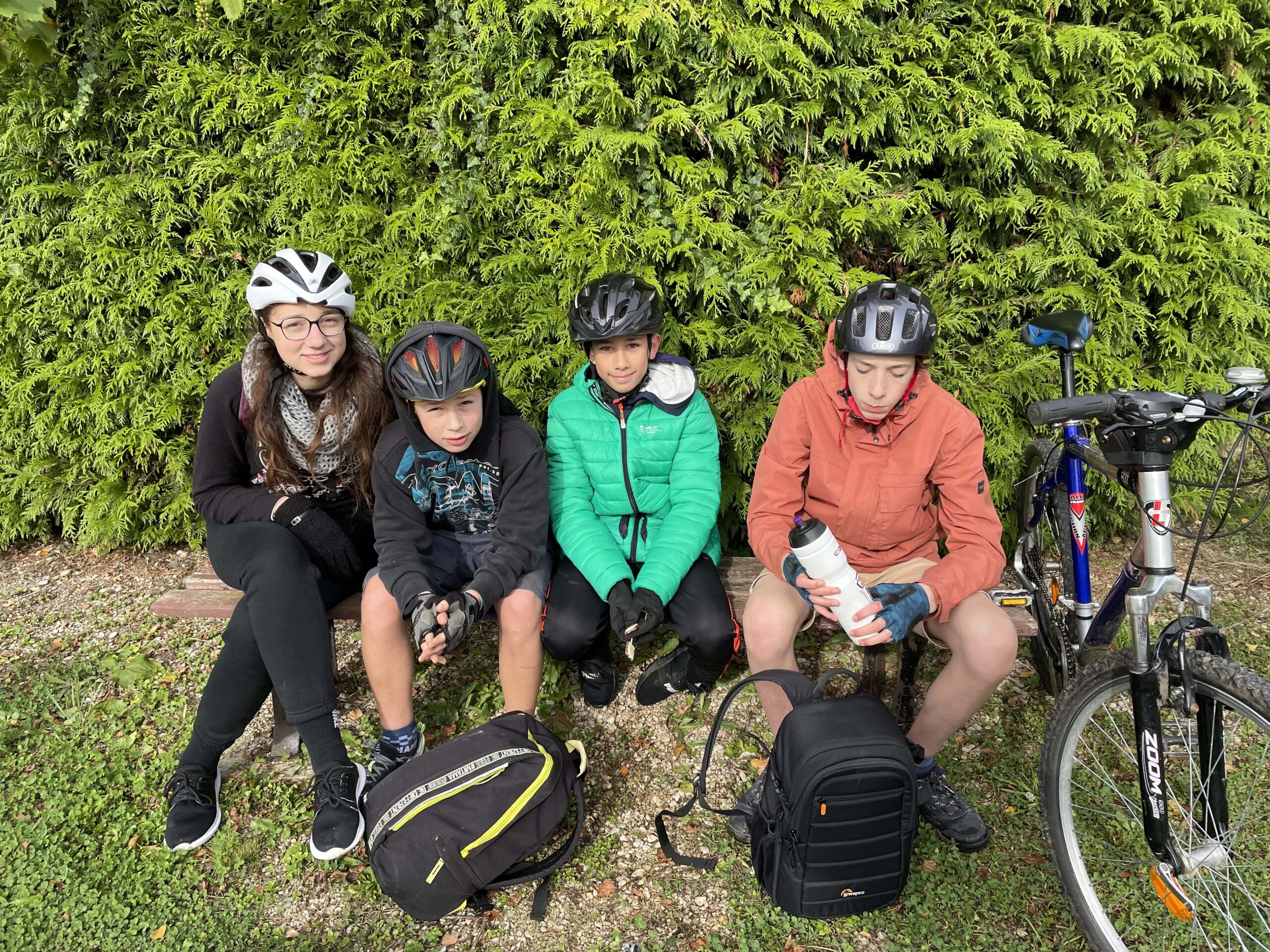
During breaks, cyclists were able to admire the natural beauty of Lake Der and the 300-year-old oak trees in the surrounding forests. Although the lake is artificial, it has helped nature by providing quiet areas for the 300 species of birds that have been recorded there to date.
Key figures
• 4,800 hectares: total area of the structure
• 349 million m3: capacity
• 20.3 km: earthen dykes with a maximum height of 20 m
• 2,900 km²: controlled catchment area




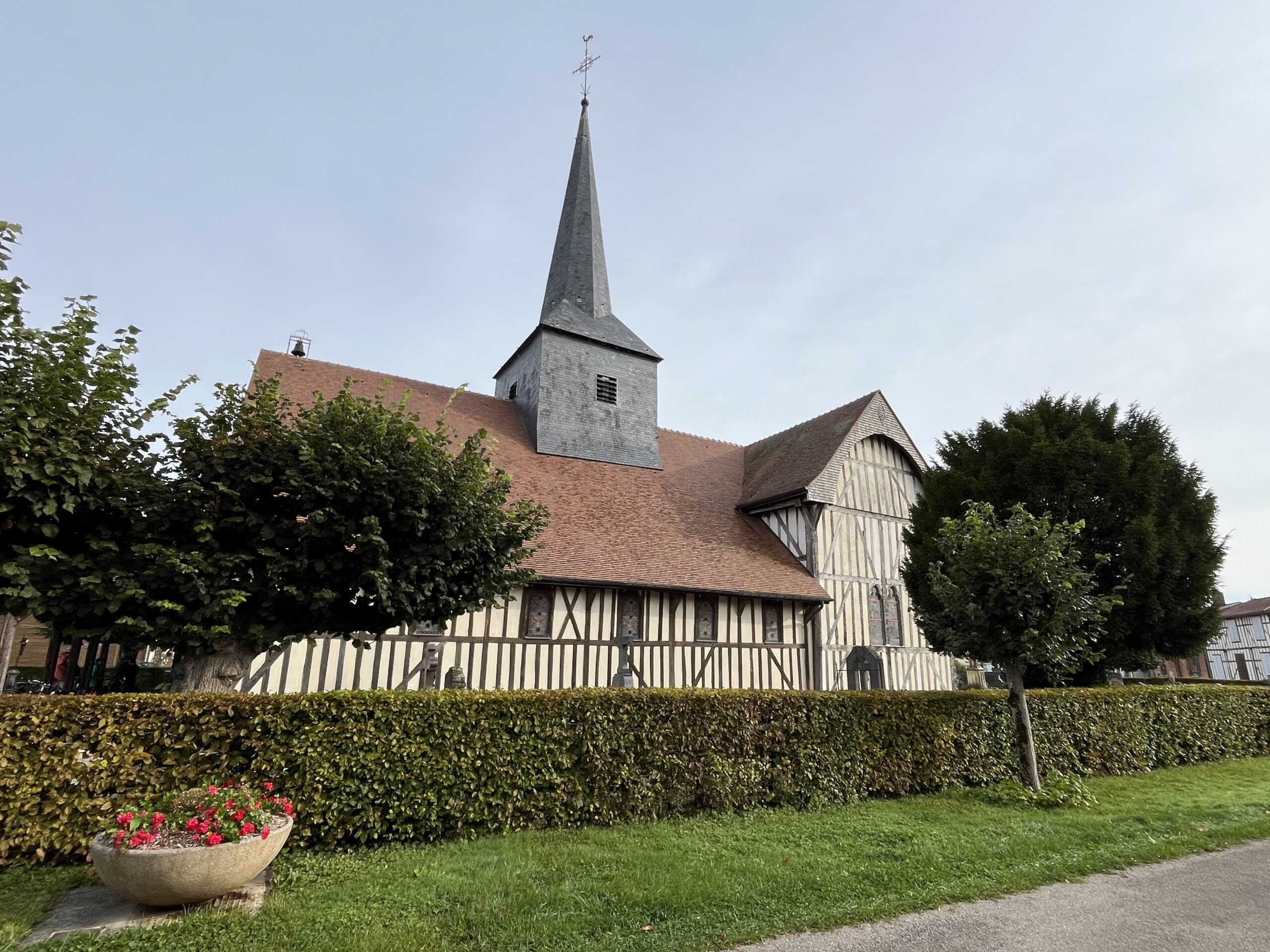
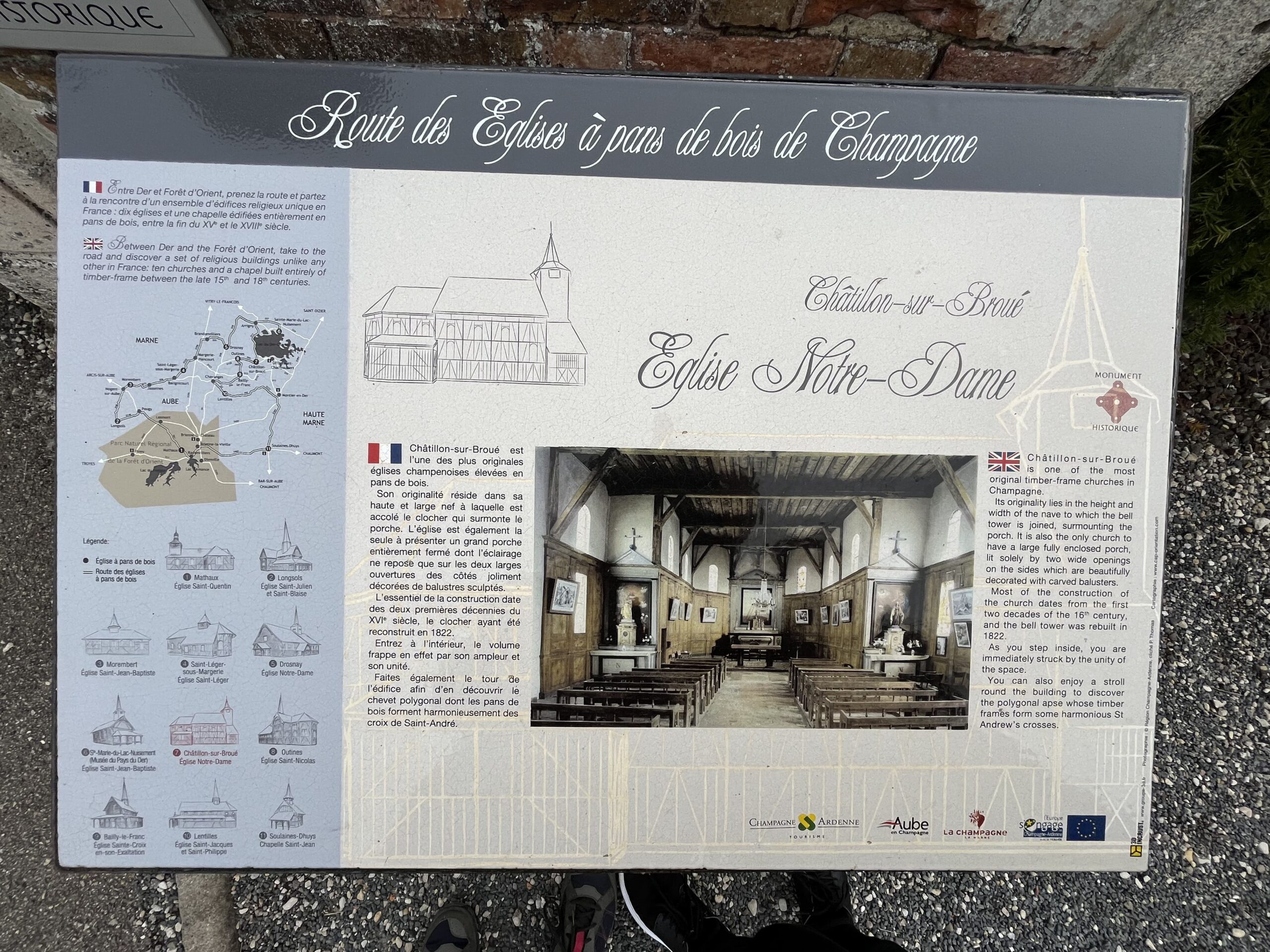
Half-timbered churches, an exceptional heritage
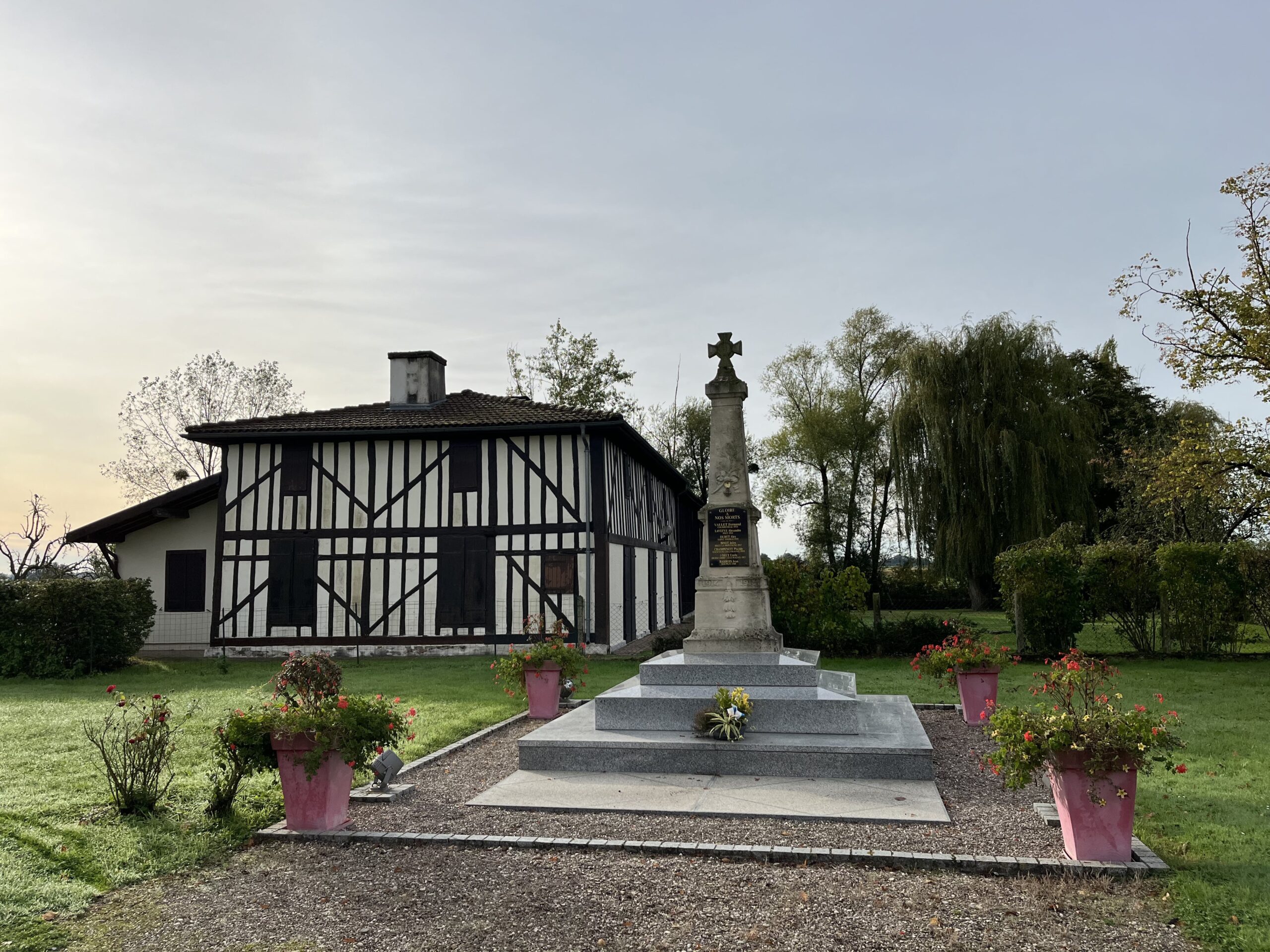
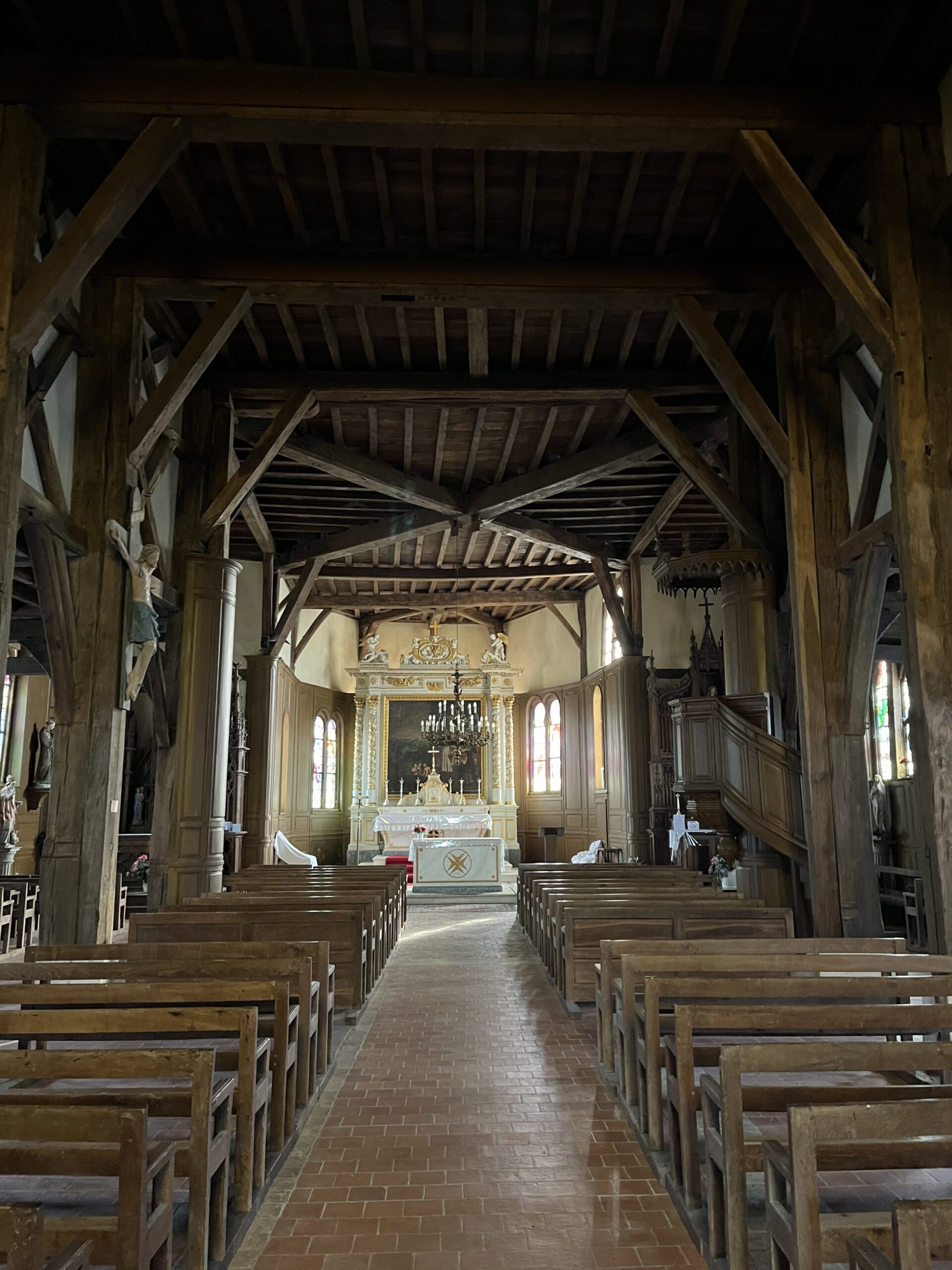
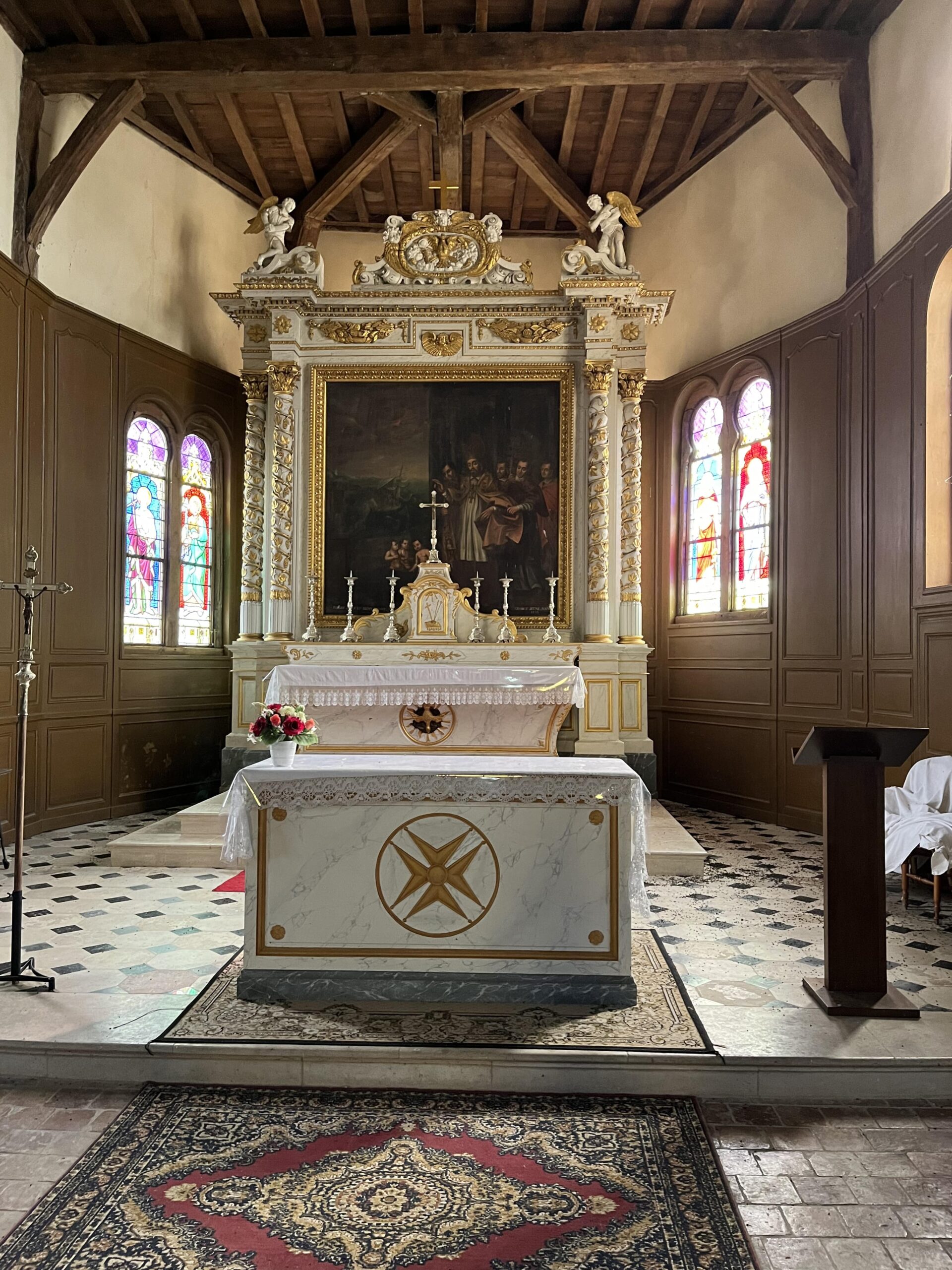
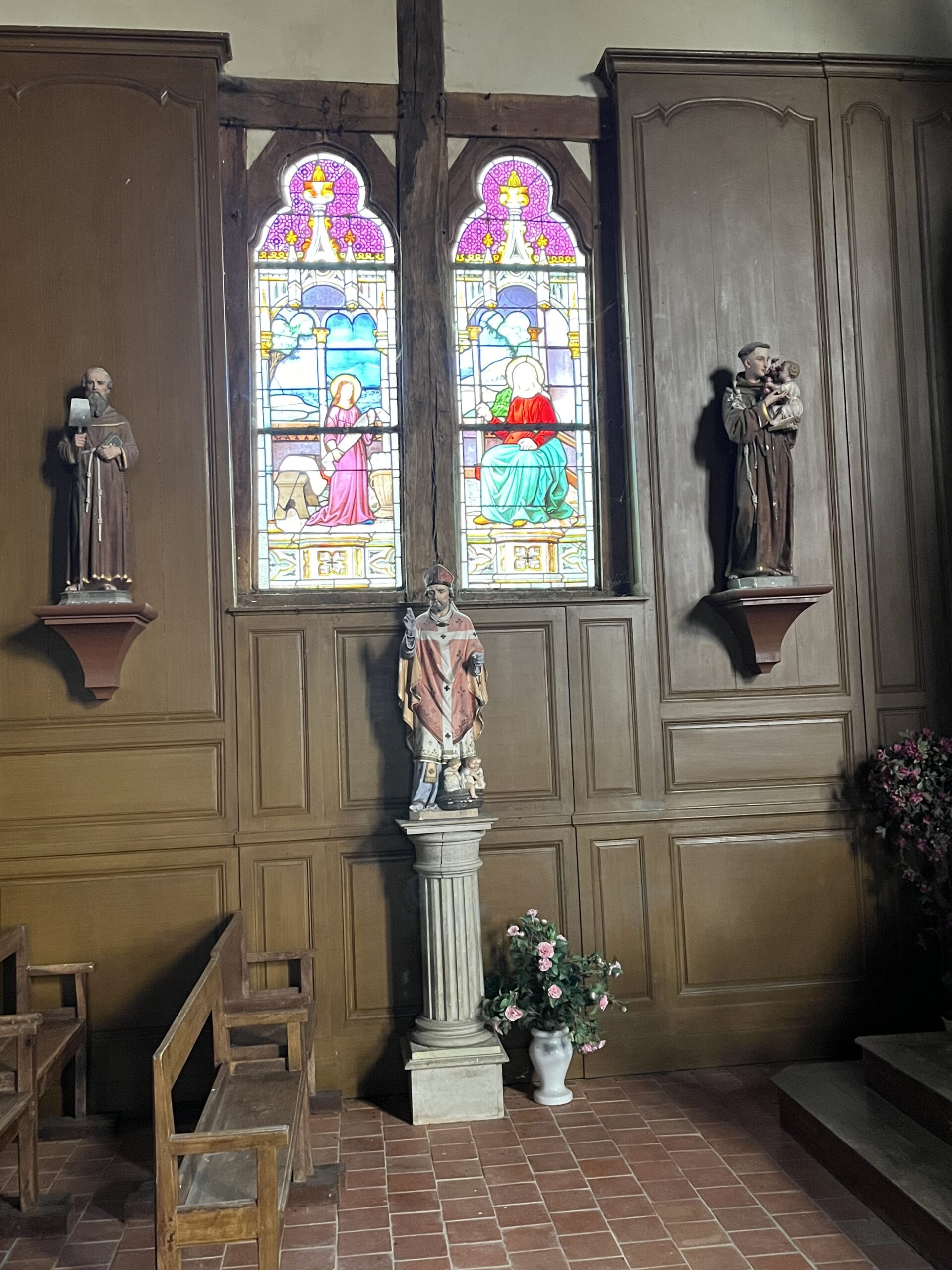
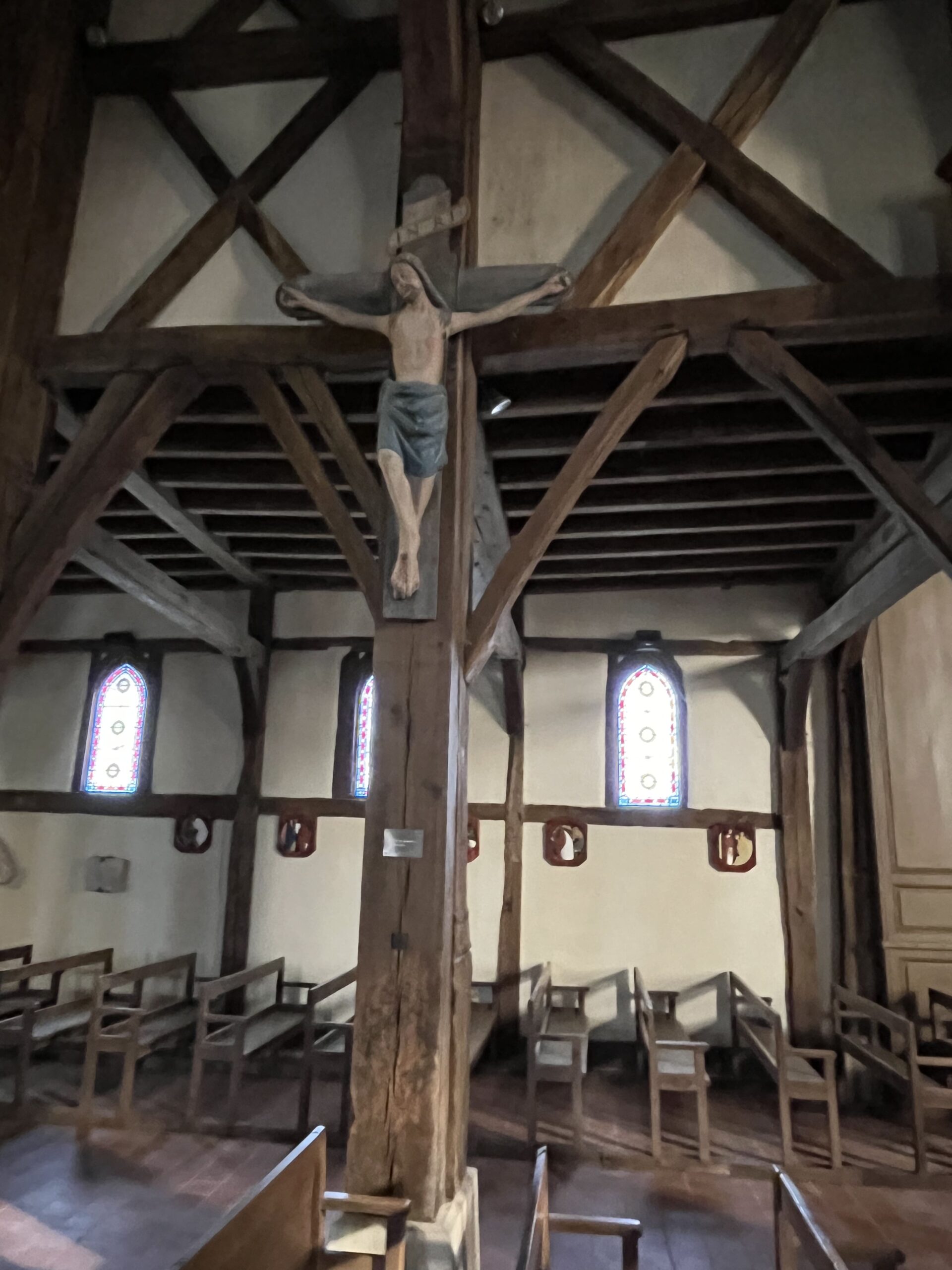
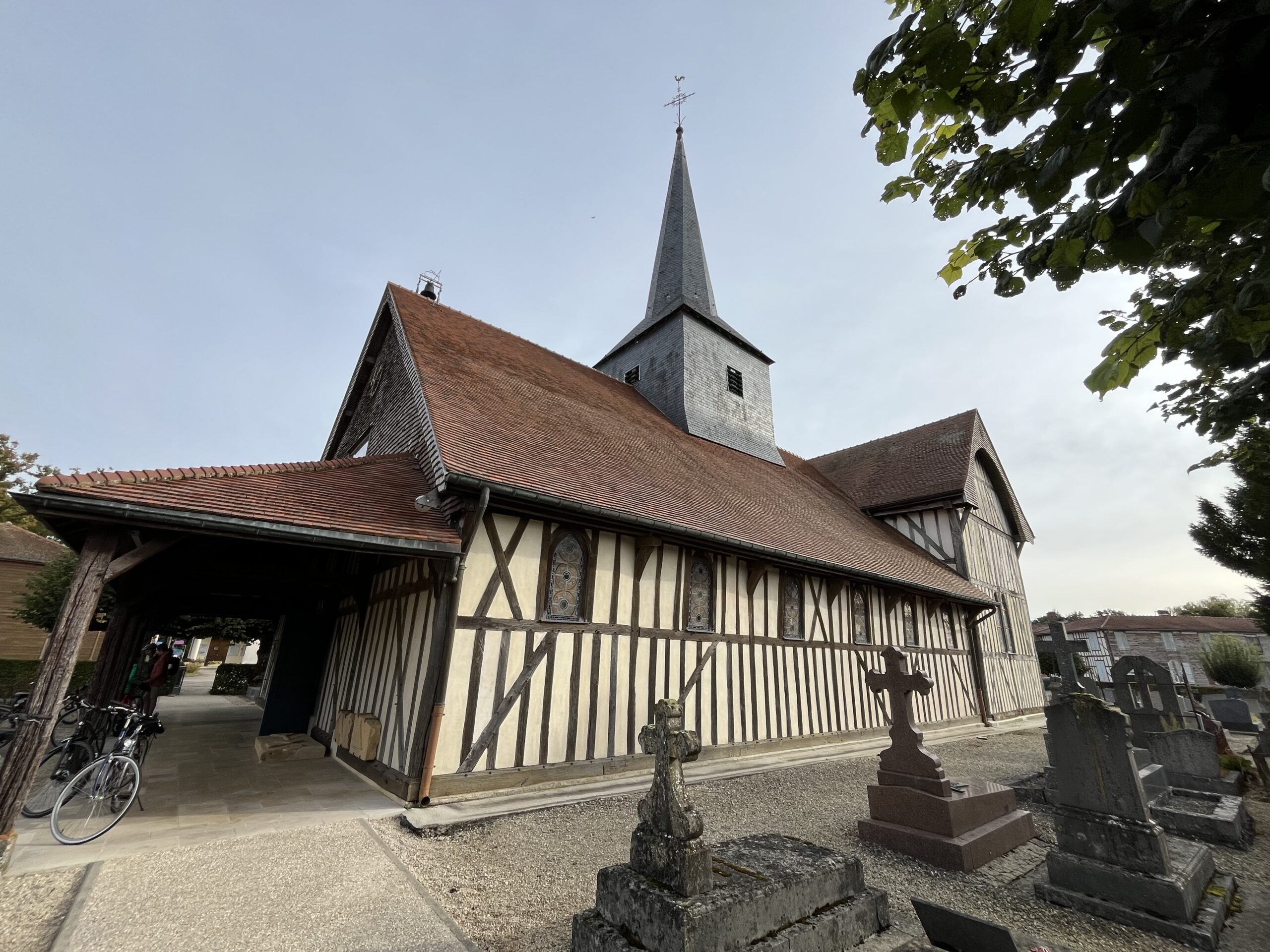
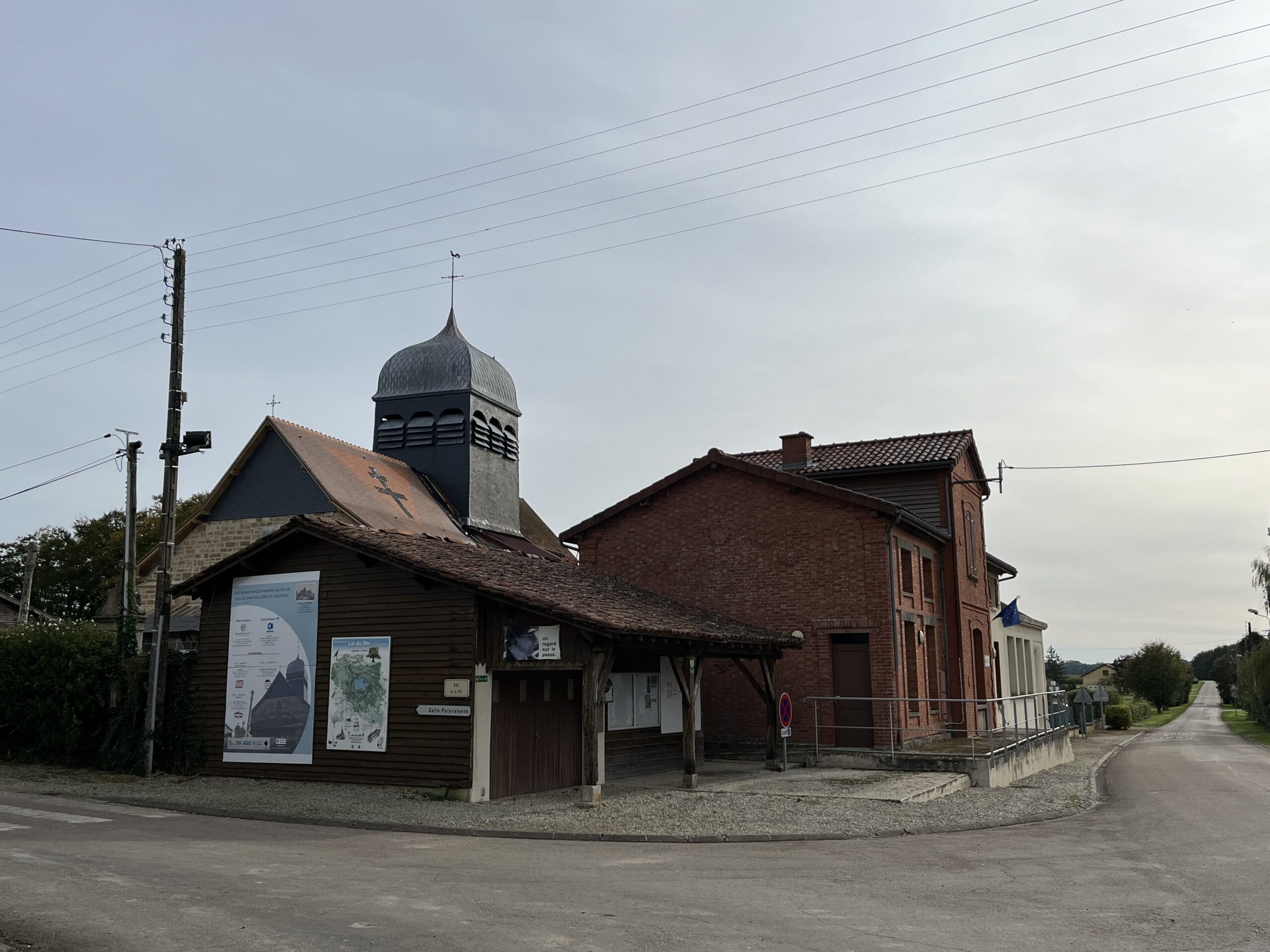
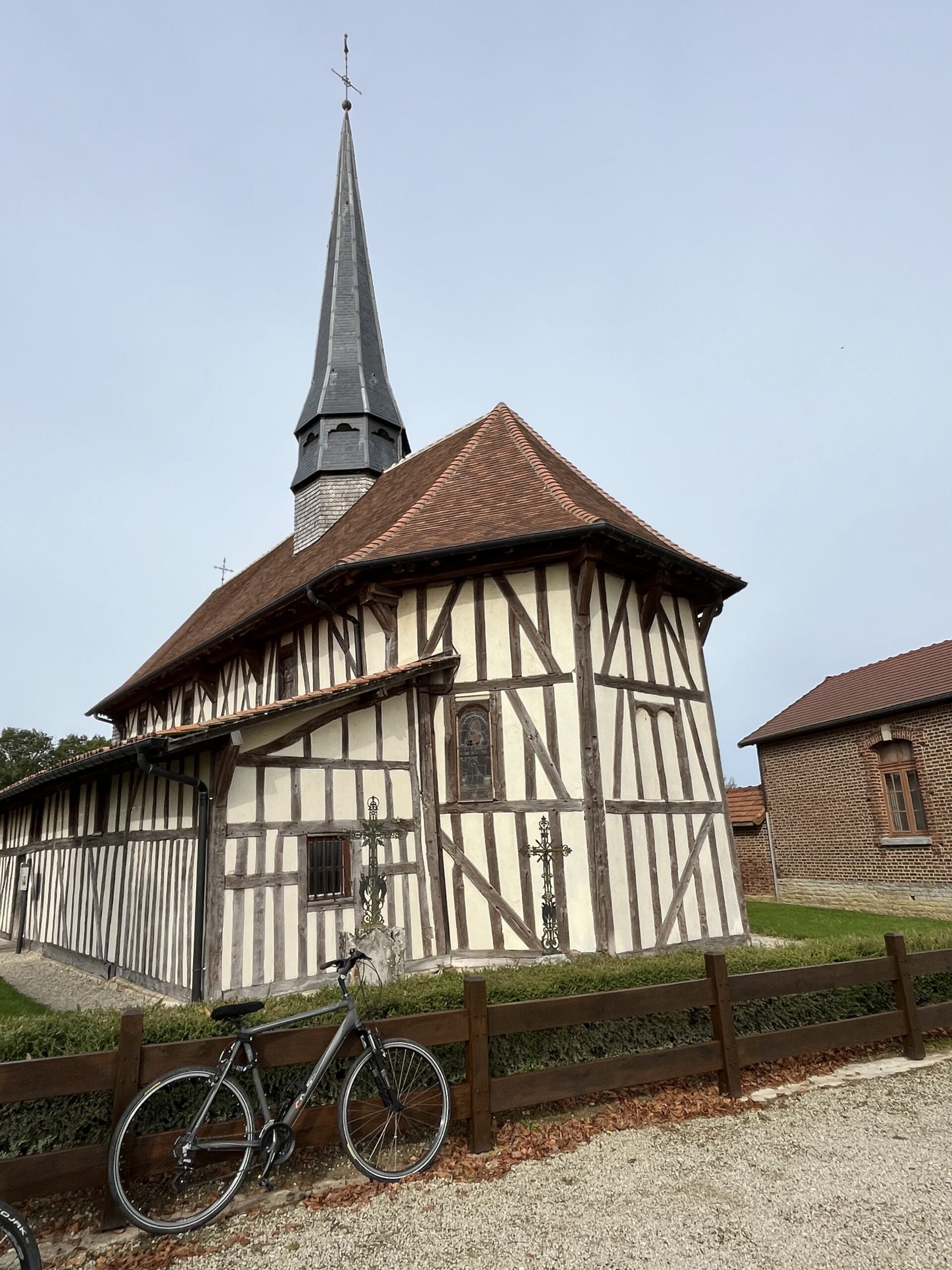
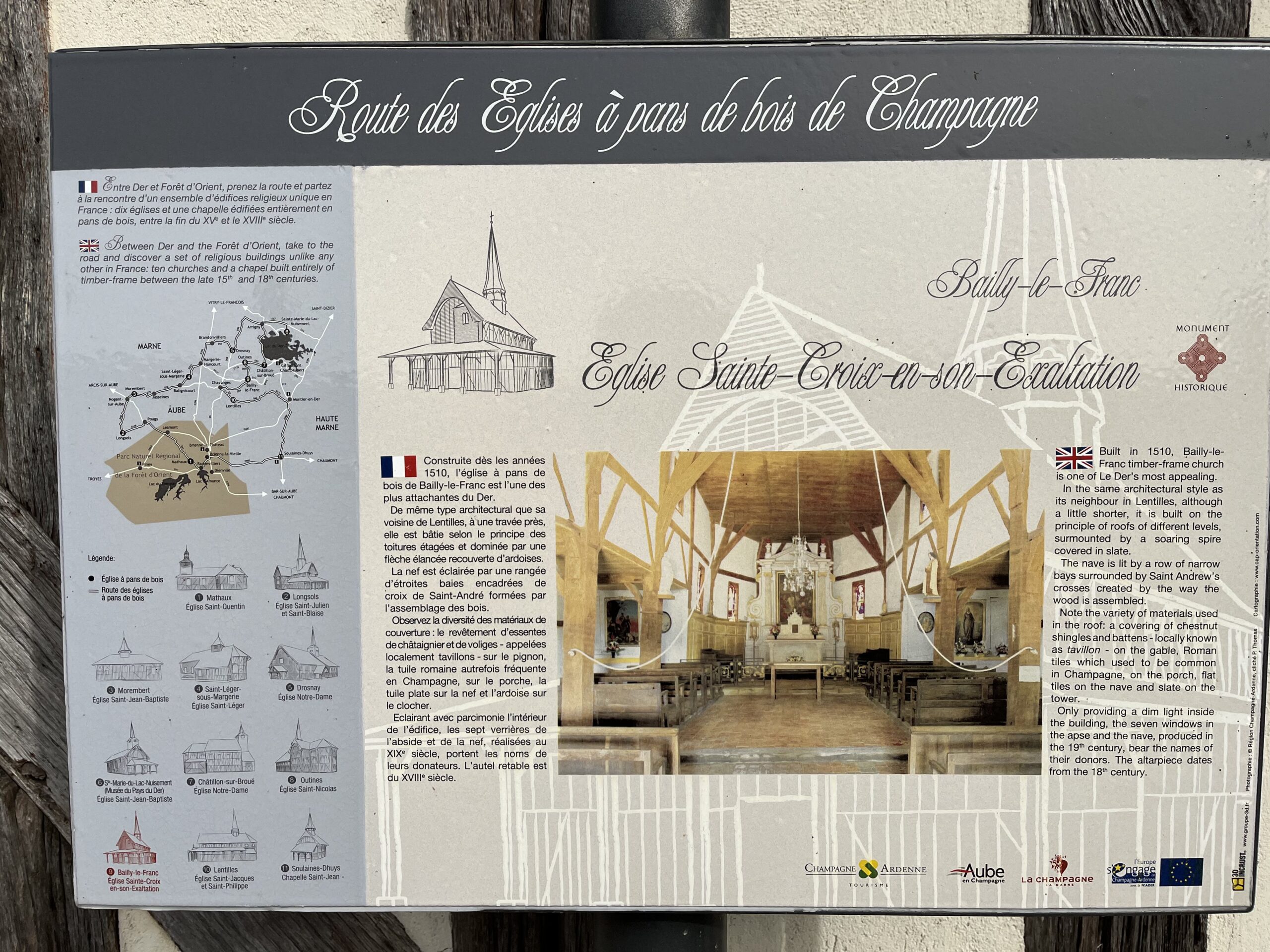
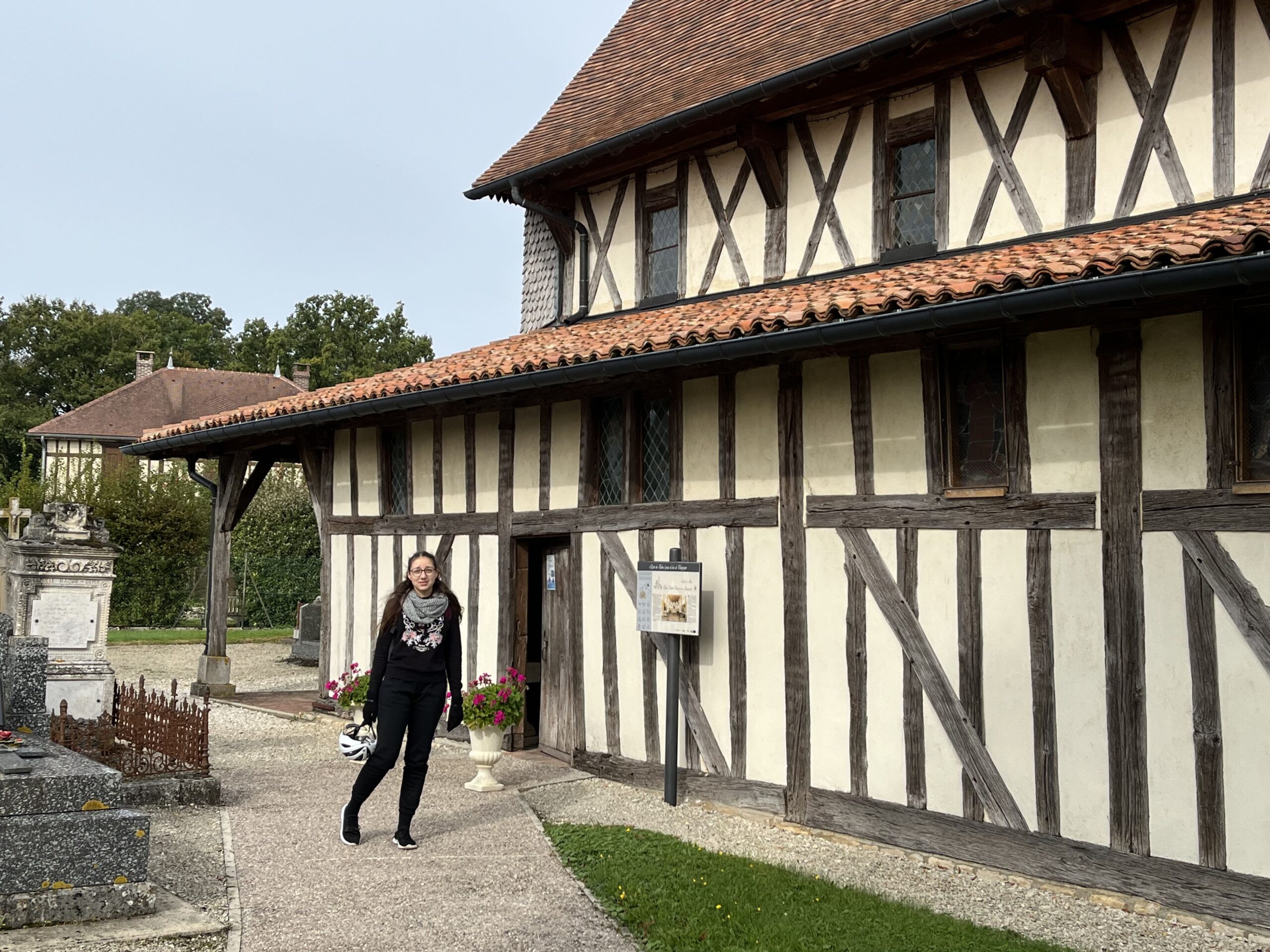
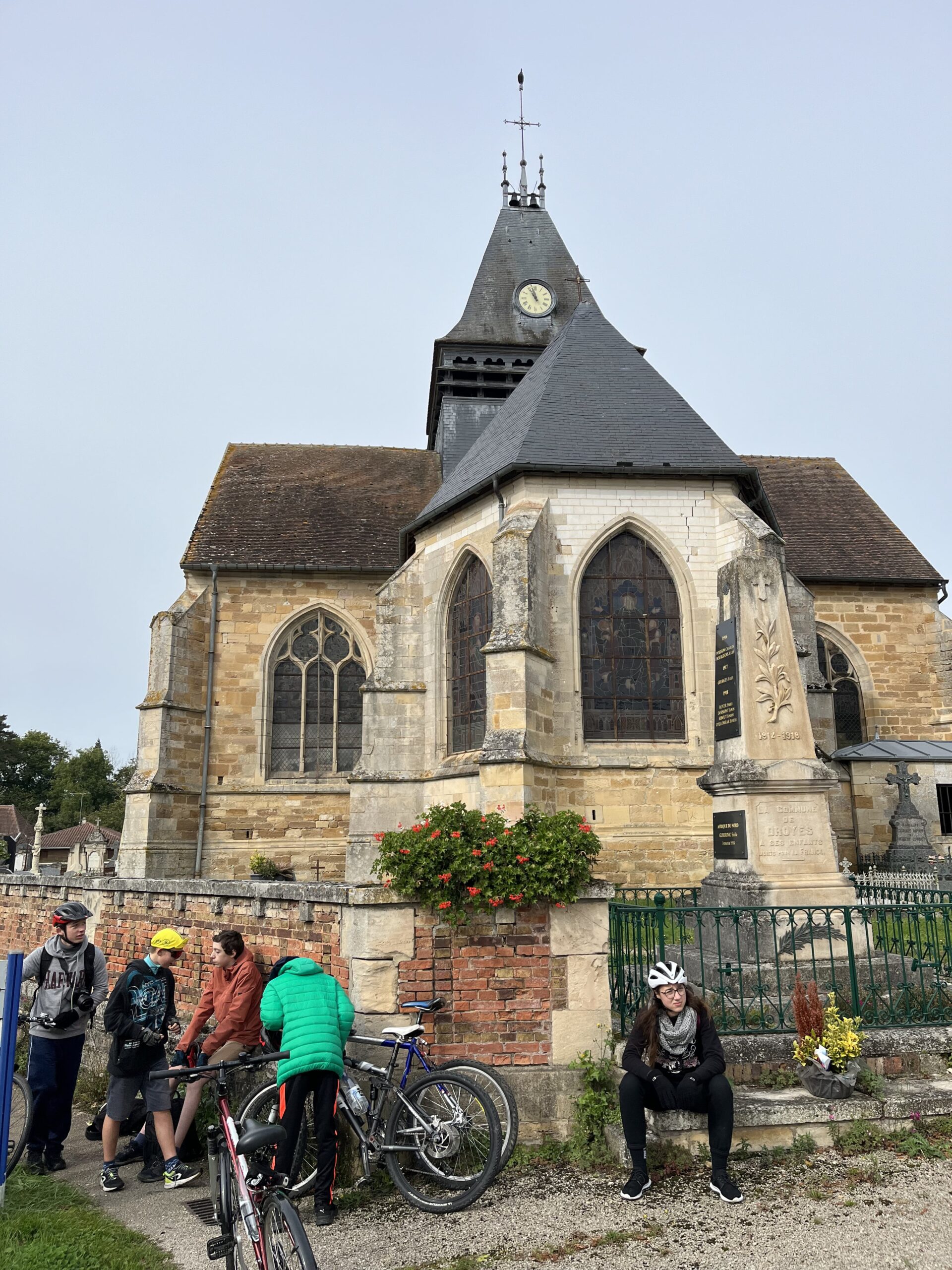
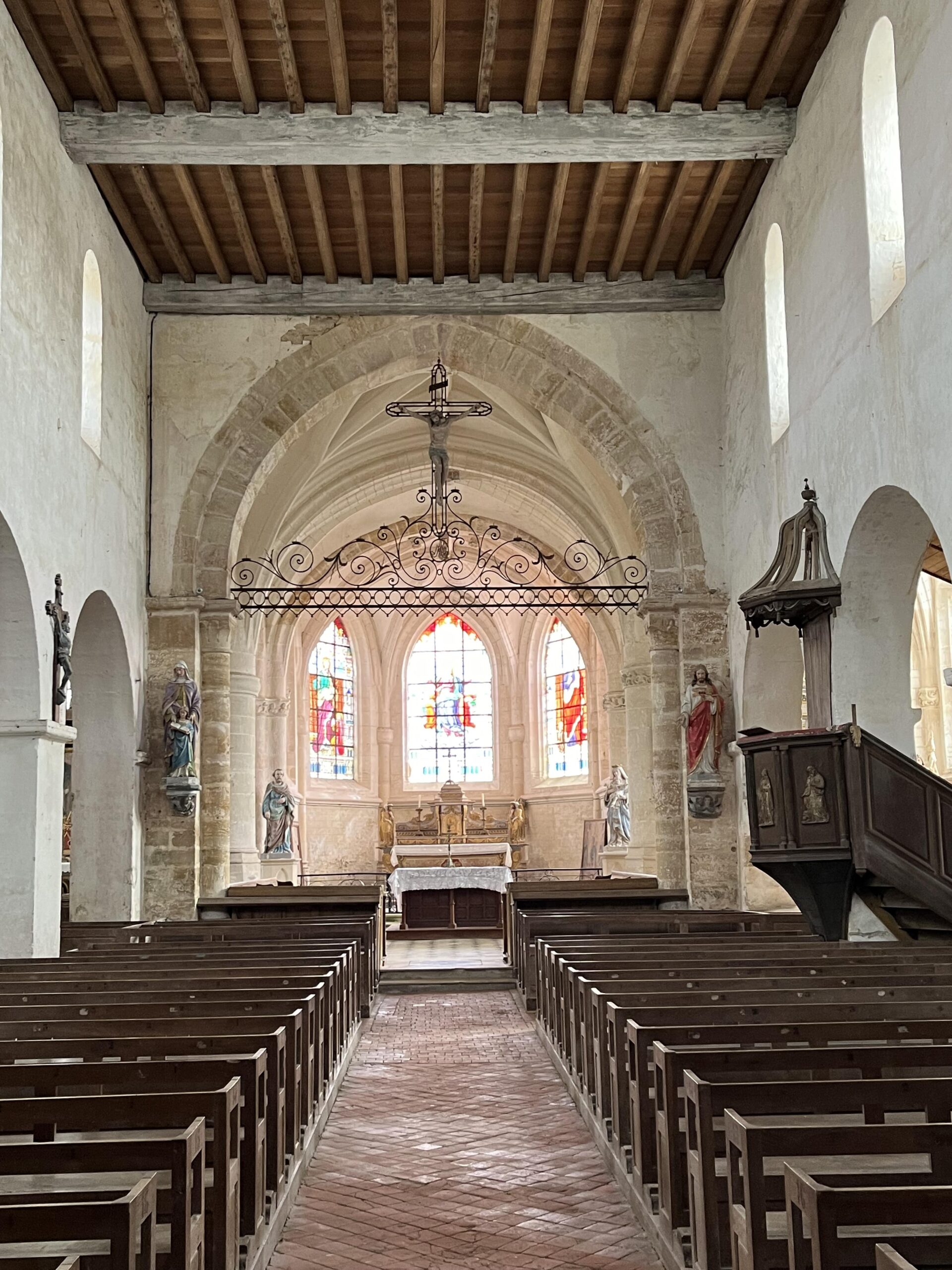
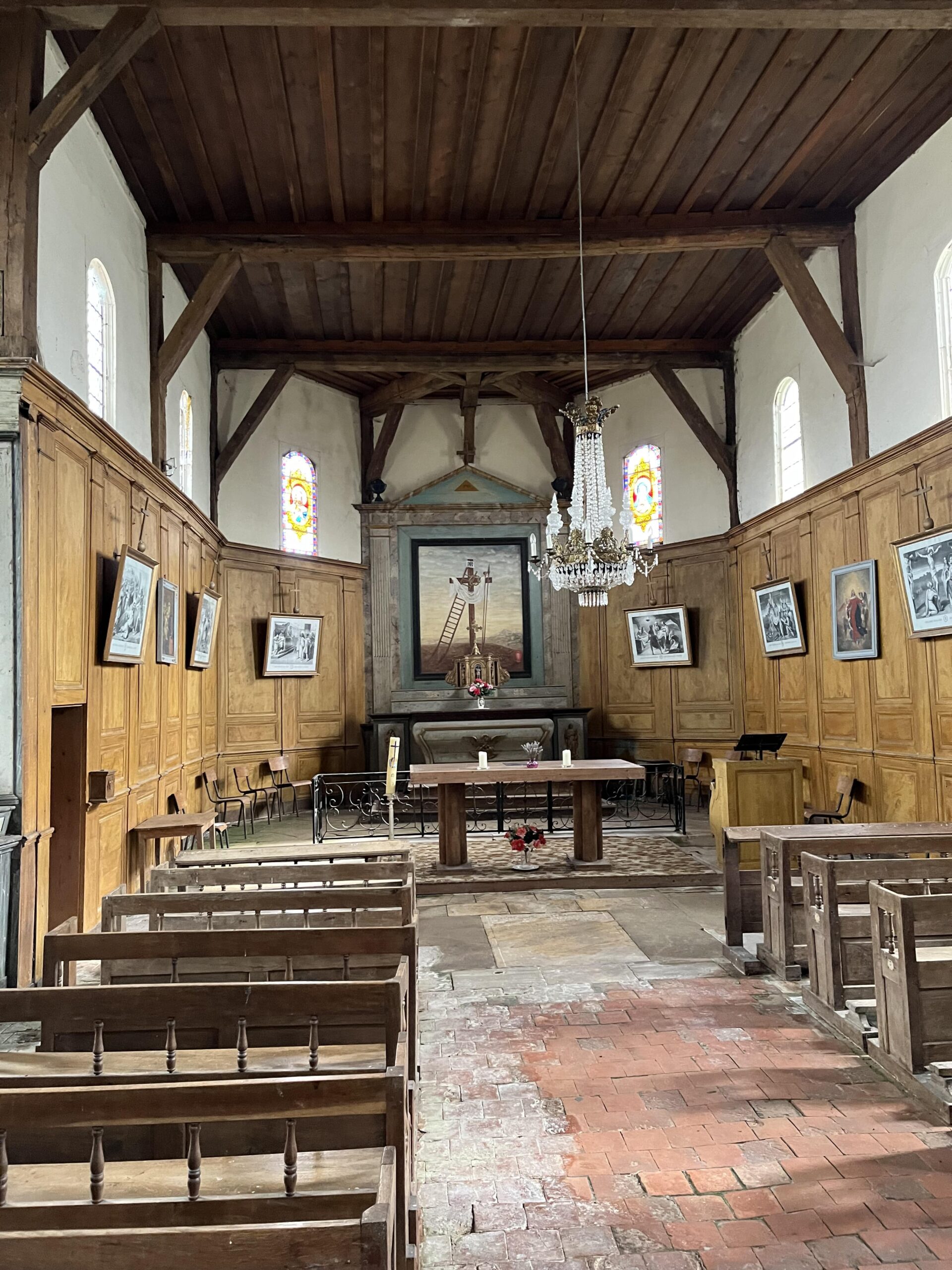
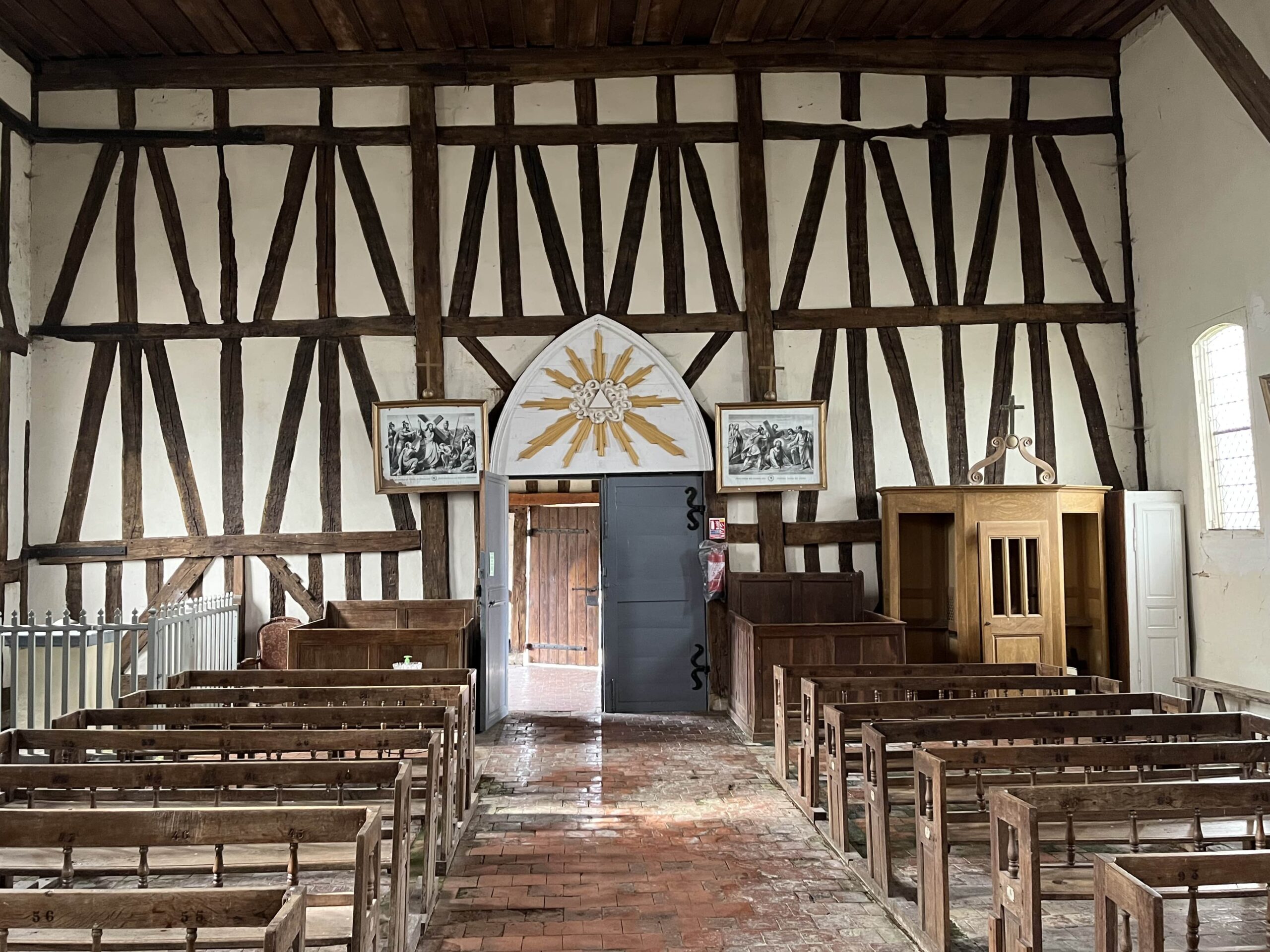
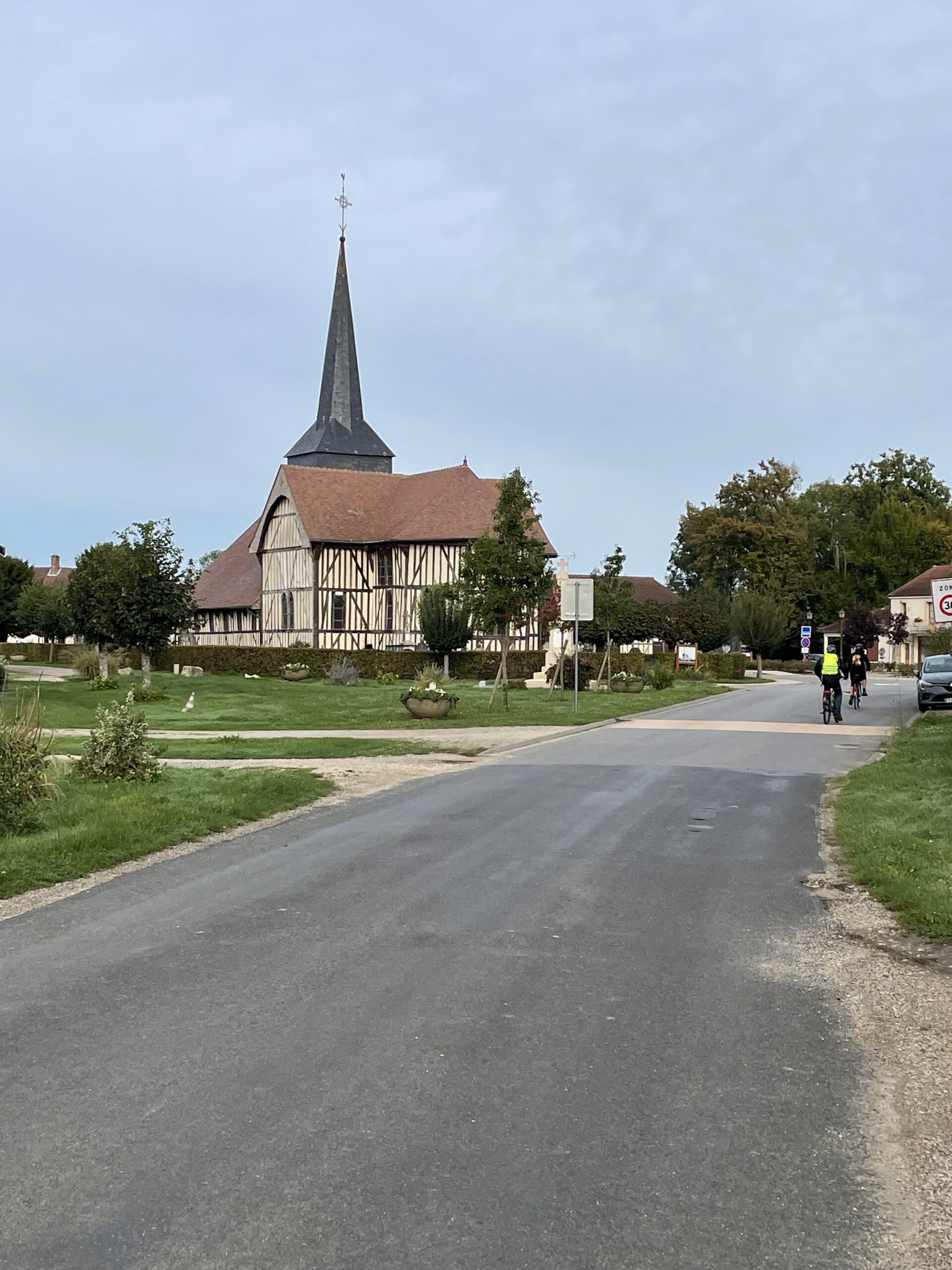
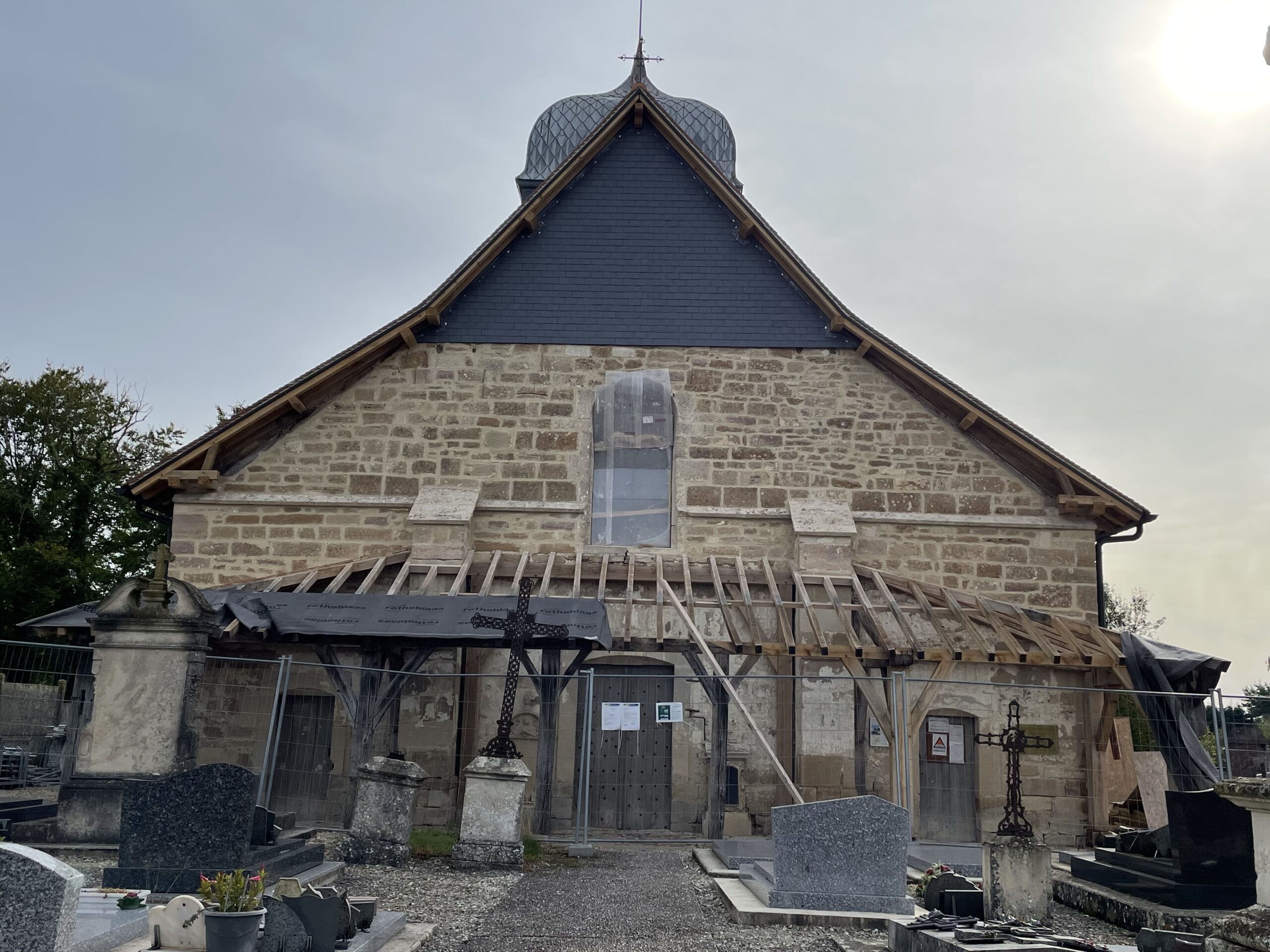
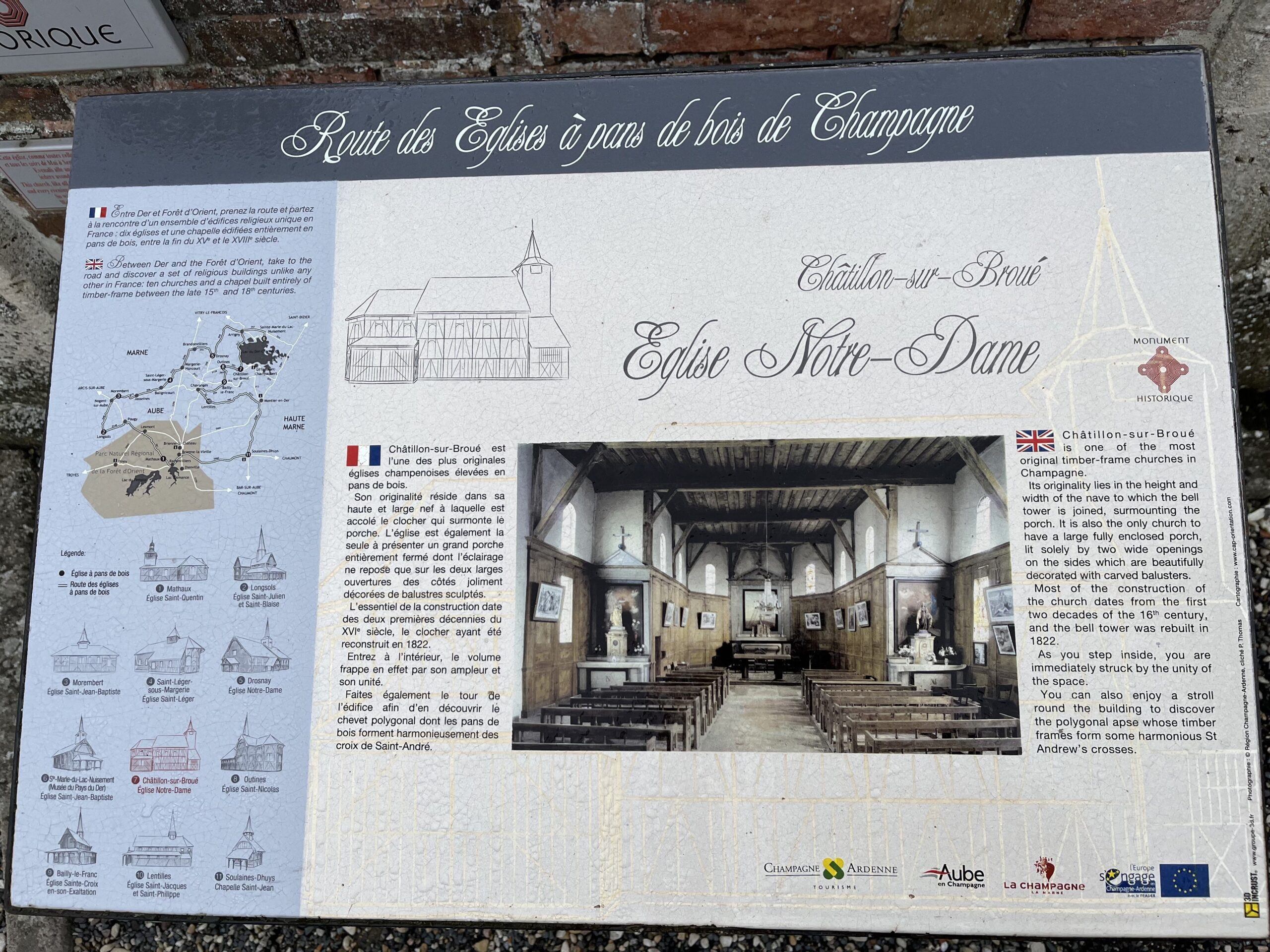
Around fifteen villages boast heritage treasures, some of which are over 400 years old. In the middle of this peaceful countryside are some unusual churches that catch the visitor’s eye. The group was able to visit some of the 11 churches listed as Historic Monuments.
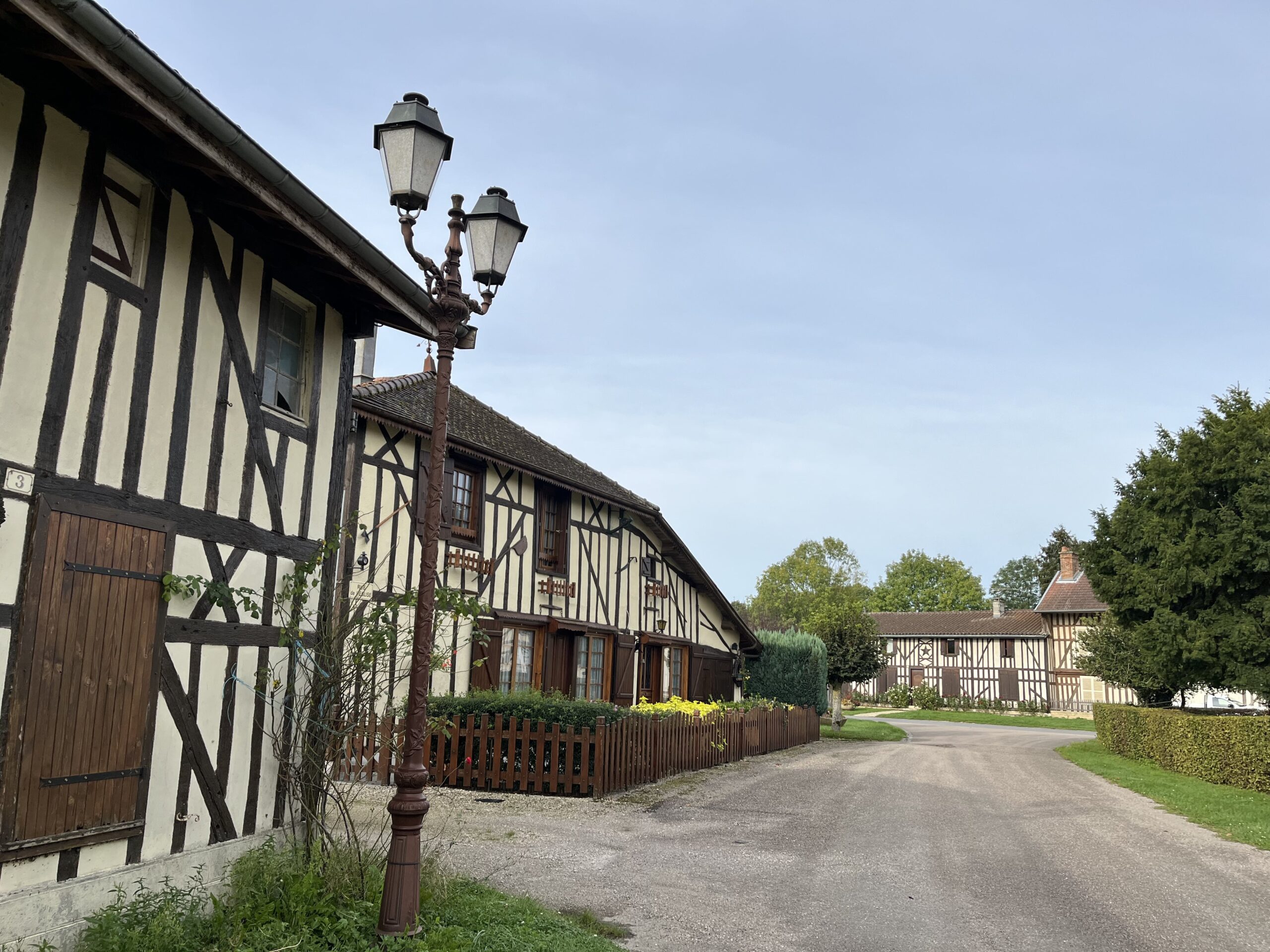
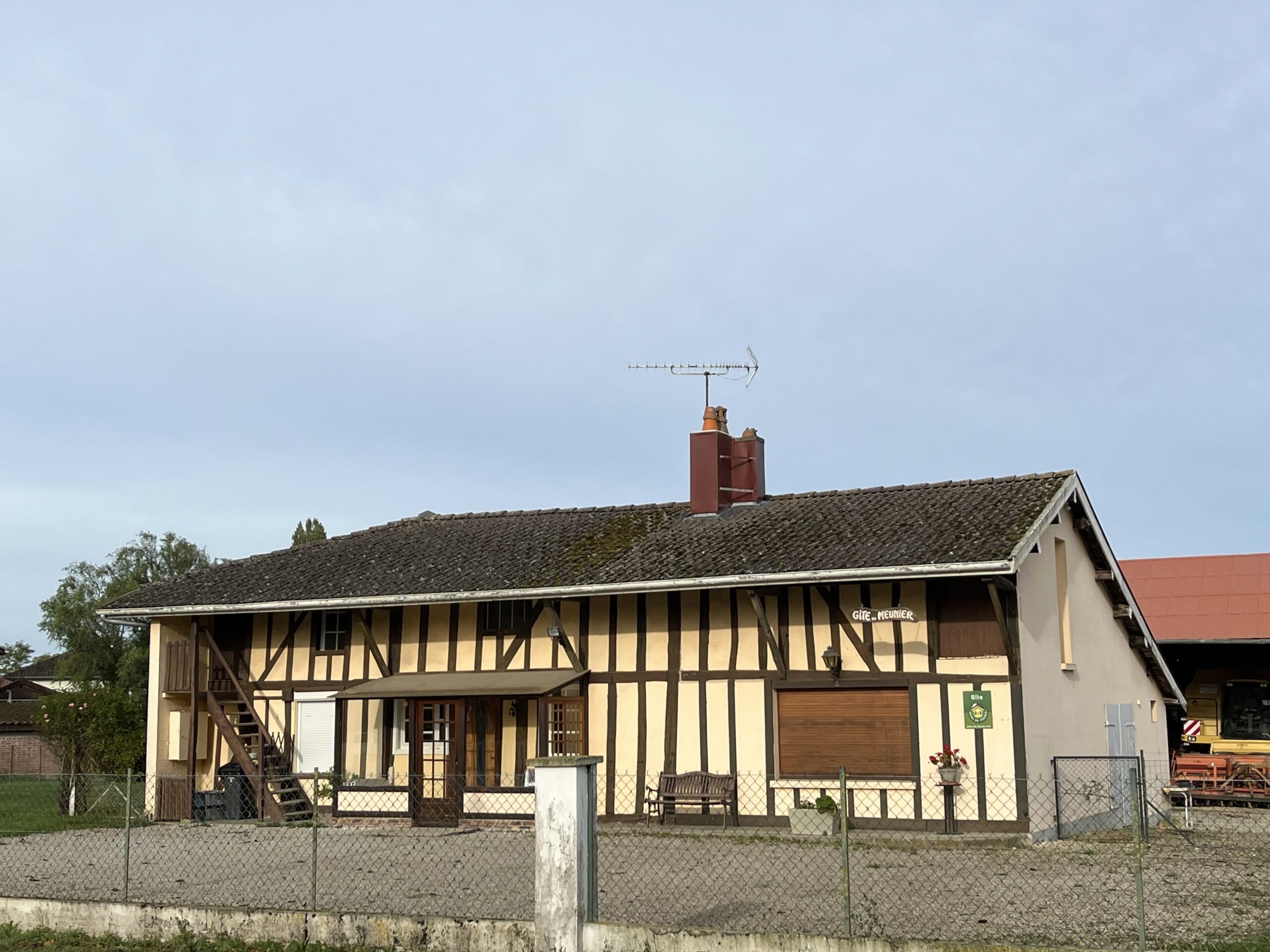
The design of these half-timbered churches reflects a time when people chose materials that were available locally in order to minimise the cost and time required to erect buildings. In this region of Champagne, the only resource available was oak. As a result, all the buildings were made of wood, including churches and houses. In addition to being practical, timber framing was appreciated for its aesthetic appeal!