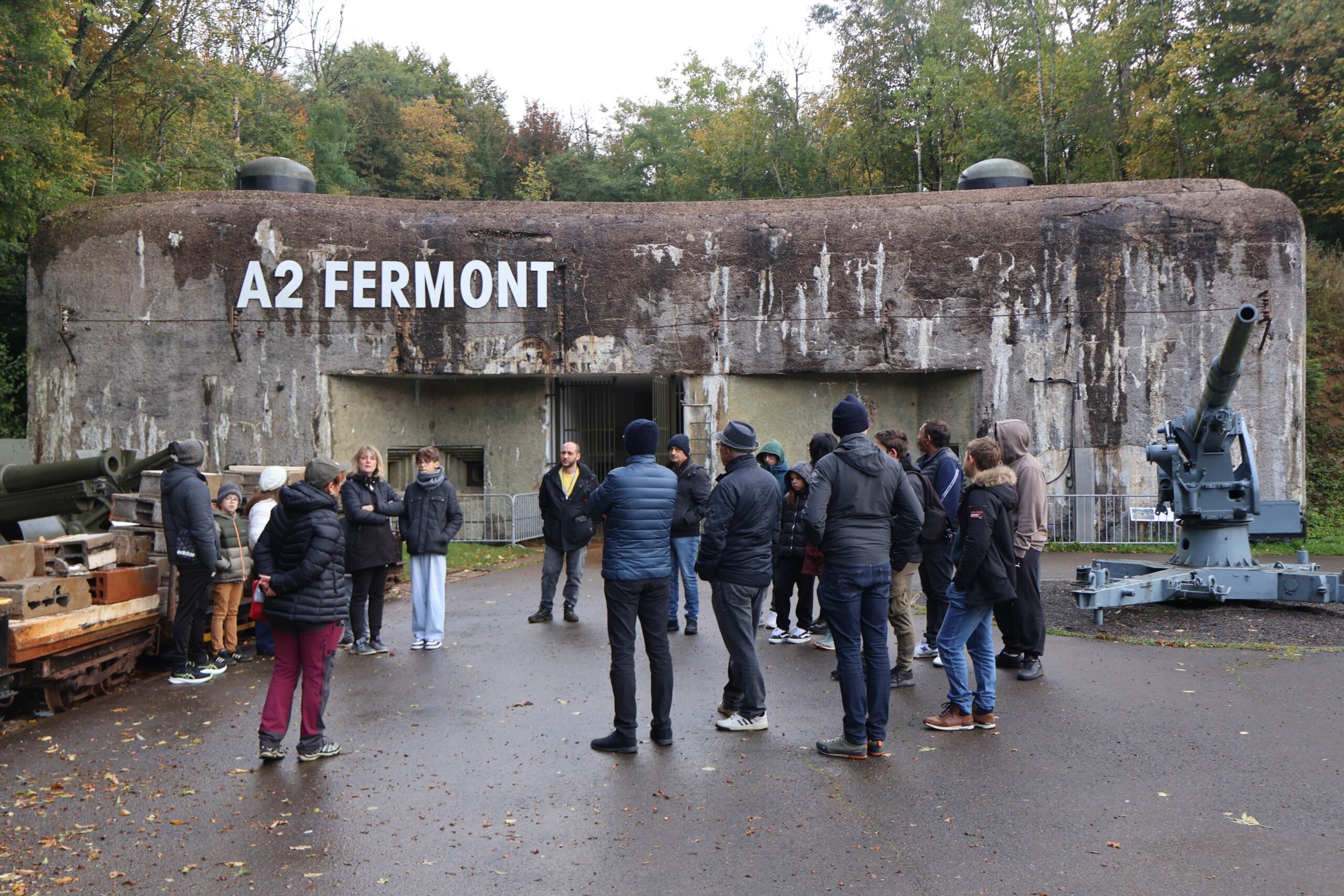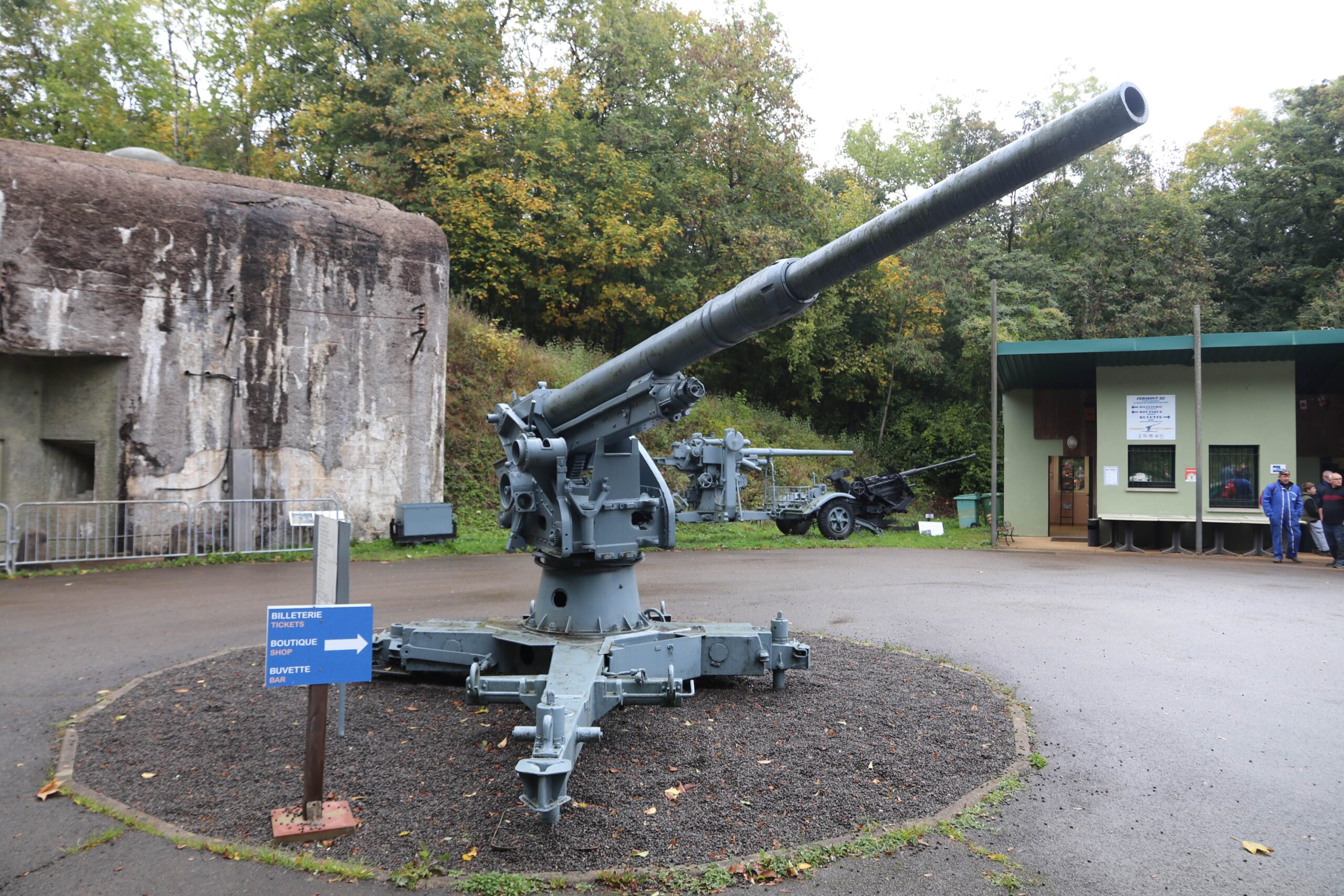
Visit to Fort Fermont, a large structure in the fortified sector of the Maginot Line
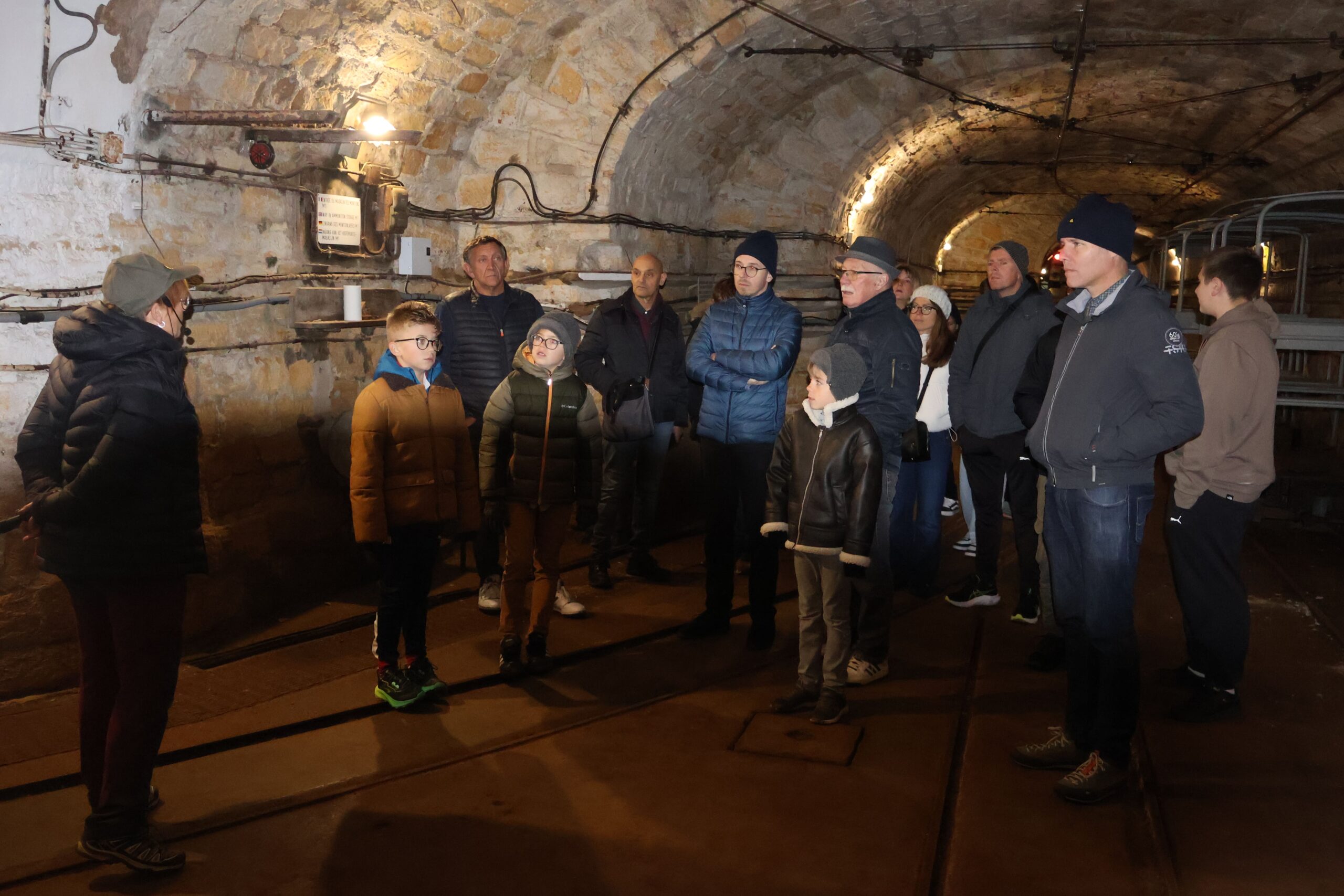
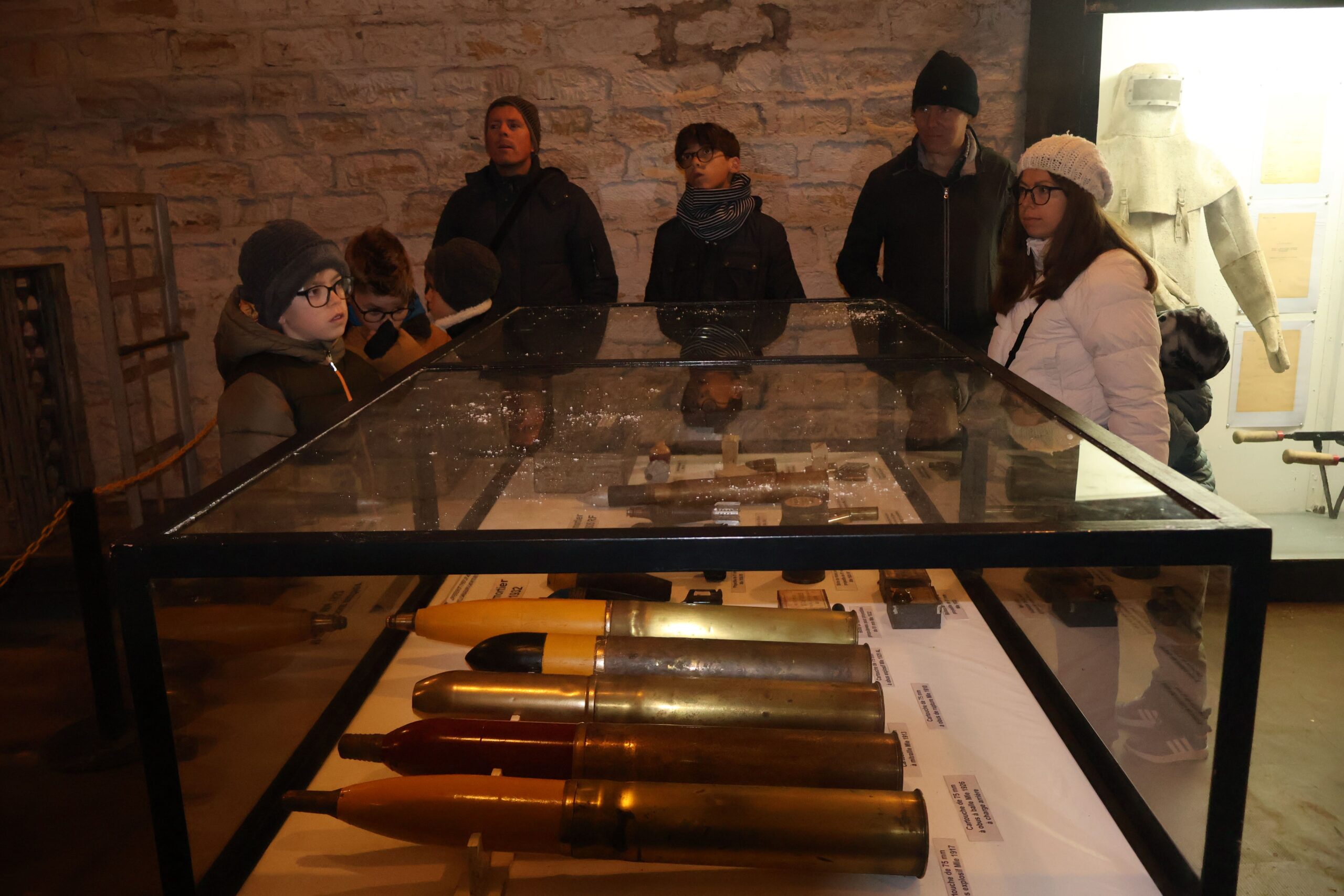
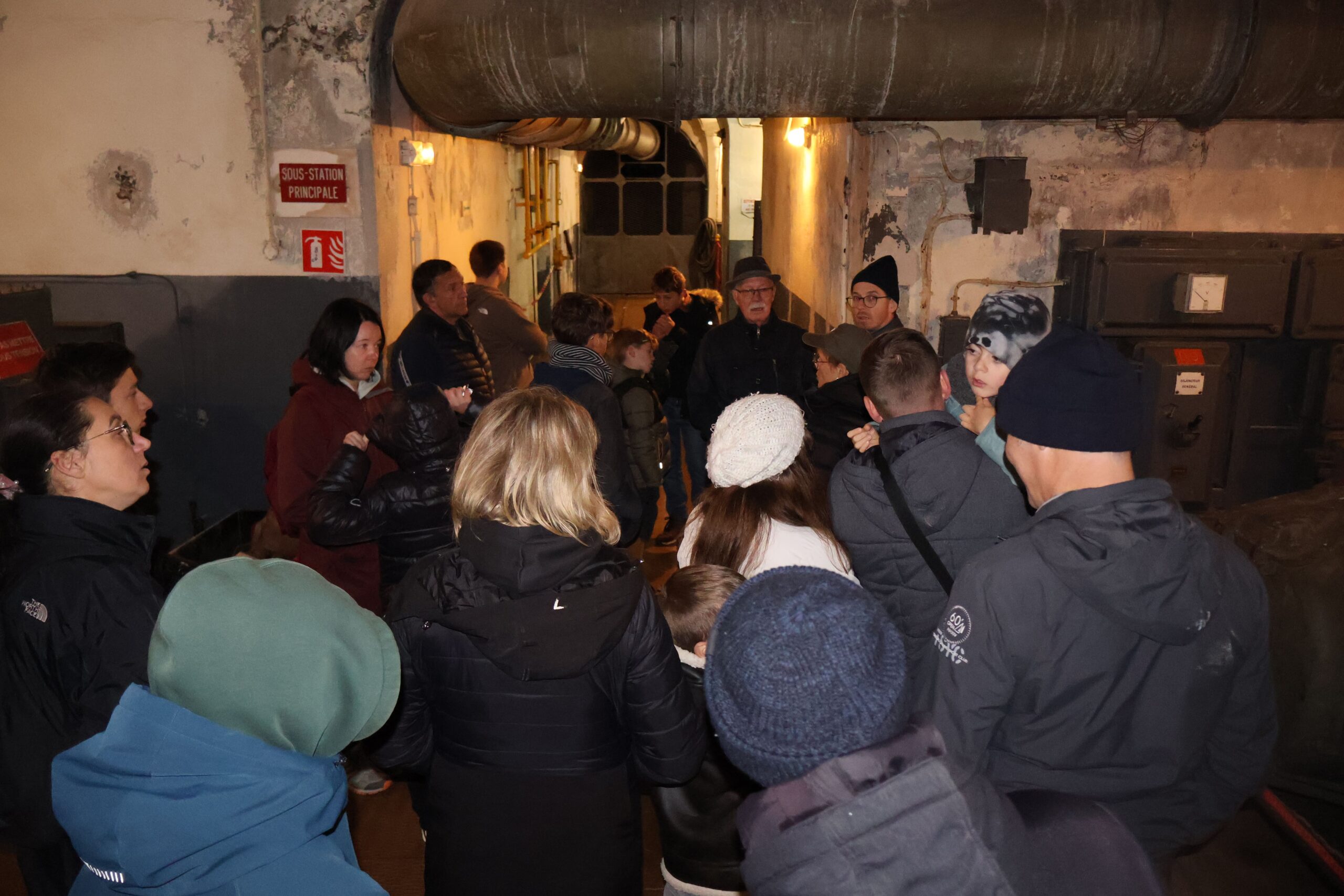
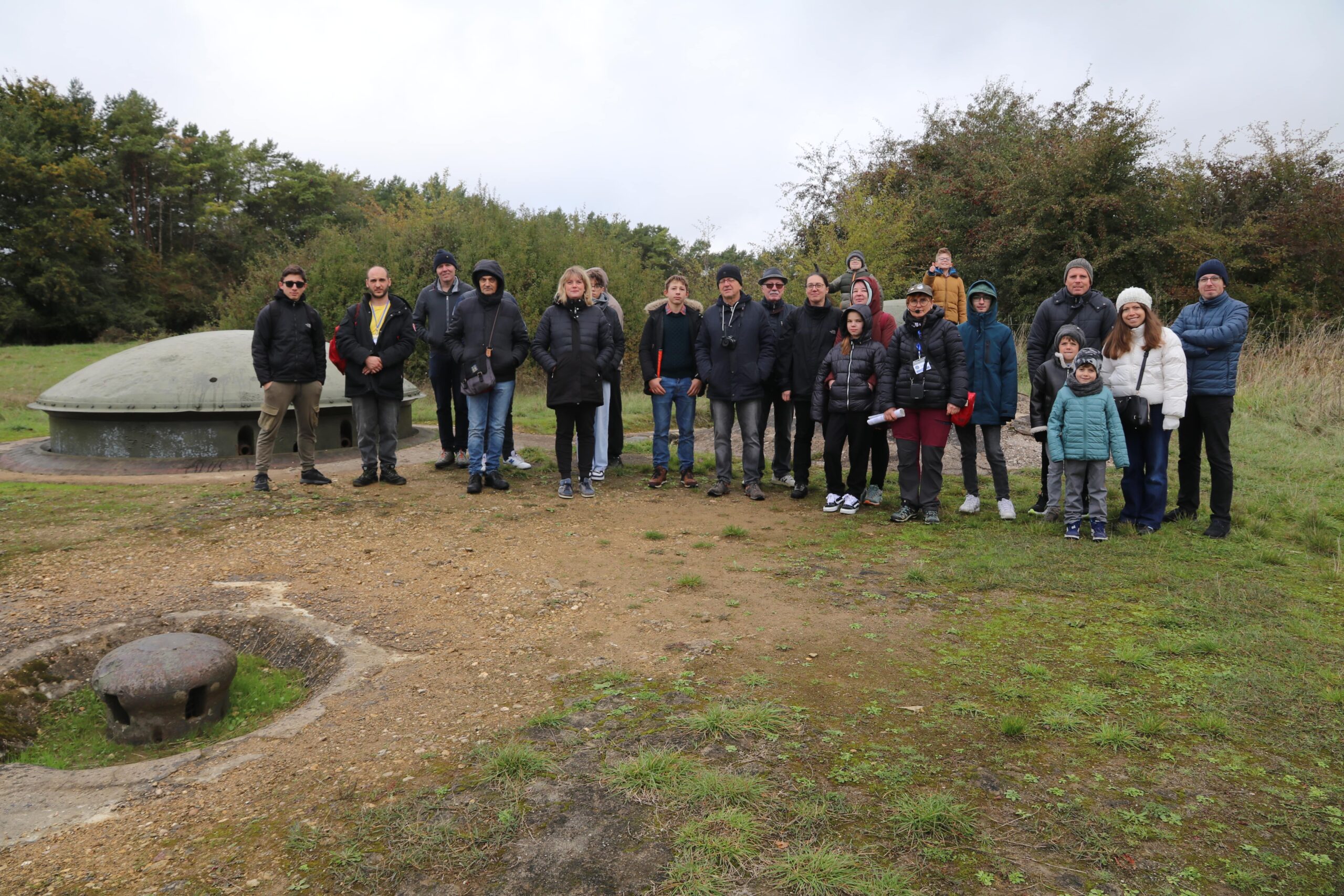
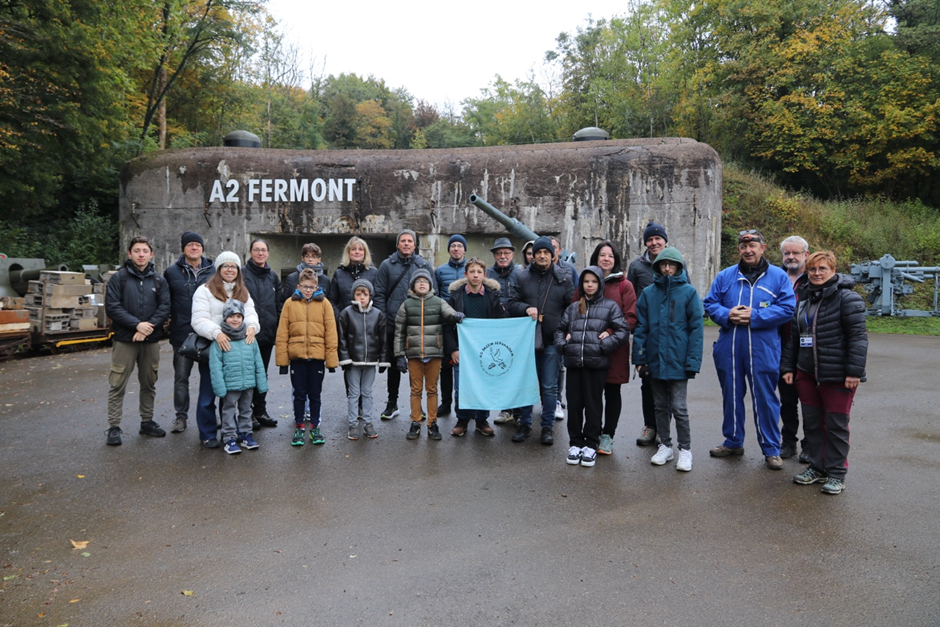
Twenty members of the Ad Pacem association met at 9:30 a.m. at the entrance to Fort Fermont for a guided tour lasting about three hours, which allowed them to see and understand this military defence structure, built between 1931 and 1935.
Construction of the Maginot Line
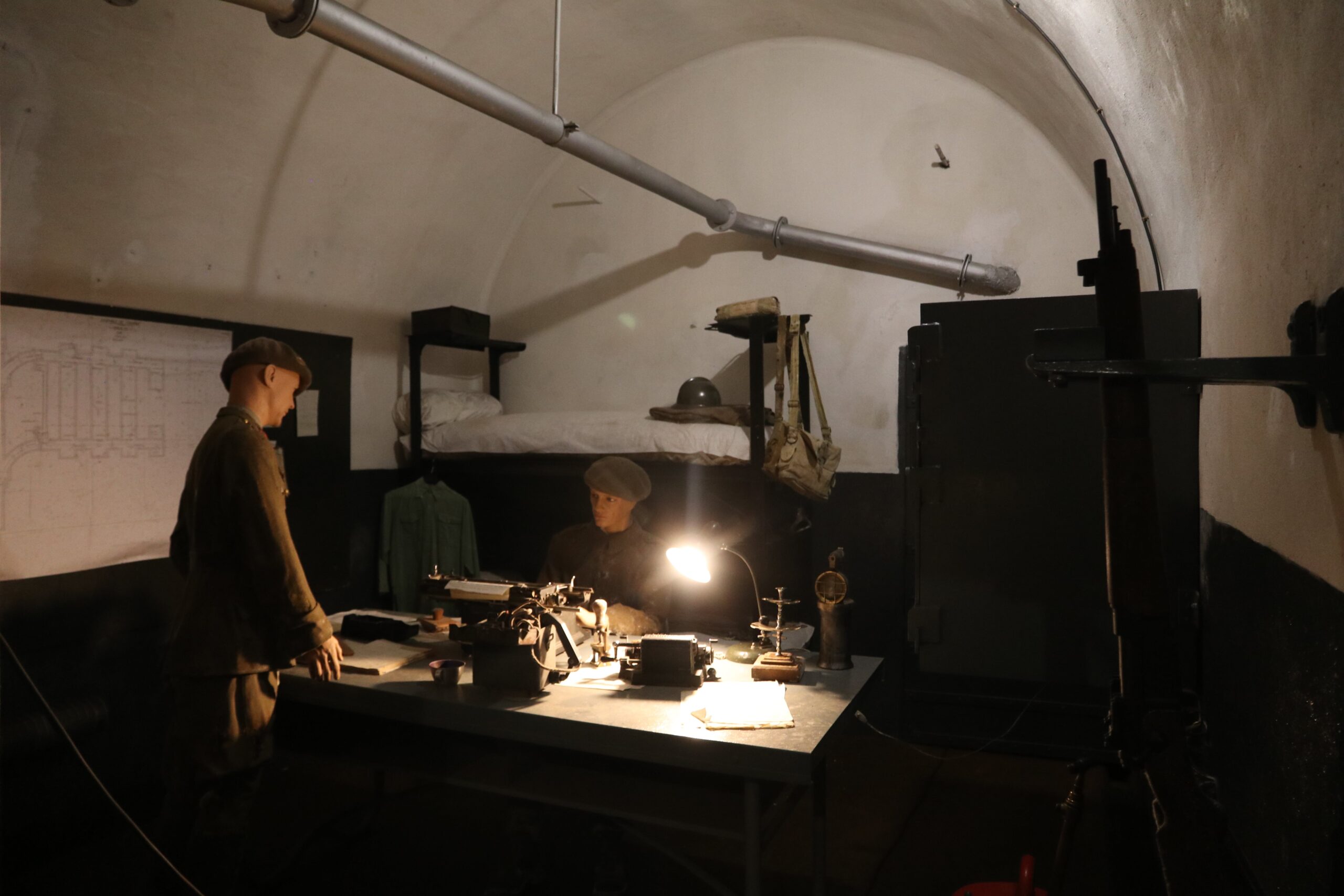
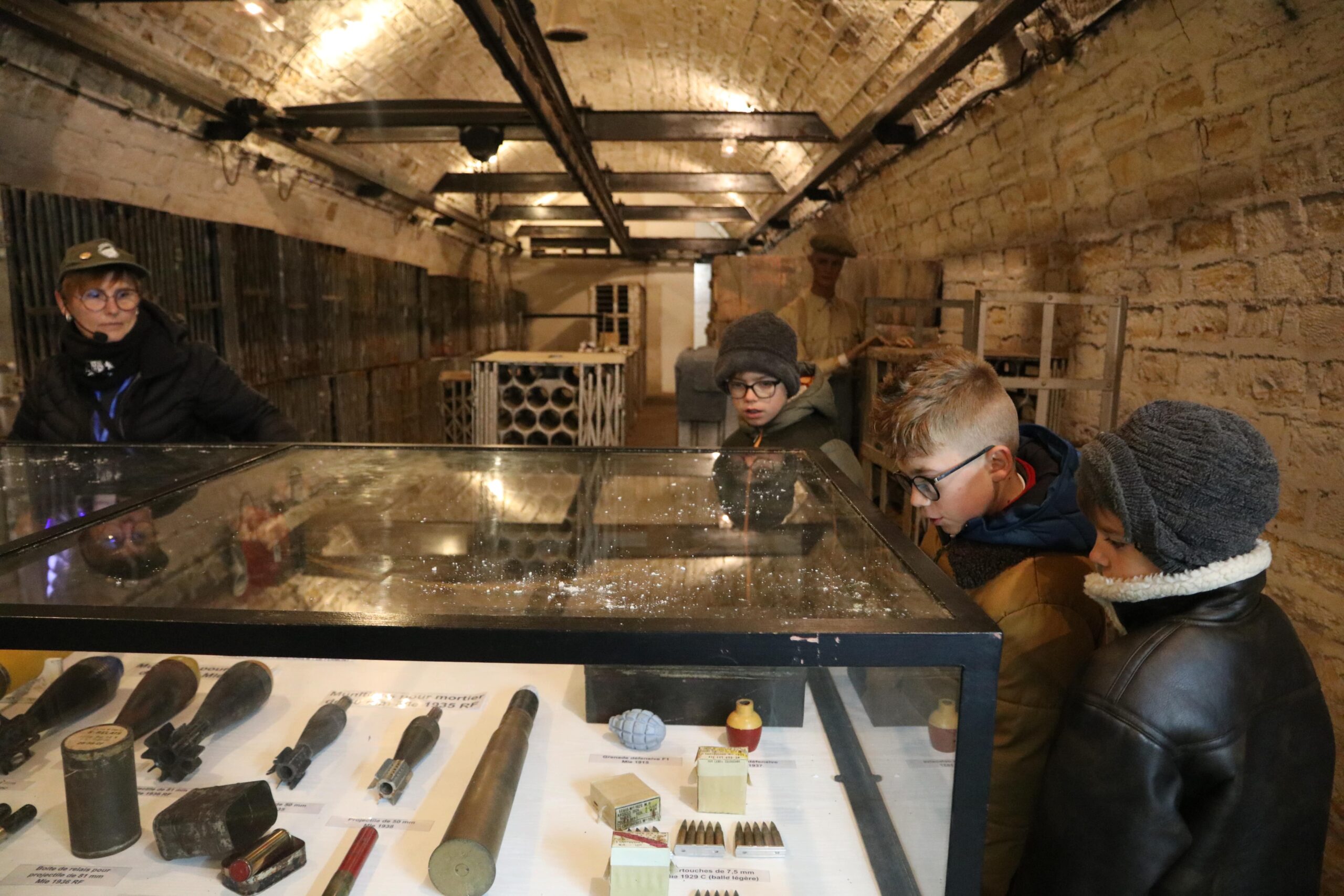
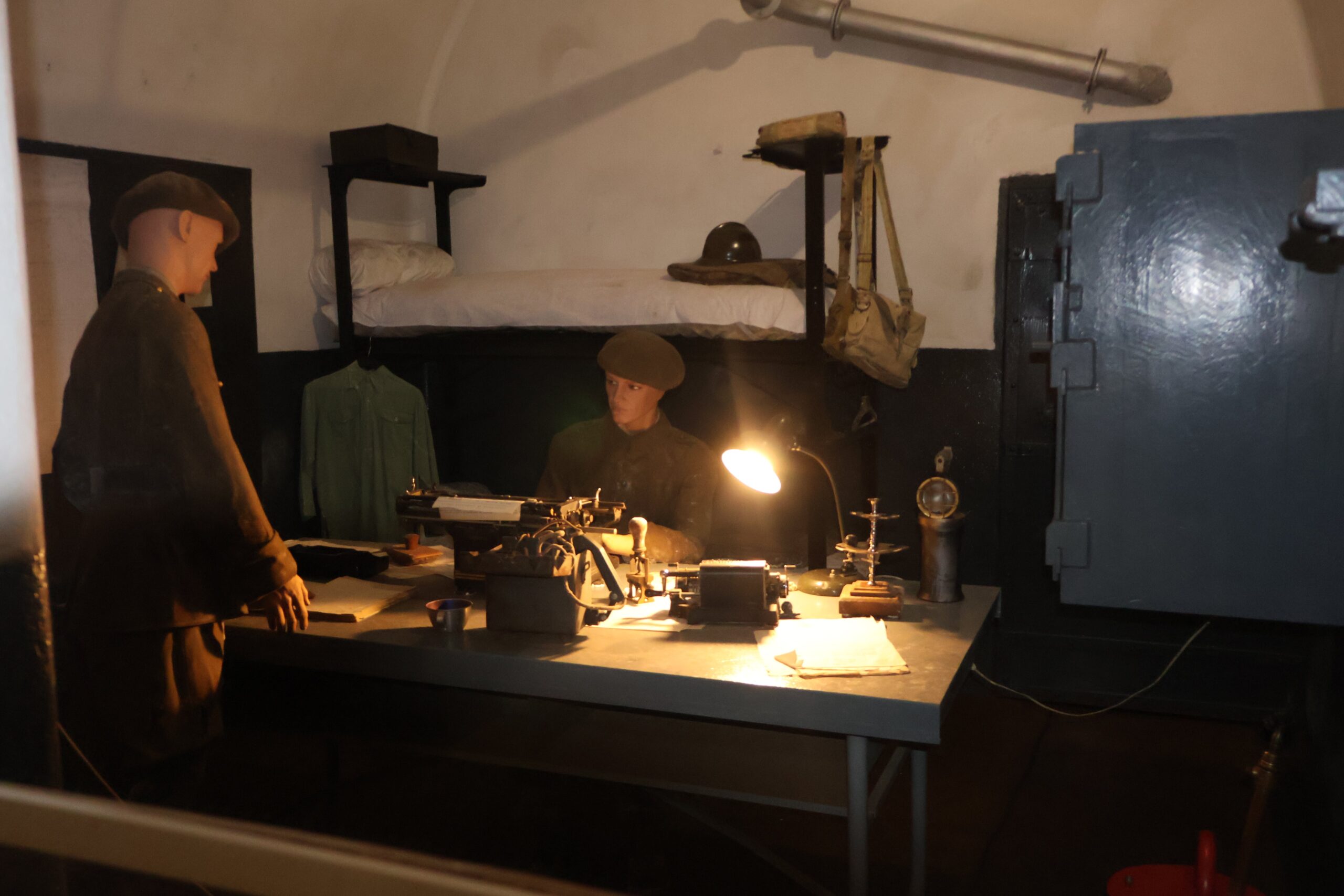
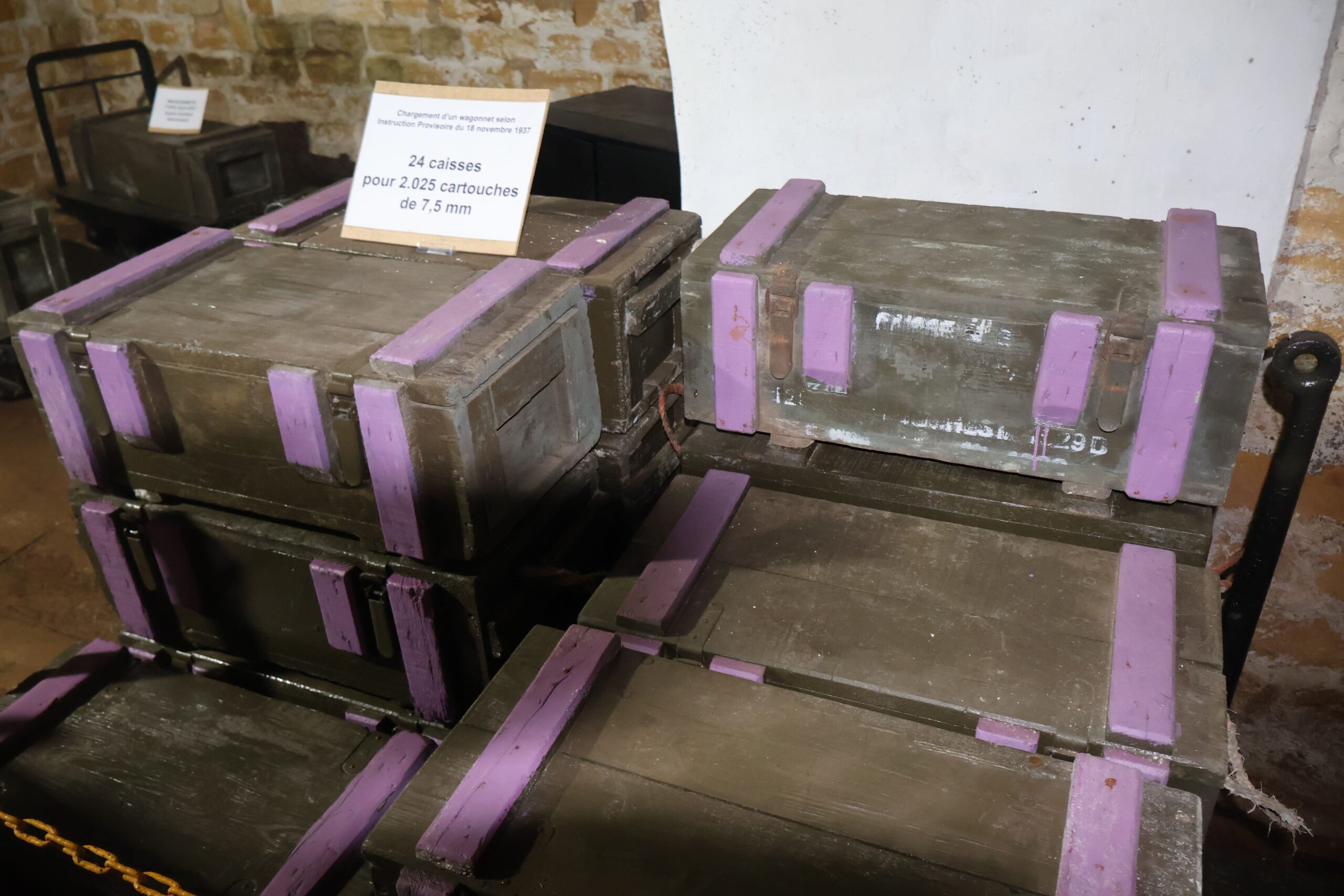
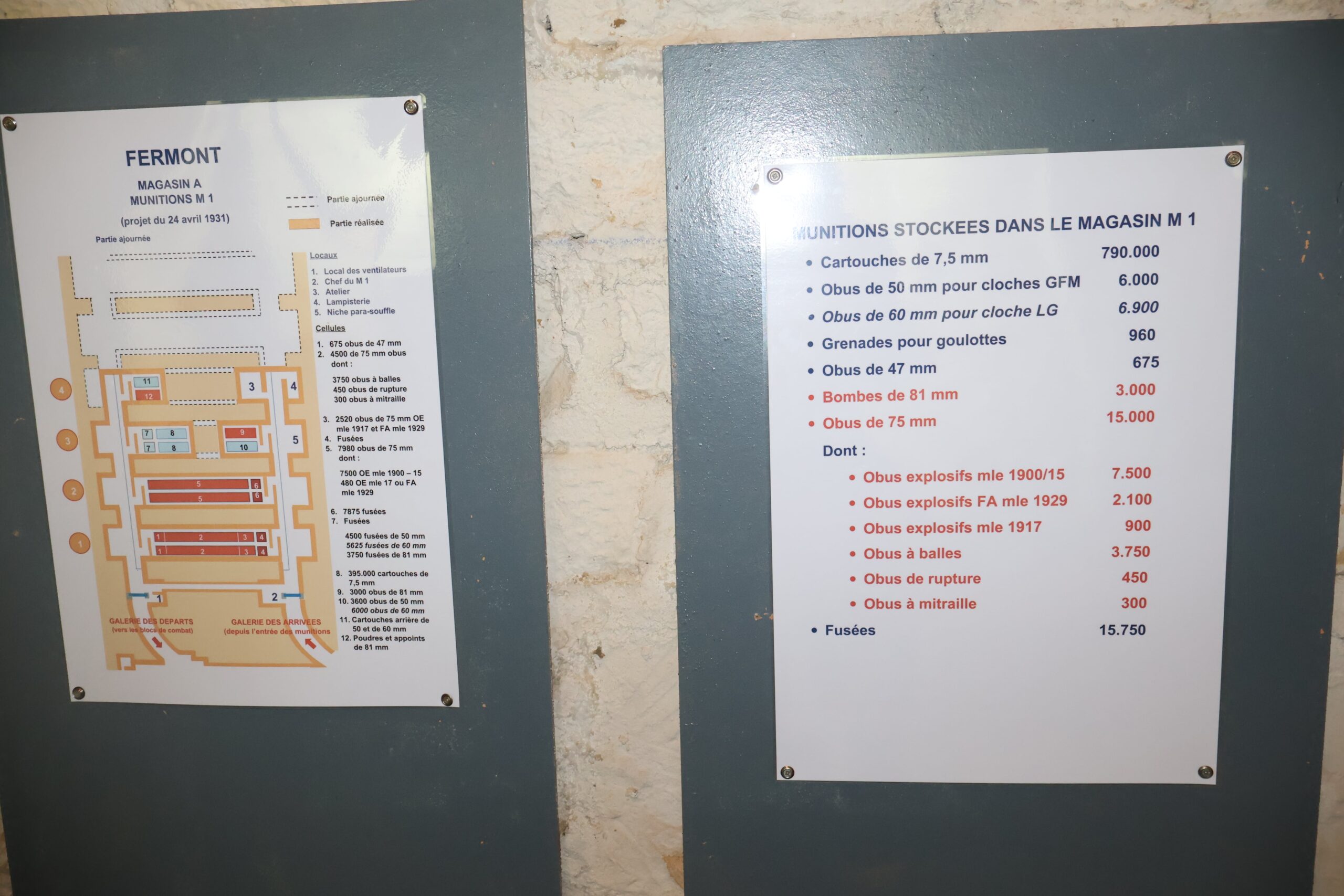
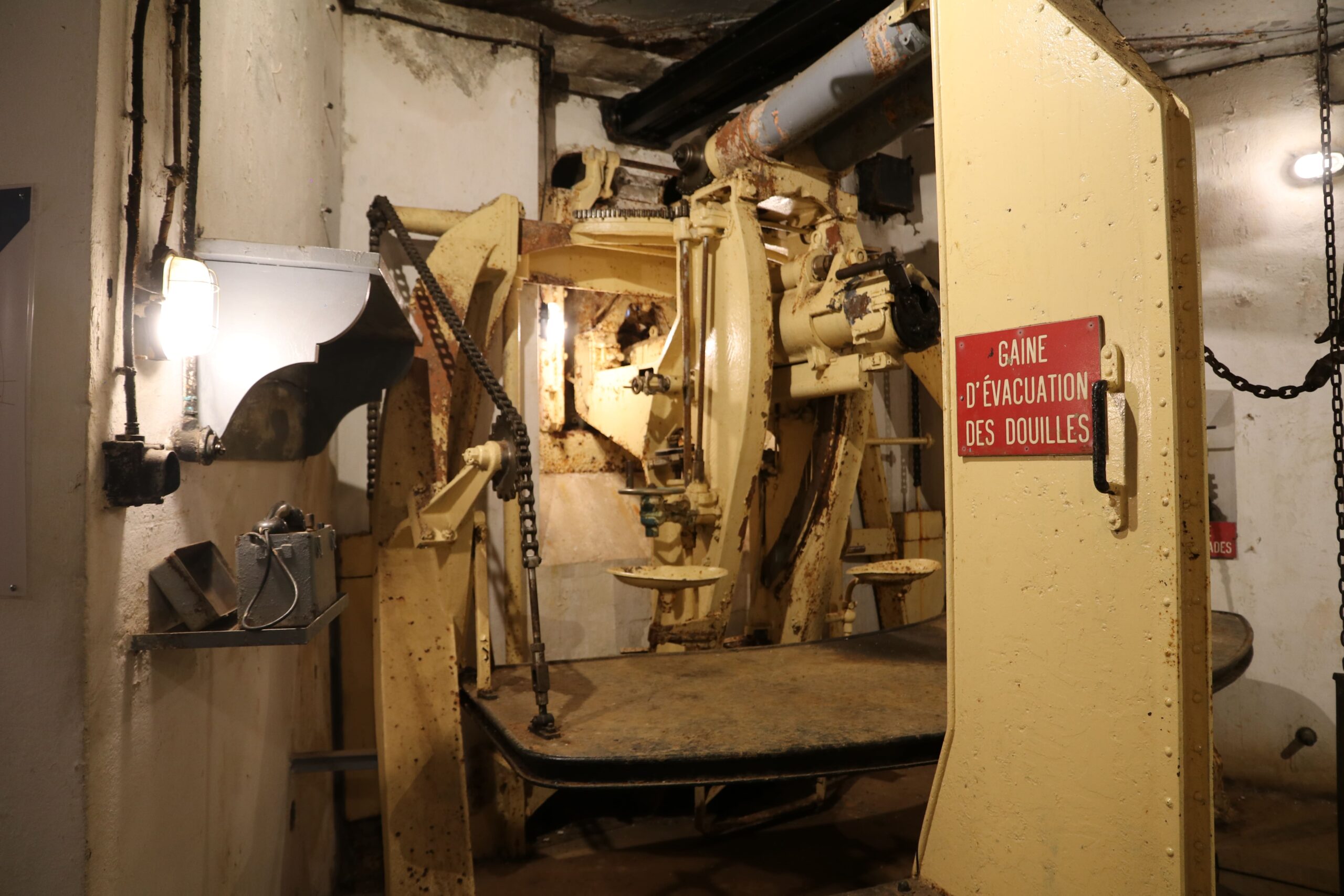
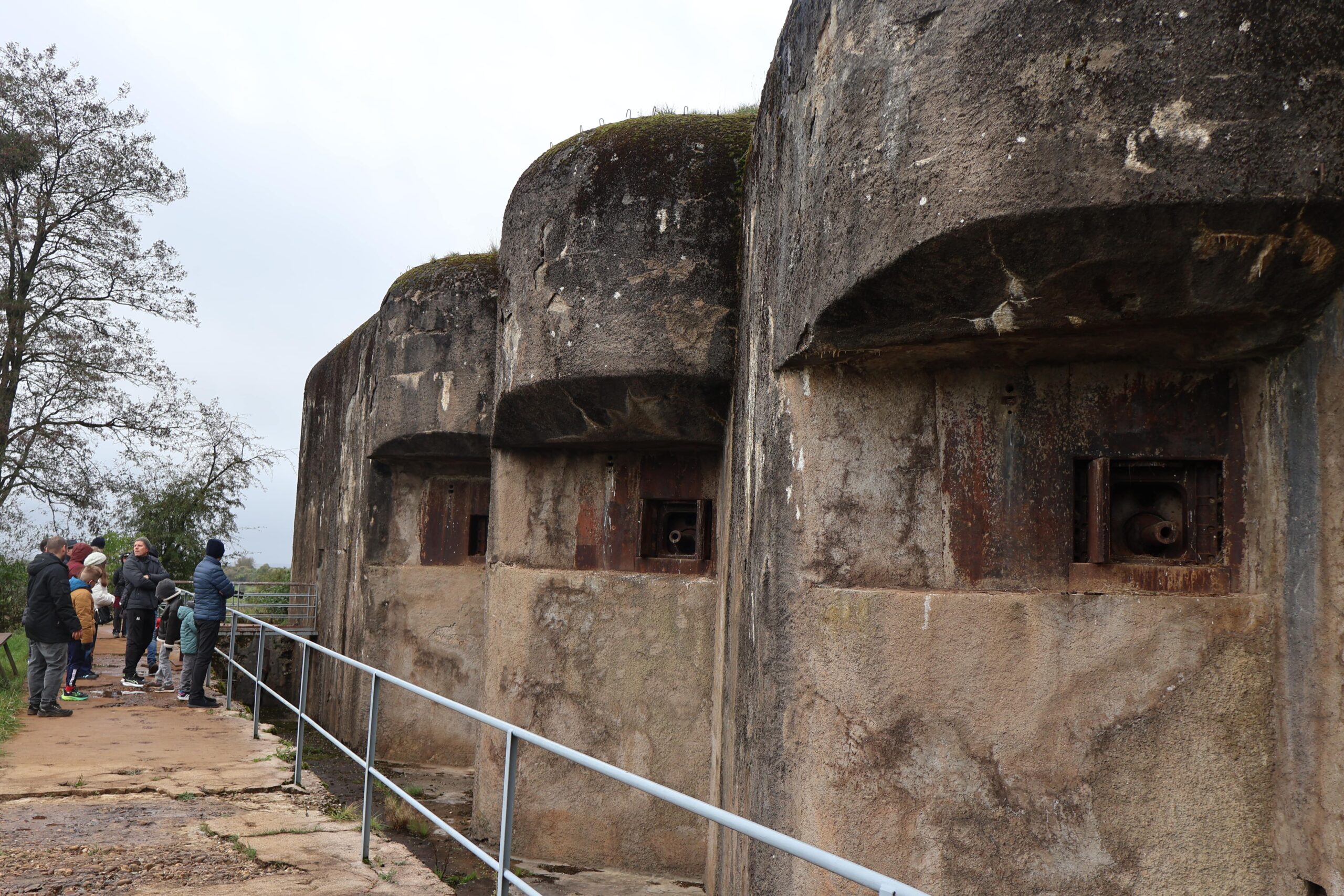
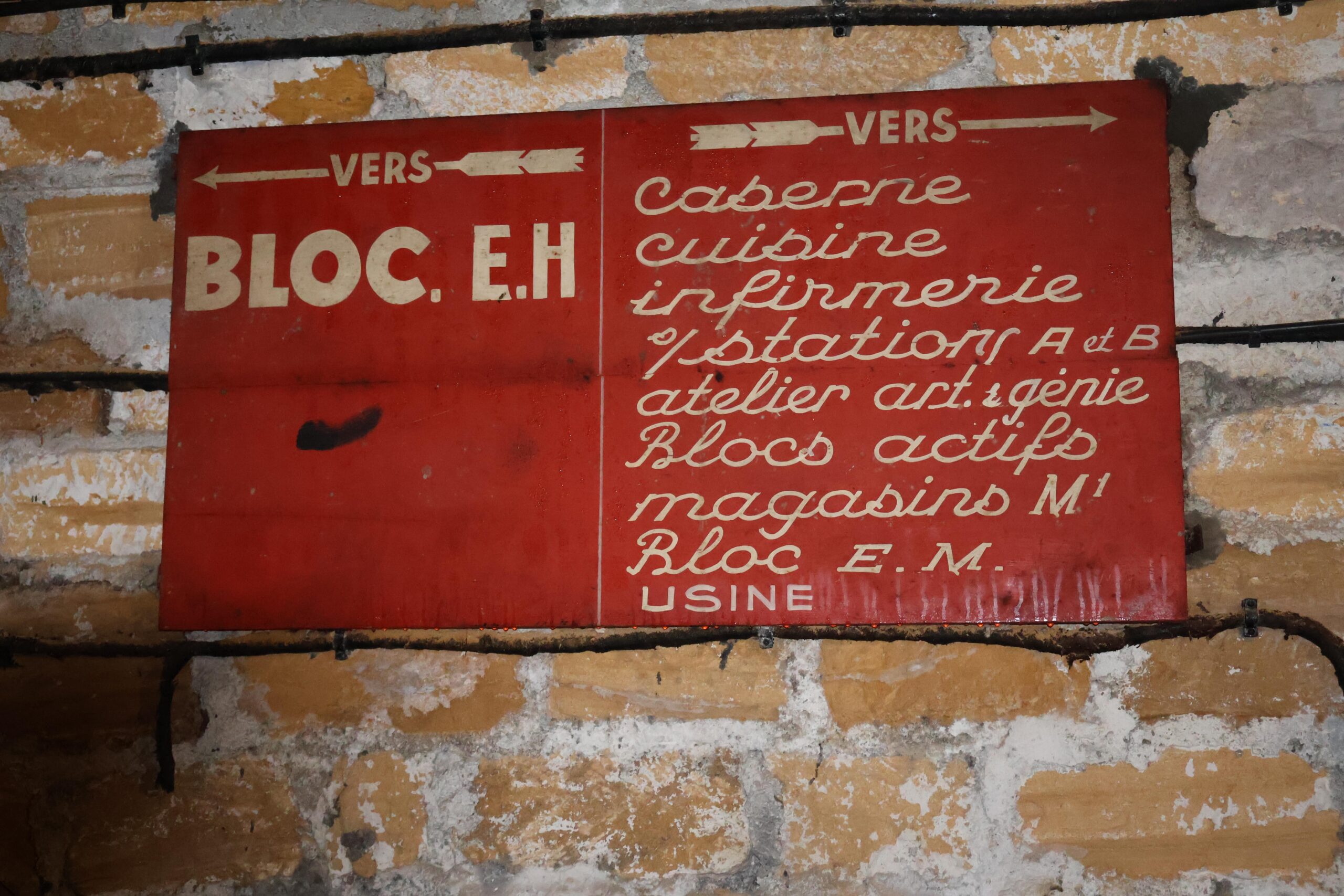
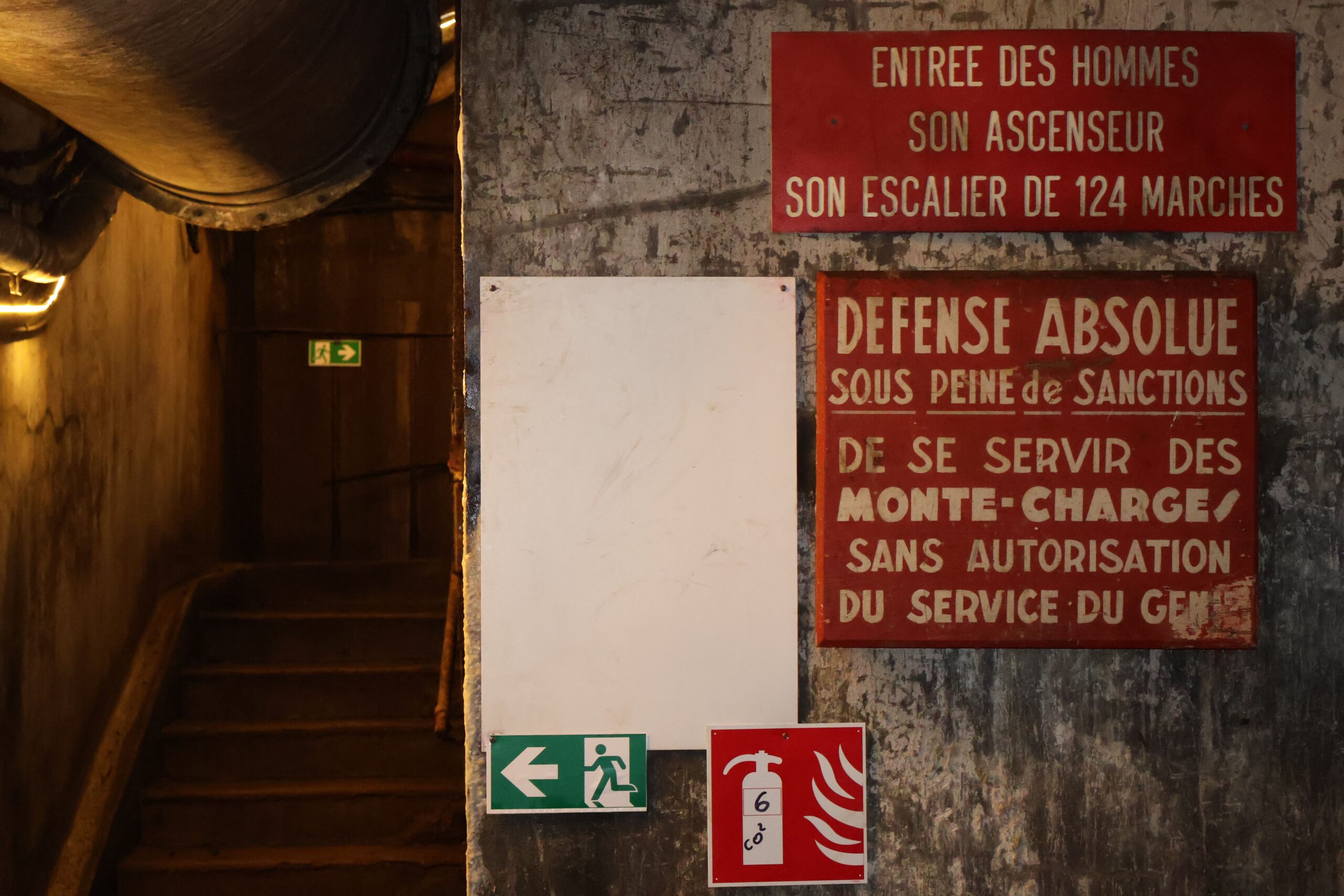
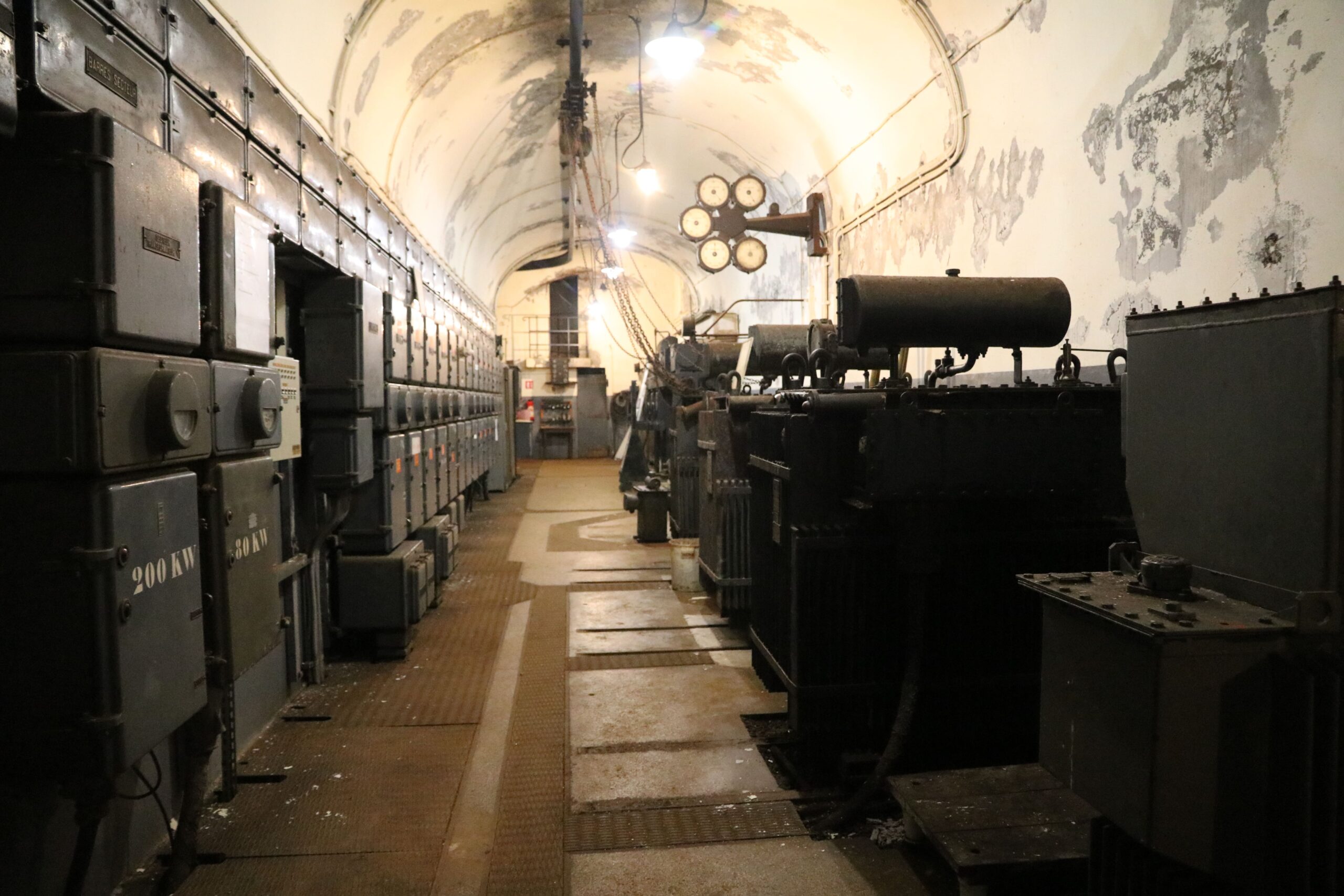
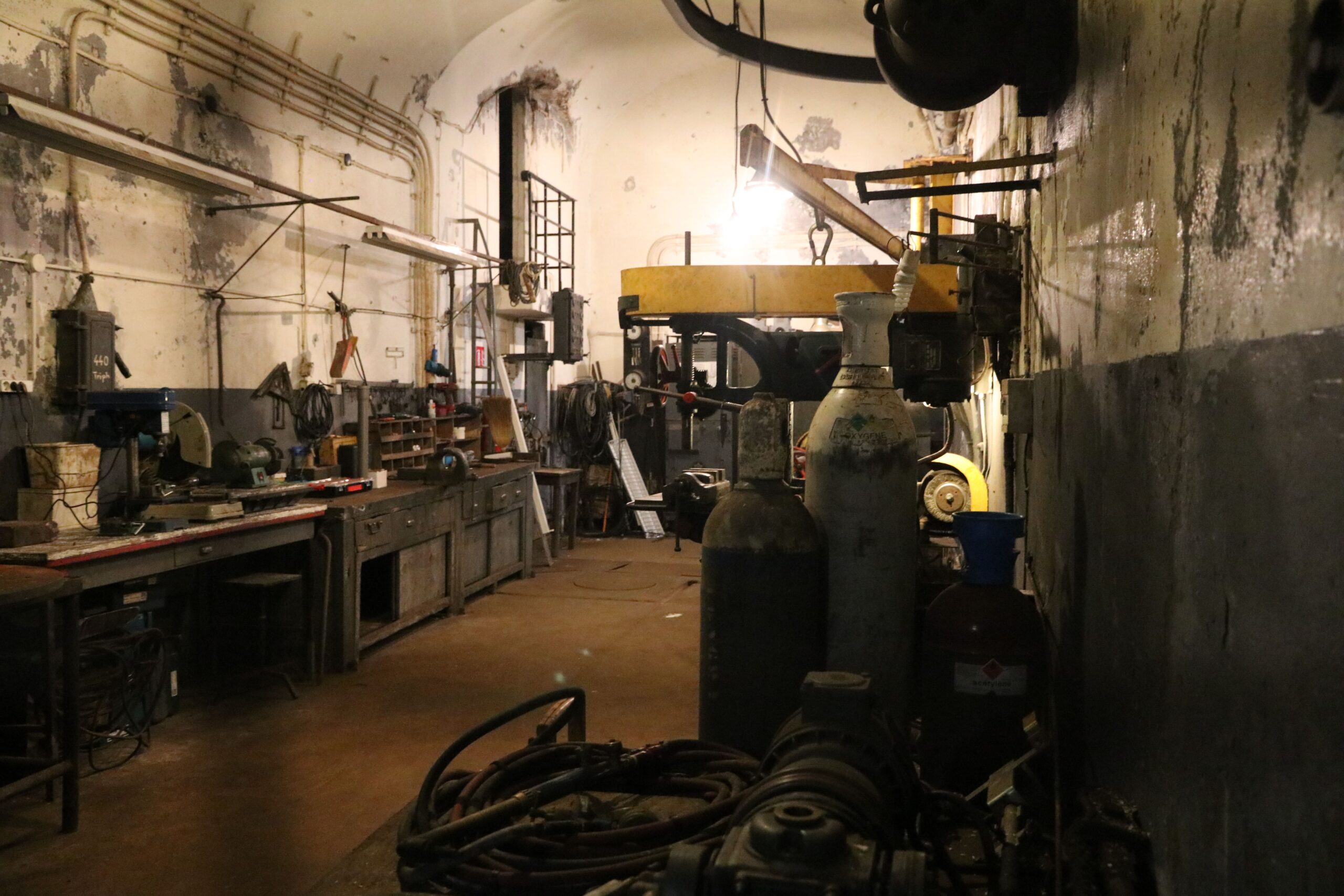
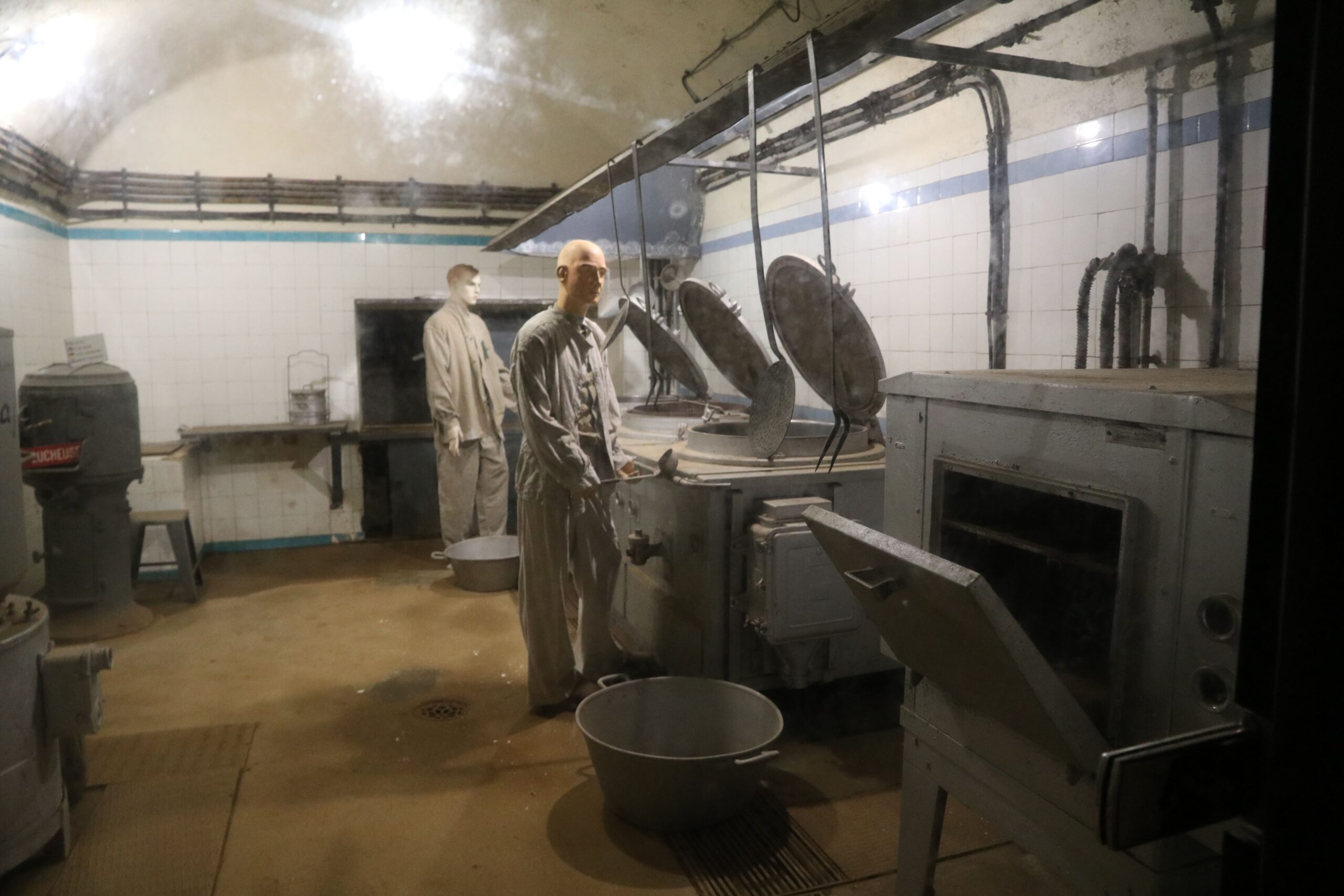
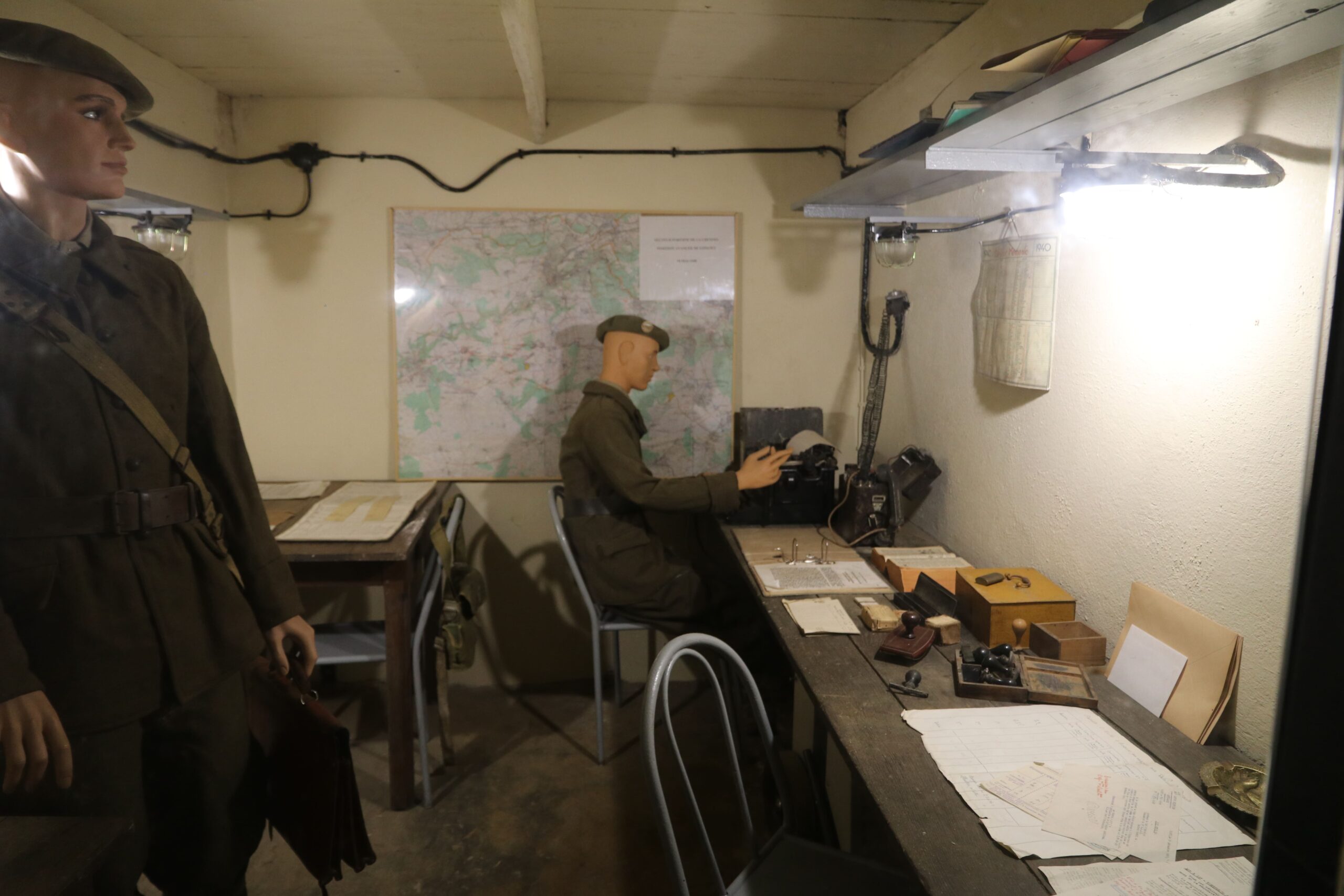
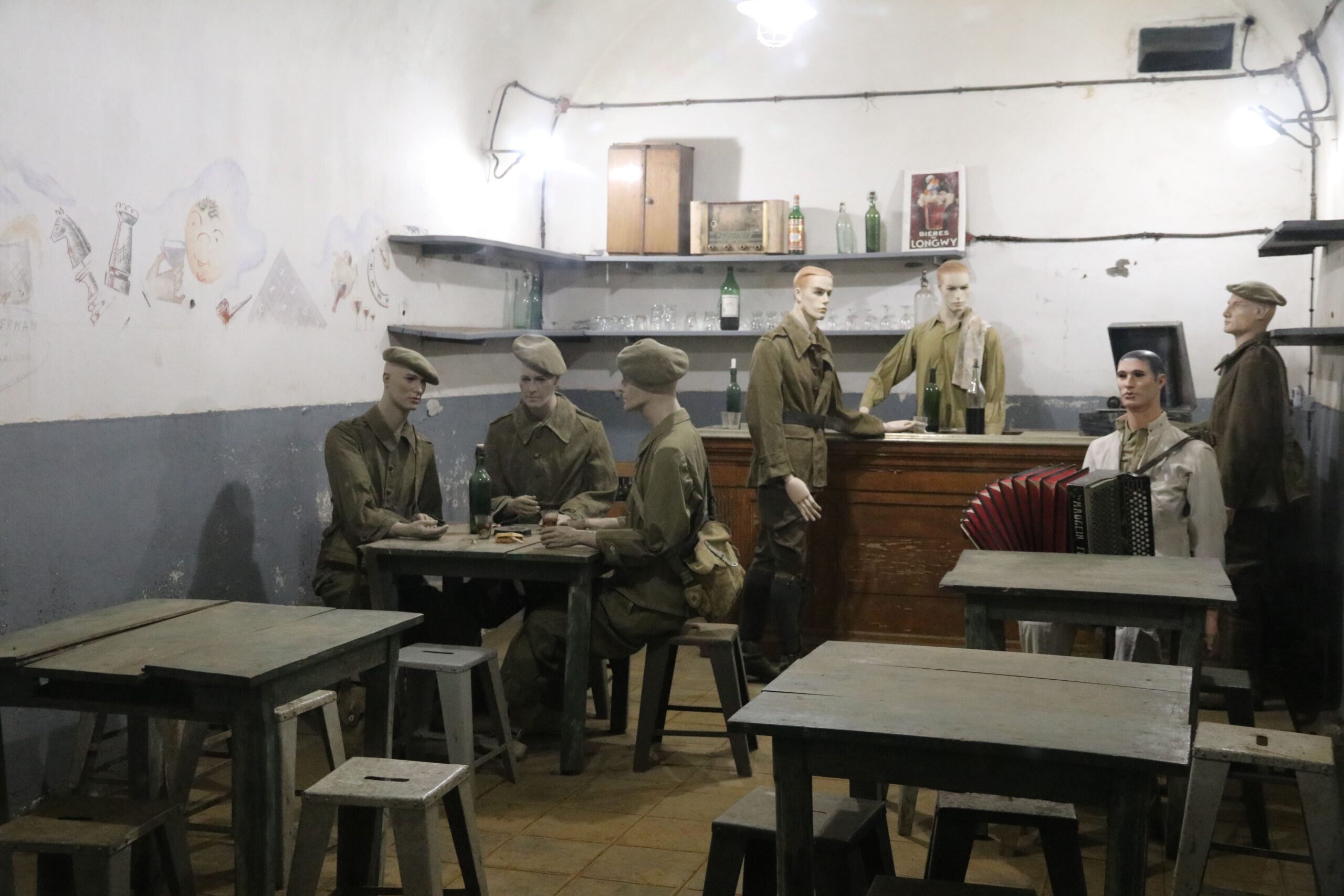
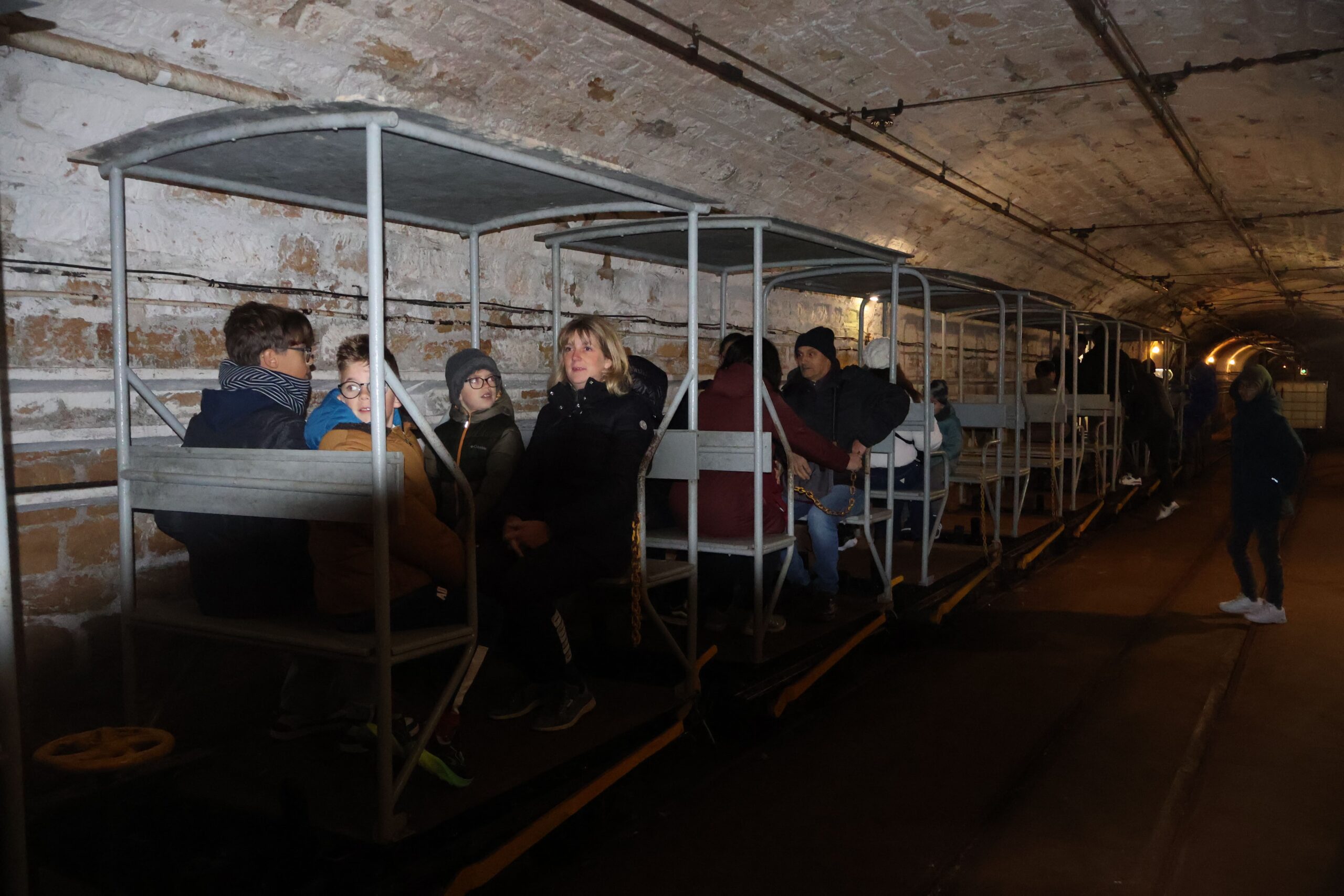
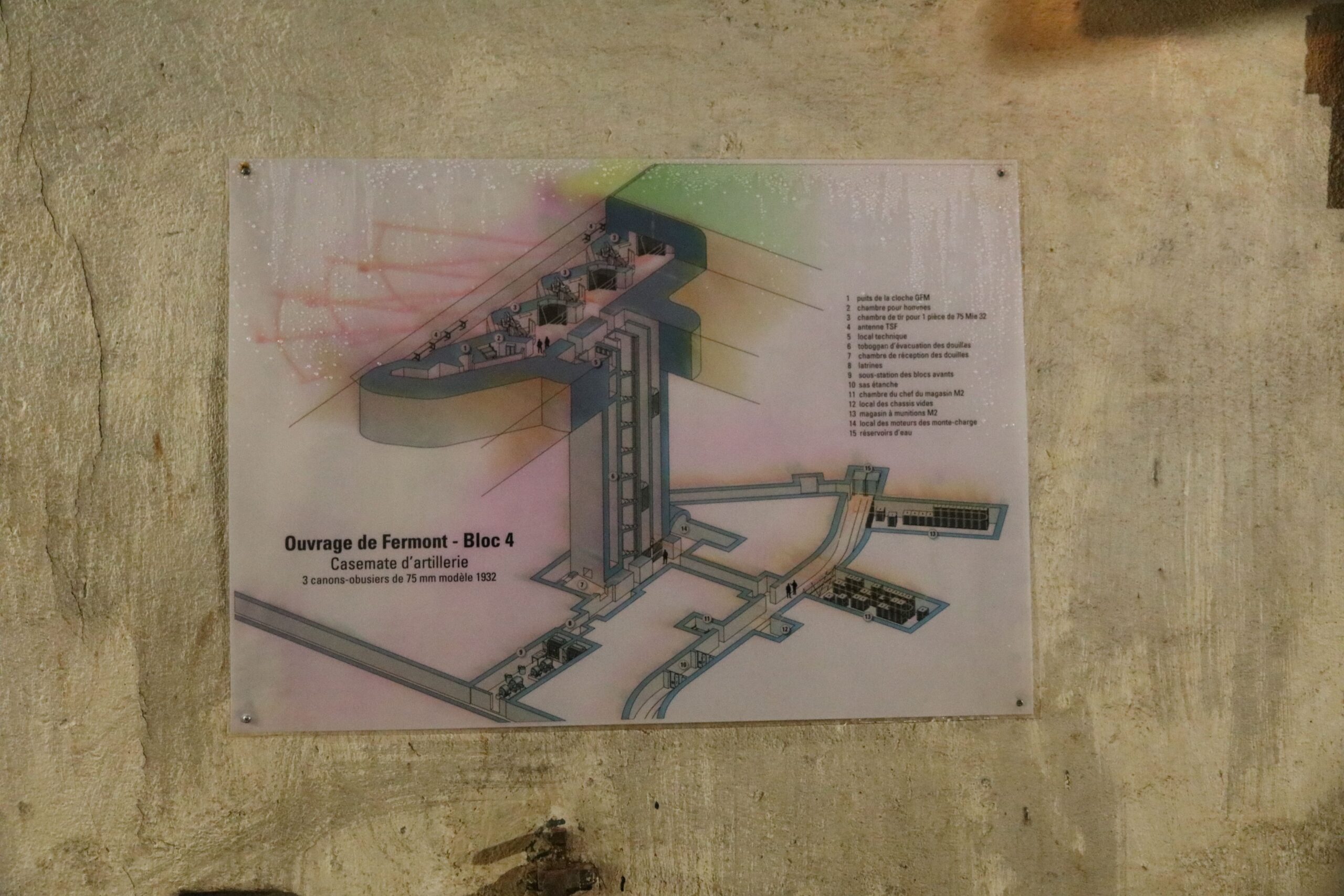
Thanks to the electric train and the good maintenance of the site, the tour was easy to follow: the group travelled thirty metres underground through the galleries connecting the living quarters, storage areas (warehouses) and defence posts occupied by soldiers in the huge concrete structure of Fort Fermont. The Maginot Line is a line of defence named after André Maginot, a native of Lorraine (F), who succeeded Paul Painlevé as Minister of War at the end of 1929. Painlevé had opted, as early as 1925, for a defence policy in the event of a new war with Germany. He had set up a special commission which defined the route and components of a line of defence to fortify the borders with Luxembourg, Germany, Switzerland, Italy and part of Belgium. The Maginot Line stretches from Dunkirk to the south of Nice with around fifty small and large structures and, at regular intervals, casemates and observation points.
Fermont undefeated
From 1936 onwards, Fort Fermont was regularly occupied by its full complement (580 soldiers, 75 non-commissioned officers and 21 officers) ready for combat.
From 10 May 1940, German troops went on the offensive and fighting continued until 27 June 1940, when all French soldiers evacuated the fort, five days after the armistice.
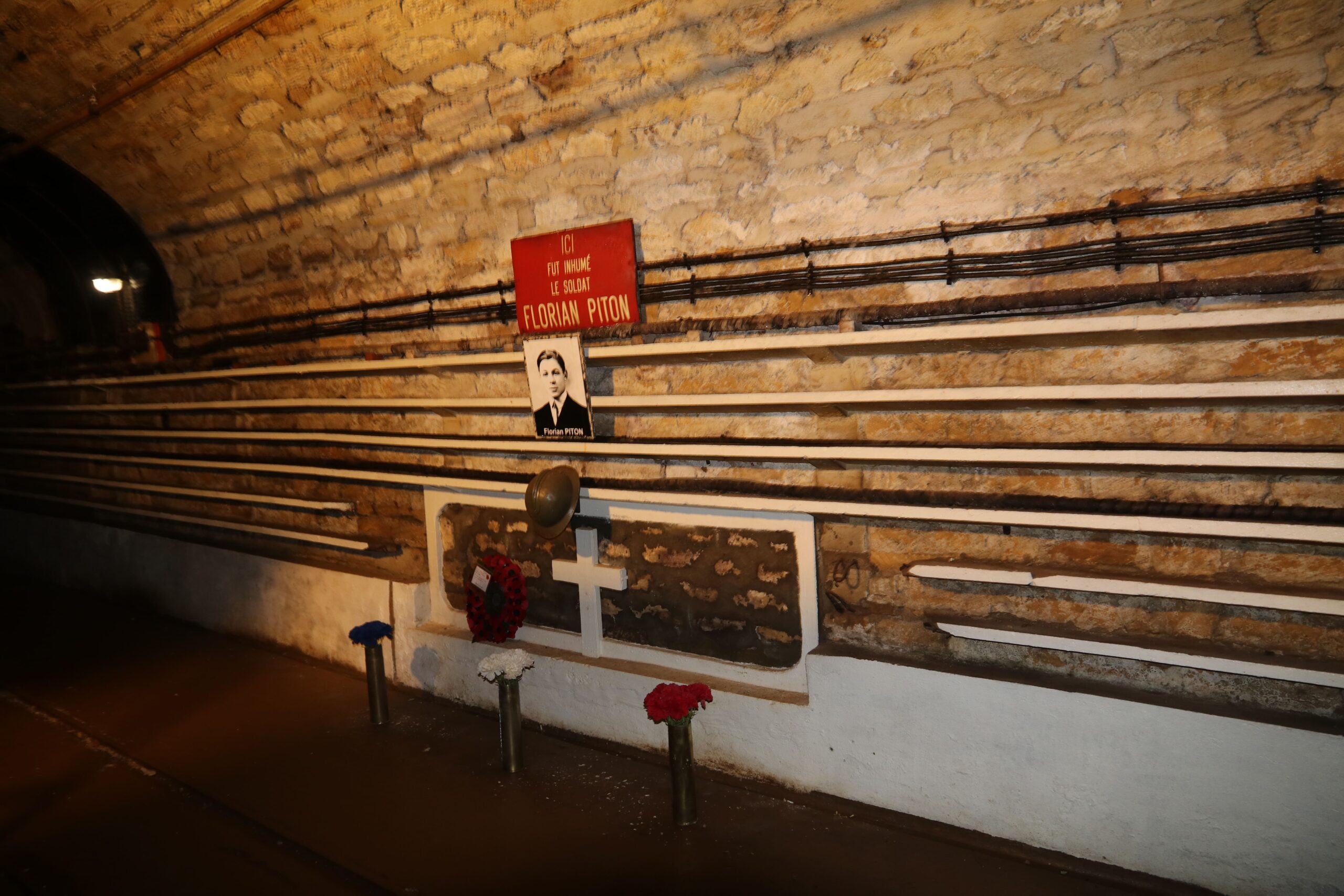
Fermont remained undefeated during the hostilities and was occupied by the Germans until September 1944. The fort was then used by American soldiers during the winter of 1944-1945 as a rear base for troops engaged on the Ardennes and Luxembourg fronts.
The Fermont fortification is still owned by the Ministry of Defence, which has made it available to the Association des Amis de l’Ouvrage de Fermont et de la Ligne Maginot (Friends of the Fermont Fortification and Maginot Line Association). This association maintains it and makes it accessible to the public in order to preserve its memory.