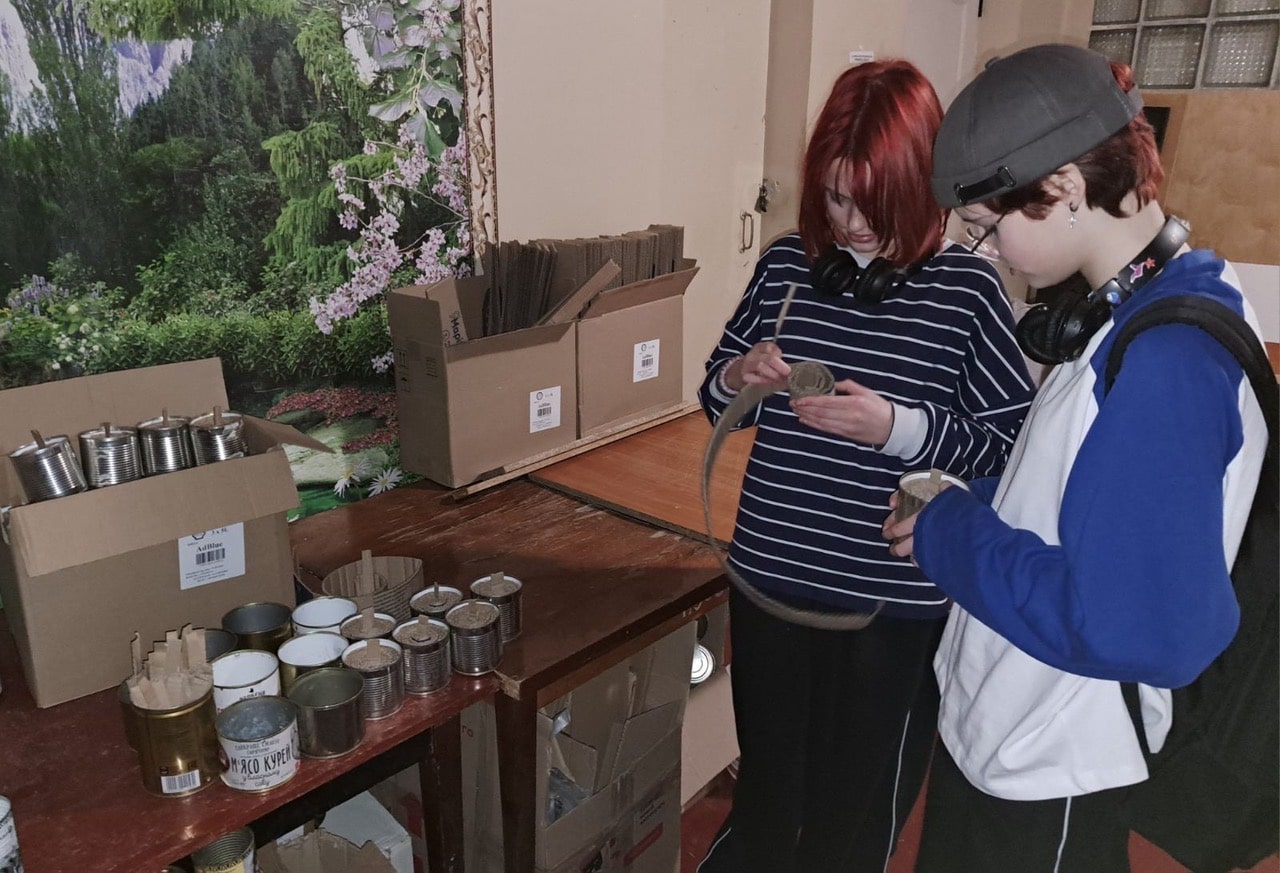
Children from the Greek-Catholic parish in Berezhany (Western Ukraine) helped to make the decorations that were sold at the Christmas Market in Differdange (L) from 29 November to 22 December 2024. Many of them are internal refugees from territories at war or occupied by Russia in the east and south of the country.
On 6 January, the Ad Pacem association sent them sweets as presents.
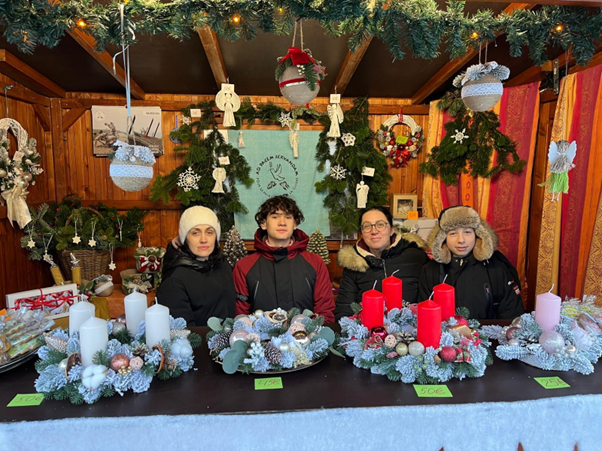
From Friday 29 November to Sunday 22 December 2024, the association Ad Pacem servandam – Pour la Paix et contre la guerre asbl. was present at the Christmas Market in Differdange, renting a chalet. Visitors could buy a range of decorations for Advent, Christmas and the festive season. The decorations were made by a Ukrainian woman whose family fled Donbass in 2015, following the Russian invasion, to settle in western Ukraine.
Proceeds from the sales will go to help the Refuge for Women and Children in Ivano-Frankivsk, many of whom have fled the war-torn territories..
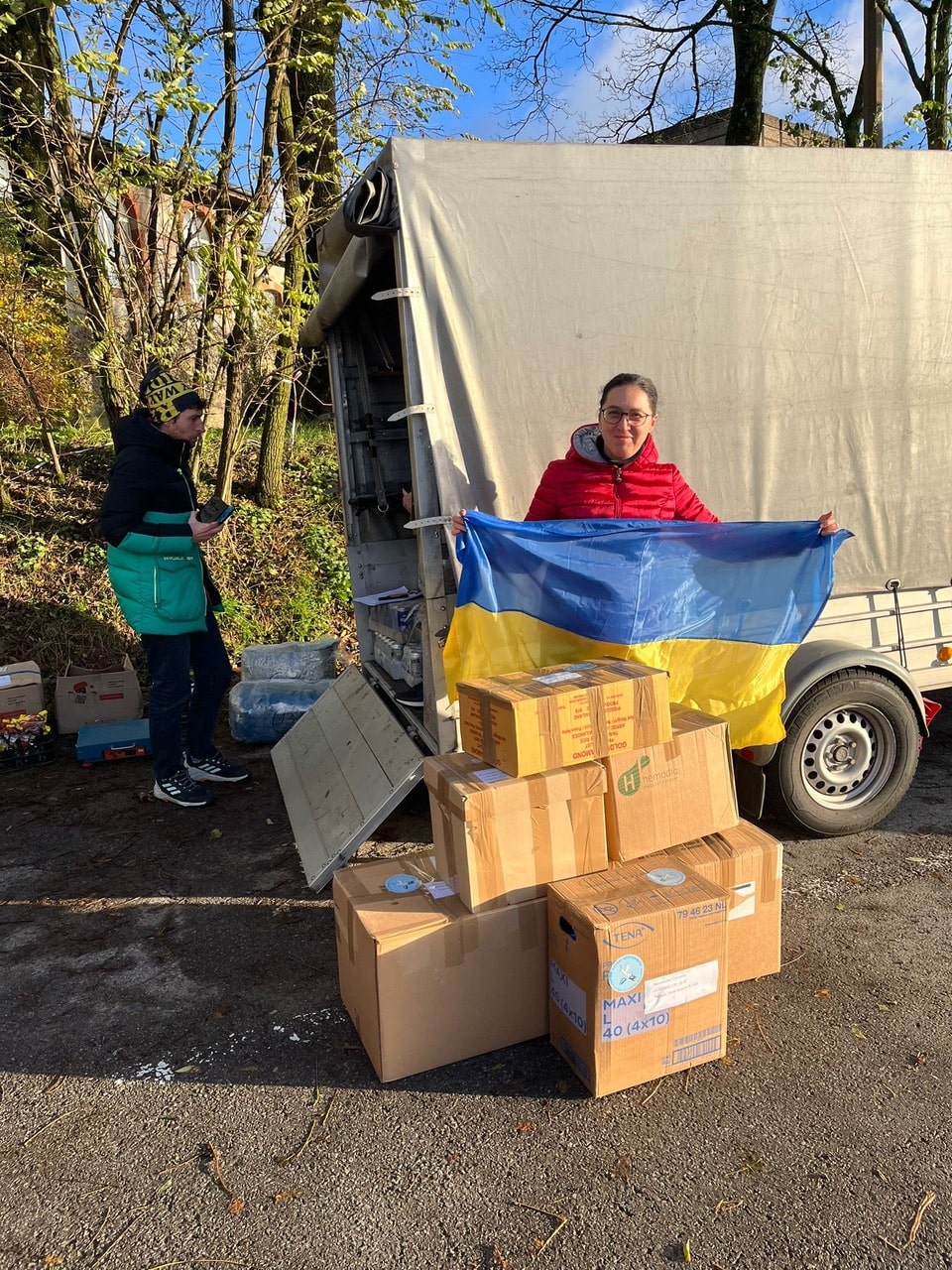
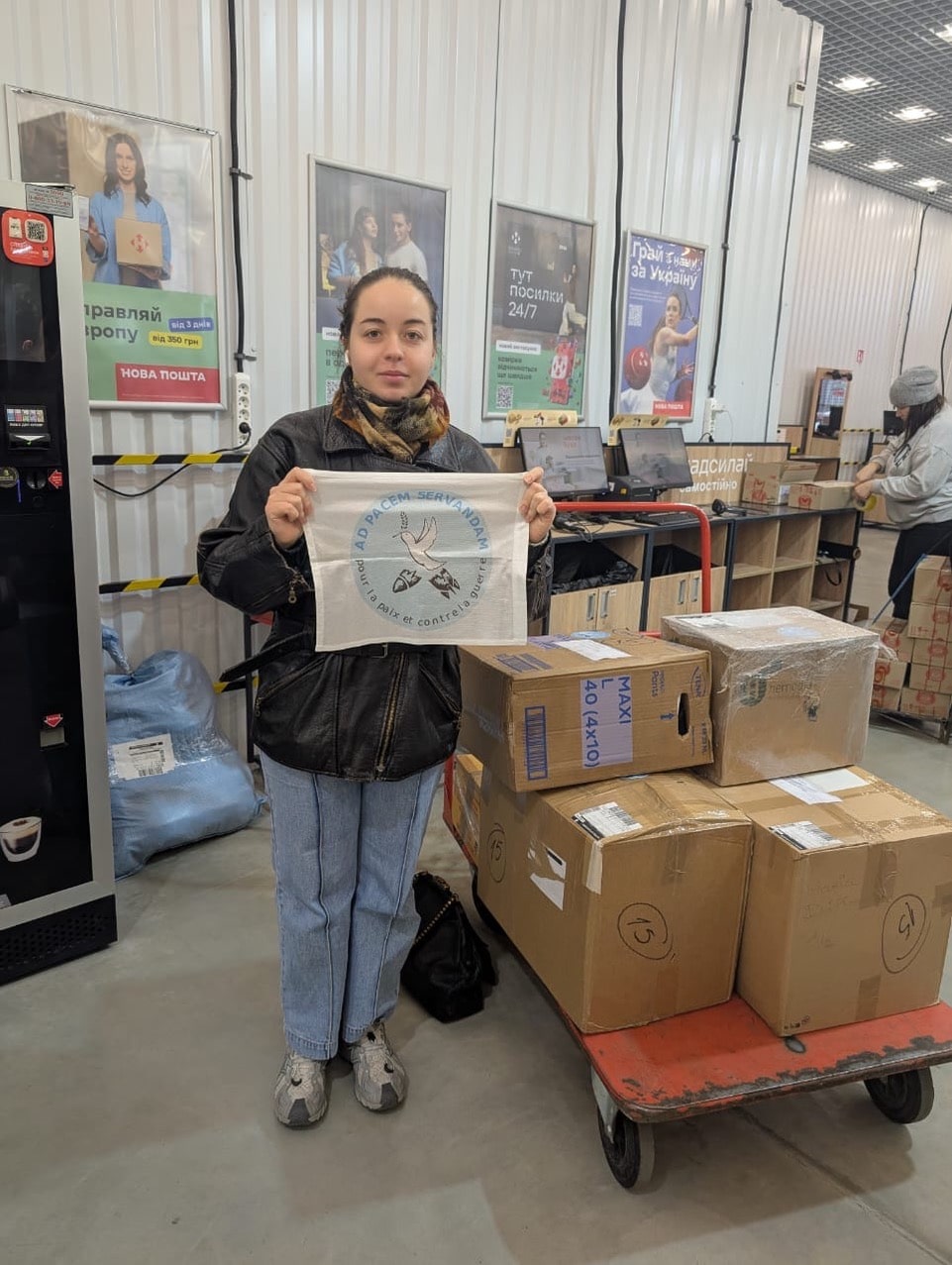
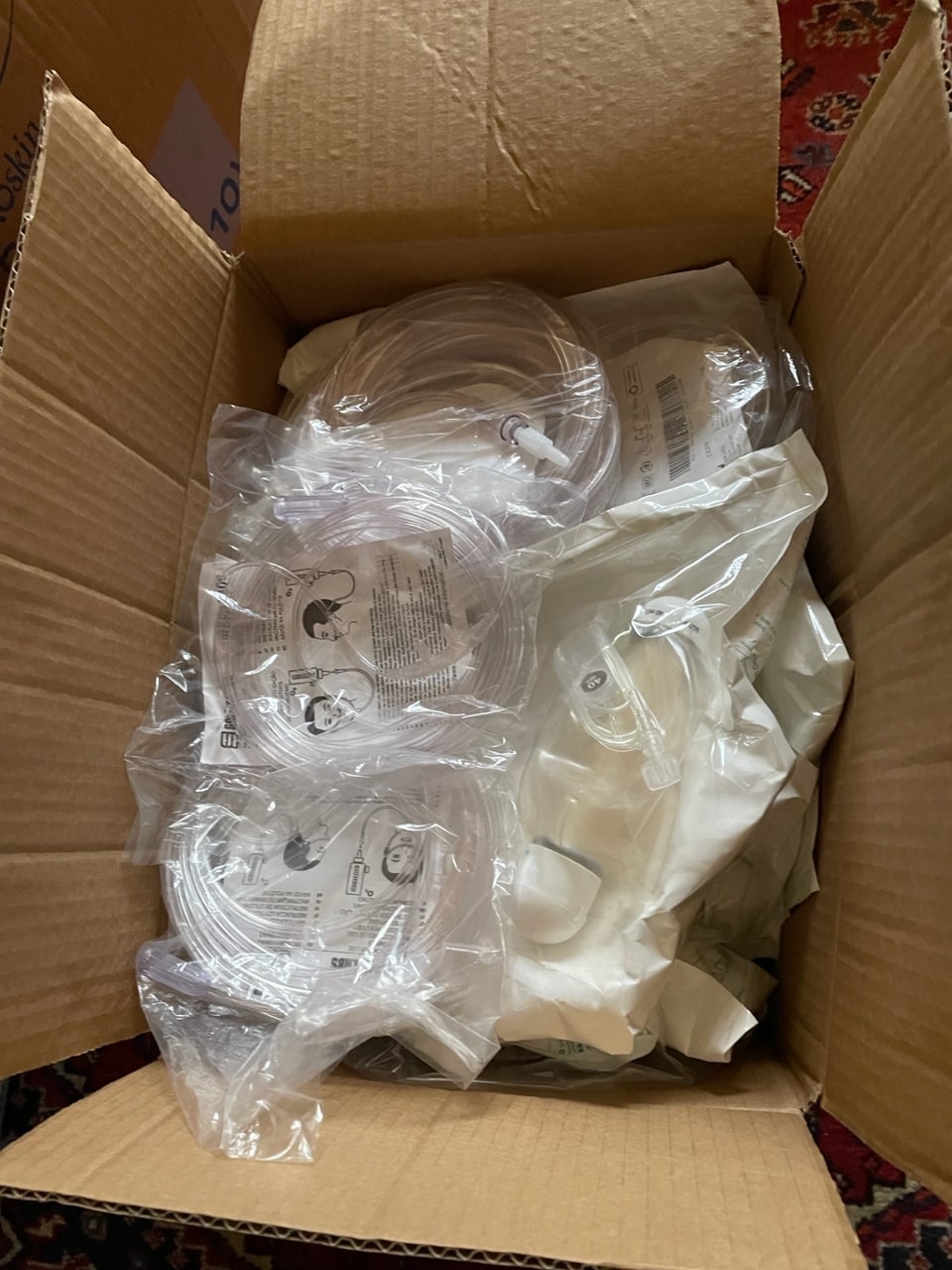
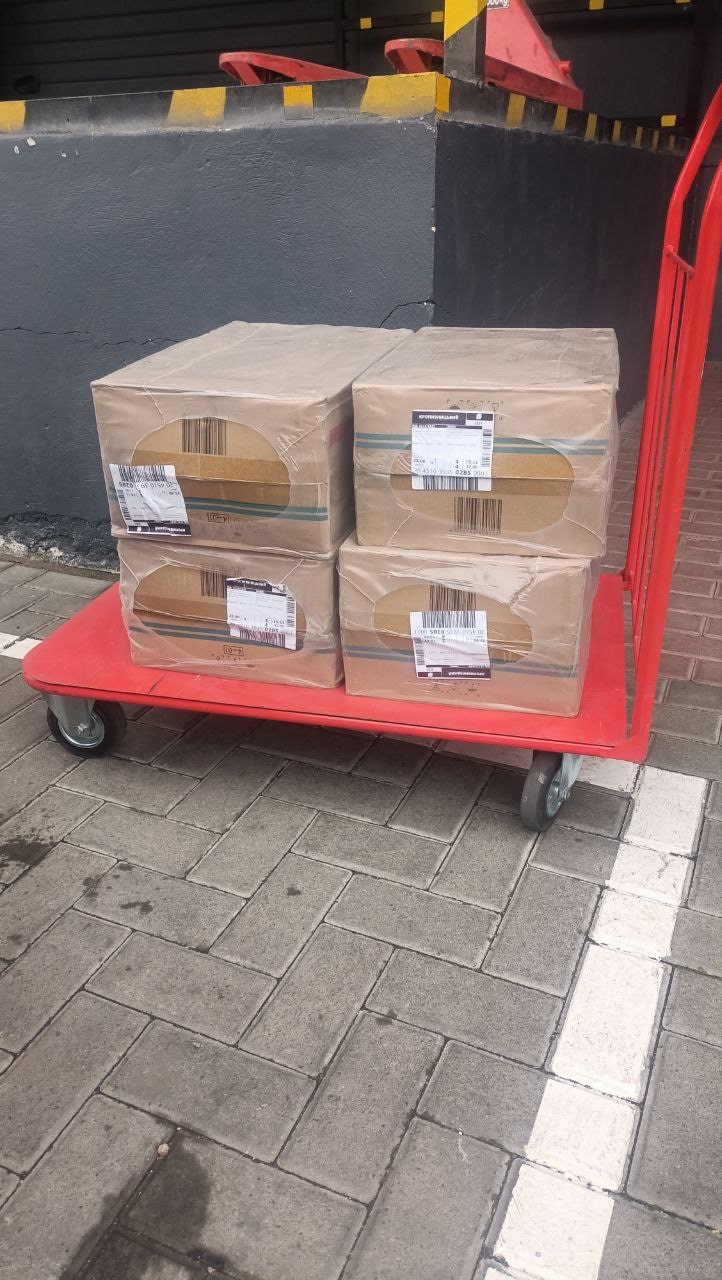
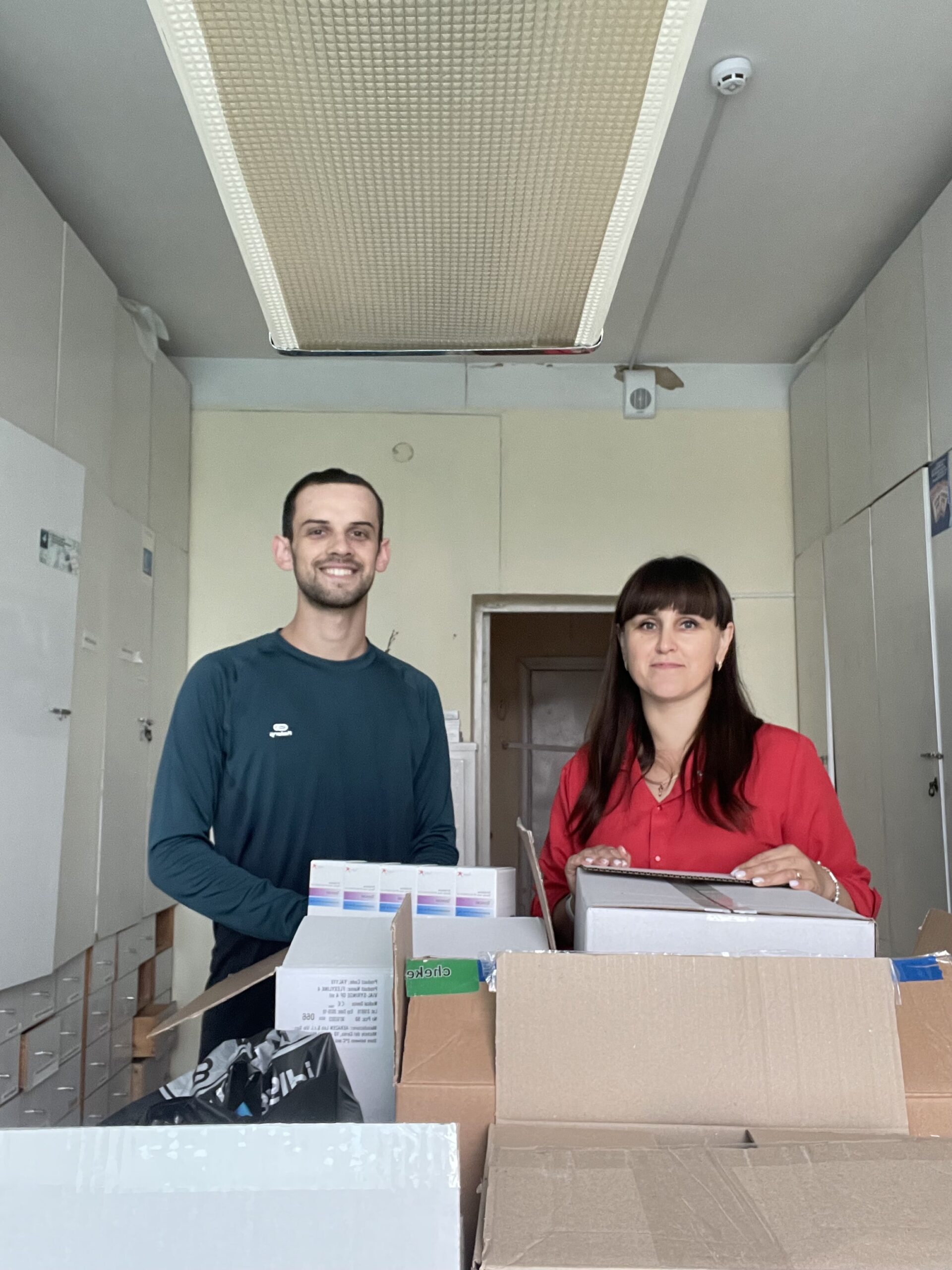
Sent from Luxembourg on 19 November 2024, our aid (six cardboard boxes) was received by our co-operator on 26 November 2024 at the Kharkiv hospital. The shipment contained bandages of various sizes, several post-operative kits, surgical masks, some orthoses and tubes and catheters for enteral feeding.
Every year, we visit places in Europe that have been marked by major wars in the past. We collect documents and take photos, which are then used to design the calendar for the following year.
The 2025 calendar, available in French, German and Italian, illustrates the four main Allied landings (Sicily, Gulf of Salerno, Normandy and Provence). These events, which liberated Europe from the Nazi yoke in 1943 and 1944, are detailed through photos and information gathered on the spot. QR codes accompanying each month’s photos provide access to additional historical information.
Knowing about past wars is important for understanding the value of Peace today.
Proceeds from the sale of the 2025 calendar (€10 + postage) will be donated in full to the Ukrainian medical association Hospitallers. This organisation intervenes rapidly to treat wounded soldiers and civilians near the front line. In order to prevent deaths on the battlefield, the wounded are transported as quickly as possible to hospitals in the major towns, using all-terrain vehicles and a bus equipped for operations and first aid.
To order a calendar, make a transfer of €16 (calendar + postage) to our current account IBAN: LU28 0099 7800 0064 0276 (BIC: CCRALULL). Don’t forget to include your surname, first name and postal address, as well as your preferred language. The calendar will be sent to you by post.
2. Christmas Market in Differdange
This year, our association will be present at the Marché de Noël in Differdange, from 29 November to 22 December.
We have invited an internal refugee from Ukraine who is currently living with her family in the west of the country. Visitors to the Market will have the opportunity to discover her magnificent handmade Christmas decorations, which she makes herself. The purchase of these decorations helps all her family and friends to cope with the difficulties faced by internally displaced people and refugees. Part of the proceeds will also be donated to a home for displaced children.
The Christmas market is open from 2pm to 8pmfrom Wednesday to Sunday, and until 10pm on Fridays and Saturdays. The market remains closed on Mondays and Tuesdays.
To find out about all the items available (sizes, prices, etc.), click here: Assortiments décorations Noël 2024 They can be purchased directly at the market. If you have any questions, please do not hesitate to contact us on (+352) 621 280 850.
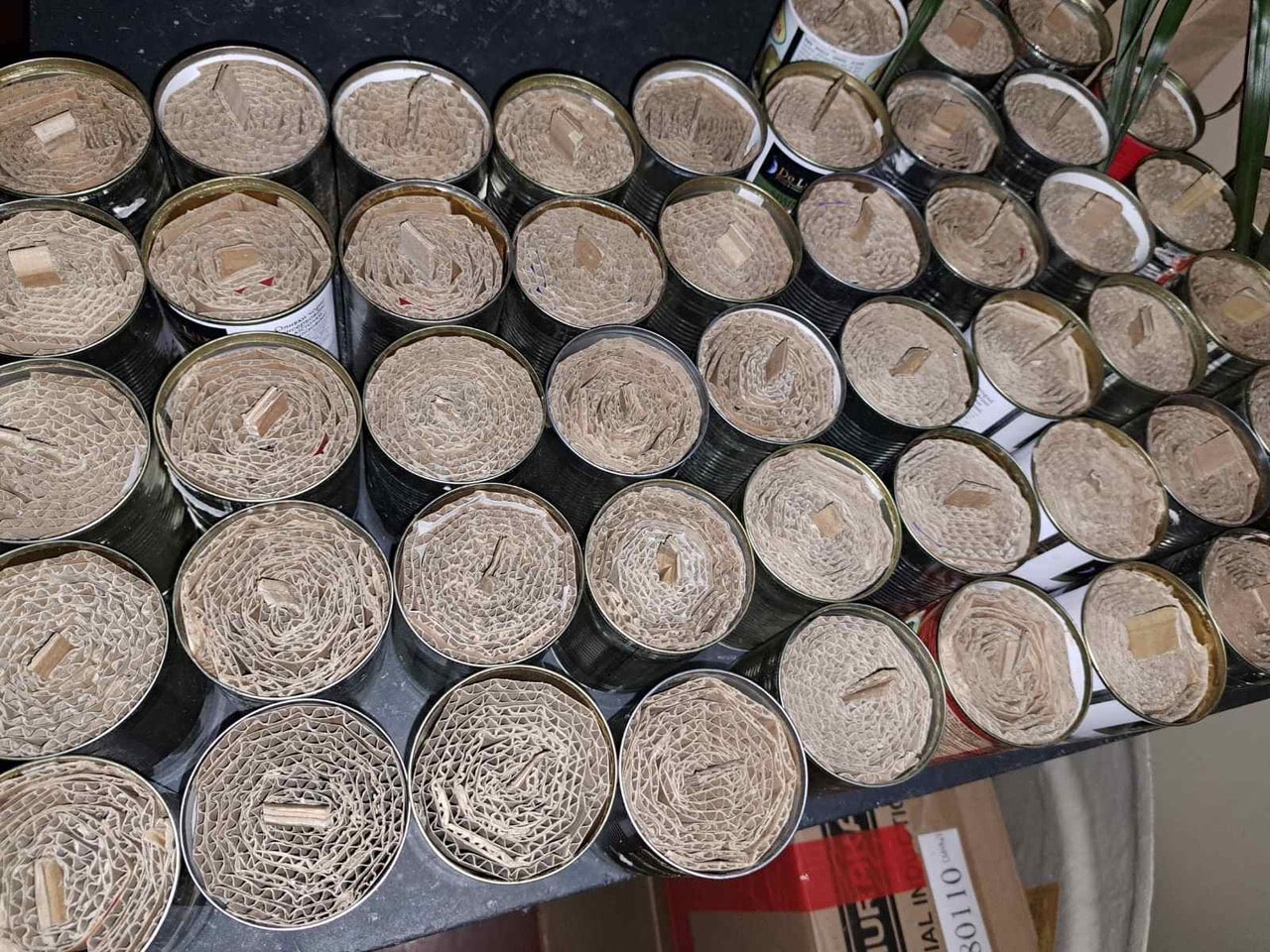
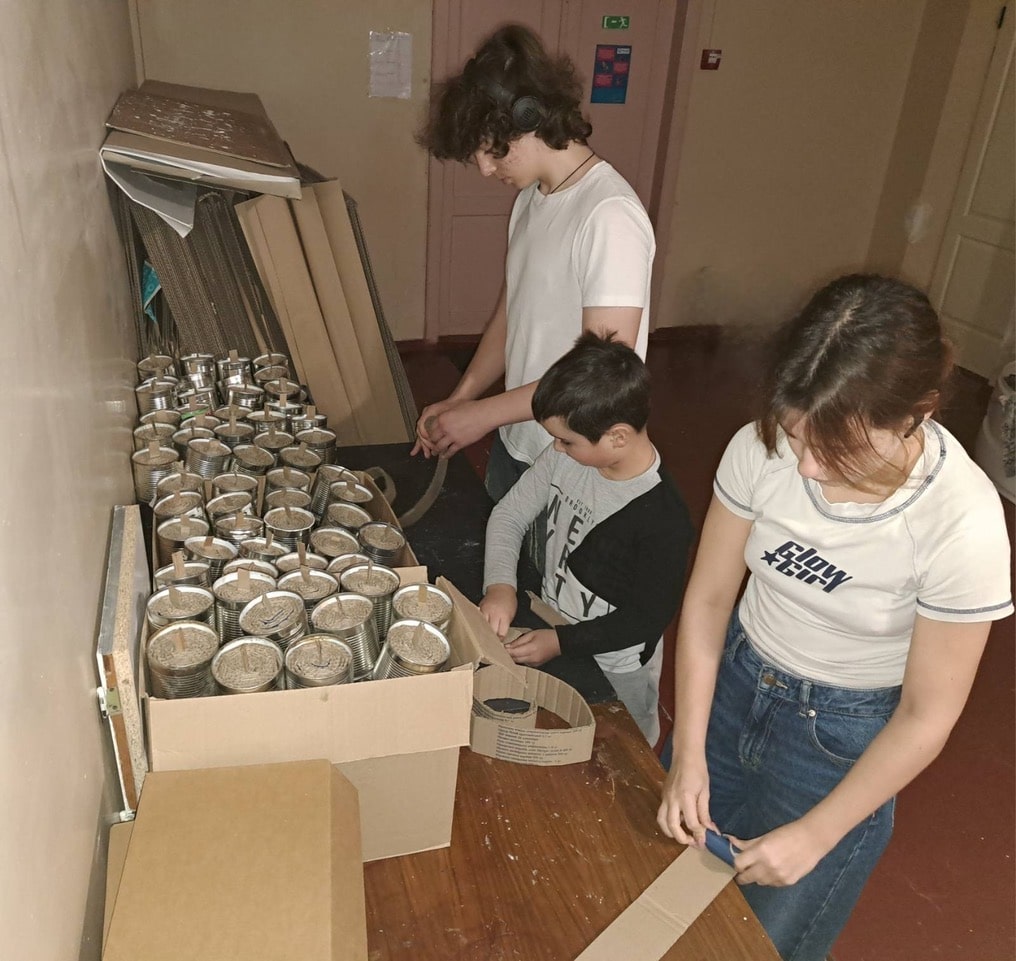
The Ad Pacem association bought 100 kg of paraffin in Ukraine for the school in Kropyvnyckyj (western Ukraine). The school’s pupils used the paraffin to make candles that were sent to the front where they are used by soldiers in the trenches. The majority of these pupils are internal refugees from Kramatorsk, a town in the east of the country close to the front line.
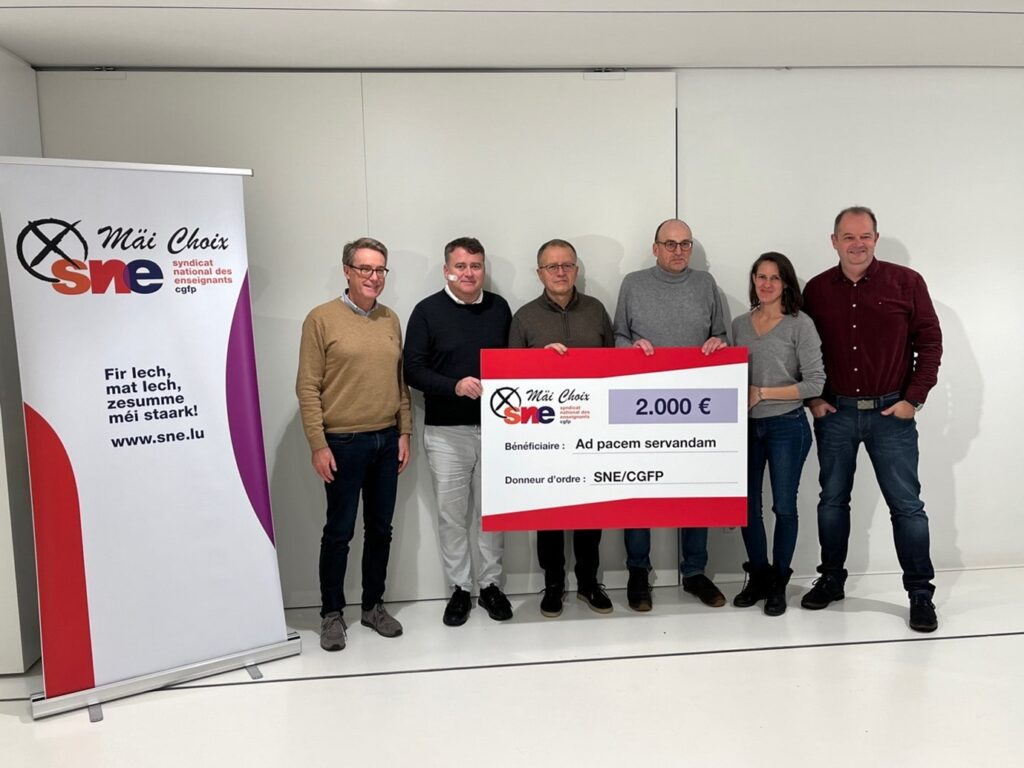
On Tuesday 19 November 2024 Claude Pantaleoni, president of the association, received a cheque for €2,000 from the committee of the Syndicat National des Enseignants SNE/CGFP at its headquarters in Luxembourg-Bonnevoie.
The money is earmarked for humanitarian aid projects financed by the association in Ukraine at the ‘Misto Dobra’ (Chernivtsi) and ‘Refuge for mothers and children’ (Ivano-Frankivsk) centres for victims of the war.
In the photo (left to right): Gilles GLESENER (General Secretary), Patrick REMAKEL (Chairman), Claude PANTALEONI, Claude RIES, Vanessa SCHETGEN (1st Vice-Chairman), Christian KOHNEN
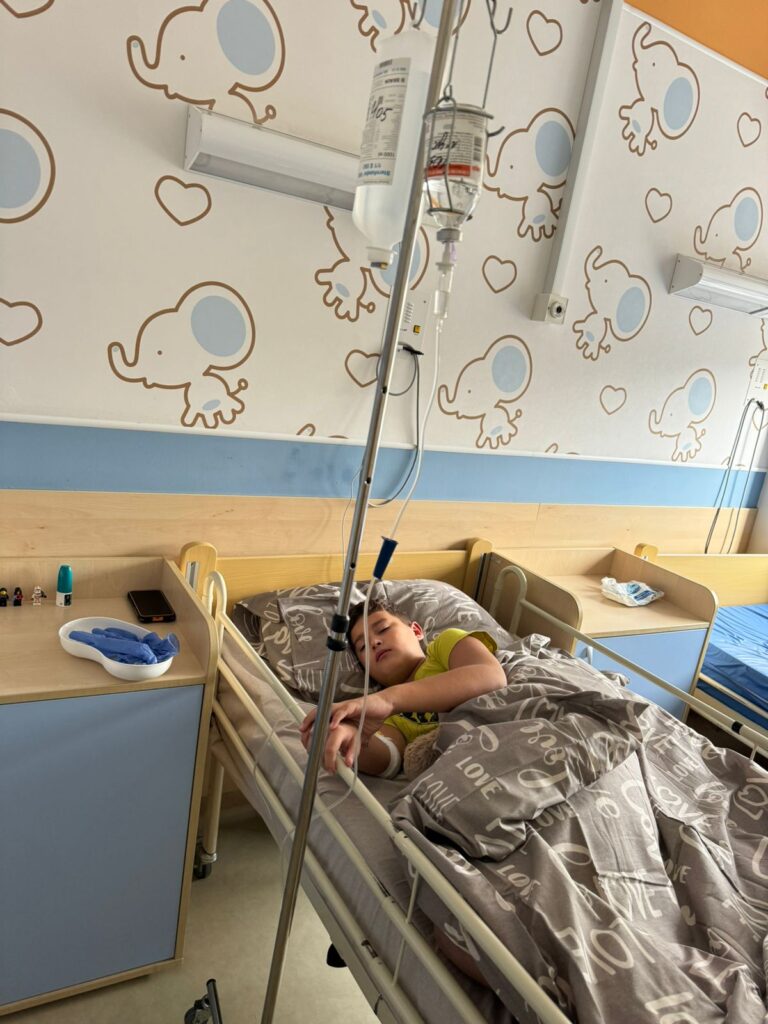
The child Lubomir, from a refugee family from the Donbass, had to undergo an urgent operation on these two days in the hospital in Dnipro. He underwent an urgent operation for acute inflammation of the paranasal sinuses. The operation was paid for by Ad Pacem servandam.
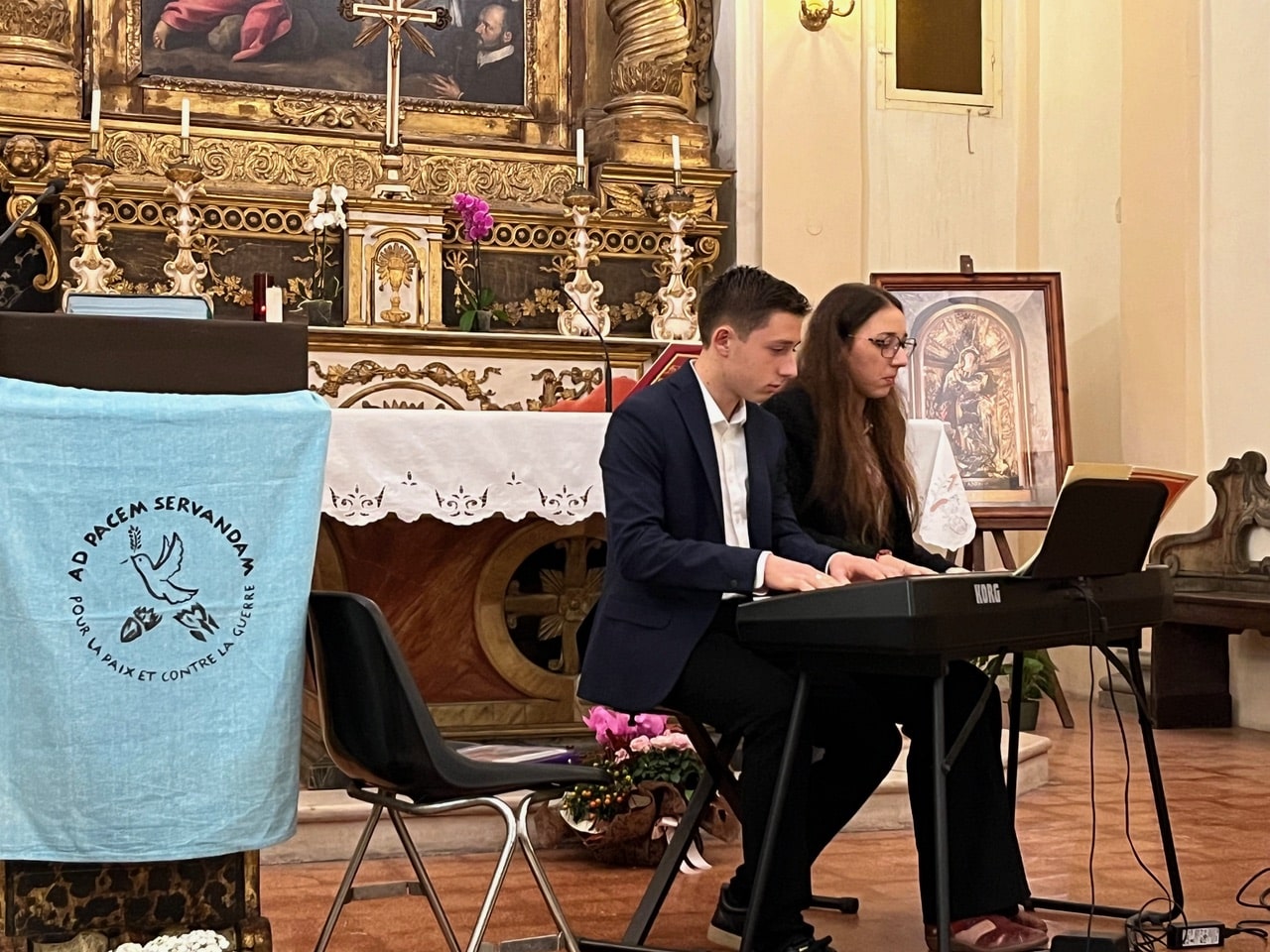
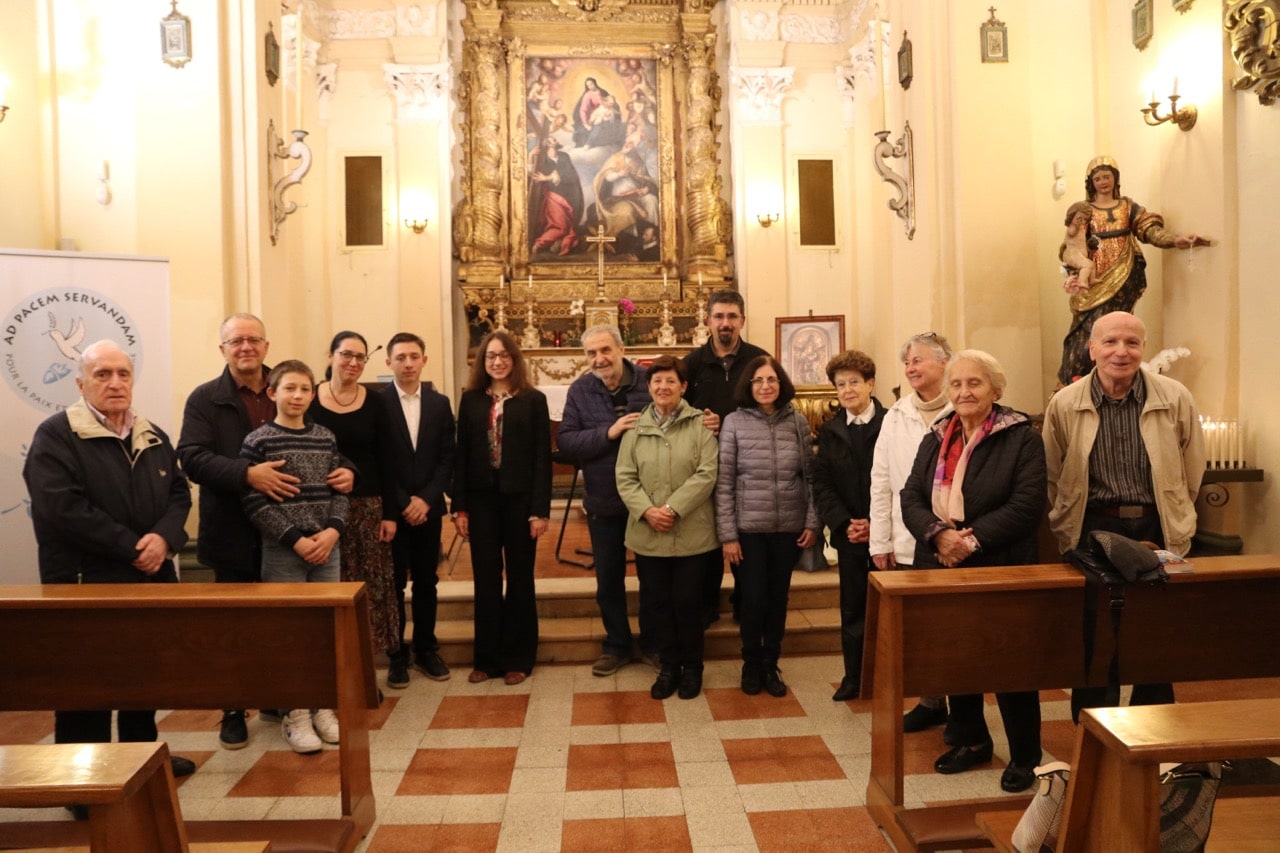
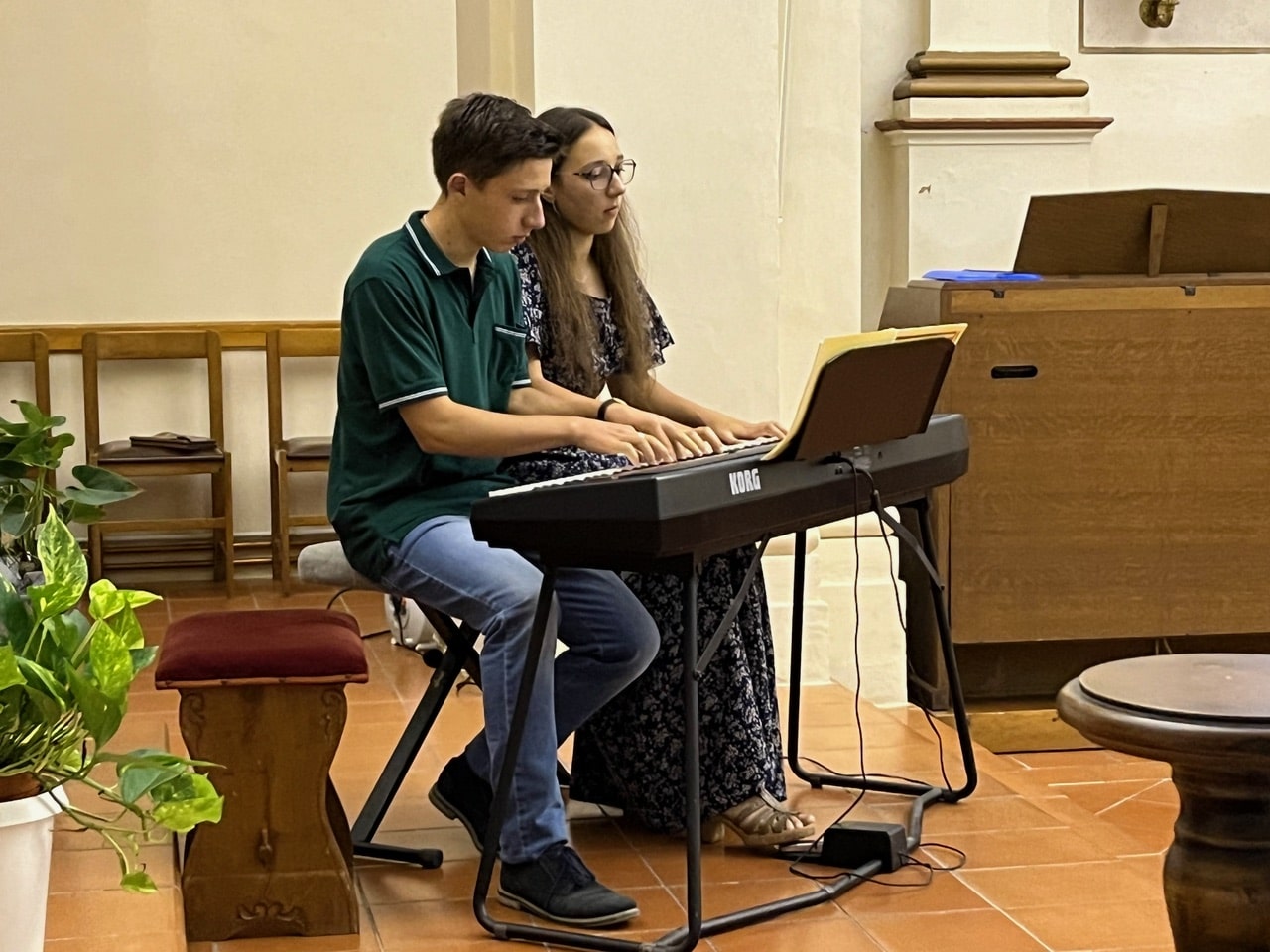
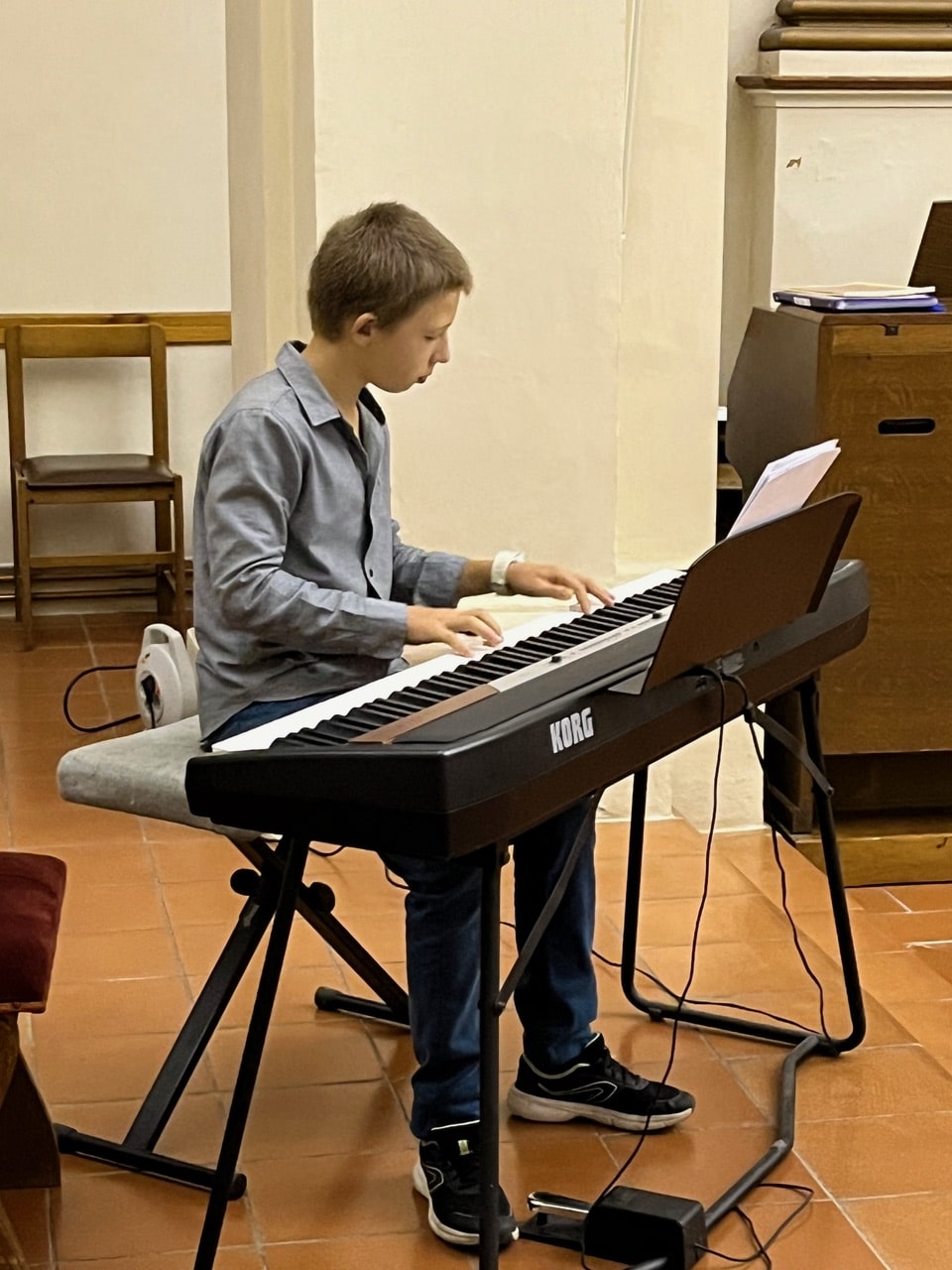
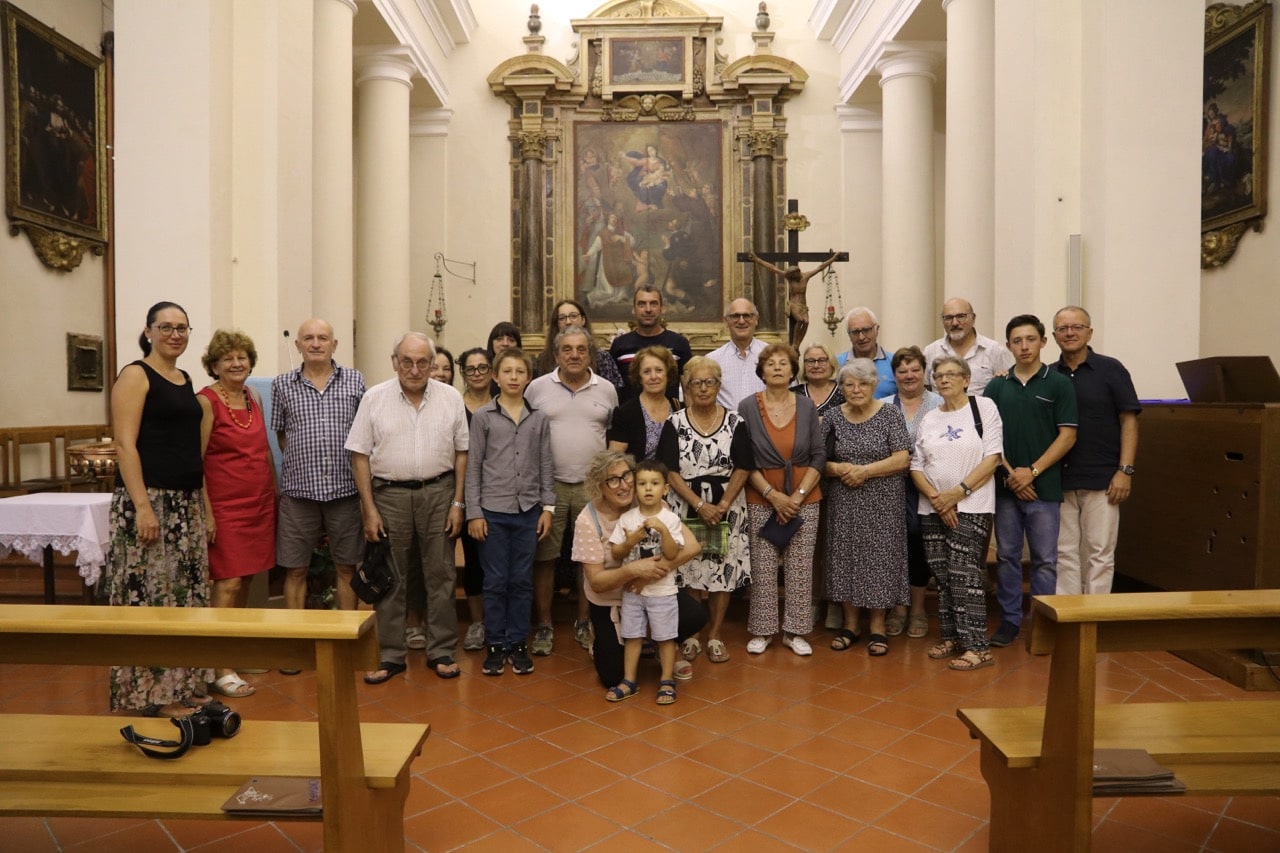
A concertino has been organised by the Ad Pacem association in Italy in the town of Pergola (Province of Pesaro Urbino). Laura and Daniel Pantaleoni interpreted a number of classical and romantic works. Donations raised went towards the purchase of medicines for the psychiatric hospital in Vorzel, near Kyiv.
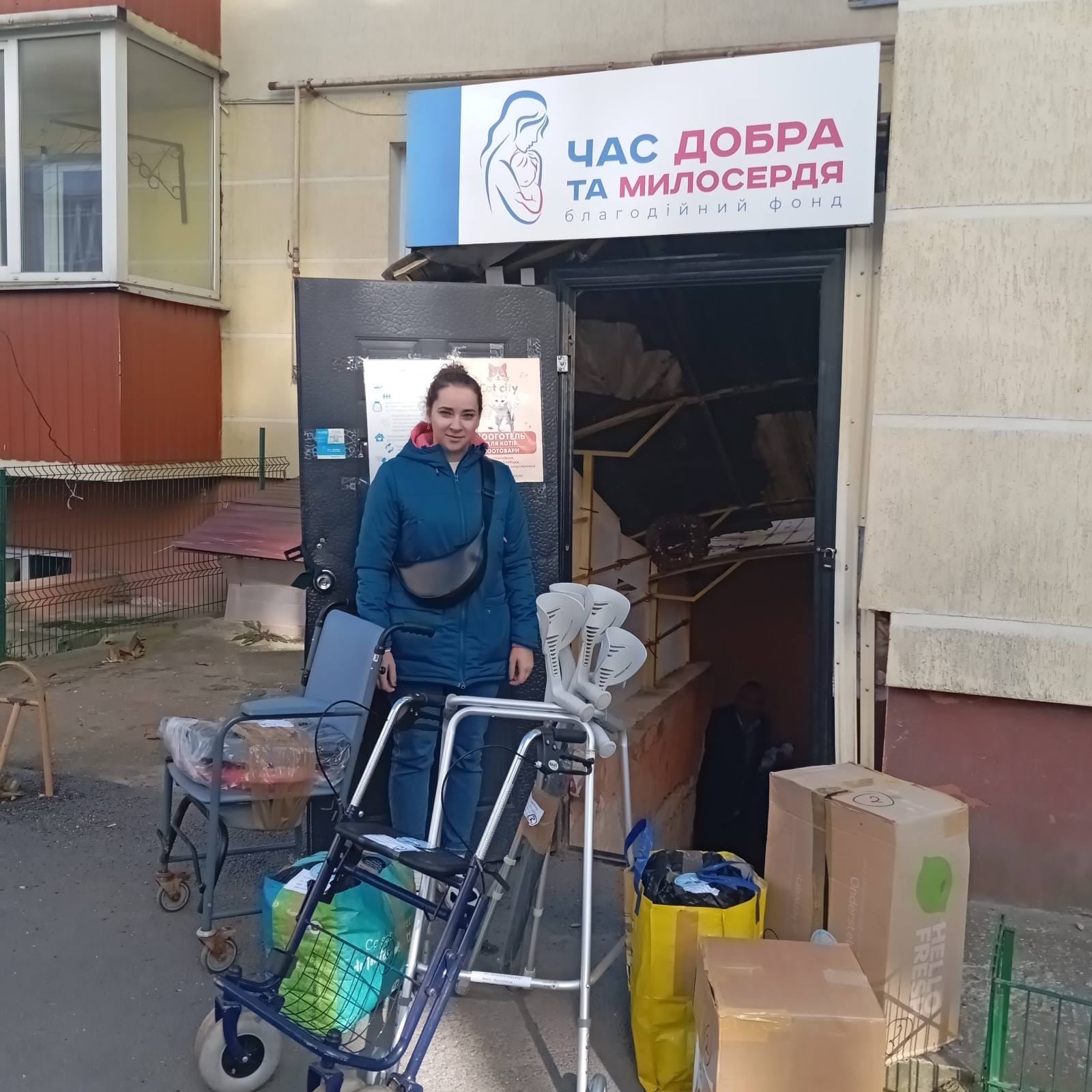
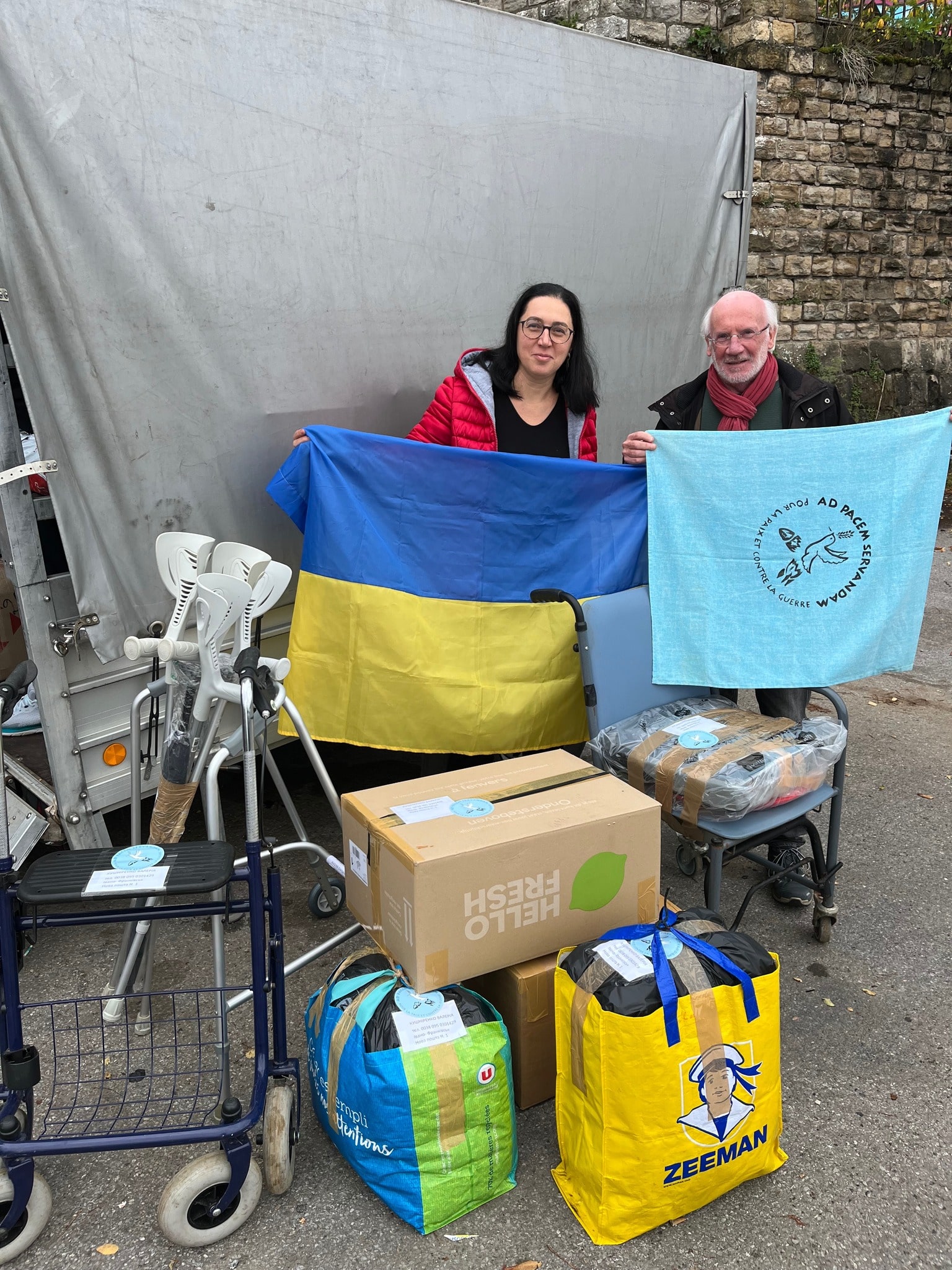
Dispatch from Luxembourg and receipt at the Ivano Frankivsk refugee centre of medical equipment (toilet chair,two walkers, several pairs of crutches), and clothing and footwear for the winter.
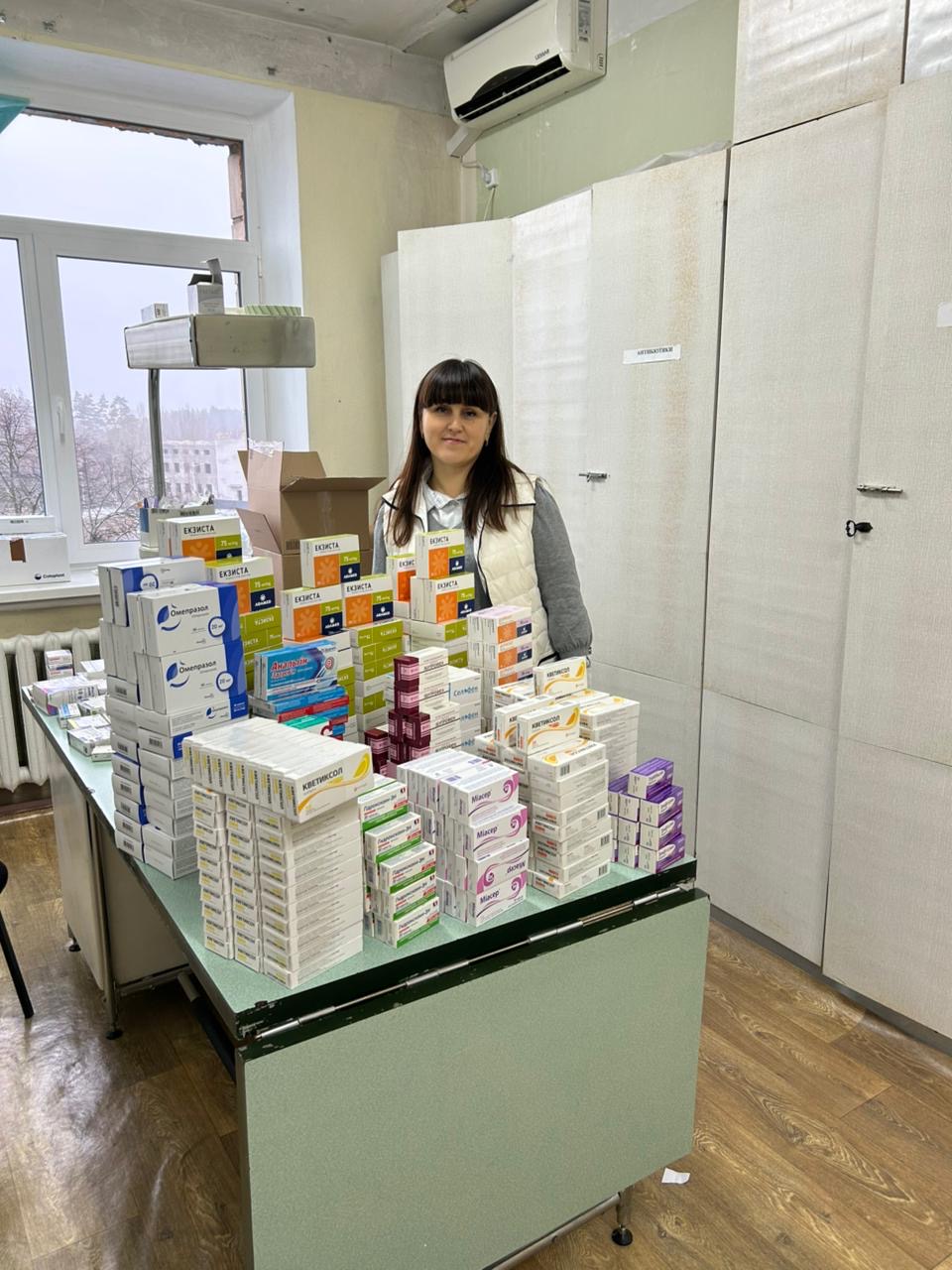
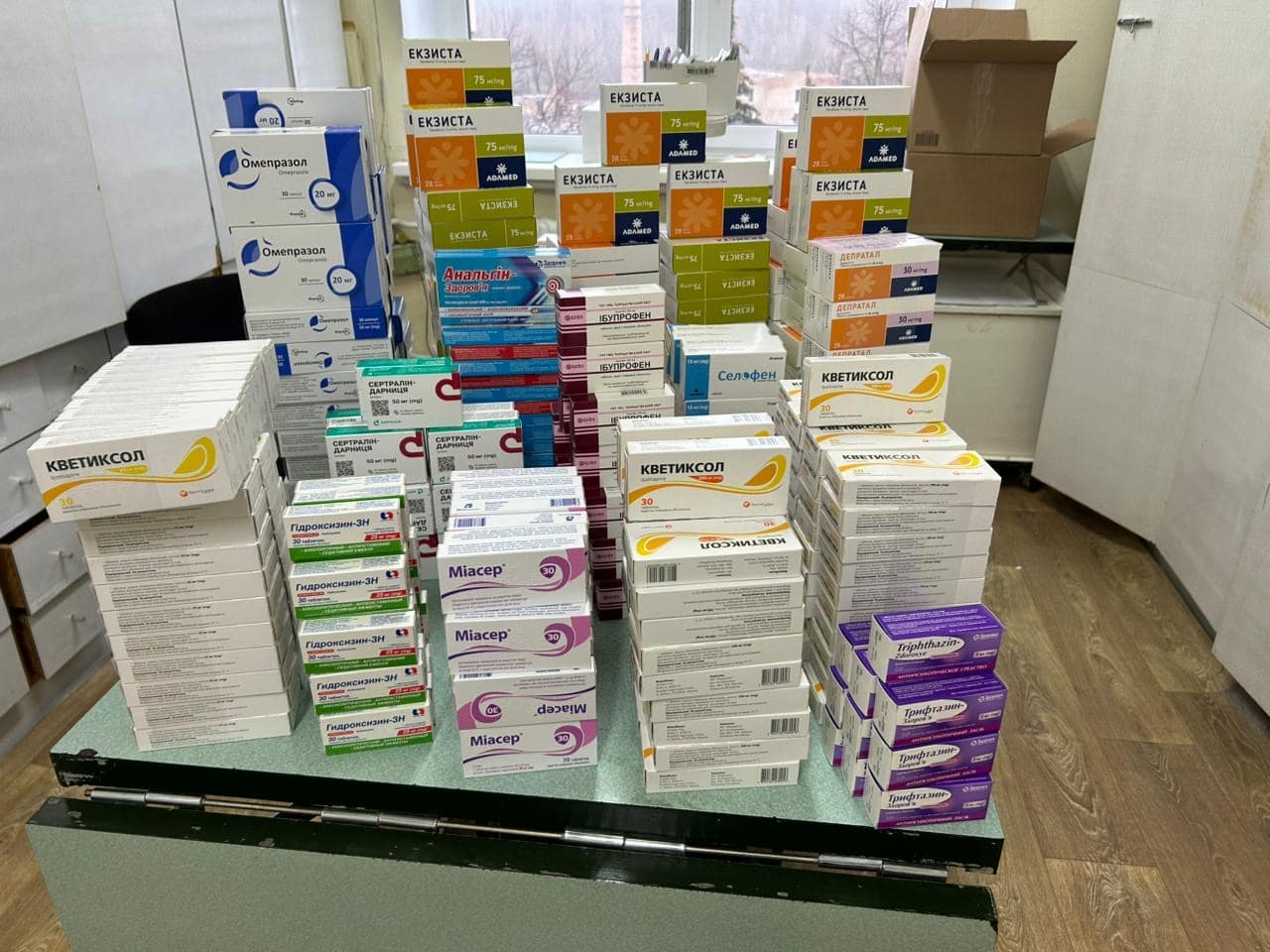
Our development worker uses the money from the sale of the 2024 calendars to buy and deliver the medicines needed by the psychiatric hospital in Vorzel (Ukraine).
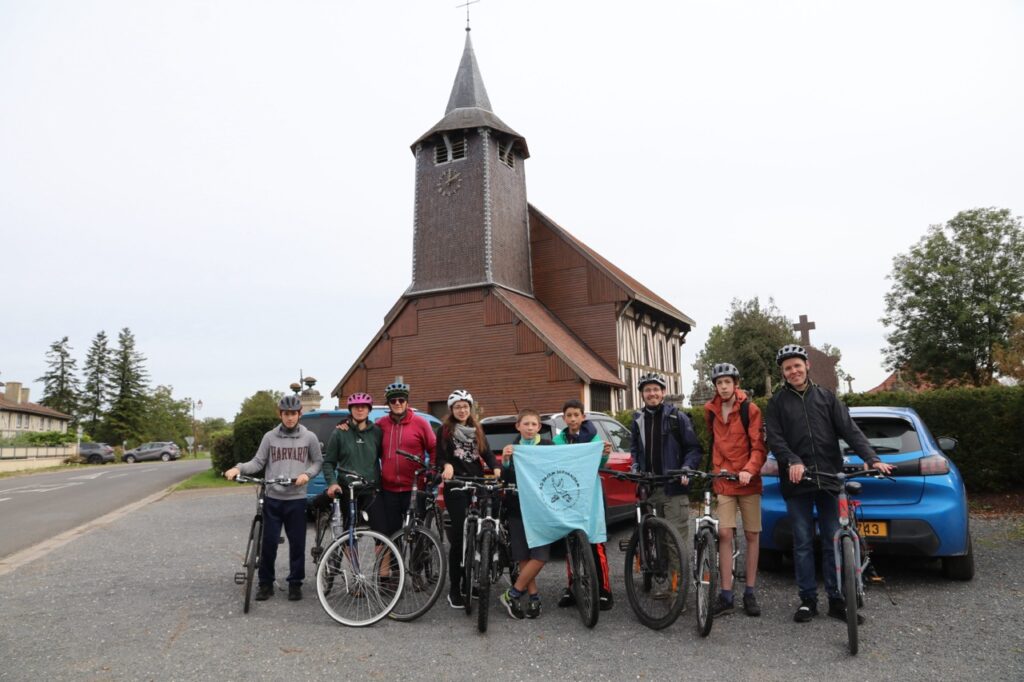
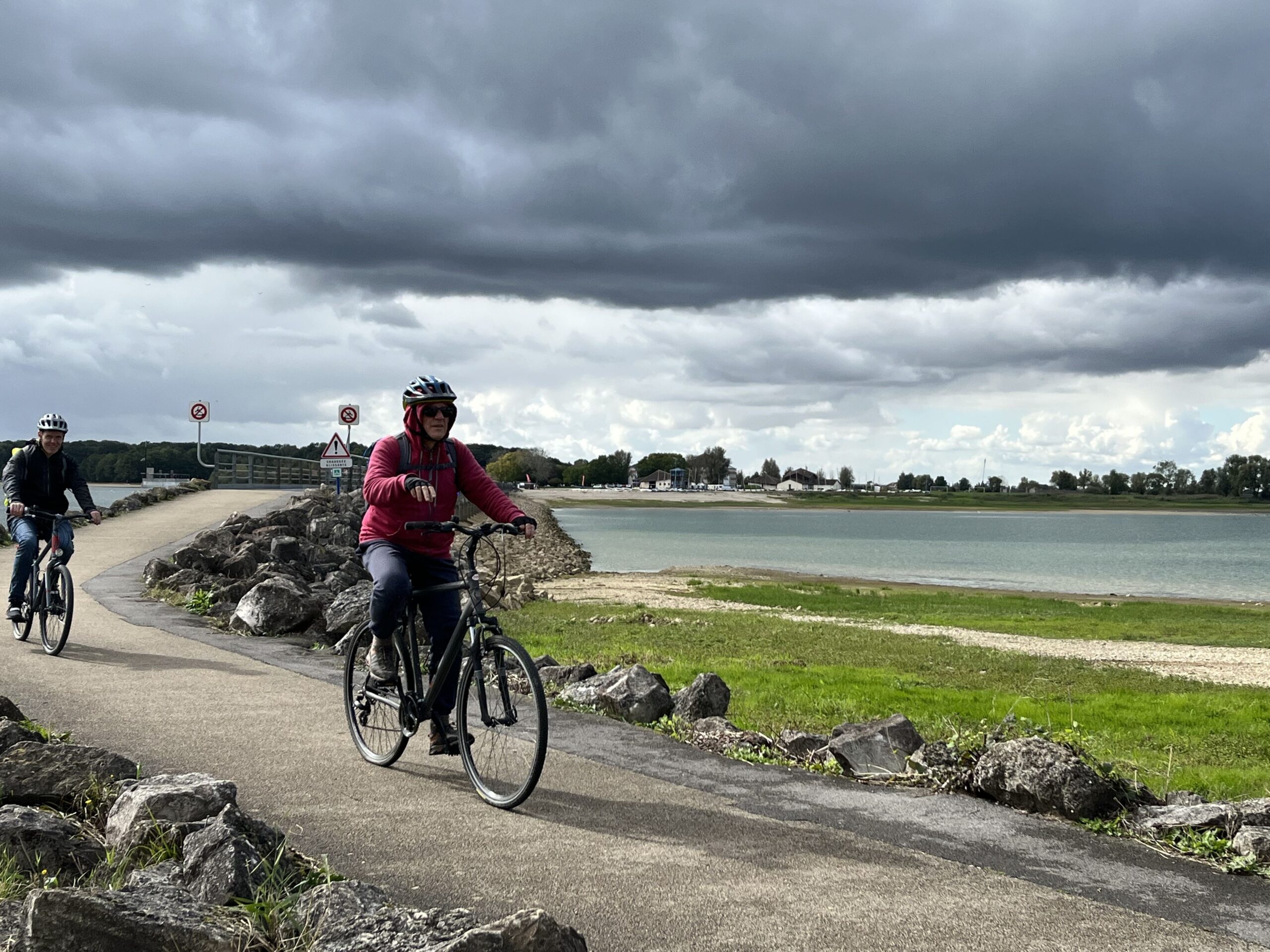
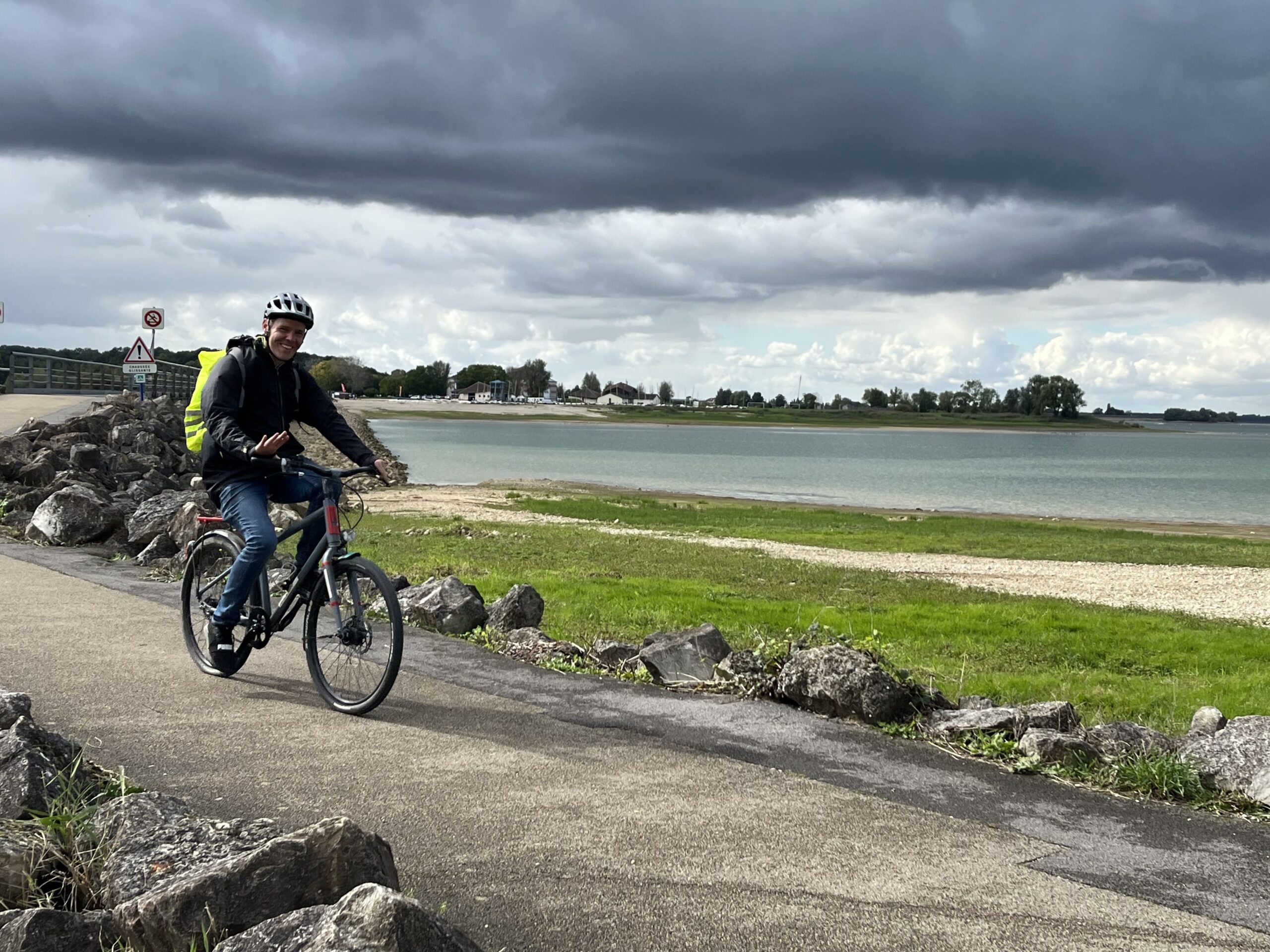
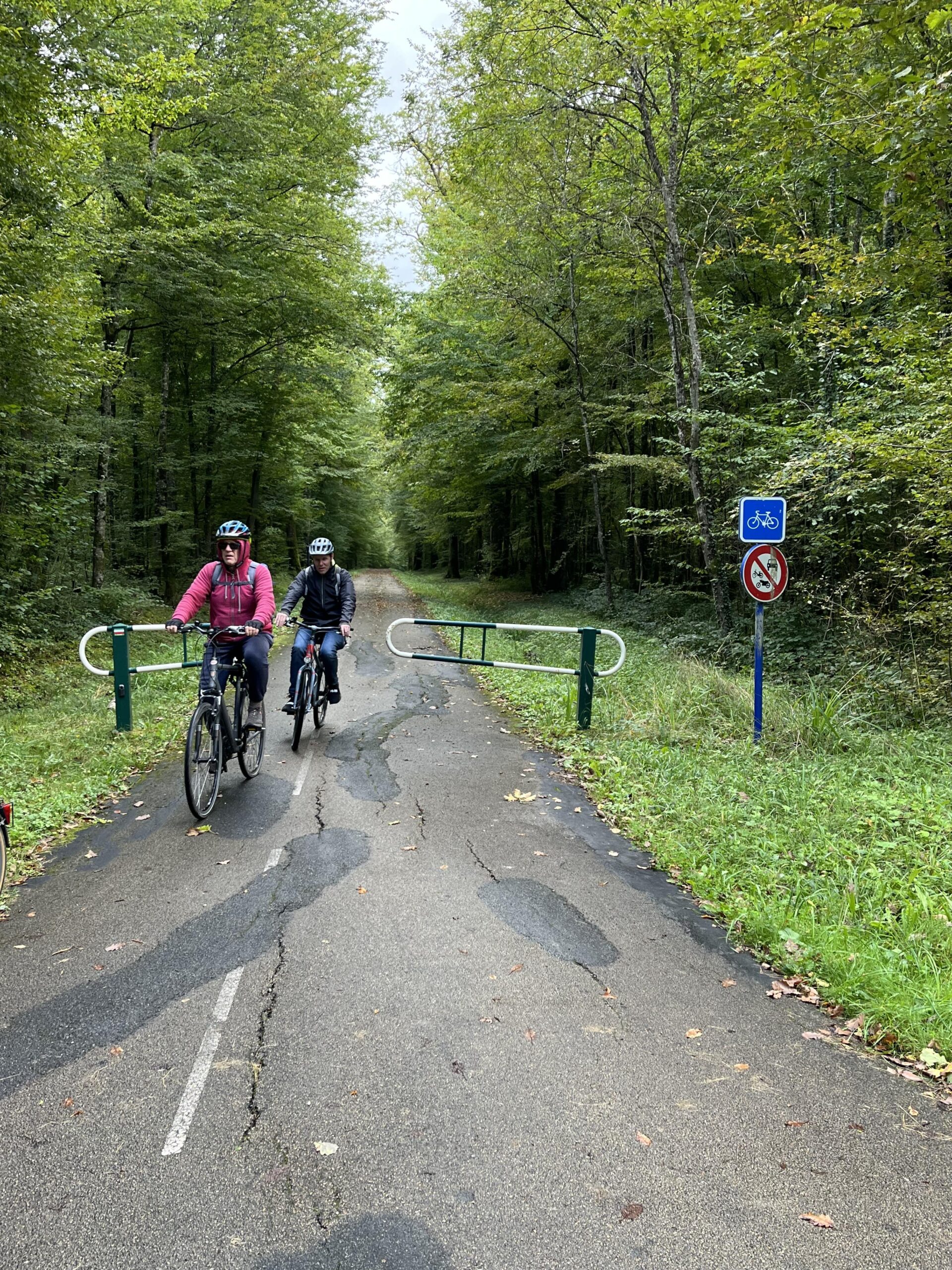
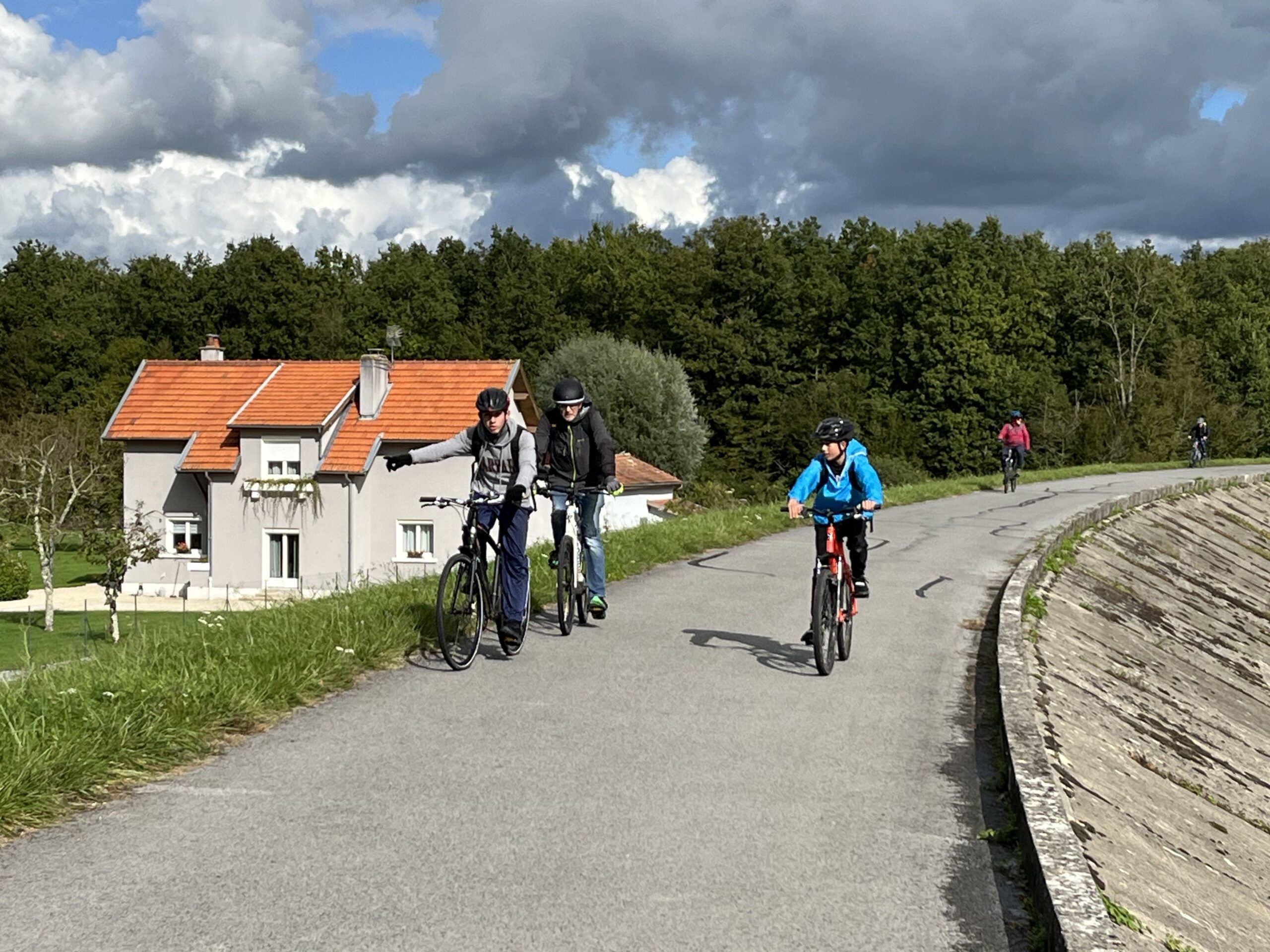
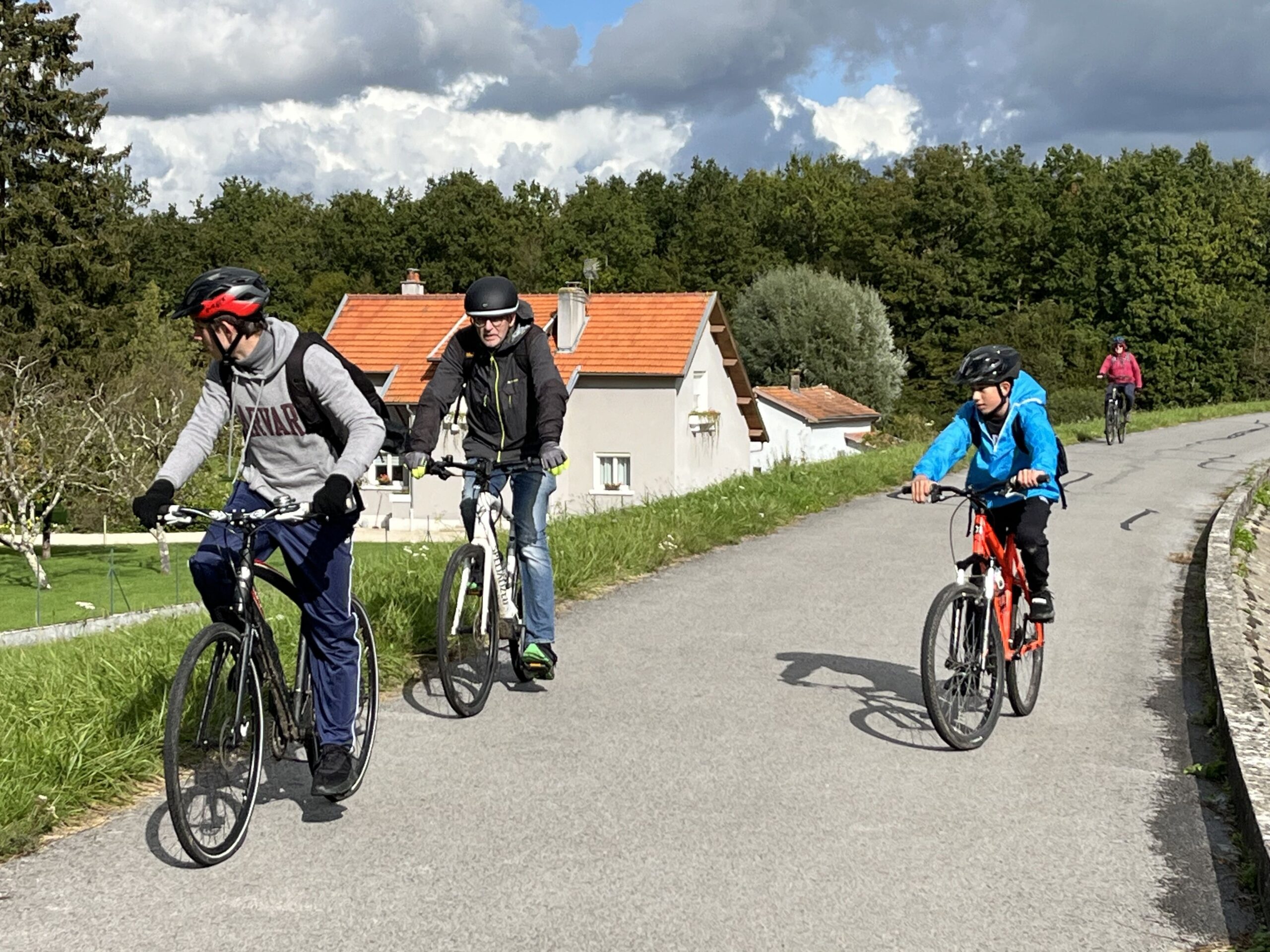
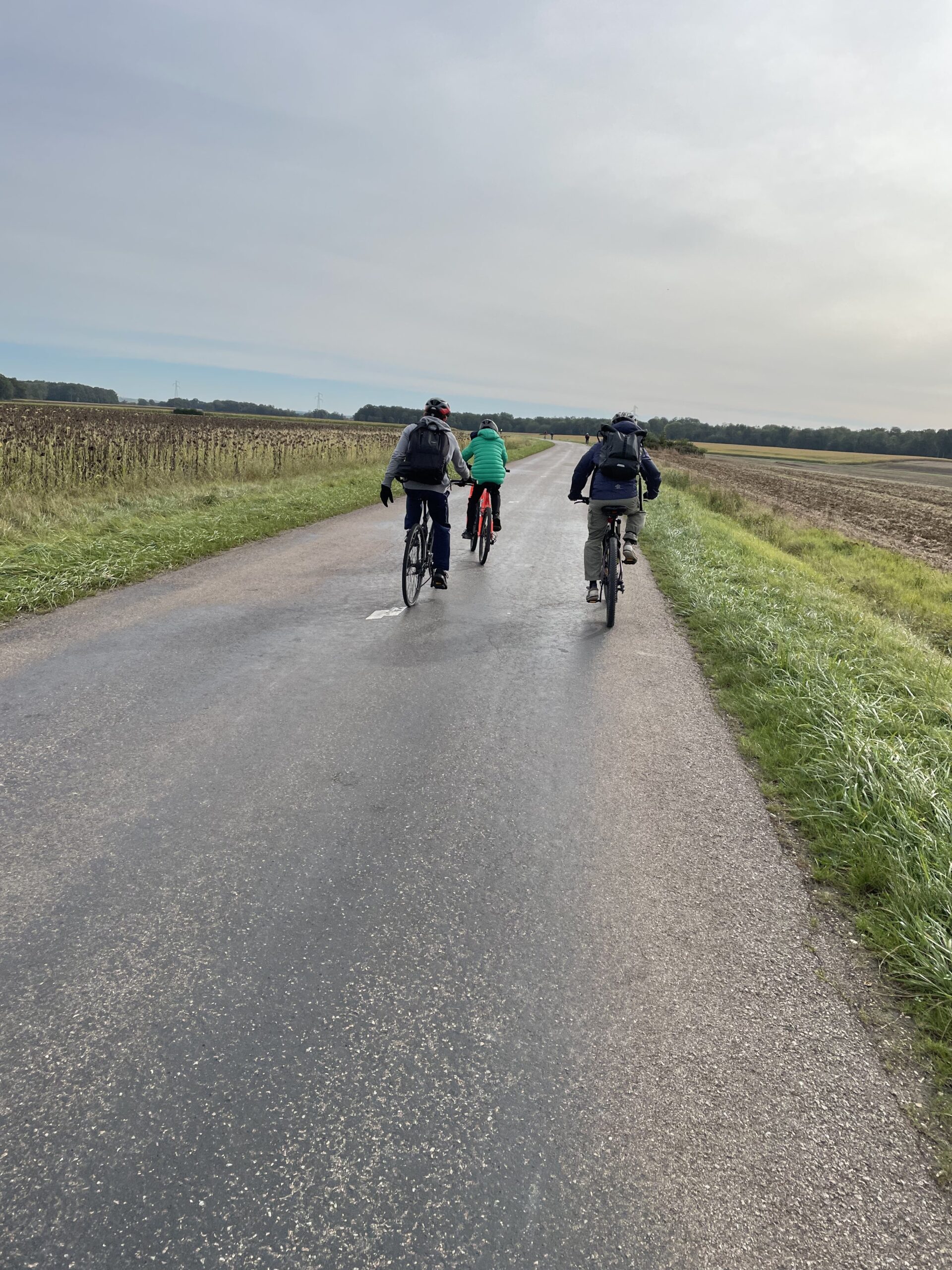
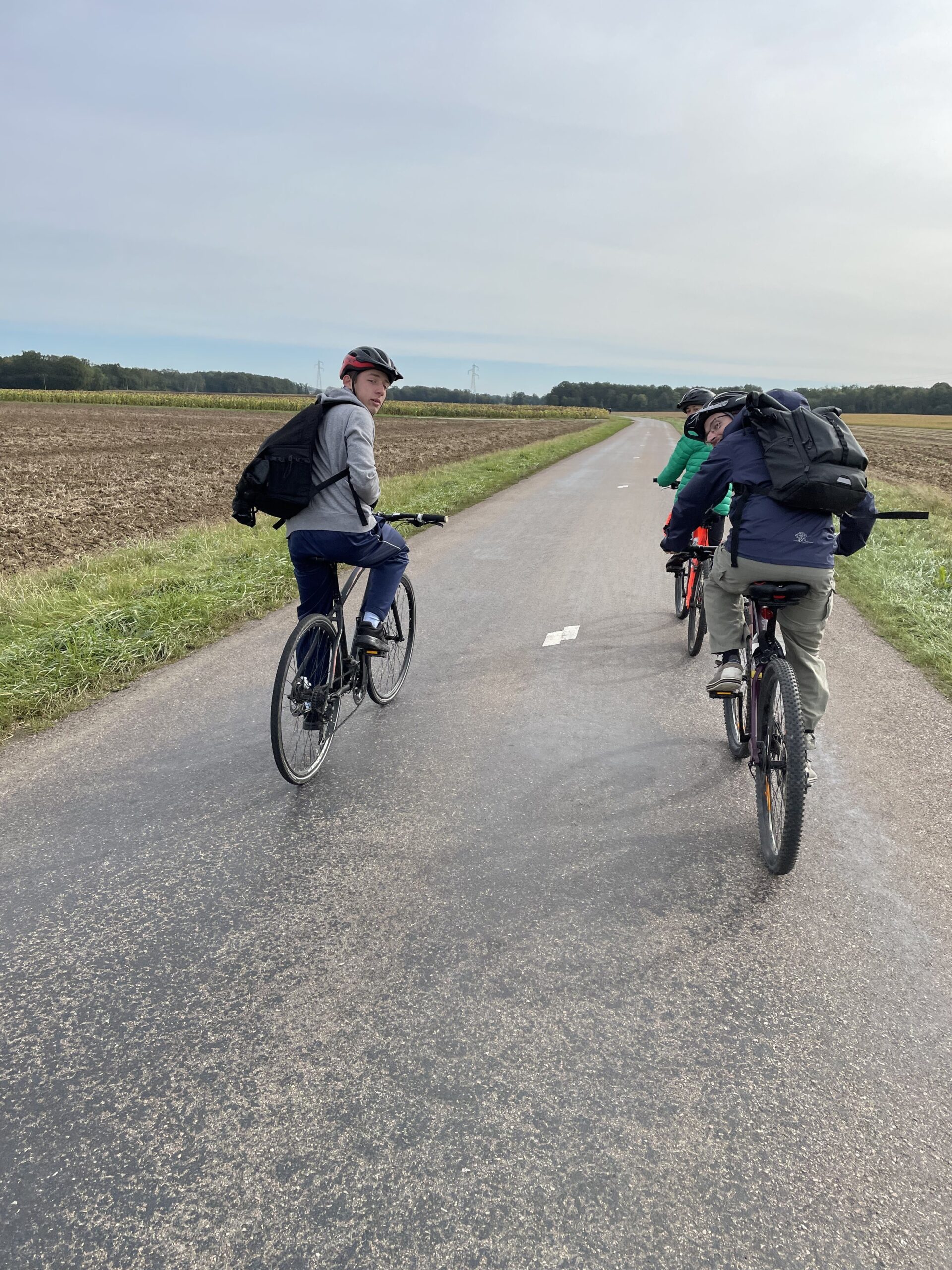
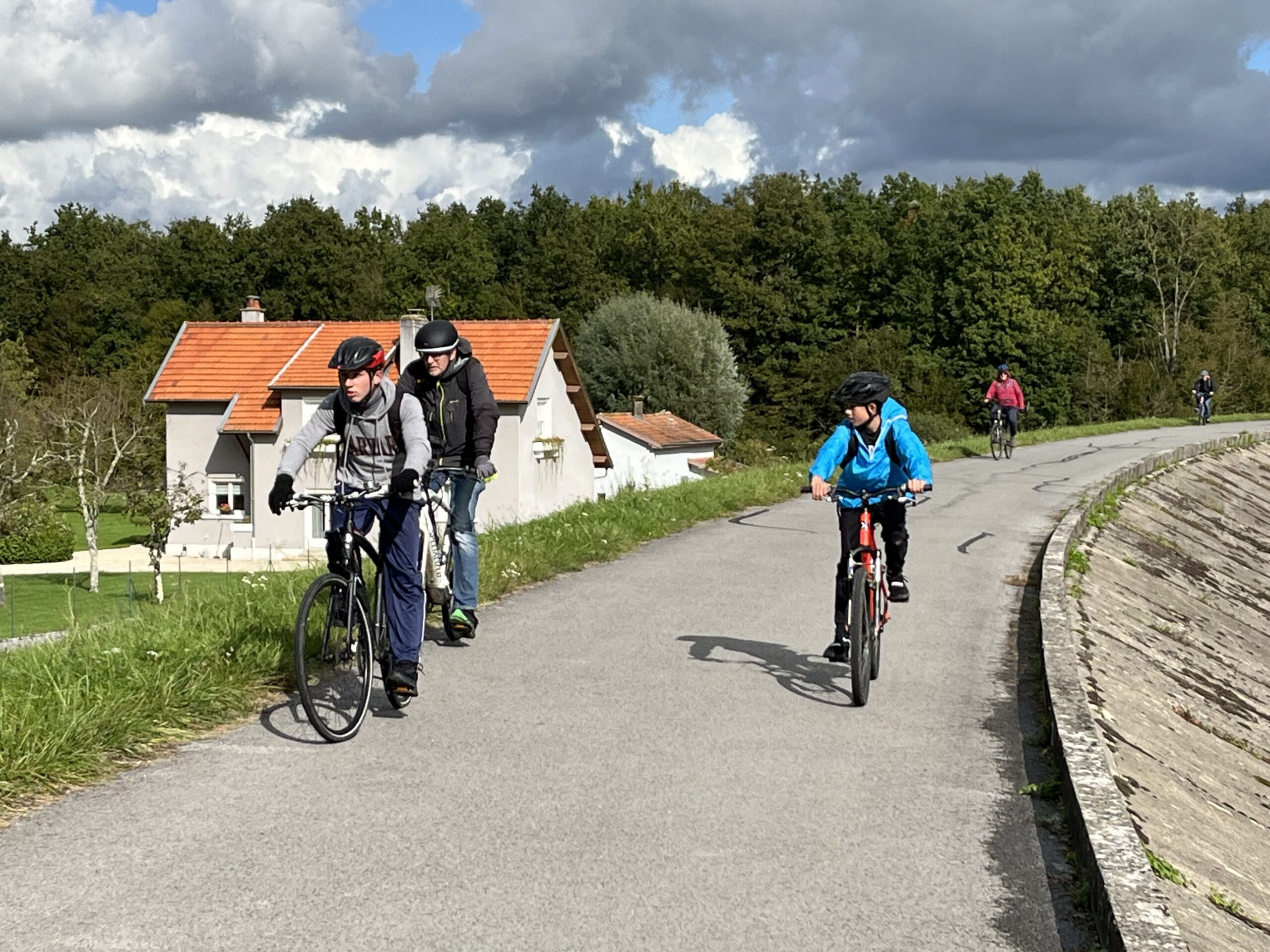
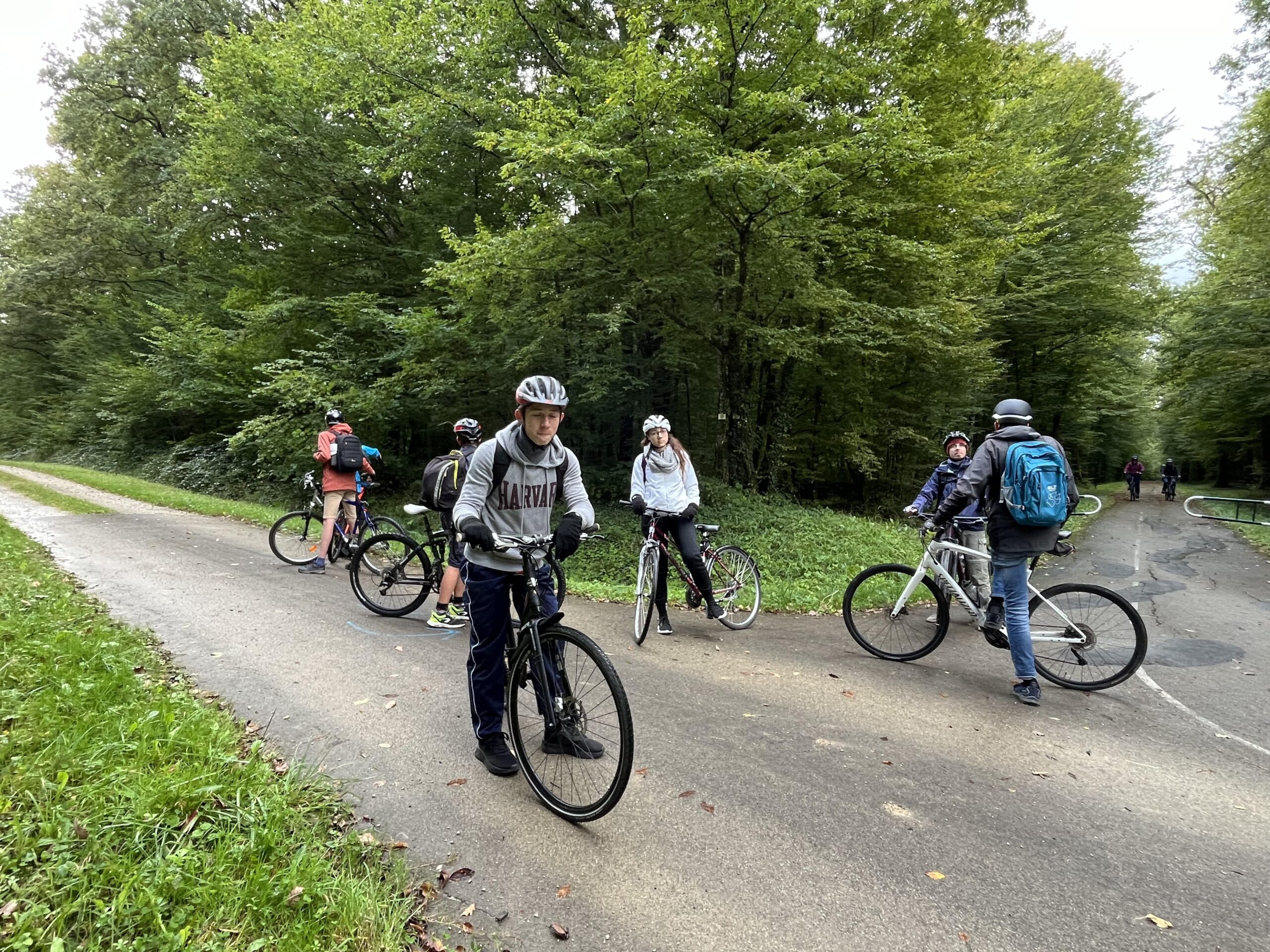
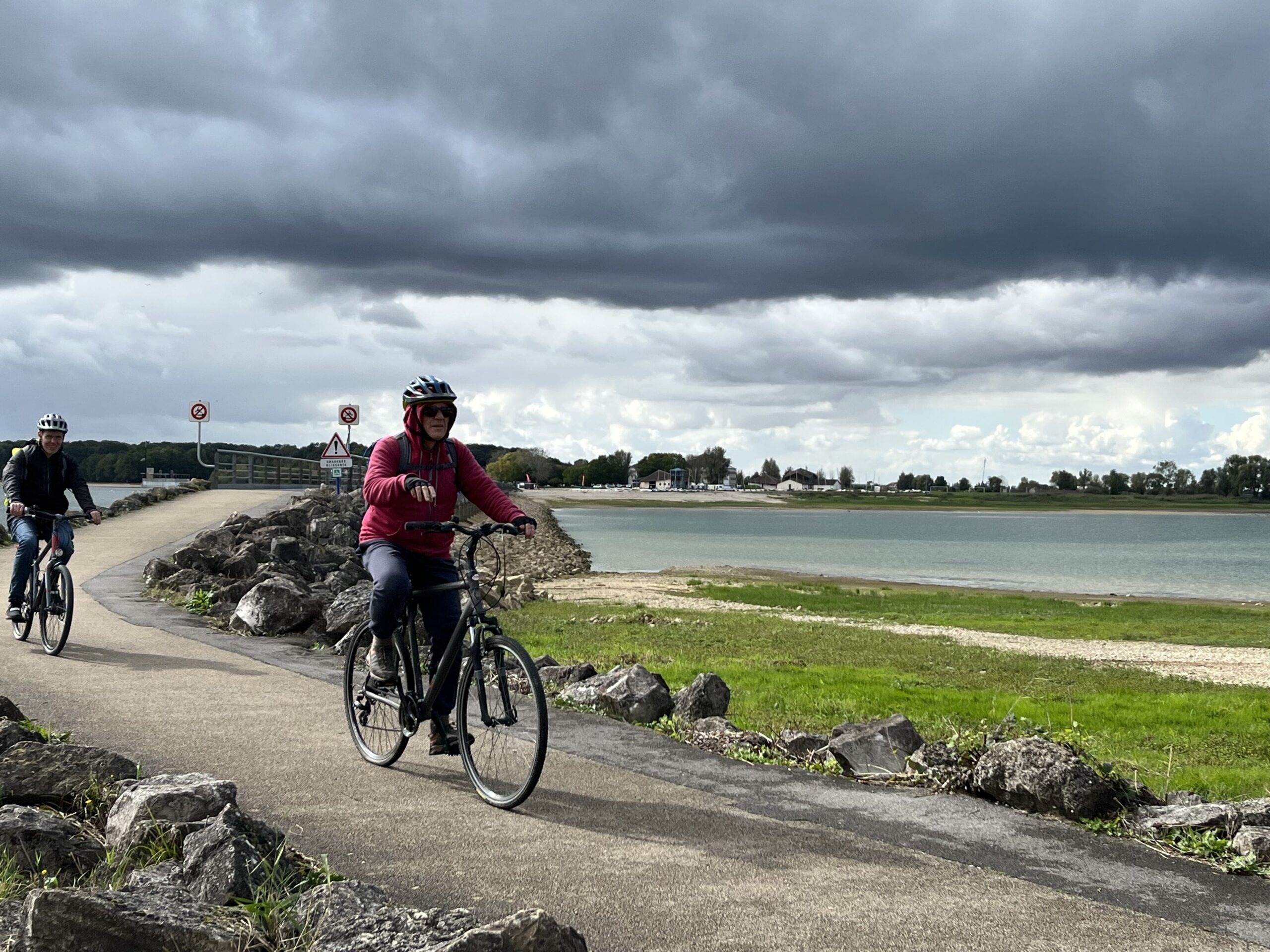
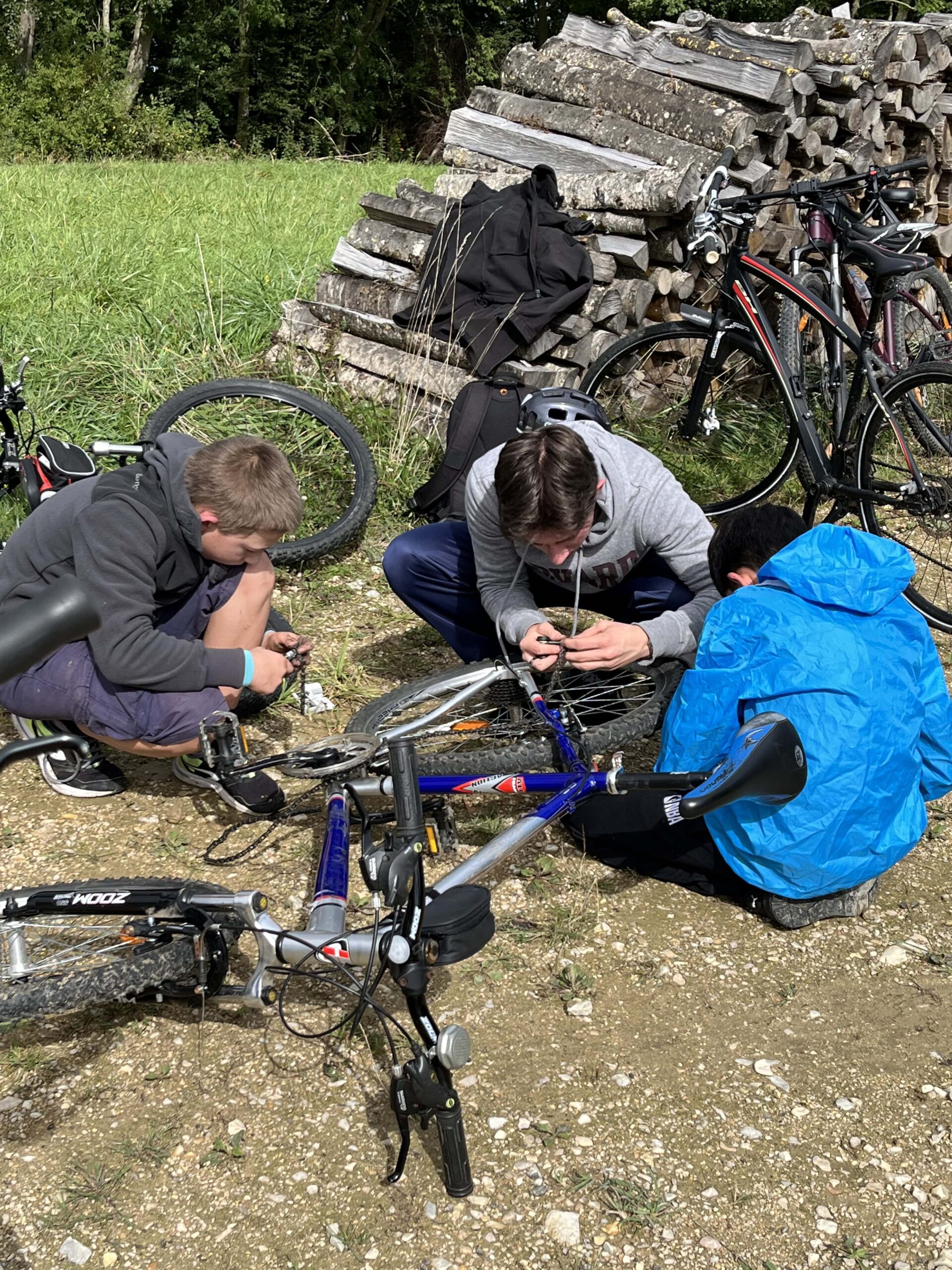
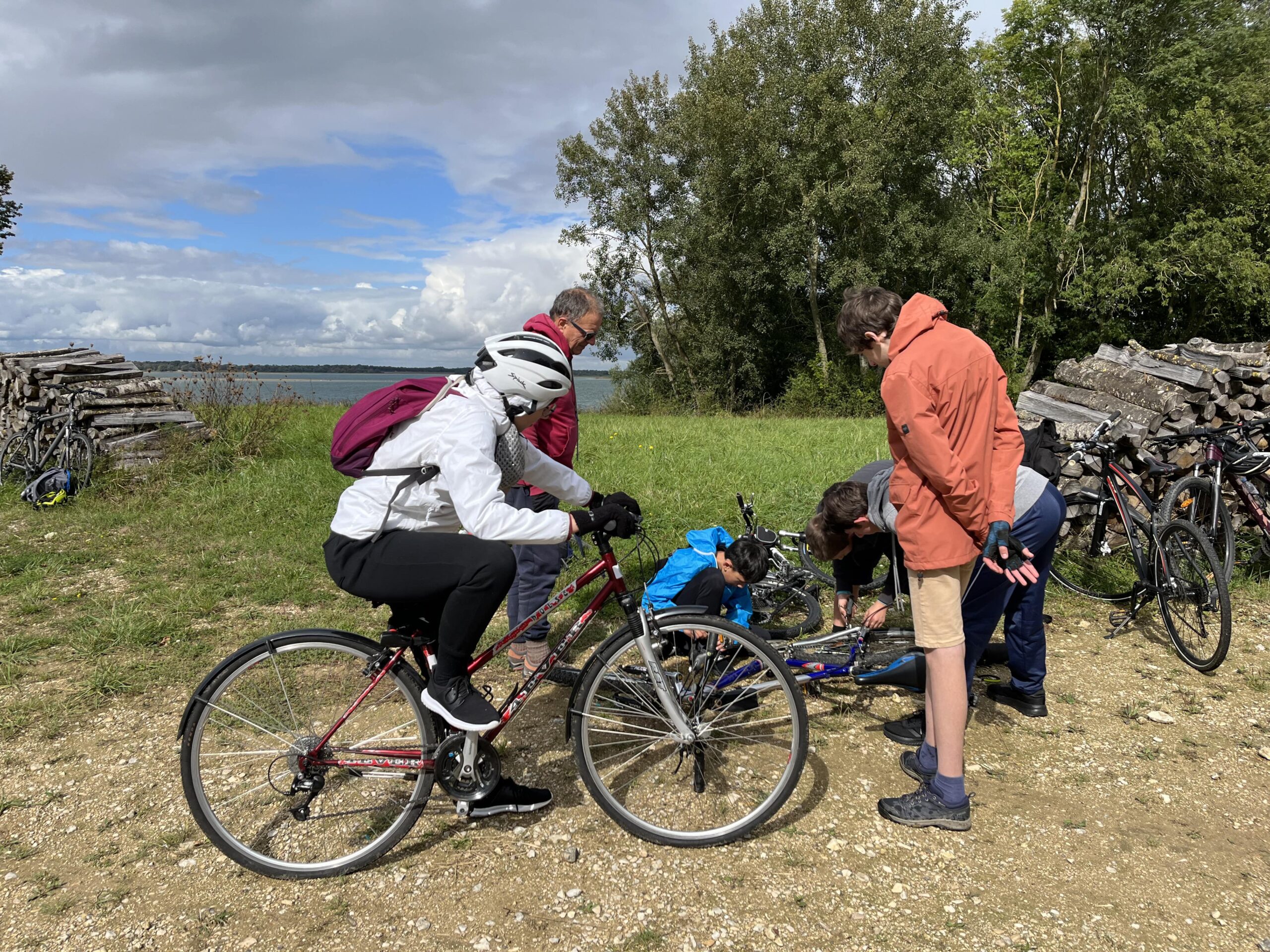
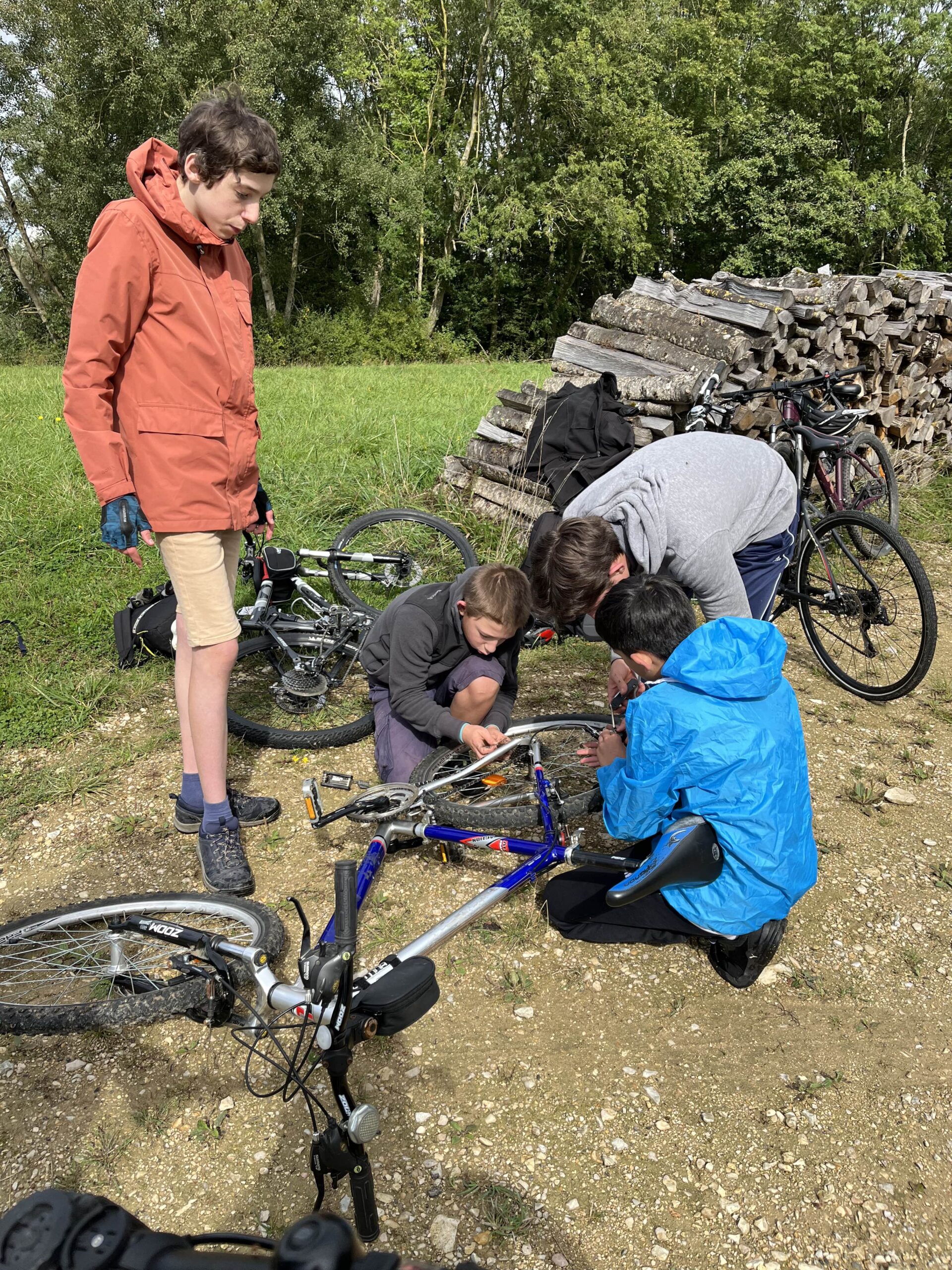
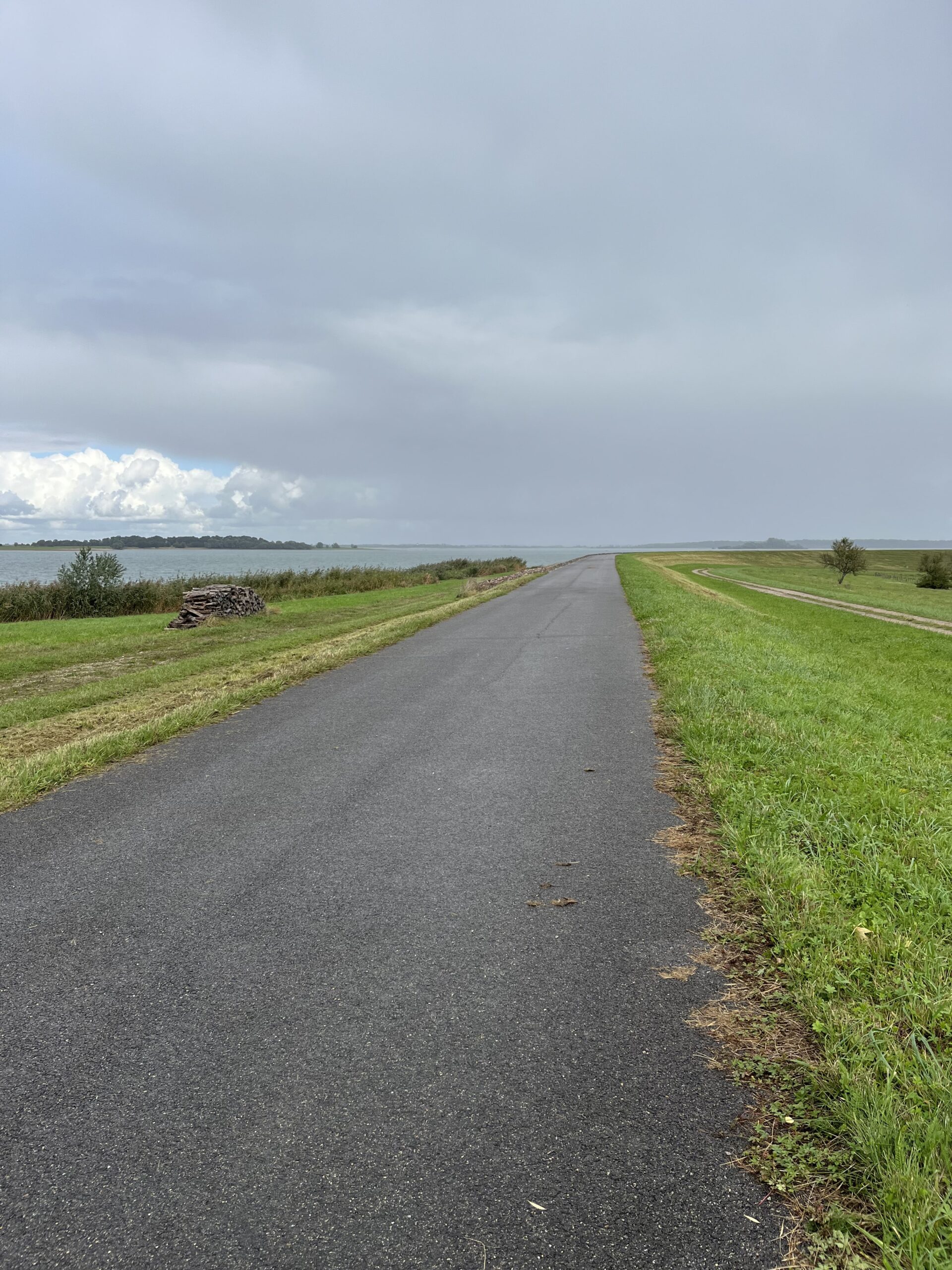
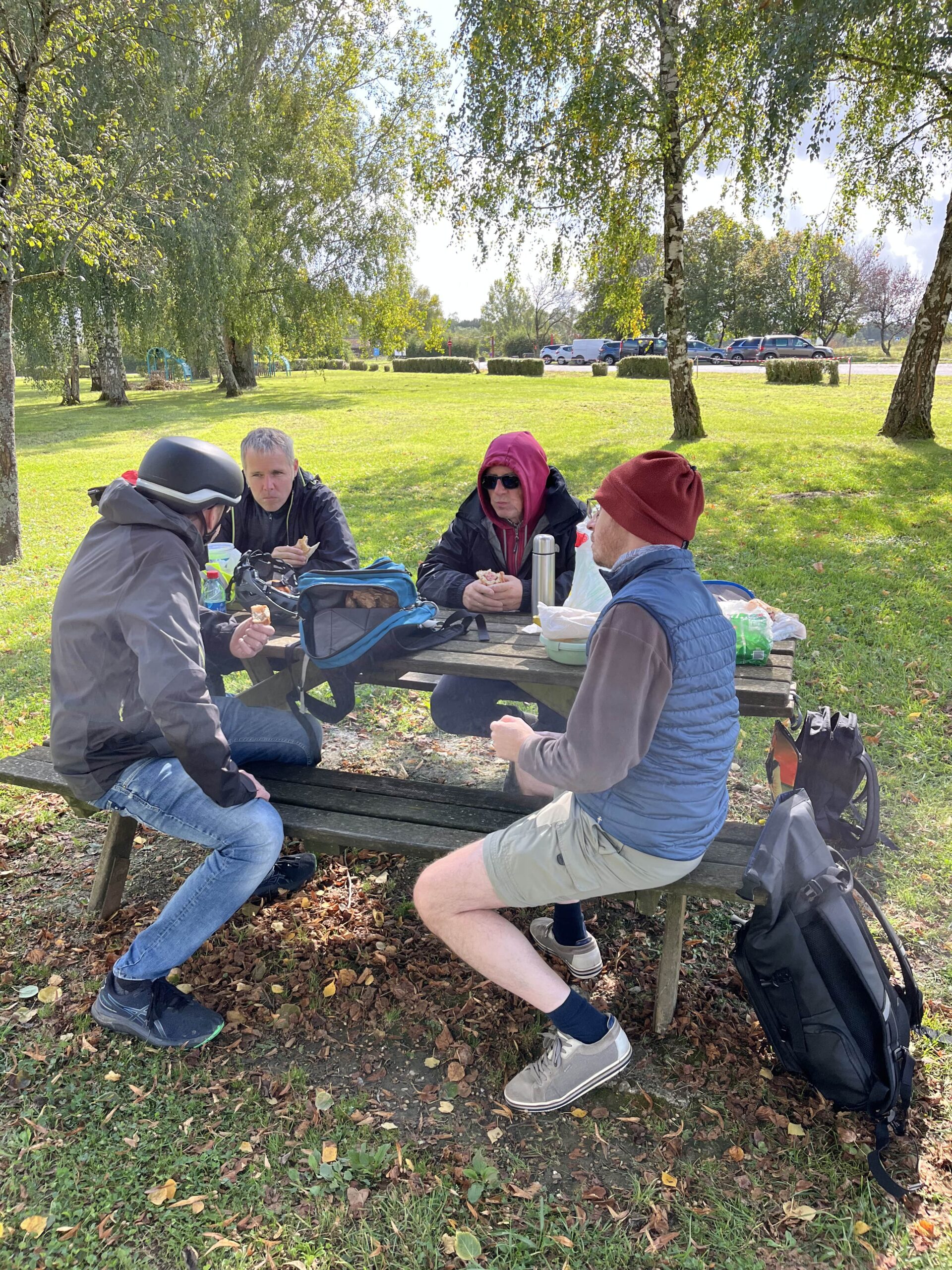
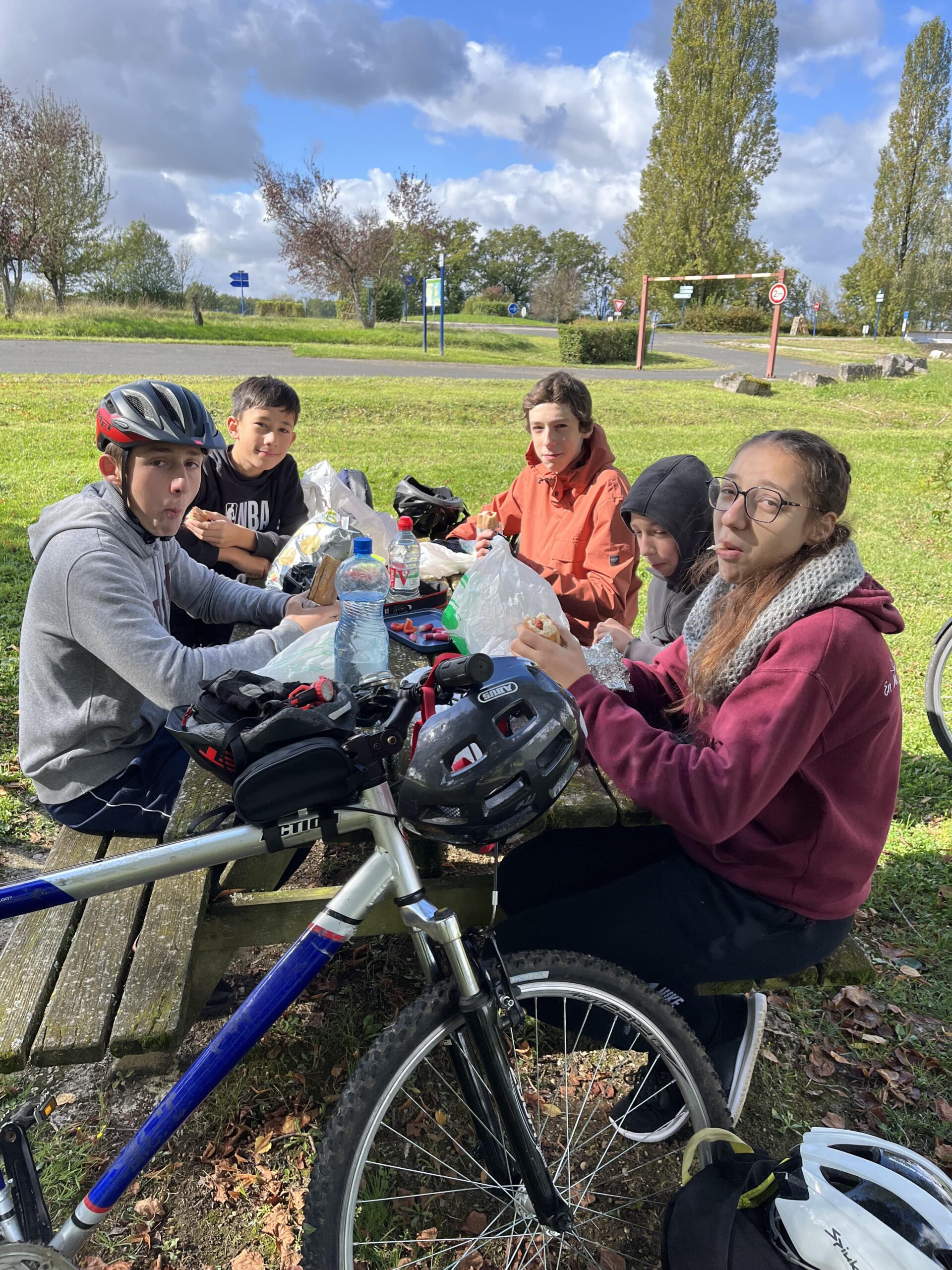
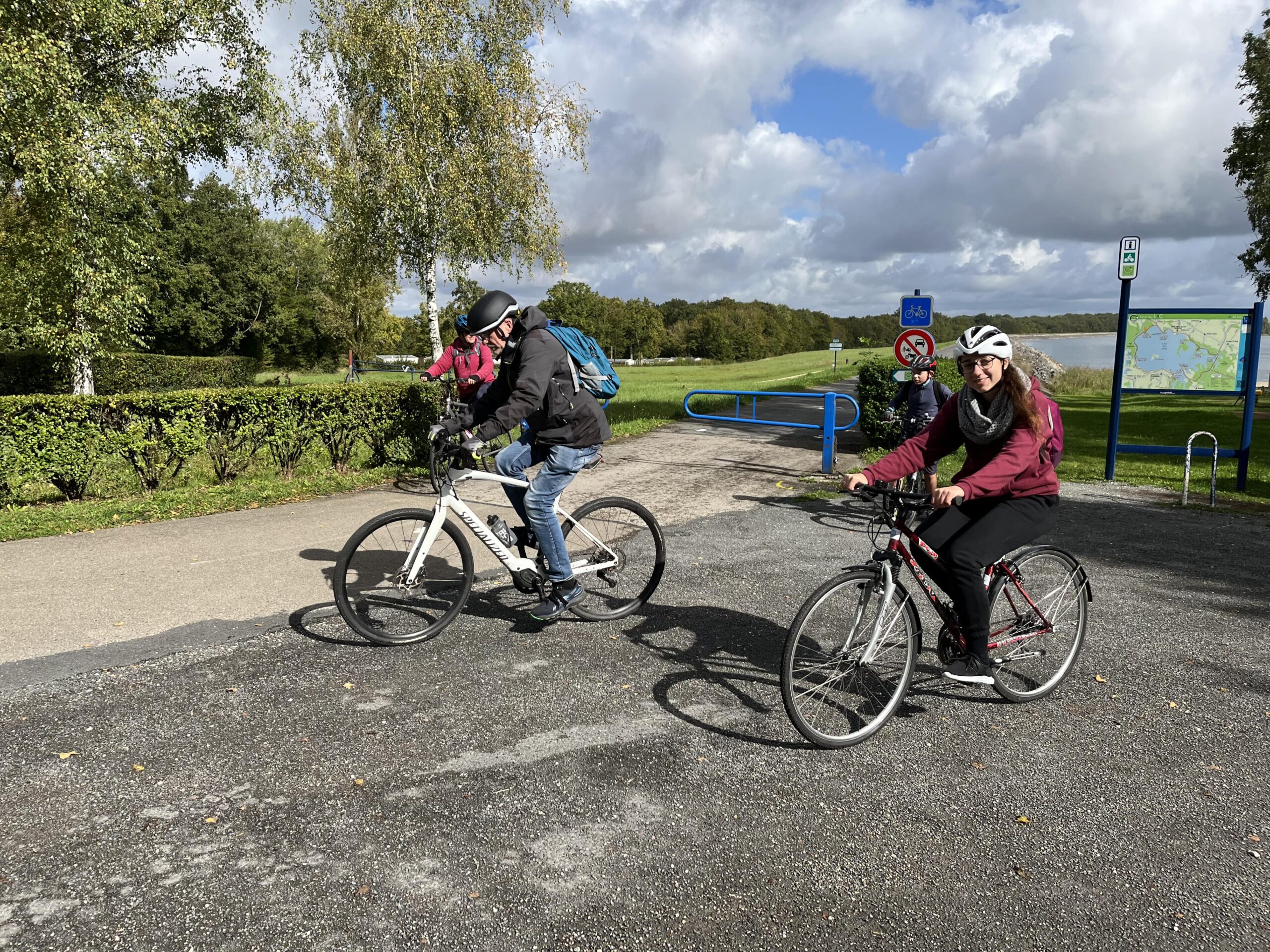
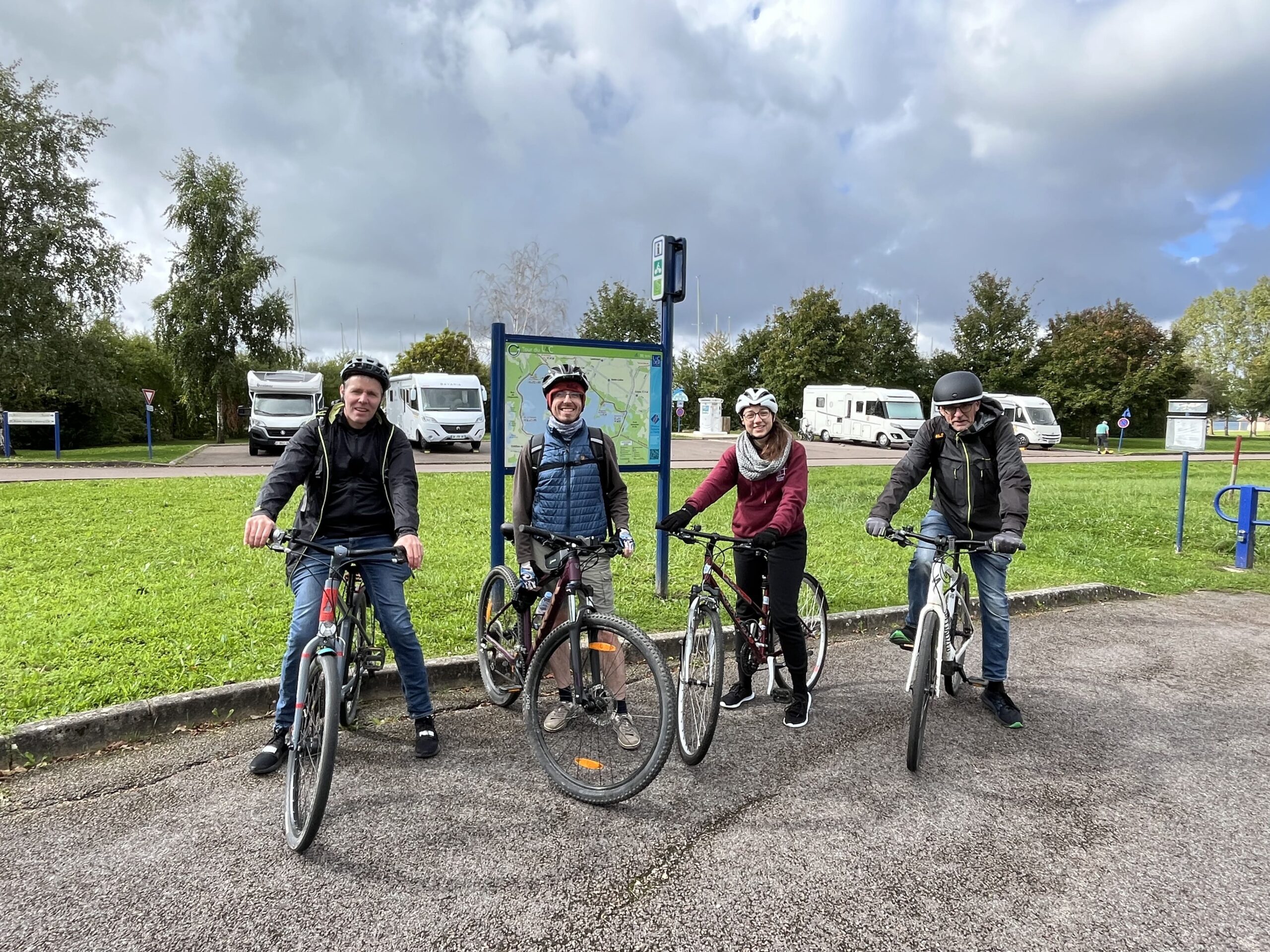
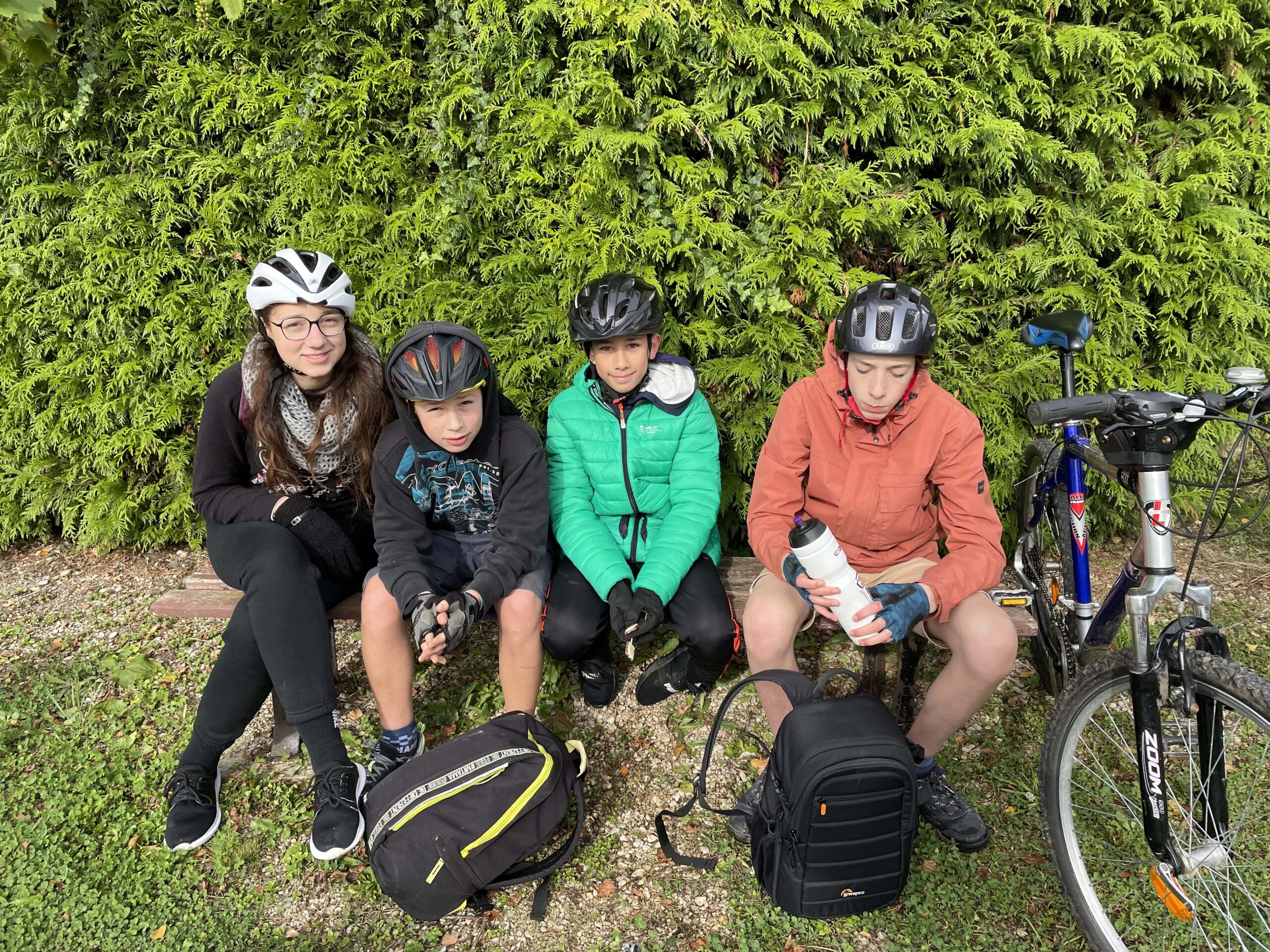
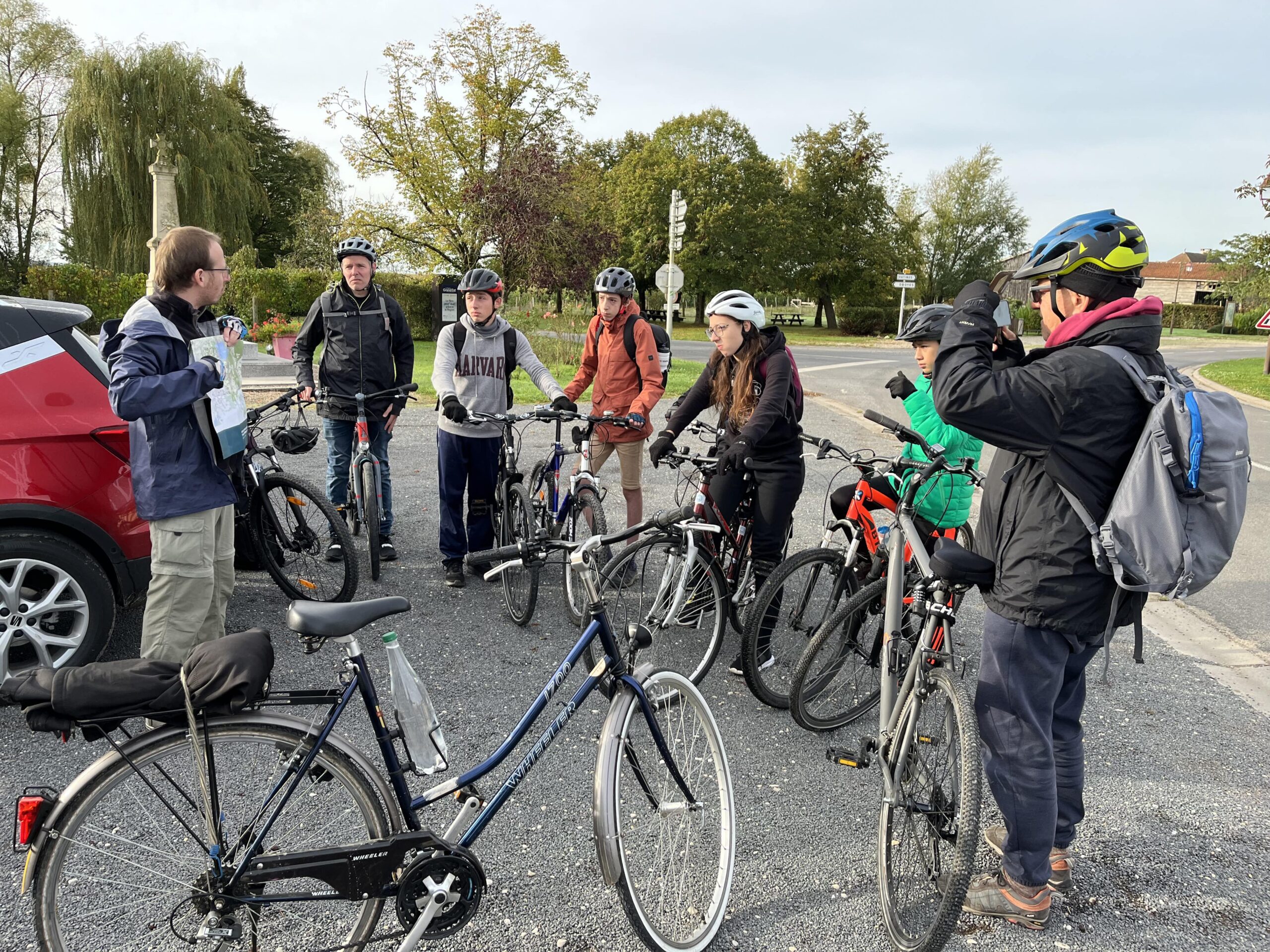
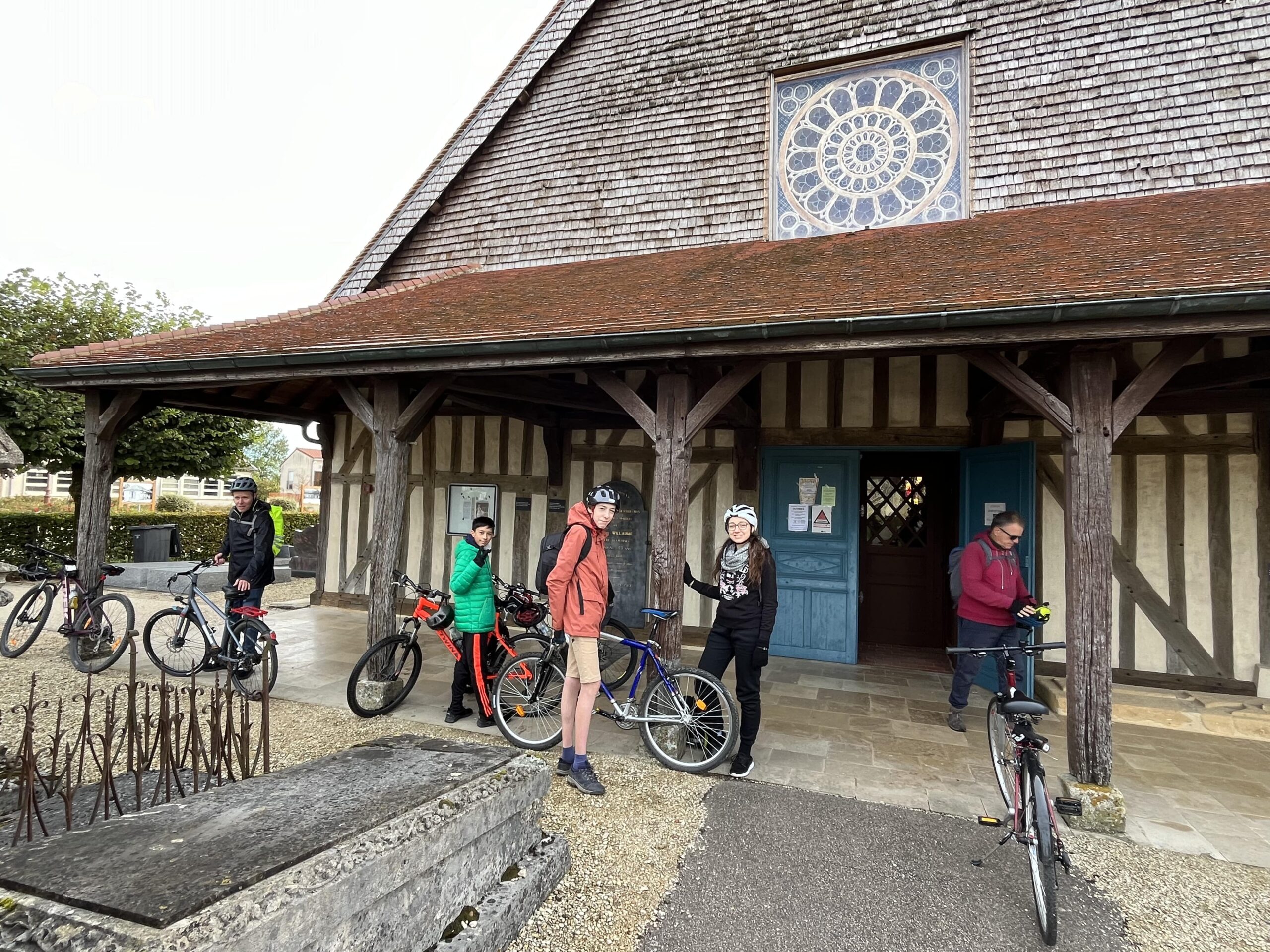
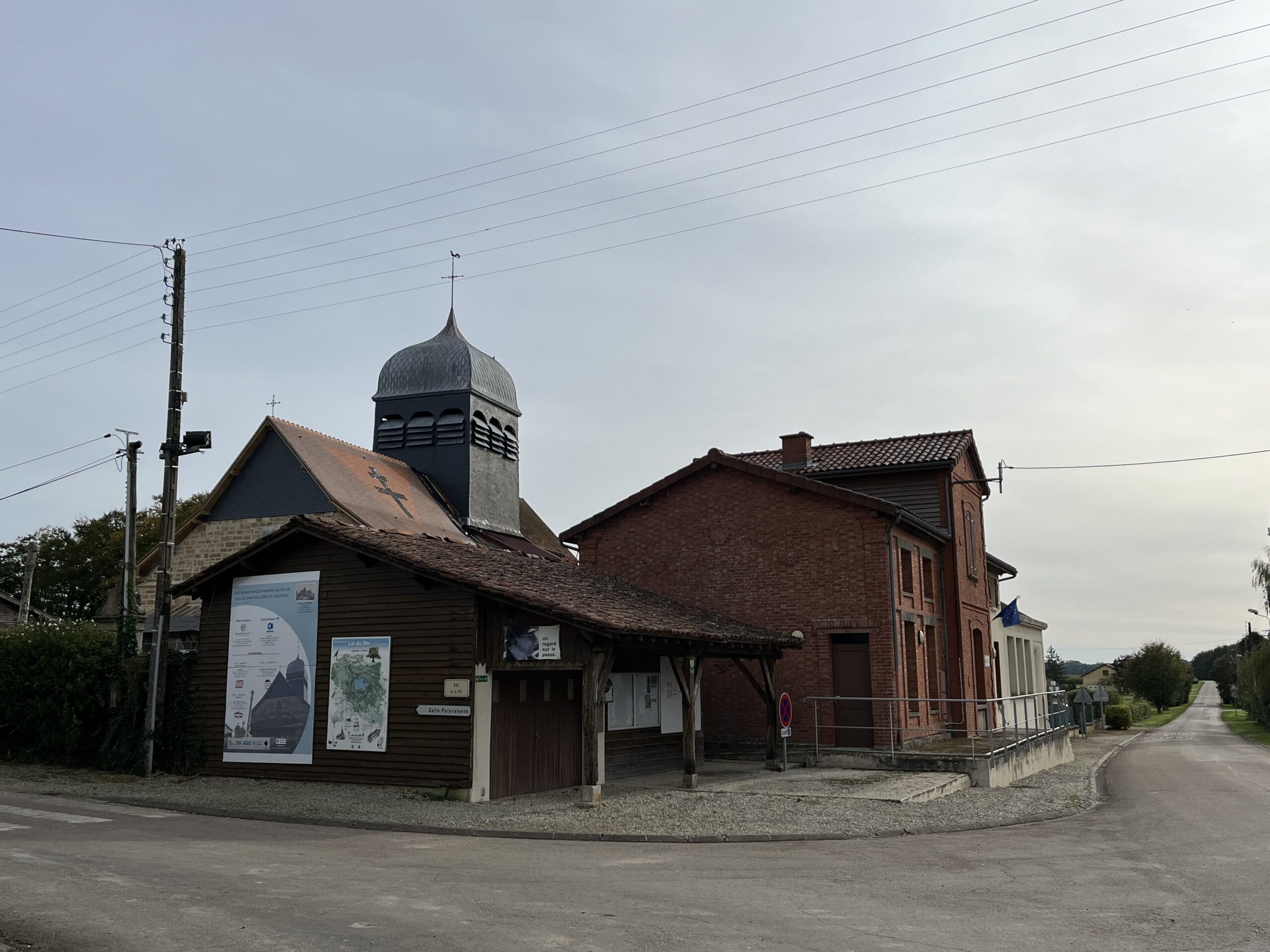
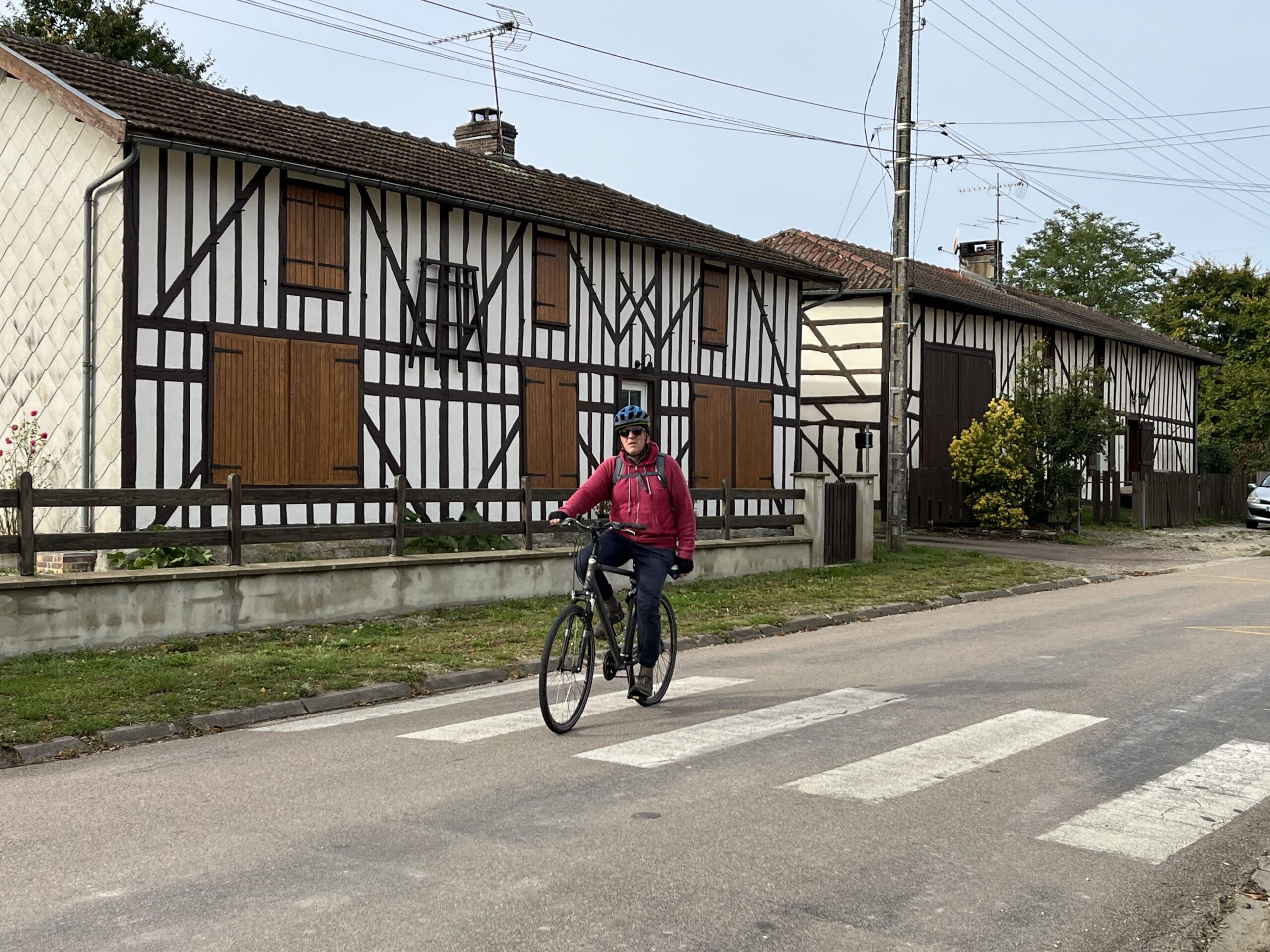
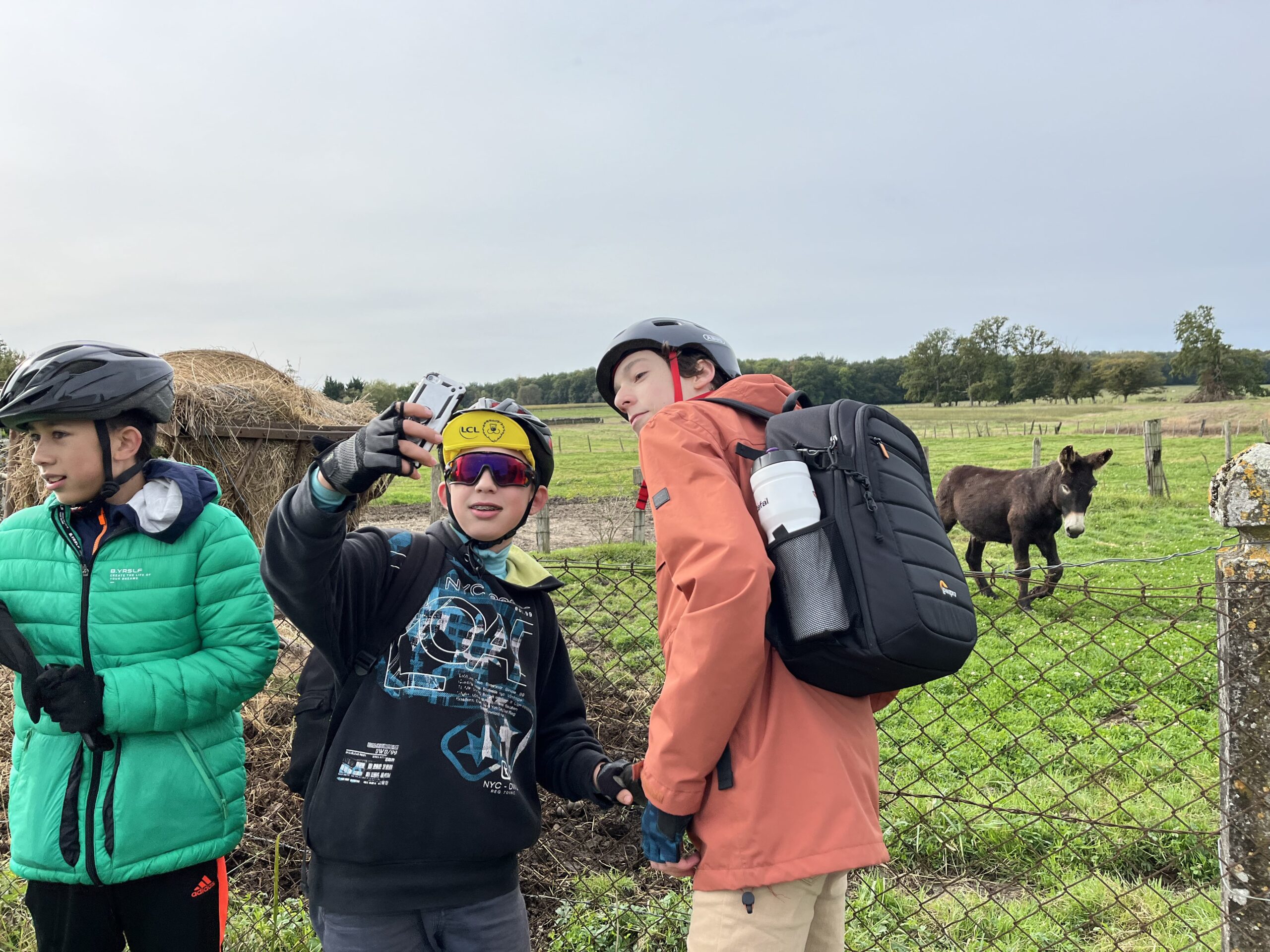
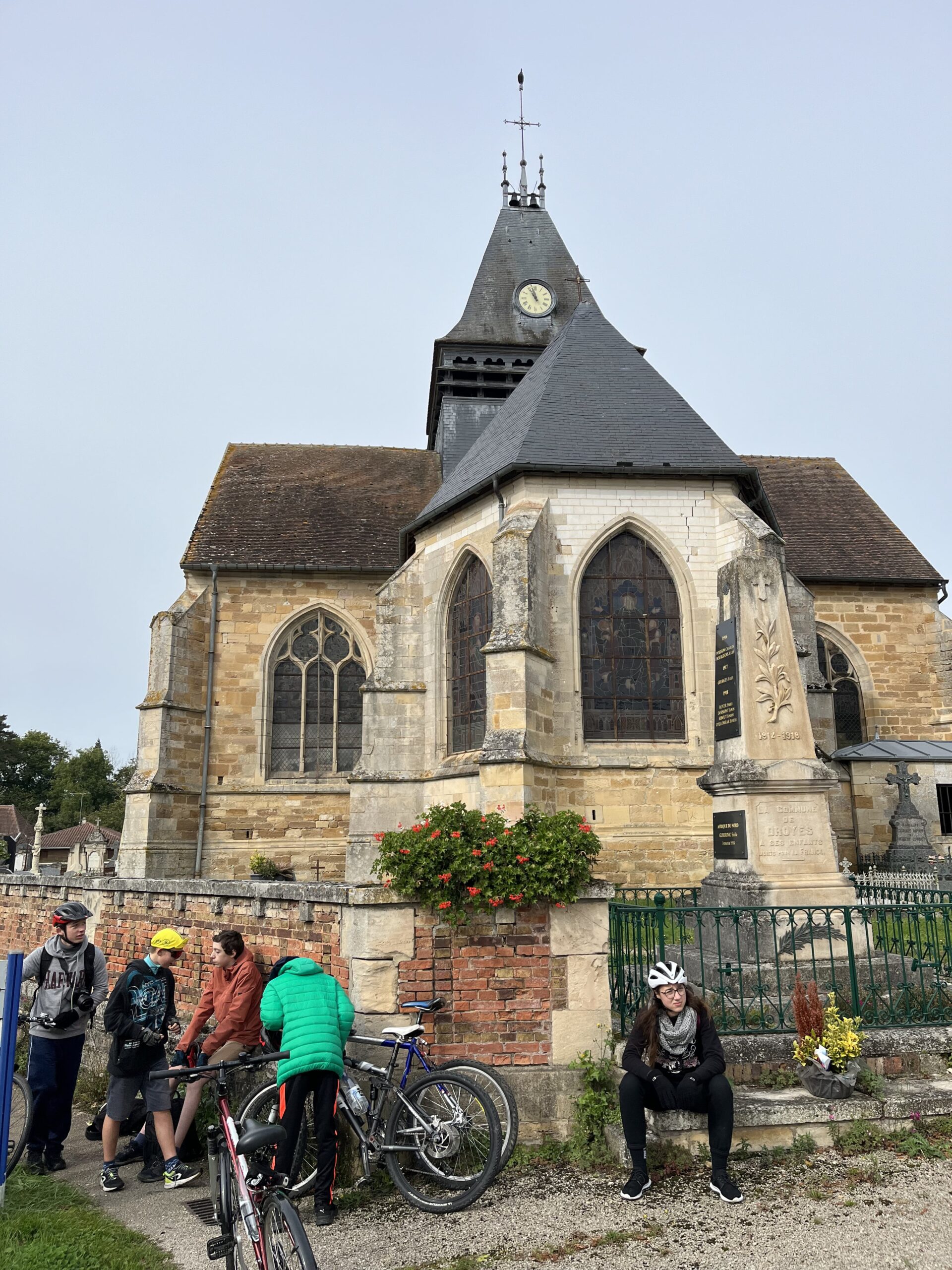
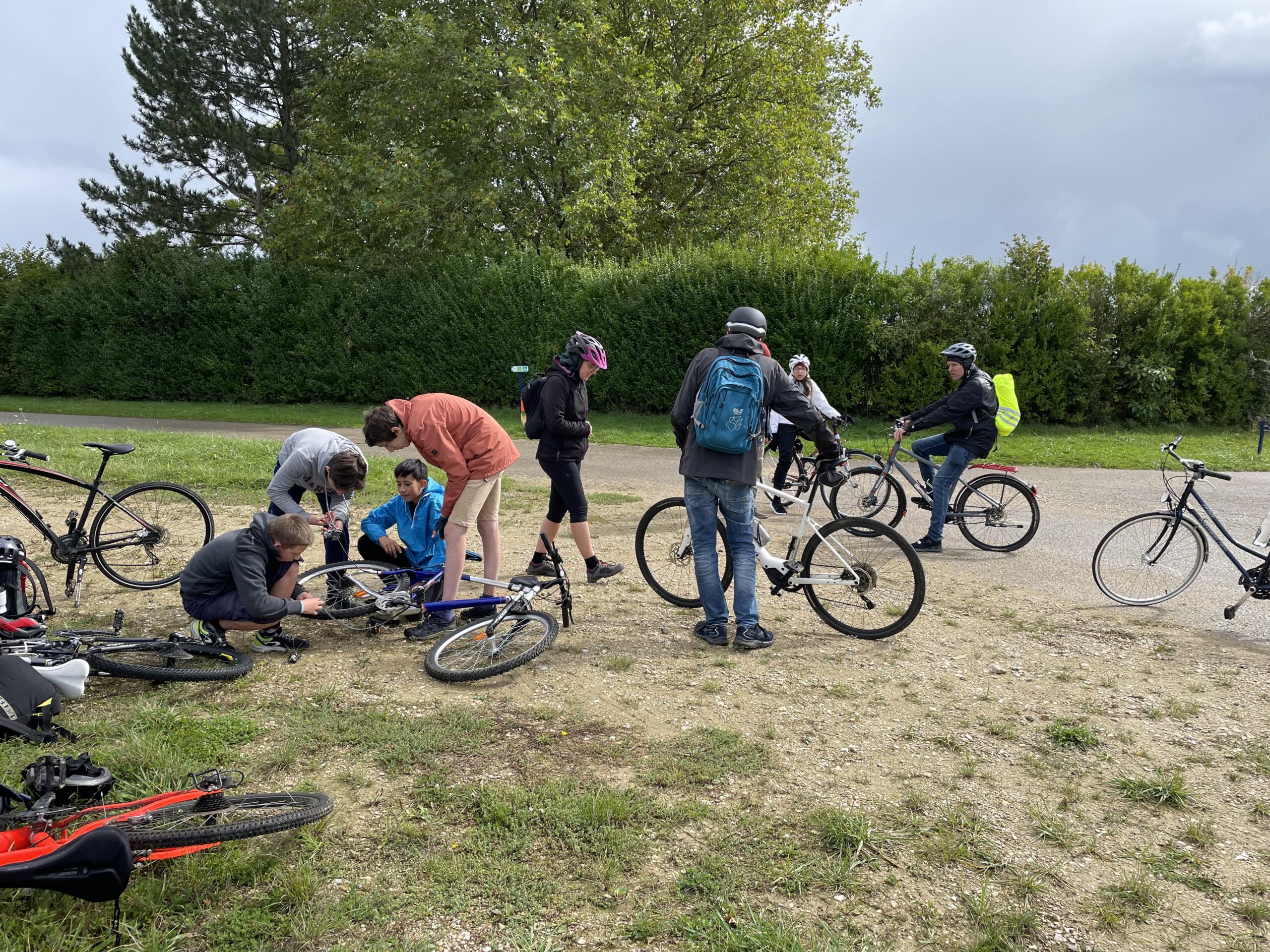
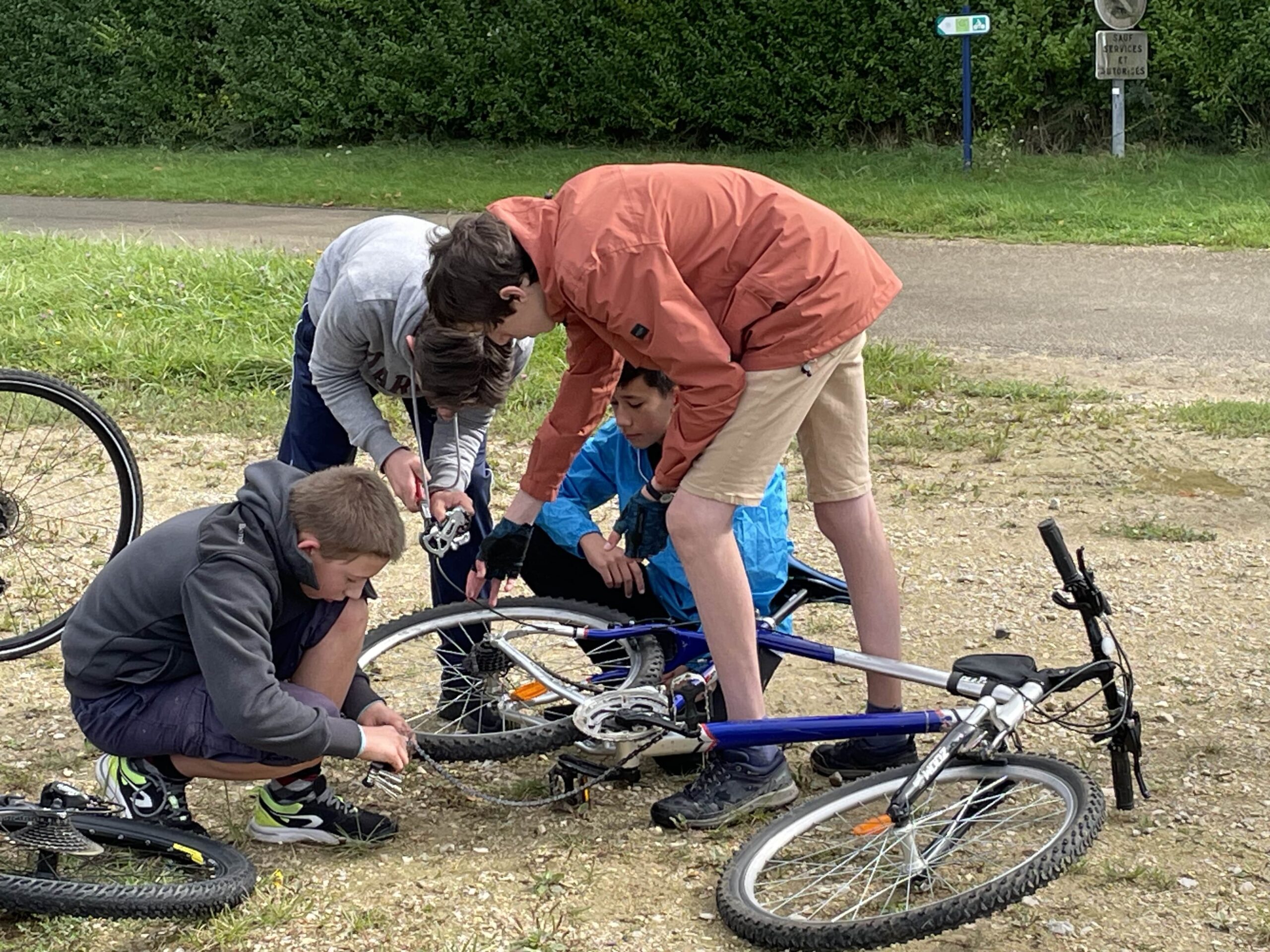
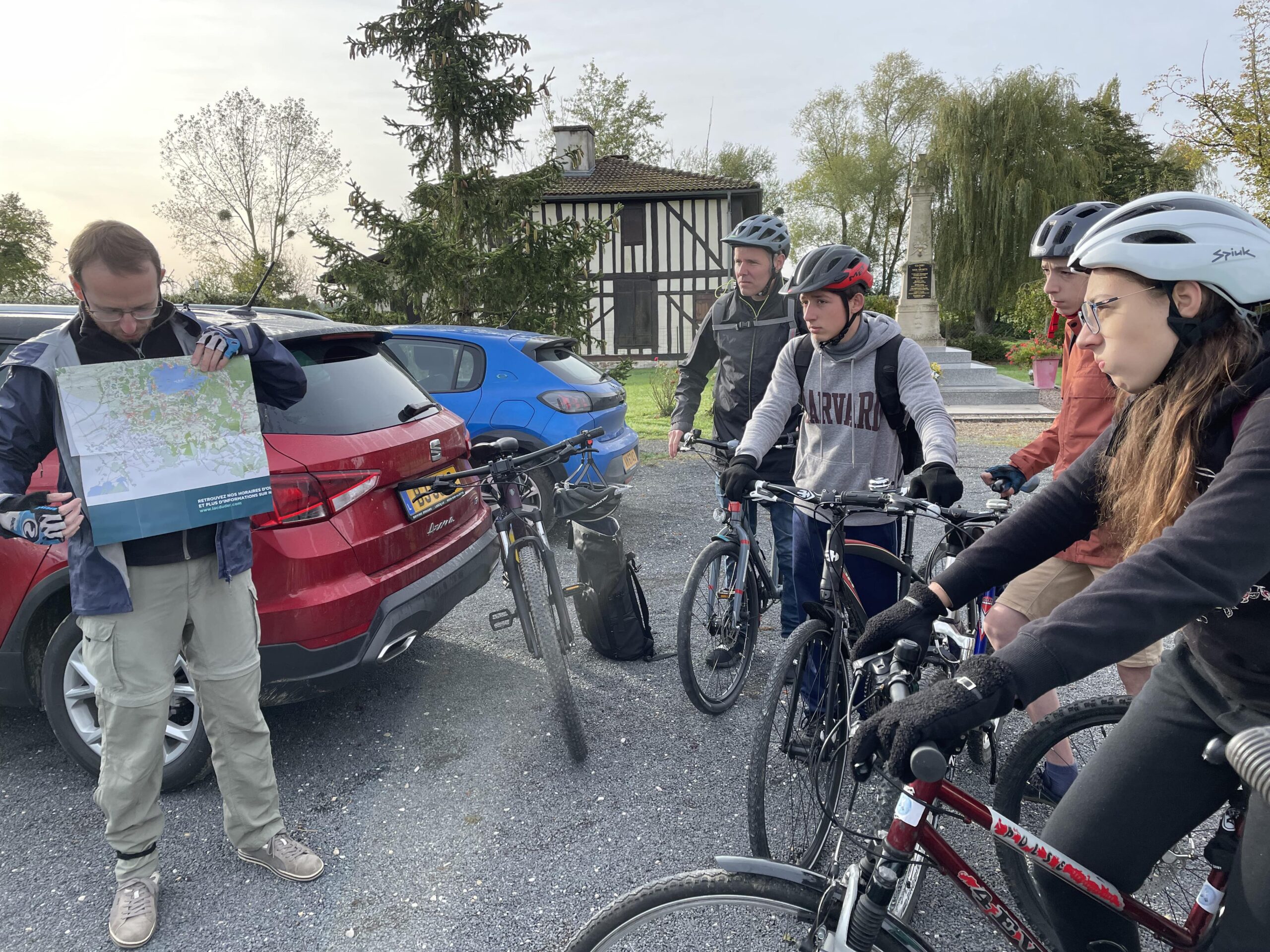
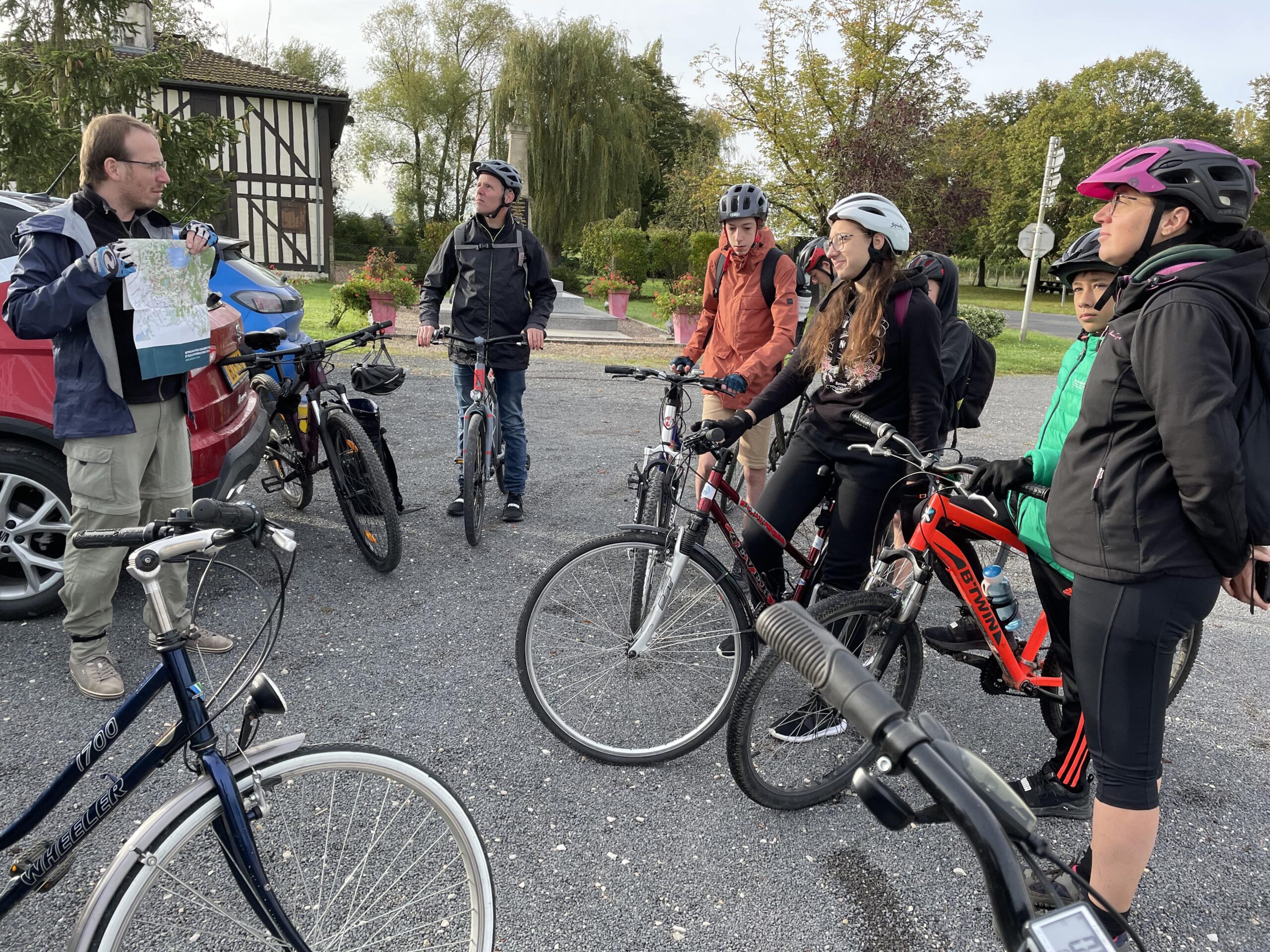
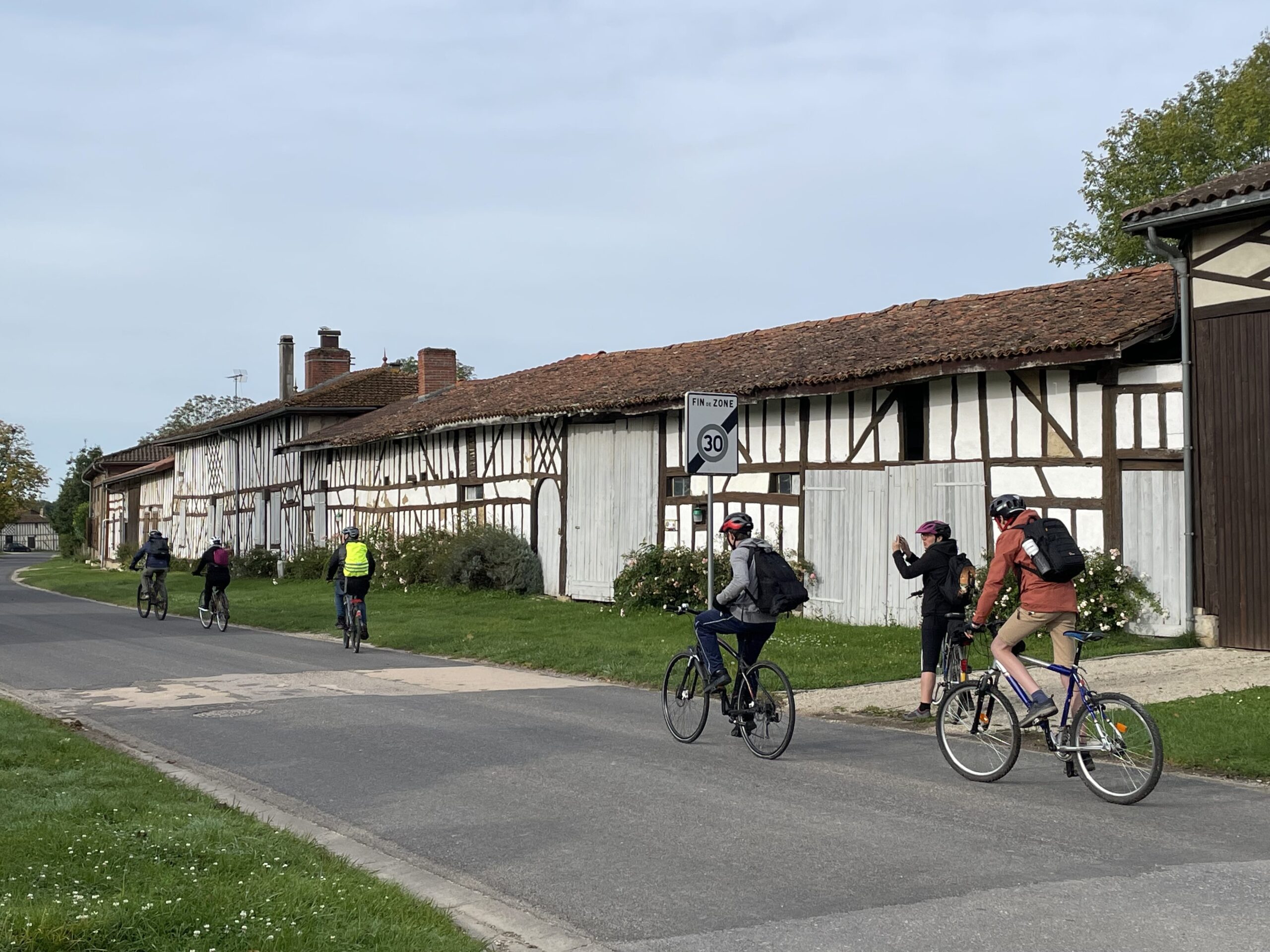
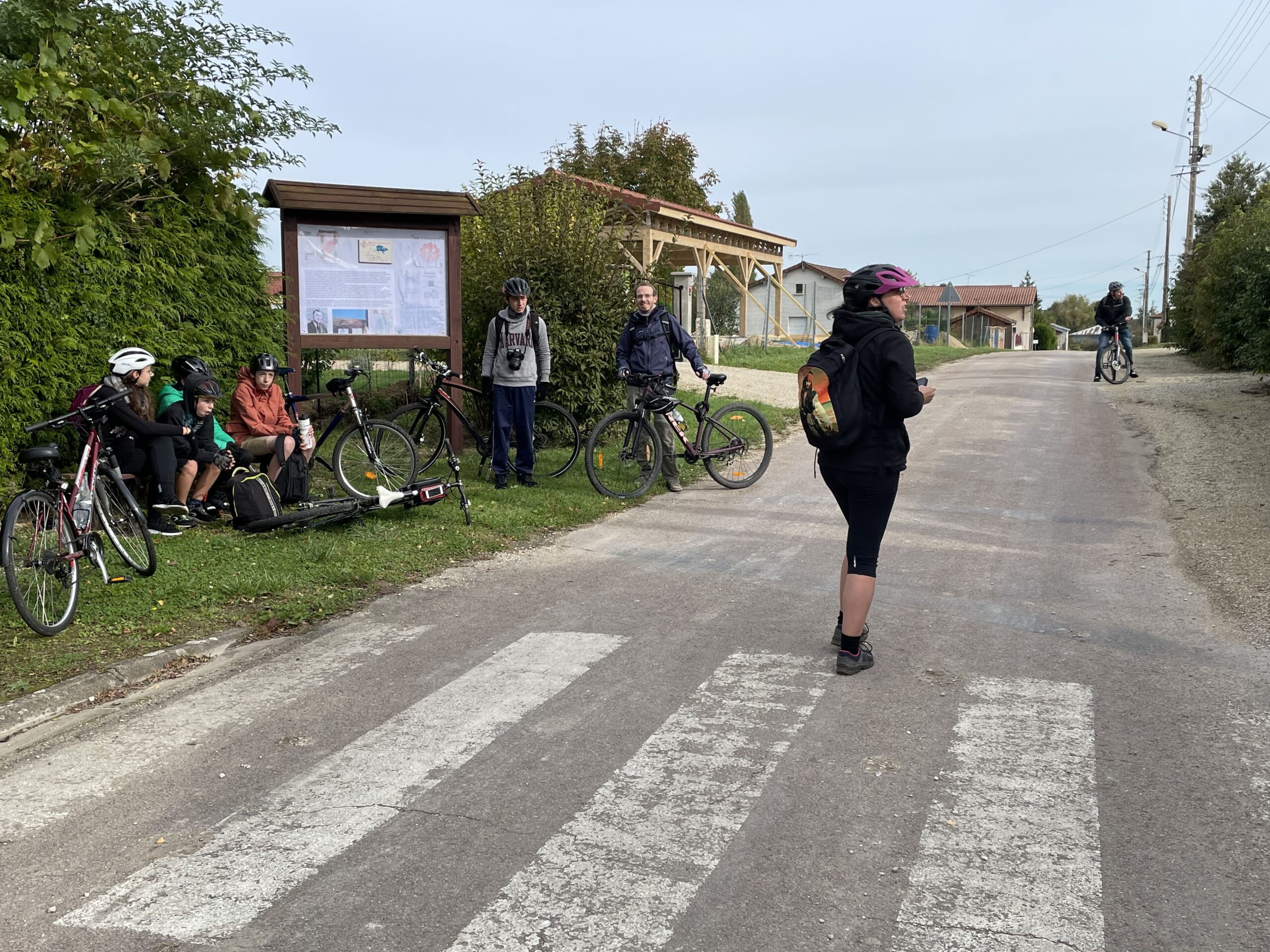
A dozen cyclists from the Ad Pacem association met up at Lake Der on 28 and 29 September 2024 to cycle along the cycle path that runs alongside the lake and through a few villages. The whole team spent the evening and night in a house rented for the occasion near the lake. On Sunday, they completed the second part of the route, again on cycle paths and roads around the lake.
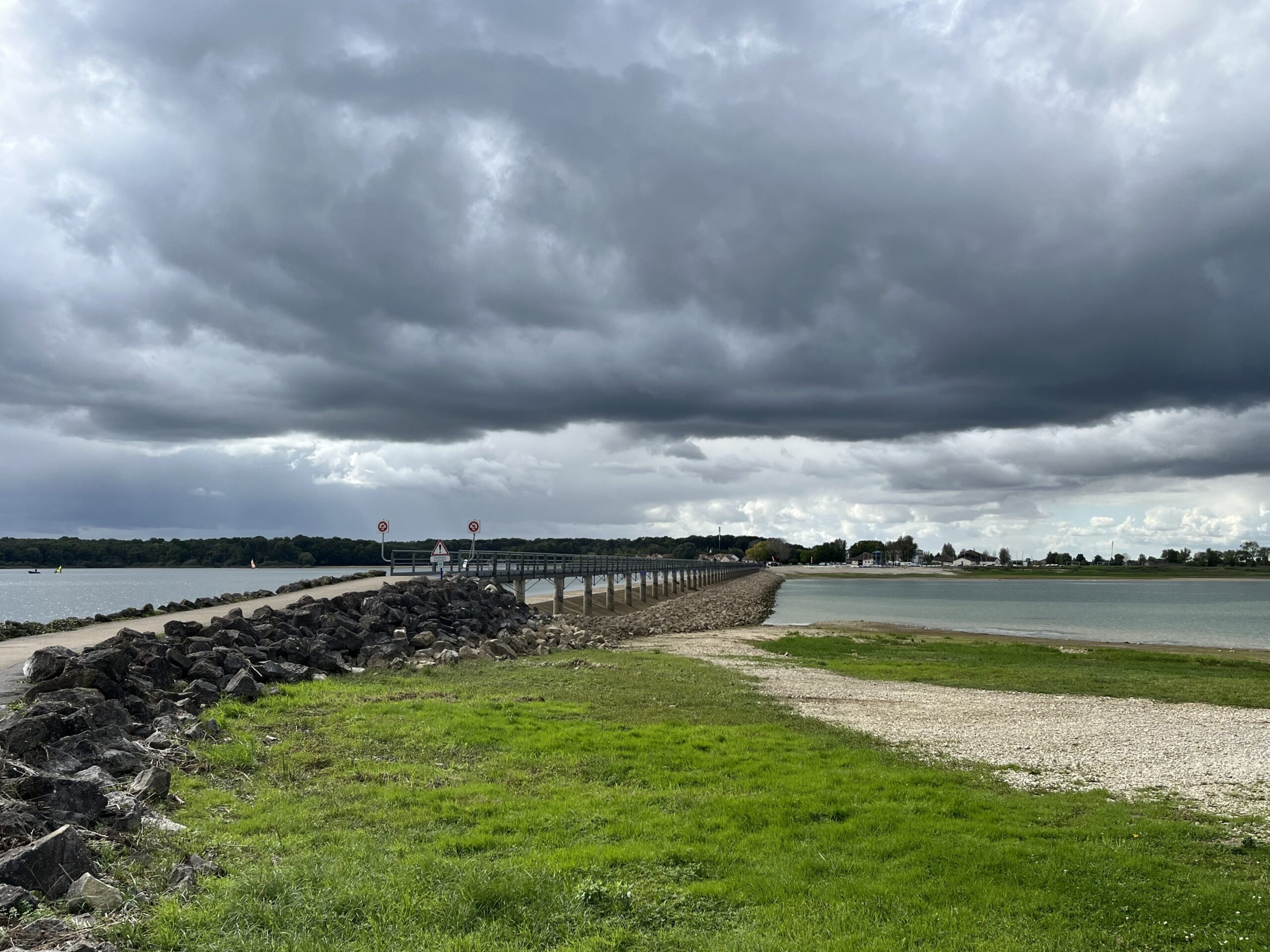
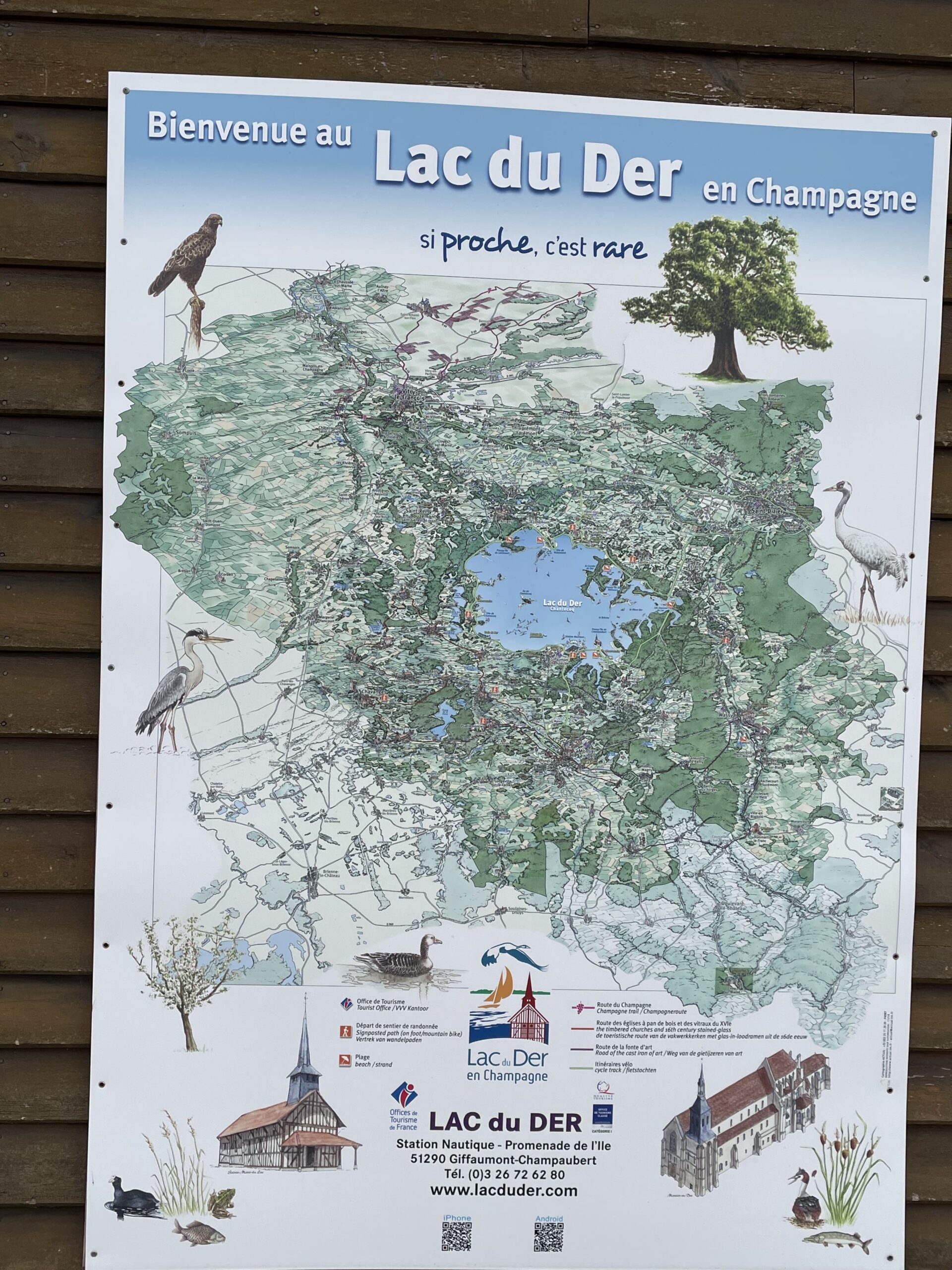
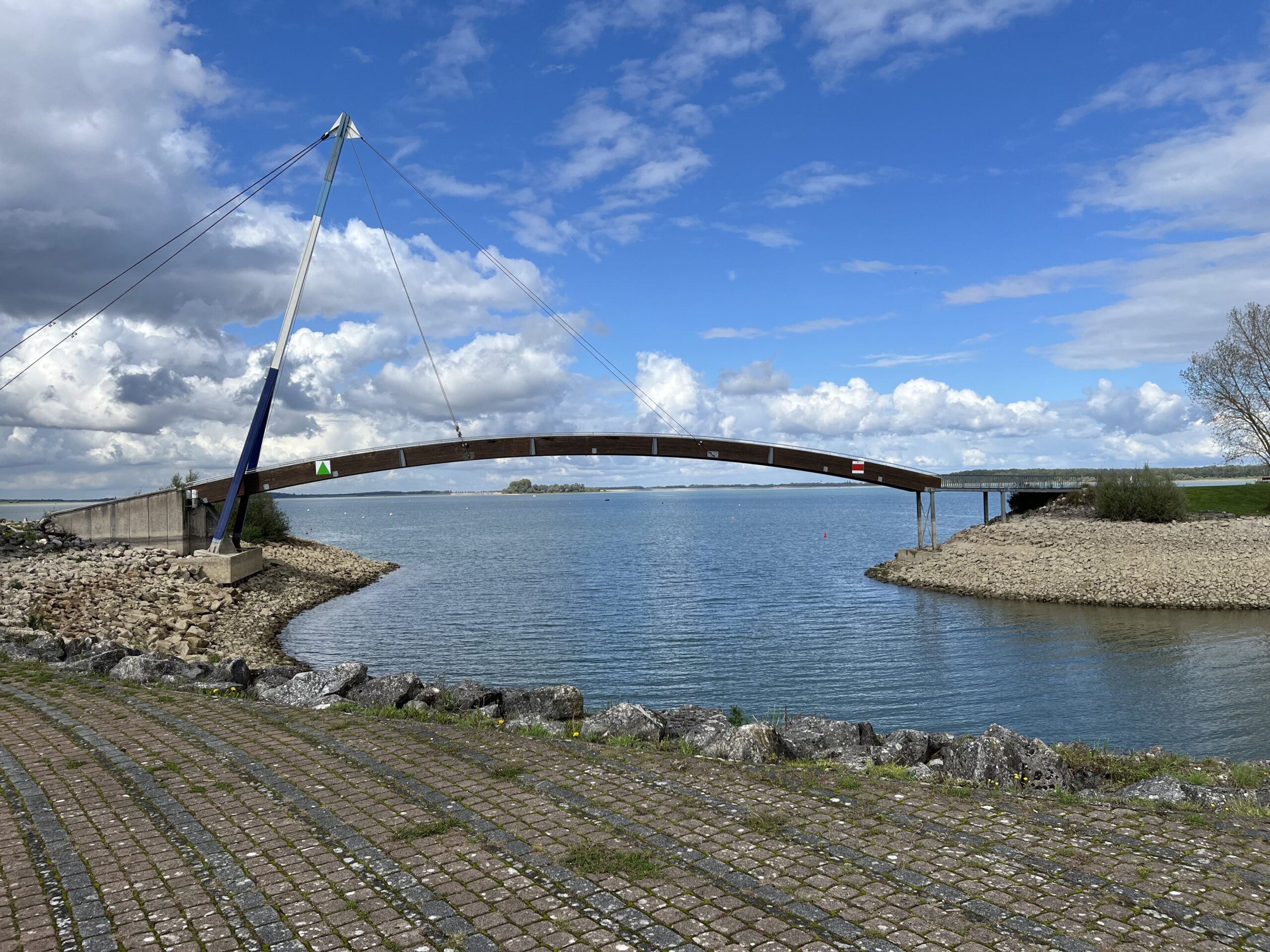
Characteristics of Lac du Der Lac du Der – Chantecoq or Lac de la Marne is an artificial lake in north-eastern France. It is located on the border between the departments of Marne and Haute-Marne. In 1974, after 10 years of massive construction work, Lac du Der was created in the heart of the Champagne region.
The primary purpose of Lac du Der, its raison d’être, is its capacity to store 350 million cubic metres of water. Starting at Saint-Dizier, it regulates the flow of the Marne, a tributary of the Seine, which is the largest river in France. On the one hand, it reduces the effect of flooding in Paris and, conversely, allows boats to continue sailing during periods of low water. The reservoir lake thus limits flooding in the departments of Haute-Marne and Marne, as well as in the Marne and Seine valleys, all the way to the Paris metropolitan area. Lac du Der offers magnificent landscapes throughout the seasons. With the good weather on their side, the group participants enjoyed a wonderful bike ride.
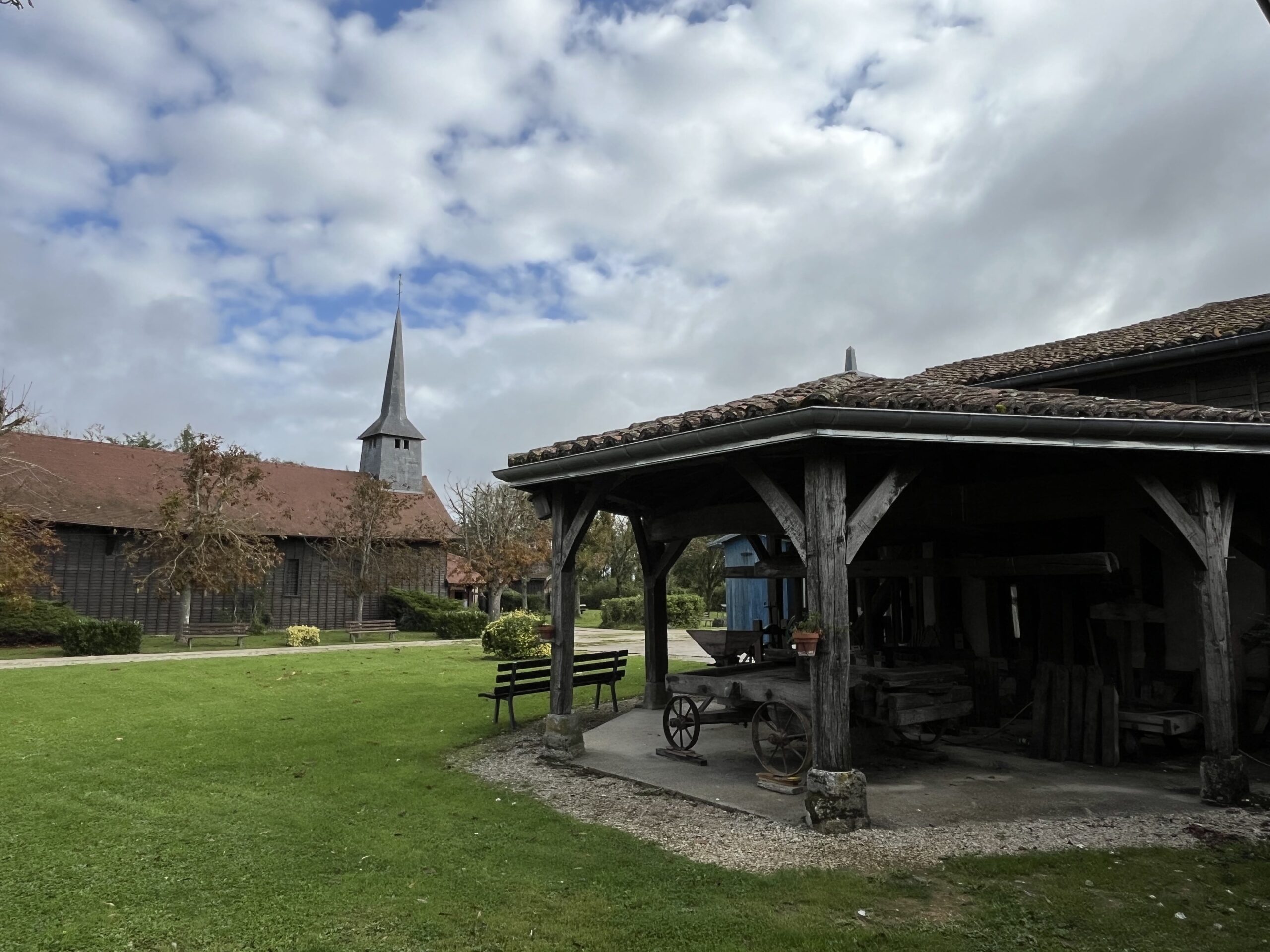
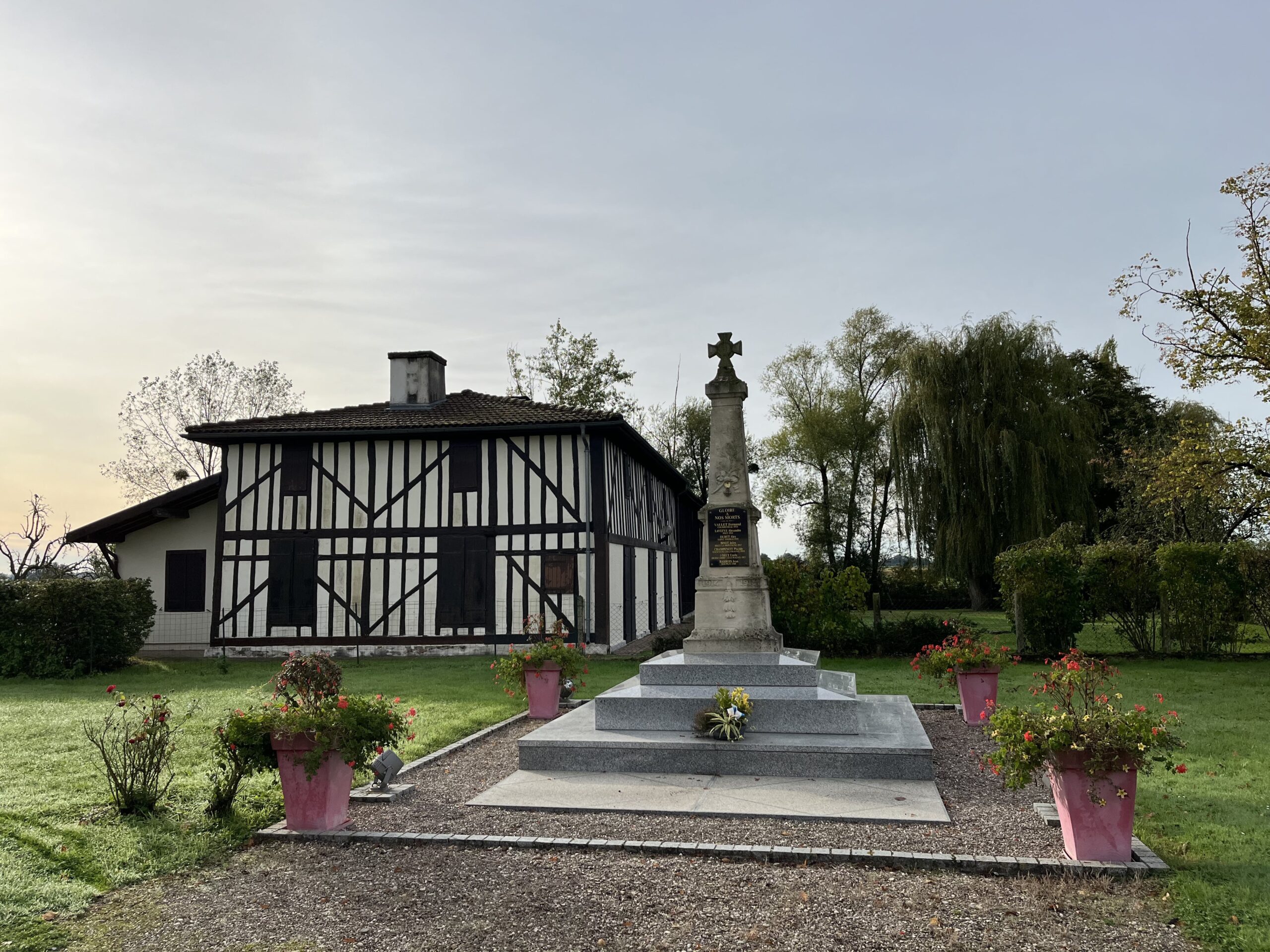
The lake owes its name to both the Pays du Der, the natural region where it is located, and the village of Chantecoq, which was destroyed along with the villages of Champaubert-aux-Bois and Nuisement aux Bois, where only the church remains on the edge of a peninsula. During the construction of the lake in the 1960s and 1970s, it was given a nominal capacity of 350 million m3. With an area of 48 km2, it is the largest artificial lake in mainland France, in terms of surface area but not in terms of volume.
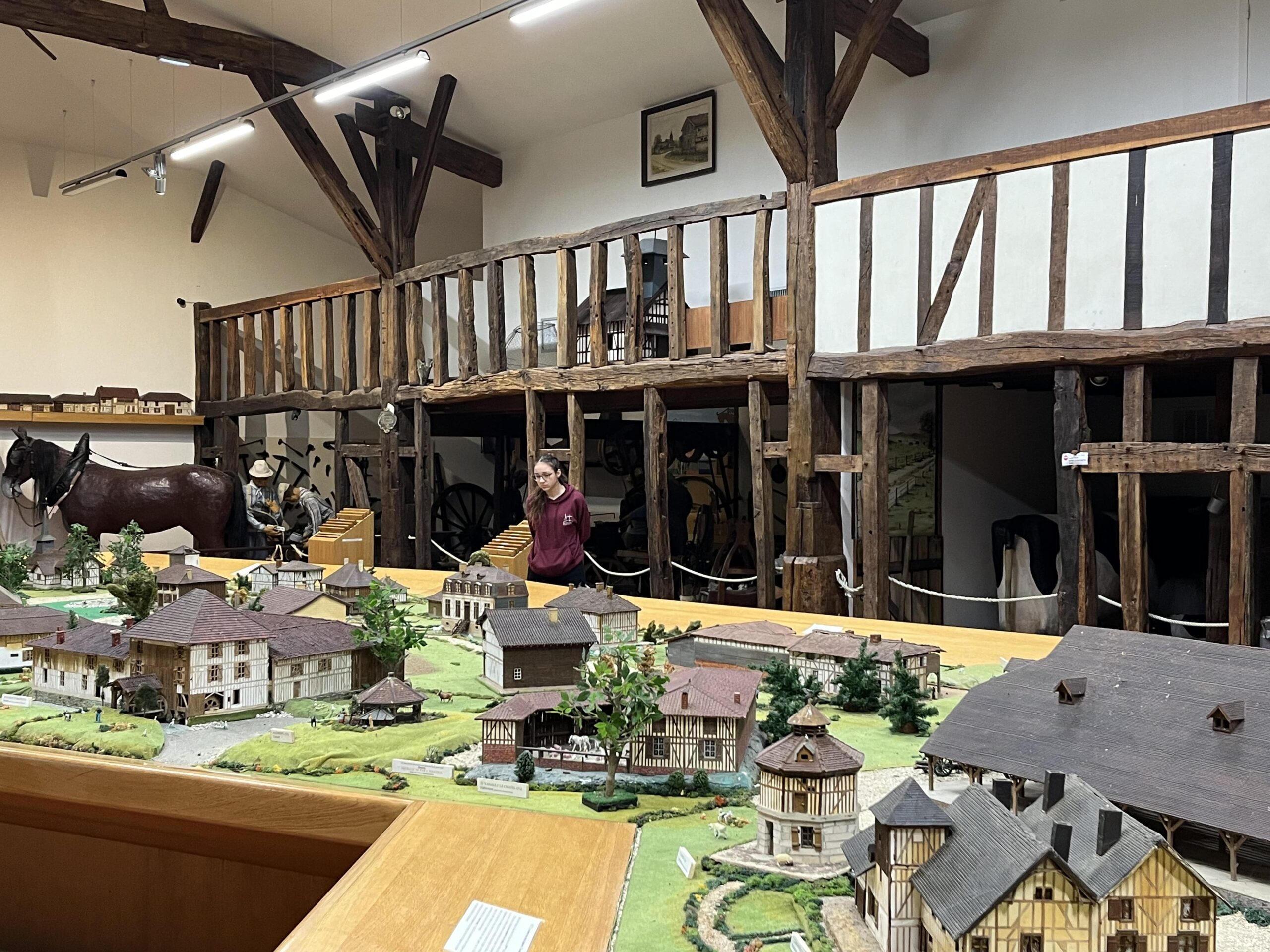
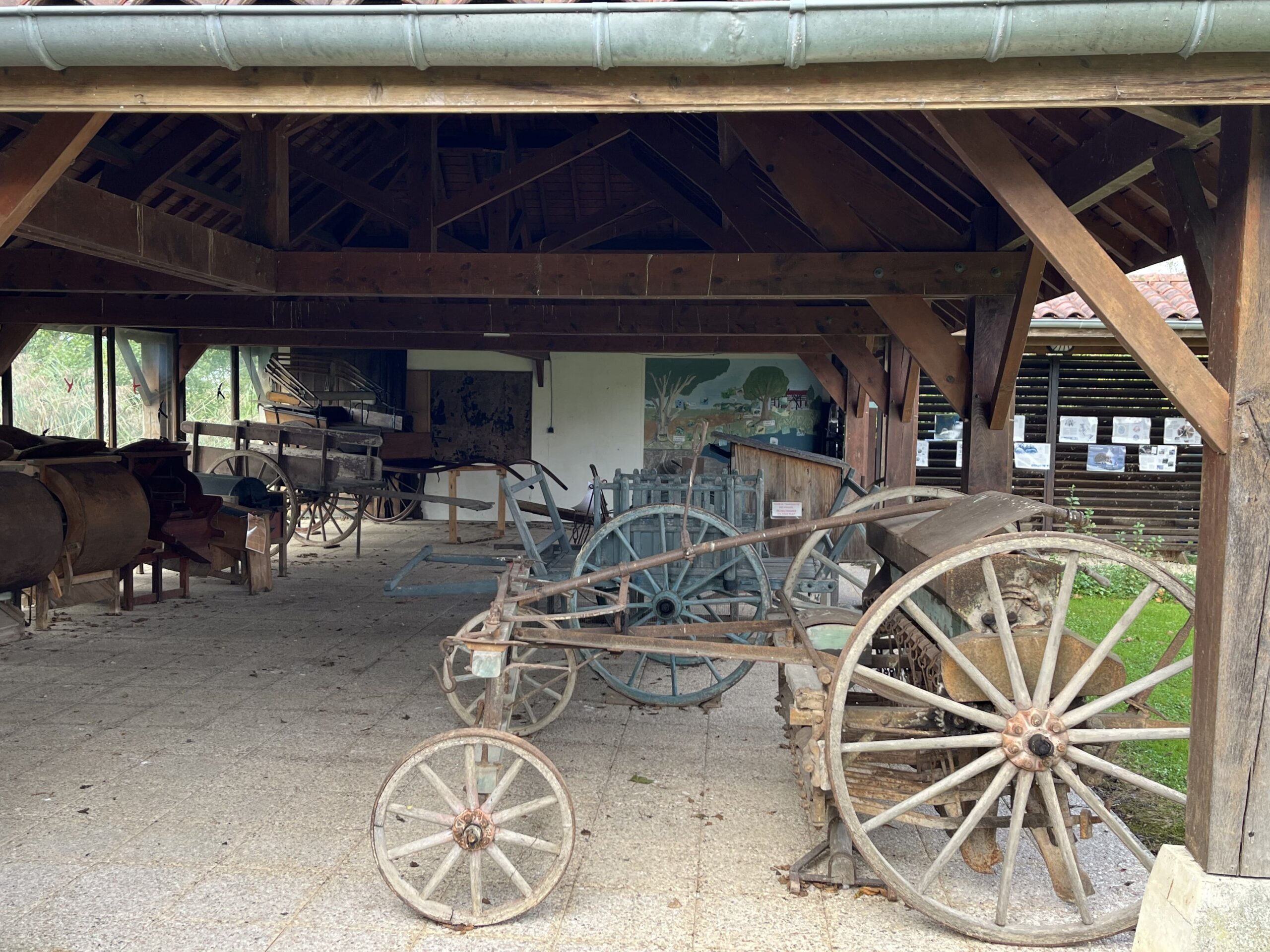
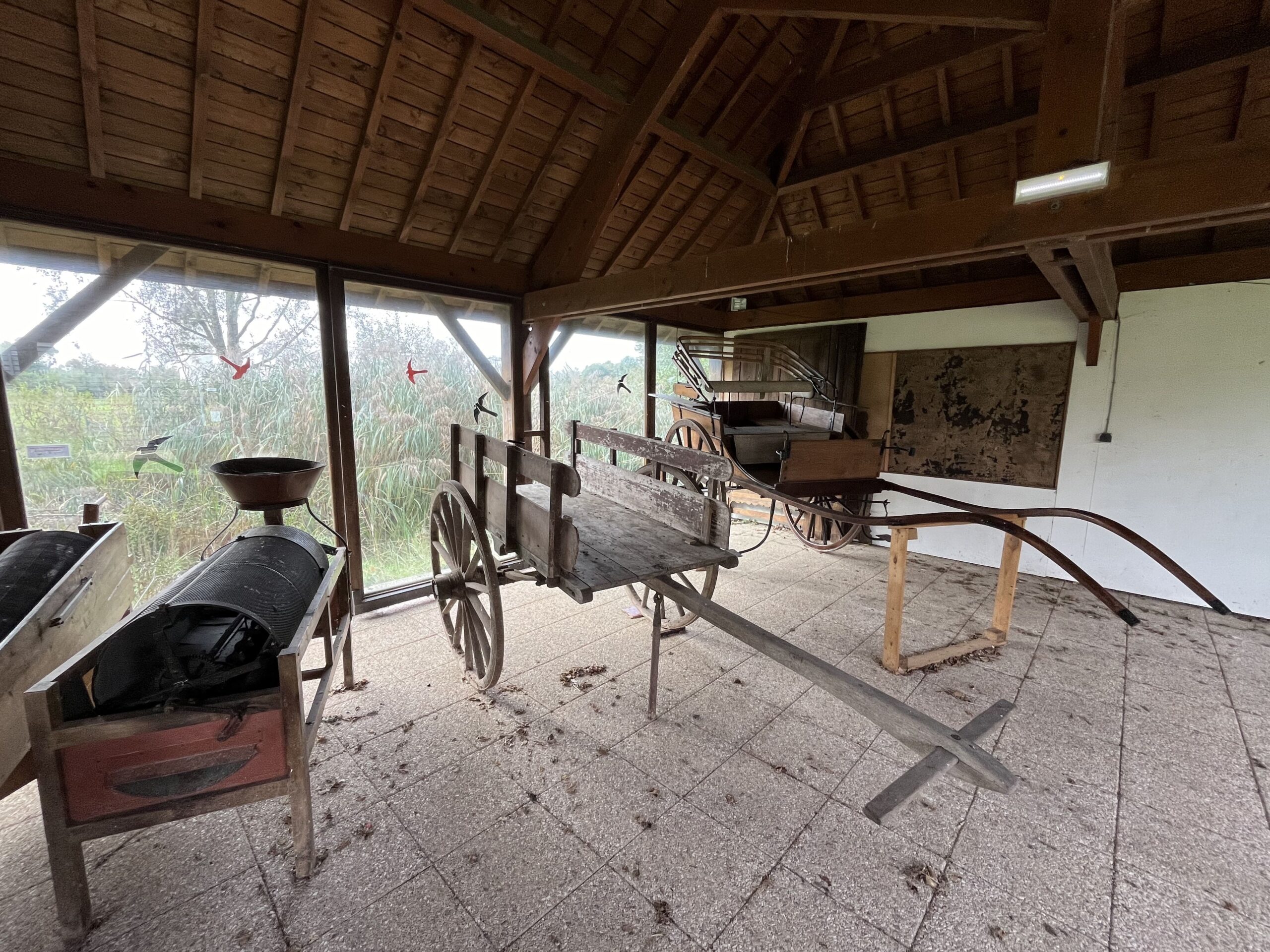
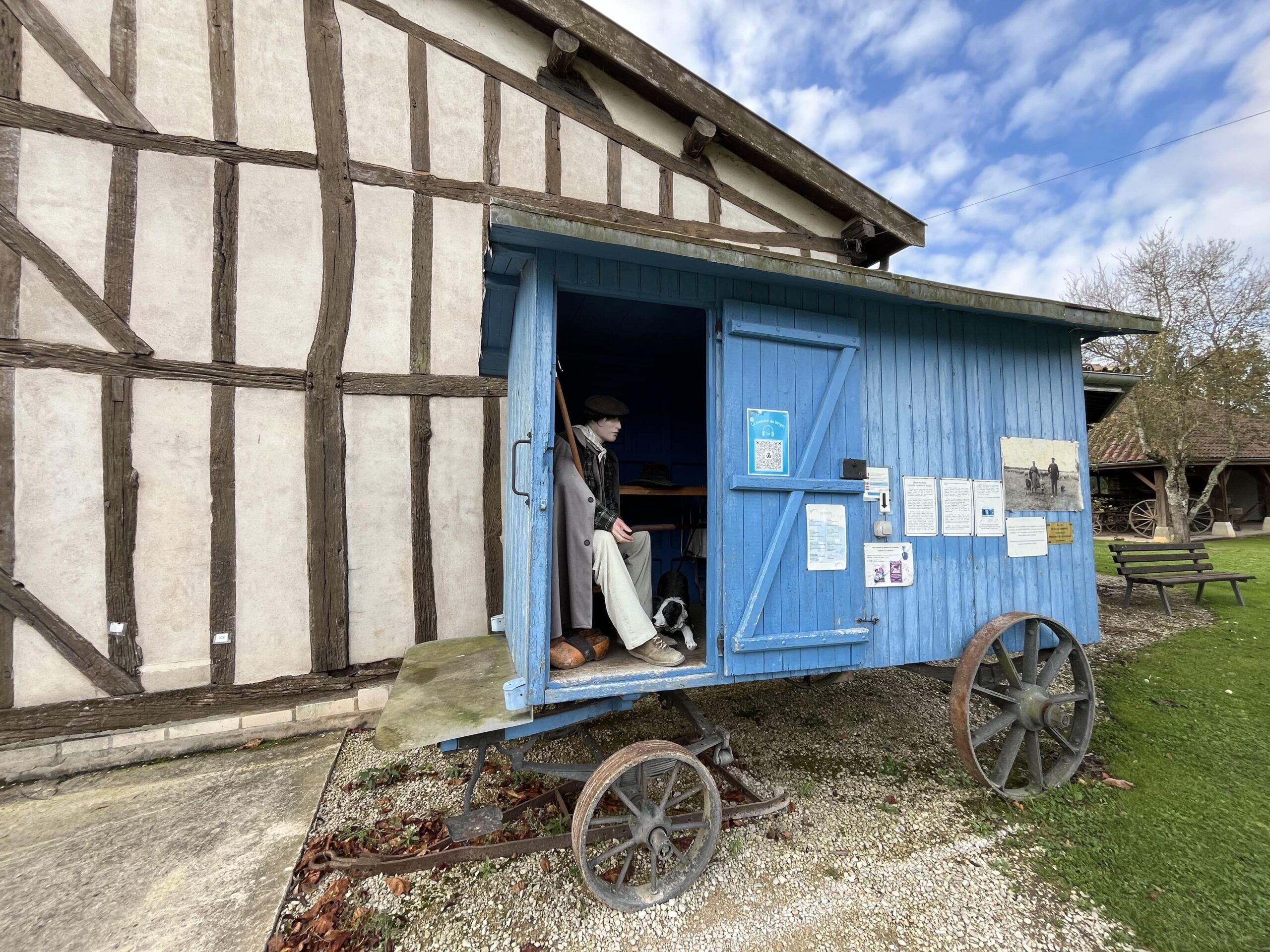
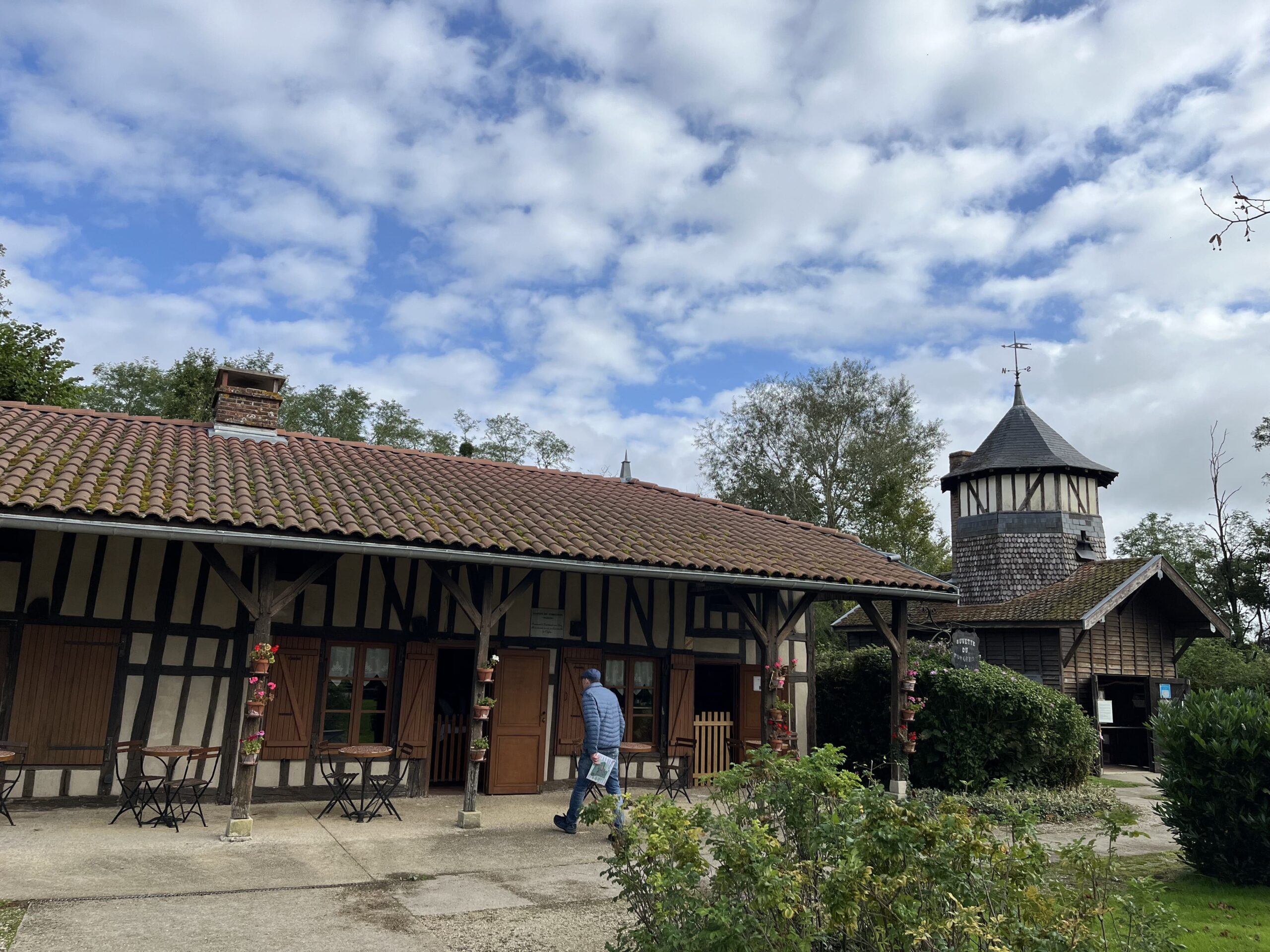
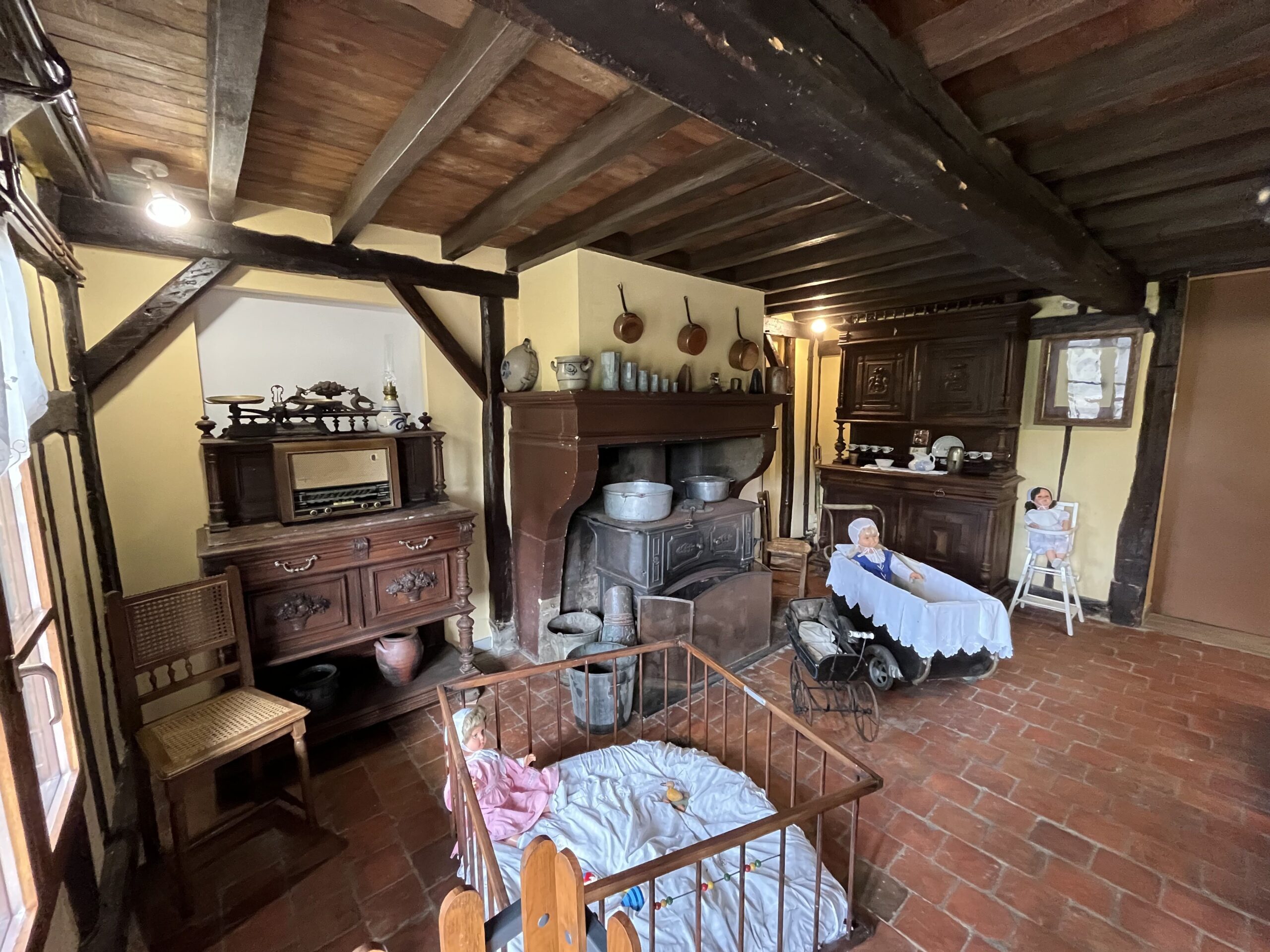
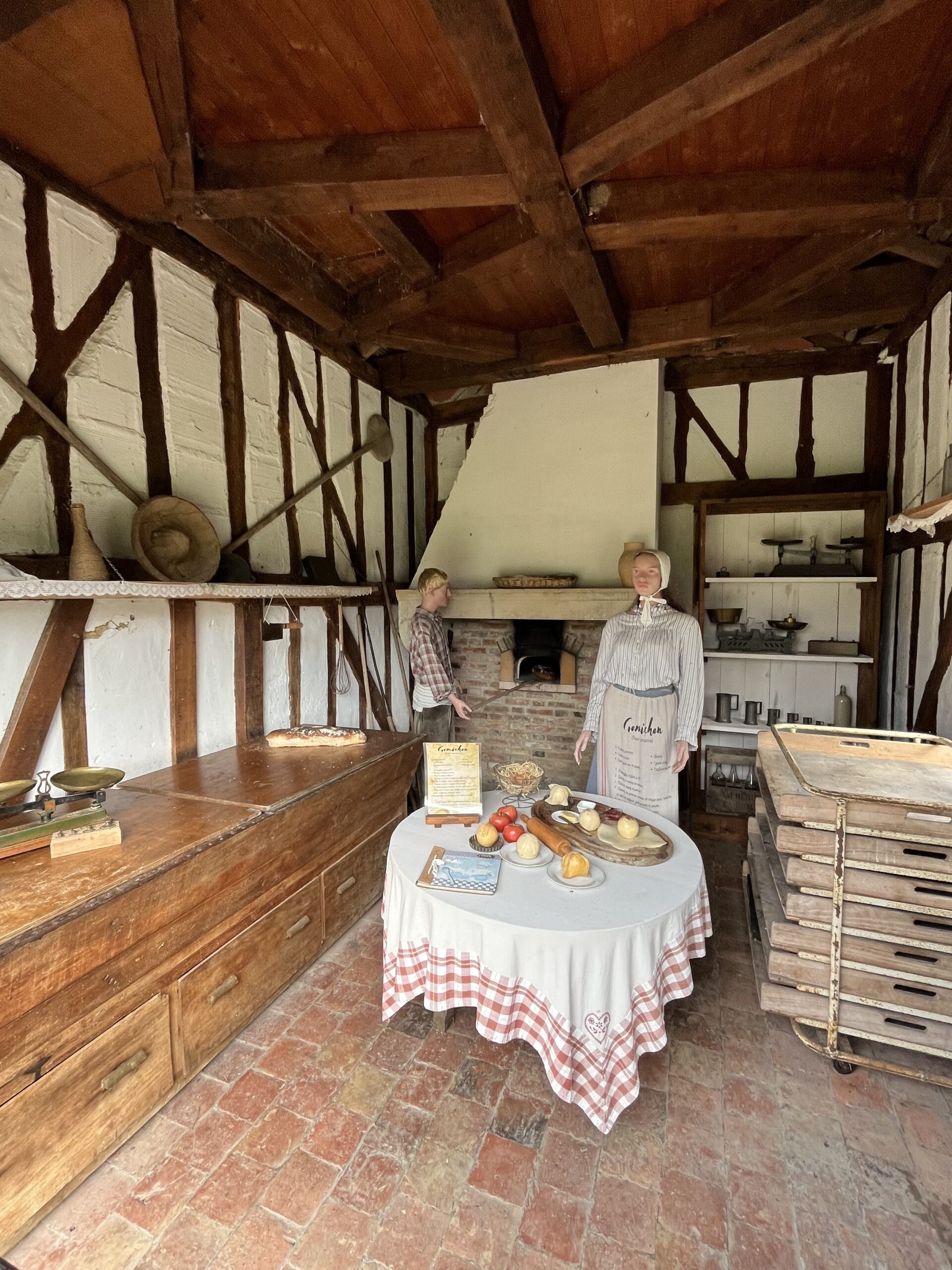
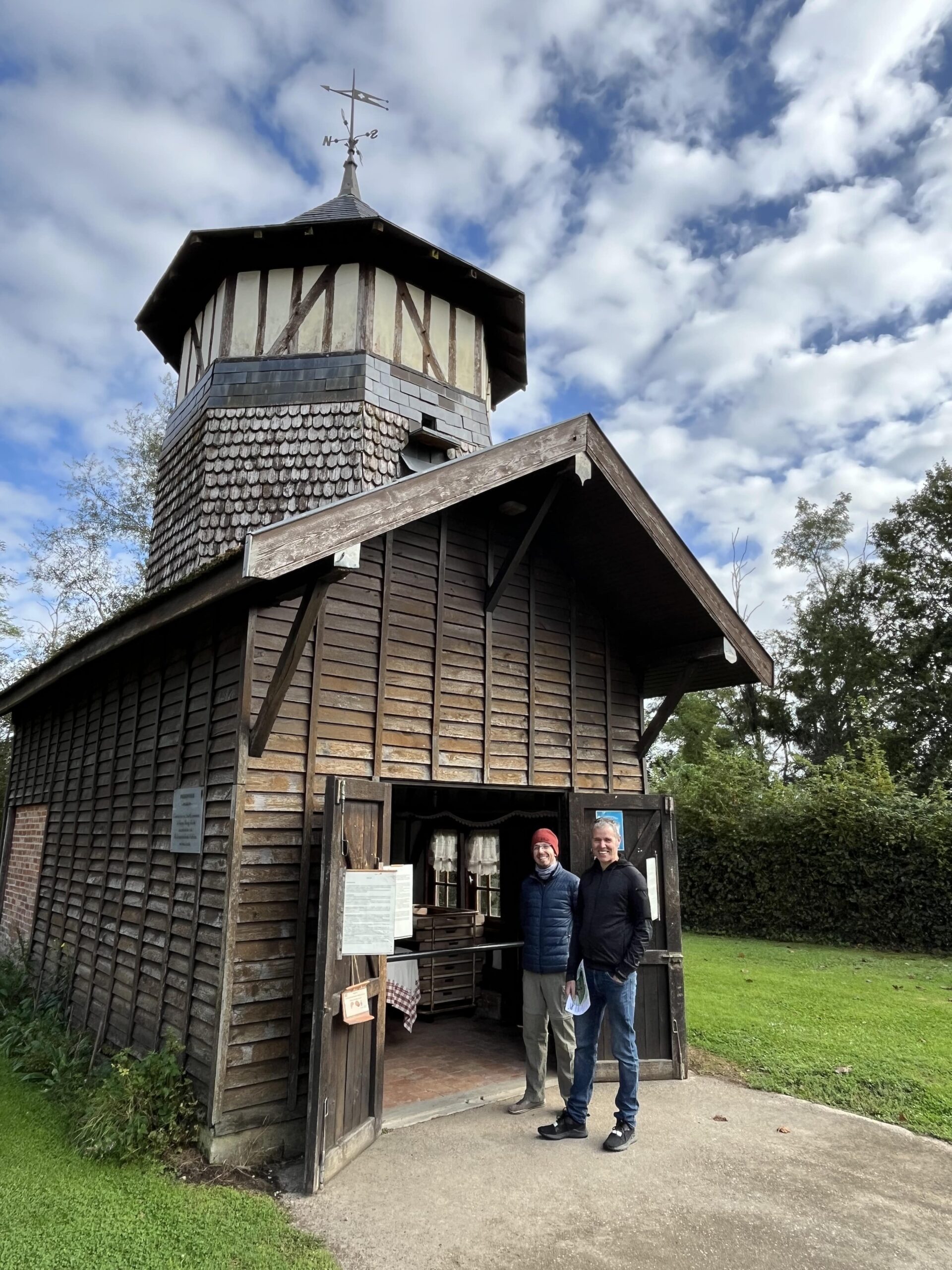
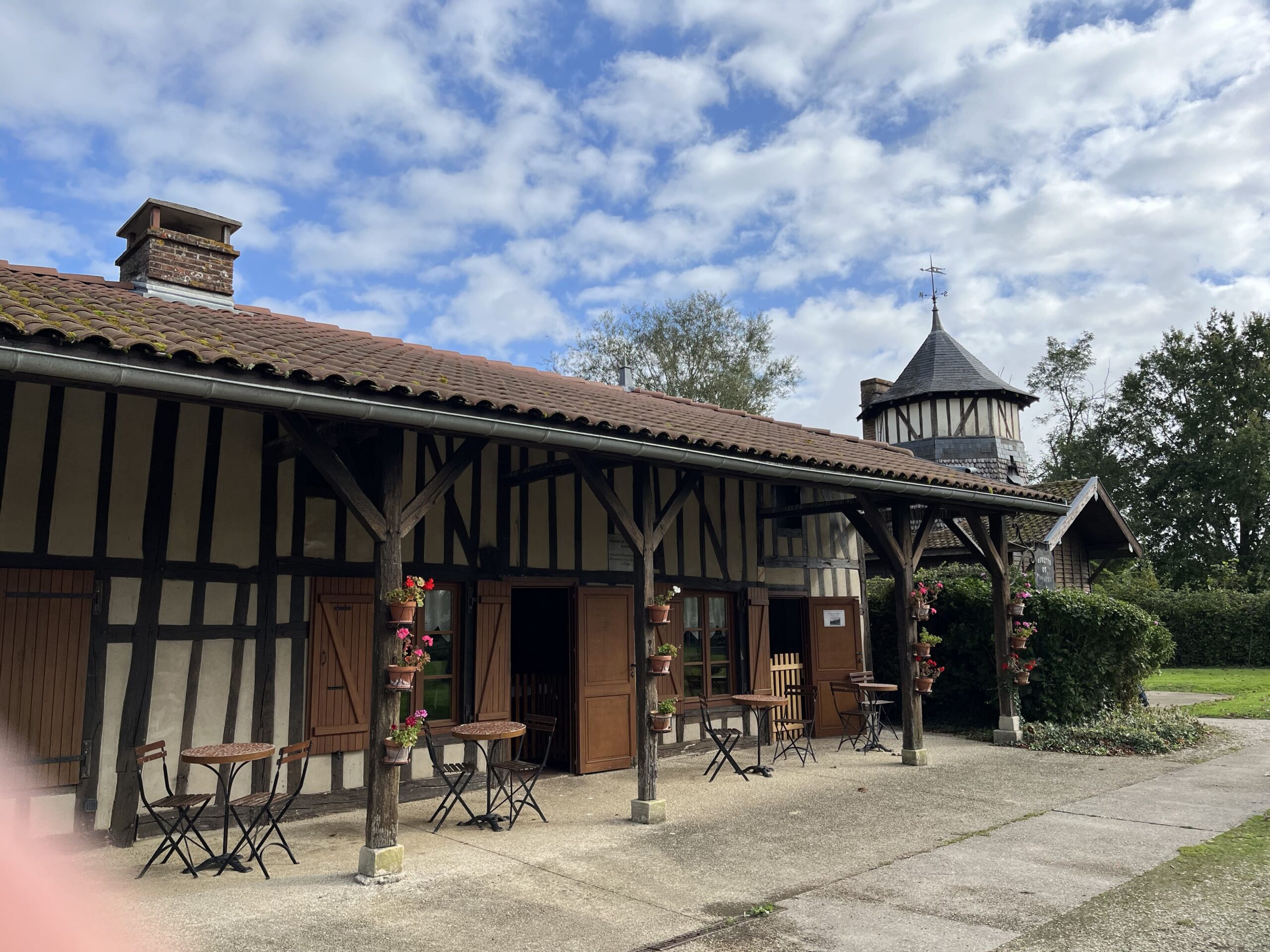
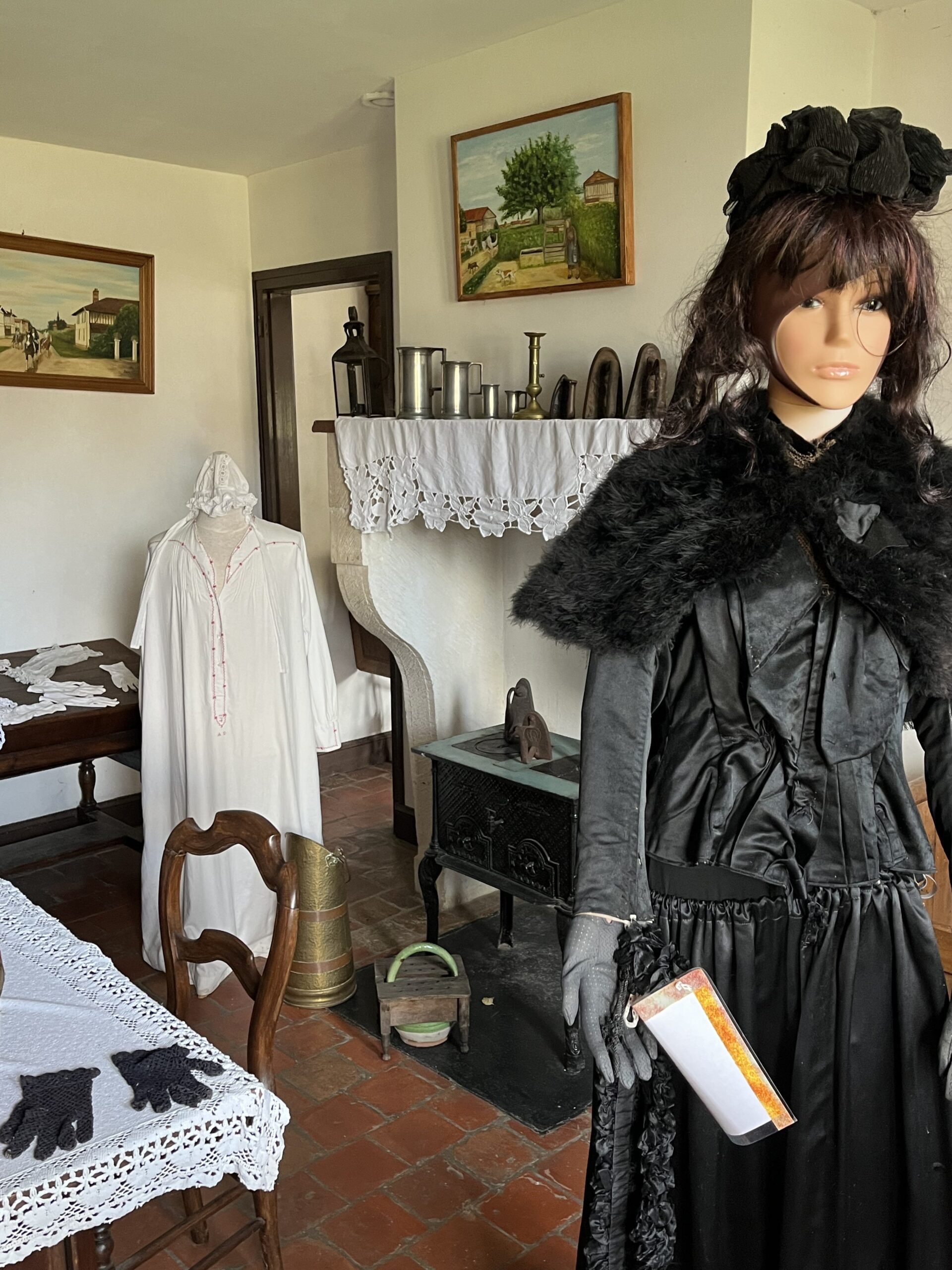
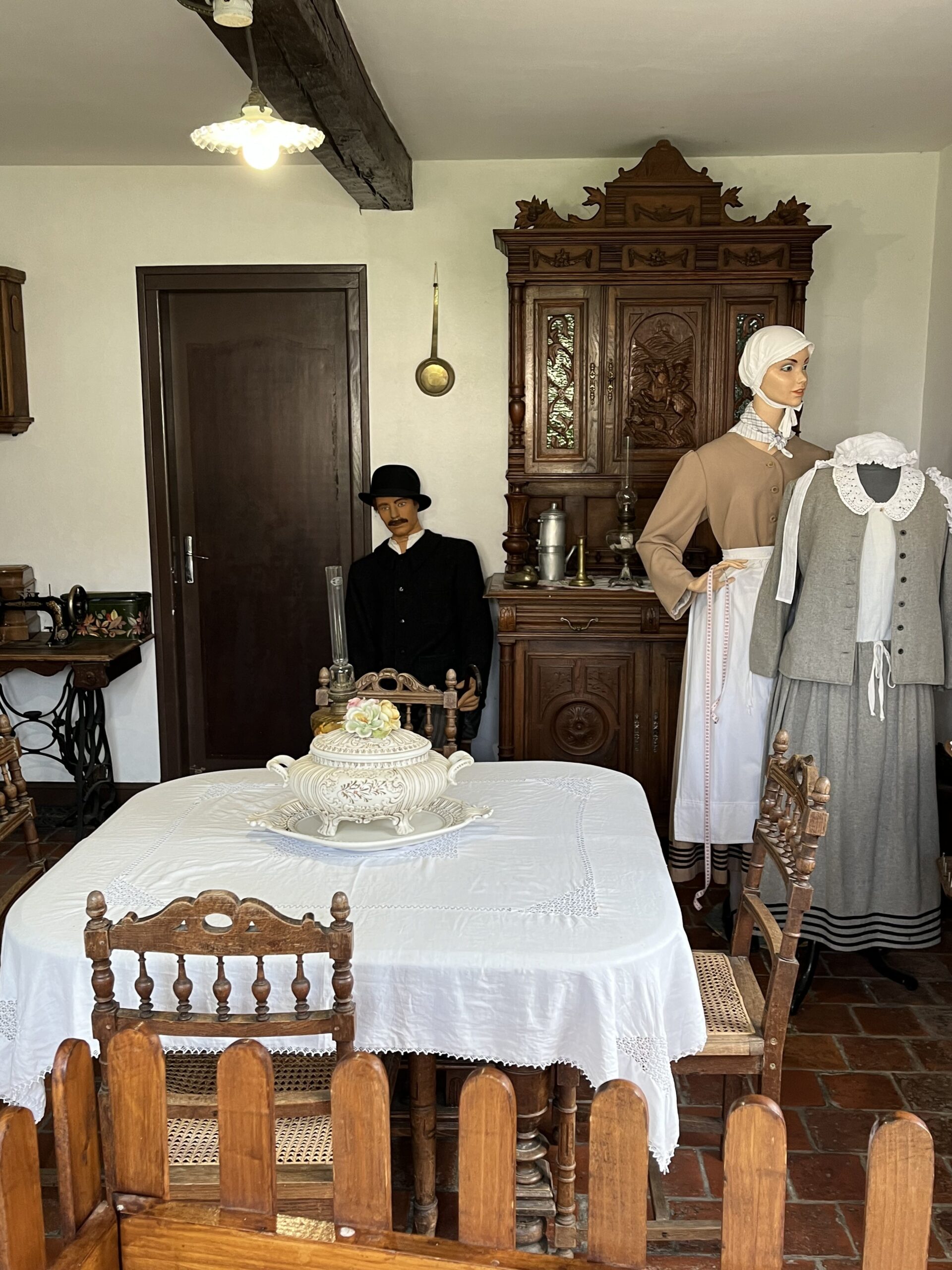
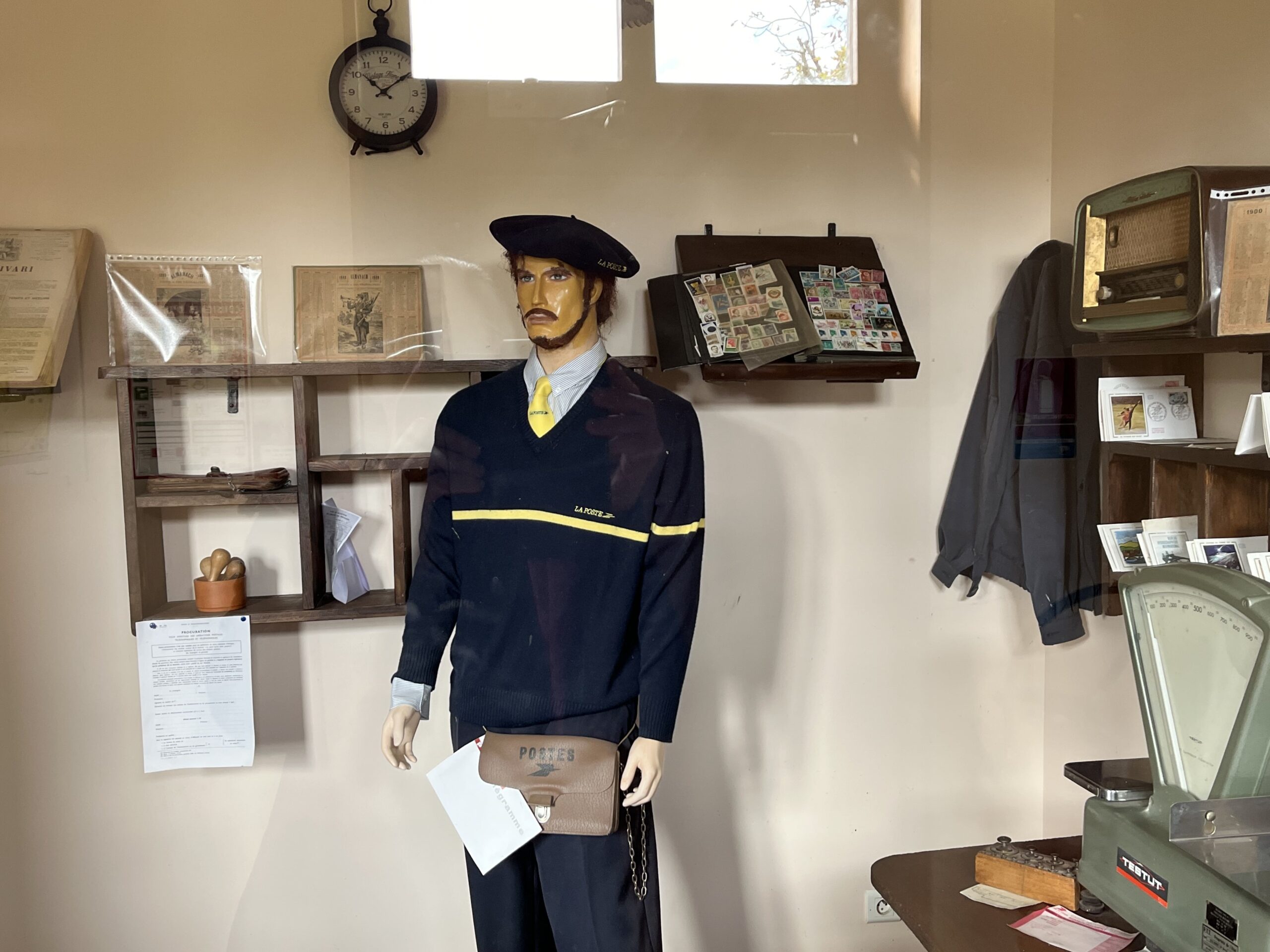
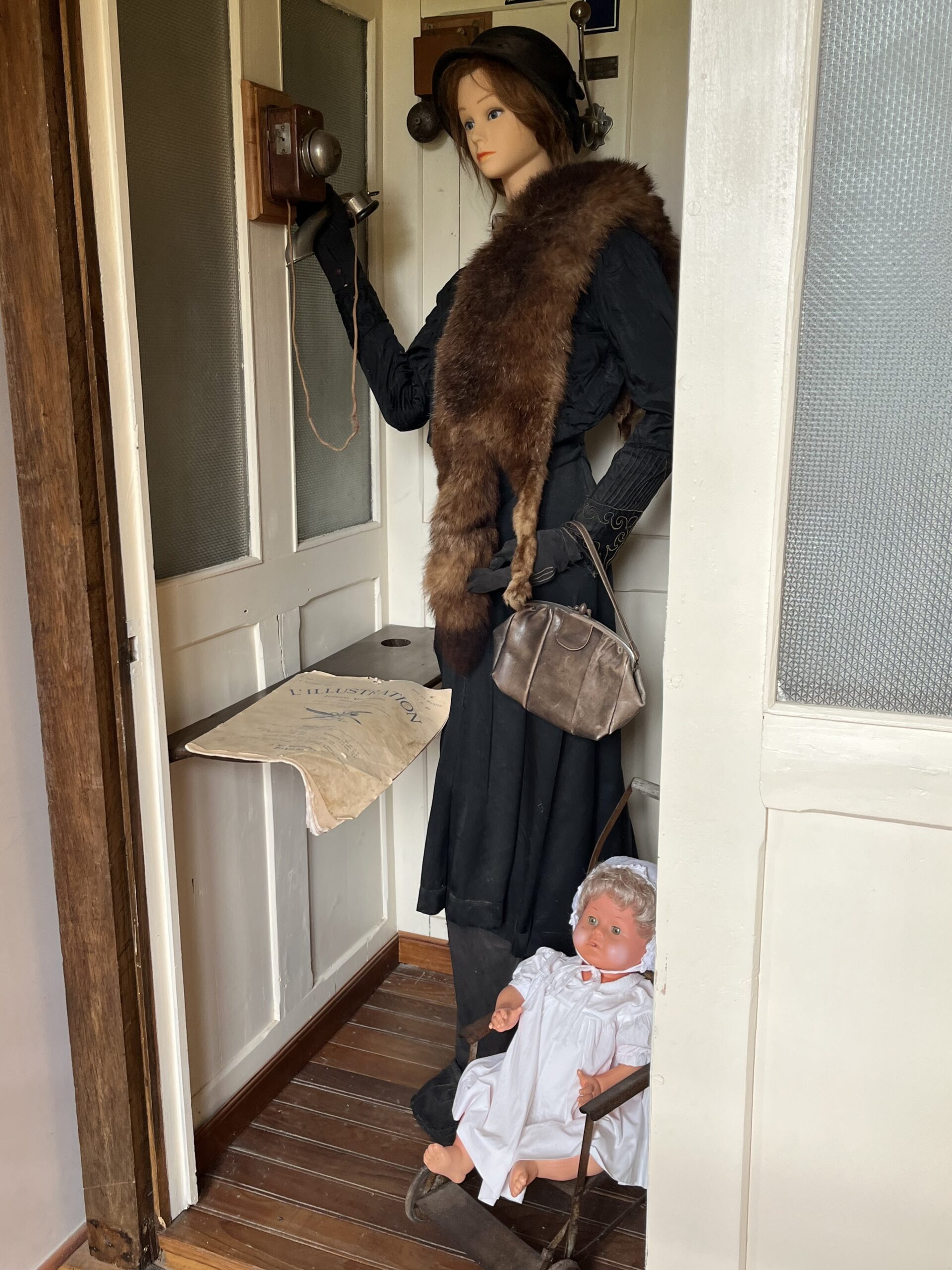
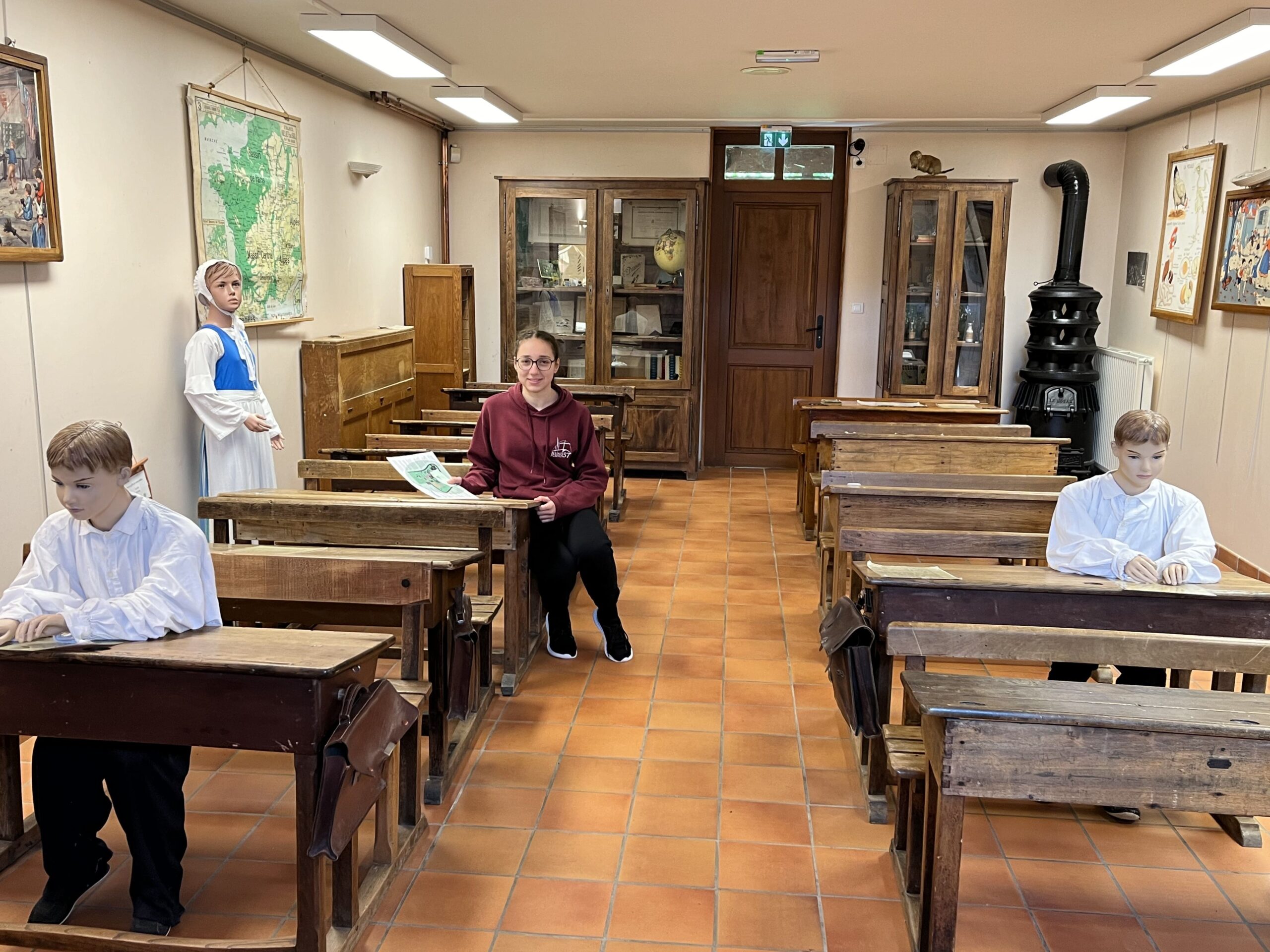
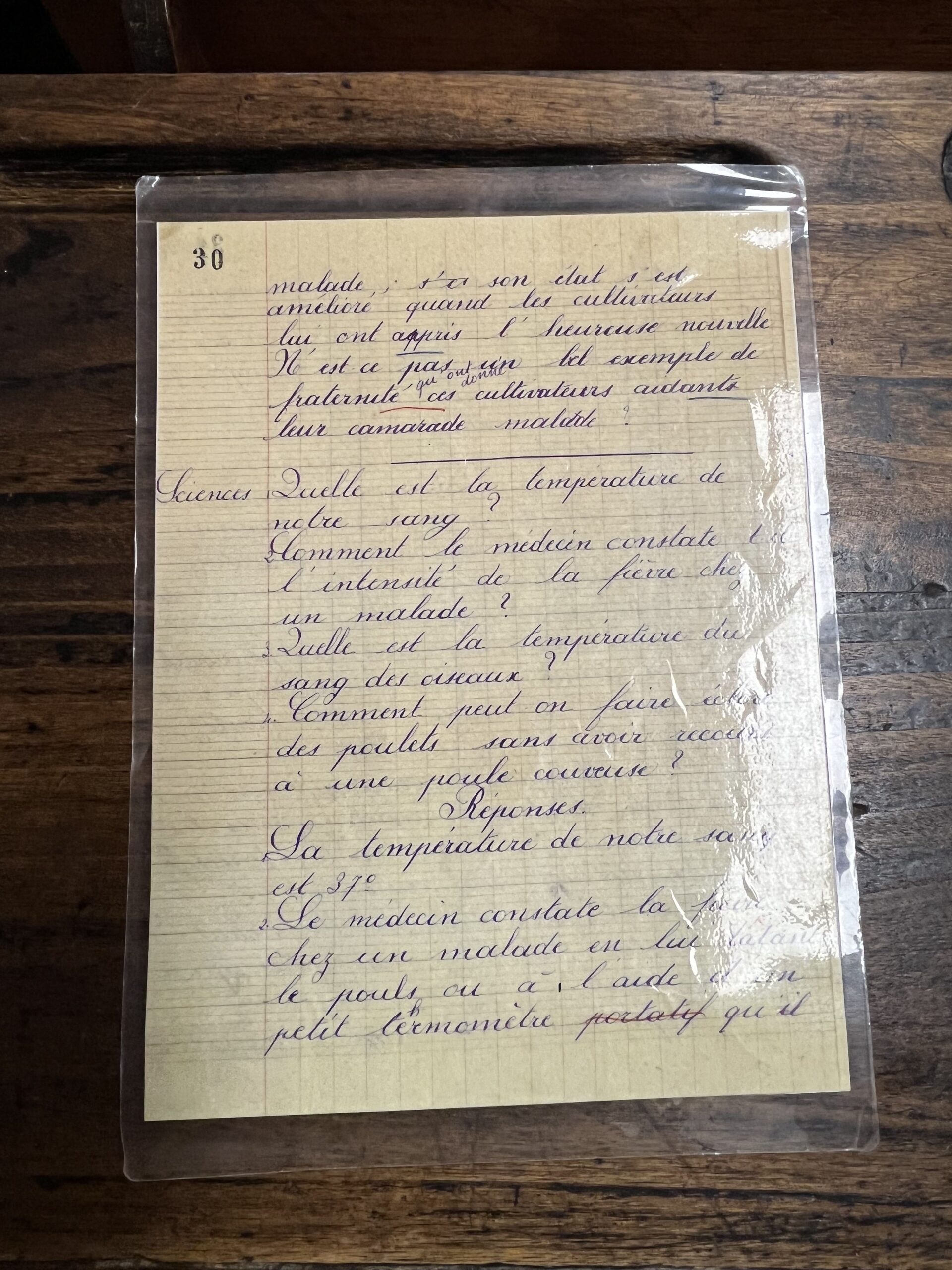
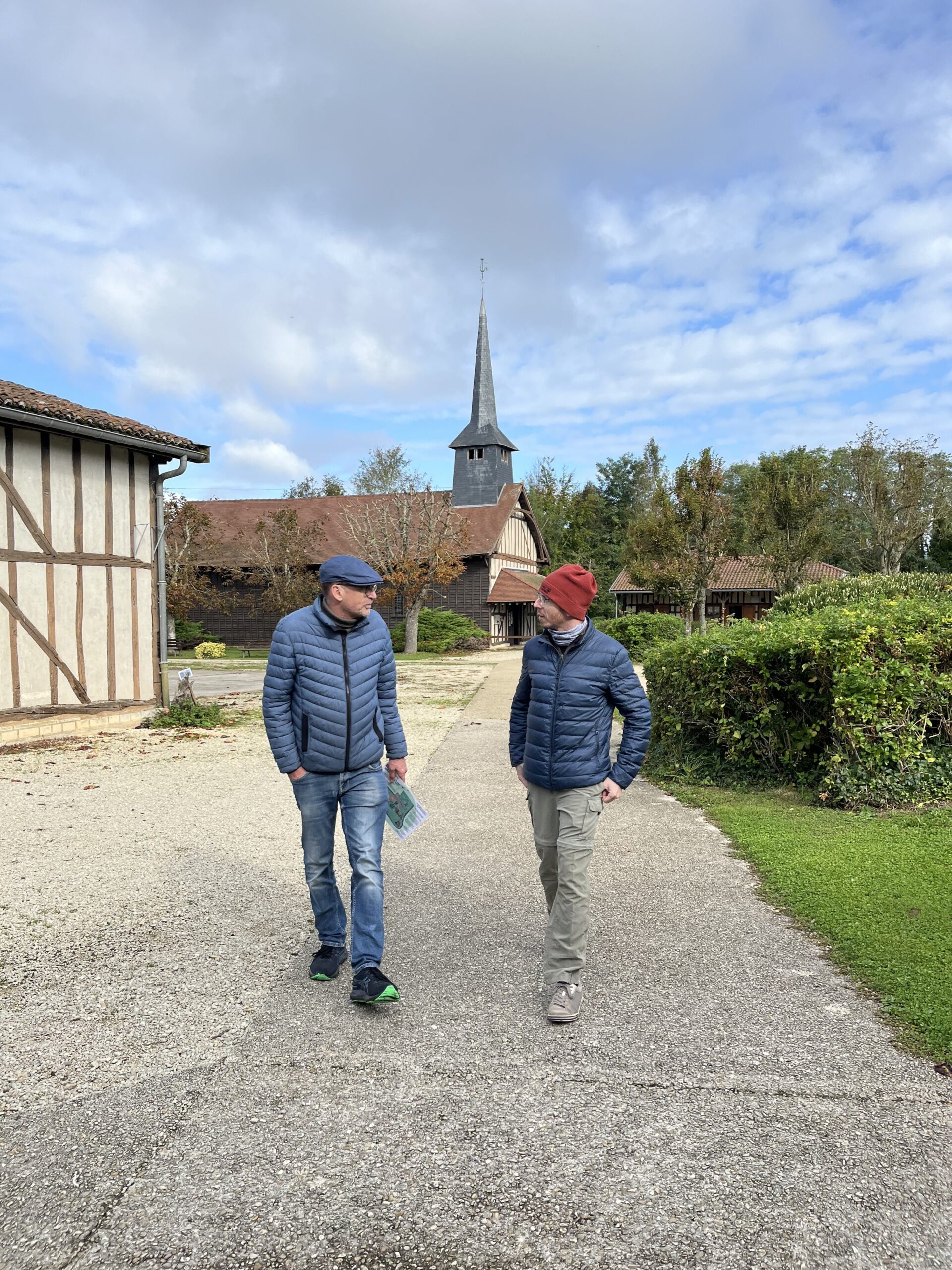
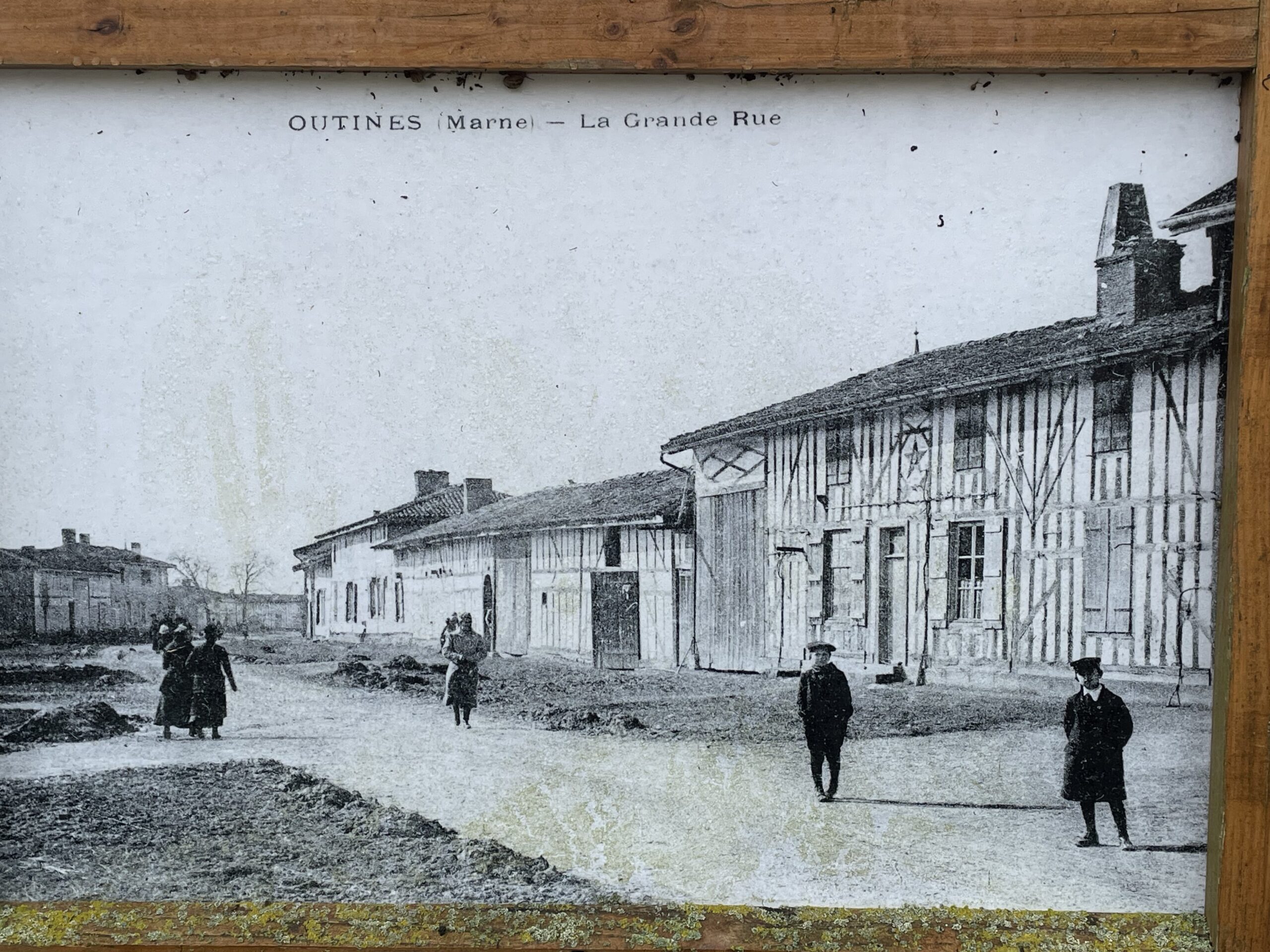
Der Village Museum Thanks to enthusiasts and also to preserve the memory of the past, the Der Village Museum was created so that the lives of the inhabitants of that time, their villages and the amazing history of their heritage would not be forgotten. From the school classroom to the church in Champaubert-aux-Bois, via a model of the village, everything is there to show visitors the history of the villages before they were sacrificed to the waters of the lake. Next to the old school, you can stroll through the Jardin du Curé (Priest’s Garden) or the Jardin des Simples (Herb Garden) to discover medicinal plants.
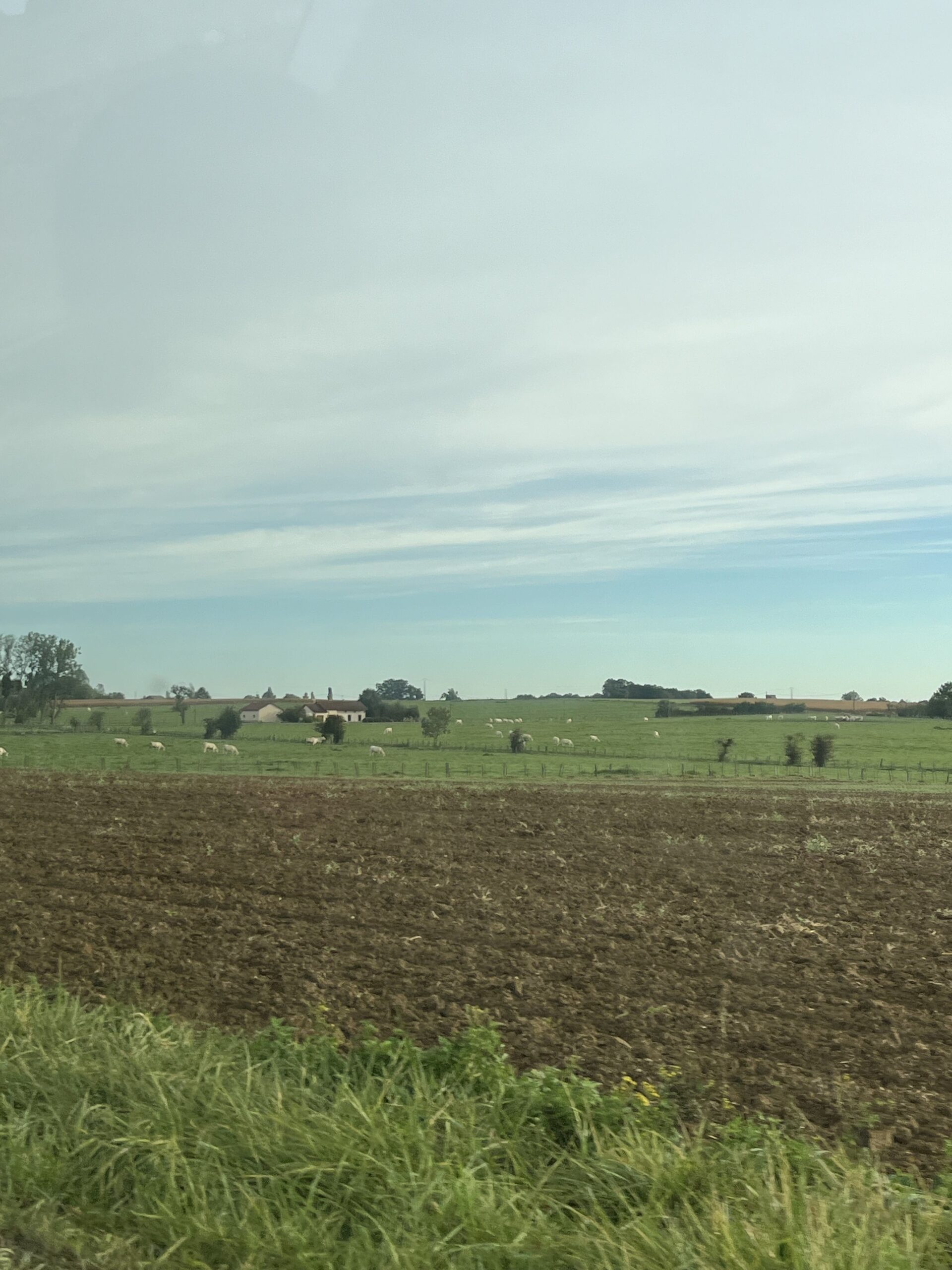
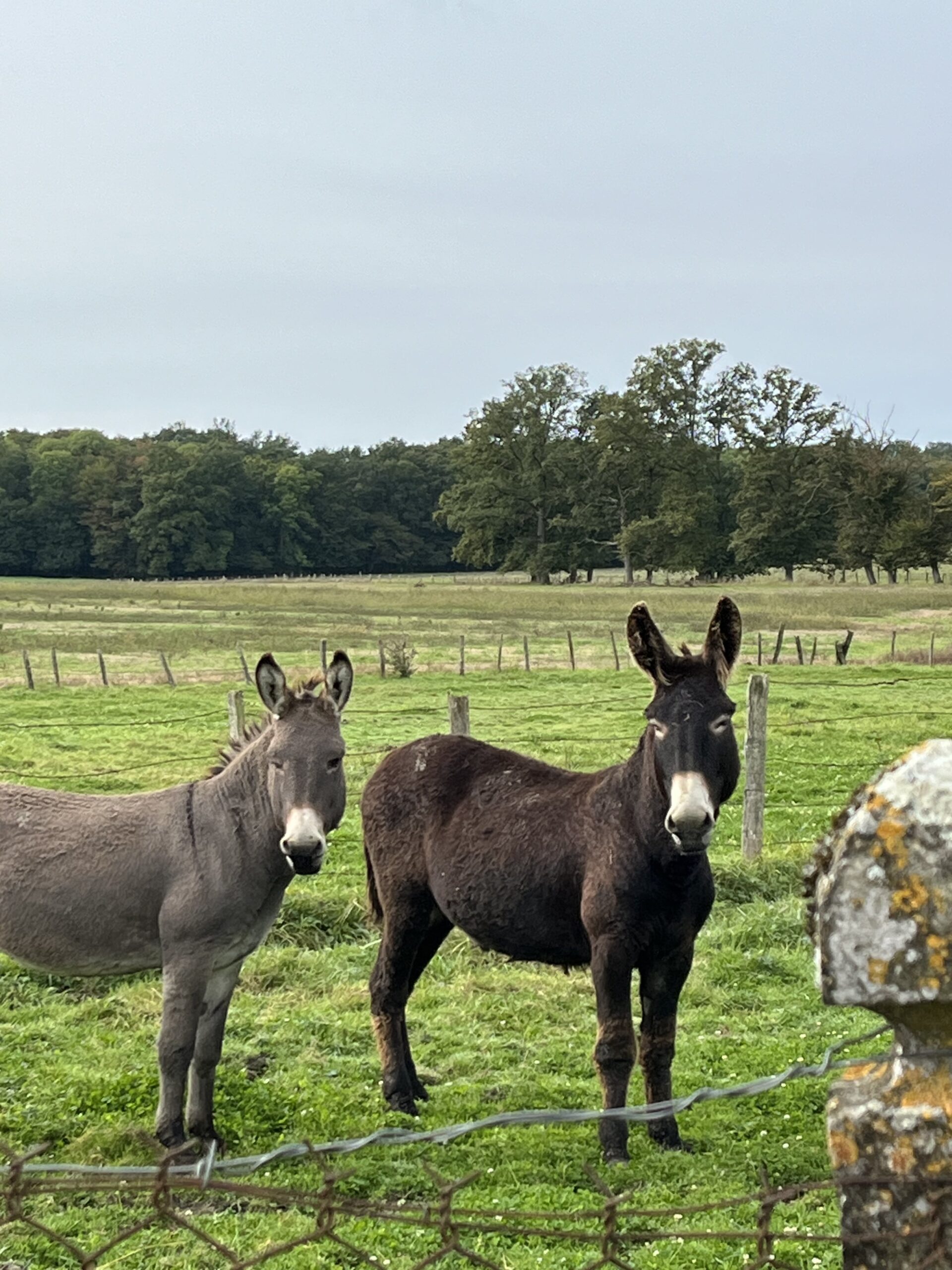
Around the lake During breaks, cyclists were able to admire the natural beauty of Lake Der and the 300-year-old oak trees in the surrounding forests. Although the lake is artificial, it has helped nature by providing quiet areas for the 300 species of birds that have been recorded there to date.
Key figures
• 4,800 hectares: total area of the structure • 349 million m3: capacity • 20.3 km: earthen dykes with a maximum height of 20 m • 2,900 km²: controlled catchment area
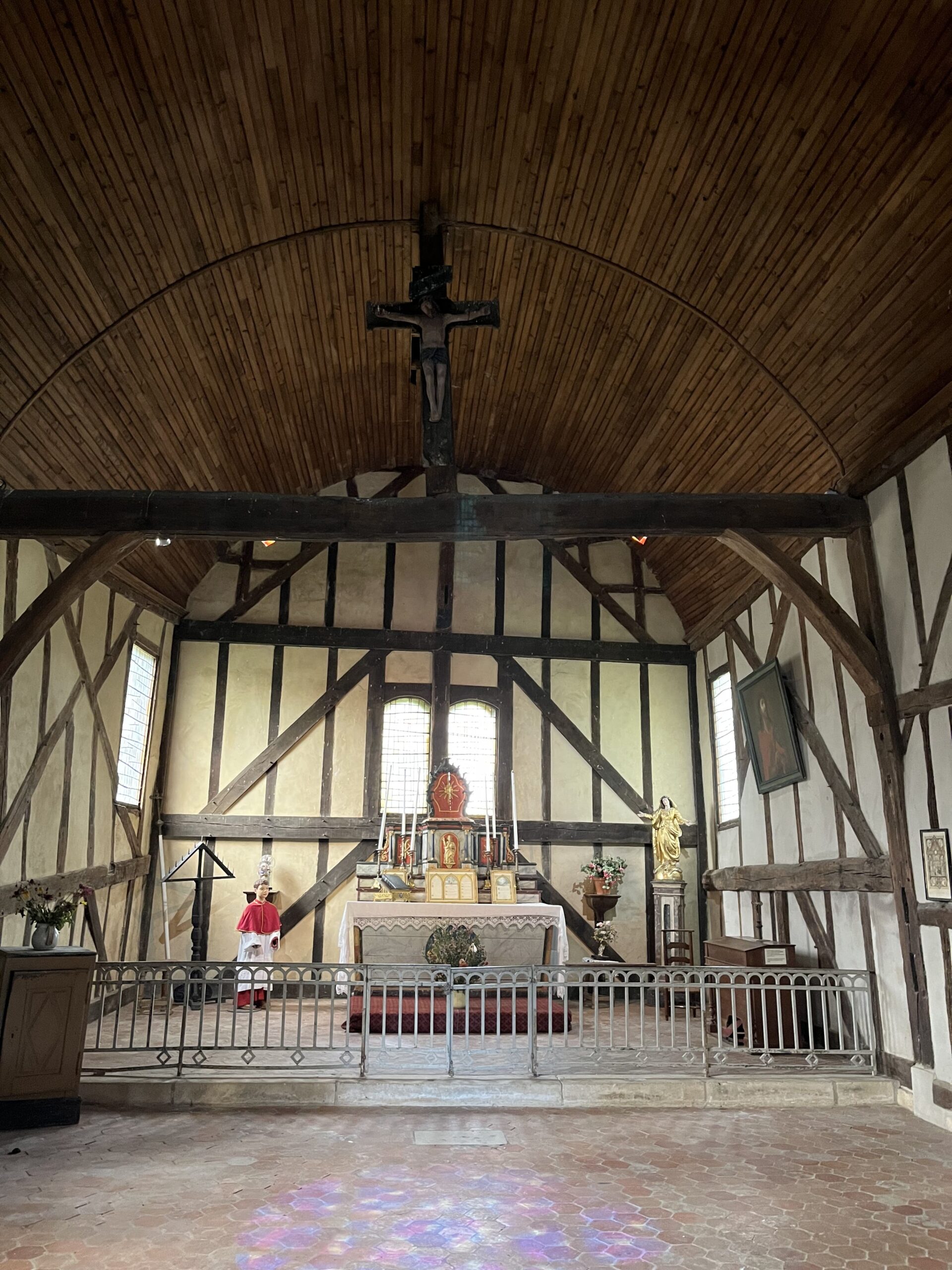
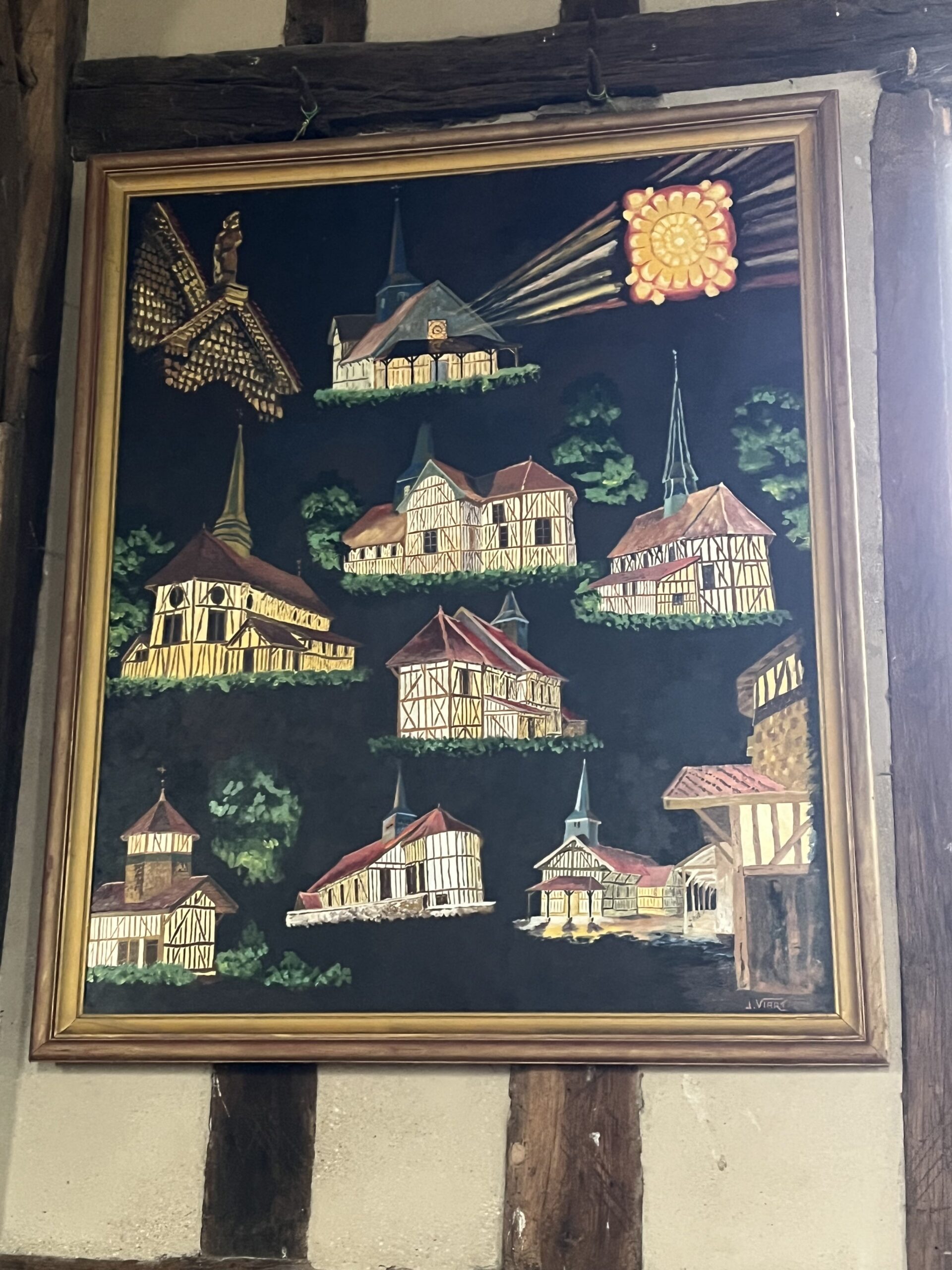
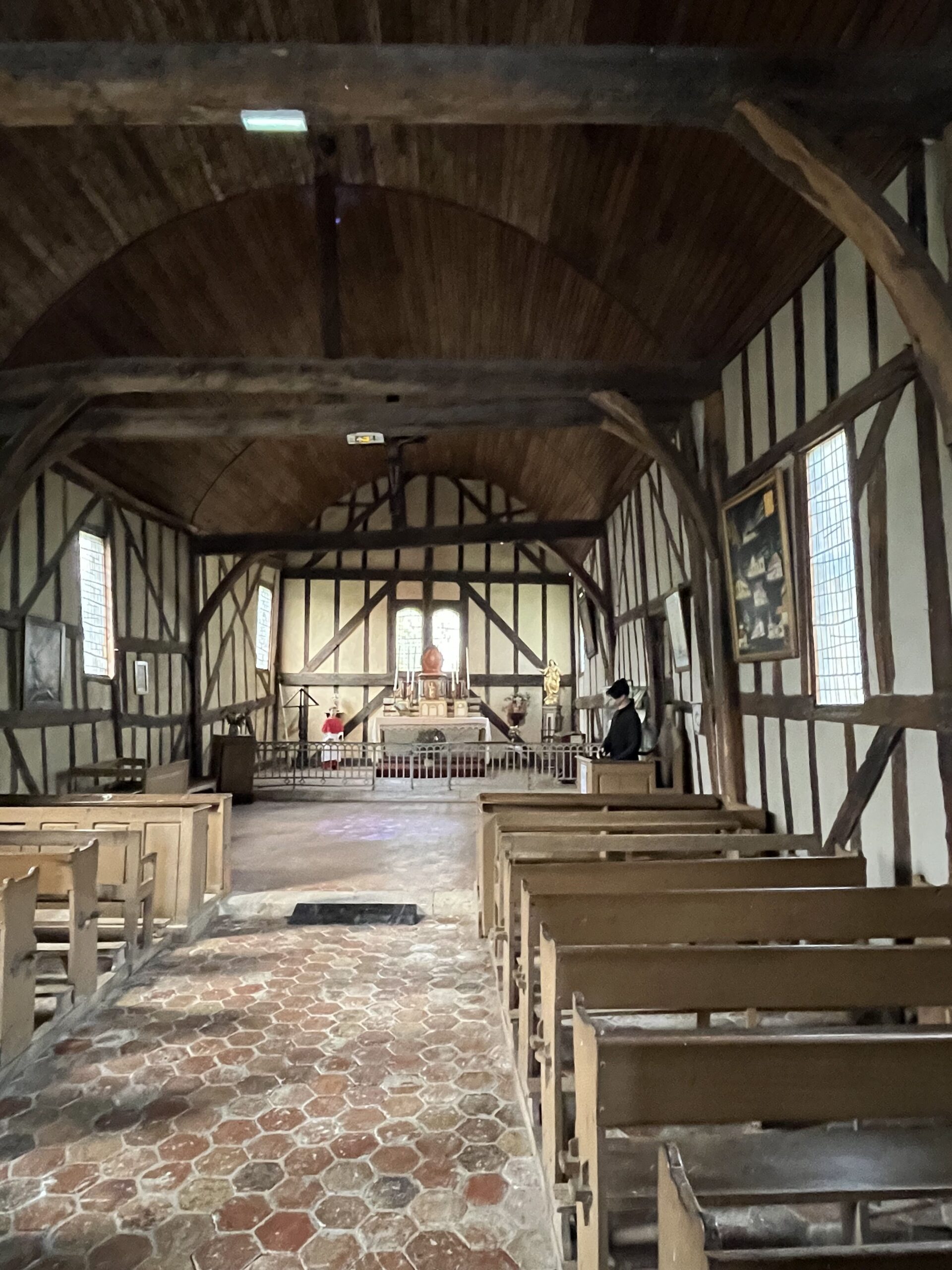
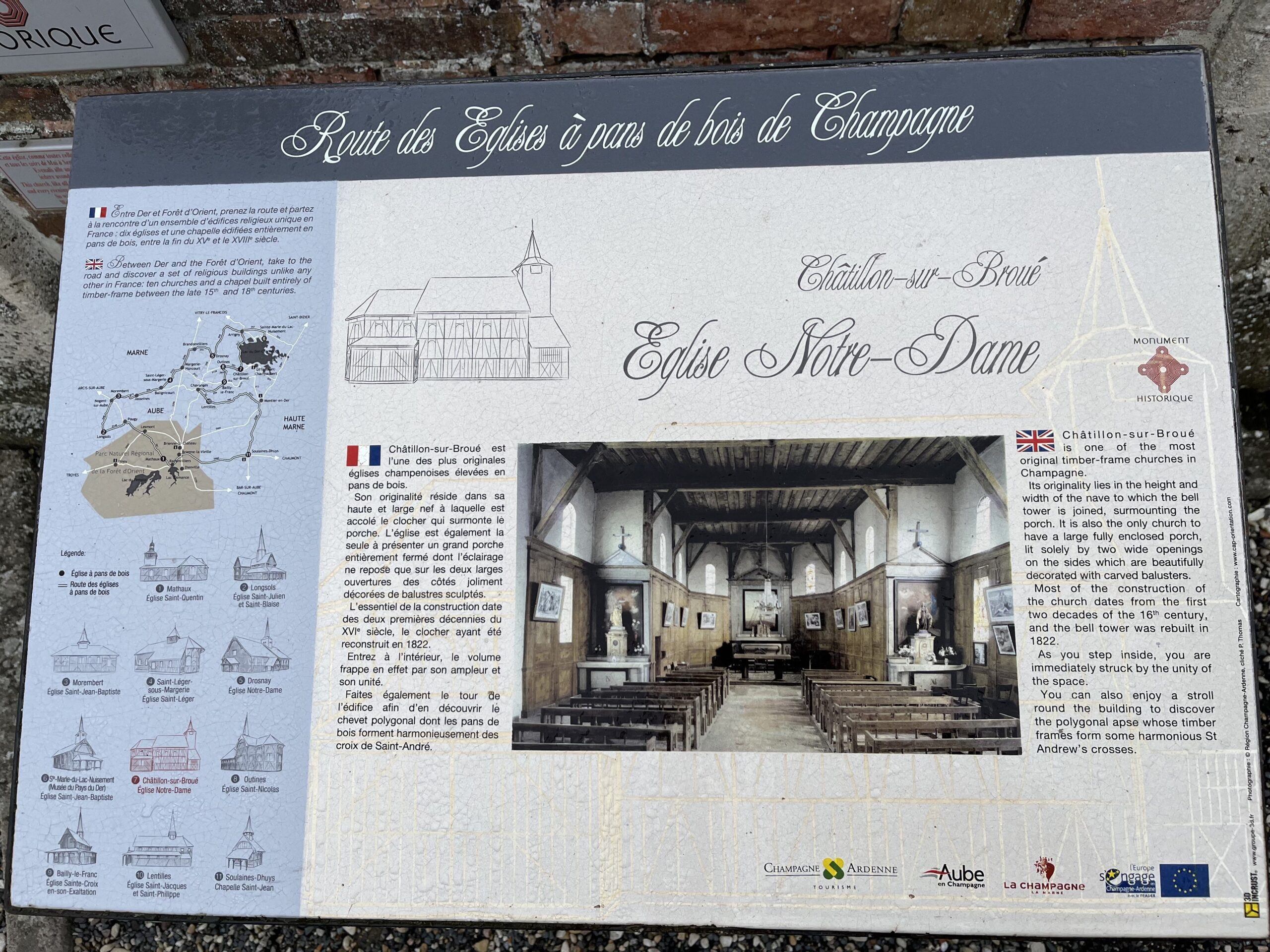
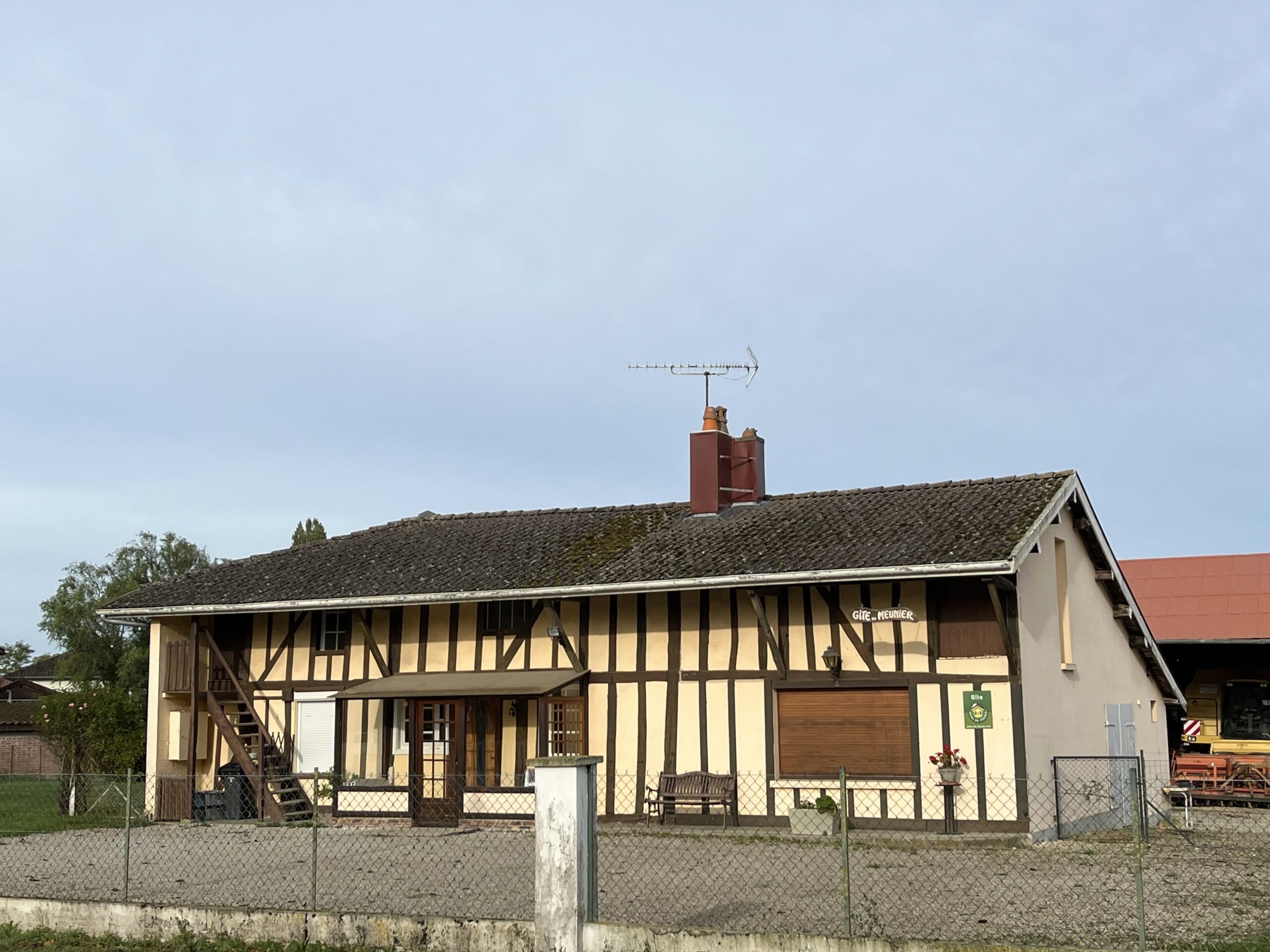
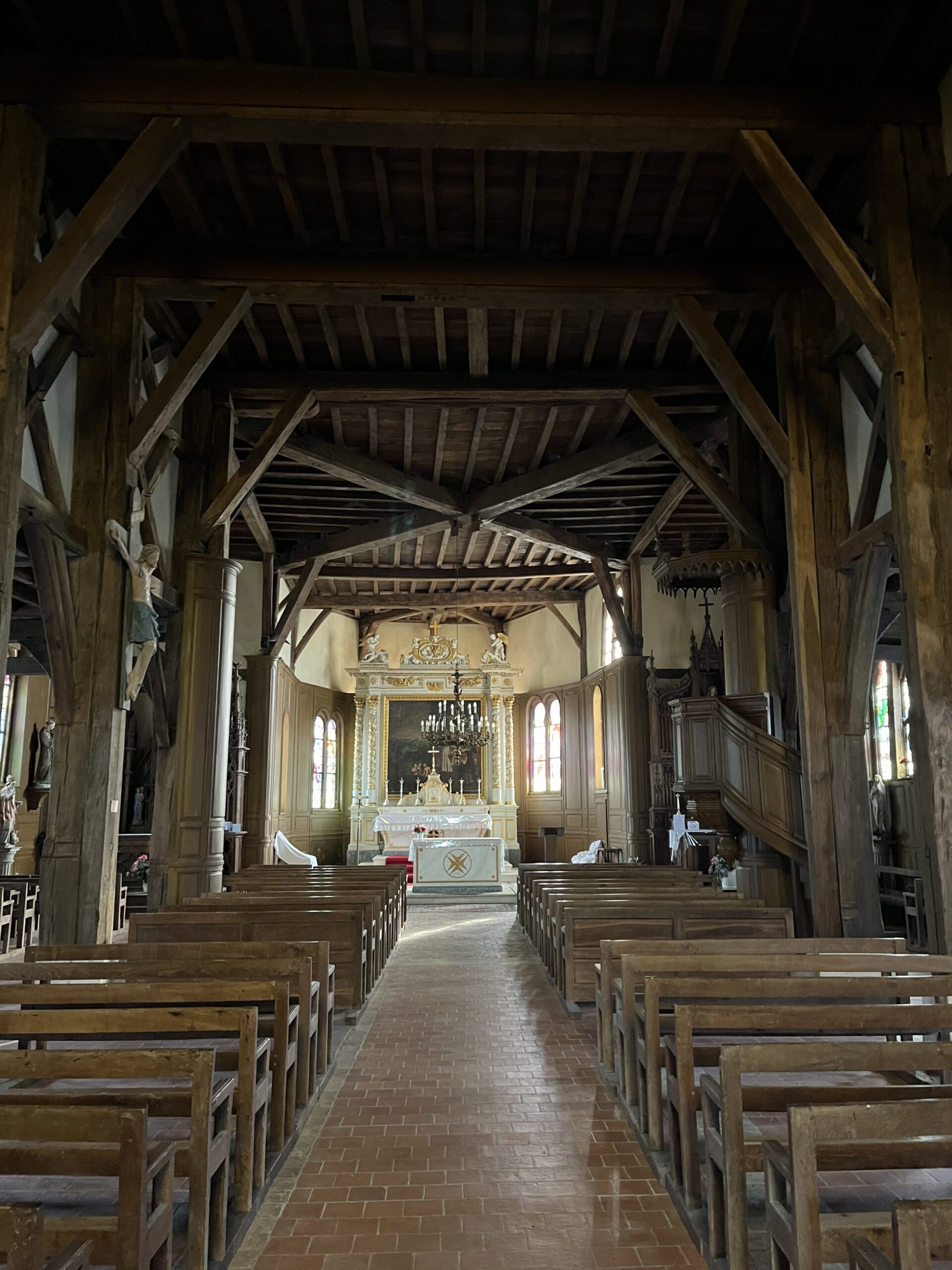
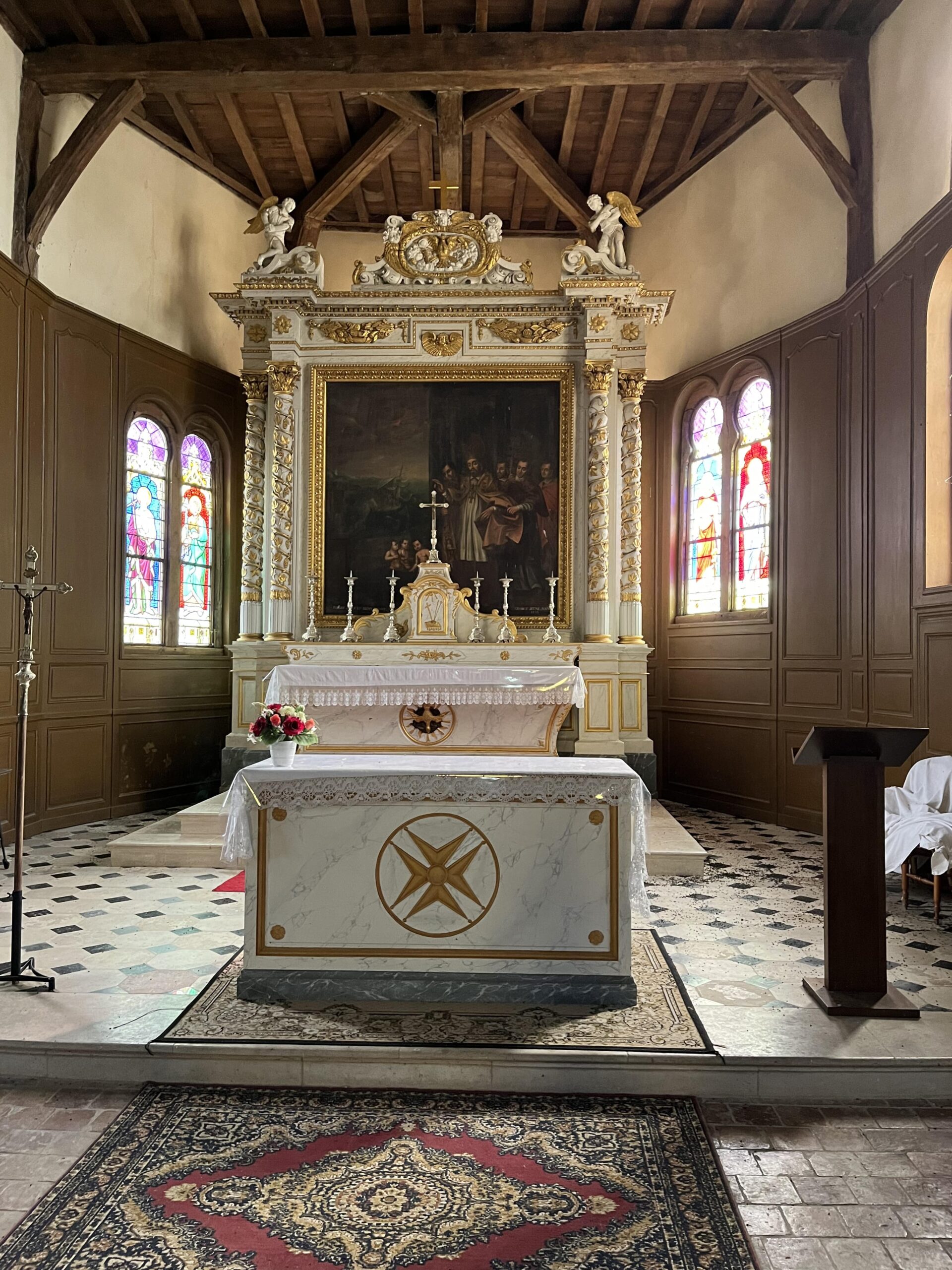
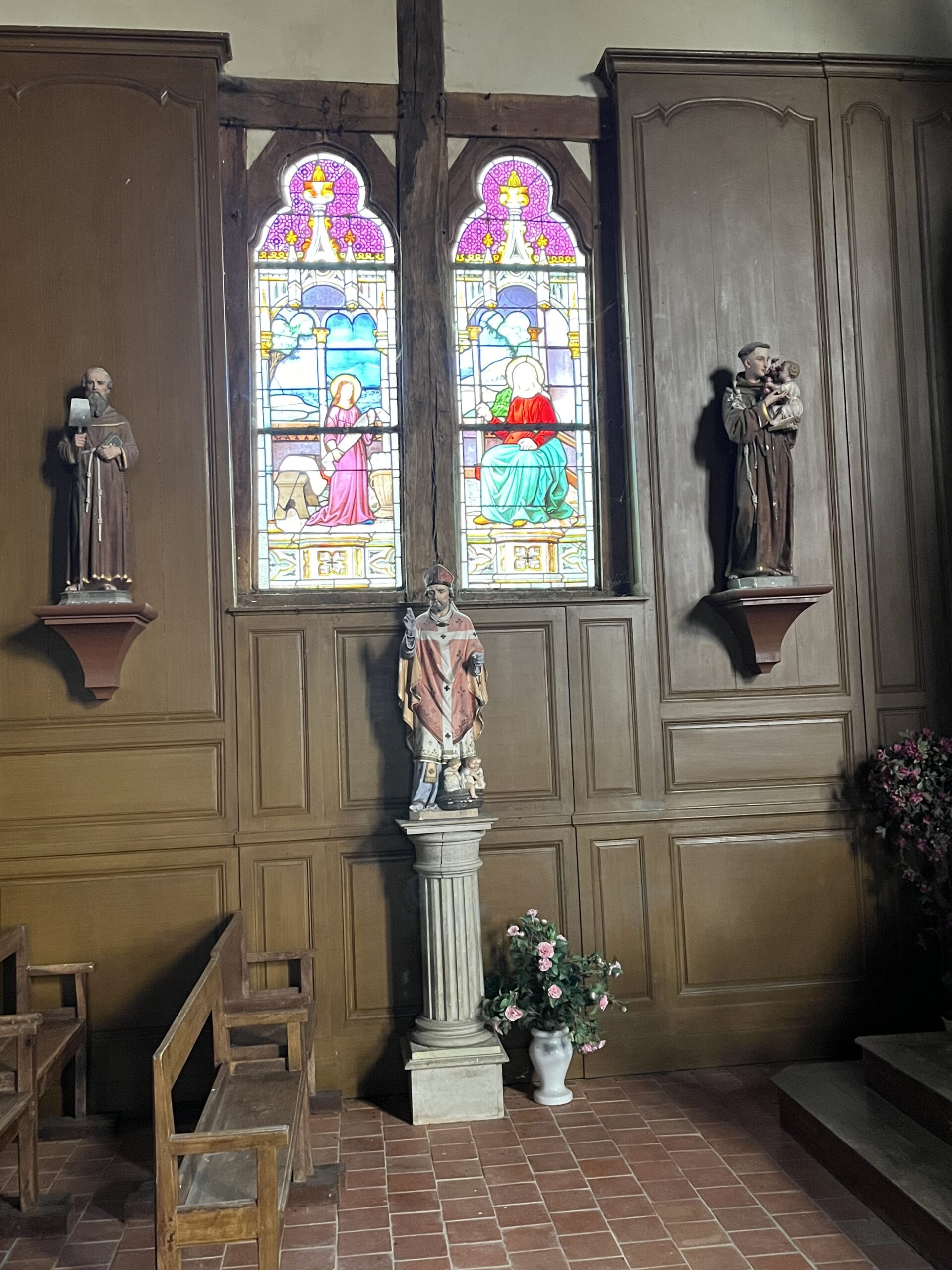
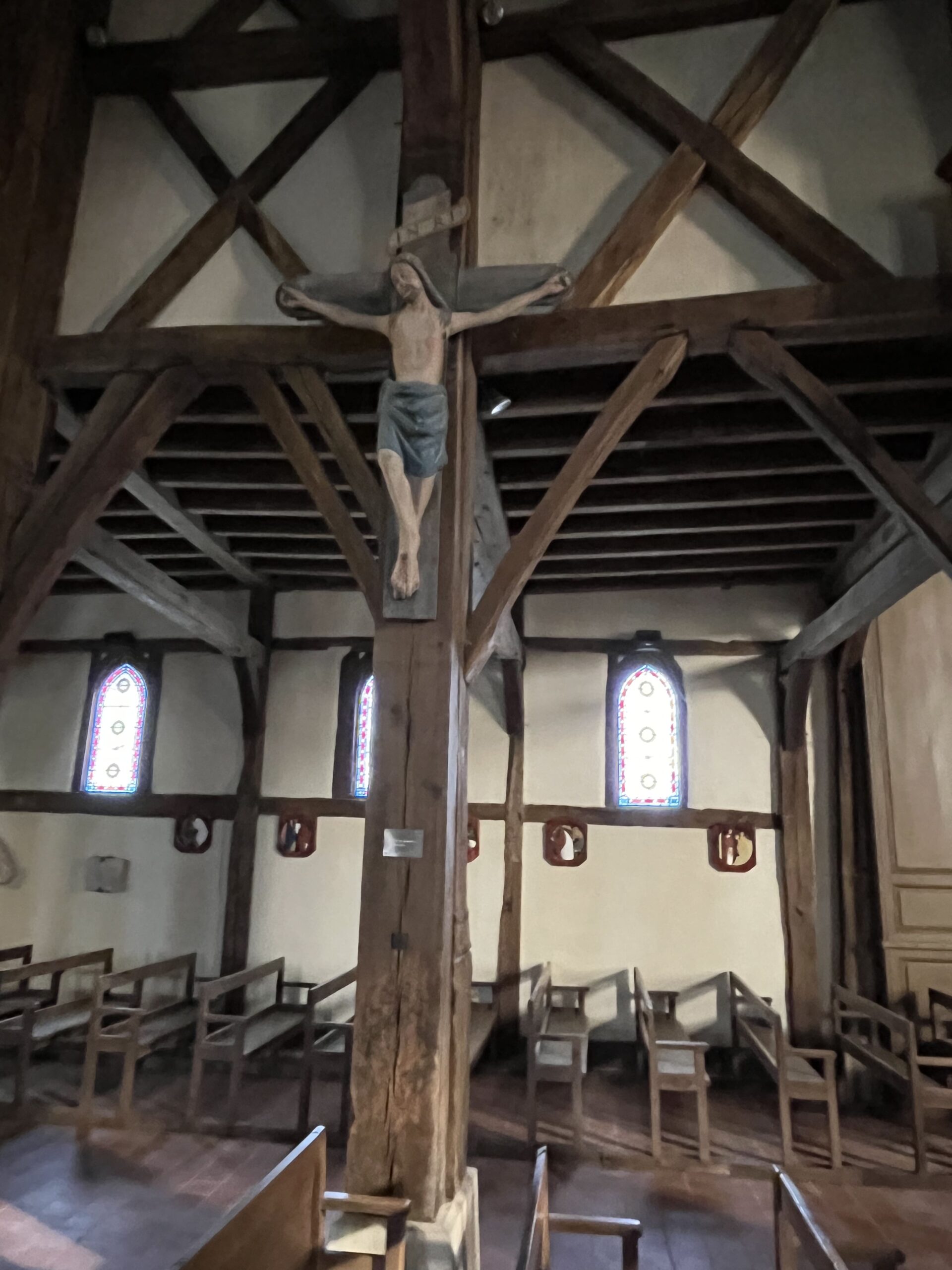
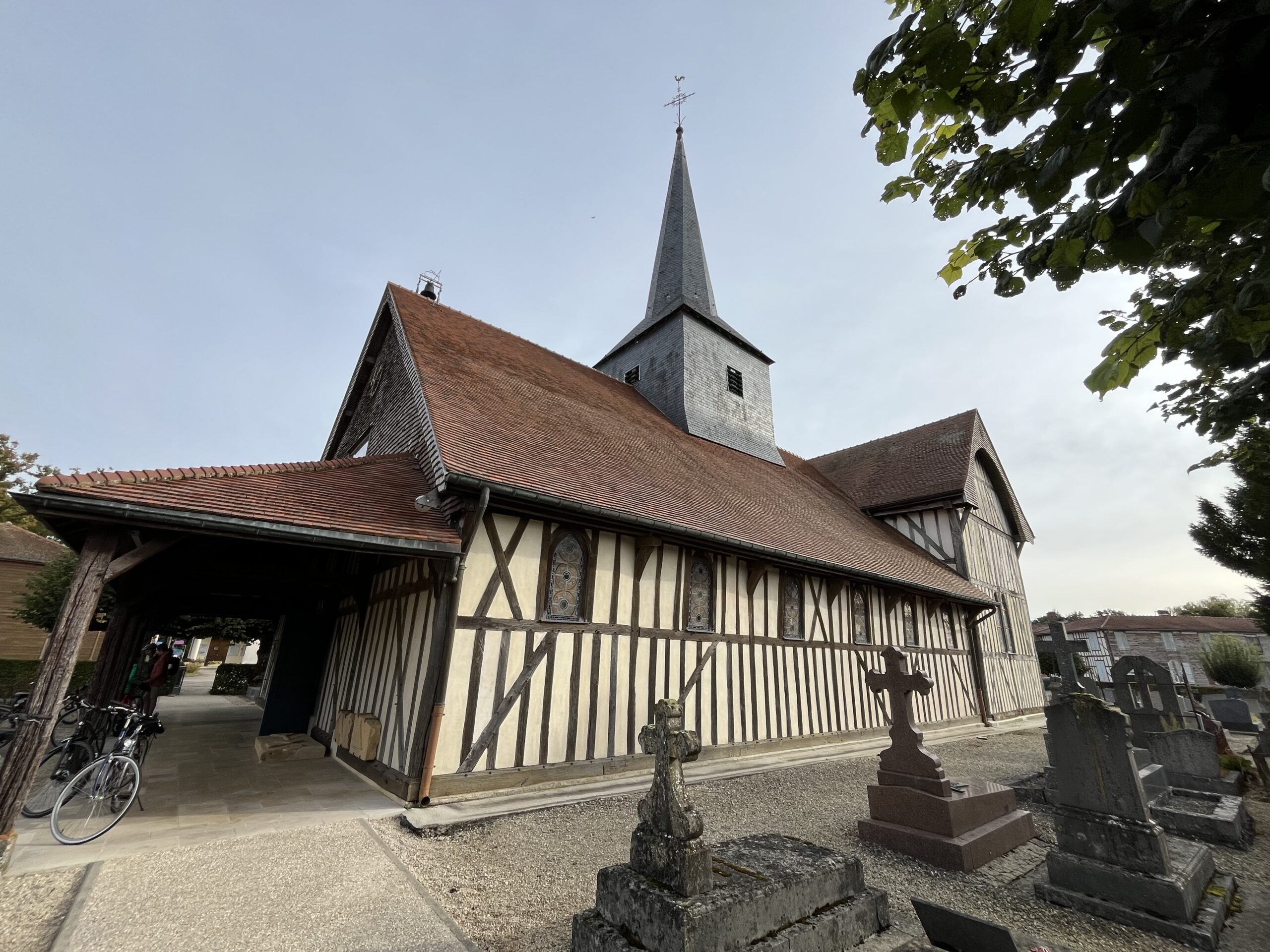
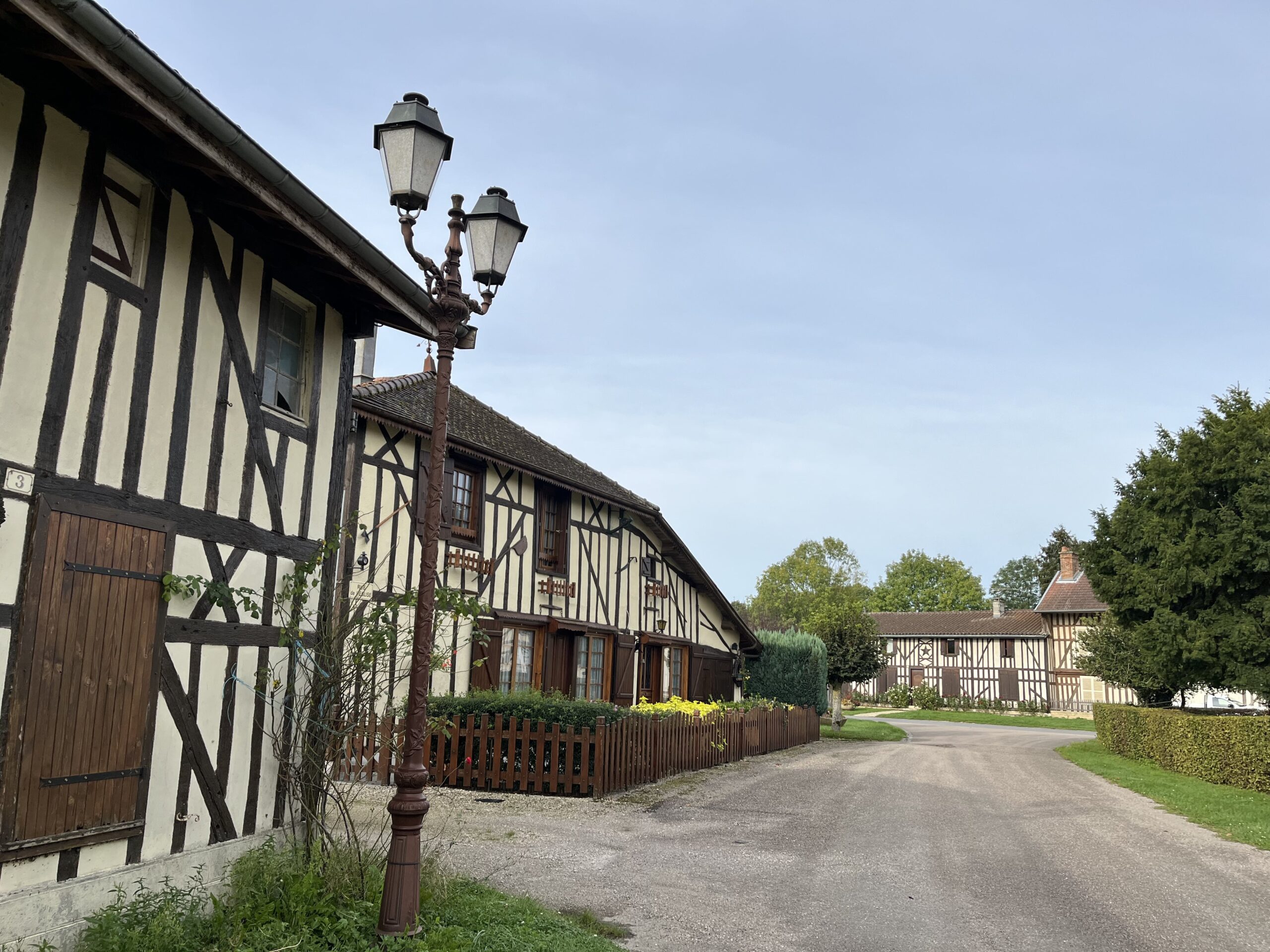
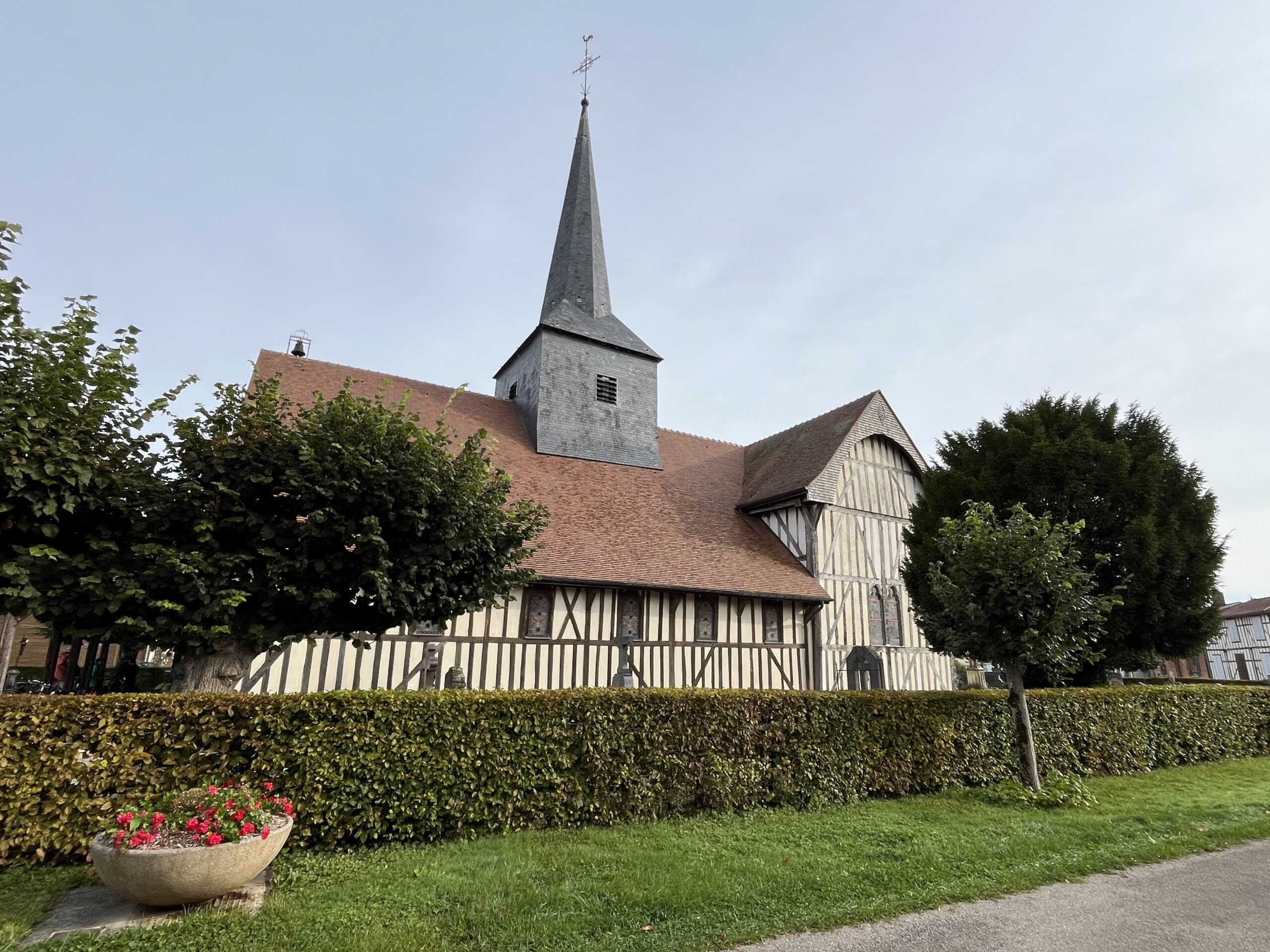
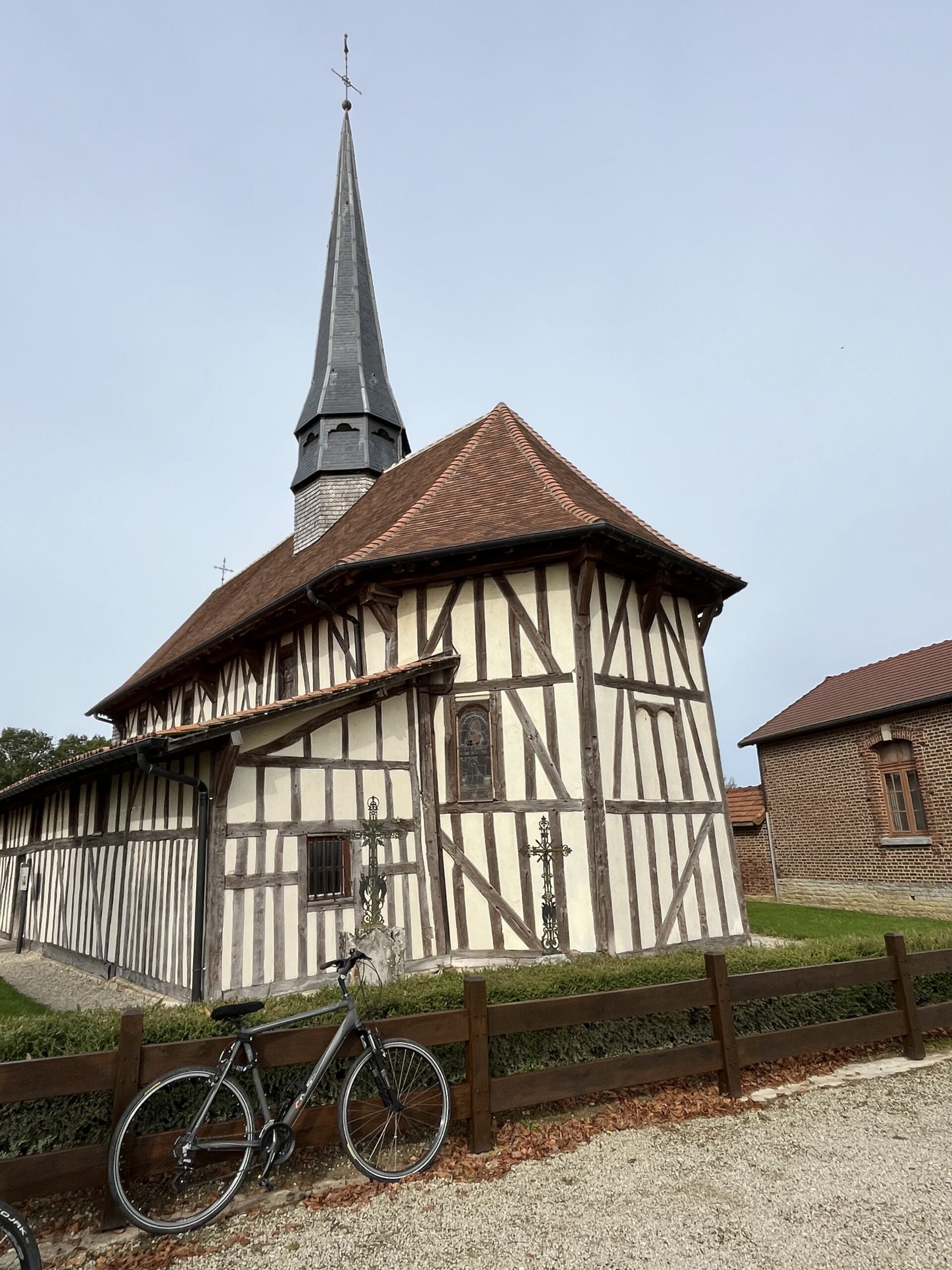
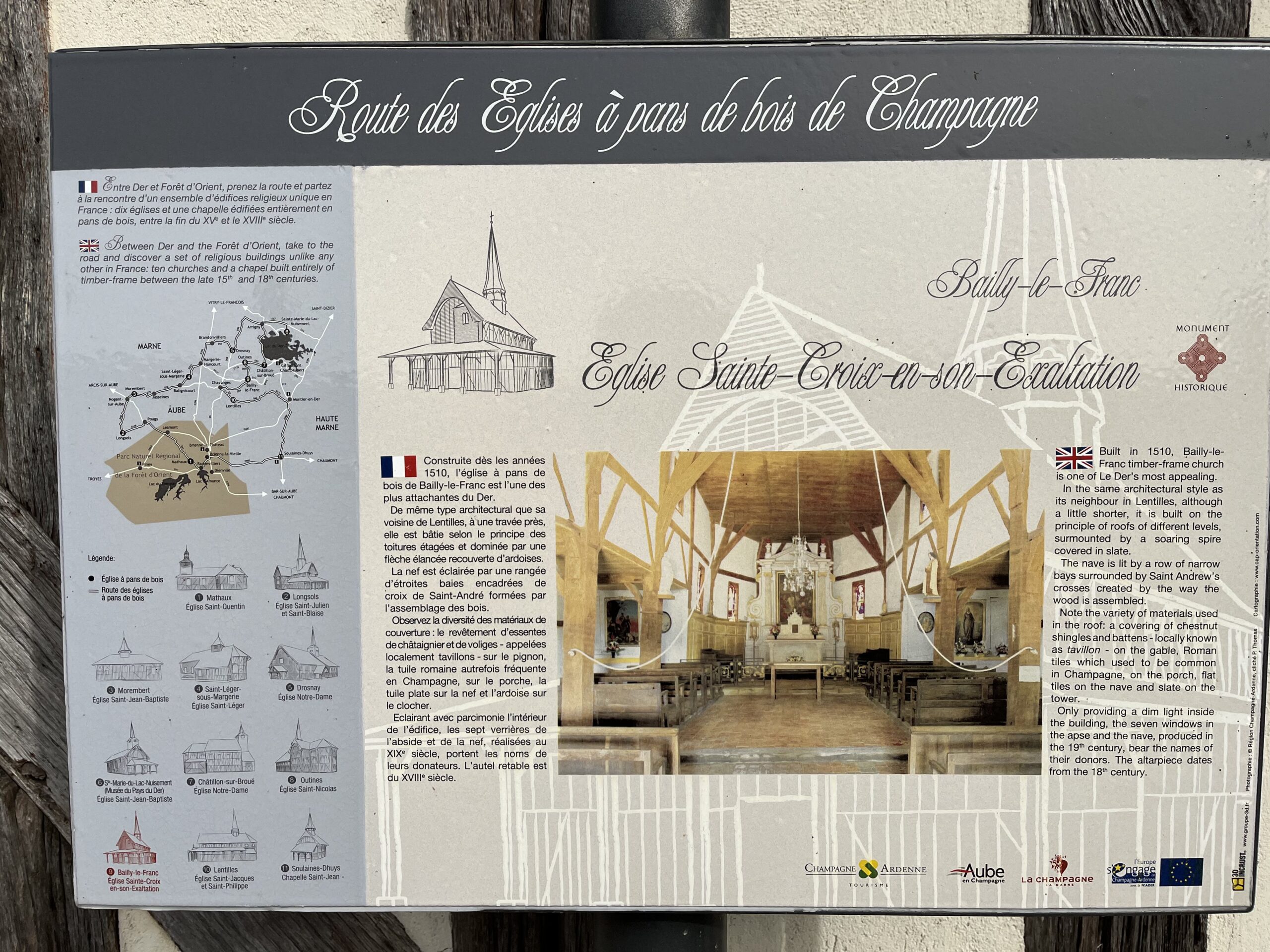
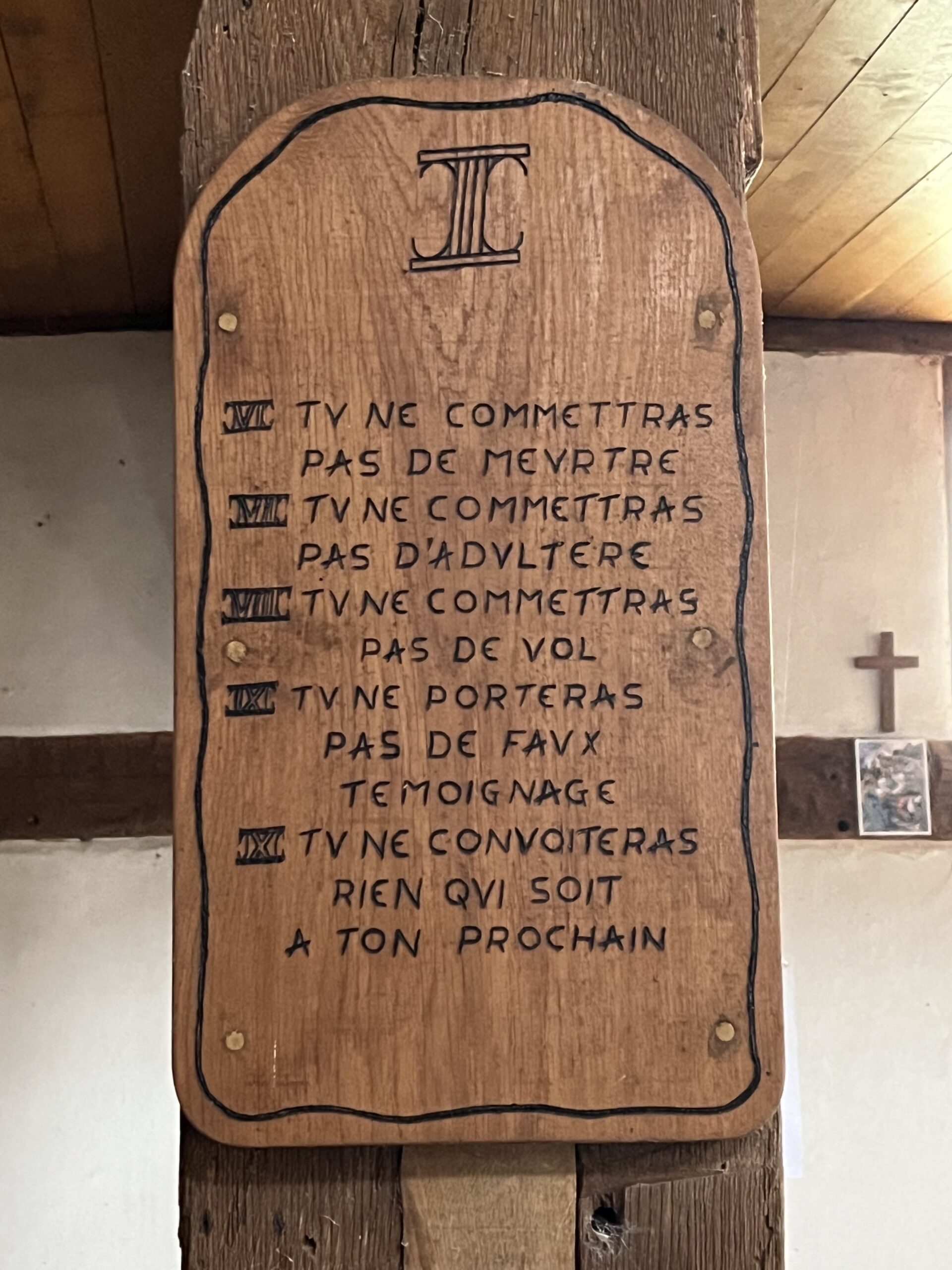
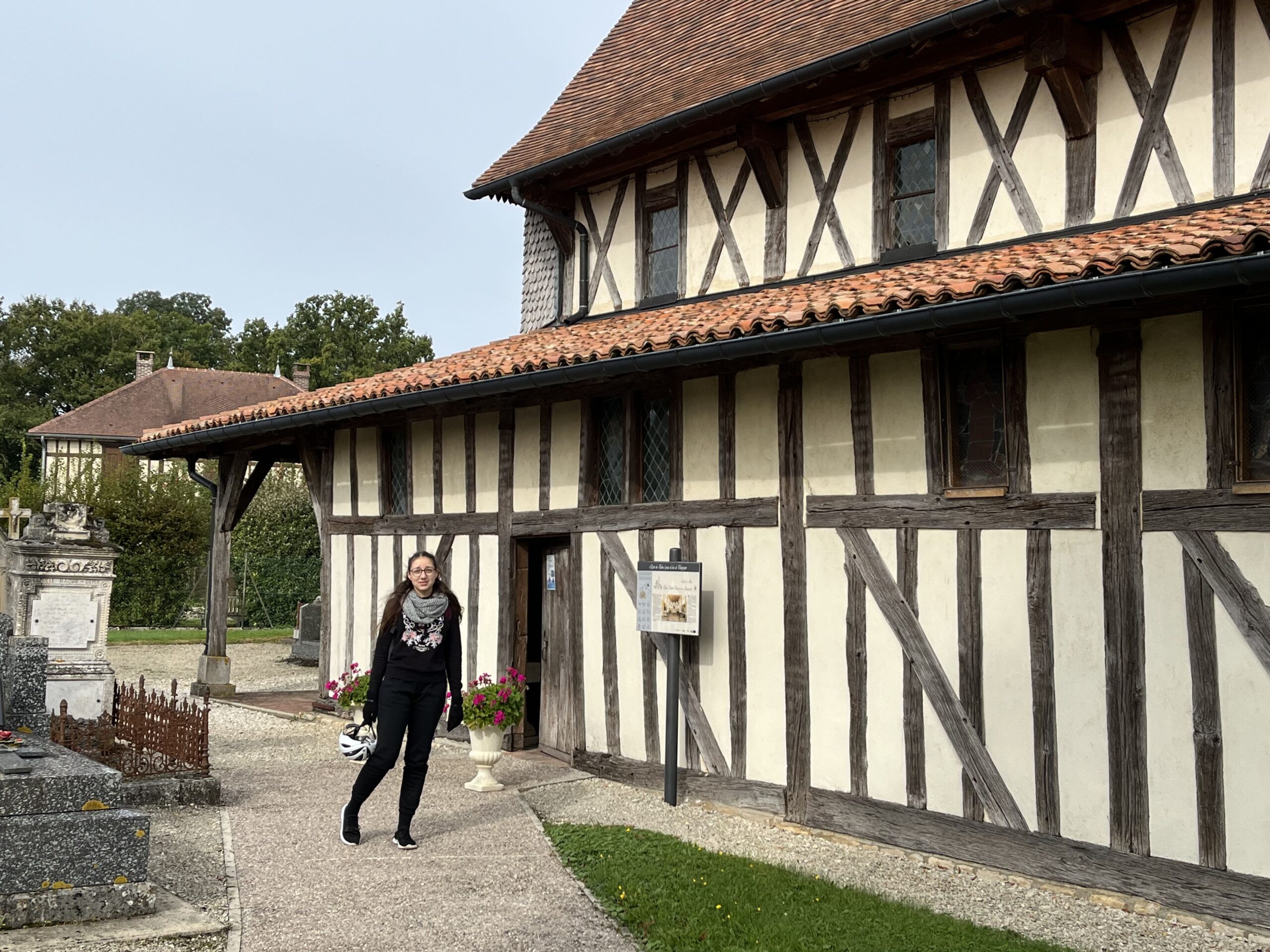
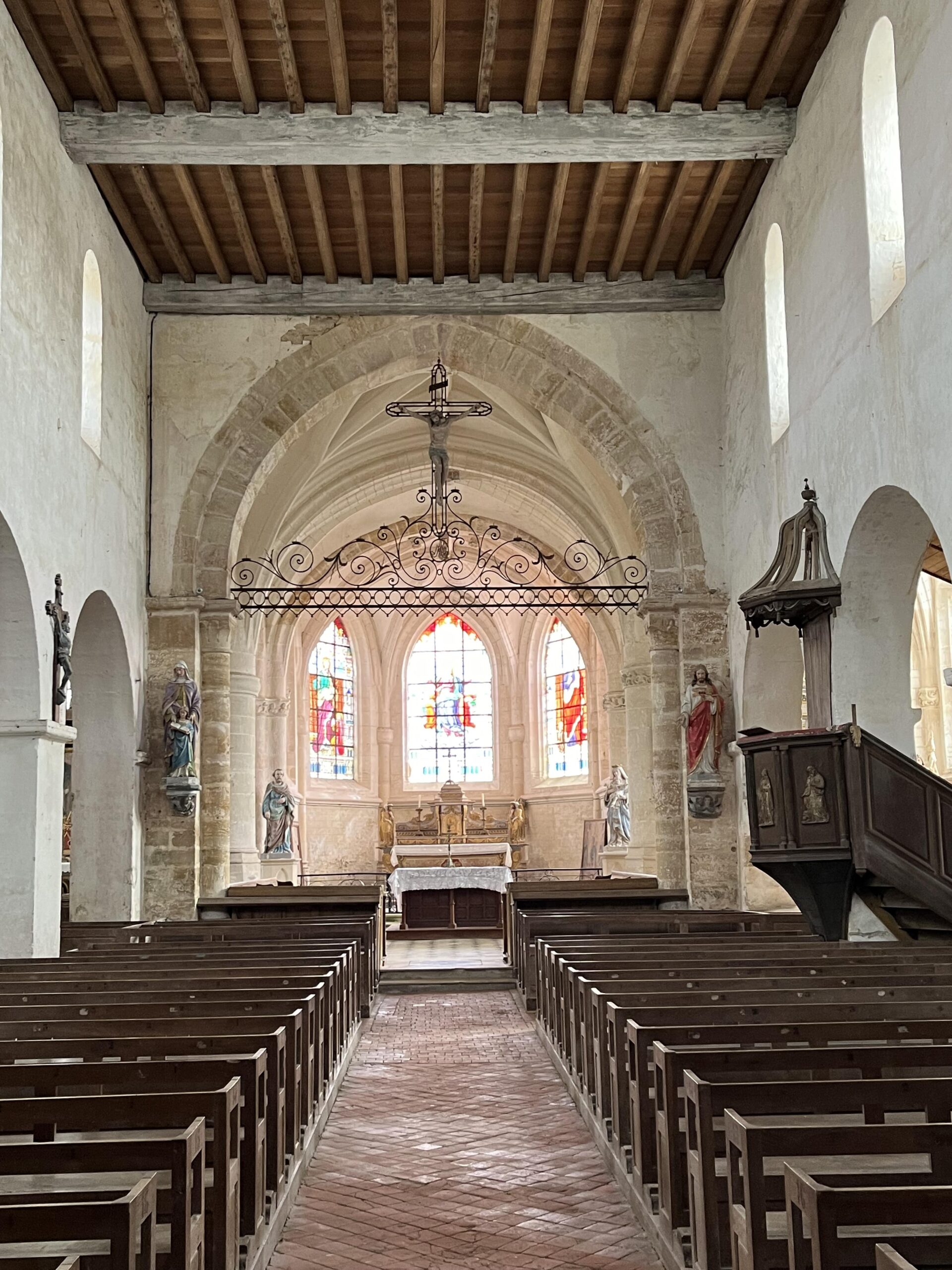
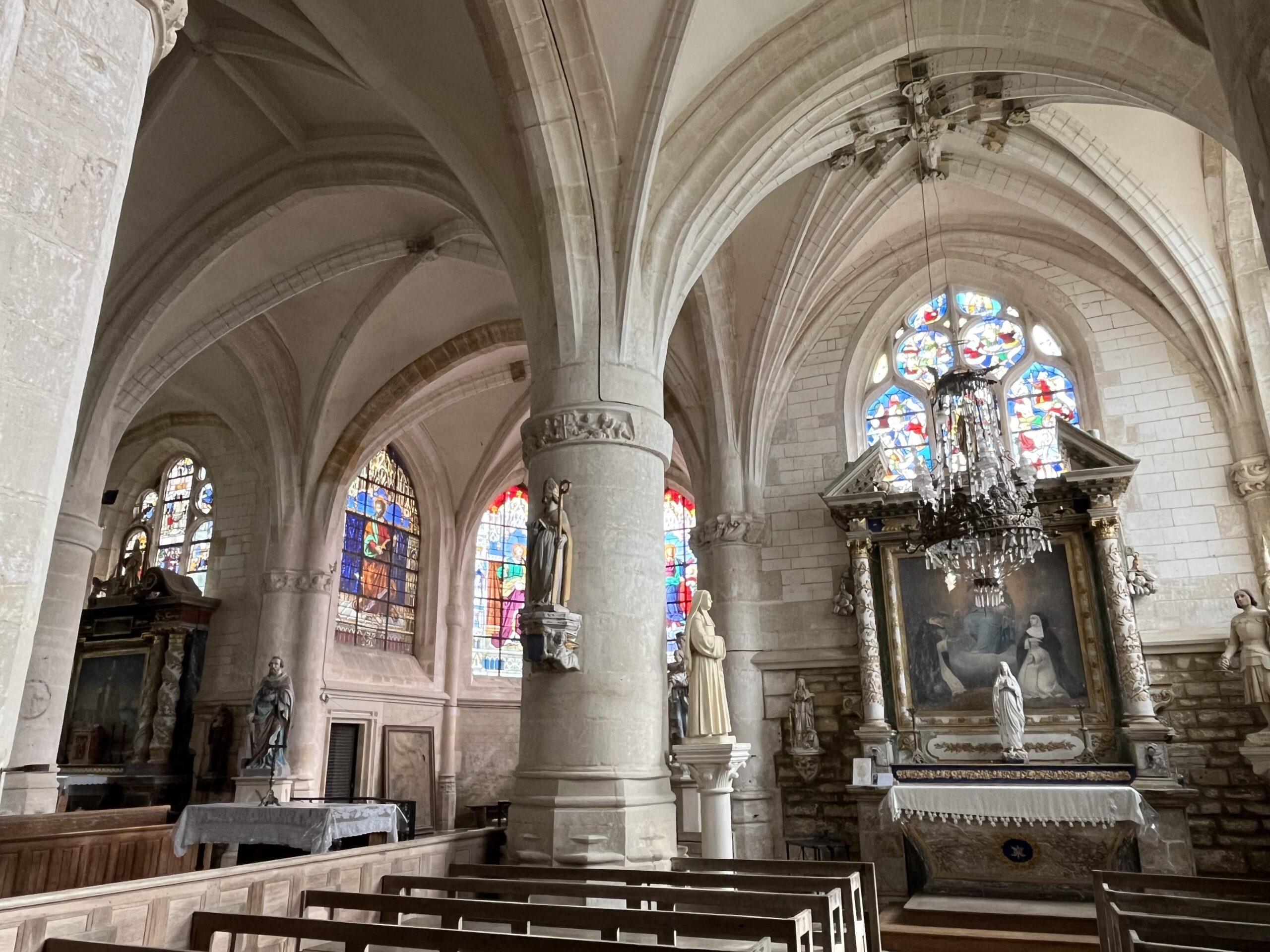
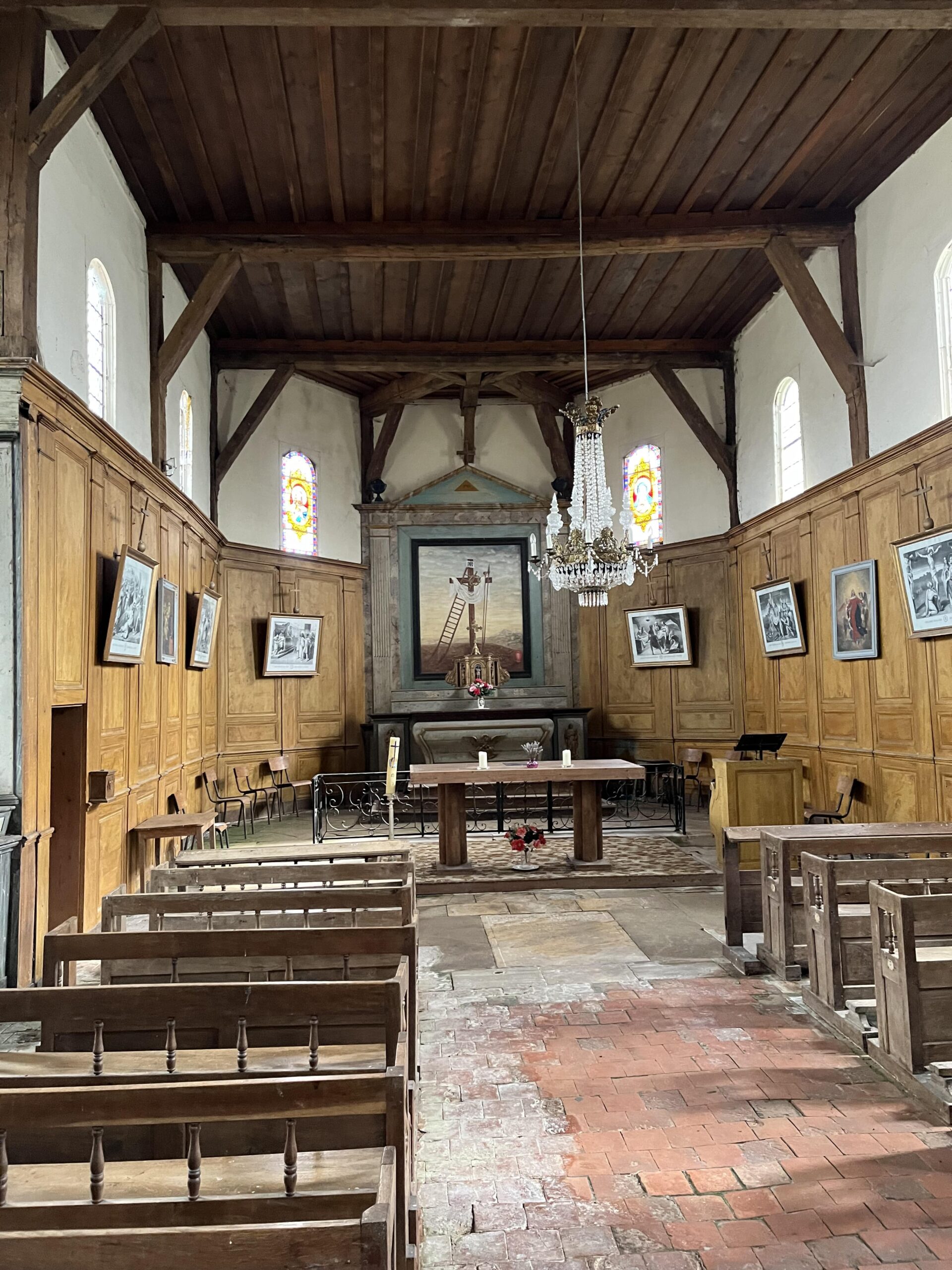
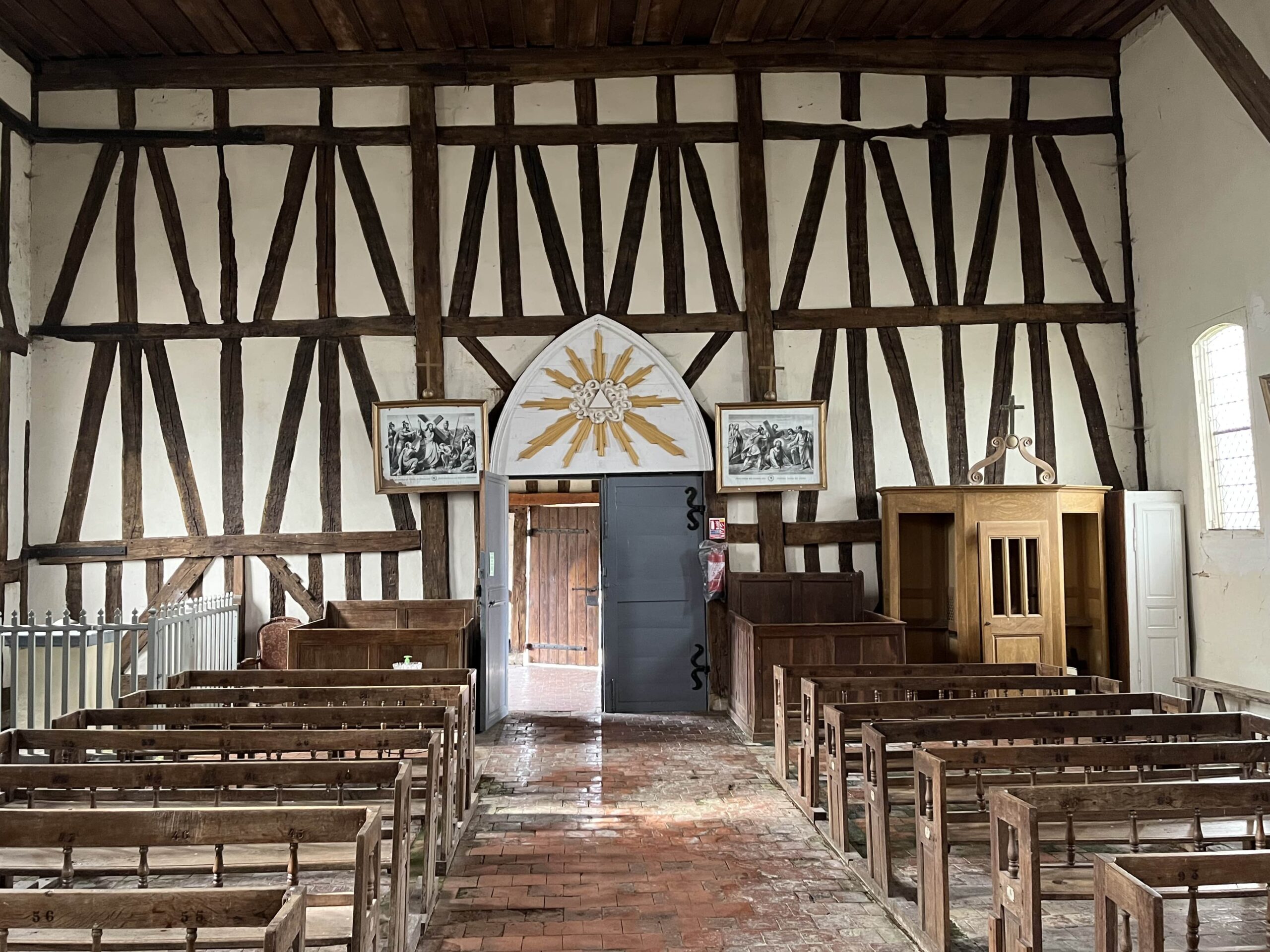
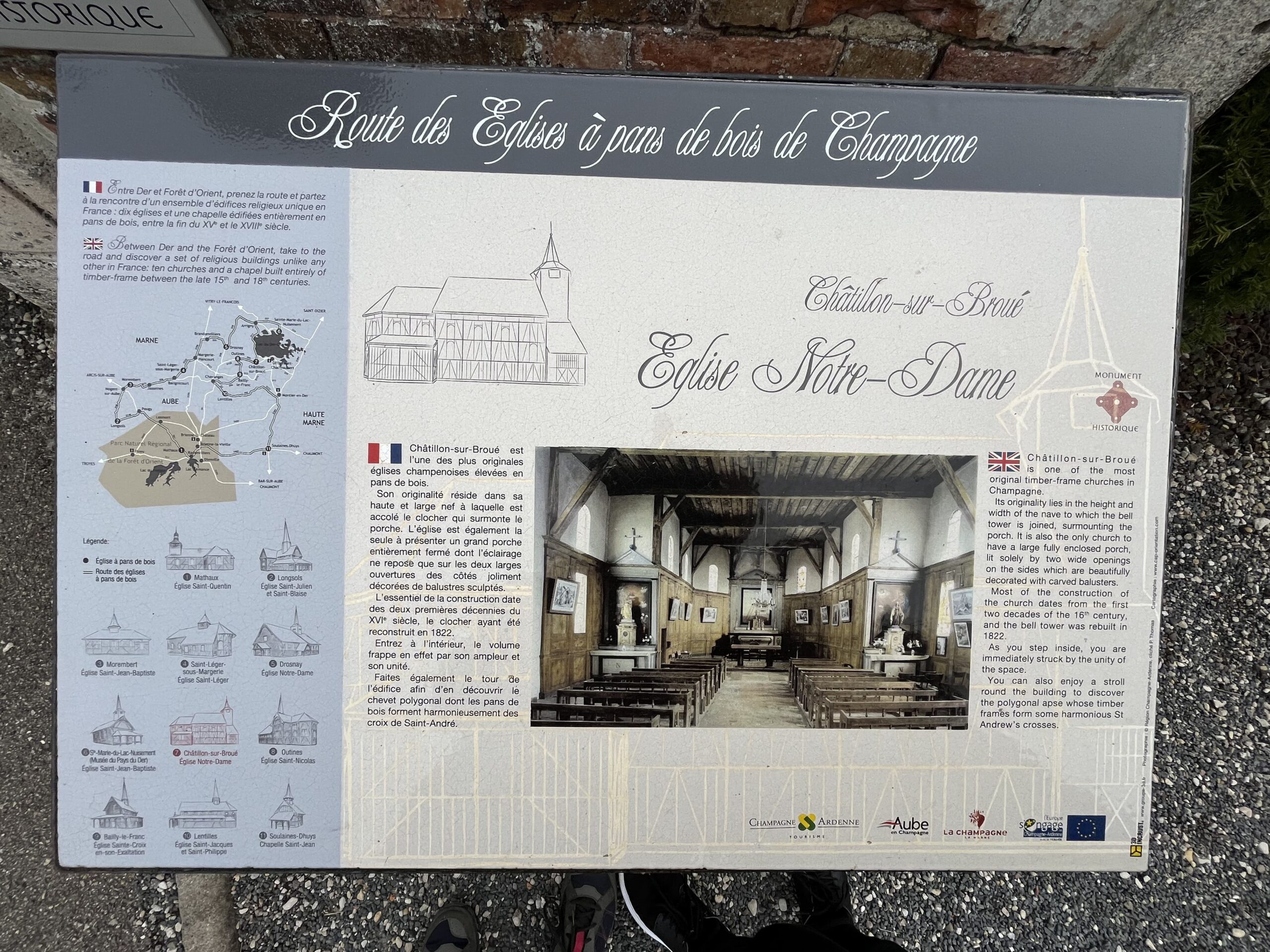
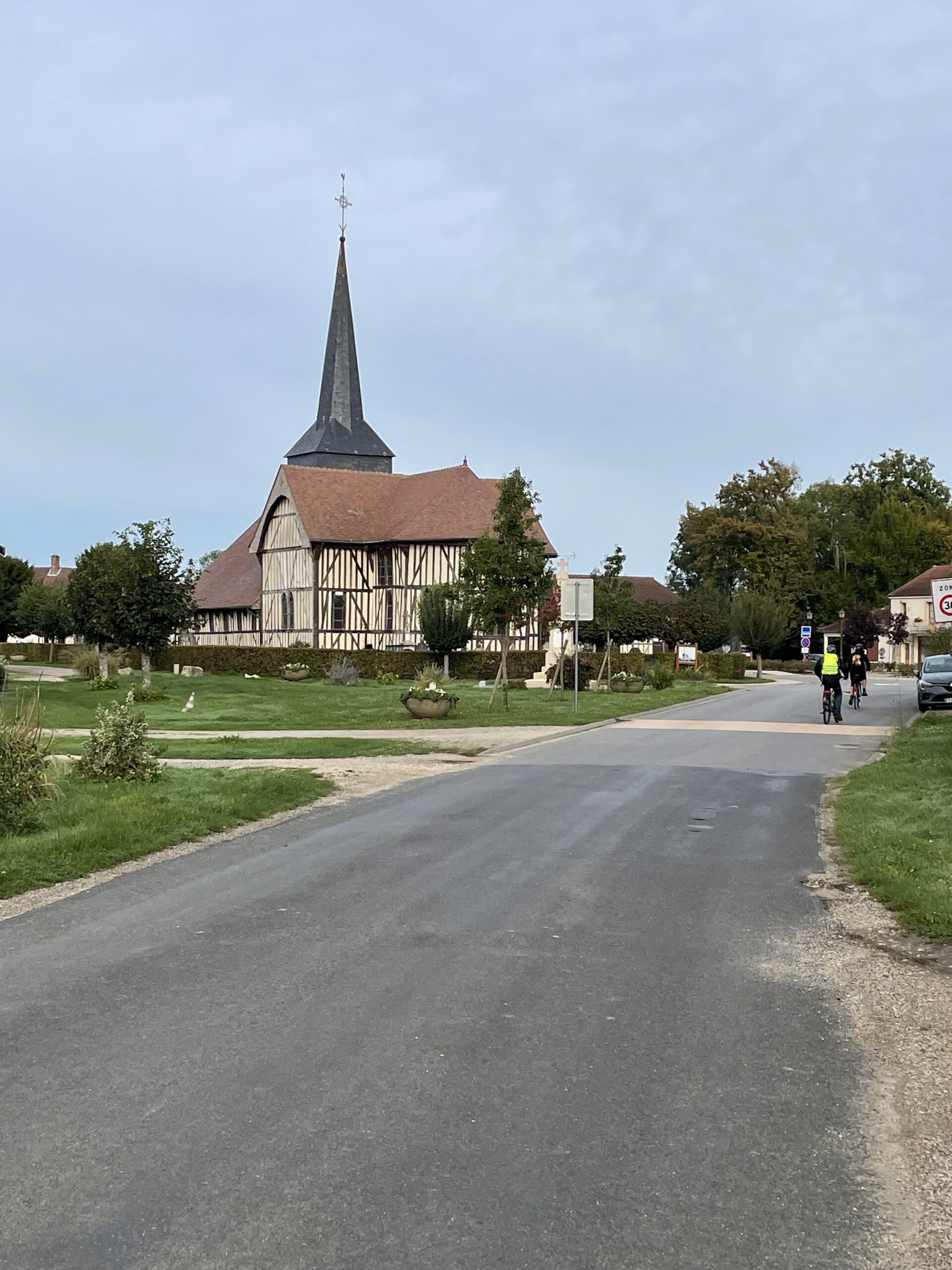
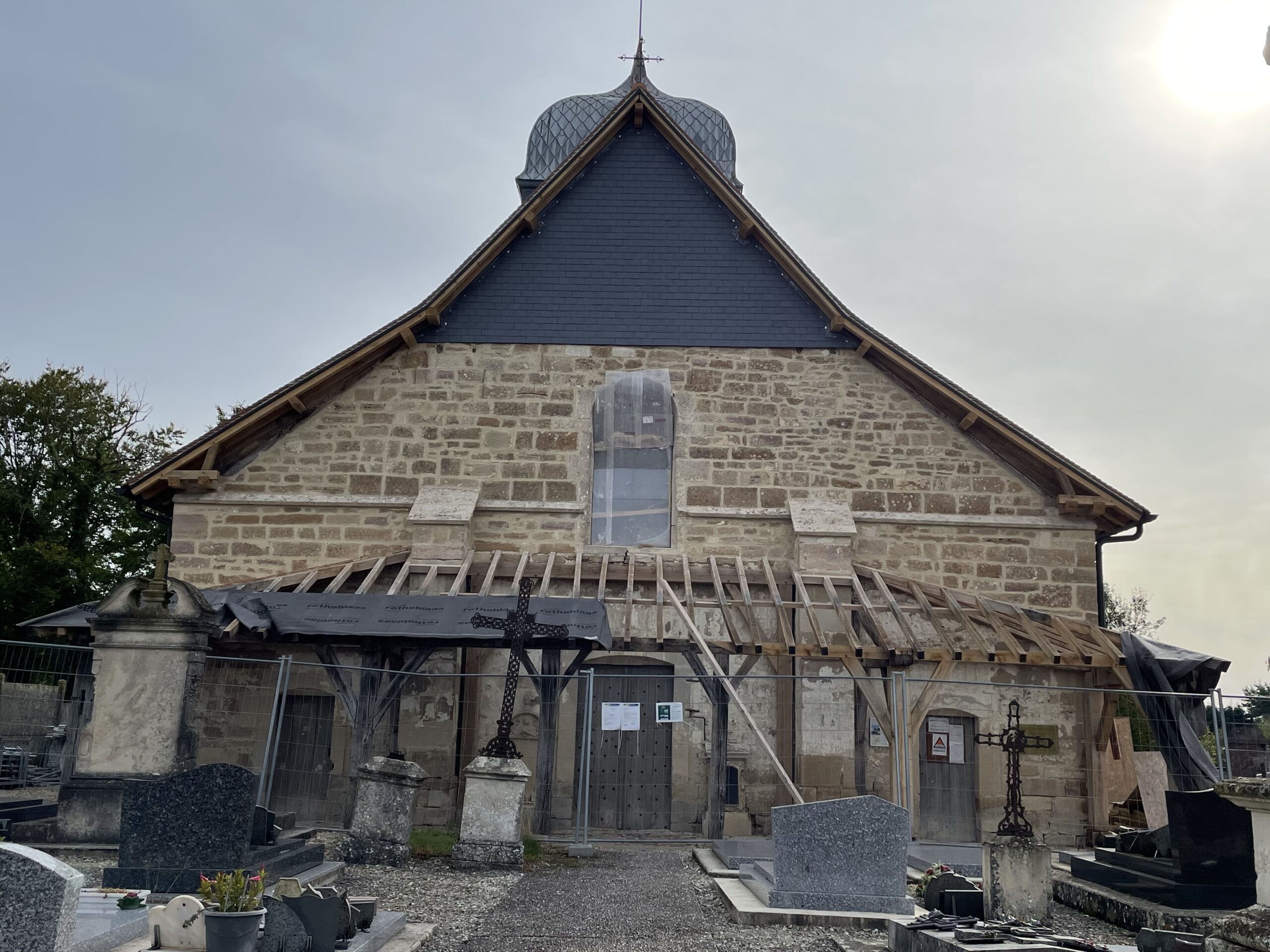
Half-timbered churches, an exceptional heritage Around fifteen villages boast heritage treasures, some of which are over 400 years old. In the middle of this peaceful countryside are some unusual churches that catch the visitor’s eye. The group was able to visit some of the 11 churches listed as Historic Monuments.
The design of these half-timbered churches reflects a time when people chose materials that were available locally in order to minimise the cost and time required to erect buildings. In this region of Champagne, the only resource available was oak. As a result, all the buildings were made of wood, including churches and houses. In addition to being practical, timber framing was appreciated for its aesthetic appeal!
1. ‘Peace’ in the Balkans – Conference by J.-A. Dérens
2. Ukrainians under Russian missiles and bombs: Report by our Vice-President who has been to Ukraine
3. ‘Bike for climate’ around Lac du Der on 28 and 29 September
Dear members,
This Newsletter provides information on the situation in the Balkans, which were ravaged between 1992 and 1995 by the Balkan Wars. The situation has improved since then, but there is still no real peace, because the underlying conflicts are still there and could explode, for example between Kosovo and Serbia, or in Bosnia-Herzegovina between the Srepska Republic and the Bosnian and Croatian communities.
The summaries of the Salon du Livre 2024 conference with our guest, Jean-Arnault Dérens, and the video of the entire conference on YouTube provide an up-to-date analysis of the situation of the peoples of the Balkans.
In July, our Vice-President Natalya visited some of the projects for victims of the war that we support in Ukraine. Unfortunately, the situation for the Ukrainians remains very difficult and a ceasefire, or even peace with Russia, is still impossible. Russia continues, with impunity, to kill its own soldiers and Ukrainian civilians and soldiers defending their country. You can read the report on the trip below.
After the Second World War, peace was built within the European Economic Community through a common economic policy. This was based, among other things, on the exploitation of fossil fuels, mainly coal, oil and gas. The transition to renewable energies, which has been envisaged since the start of the new millennium, requires us to abandon the exploitation of fossil fuels in the medium term. The aim is to avoid the disasters predicted by all the current studies on climate change. However, the major oil-exporting countries, such as Russia and the Gulf States, are refusing to make the transition to an ecological economy. Wars (in Ukraine, Gaza and elsewhere) are therefore (also) becoming a means of preventing this transition. Since 2022, we have seen how ecological projects, movements and parties have struggled to gain a foothold or have been thwarted. Governments are stopping or putting the brakes on ecological transitions that aim to replace the causes of air pollution with CO2, the gas primarily responsible for climate change.
We’re organising our next ‘Bike for climate – bike for peace’ event around France’s largest artificial lake, Lac du Der, on the border of the Marne and Haute-Marne départements. Come and experience the benefits of cycling from the morning of Saturday 28 September to the afternoon of Sunday 29 September. On the evening of the 28th there will be a discussion on the theme of ‘fundamental ecology’.
You are all cordially invited to join us. We will be carpooling. Please let us know in advance by email ([email protected]) or by calling us on +352 621 280 850 or by text message.
A concertino has been organised by the Ad Pacem association in Italy in the town of Serra Sant Abbondio (Province of Pesaro Urbino). Laura, Daniel and Michel Pantaleoni interpreted a number of classical and romantic works. Donations raised went towards the purchase of medicines for the psychiatric hospital in Vorzel, near Kyiv.
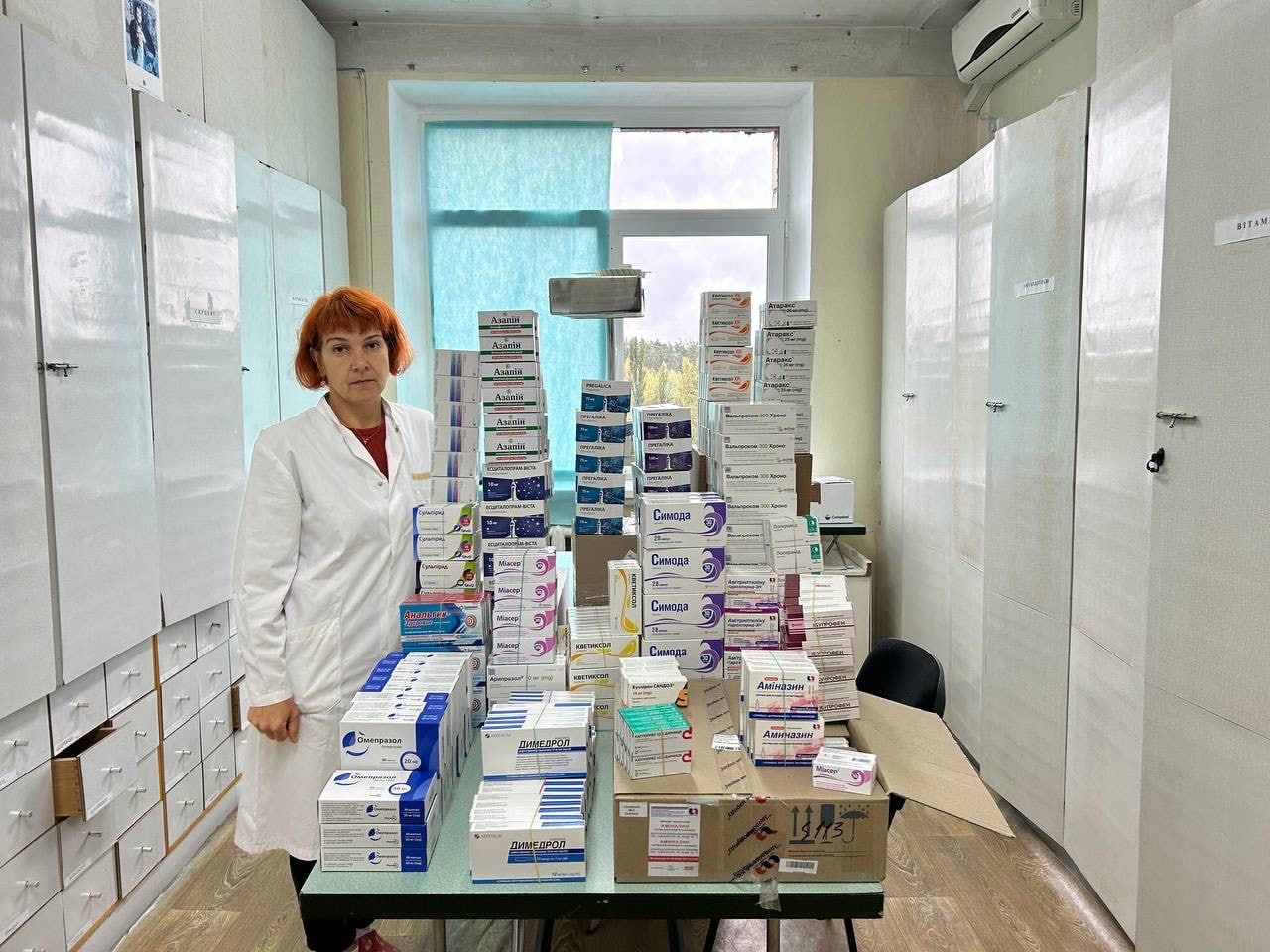
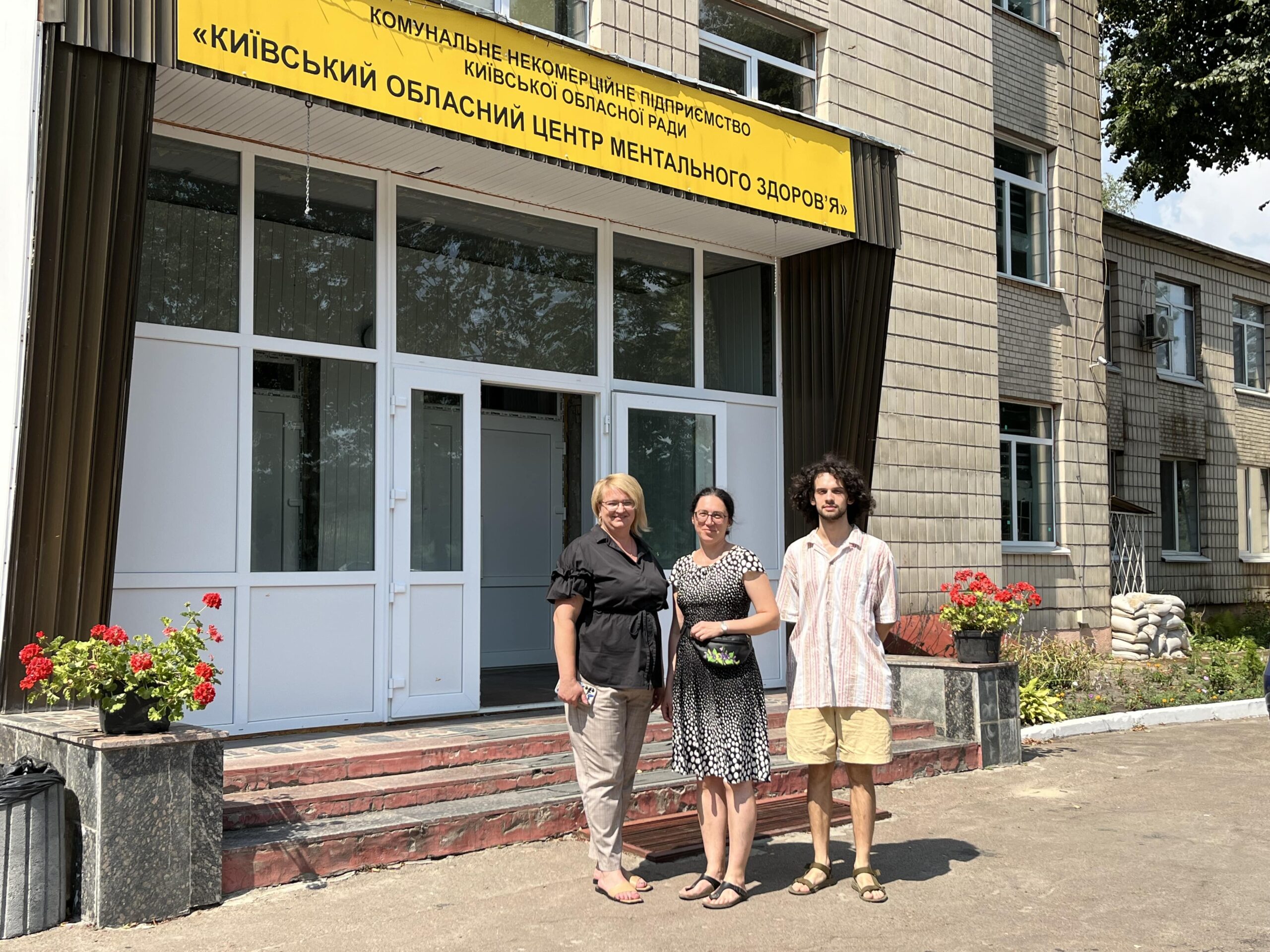
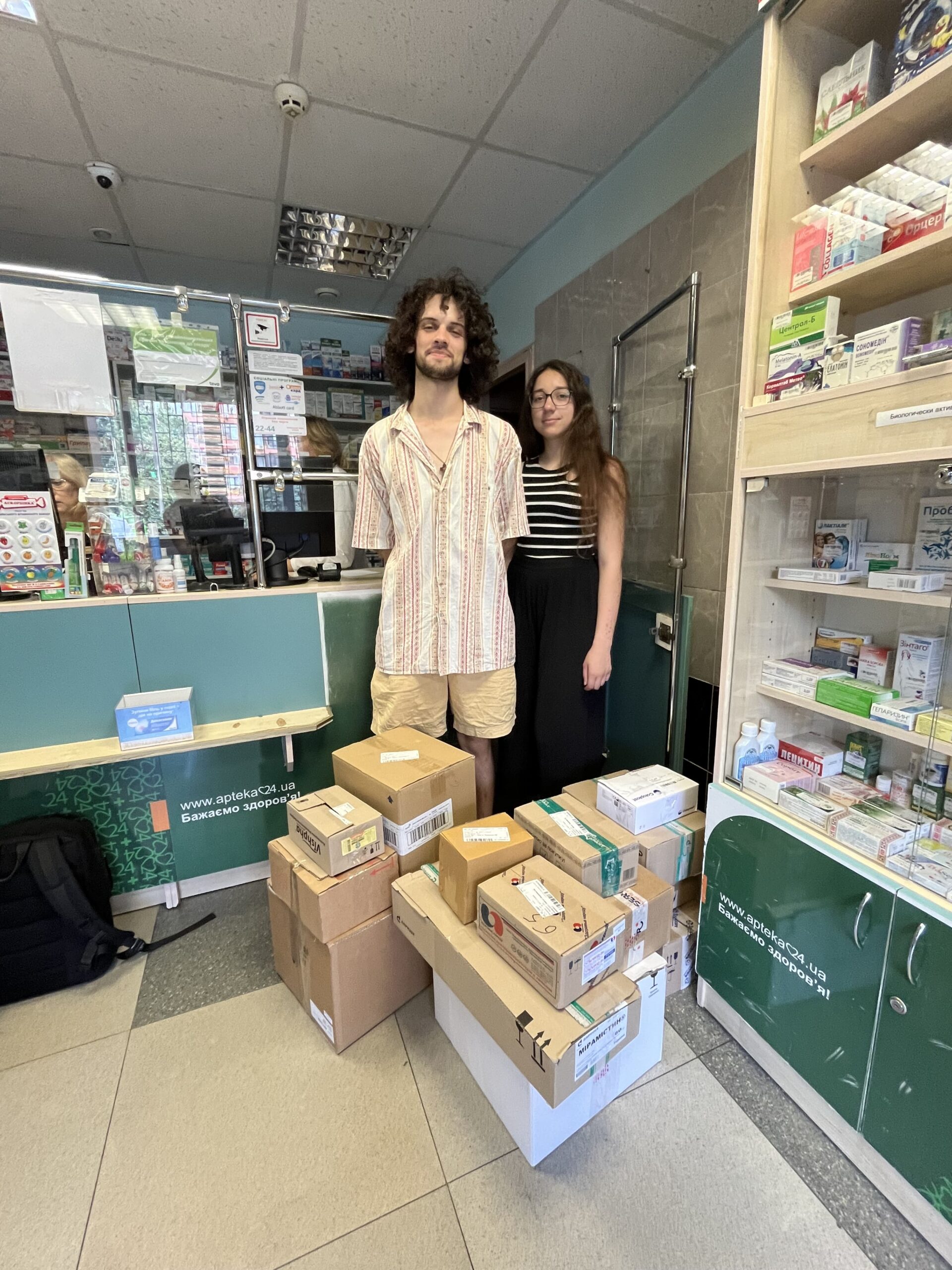
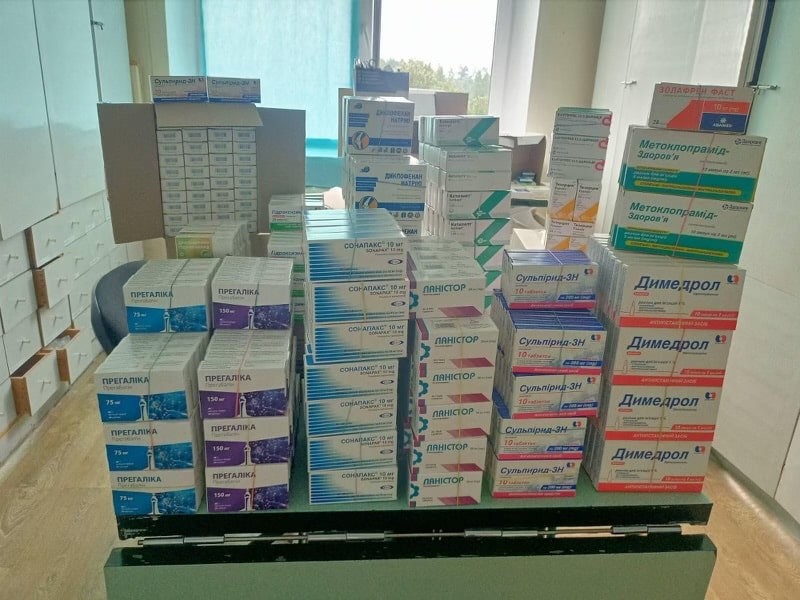
Natalya visits the hospital in Vorzel. On this day, the medicines needed for the therapies and purchased shortly beforehand were handed over. All the medicines purchased were paid for with the proceeds from the sale of the 2024 calendar.
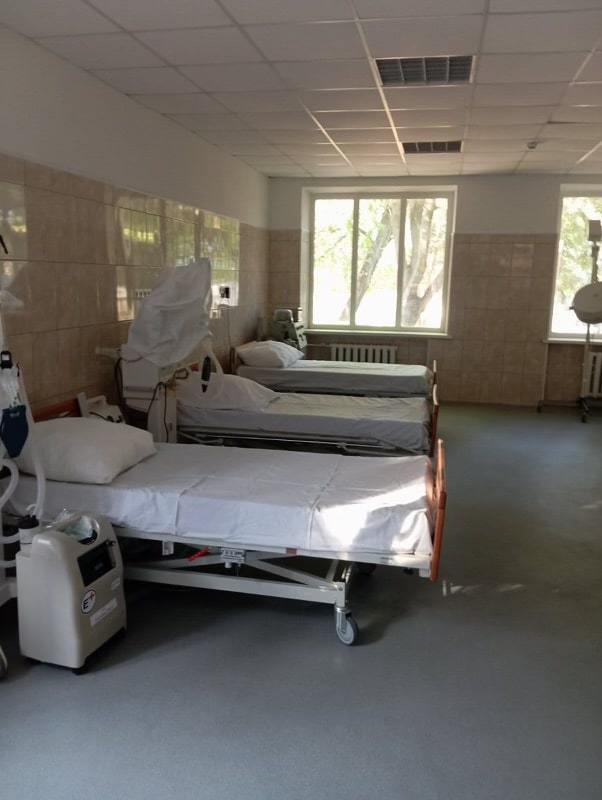
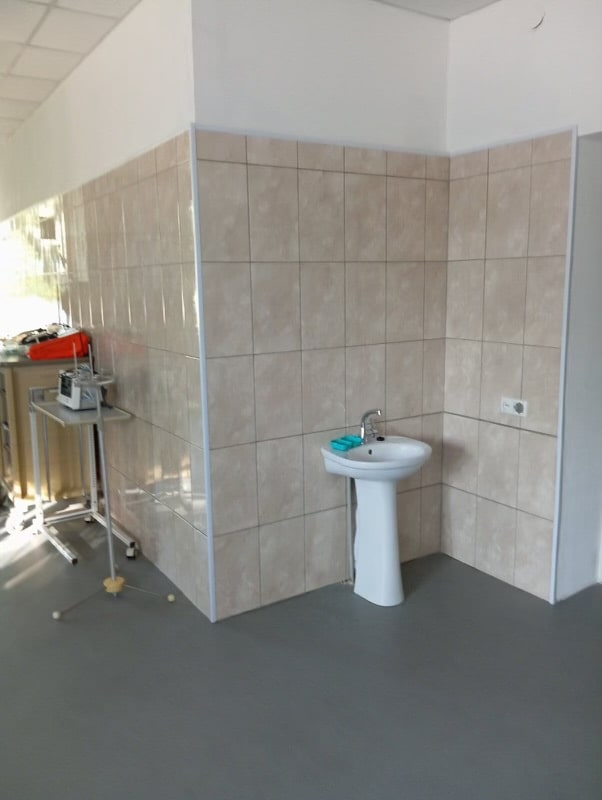
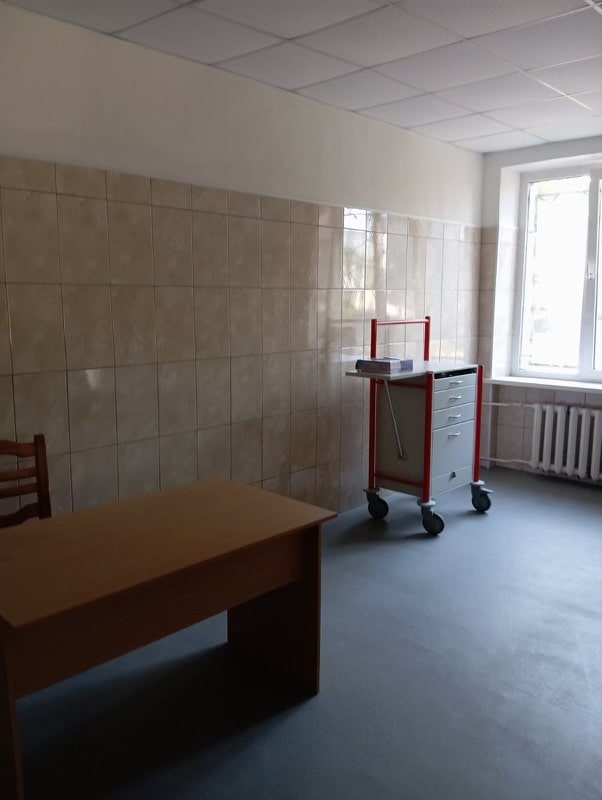
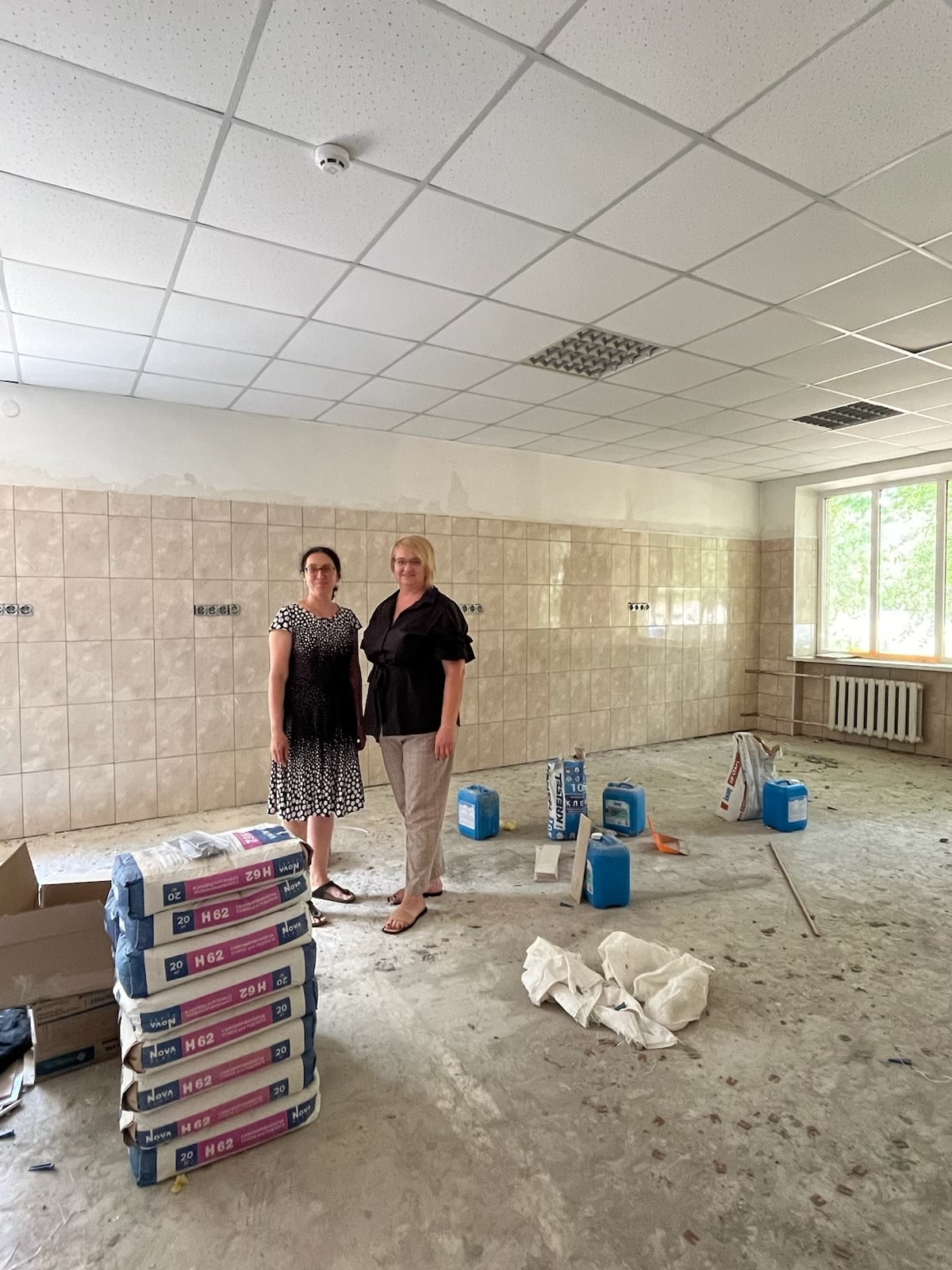
This was followed by a tour of the intensive therapy room, the renovation of which is being financed entirely by Ad Pacem.The work had not yet been completed by mid-July.